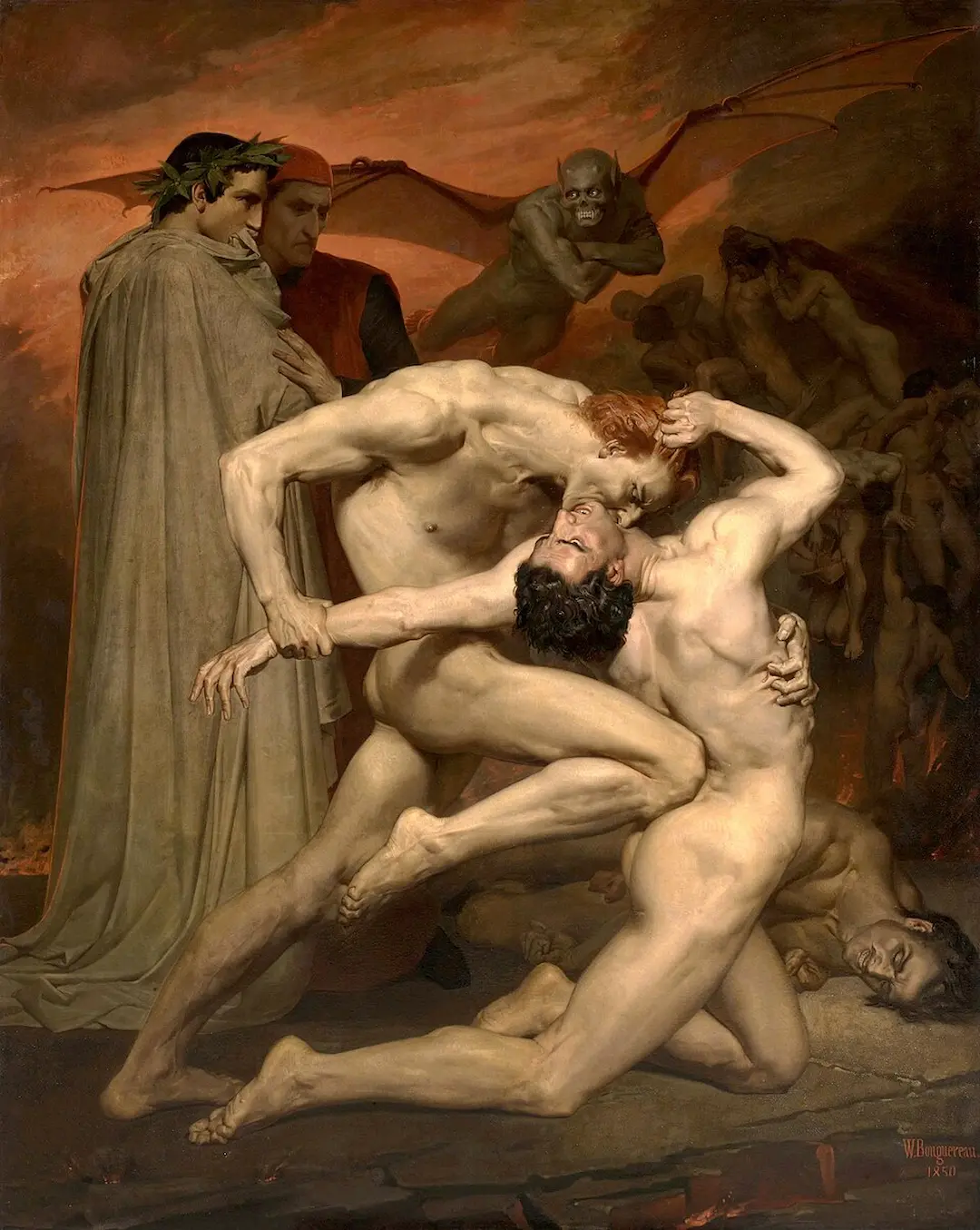
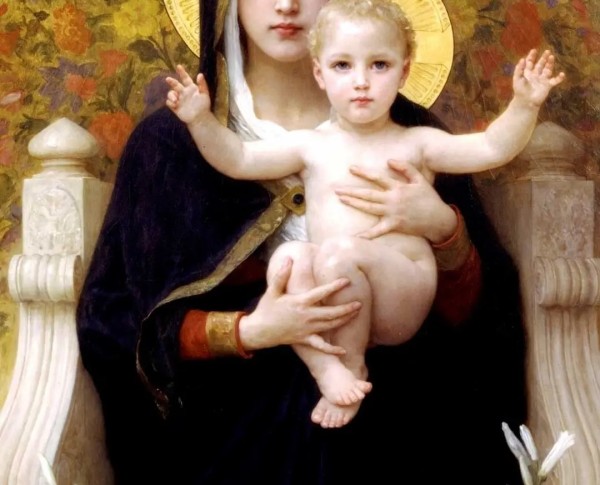
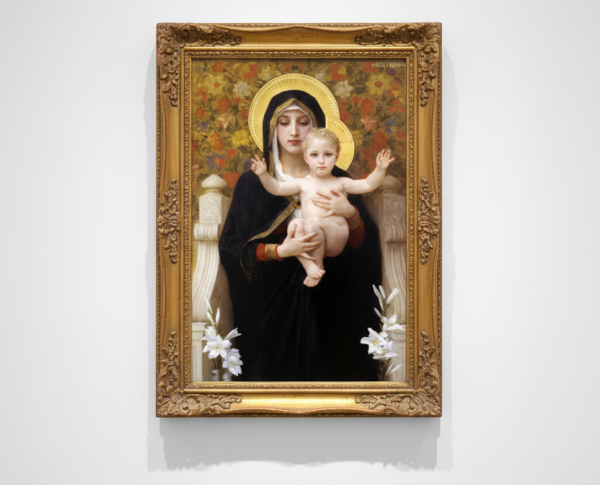
Bouguereau’s "La Vierge au Lys" exemplifies the technical brilliance of oil on canvas, showcasing his ability to create lifelike textures and delicate expressions. The Academic Classicism movement, renowned for its emphasis on precision and grace, is clearly evident in every detail. Collectors seeking similar masterpieces may also admire "Calinerie (A Little Coaxing)" and "Nymphes et Satyre (Nymphs and Satyr)," which display the same meticulous attention to form and composition.
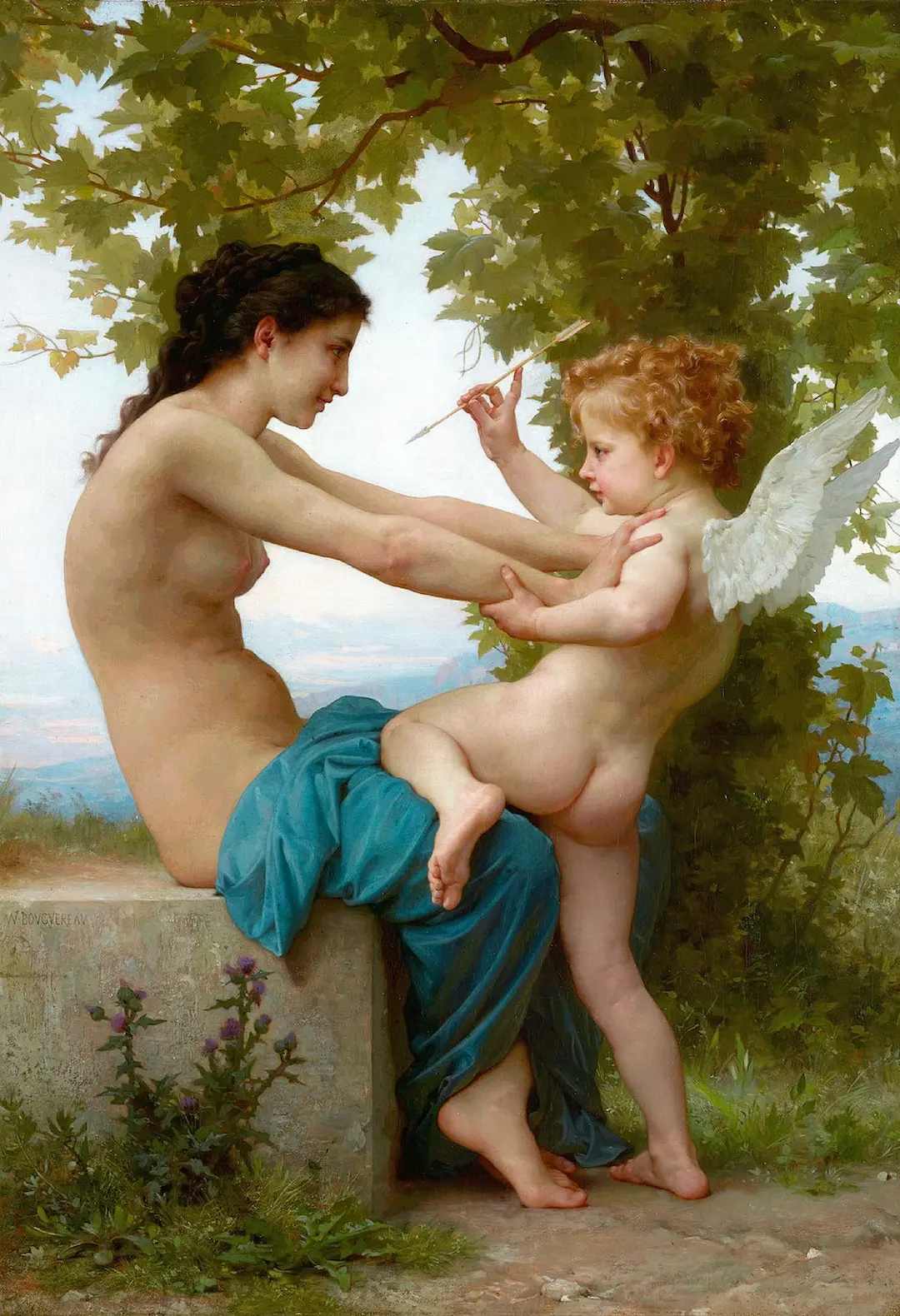
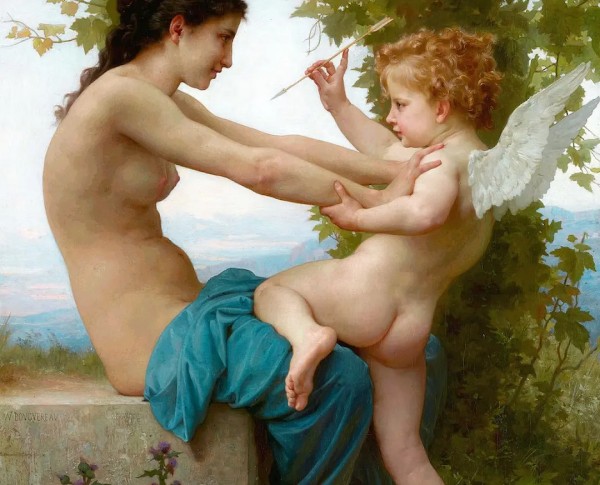
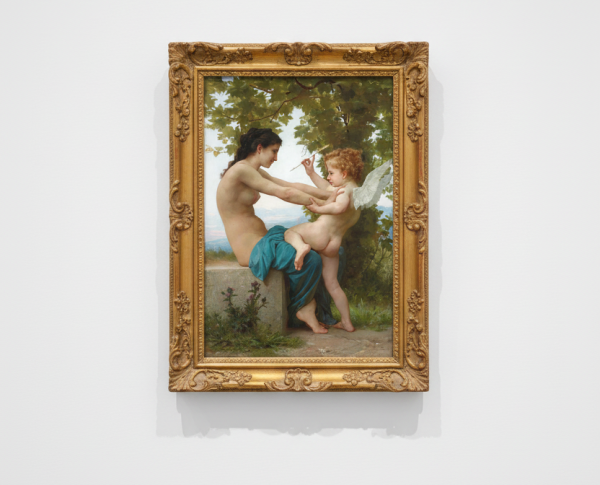
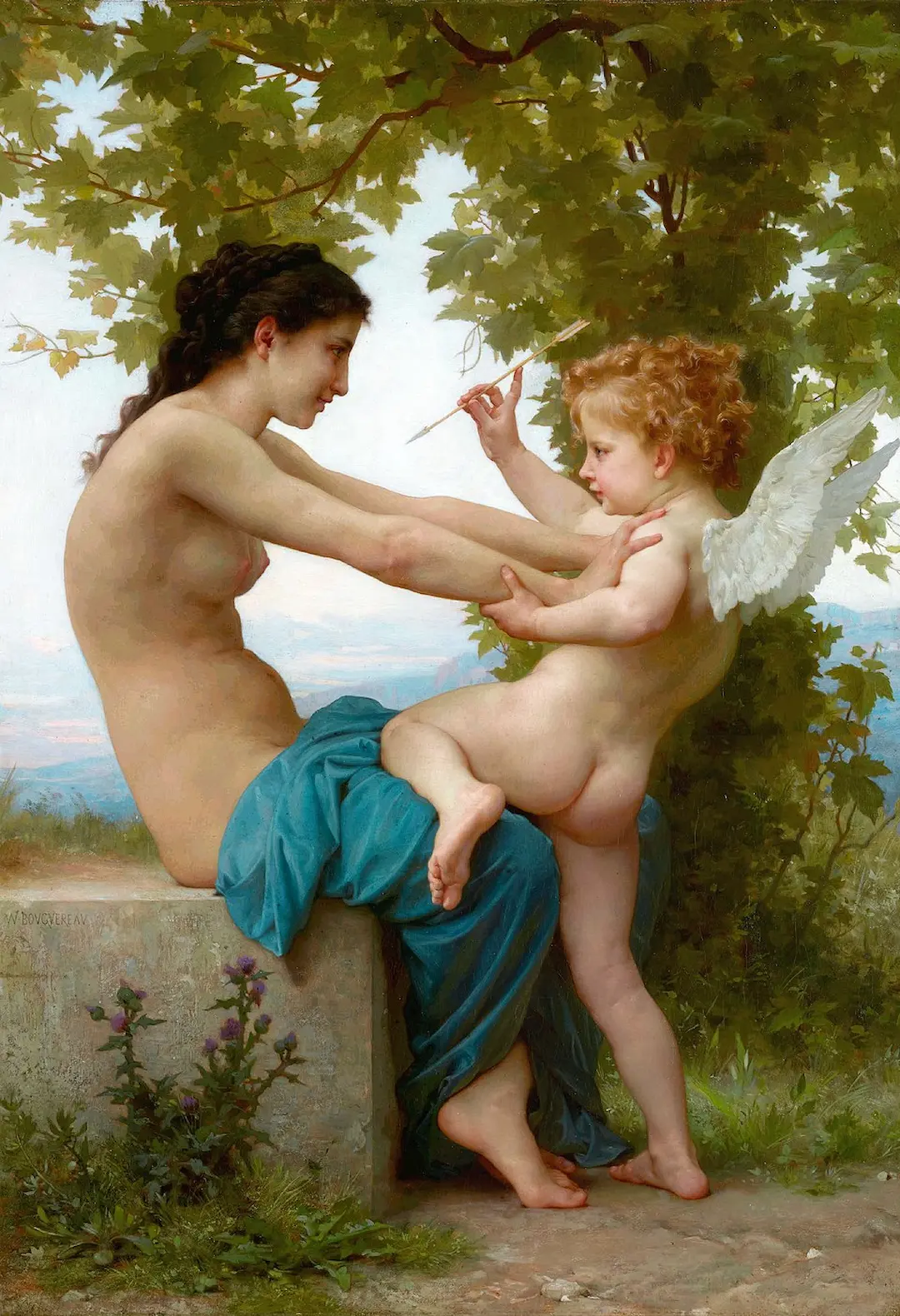
Every element in "La Vierge au Lys" is rich in symbolism, from the purity of the lilies to the gentle serenity of the Virgin. This fine art painting for sale invites viewers to reflect on themes of innocence and divine grace, hallmarks of Bouguereau’s style. Art enthusiasts often pair this piece with works like "L'innocence (Innocence)" and "Young Girl Defending Herself against Eros 1880" to deepen their appreciation of academic symbolism and narrative.
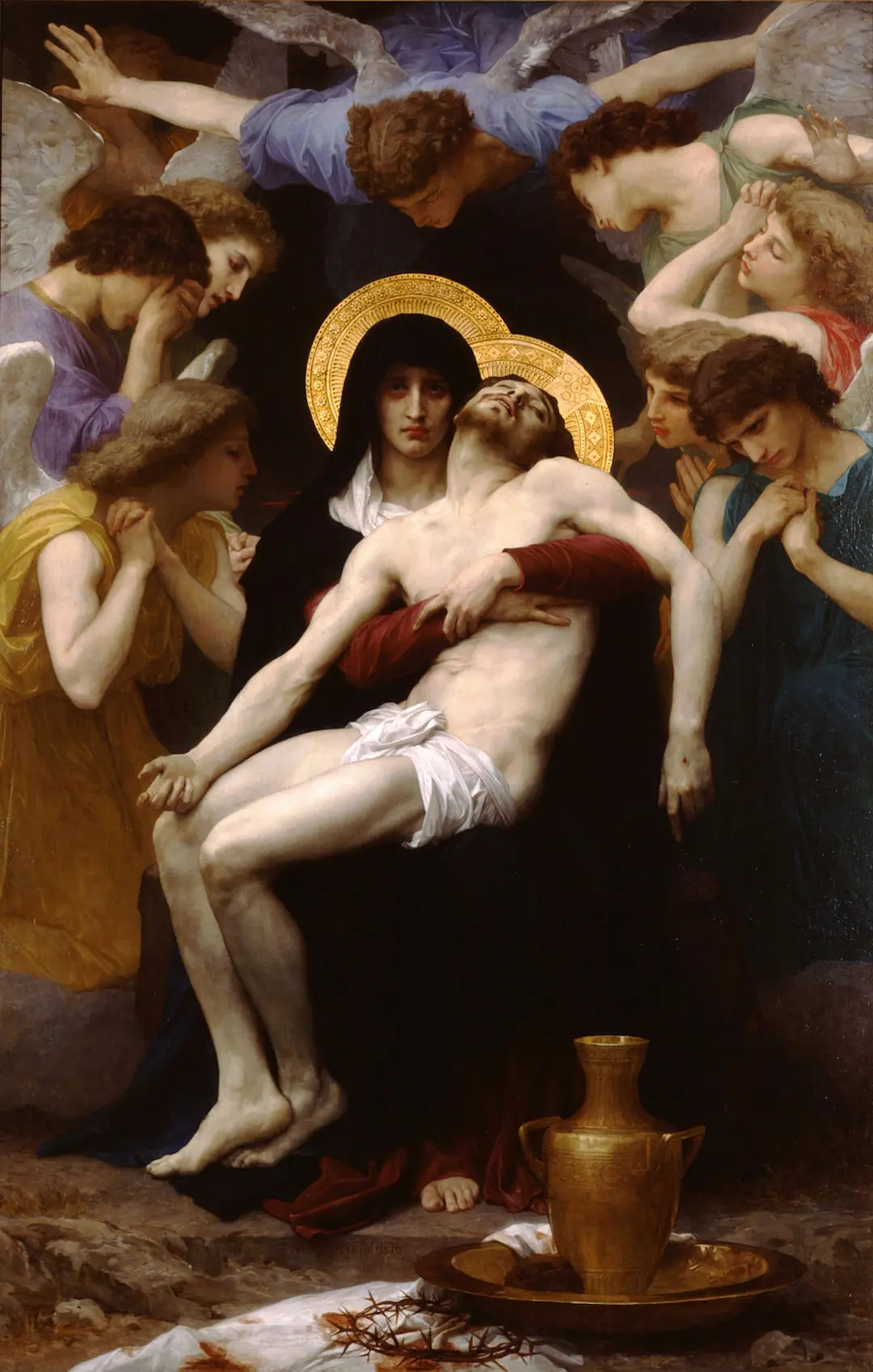
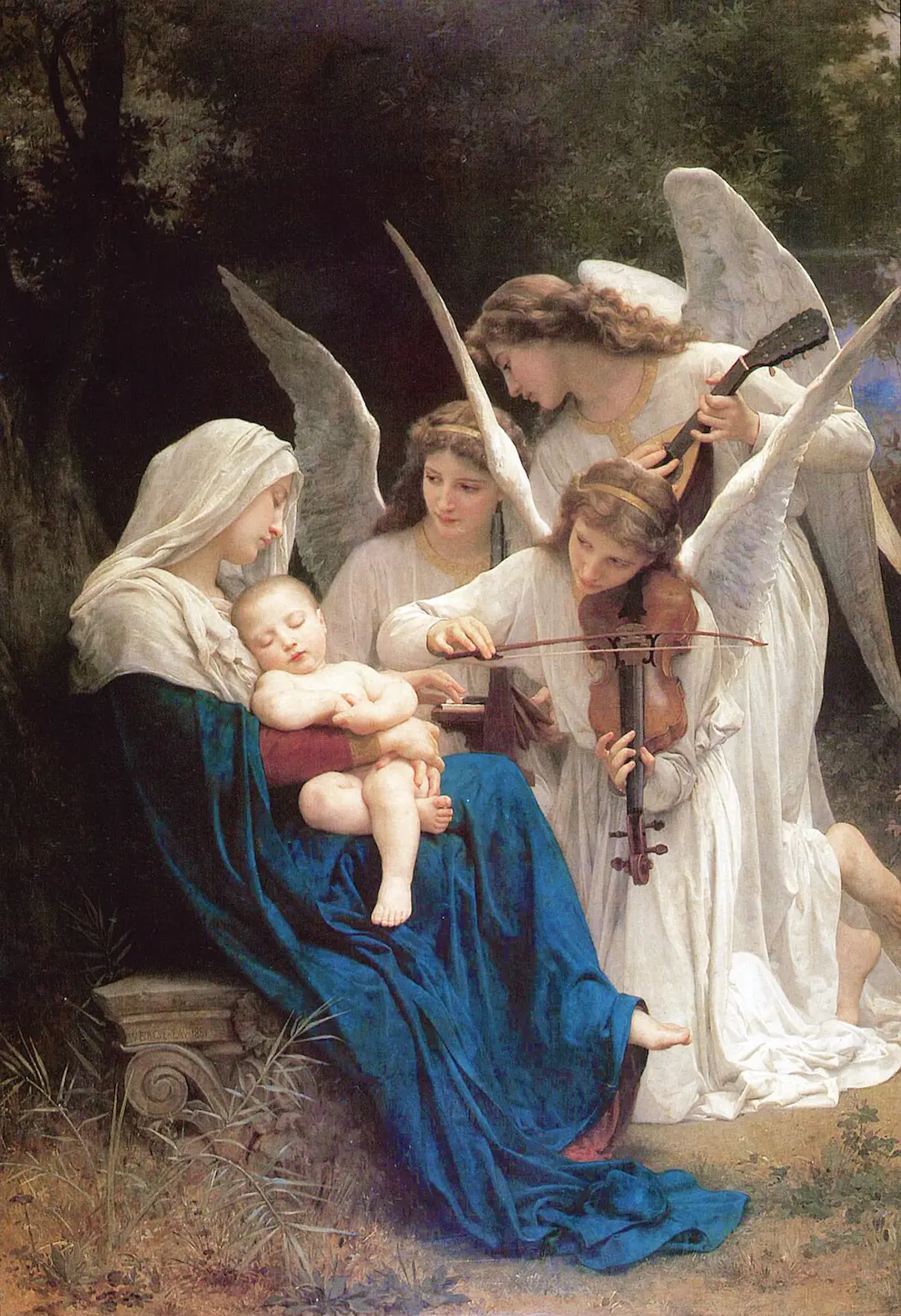
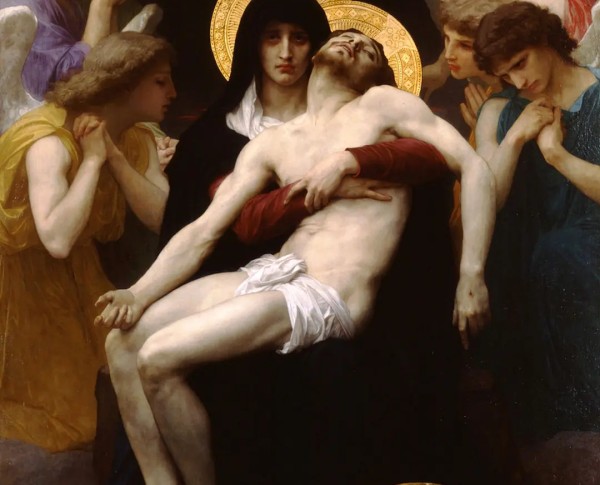
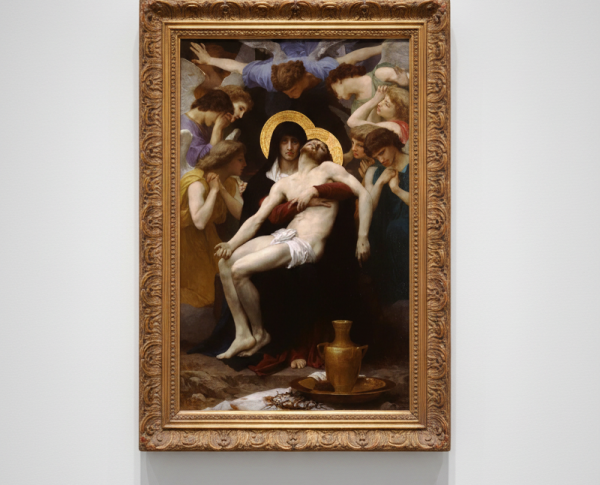
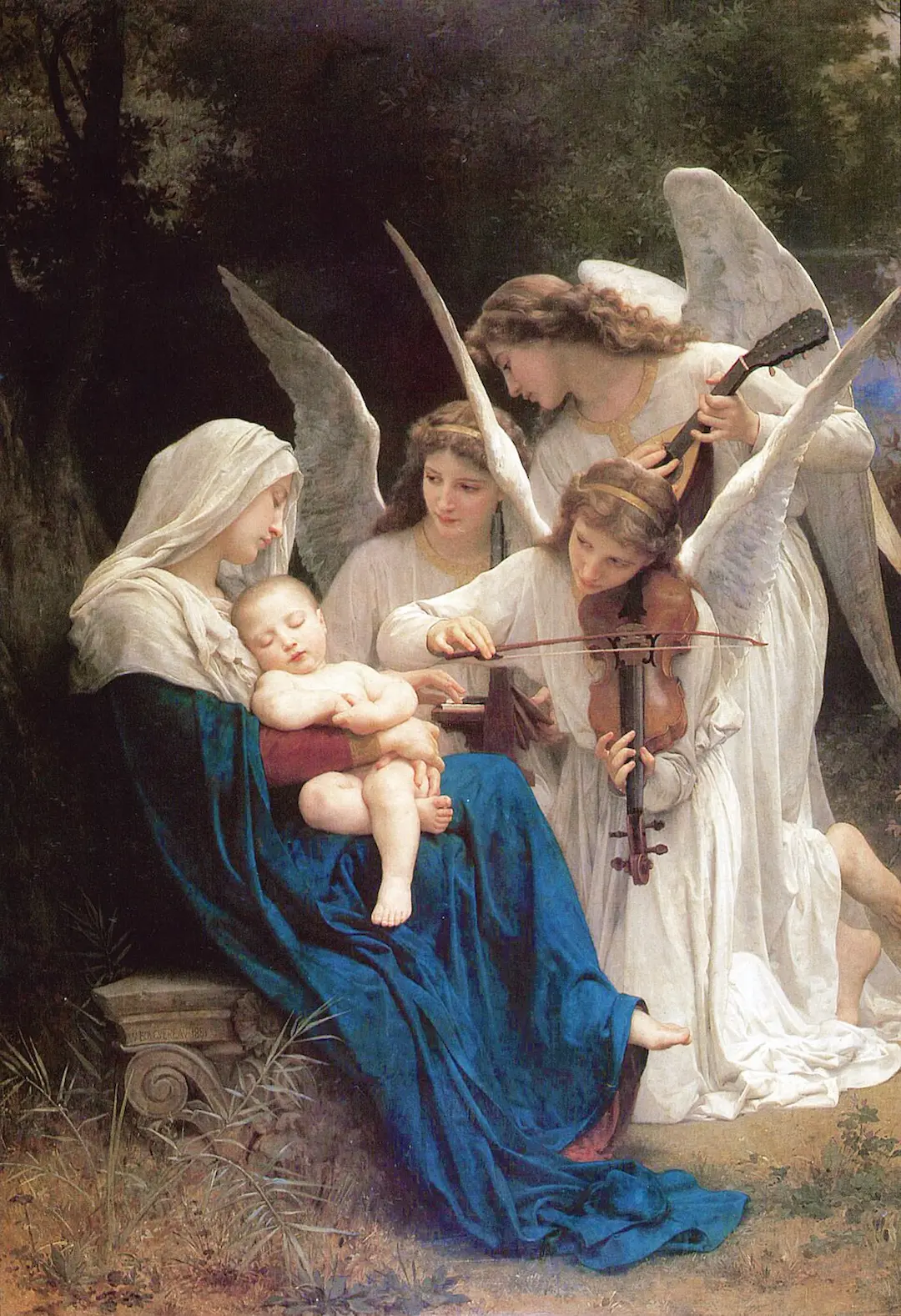
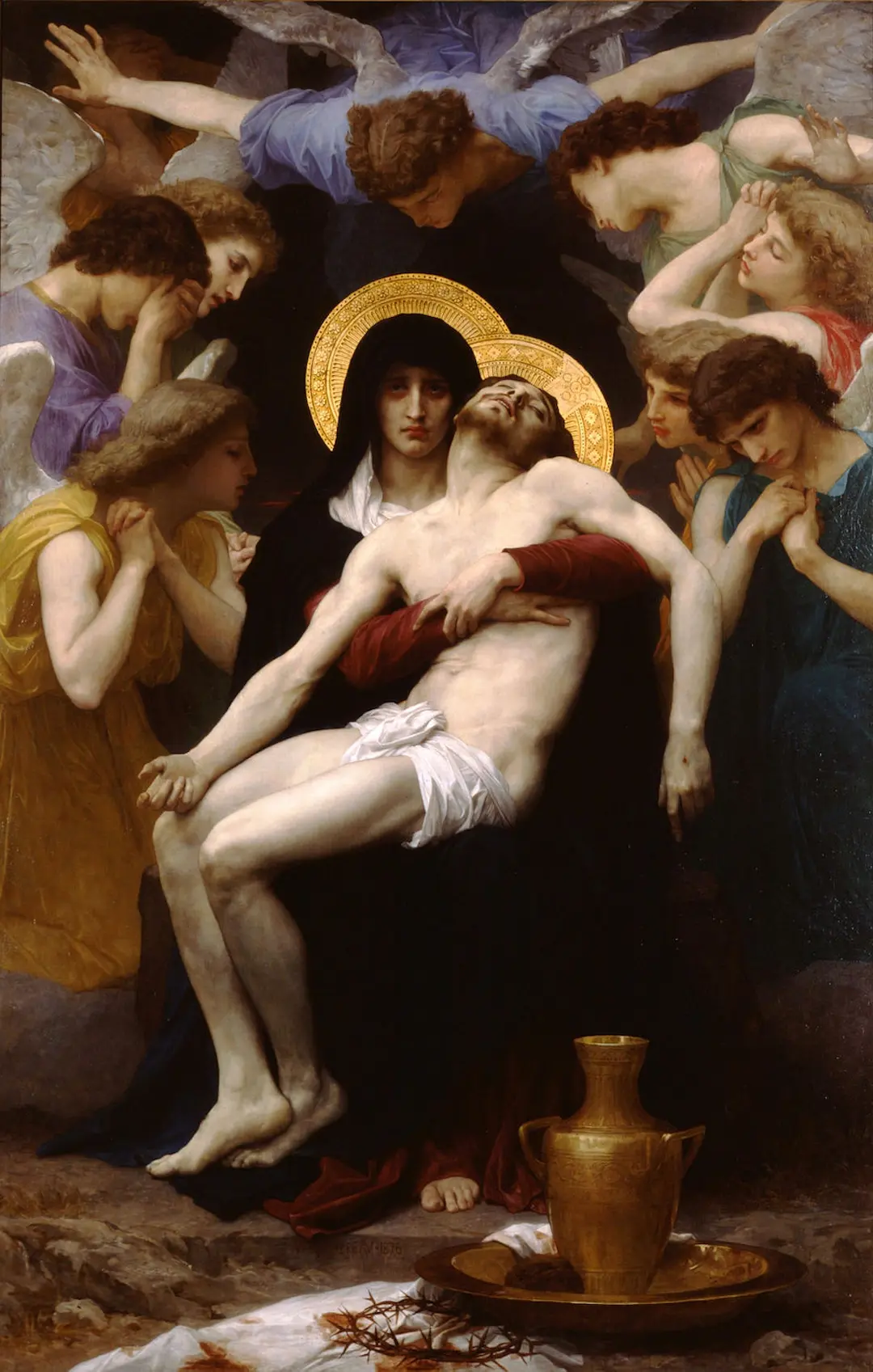
Owning "La Vierge au Lys" means possessing a remarkable piece of art history crafted by William-Adolphe Bouguereau, a master of Academic Classicism. This hand-painted oil painting not only enhances any private collection but also complements related works such as "Song of the Angels" and "Pieta." For those seeking a timeless masterpiece, this painting and its companions offer an exceptional opportunity to invest in the enduring legacy of fine art.
When Art Meets History
"La Vierge au Lys (The Virgin of the Lilies)" by William-Adolphe Bouguereau stands as a testament to the Academic Classicism movement. Painted during the late 19th century, this hand-painted oil painting captures the era's reverence for technical mastery and idealized beauty. Bouguereau, renowned for works like "Venus Rising" and "Springtime," imbues this scene with a sense of serenity and devotion, reflecting the historical context that favored religious and allegorical subjects in fine art.
Techniques That Speak
Bouguereau’s "La Vierge au Lys" showcases his signature oil on canvas technique, marked by meticulous brushwork and delicate color transitions. The artist’s attention to anatomical precision and luminous skin tones is evident, hallmarks of Academic Classicism. Like in his celebrated paintings "The Storm" and "Flaming June," Bouguereau’s mastery of light and composition draws the viewer into the sacred moment, making this oil on canvas a true masterpiece of its time.
Emotions on Display
This painting radiates a profound sense of peace and maternal love, hallmarks of Bouguereau’s emotional depth. The Virgin’s gentle gaze and the purity symbolized by the lilies evoke spiritual reverence, inviting contemplation. Compared to related works such as "Springtime," the emotional resonance here is especially poignant, making "La Vierge au Lys" a sought-after fine art painting for sale among collectors and admirers of Academic Classicism.
Coveted by Collectors
Collectors prize "La Vierge au Lys" for its exquisite craftsmanship and historical significance within Academic Classicism. William-Adolphe Bouguereau’s paintings, including "Venus Rising" and "The Storm," are highly sought after, and this hand-painted oil painting is no exception. Its serene beauty and technical perfection make it a fine art painting for sale that stands out in any collection, embodying the enduring appeal of Bouguereau’s artistic legacy.
Related Academic Classicism Hand-Painted Oil Paintings by Other Artists
Other Famous Academic Classicism Artists:
Frequently Asked Questions About La Vierge au Lys (The Virgin of the Lilies)
What is the historical context of La Vierge au Lys?
La Vierge au Lys was painted by William-Adolphe Bouguereau in 1899, during a time when the academic art style was at its peak in France. This period was characterized by a focus on realism and the human form, influenced by the classical traditions of the Renaissance.
What artistic techniques did Bouguereau employ in this painting?
Bouguereau is known for his meticulous attention to detail and mastery of light and shadow. In La Vierge au Lys, he employs a technique known as chiaroscuro to create depth and volume, while his use of soft, blended brushstrokes enhances the lifelike quality of the figures.
What is the significance of the lilies in the painting?
The lilies in La Vierge au Lys symbolize purity and motherhood, often associated with the Virgin Mary in Christian iconography. They serve to reinforce the theme of divine grace and the sanctity of motherhood depicted in the artwork.
How does Bouguereau portray the Virgin Mary in this artwork?
Bouguereau portrays the Virgin Mary as an idealized figure of beauty and serenity, embodying maternal love and compassion. Her gentle expression and the protective pose of her arms around the child emphasize her nurturing qualities.
What role does color play in La Vierge au Lys?
The color palette in La Vierge au Lys is dominated by soft pastels, which evoke a sense of tranquility and purity. The use of light blues and whites enhances the ethereal quality of the Virgin, while the warm tones of the child's skin create a contrast that draws the viewer's attention.
How does this painting reflect Bouguereau's artistic philosophy?
Bouguereau believed in the importance of realism and the emotional impact of art. La Vierge au Lys exemplifies his philosophy by combining technical skill with a heartfelt portrayal of maternal love, aiming to evoke an emotional response from the viewer.
What influences can be seen in Bouguereau's style in this painting?
Bouguereau's style in La Vierge au Lys reflects influences from both the classical tradition and the Romantic movement. His focus on idealized beauty and emotional expression can be traced back to the works of Renaissance masters, while his attention to realism aligns with the ideals of the 19th-century academic art movement.
What is the significance of the child in La Vierge au Lys?
The child in La Vierge au Lys represents Jesus, symbolizing innocence and divine love. His presence enhances the theme of motherhood and the bond between mother and child, central to Christian beliefs about the Virgin Mary.
Where can La Vierge au Lys be viewed today?
La Vierge au Lys is part of the collection at the Musée d'Orsay in Paris, France. The museum houses an extensive collection of Impressionist and Post-Impressionist masterpieces, alongside works from the academic tradition, making it an ideal setting for Bouguereau's painting.
What impact did La Vierge au Lys have on Bouguereau's career?
La Vierge au Lys is considered one of Bouguereau's significant works, further solidifying his reputation as a leading academic painter of his time. The painting's success contributed to his continued prominence in the art world and showcased his ability to blend technical skill with emotive subject matter.






















_GFM_Painting_(1).webp)

.webp)

 100% Hand-Painted: Finished in 3-6 Weeks
.webp)

.png)












.webp)
.webp)



_(1).webp)