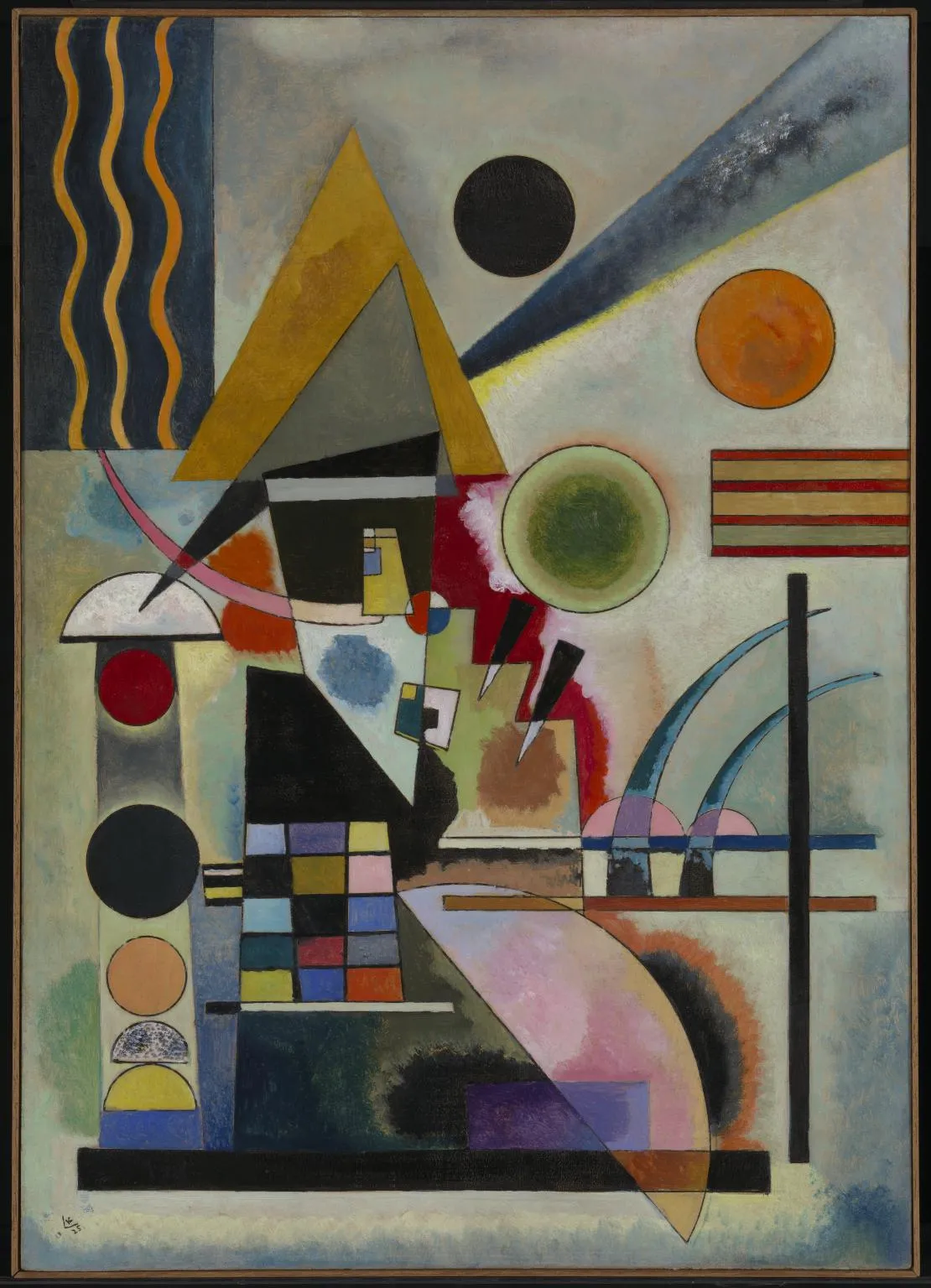
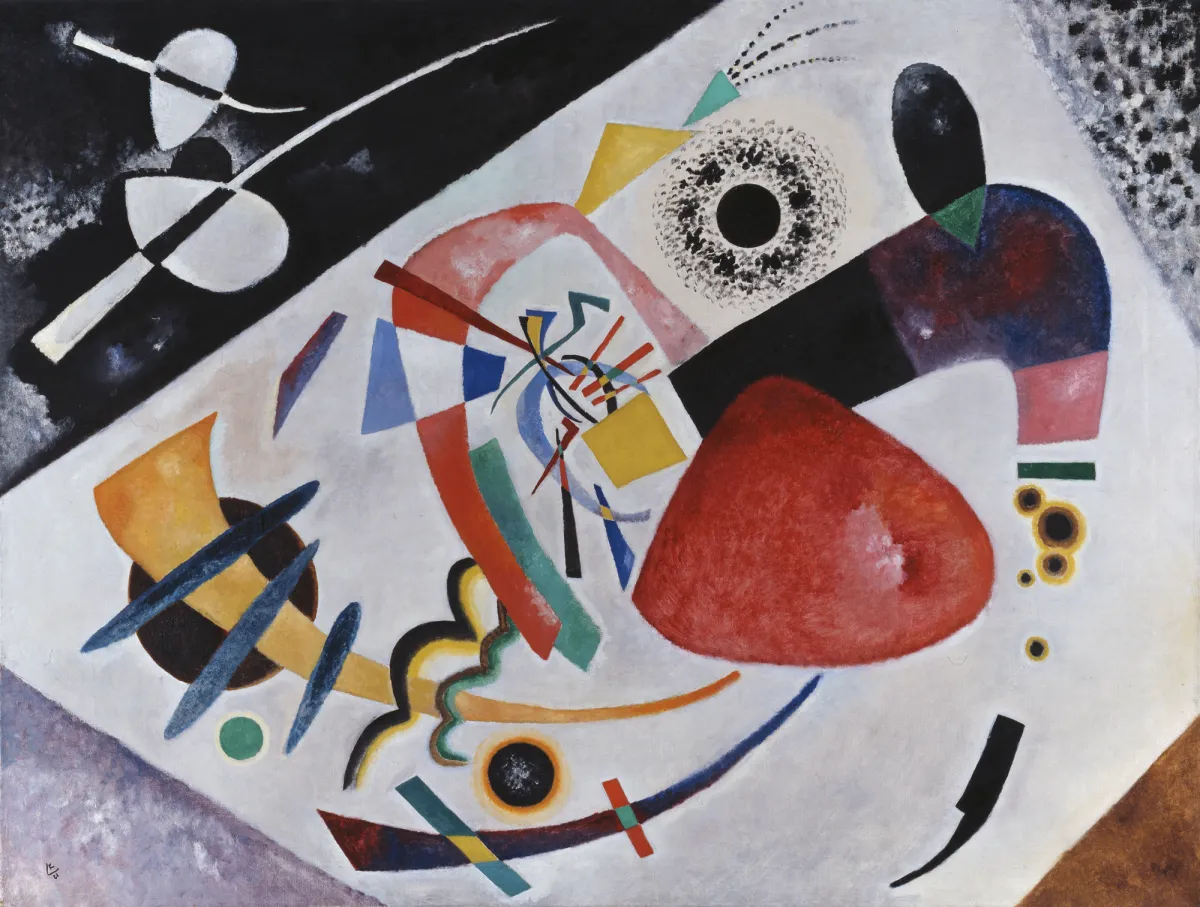
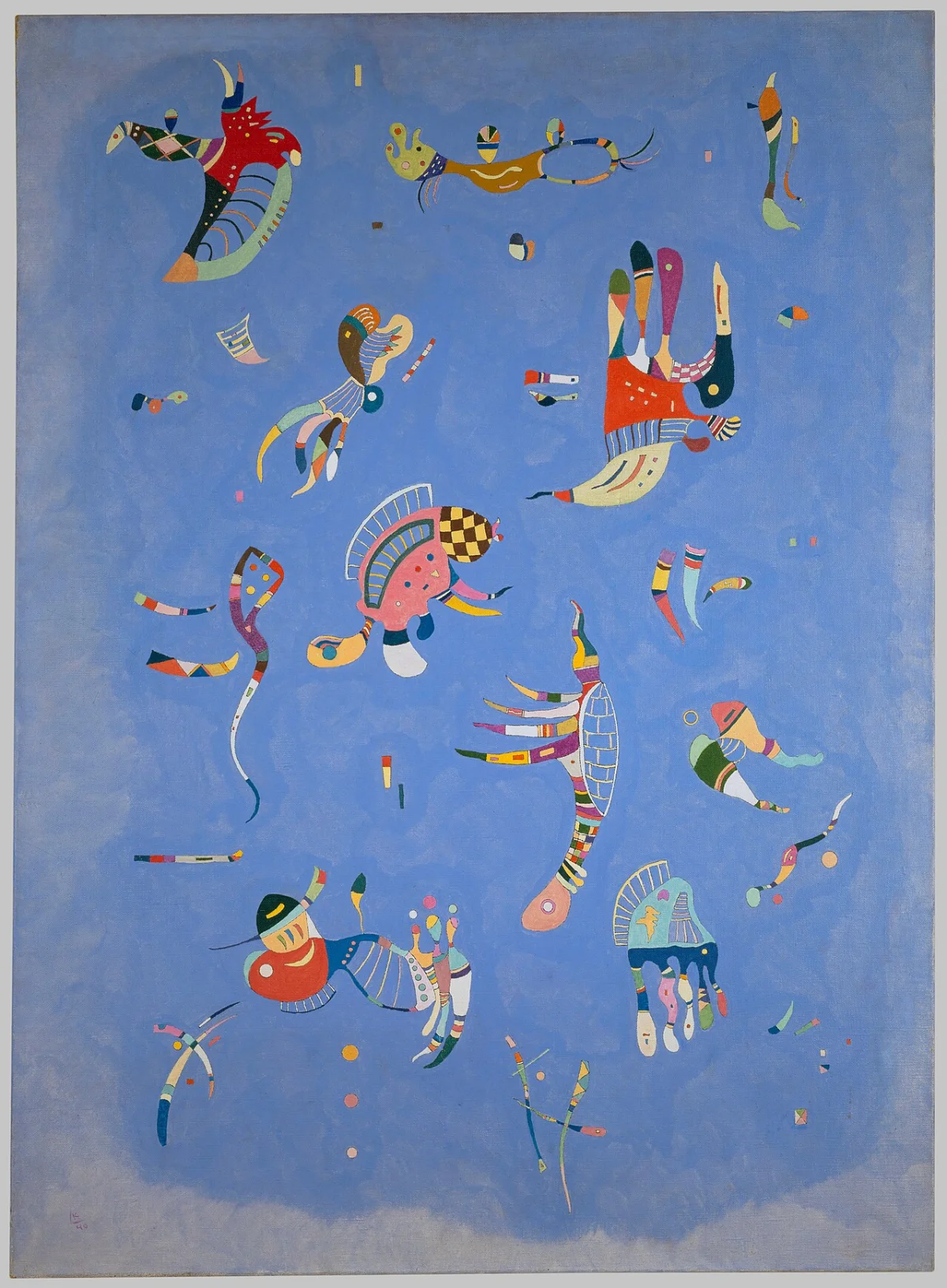
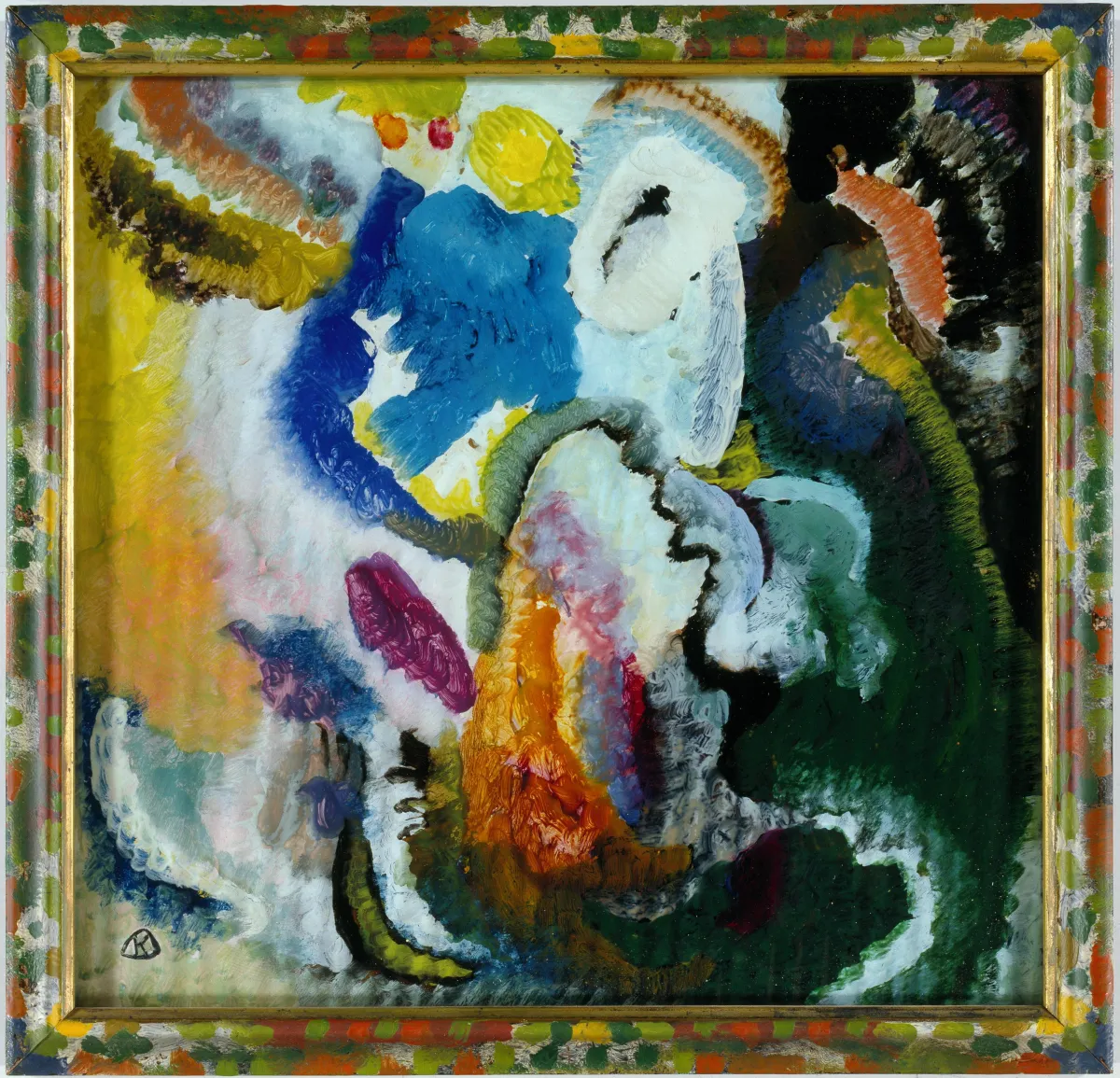
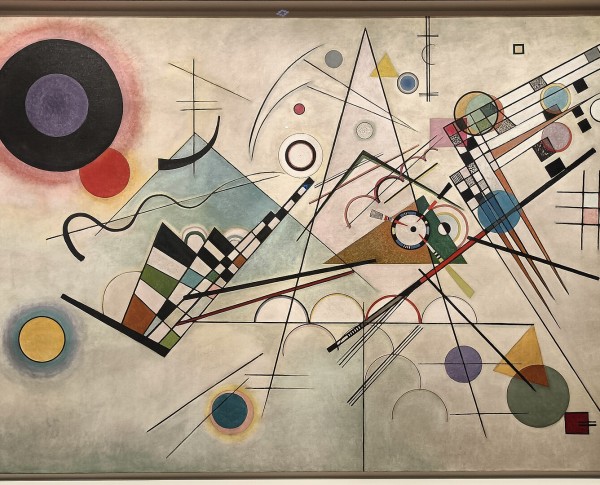
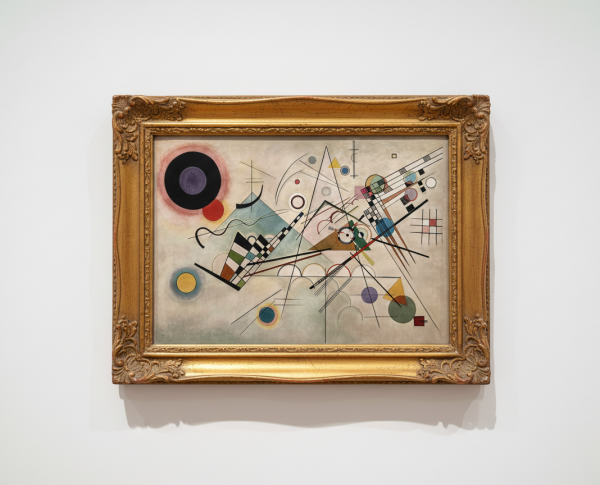
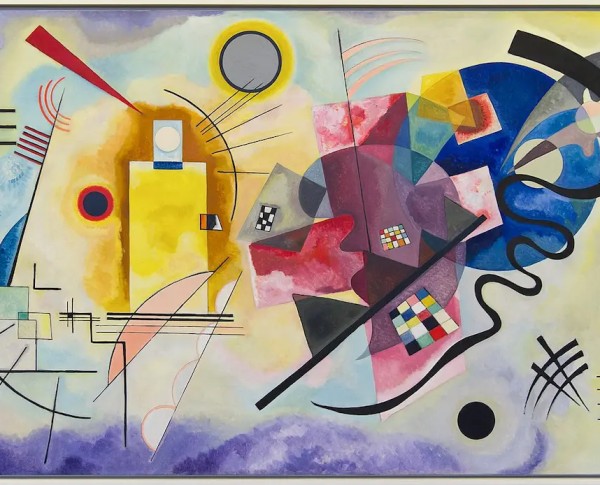
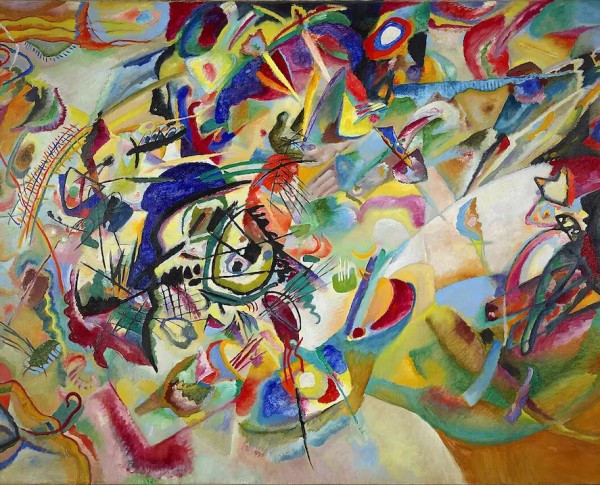
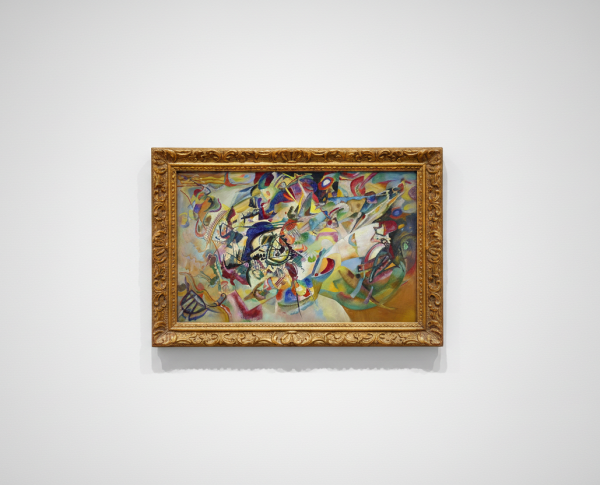
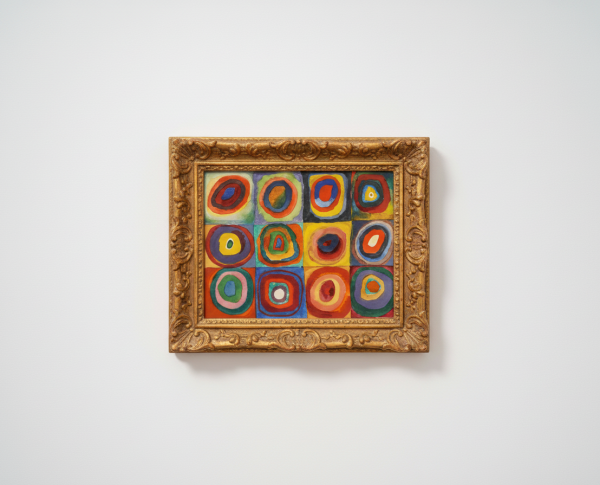
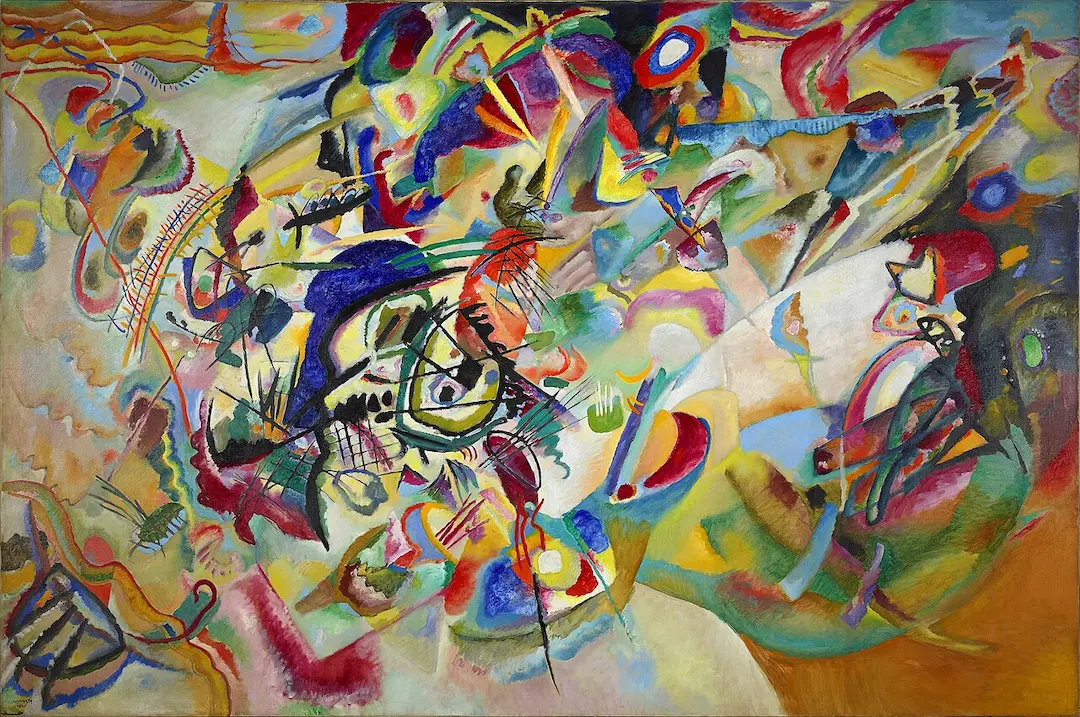
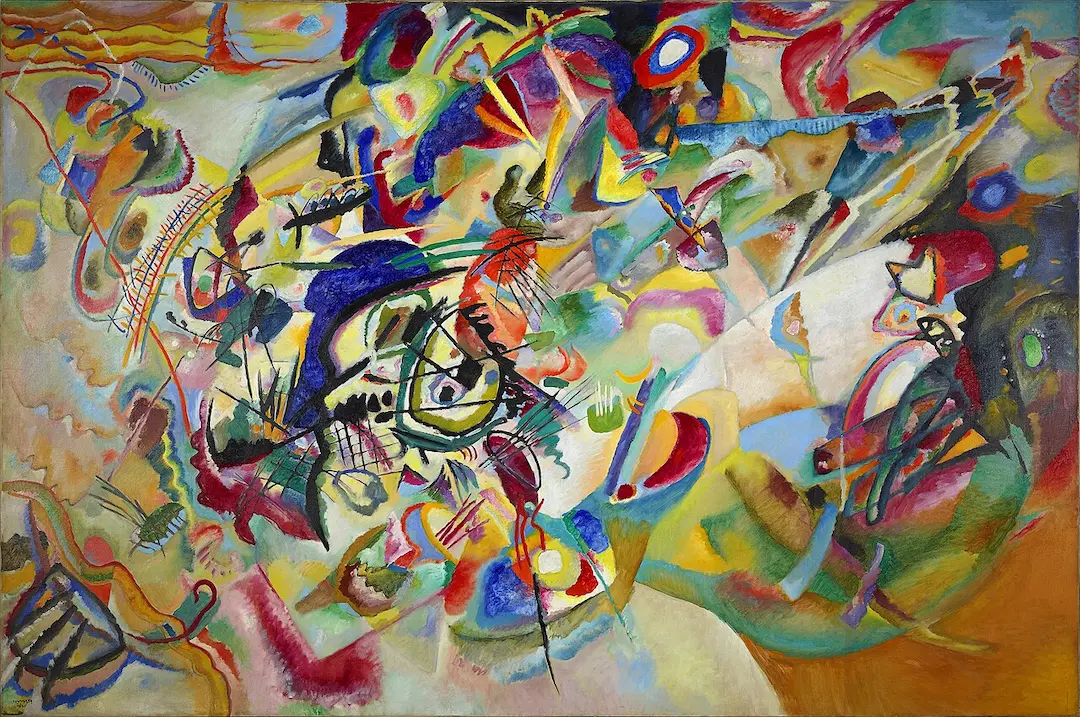
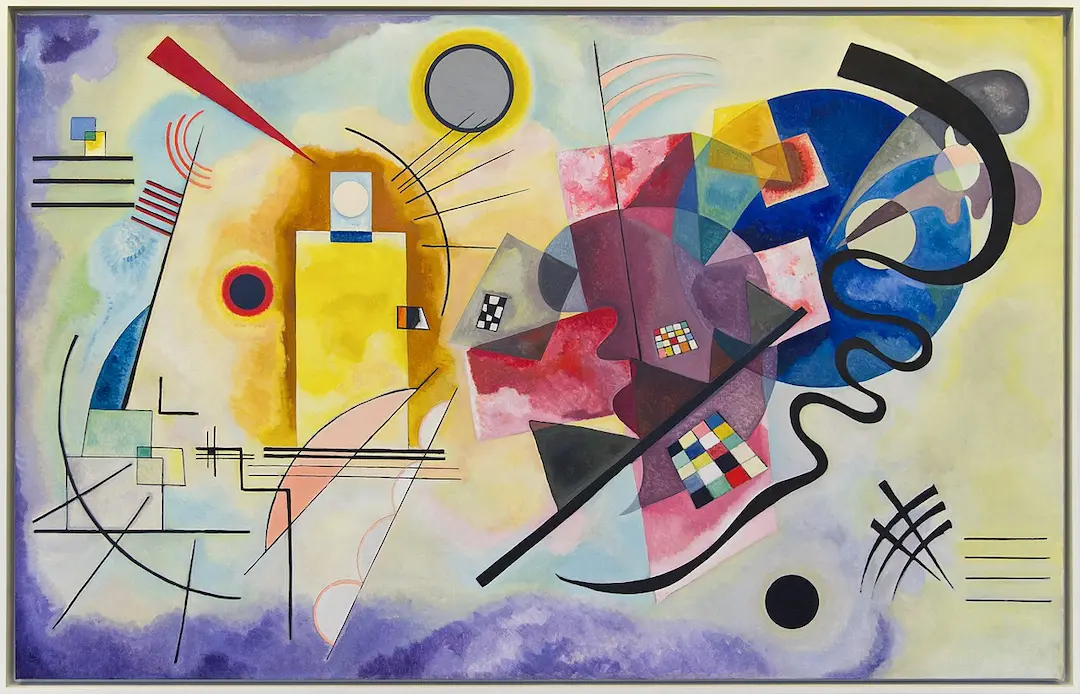
"Composition VII" showcases Kandinsky’s extraordinary skill in manipulating oil on canvas to create a dynamic interplay of color, form, and movement. Every brushstroke reveals his mastery of abstraction, blending chaos and harmony in a single composition. This approach not only revolutionized Abstract Expressionism but also set the standard for future artists. Art enthusiasts can appreciate similar techniques in related works such as "Yellow Red Blue" and "Squares with Concentric Rings," all available as exquisite oil on canvas pieces.
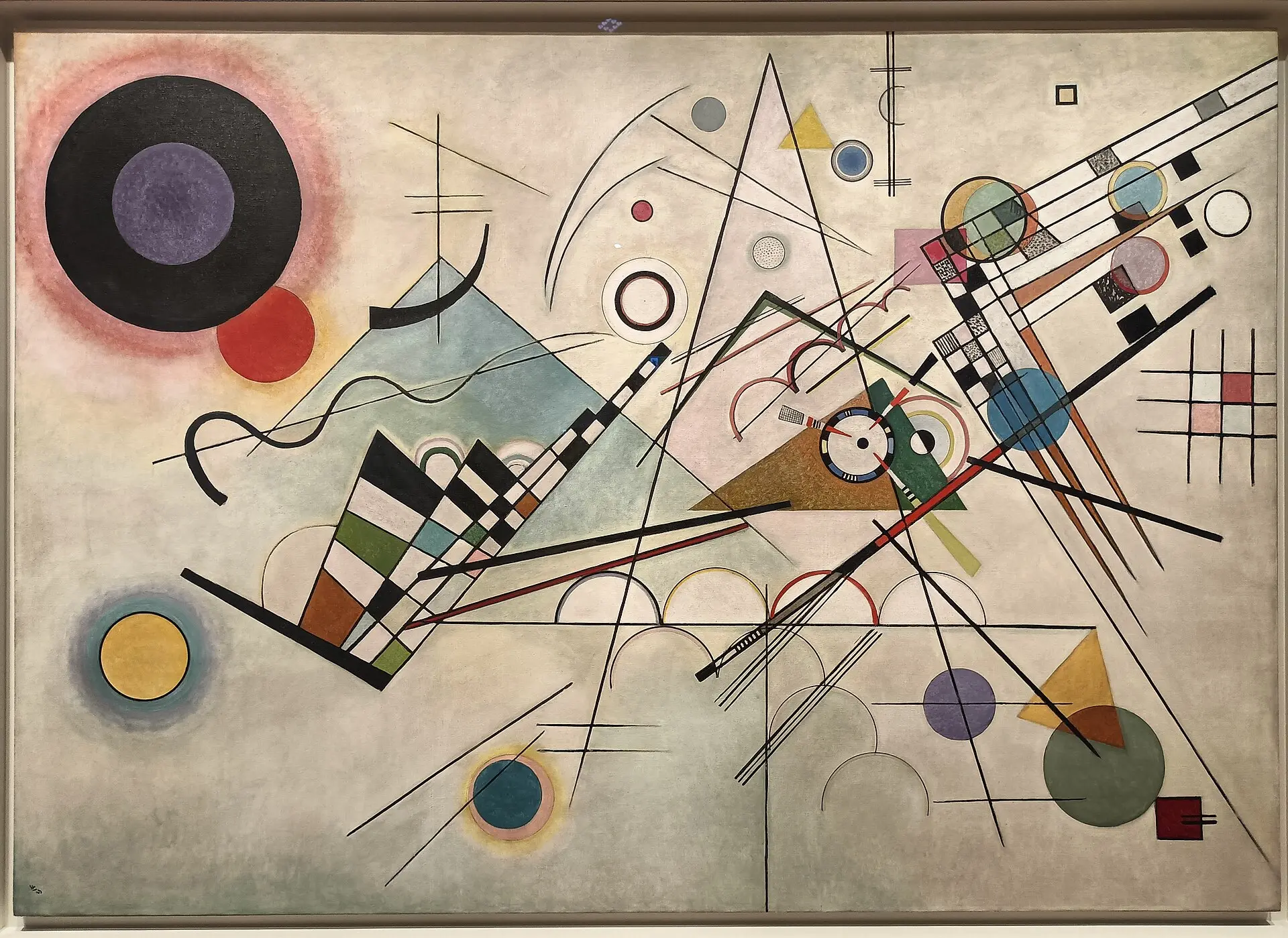
Kandinsky’s "Composition VII" is more than a fine art painting for sale; it is a visual symphony of stories and symbols. Through vibrant colors and swirling forms, Kandinsky invites viewers to interpret profound themes of spirituality and emotion. This painting, along with related works like "The Composition VIII" and "Yellow Red Blue," exemplifies the symbolic language that defines Abstract Expressionism, making each piece a unique journey for those who seek meaning in art.
Owning a hand-painted oil painting like "Composition VII" by Wassily Kandinsky is the ultimate prize for any art collector. As a cornerstone of Abstract Expressionism, this masterpiece—and related products such as "Squares with Concentric Rings" and "Yellow Red Blue"—holds timeless appeal and investment value. These works are not only visually stunning but also represent pivotal moments in art history, making them highly desirable fine art painting for sale for discerning collectors worldwide.
When Art Meets History
Wassily Kandinsky’s "Composition VII" stands as a pivotal work in the Abstract Expressionism movement, created in 1913. This hand-painted oil painting captures a transformative era in art, where traditional forms gave way to expressive abstraction. Kandinsky’s innovative style influenced many, as seen in related paintings like "Untitled (Violet, Black, Orange, Yellow on White and Red), 1949." Collectors and art lovers alike recognize "Composition VII" as a milestone in the evolution of modern art.
Techniques That Speak
In "Composition VII," Kandinsky masterfully utilizes oil on canvas to create a symphony of colors, swirling shapes, and dynamic lines. Through layered brushwork and bold contrasts, he conveys movement and emotion unique to Abstract Expressionism. This technique is not only visually striking but also influential, inspiring artists of his time and beyond. The painting shares a visual dialogue with works like "Untitled (Violet, Black, Orange, Yellow on White and Red), 1949," further elevating its importance.
Emotions on Display
Kandinsky’s "Composition VII" is celebrated for its emotional intensity, a hallmark of Abstract Expressionism. The painting’s vibrant palette and chaotic forms invite viewers to experience a spectrum of feelings, from awe to contemplation. As a fine art painting for sale, it continues to captivate audiences, much like the evocative "Untitled (Violet, Black, Orange, Yellow on White and Red), 1949." Kandinsky’s work remains a testament to the power of abstract art to stir the soul.
Coveted by Collectors
"Composition VII" by Wassily Kandinsky is highly sought after by art collectors worldwide. Its status as a seminal hand-painted oil painting within Abstract Expressionism adds greatly to its allure. Alongside related paintings such as "Untitled (Violet, Black, Orange, Yellow on White and Red), 1949," this masterpiece exemplifies the enduring appeal of early 20th-century abstraction. The painting’s provenance and historical significance make it a prized addition to any distinguished collection.
Related Abstract Expressionism Hand-Painted Oil Paintings by Other Artists
Other Famous Abstract Expressionism Artists:
Frequently Asked Questions About Composition VII
What is the historical significance of Composition VII?
Composition VII, created in 1913, is considered one of Wassily Kandinsky's most important works and a pivotal piece in the development of abstract art. It reflects the tumultuous period leading up to World War I and embodies the artist's exploration of color and form as expressions of emotion and spirituality.
What artistic movements does Composition VII represent?
This painting is a quintessential example of abstract art and is often associated with the Expressionist movement. Kandinsky was a key figure in the development of abstract painting, and Composition VII illustrates his belief in the emotional power of color and form.
What techniques did Kandinsky use in Composition VII?
Kandinsky employed a variety of techniques in Composition VII, including bold brushstrokes, vibrant colors, and dynamic shapes. The composition is characterized by its swirling forms and overlapping elements, which create a sense of movement and energy.
What are the symbolic elements present in Composition VII?
Composition VII is rich in symbolism, with its chaotic arrangement of shapes and colors representing the complexity of human emotion and experience. The use of circles, lines, and colors is intended to evoke spiritual and emotional responses, reflecting Kandinsky's belief in the connection between art and the inner self.
How does Composition VII relate to Kandinsky's theories on color?
Kandinsky's theories on color are integral to Composition VII. He believed that colors could evoke specific emotions and that their arrangement could create a visual symphony. In this work, he uses contrasting colors to enhance emotional impact and to guide the viewer's experience.
What influences can be seen in Composition VII?
Composition VII reflects various influences, including Russian folk art, theosophy, and the burgeoning modernist movement. Kandinsky's exposure to different cultures and philosophies shaped his approach to abstraction and spirituality in art.
What was the public's reaction to Composition VII upon its release?
Upon its release, Composition VII elicited a range of reactions, from admiration to confusion. While some praised its innovative approach to abstraction, others struggled to understand its departure from traditional representational art. Over time, it has come to be celebrated as a landmark work in the history of modern art.
How does Composition VII exemplify Kandinsky's philosophy of art?
Kandinsky believed that art should transcend the physical world and connect with the spiritual realm. Composition VII exemplifies this philosophy through its abstract forms and vibrant colors, which aim to evoke an emotional and spiritual response rather than a literal representation of reality.
In what ways has Composition VII influenced contemporary art?
Composition VII has had a profound influence on contemporary art, particularly in the realms of abstract and non-representational art. Its innovative use of color, form, and composition has inspired countless artists to explore the emotional and spiritual dimensions of their work.
What is the current location of Composition VII?
Composition VII is part of the permanent collection at the State Tretyakov Gallery in Moscow, Russia. It remains a significant work in the study of Kandinsky and the evolution of abstract art.






















_GFM_Painting_(1).webp)


 100% Hand-Painted: Finished in 3-6 Weeks

.png)

















_(1).webp)