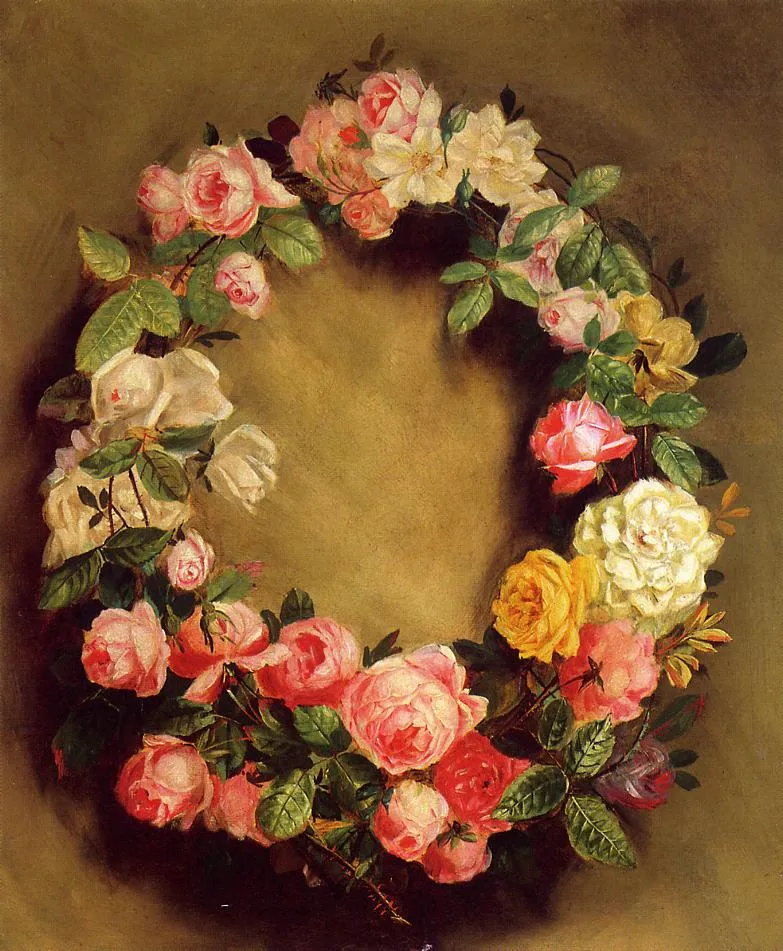
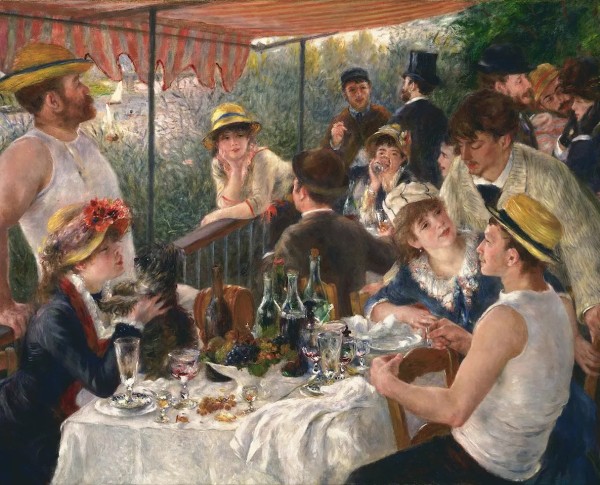
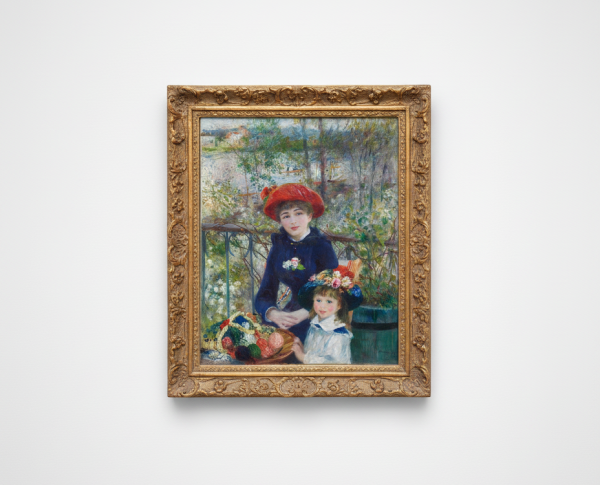
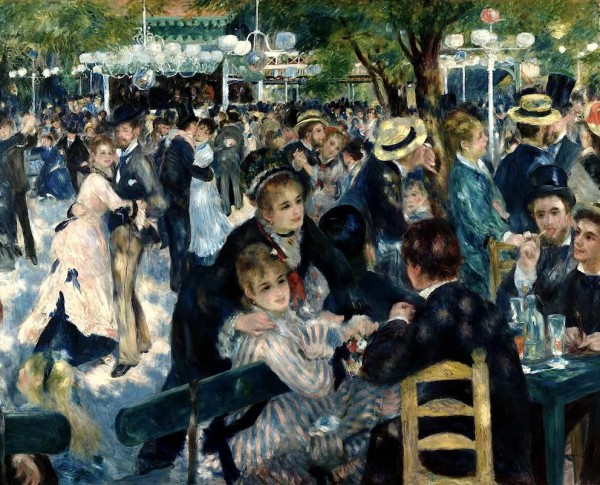
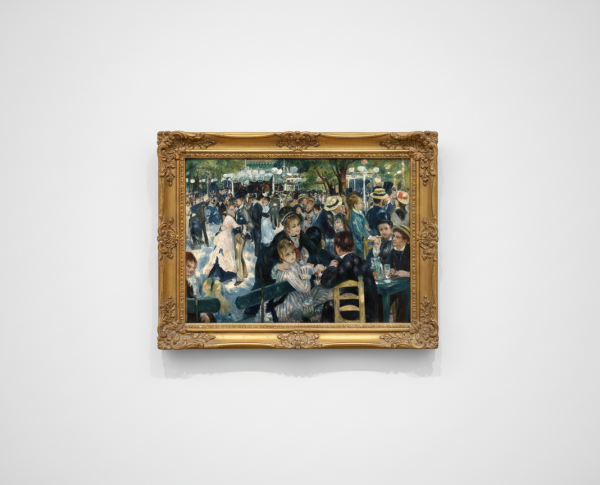
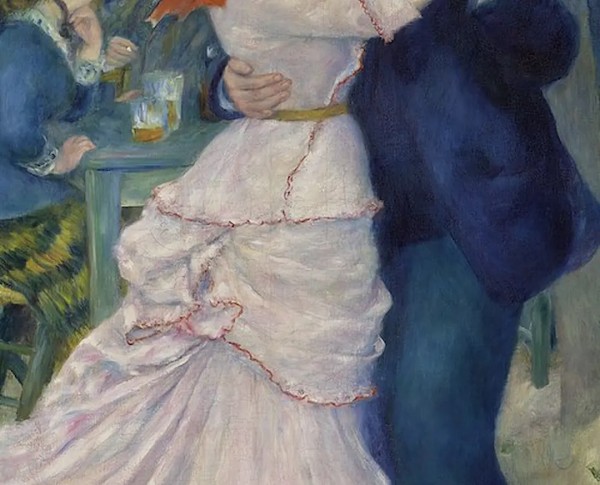
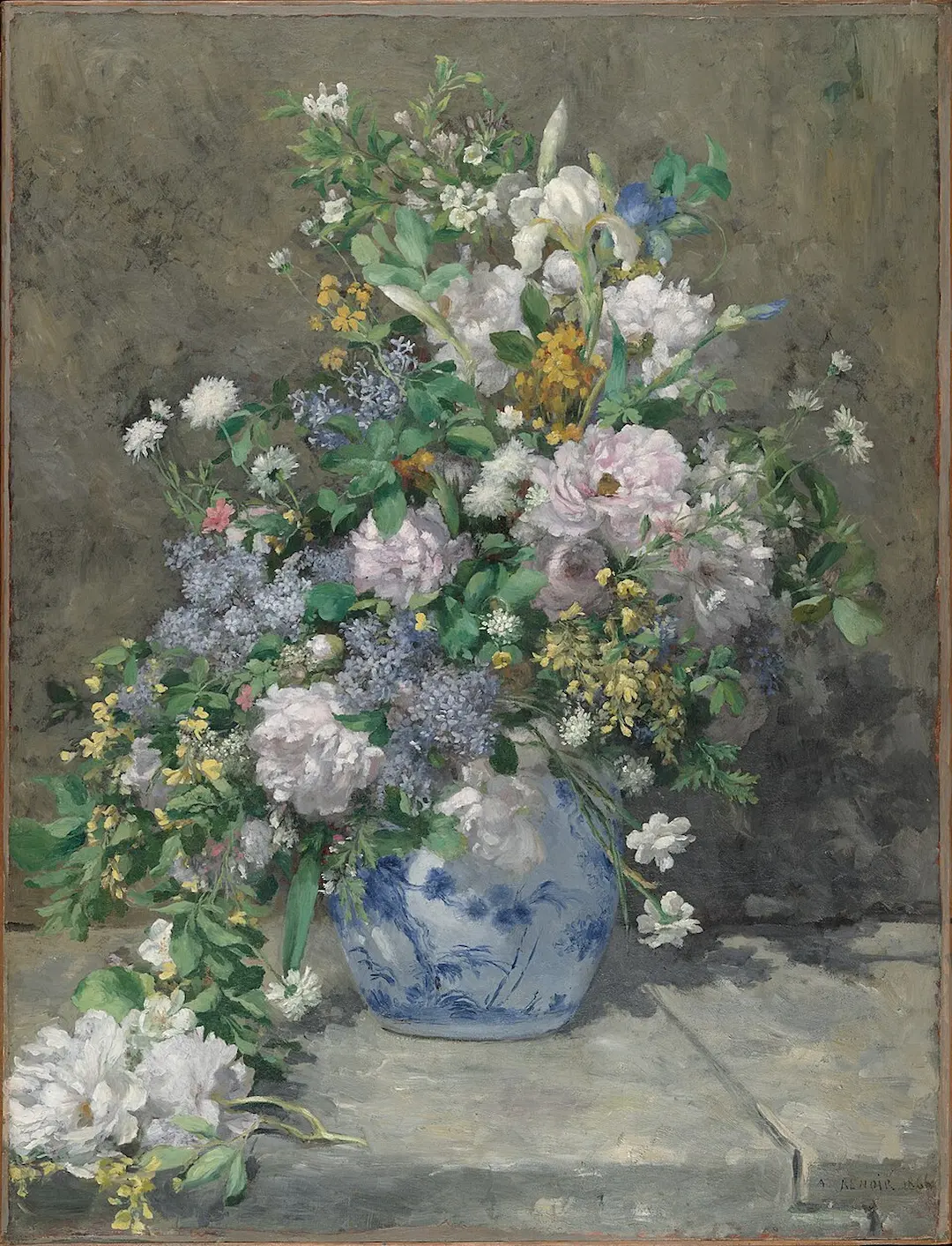
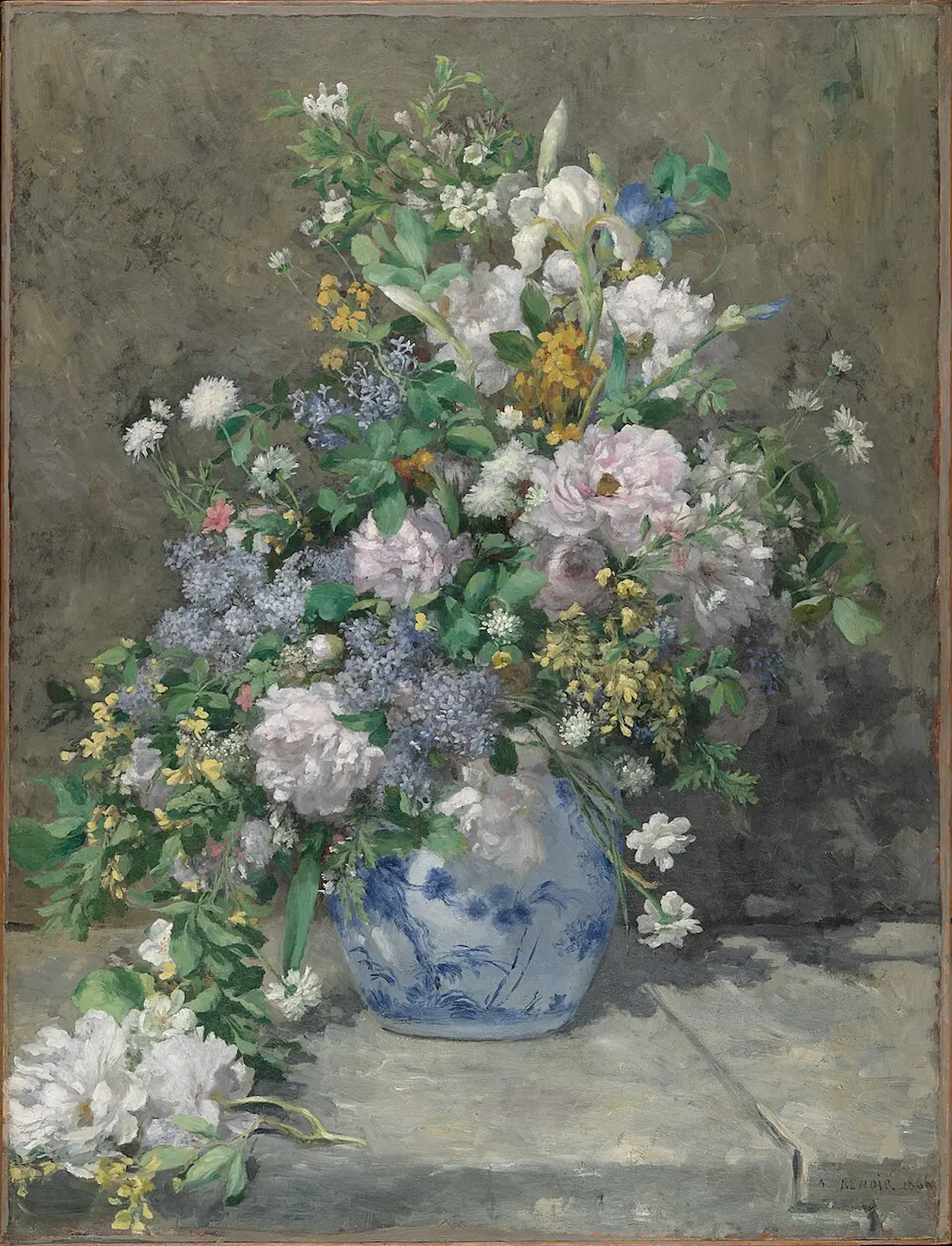
Executed with remarkable skill, "Spring Bouquet" showcases Renoir’s signature brushwork and his ability to breathe life into each petal and leaf. The oil on canvas technique allows for rich textures and luminous hues, hallmarks of Impressionism. Similar to works such as "A Girl with a Watering Can" and "Dance At The Moulin De La Galette," this painting demonstrates Renoir’s mastery in rendering natural light and harmonious compositions, elevating the simple bouquet into a timeless masterpiece.
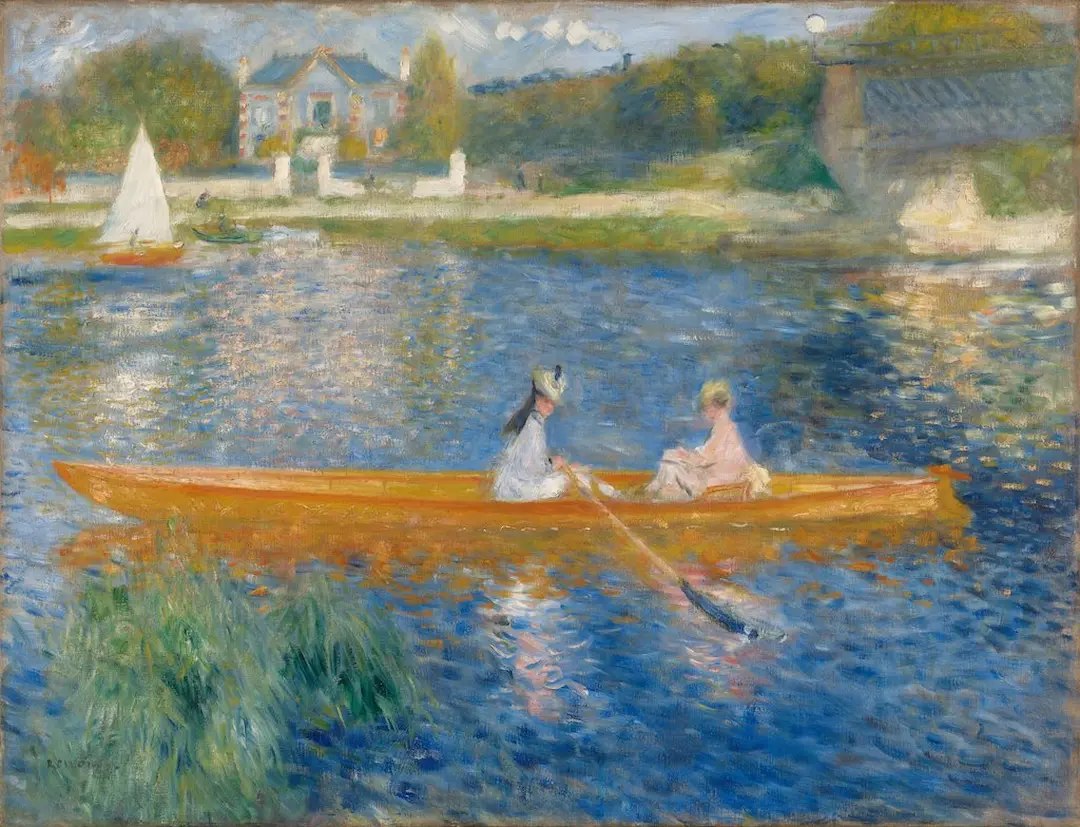
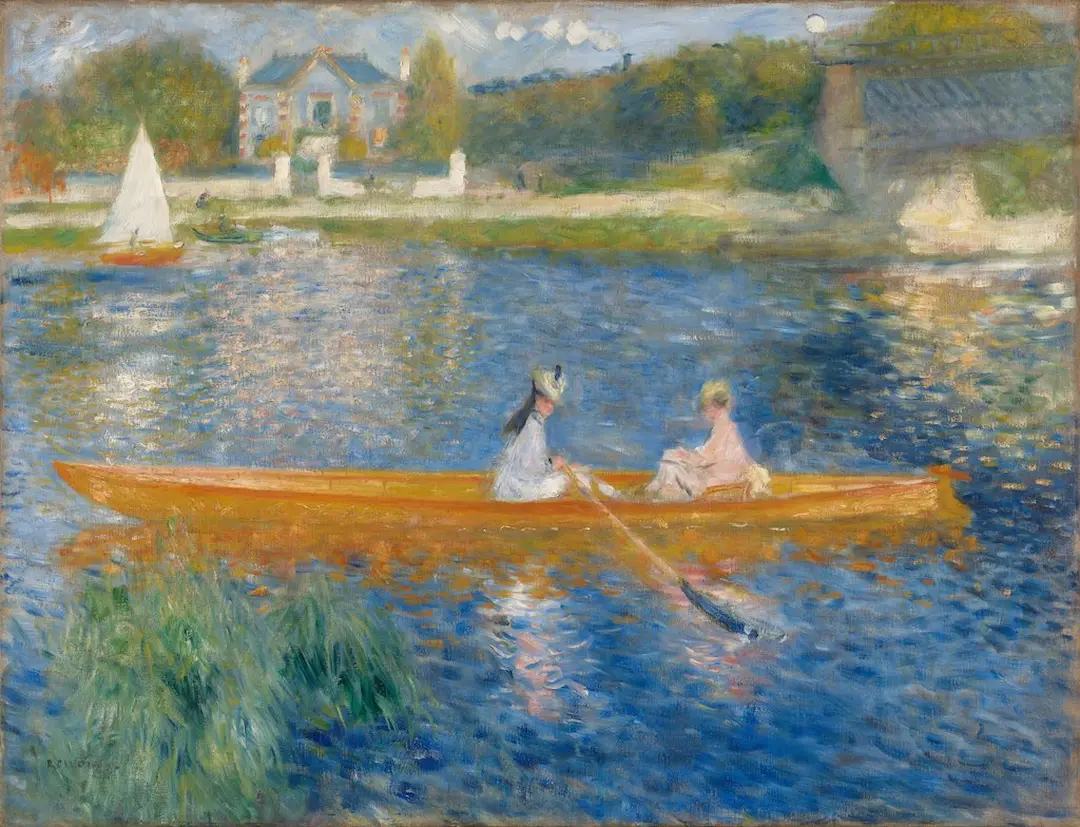
In "Spring Bouquet," Renoir weaves subtle narratives and symbols within the lush arrangement of flowers, reflecting themes of renewal and fleeting beauty. This fine art painting for sale resonates with collectors who appreciate the poetic storytelling found in Impressionist works. The painting’s vibrant blooms echo the joyful scenes in "Girls At The Piano2" and "The Seine At Asnieres Aka The Skiff," inviting viewers to interpret their own stories through Renoir’s evocative imagery and symbolic use of springtime motifs.
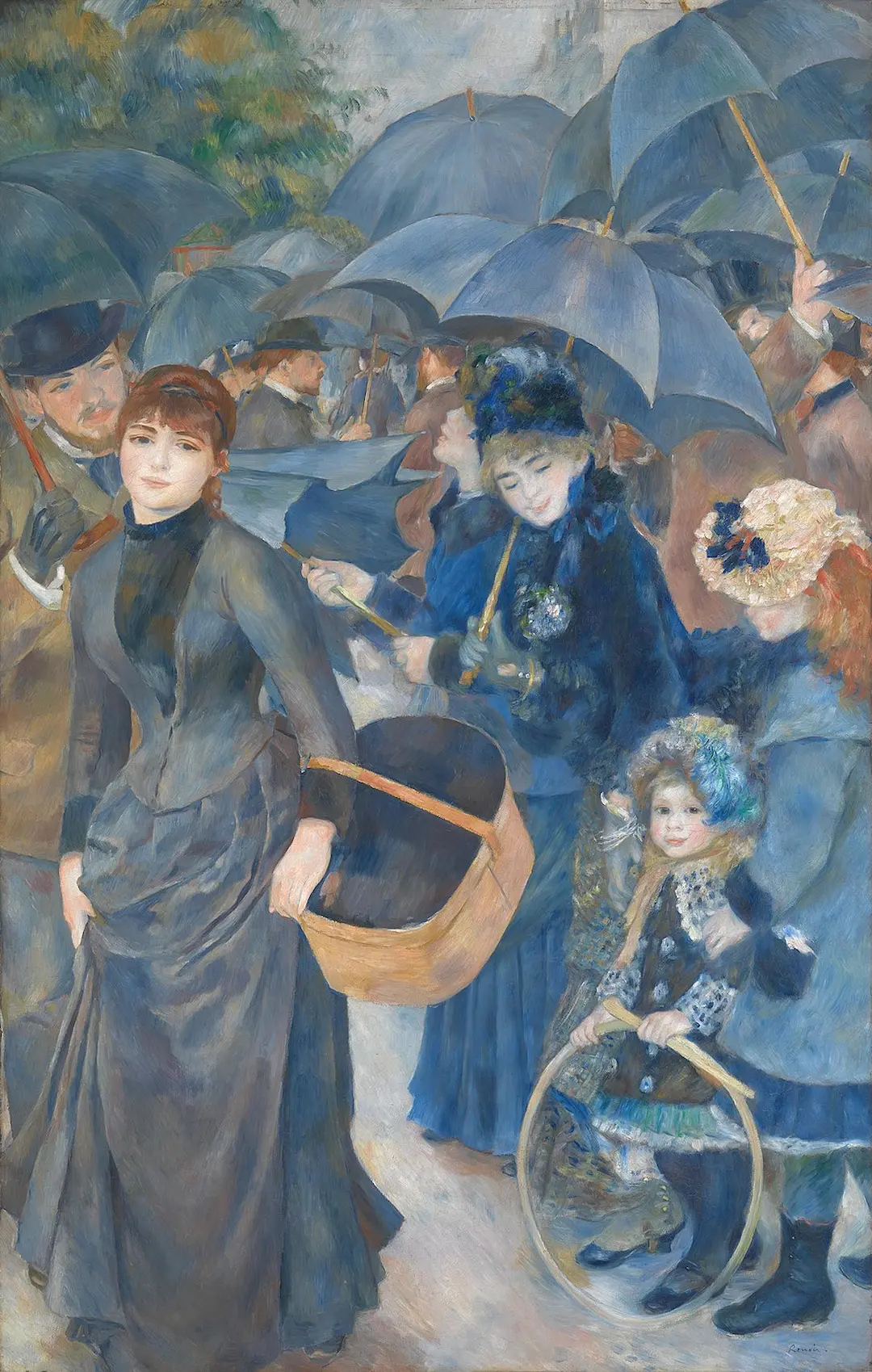
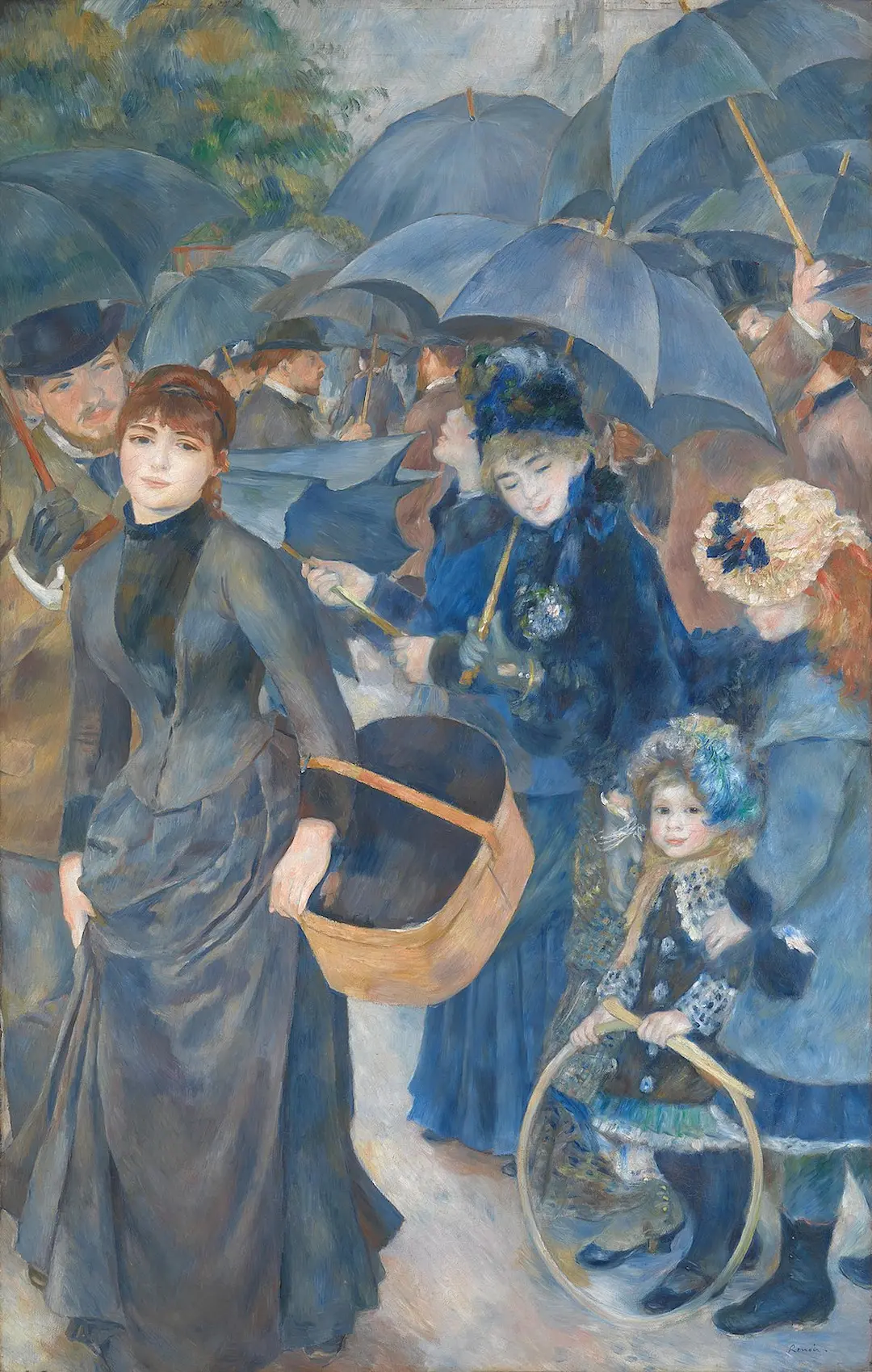
As a sought-after hand-painted oil painting, "Spring Bouquet" holds a special place among Renoir’s celebrated oeuvre in the Impressionism movement. Collectors value its exquisite detail and emotional resonance, akin to other renowned pieces like "Umbrellas" and "Dance At The Moulin De La Galette." Owning such a work not only enhances any art collection but also connects one to the enduring legacy of Pierre Auguste Renoir and the timeless appeal of Impressionist fine art.
When Art Meets History
"Spring Bouquet" by Pierre Auguste Renoir stands as a testament to the Impressionism movement, capturing a fleeting moment of natural beauty with vibrant color and light. This hand-painted oil painting reflects Renoir’s fascination with nature and his innovative approach to portraying floral arrangements. Alongside masterpieces like "The Walk Woman With A Parasol" and "Women in the Garden," "Spring Bouquet" highlights Renoir’s significant role in transforming fine art during the late 19th century.
Techniques That Speak
Renoir’s "Spring Bouquet" demonstrates the artist’s mastery of oil on canvas, utilizing swift, delicate brushstrokes and a luminous palette to evoke freshness and vitality. The Impressionism movement’s hallmark techniques are evident, as seen in related works such as "Garden at Sainte-Adresse" and "The Parade." Through layered textures and soft edges, Renoir immerses viewers in a sensory experience, making each oil on canvas creation a celebration of color and light.
Emotions on Display
In "Spring Bouquet," Pierre Auguste Renoir channels the joy and tenderness of spring through his expressive use of color and form. The painting’s lively blooms and warm tones evoke a sense of renewal, much like his other fine art paintings for sale, including "Woman in the Garden." Renoir’s Impressionist approach invites viewers to feel the ephemeral beauty of the moment, capturing emotions that resonate across generations and art lovers worldwide.
Coveted by Collectors
Collectors and art enthusiasts highly prize "Spring Bouquet" for its exquisite representation of Impressionism and Renoir’s distinct touch. As a hand-painted oil painting, it holds a special place among fine art painting for sale, alongside related works such as "The Parade." Renoir’s ability to infuse everyday scenes with vitality and charm ensures that "Spring Bouquet" remains a sought-after masterpiece in galleries and private collections around the world.
Related Impressionism Hand-Painted Oil Paintings by Other Artists
Other Famous Impressionism Artists:
Frequently Asked Questions About Spring Bouquet
What is the historical context of "Spring Bouquet"?
"Spring Bouquet" was created during the late 19th century, a period marked by the Impressionist movement, which sought to capture the effects of light and color in everyday scenes. Renoir, a prominent figure in this movement, painted this work around 1880, reflecting the vibrant energy of springtime.
What artistic techniques did Renoir employ in "Spring Bouquet"?
Renoir utilized loose brushwork and a vibrant color palette to convey the liveliness of the flowers. His technique of layering colors and using dappled light creates a sense of depth and movement, characteristic of Impressionist painting.
What symbolism is present in "Spring Bouquet"?
The bouquet symbolizes renewal and the beauty of nature, often associated with the themes of rebirth and hope. The choice of flowers can also represent various emotions and sentiments, enhancing the painting's overall message.
How does "Spring Bouquet" reflect Renoir's artistic style?
This painting exemplifies Renoir's signature style, characterized by a focus on light, color, and the depiction of everyday beauty. His ability to capture the essence of a moment in time is evident in the lively arrangement of flowers.
What influences can be seen in "Spring Bouquet"?
Renoir was influenced by earlier artists such as Édouard Manet and the Barbizon School, as well as the naturalist approach to painting. The emphasis on capturing the transient beauty of nature in "Spring Bouquet" reflects these influences.
What role does color play in "Spring Bouquet"?
Color plays a pivotal role in "Spring Bouquet," with Renoir using a bright and varied palette to evoke the freshness of spring. The interplay of warm and cool tones enhances the vibrancy of the flowers, drawing the viewer's eye throughout the composition.
How does "Spring Bouquet" compare to other works by Renoir?
Compared to Renoir's other works, "Spring Bouquet" showcases a more intimate and personal subject matter. While many of his paintings feature figures and social scenes, this still life emphasizes nature's beauty and the artist's appreciation for floral arrangements.
What is the significance of still life in Impressionism, as seen in "Spring Bouquet"?
Still life, as exemplified in "Spring Bouquet," allowed Impressionist artists to explore light, color, and composition without the constraints of narrative. This genre provided a platform for experimentation and personal expression, reflecting the artist's perception of the world.
What cultural impact did "Spring Bouquet" have during its time?
Upon its creation, "Spring Bouquet" contributed to the broader acceptance of Impressionism in the art world. It helped to shift the focus from traditional academic painting to a more modern approach that celebrated individual expression and the beauty of everyday life.
How is "Spring Bouquet" perceived in contemporary art discussions?
In contemporary art discussions, "Spring Bouquet" is often regarded as a quintessential example of Impressionism, illustrating the movement's core principles. It continues to inspire artists and art lovers alike, serving as a reminder of the enduring beauty found in nature.






















_GFM_Painting_(1).webp)


 100% Hand-Painted: Finished in 3-6 Weeks

.png)

















_(1).webp)