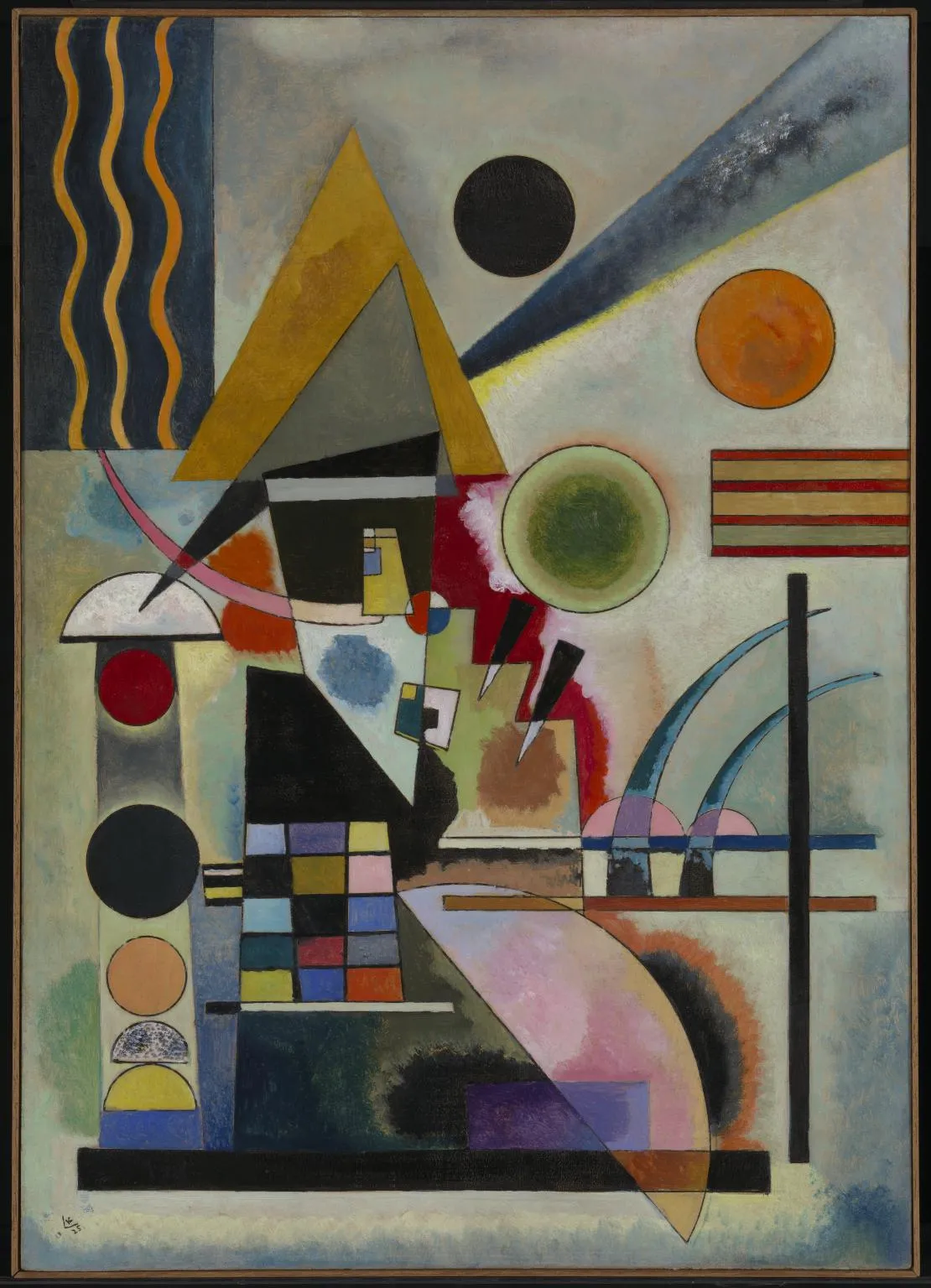
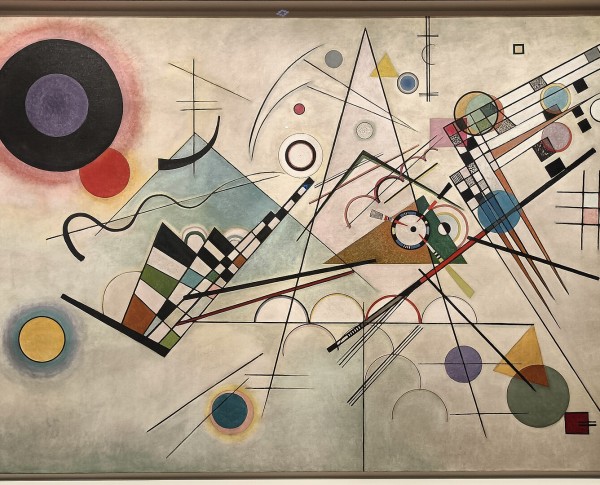
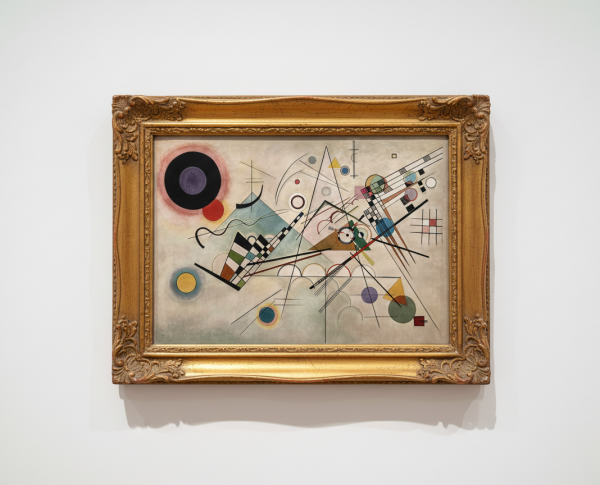
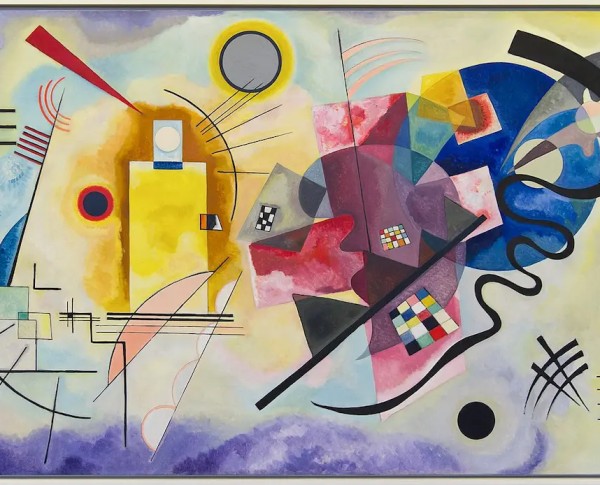
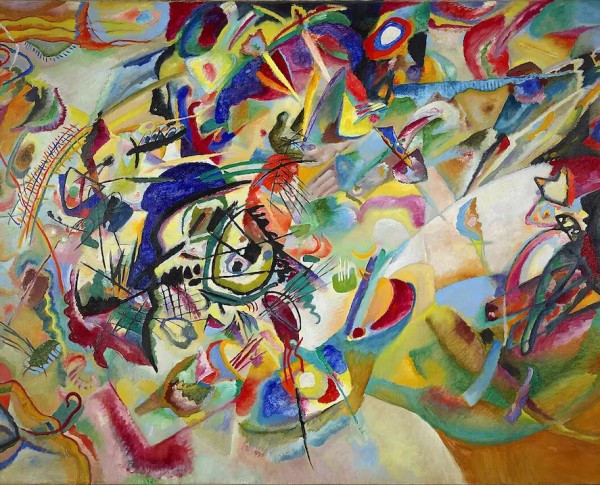
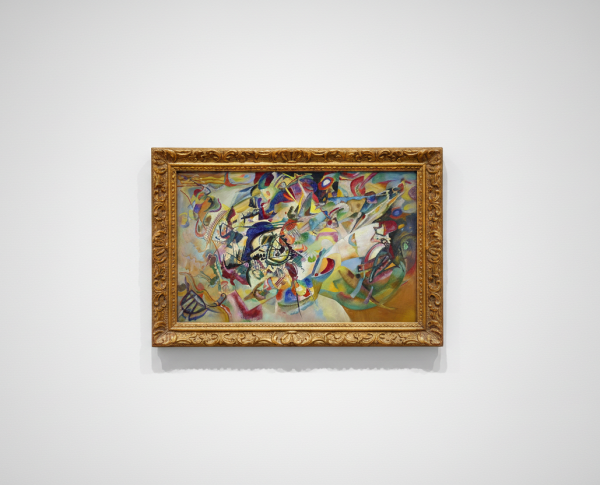
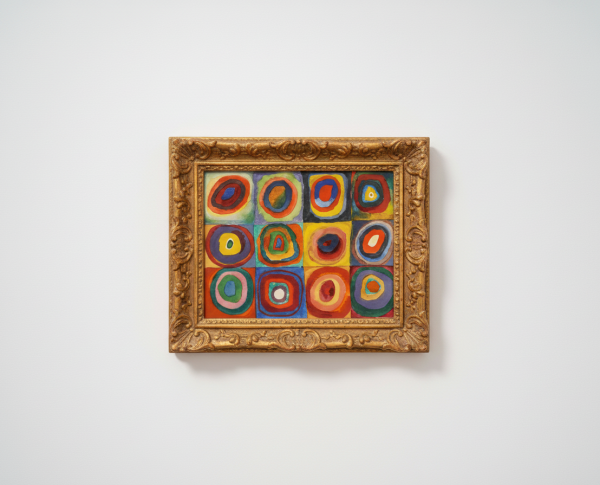
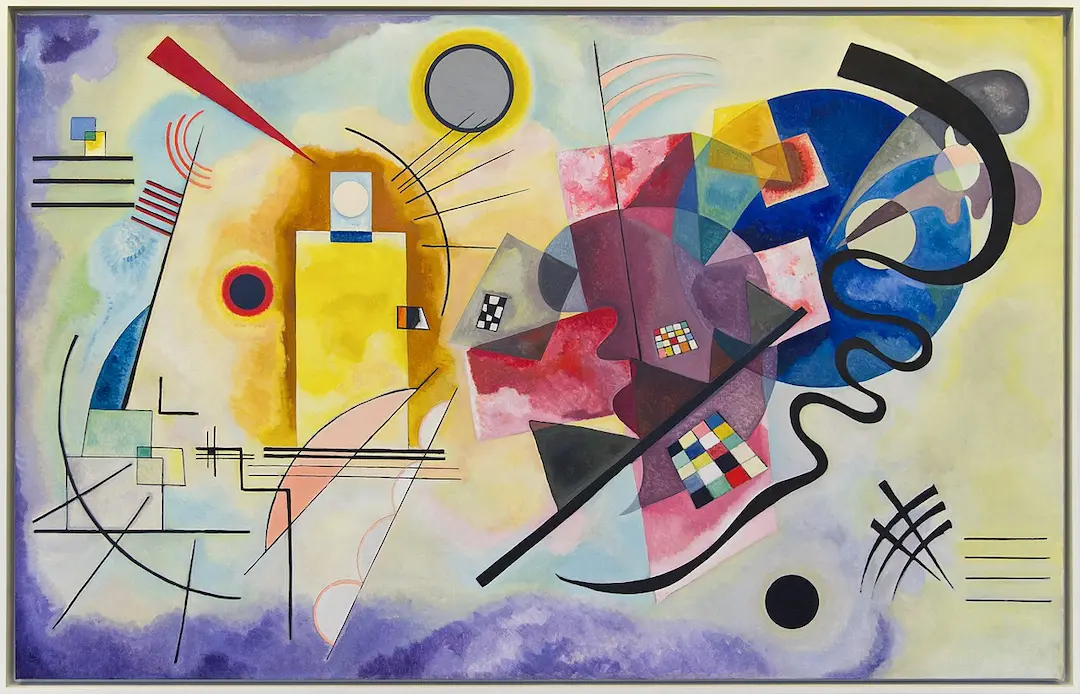
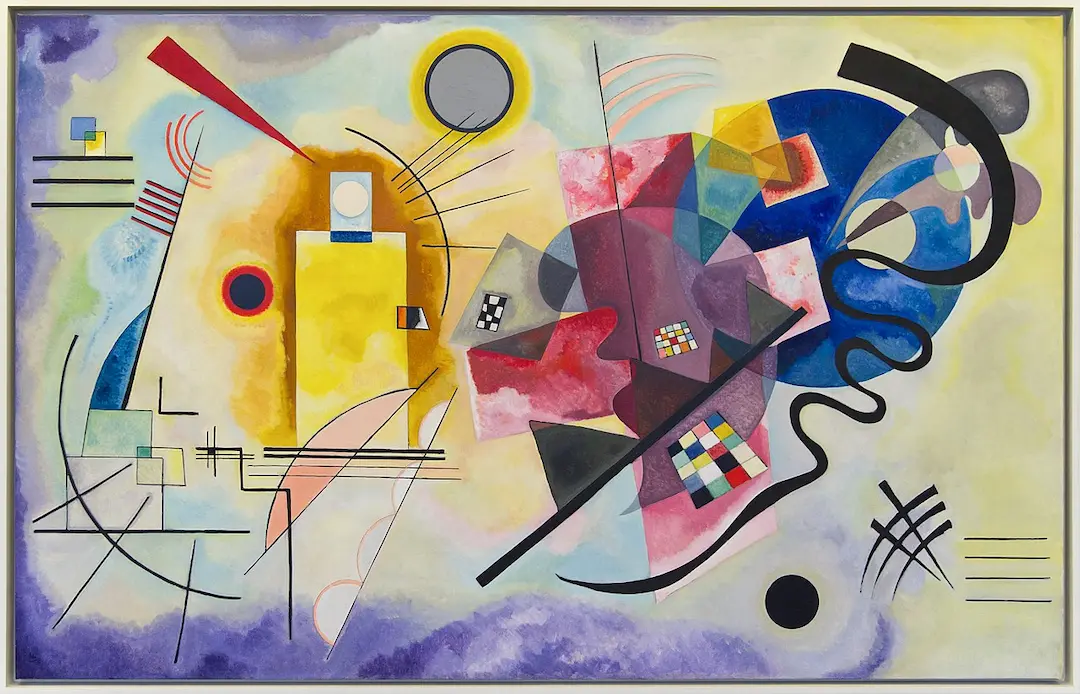
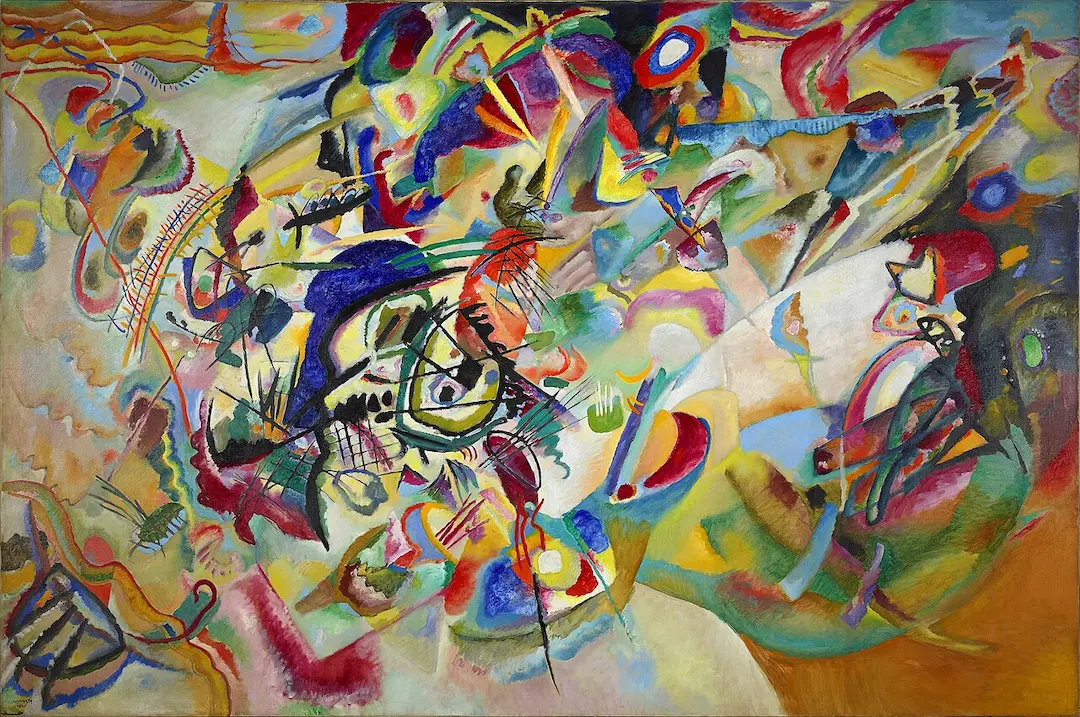
Kandinsky’s technique in "Yellow Red Blue" showcases his command of oil on canvas, blending vibrant hues and geometric shapes with fluidity. This masterpiece is not just a visual delight but a testament to the artist’s innovative approach to Abstract Expressionism. Each brushstroke tells a story of movement and energy, making it a prized addition to any collection. Art lovers often seek similar works like "Composition VII" or "Squares with Concentric Rings" to complement their spaces.
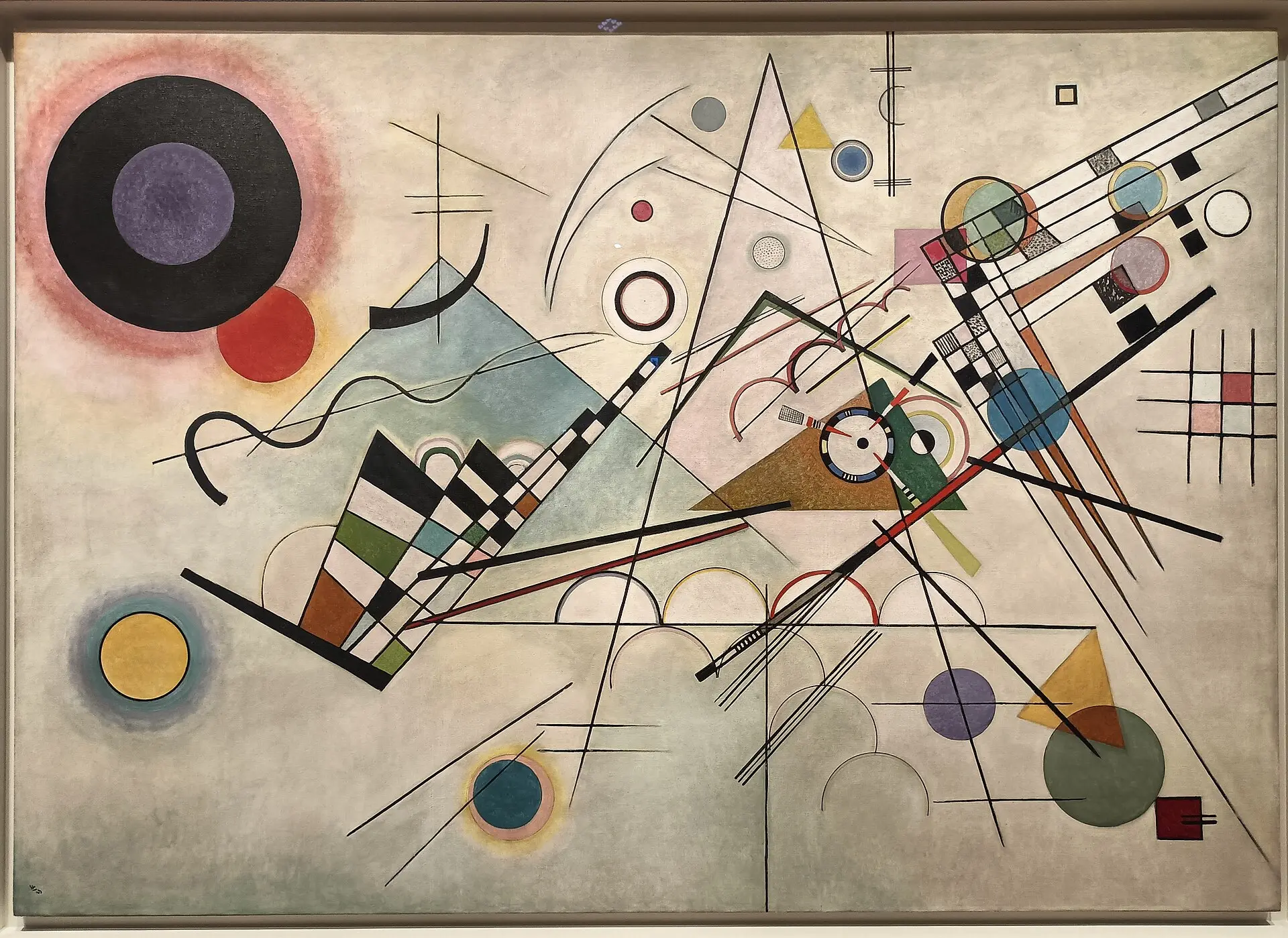
Every element in "Yellow Red Blue" is meticulously chosen, reflecting Kandinsky’s passion for symbolism within the Abstract Expressionism movement. This fine art painting for sale invites viewers to interpret its vibrant forms and colors, sparking endless conversations about meaning and intent. As with his "The Composition V111" and "Squares with Concentric Rings," Kandinsky weaves a narrative that transcends the ordinary, offering a glimpse into the artist’s visionary world through his oil on canvas mastery.
For collectors, "Yellow Red Blue" by Wassily Kandinsky is more than an artwork—it’s a piece of history within Abstract Expressionism. This hand-painted oil painting is highly sought after, often displayed alongside related masterpieces such as "Composition VII" and "The Composition V111." Its bold composition and emotional depth make it a standout in any gallery or private collection, ensuring its status as a fine art painting for sale that continues to inspire new generations.
When Art Meets History
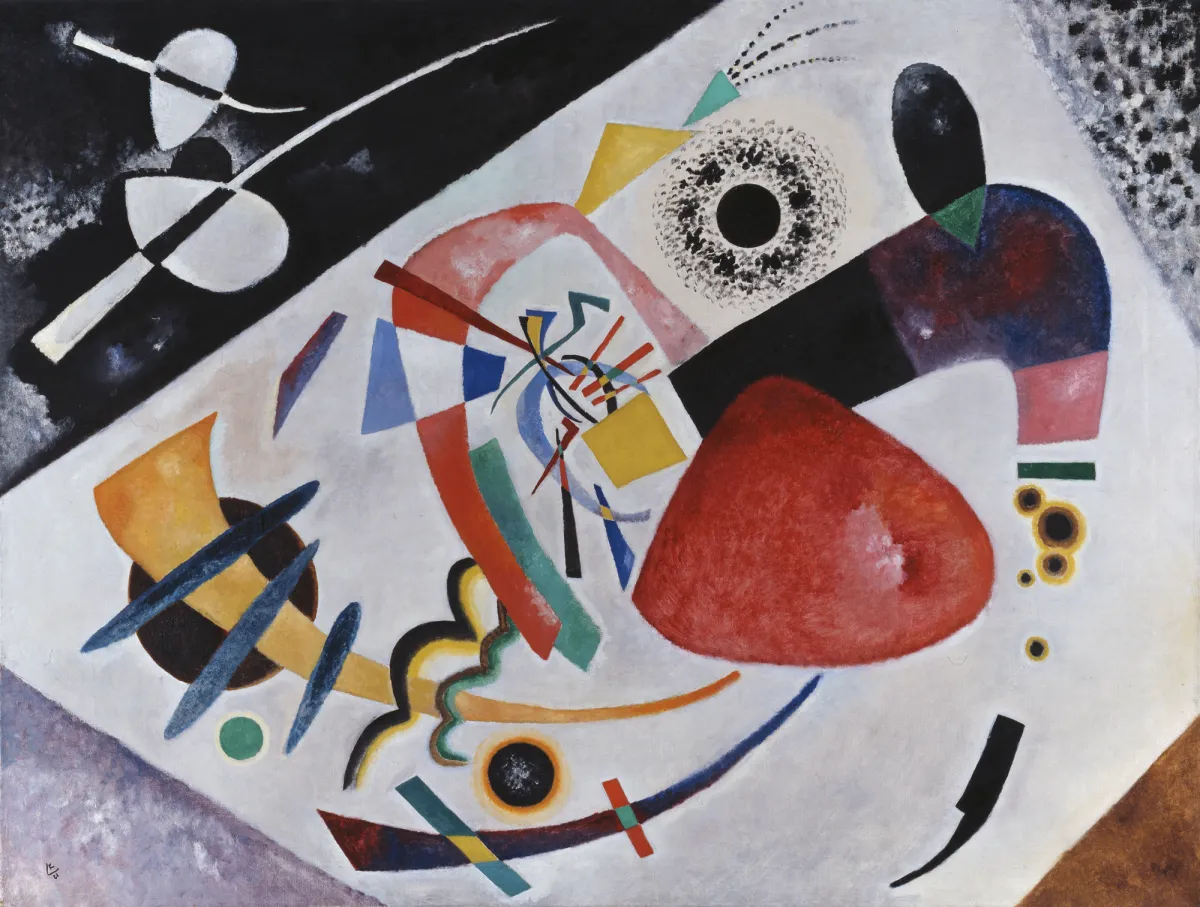
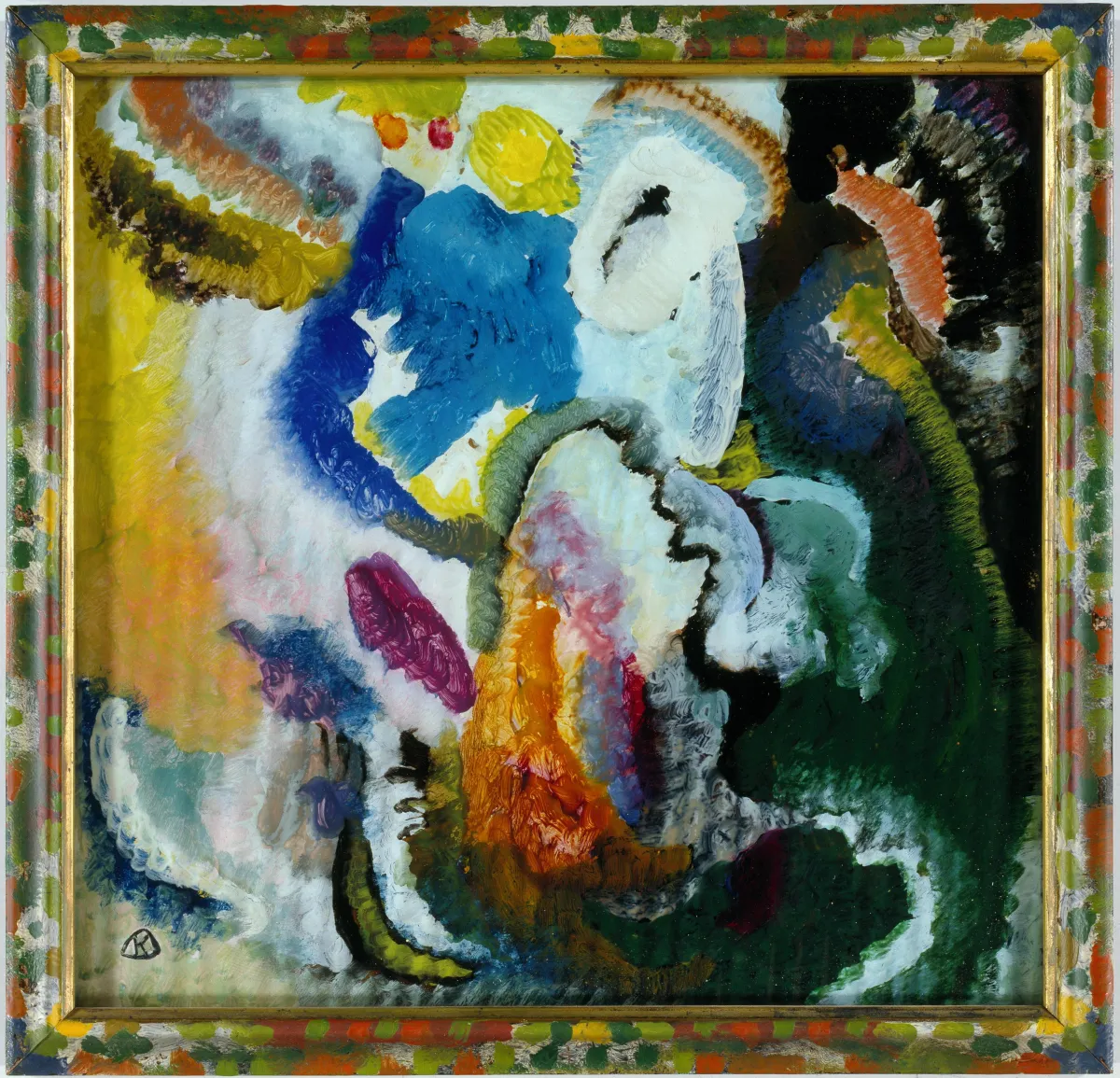
Wassily Kandinsky’s "Yellow Red Blue" stands as a pivotal creation within the Abstract Expressionism movement. Completed in 1925, this hand-painted oil painting reflects the artistic revolution of its time, where color and form took precedence over realistic representation. Kandinsky’s innovation paved the way for other masterpieces, such as "Untitled (Violet, Black, Orange, Yellow on White and Red), 1949". His visionary approach continues to influence artists exploring abstraction and emotional depth in their own unique styles.
Techniques That Speak
Kandinsky’s mastery of oil on canvas is evident in "Yellow Red Blue", where bold colors and geometric shapes interact dynamically. His use of layering and brushwork gives the painting a vibrant, energetic feel, characteristic of Abstract Expressionism. The interplay of primary colors and abstract forms is reminiscent of other influential works, including "Untitled (Violet, Black, Orange, Yellow on White and Red), 1949". These techniques showcase Kandinsky’s innovative spirit and his pivotal role in the evolution of modern art.
Emotions on Display
"Yellow Red Blue" by Wassily Kandinsky is more than a fine art painting for sale; it’s a vivid expression of the artist’s inner world. The contrasting colors and abstract shapes evoke a spectrum of emotions, inviting viewers to interpret the painting through their own experiences. This emotional resonance connects it to other iconic Abstract Expressionist works, such as "Untitled (Violet, Black, Orange, Yellow on White and Red), 1949", highlighting the movement’s emphasis on personal expression and psychological depth.
Coveted by Collectors
Today, "Yellow Red Blue" remains highly sought after by collectors and enthusiasts of Abstract Expressionism. This hand-painted oil painting exemplifies Kandinsky’s groundbreaking approach, making it a valuable addition to any fine art collection. Its connection to other celebrated works, like "Untitled (Violet, Black, Orange, Yellow on White and Red), 1949", further enhances its desirability. Owning such a masterpiece is a testament to an appreciation for innovation and the enduring impact of modern art.
Related Abstract Expressionism Hand-Painted Oil Paintings by Other Artists
Other Famous Abstract Expressionism Artists:
Frequently Asked Questions About Yellow Red Blue
What is the historical significance of Yellow Red Blue?
Yellow Red Blue, created in 1925, is a pivotal work in the development of abstract art, showcasing Wassily Kandinsky's exploration of color theory and emotional expression through non-representational forms.
How does Yellow Red Blue reflect Kandinsky's artistic philosophy?
Kandinsky believed that color could evoke emotions and spiritual responses. In Yellow Red Blue, he employs a vibrant palette and geometric shapes to convey a sense of harmony and balance, aligning with his theories on the spiritual nature of art.
What artistic movements is Yellow Red Blue associated with?
This painting is closely associated with Abstract Expressionism and the Bauhaus movement, both of which emphasize the importance of color, form, and emotional expression over representational accuracy.
What colors are predominant in Yellow Red Blue, and what do they symbolize?
The predominant colors—yellow, red, and blue—are often interpreted as representing different emotional states. Yellow can symbolize joy and warmth, red can evoke passion and intensity, while blue is frequently associated with calmness and spirituality.
How did Kandinsky's background influence Yellow Red Blue?
Kandinsky's background in music and his interest in synesthesia heavily influenced his artistic approach. He sought to create a visual language that resonated with the emotional and spiritual qualities of music, which is evident in the rhythmic composition of Yellow Red Blue.
What techniques did Kandinsky use in Yellow Red Blue?
Kandinsky employed a technique of layering colors and shapes, creating a dynamic interplay between the elements. His use of bold, flat colors alongside intricate lines reflects his innovative approach to composition and abstraction.
In what context was Yellow Red Blue created?
Yellow Red Blue was created during a period of significant experimentation in the art world, particularly in Europe post-World War I. This context influenced Kandinsky's desire to break away from traditional forms and explore new artistic expressions.
What impact did Yellow Red Blue have on future artists?
The painting has had a profound impact on subsequent generations of artists, inspiring movements such as Color Field painting and Minimalism. Kandinsky's emphasis on abstraction paved the way for artists to explore non-representational art forms.
How does Yellow Red Blue exemplify Kandinsky's use of abstraction?
In Yellow Red Blue, Kandinsky moves beyond representational forms to focus on the emotional and spiritual resonance of colors and shapes. This exemplifies his belief that abstraction can convey deeper truths and experiences than traditional representational art.
What is the legacy of Yellow Red Blue in the art world?
The legacy of Yellow Red Blue lies in its role as a landmark in the evolution of abstract art. It continues to be studied and celebrated for its innovative approach to color and form, influencing countless artists and movements in the 20th century and beyond.






















_GFM_Painting_(1).webp)


 100% Hand-Painted: Finished in 3-6 Weeks

.png)

















_(1).webp)