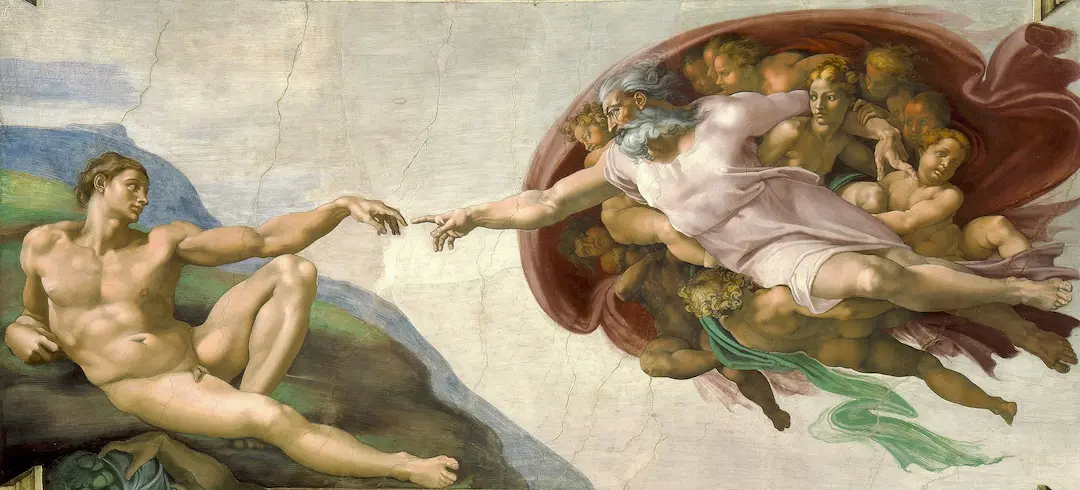
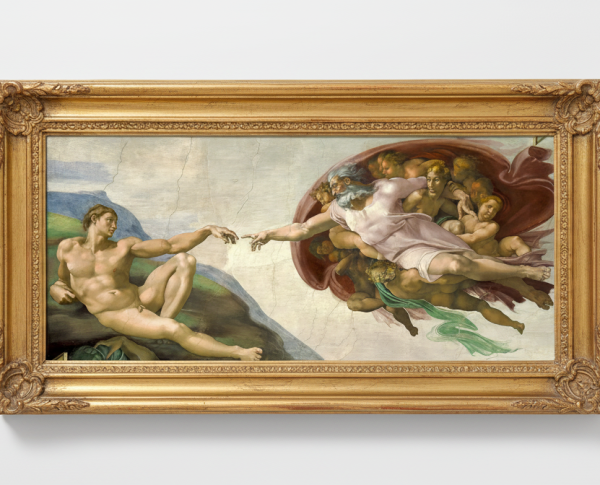
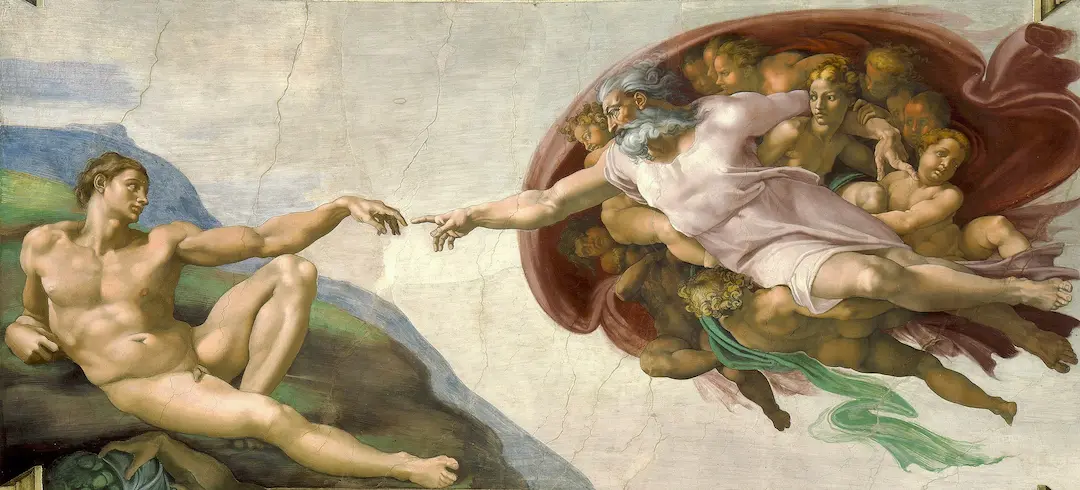
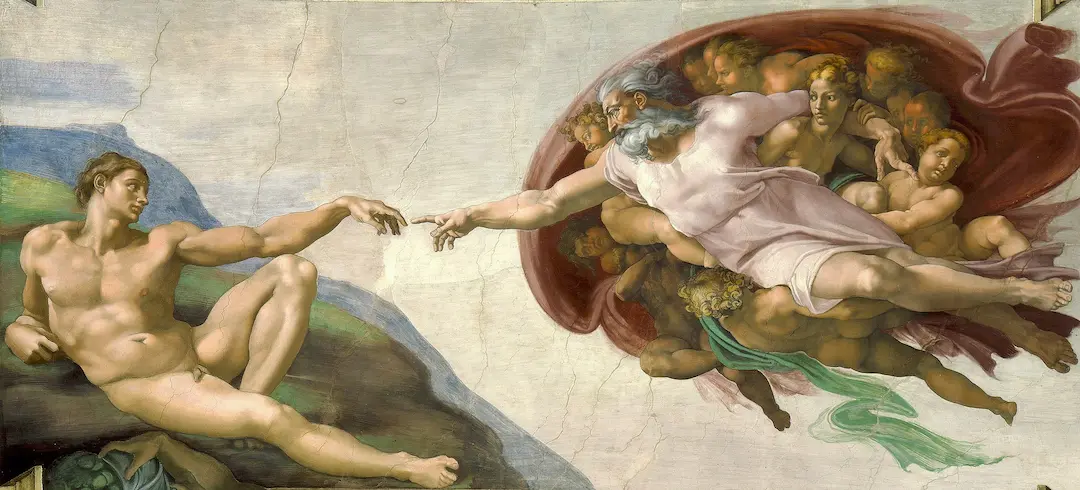
The “Creation of Adam 1510” exemplifies the technical brilliance of Michelangelo Buonarroti, whose skillful use of oil on canvas brings the scene to life. Each brushstroke highlights the anatomy and emotion of both Adam and the Creator, showcasing the artist’s deep understanding of the human form. As a celebrated work from the High Renaissance, this piece sets a standard for oil on canvas masterpieces that continue to influence the art world and inspire new generations of painters.
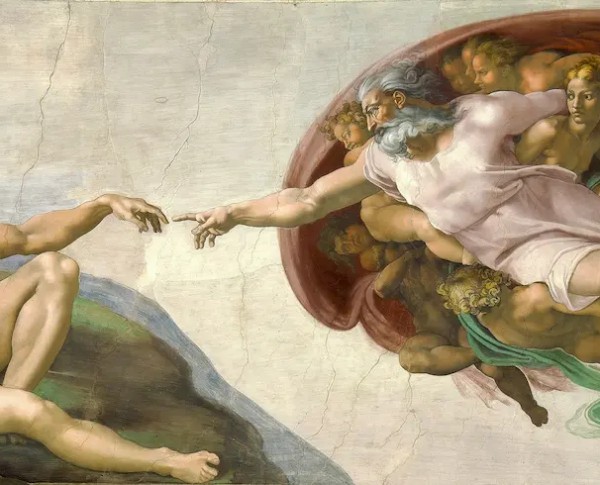
“Creation of Adam 1510” by Michelangelo Buonarroti is more than just a painting; it’s a visual narrative rich with symbolism. The near-touch of hands represents the moment when life is bestowed upon Adam, a key theme in the High Renaissance. This fine art painting for sale invites viewers to explore profound philosophical and religious ideas, making it a cherished piece for collectors and those passionate about art history. Its enduring symbolism ensures its place in any distinguished collection.
Owning a reproduction of Michelangelo Buonarroti’s “Creation of Adam 1510” is a dream for many art enthusiasts. This hand-painted oil painting from the High Renaissance movement is a striking addition to any home or gallery. As a fine art painting for sale, it offers collectors the opportunity to possess a piece of history, celebrated for its unparalleled artistry and cultural impact. Such masterpieces remain highly sought after, enhancing the value and prestige of any collection.
When Art Meets History
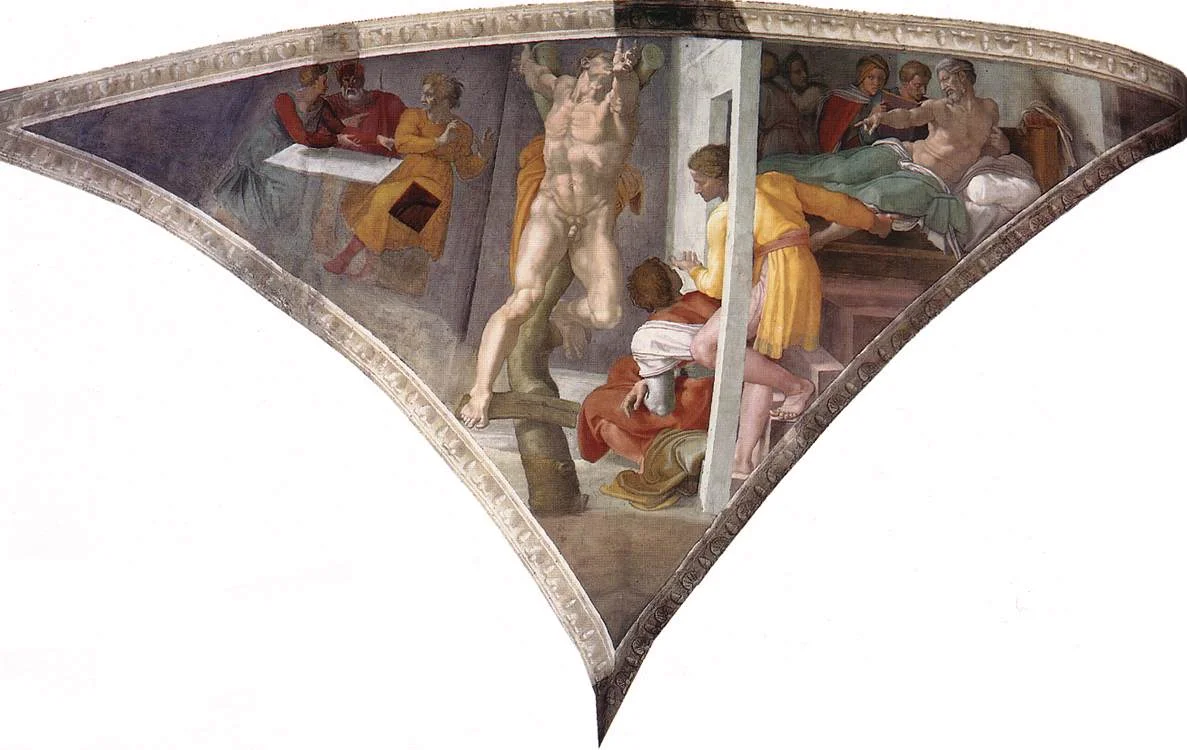
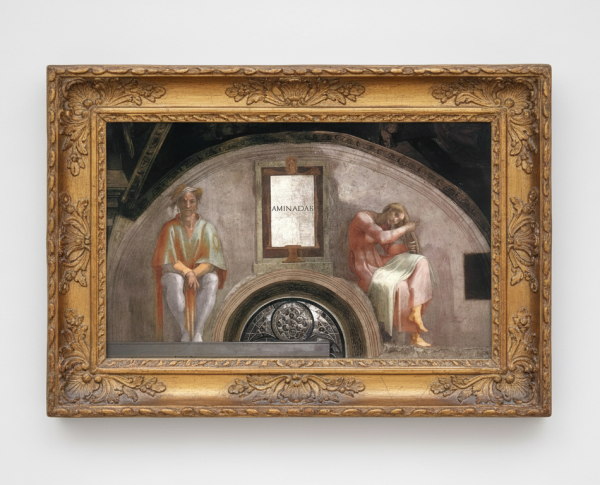
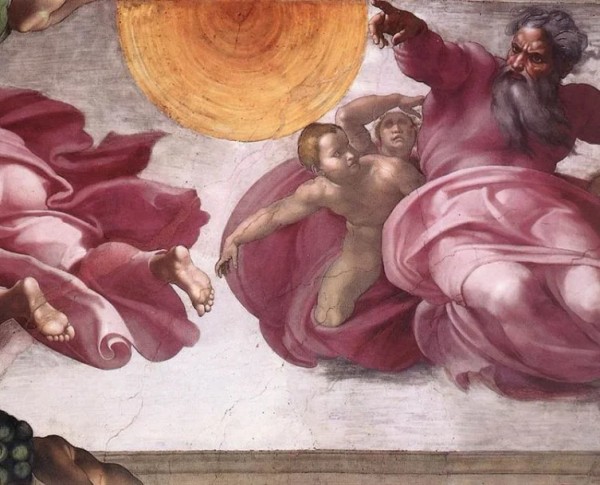
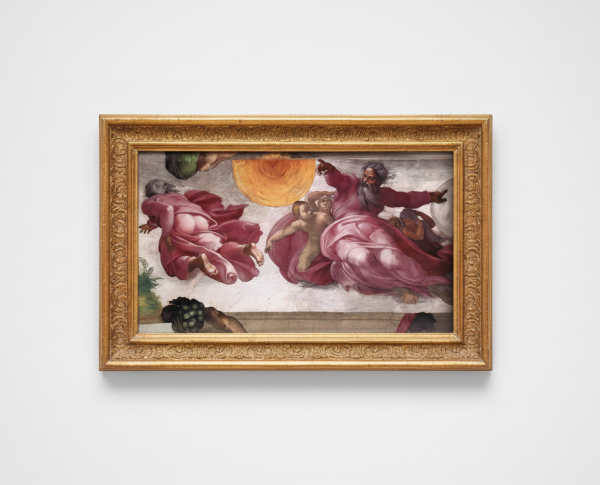
"Creation of Adam 1510" by Michelangelo Buonarroti stands as a masterpiece of the High Renaissance, capturing a pivotal moment in both art and cultural history. This hand-painted oil painting, featured on the ceiling of the Sistine Chapel, reflects the era's fascination with humanism and divine connection. Michelangelo’s genius is also evident in related works like "The Stanza Della Segnatura Ceiling Justice" and "The Madonna Of The Chair," each contributing to the legacy of Renaissance art.
Techniques That Speak
Michelangelo Buonarroti’s "Creation of Adam 1510" showcases his extraordinary command of oil on canvas, with lifelike figures and dynamic movement that revolutionized artistic technique. The artist’s use of chiaroscuro and anatomical precision exemplifies the High Renaissance movement’s ideals. Similar technical mastery can be observed in his related paintings, such as "La Donna Velata" and "Joanna Of Aragon," where the interplay of light and form brings each composition to life.
Emotions on Display
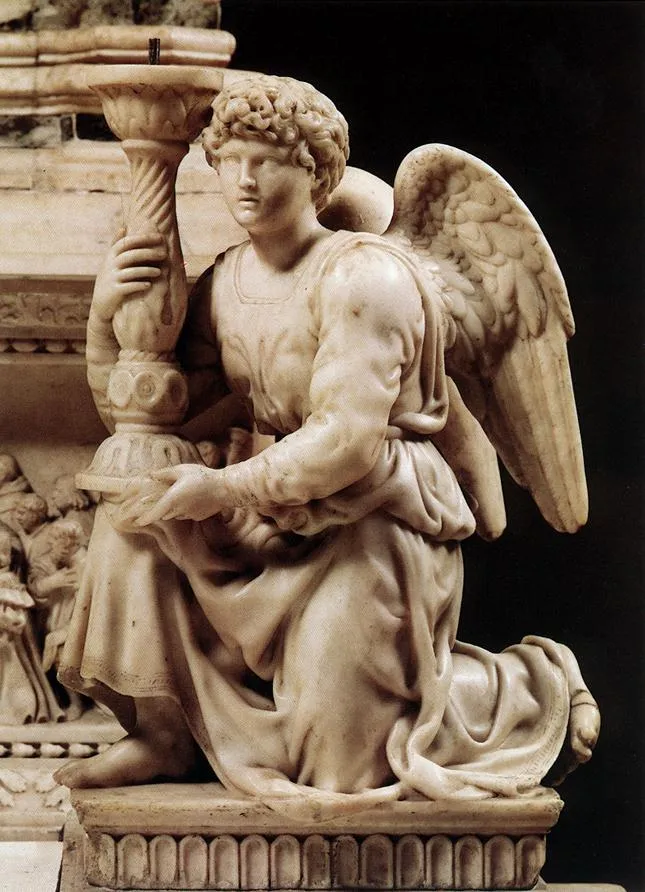
The emotional depth in "Creation of Adam 1510" by Michelangelo Buonarroti is palpable, as the outstretched hands symbolize the spark of life and divine inspiration. This fine art painting for sale resonates with viewers through its expressive gestures and intense gazes, hallmarks of the High Renaissance. The evocative power found here is echoed in Michelangelo’s other works, including "Cherubini," which similarly captures profound human emotion and spiritual longing.
Coveted by Collectors
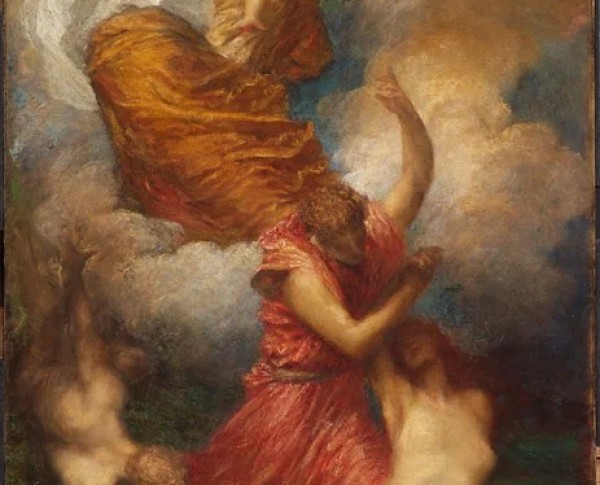
As a cornerstone of the High Renaissance, "Creation of Adam 1510" by Michelangelo Buonarroti remains highly sought after by art collectors worldwide. This hand-painted oil painting is celebrated for its historical significance and artistic brilliance, making it a prized addition to any collection. Collectors often seek out related masterpieces like "The Madonna Of The Chair" and "La Donna Velata," each representing the enduring appeal and value of Renaissance fine art.
Related High Renaissance Hand-Painted Oil Paintings by Other Artists
Other Famous High Renaissance Artists:
Frequently Asked Questions About Creation of Adam 1510
What is the historical significance of the Creation of Adam?
The Creation of Adam, painted by Michelangelo in 1510, is a pivotal work of the High Renaissance, showcasing the era's emphasis on humanism and the divine. It illustrates the biblical story from the Book of Genesis, where God gives life to Adam, symbolizing the connection between humanity and the divine.
What artistic techniques did Michelangelo employ in this painting?
Michelangelo utilized a combination of fresco techniques, including chiaroscuro to create depth and volume, and sfumato to soften edges. His mastery of anatomy is evident in the portrayal of Adam and God, showcasing his deep understanding of the human form.
What is the symbolism behind the outstretched hands of God and Adam?
The outstretched hands of God and Adam symbolize the moment of creation and the divine spark of life. The nearly touching fingers represent the connection between the divine and humanity, emphasizing the theme of spiritual awakening and the potential of mankind.
How does the composition of the Creation of Adam reflect Renaissance ideals?
The composition reflects Renaissance ideals through its balanced proportions and harmonious arrangement. The triangular structure formed by the figures conveys stability and order, while the dynamic poses express movement and vitality, embodying the Renaissance celebration of human potential.
What role does color play in the Creation of Adam?
Color in the Creation of Adam is used strategically to enhance the emotional impact of the scene. The vibrant hues of God's robes contrast with the more muted tones of Adam, highlighting the divine nature of God compared to the earthly nature of humanity.
What influences can be seen in Michelangelo's portrayal of God?
Michelangelo's portrayal of God is influenced by classical ideals, depicting Him as a powerful, bearded figure reminiscent of ancient gods. This representation reflects the Renaissance blending of Christian themes with classical antiquity, emphasizing the strength and authority of the divine.
How does the Creation of Adam fit within the context of the Sistine Chapel ceiling?
The Creation of Adam is a central panel of the Sistine Chapel ceiling, which Michelangelo painted between 1508 and 1512. It serves as a focal point among other biblical scenes, illustrating the overarching theme of creation and the relationship between God and humanity throughout the chapel's narrative.
What impact did the Creation of Adam have on later art movements?
The Creation of Adam has had a profound impact on later art movements, inspiring countless artists to explore themes of divinity and humanity. Its iconic imagery has been referenced and reinterpreted in various forms of art, solidifying its status as a masterpiece of Western art history.
What does the Creation of Adam reveal about Michelangelo's view of humanity?
The Creation of Adam reveals Michelangelo's view of humanity as a noble creation with the potential for greatness. The painting captures the moment of divine inspiration, suggesting that humanity is imbued with the spark of the divine, capable of achieving both physical and spiritual heights.
How has the Creation of Adam been interpreted over the centuries?
Over the centuries, the Creation of Adam has been interpreted in various ways, from a straightforward depiction of biblical creation to a more philosophical exploration of the human condition. Its enduring power lies in its ability to evoke contemplation on the nature of existence, divinity, and the human experience.






















_GFM_Painting_(1).webp)


 100% Hand-Painted: Finished in 3-6 Weeks

.png)















_(1).webp)