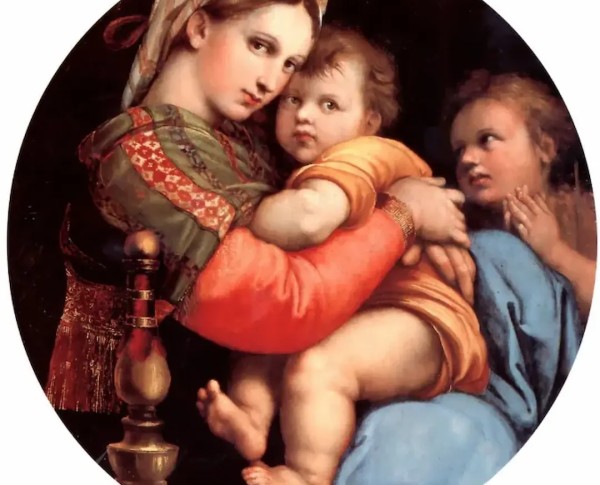
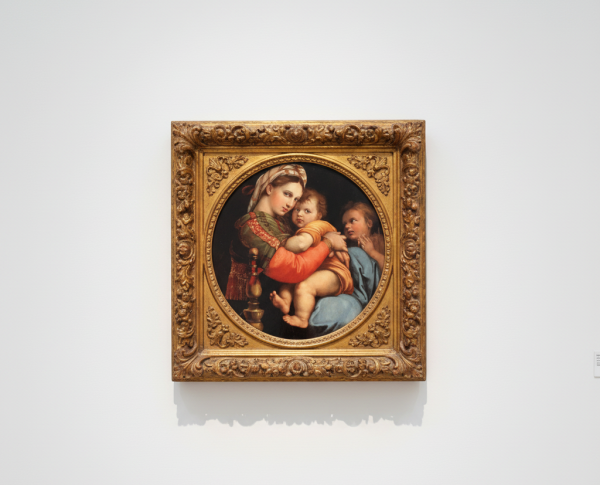
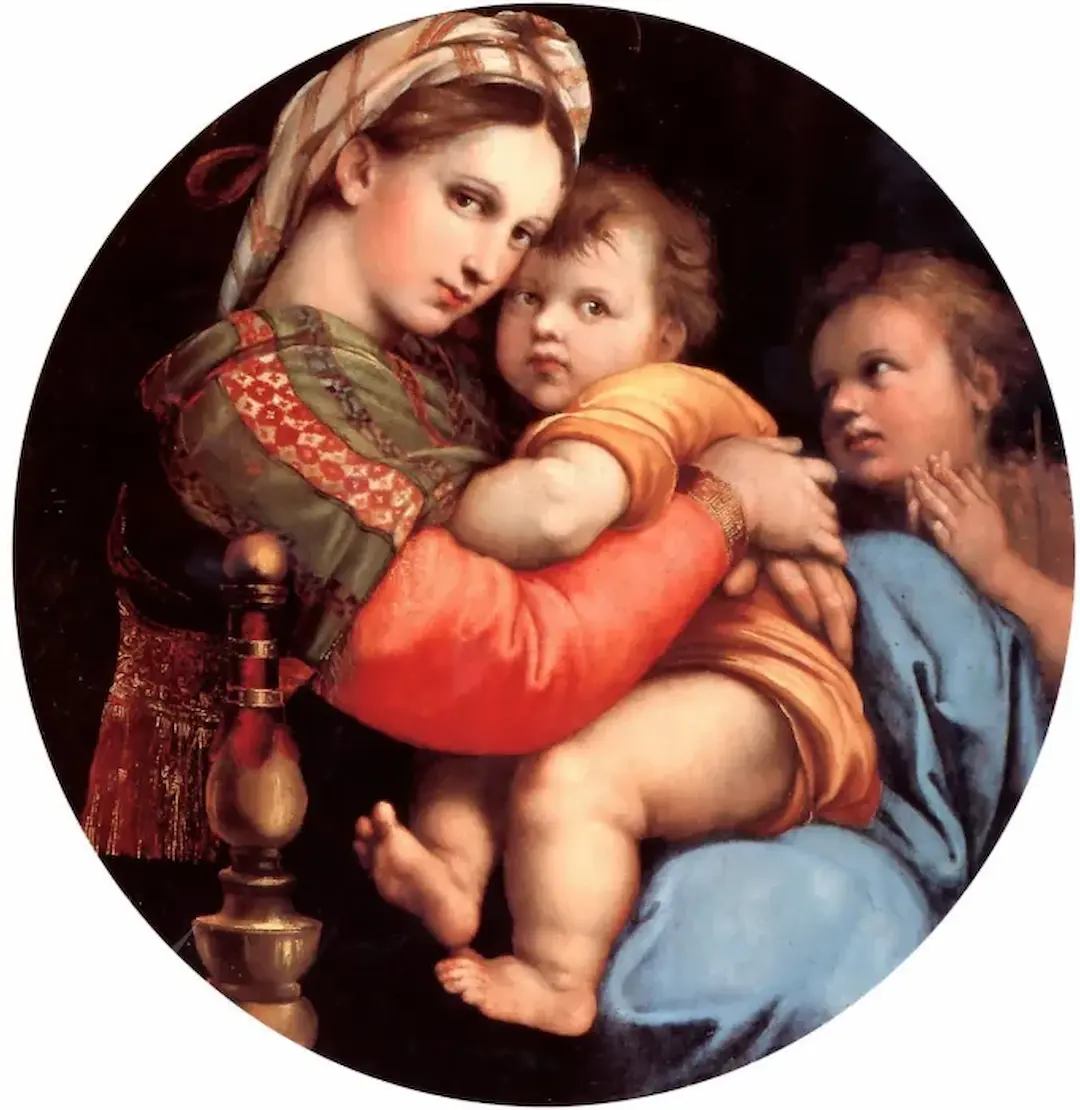
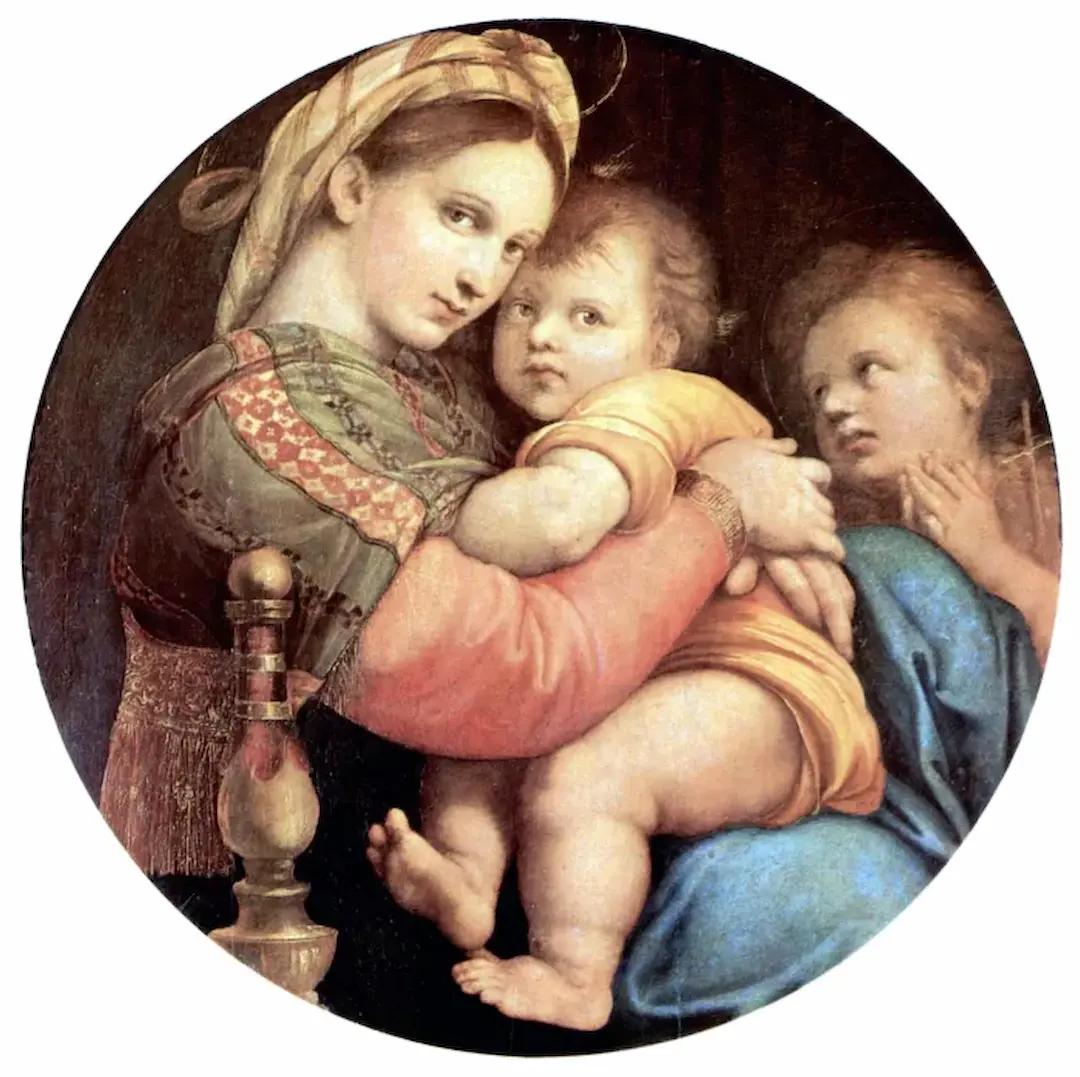
Raffaello Sanzio’s exceptional skill is evident in every detail of "The Madonna Of The Chair," a remarkable oil on canvas from the High Renaissance. The harmonious composition and lifelike figures highlight Raphael’s mastery of color and form. This painting’s refined technique is also reflected in other masterpieces like "The Vision of Ezekiel" and "Portrait Of Bindo Altoviti," making it a cherished piece for any admirer of Renaissance art.
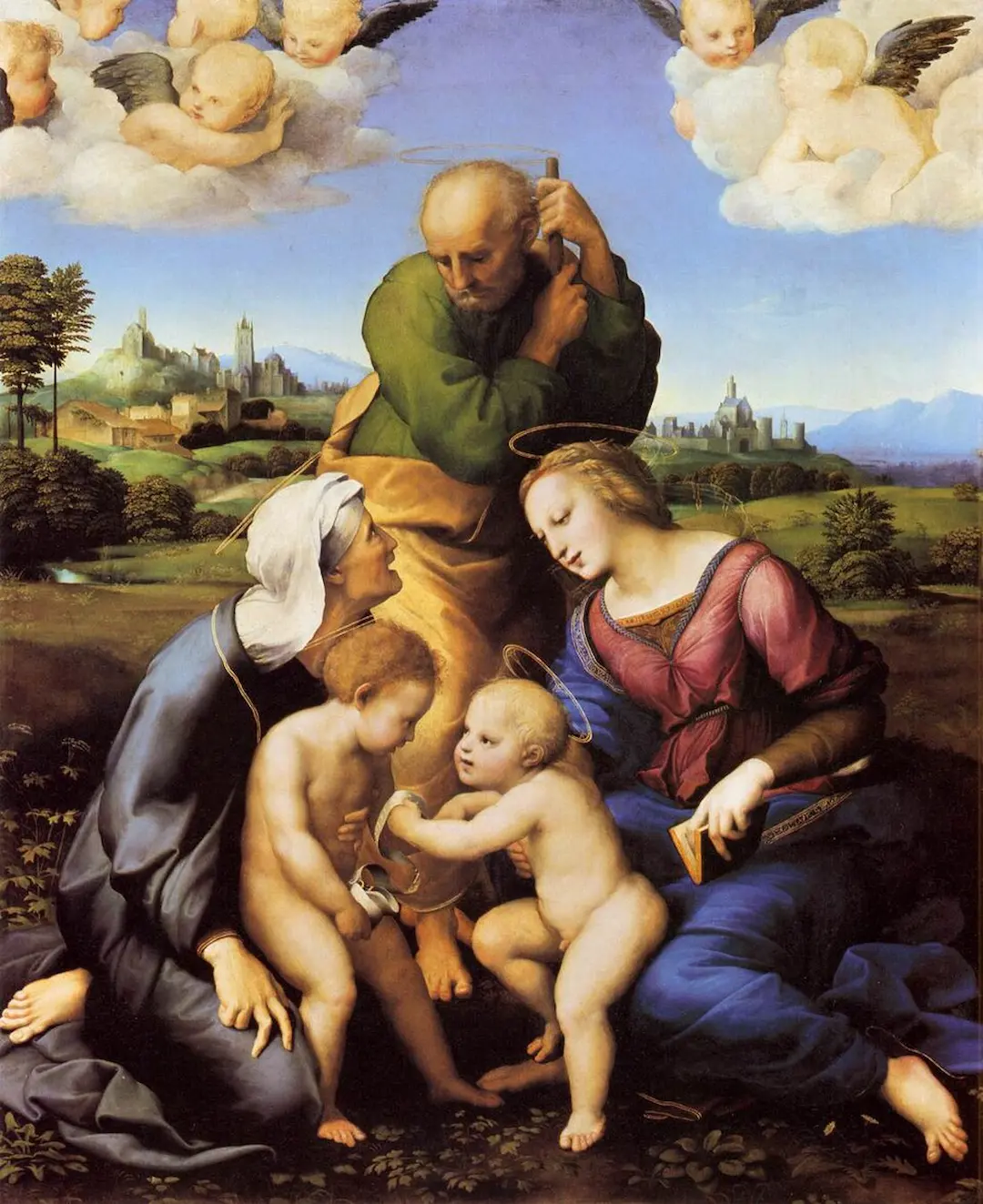
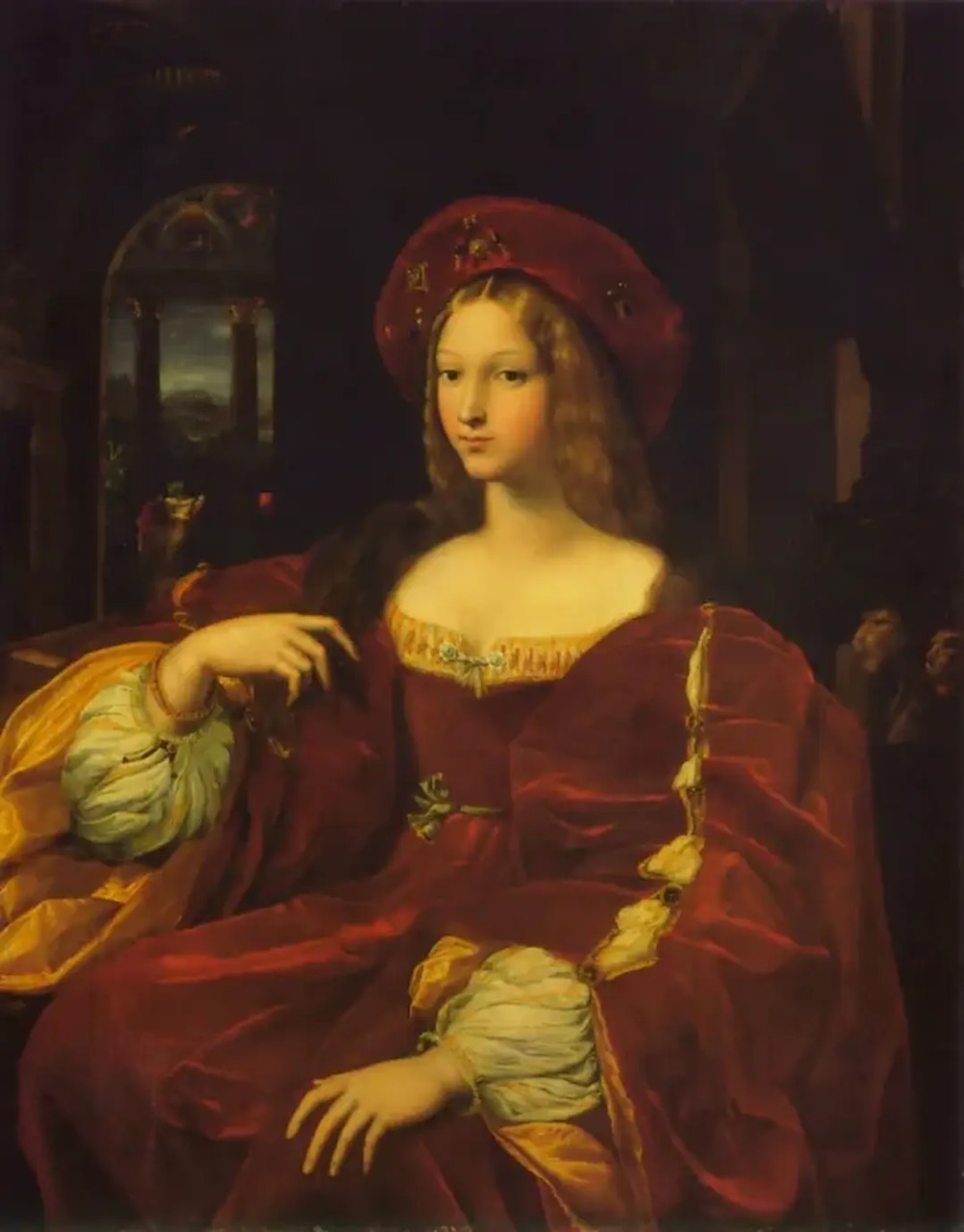
"The Madonna Of The Chair" is more than a fine art painting for sale; it tells a story of maternal love and divine grace. Raphael’s choice of rich hues and symbolic gestures immerses viewers in the spiritual narrative of the High Renaissance. Collectors interested in profound symbolism may also appreciate works like "Joanna Of Aragon" and "The Holy Family with Saints Elizabeth and John (or The Canigiani Holy Family)." Each piece offers its own unique tale.
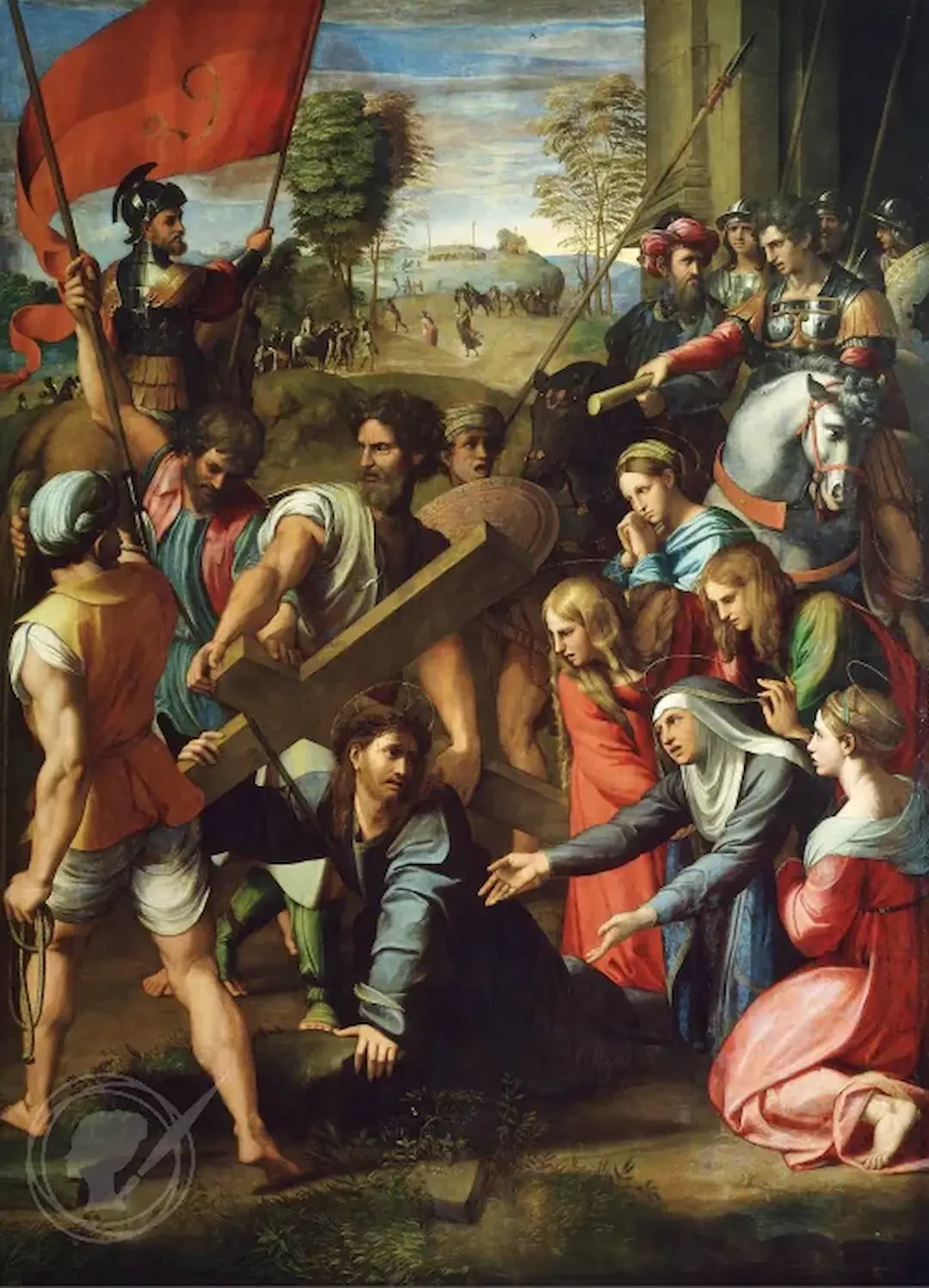
Owning "The Madonna Of The Chair" by Raffaello Sanzio connects collectors to the grandeur of the High Renaissance. This hand-painted oil painting is a coveted highlight in any fine art collection, admired for its beauty and historic significance. Art lovers often seek related treasures such as "The Vision of Ezekiel" and "The Hill of Calvary," making these masterpieces desirable for those looking to enrich their artistic legacy.
When Art Meets History
"The Madonna Of The Chair" by Raffaello Sanzio stands as a timeless masterpiece from the High Renaissance movement. Painted in the early 16th century, this hand-painted oil painting captures the essence of maternal love and religious devotion. Raffaello’s work is often discussed alongside iconic pieces like "Creation of Adam 1510" and "Mona Lisa (La Gioconda) c. 1503-05," reflecting the profound cultural and artistic achievements of his era.
Techniques That Speak
Raffaello Sanzio’s exceptional use of oil on canvas in "The Madonna Of The Chair" demonstrates his mastery of color, form, and composition. The artist’s delicate brushwork and harmonious palette are trademarks of the High Renaissance style, setting a benchmark for generations to come. Techniques seen here are echoed in related works such as "Portrait of Cecilia Gallerani (Lady with an Ermine) 1483-90" and "The Last Supper 1498," both celebrated for their innovative use of oil on canvas.
Emotions on Display
The emotional intensity in "The Madonna Of The Chair" is palpable, as Raffaello Sanzio captures a tender moment between mother and child. This fine art painting for sale reveals the depths of human connection, a hallmark of the High Renaissance movement. The gentle embrace and soulful gazes evoke similar feelings found in "Female head (The Lady of the Dishevelled Hair) (or La Scapigliata)," making this masterpiece resonate with collectors and art lovers alike.
Coveted by Collectors
Today, "The Madonna Of The Chair" remains highly sought after by collectors who appreciate the enduring allure of Raffaello Sanzio’s hand-painted oil paintings. Its place within the High Renaissance canon, alongside works like "Mona Lisa" and "The Last Supper," ensures its lasting value. Owning such a piece is not only an investment in history but also a celebration of the artistry that defines the golden age of fine art painting for sale.
Related High Renaissance Hand-Painted Oil Paintings by Other Artists
Other Famous High Renaissance Artists:
Frequently Asked Questions About The Madonna Of The Chair
What is the historical context of The Madonna Of The Chair?
The Madonna Of The Chair was painted by Raffaello Sanzio, also known as Raphael, during the High Renaissance, around 1514. This period is characterized by a renewed interest in classical antiquity and the humanistic approach to art.
What artistic techniques did Raphael employ in The Madonna Of The Chair?
Raphael utilized a pyramidal composition in The Madonna Of The Chair, which creates a sense of stability and harmony. The use of chiaroscuro enhances the three-dimensionality of the figures, while the soft color palette contributes to the painting's serene atmosphere.
What is the significance of the chair in the painting?
The chair in the painting symbolizes both the earthly and divine authority of Mary as the Mother of God. It serves as a physical representation of her role in the spiritual realm, emphasizing the importance of motherhood in Christian theology.
How does The Madonna Of The Chair reflect Raphael's style?
This artwork exemplifies Raphael's mastery of form and composition, showcasing his ability to convey emotion and tenderness. The gentle expressions of Mary and the Christ Child highlight his skill in portraying human relationships and divine love.
What are the main themes depicted in The Madonna Of The Chair?
The primary themes of The Madonna Of The Chair include motherhood, divinity, and protection. The intimate connection between Mary and Jesus illustrates the bond of love and care, while the presence of the cherubs signifies heavenly support and guidance.
What influence did The Madonna Of The Chair have on later artists?
The Madonna Of The Chair has had a profound influence on subsequent generations of artists, inspiring them to explore themes of maternal love and divine connection. Raphael's innovative use of composition and color has been emulated by many, solidifying his legacy in art history.
Where is The Madonna Of The Chair currently located?
The Madonna Of The Chair is housed in the Palazzo Barberini in Rome, Italy. It is part of the Galleria Nazionale d'Arte Antica, where it continues to attract visitors and art enthusiasts from around the world.
What materials did Raphael use for The Madonna Of The Chair?
Raphael painted The Madonna Of The Chair using oil on wood, a common medium during the Renaissance. This technique allowed for rich color application and fine detail, contributing to the overall luminosity of the piece.
How does The Madonna Of The Chair compare to Raphael's other works?
Compared to Raphael's other works, The Madonna Of The Chair stands out for its emotional depth and intimate portrayal of Mary and Jesus. While many of his pieces focus on grand narratives, this painting emphasizes personal connection and tenderness.
What role does symbolism play in The Madonna Of The Chair?
Symbolism is integral to The Madonna Of The Chair, with elements such as the chair itself, the positioning of the figures, and the presence of cherubs all contributing to the narrative of divine motherhood and protection. Each aspect serves to deepen the viewer's understanding of the spiritual themes present in the artwork.






















_GFM_Painting_(1).webp)



 100% Hand-Painted: Finished in 3-6 Weeks

.png)















_(1).webp)