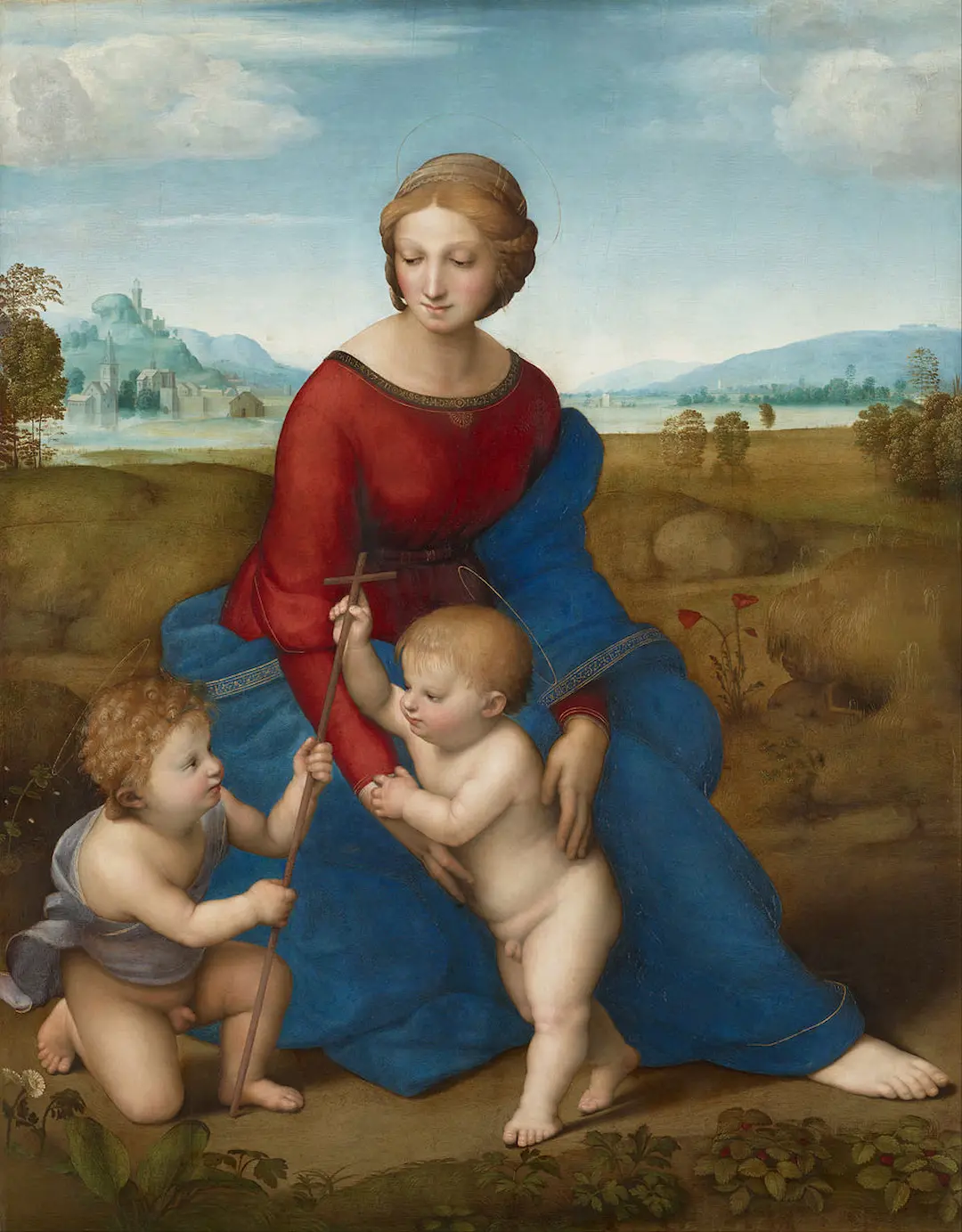
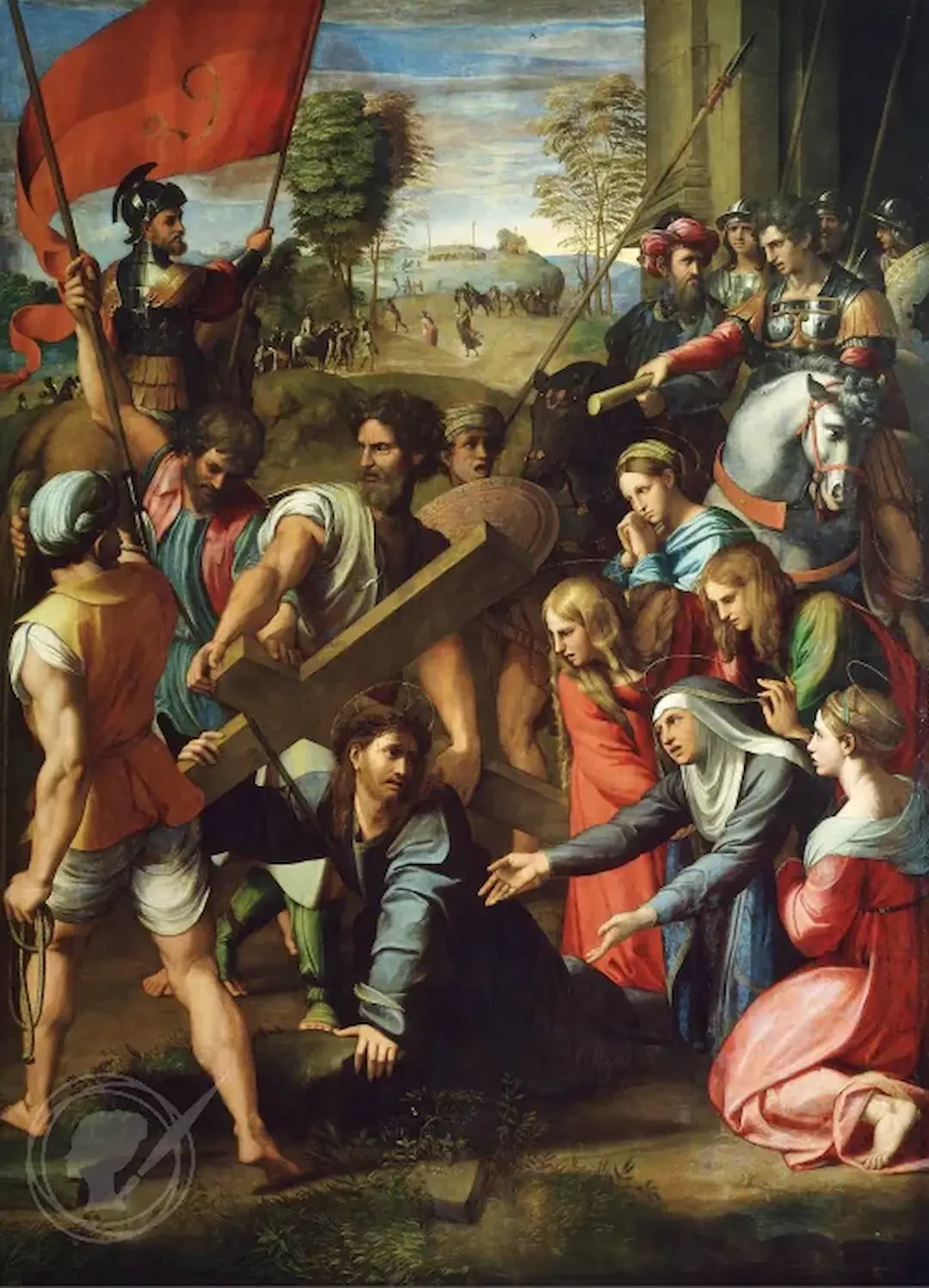
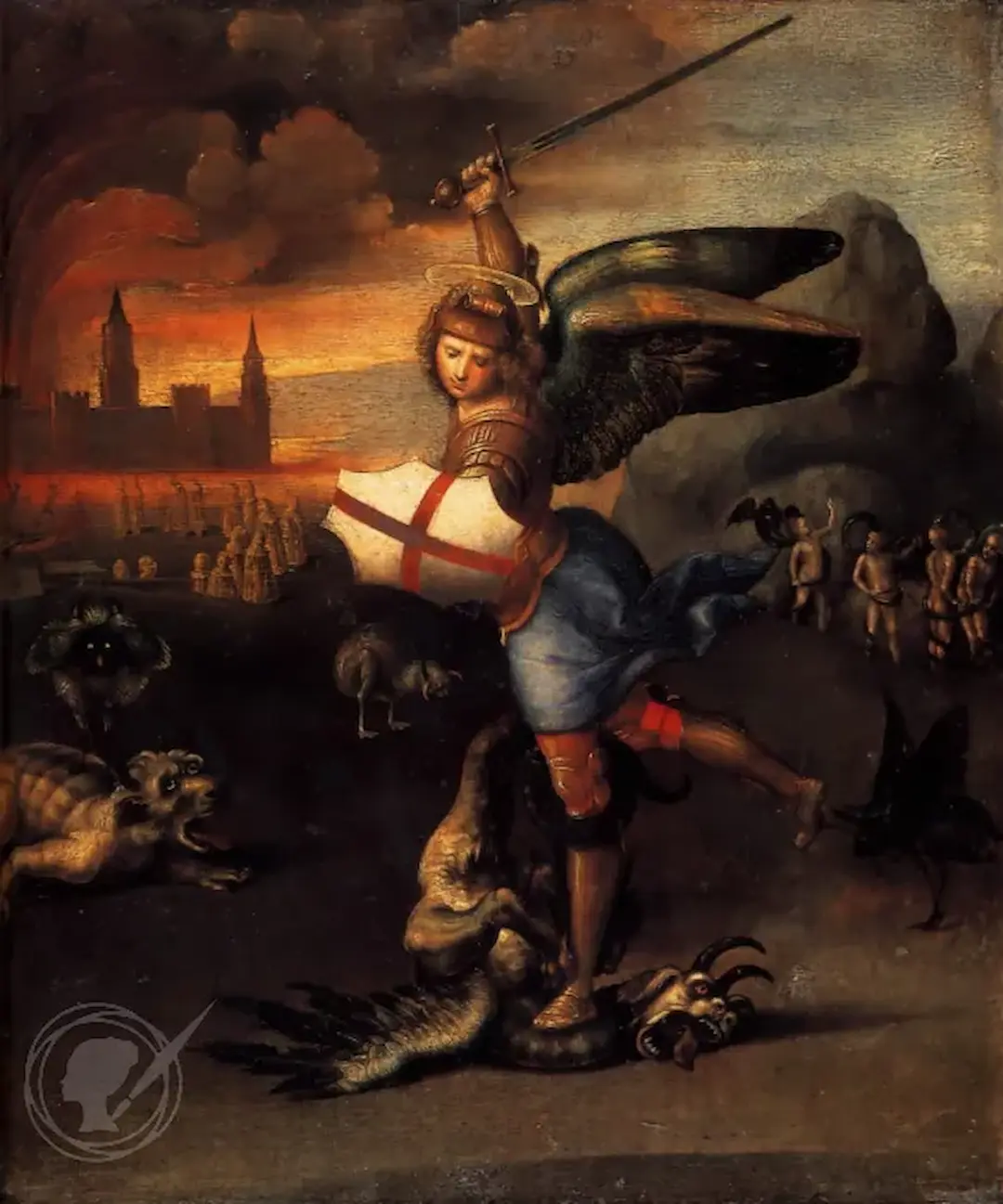
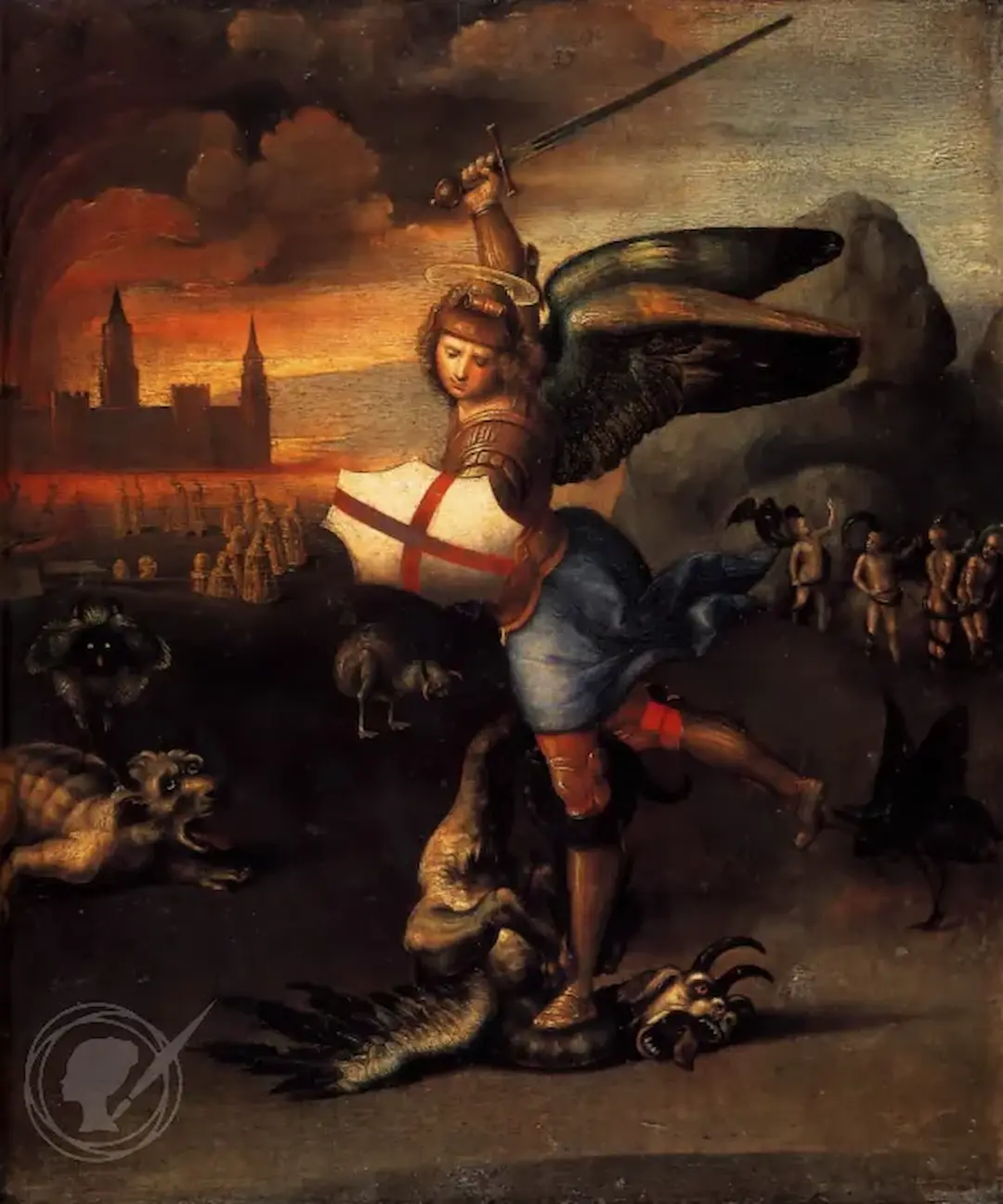
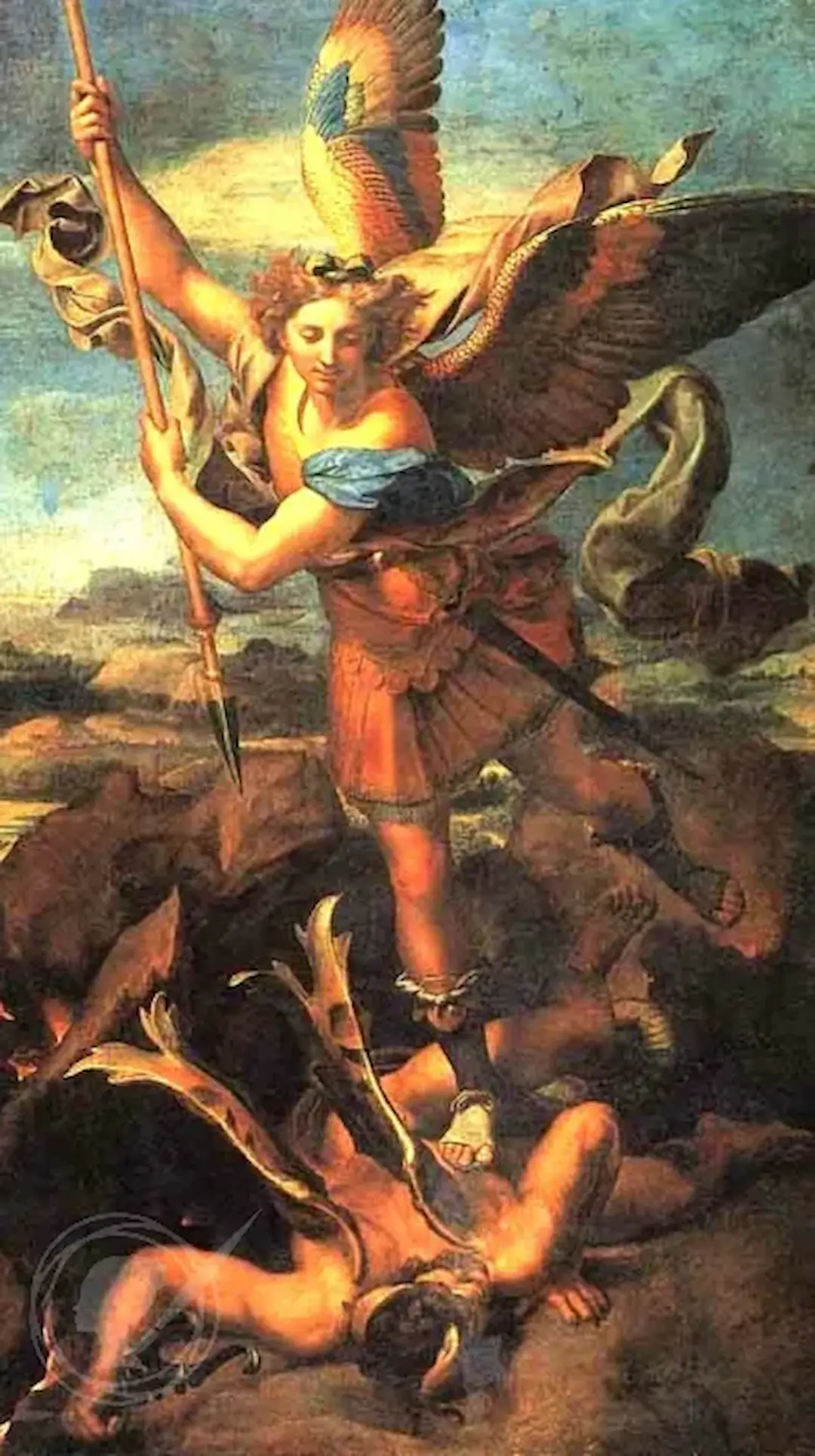
Raffaello Sanzio’s "Saint Michael And The Dragon" exemplifies the mastery found in every stroke of this oil on canvas. The composition, detail, and vibrant colors highlight his genius within the High Renaissance era. Raphael’s ability to blend movement and emotion in his figures sets this painting apart. For those seeking a truly remarkable artwork, this piece stands alongside "Saint Michael Trampling the Dragon" and "Madonna of Belvedere" as a testament to fine artistry.
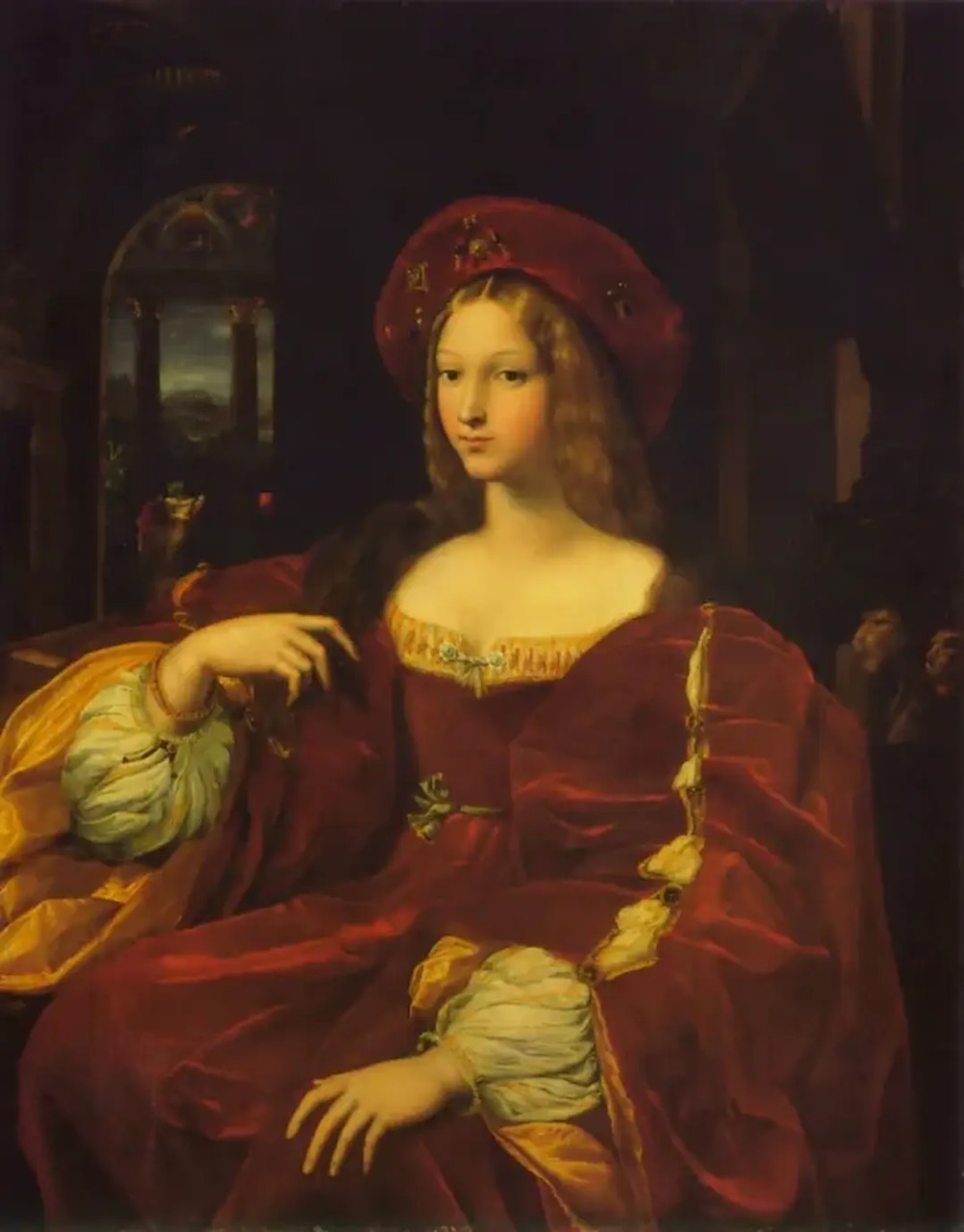
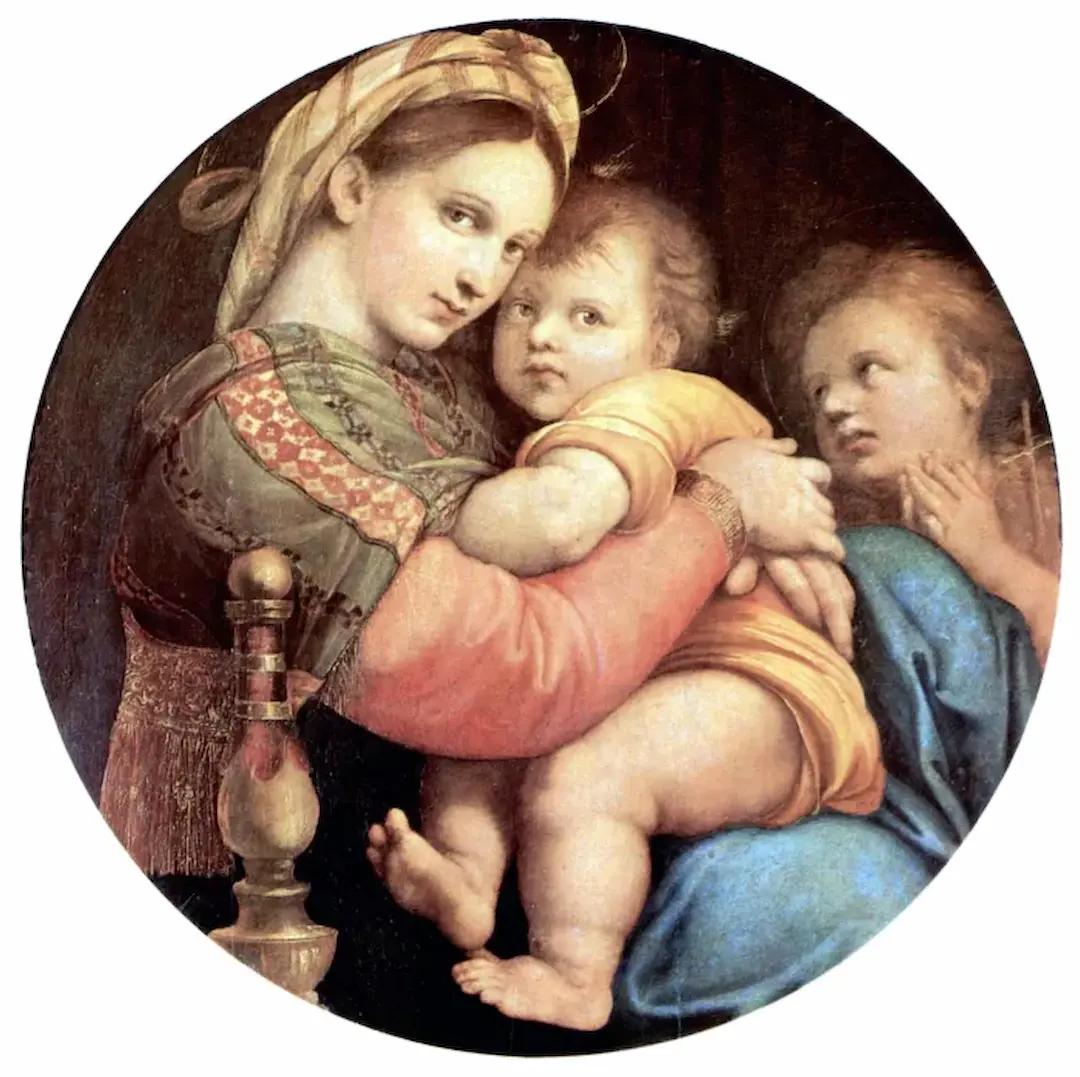
Within the "Saint Michael And The Dragon," Raffaello Sanzio weaves a tale of good versus evil, using powerful iconography typical of the High Renaissance. This fine art painting for sale captures Saint Michael’s victory over darkness, symbolizing triumph and divine justice. Collectors drawn to such meaningful narratives often explore related works like "La Donna Velata" and "Madonna della Sedia," each rich with allegory and spiritual resonance.
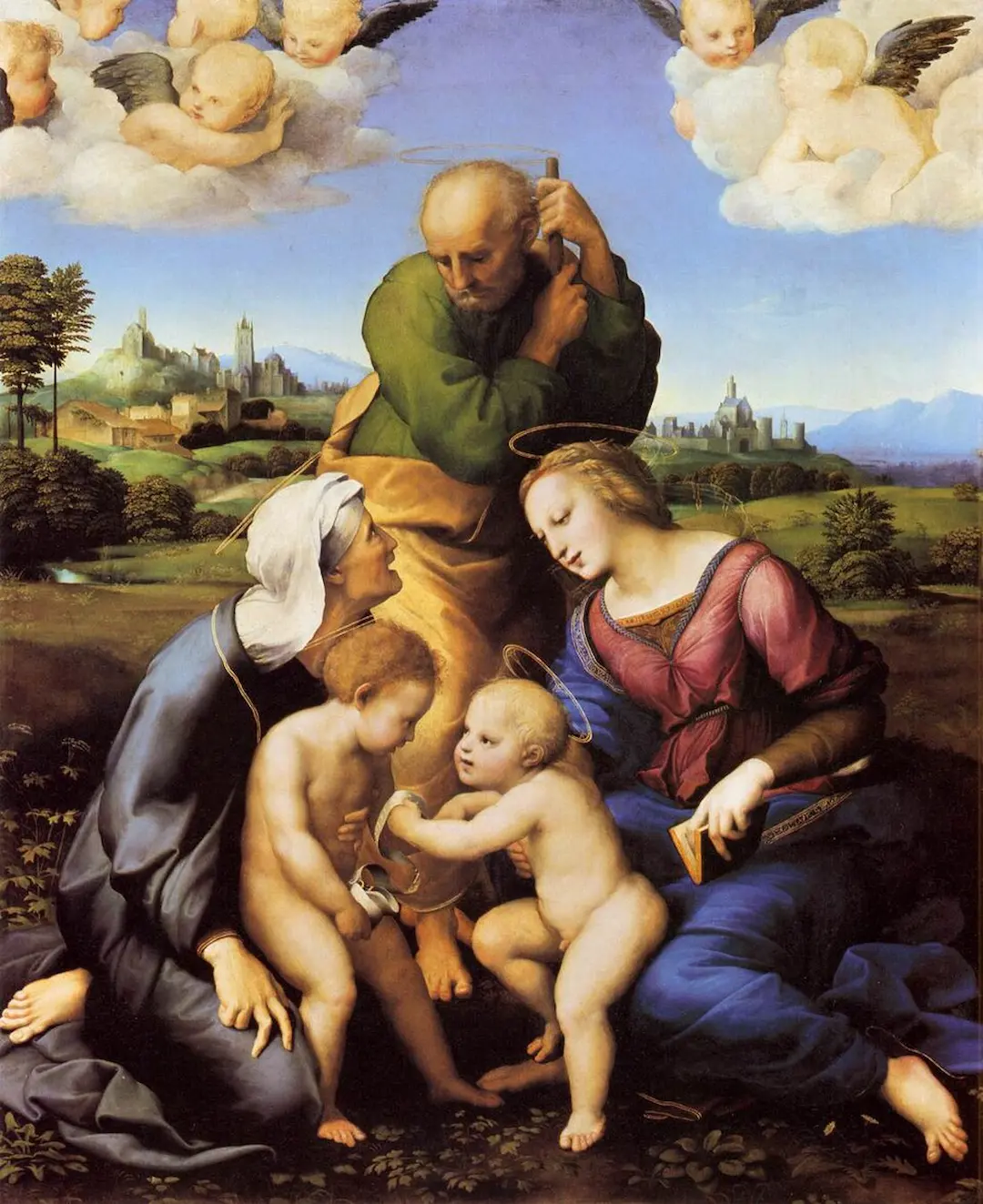
Owning "Saint Michael And The Dragon" by Raffaello Sanzio is a dream for any connoisseur of High Renaissance art. As a hand-painted oil painting, it is highly sought after for its historic and aesthetic value. Collectors often add related masterpieces such as "The Canigiani Holy Family" and "Madonna of Belvedere" to create an impressive ensemble. This timeless work remains a prized fine art painting for sale in prestigious collections worldwide.
When Art Meets History
"Saint Michael And The Dragon" by Raffaello Sanzio stands as a remarkable example of the High Renaissance movement, merging mythological narrative with spiritual symbolism. Created during a time of artistic revolution, this hand-painted oil painting captures the heroic moment of Saint Michael overpowering evil. Like Raffaello’s contemporaries who painted masterpieces such as "The Last Supper" and "Creation of Adam," Sanzio’s work bridges history and legend, offering a timeless reflection of religious devotion and artistic mastery.
Techniques That Speak
Raffaello Sanzio’s "Saint Michael And The Dragon" showcases the refined techniques synonymous with the High Renaissance. The artist’s use of oil on canvas allows for vibrant color layering and delicate transitions between light and shadow. This approach, also seen in related works like "Mona Lisa" and "La Scapigliata," brings dynamic movement and depth to every figure. Sanzio’s brushwork and composition elevate the narrative, making this painting an exemplary piece of oil on canvas artistry.
Emotions on Display
In "Saint Michael And The Dragon," Raffaello Sanzio masterfully conveys intense drama and triumph through expressive gestures and dynamic composition. The saint’s determined gaze and poised stance evoke courage, while the defeated dragon symbolizes the conquest of darkness. Much like the emotional resonance found in "Portrait of Cecilia Gallerani" and "The Last Supper," this fine art painting for sale draws viewers into its spiritual and emotional depths, highlighting the artist’s ability to portray powerful human experiences.
Coveted by Collectors
As a testament to Raffaello Sanzio’s genius and the allure of the High Renaissance, "Saint Michael And The Dragon" remains highly sought after by collectors and admirers of classical art. Alongside masterpieces like "Creation of Adam" and "Mona Lisa," this hand-painted oil painting exemplifies the enduring value and prestige of Renaissance artwork. Its historical significance and artistic brilliance make it a prized addition to any collection, appealing to those who seek timeless beauty and cultural legacy.
Related High Renaissance Hand-Painted Oil Paintings by Other Artists
Other Famous High Renaissance Artists:
Frequently Asked Questions About Saint Michael And The Dragon
Who is the artist of "Saint Michael And The Dragon"?
The painting "Saint Michael And The Dragon" was created by the renowned Italian artist Raffaello Sanzio, commonly known as Raphael.
What is the historical context of "Saint Michael And The Dragon"?
This artwork was painted during the High Renaissance, a period marked by a revival of classical learning and wisdom, and it reflects the era's emphasis on humanism and divine themes.
What is the significance of Saint Michael in this painting?
Saint Michael is depicted as a powerful archangel, symbolizing the triumph of good over evil, and is often associated with protection and justice in Christian theology.
What does the dragon represent in the painting?
The dragon in "Saint Michael And The Dragon" symbolizes evil and chaos, often interpreted as a representation of Satan or sin, which Saint Michael is defeating.
What artistic techniques did Raphael use in this painting?
Raphael employed techniques such as chiaroscuro to create depth and dimension, as well as vibrant colors to enhance the emotional impact of the scene.
How does the composition of the painting contribute to its meaning?
The dynamic composition, with Saint Michael positioned prominently above the dragon, emphasizes the theme of victory and divine intervention, drawing the viewer's eye to the central conflict.
What influences can be seen in Raphael's portrayal of Saint Michael?
Raphael's portrayal of Saint Michael is influenced by classical ideals of beauty and heroism, as well as earlier depictions of the archangel in religious art, combining both strength and grace.
What materials were used in the creation of "Saint Michael And The Dragon"?
The painting was created using oil on canvas, a medium that allowed for rich color and detail, characteristic of Raphael's work during this period.
What is the current location of "Saint Michael And The Dragon"?
"Saint Michael And The Dragon" is housed in a prominent art collection, where it continues to be studied and admired for its artistic and historical significance.
How has "Saint Michael And The Dragon" influenced later art?
This painting has had a lasting impact on subsequent artists, inspiring various interpretations of the archangel and the theme of good versus evil in both religious and secular art.






















_GFM_Painting_(1).webp)


 100% Hand-Painted: Finished in 3-6 Weeks

.png)
















_(1).webp)