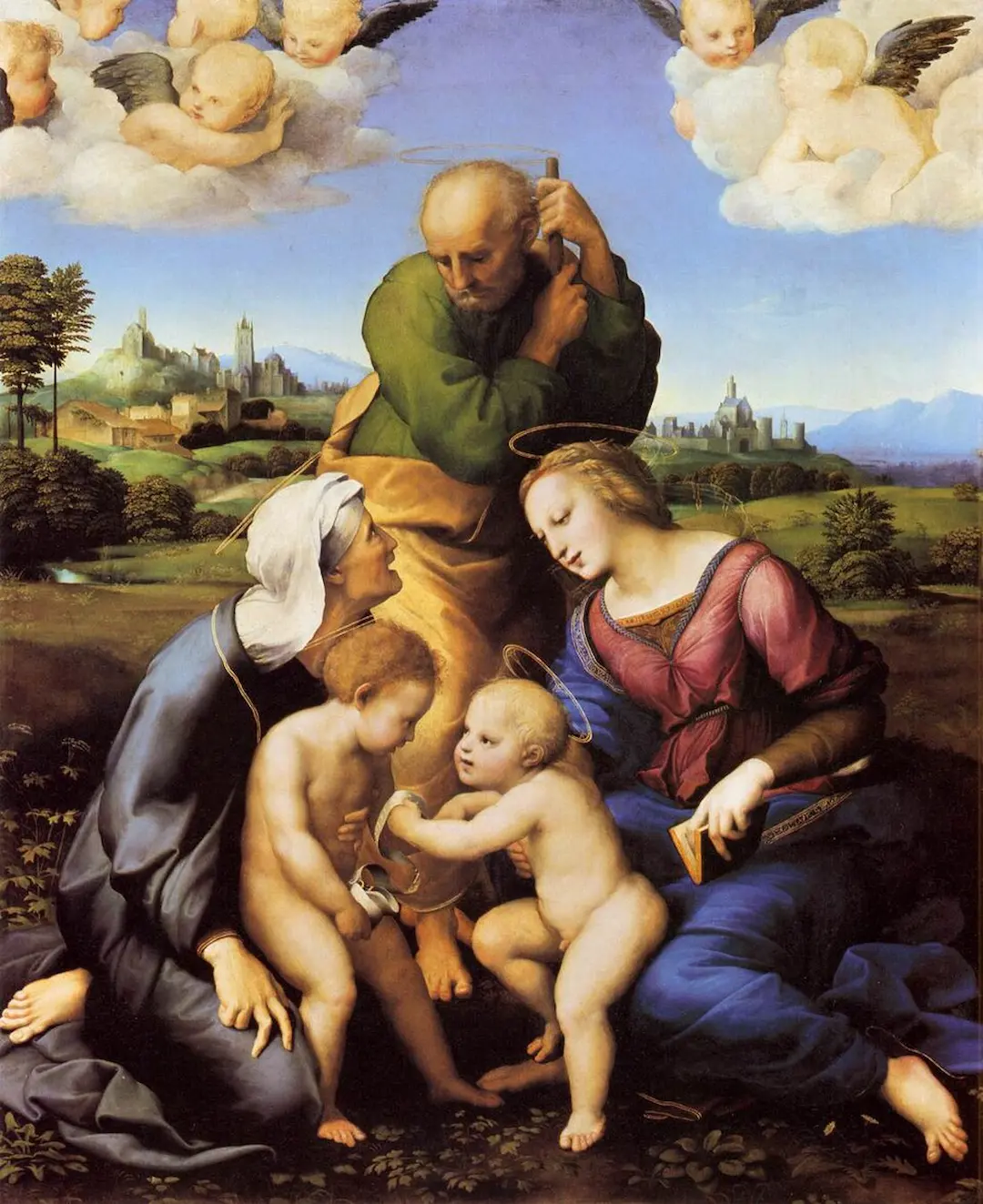
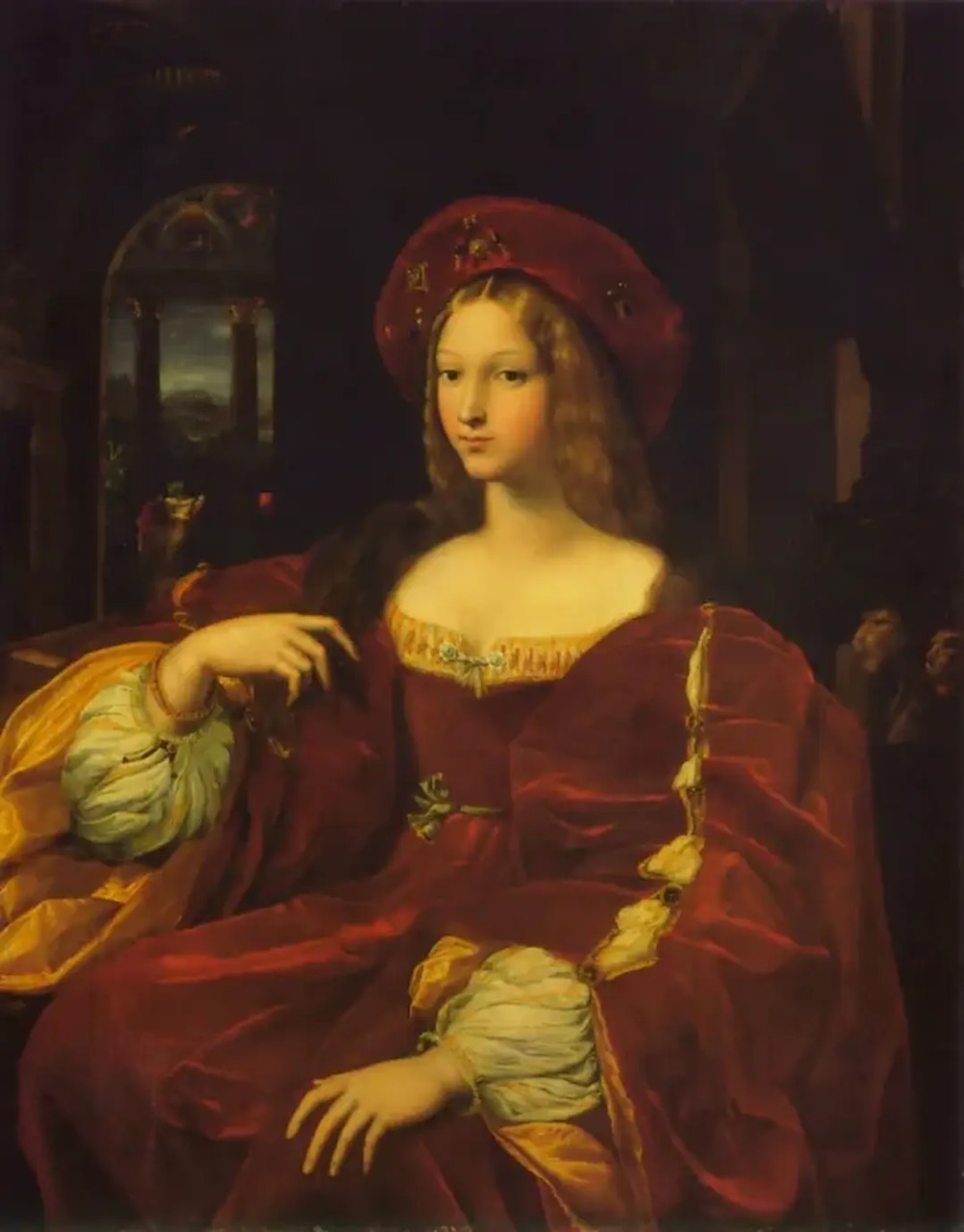
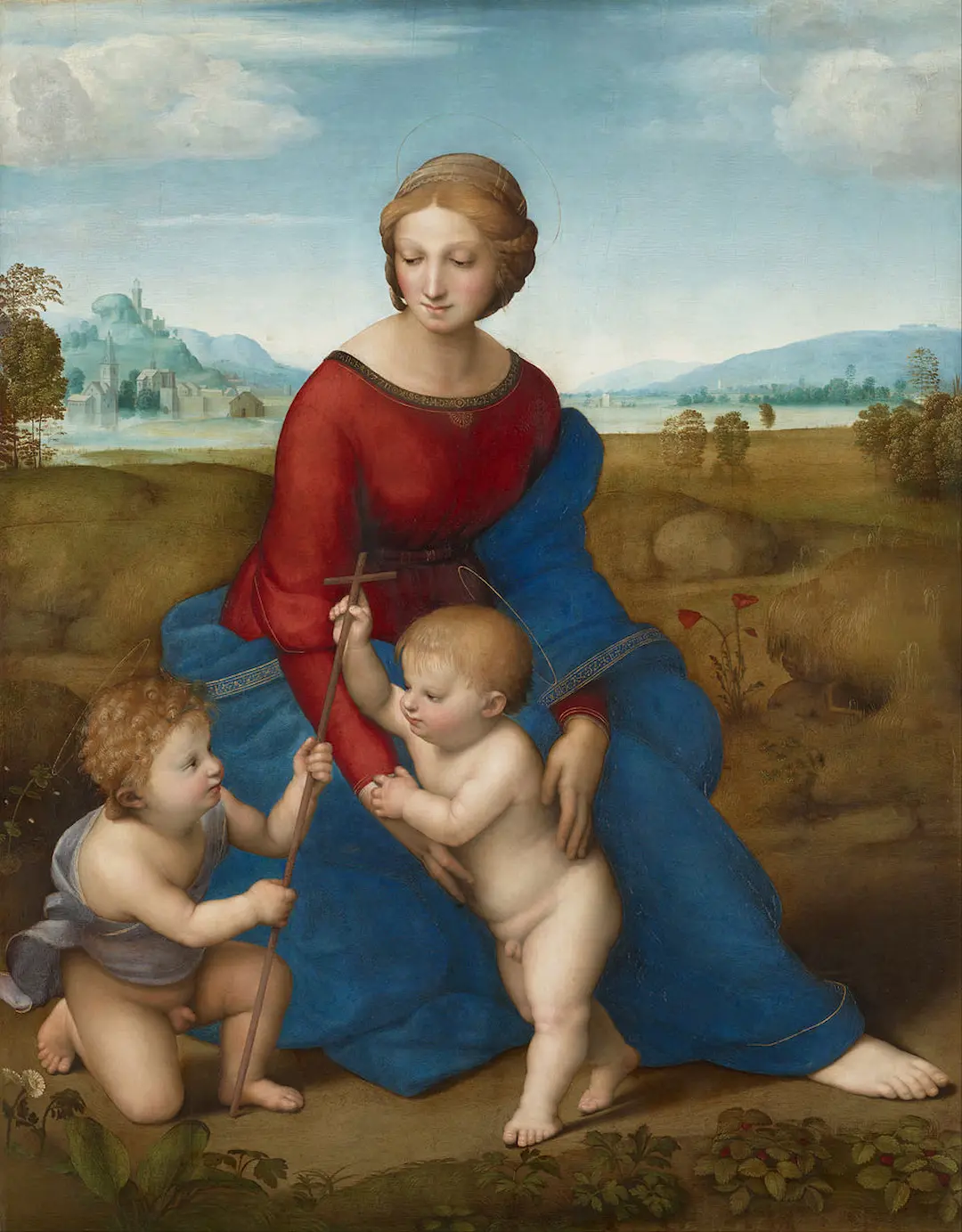
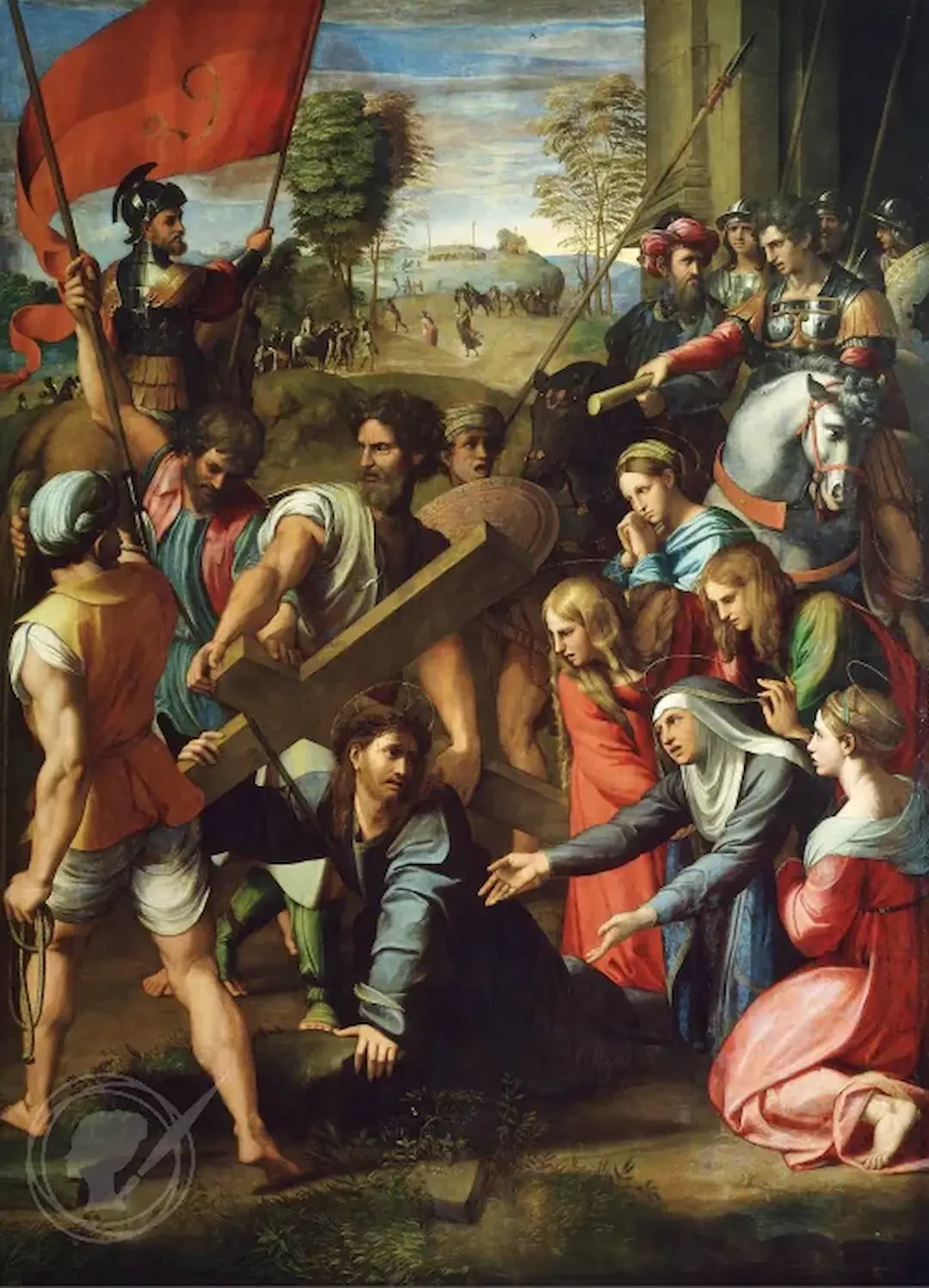
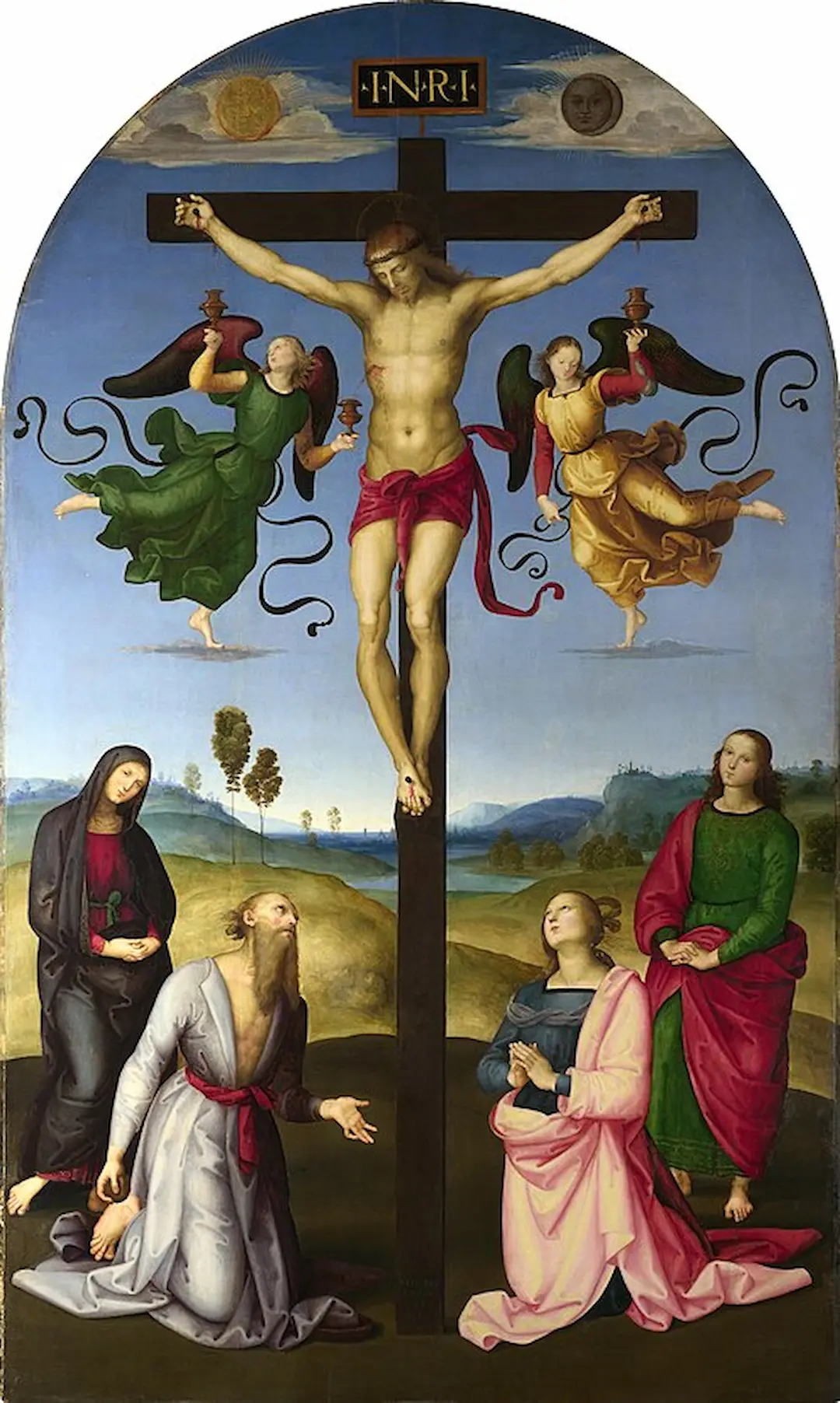
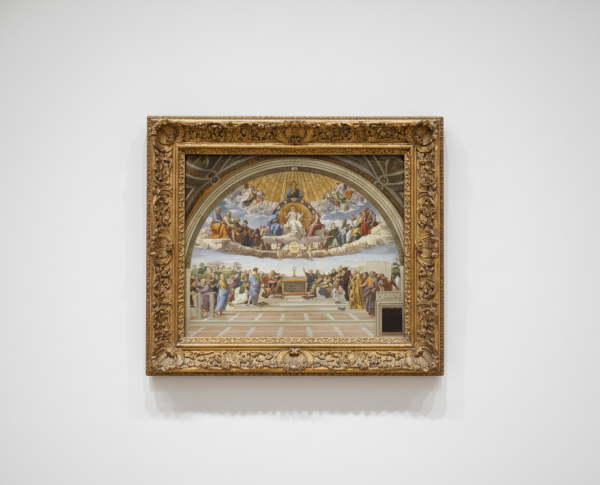
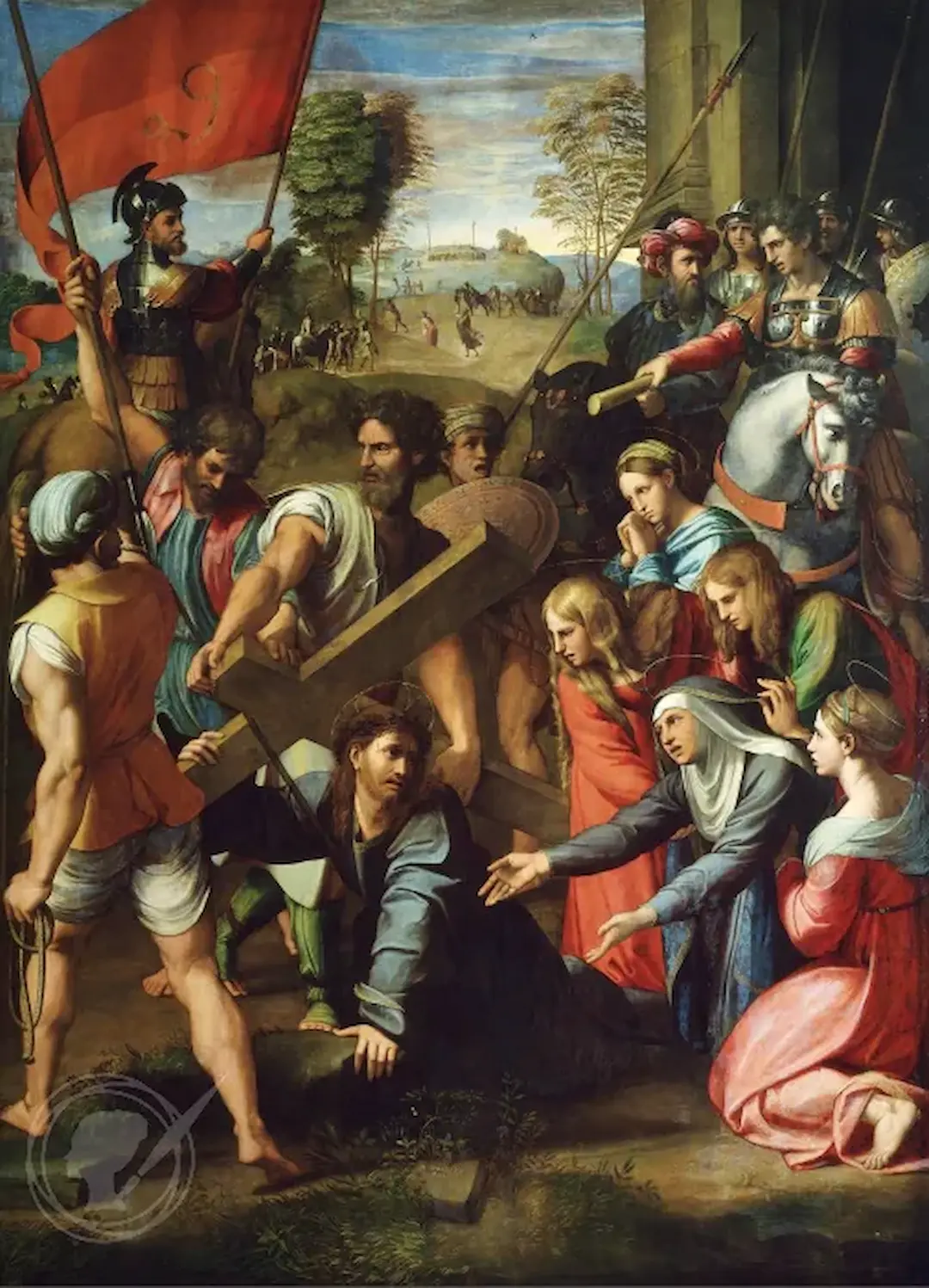
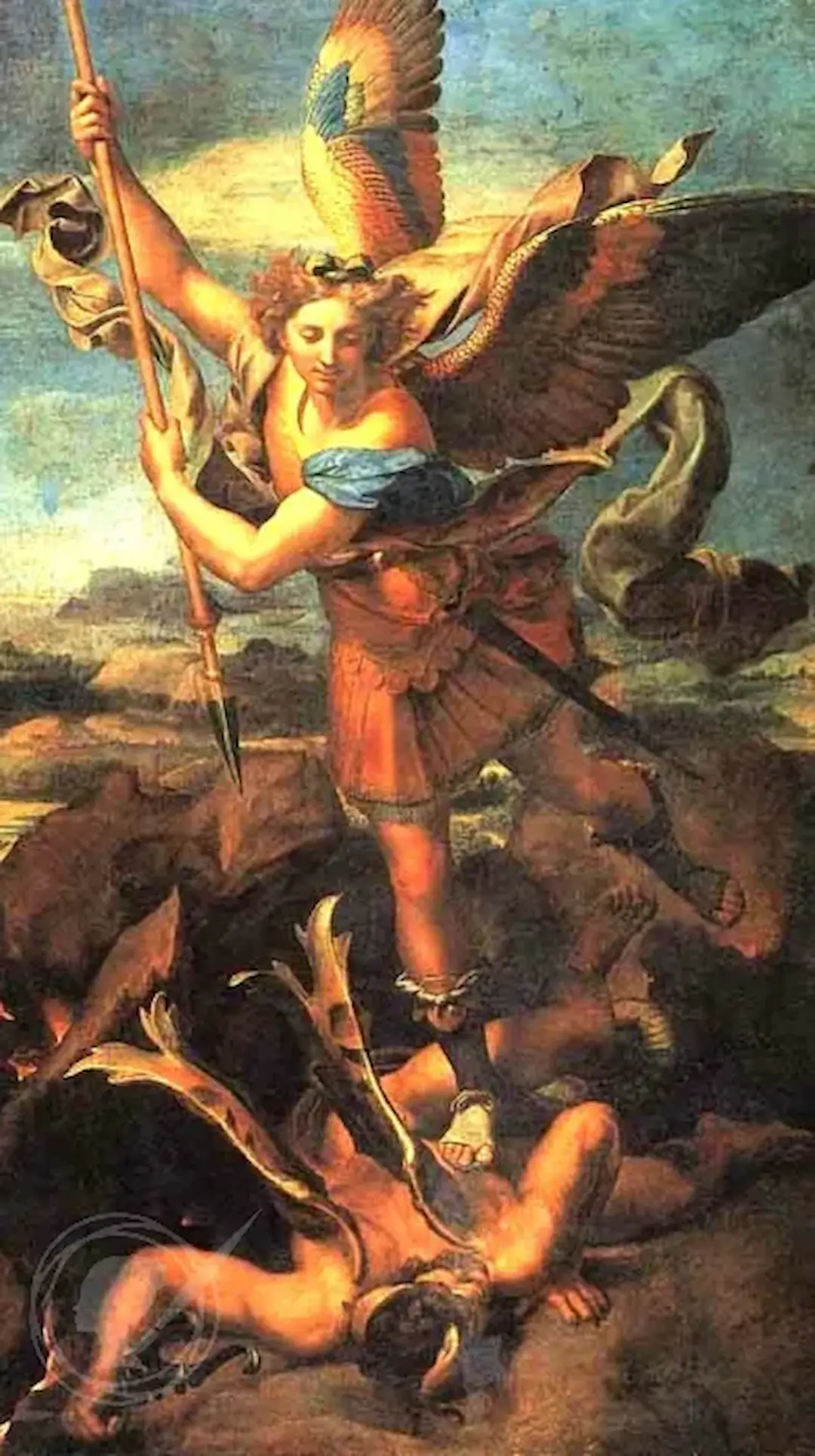
Raffaello Sanzio’s technique in "The Hill of Calvary" showcases the exquisite detail and vibrant realism characteristic of oil on canvas from the High Renaissance. Each brushstroke reveals the artist’s unparalleled skill, making this piece a true highlight among fine art painting for sale. Admirers often compare its refined execution to related works such as "Cherubini" and "Saint Michael And The Dragon," further solidifying Raphael’s reputation as a master of the oil on canvas medium.
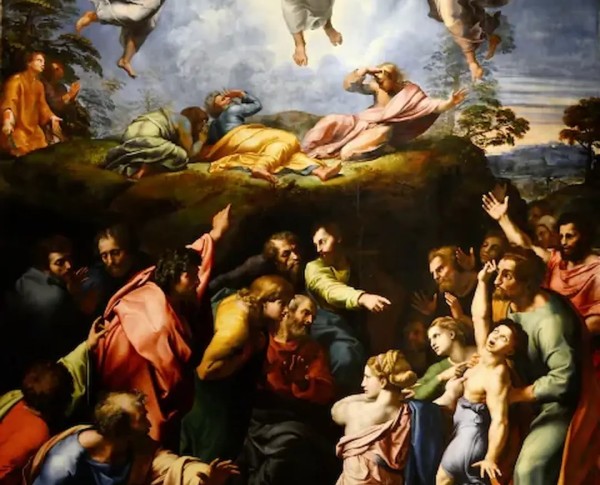
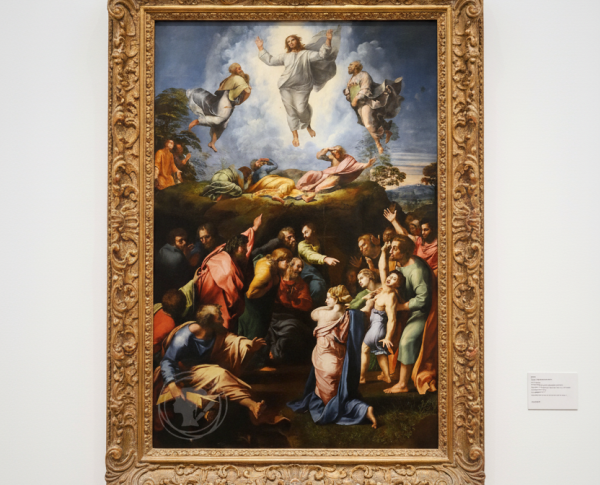
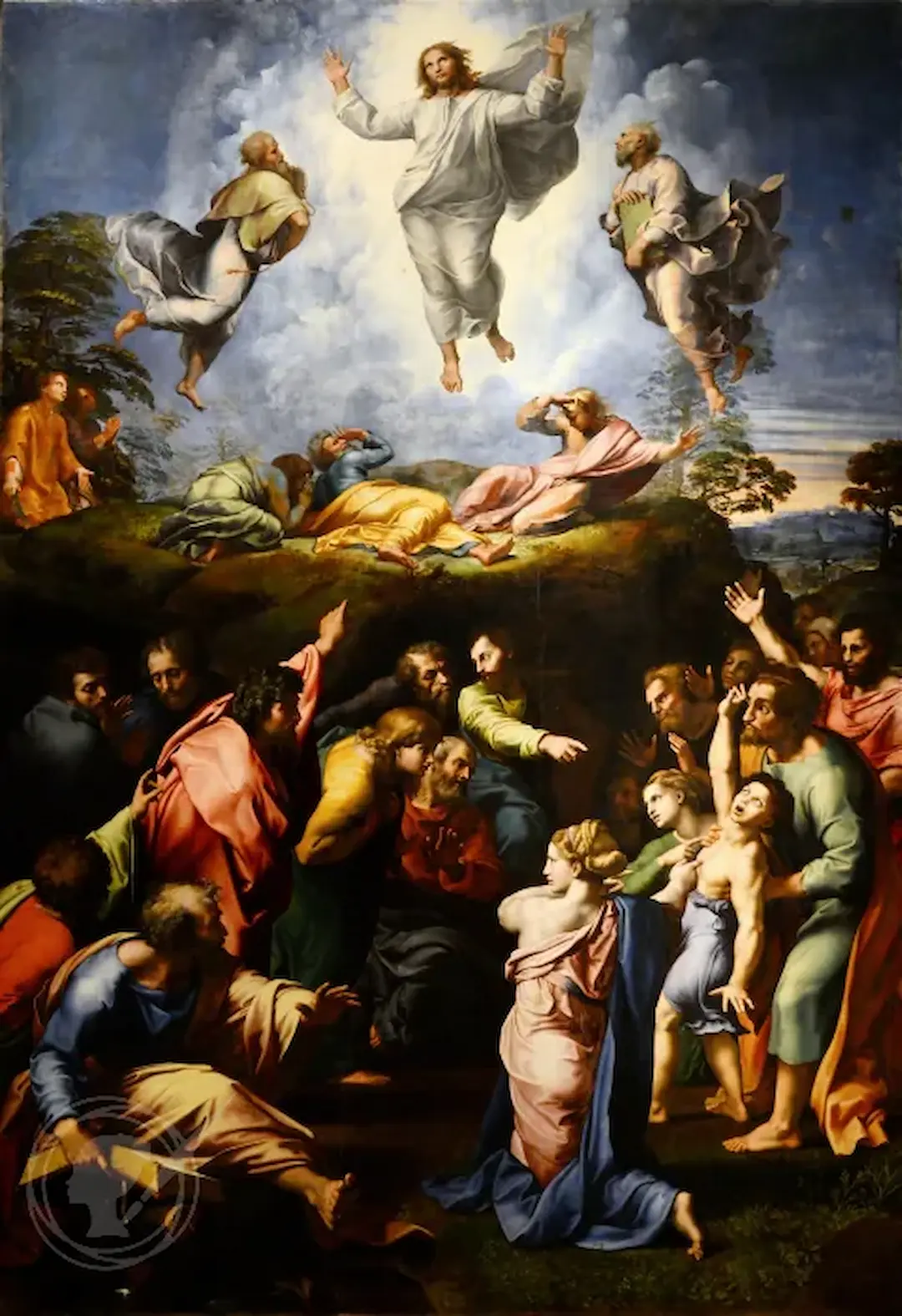
"The Hill of Calvary" is imbued with rich symbolism, capturing the spiritual and emotional intensity of its biblical subject. Raffaello Sanzio weaves narrative elements that invite viewers to reflect on faith and sacrifice, typical of High Renaissance themes. For collectors exploring hand-painted oil painting masterpieces, this work resonates alongside "The Transfiguration" and "La Donna Velata," each echoing Raphael’s commitment to storytelling through fine art painting for sale.
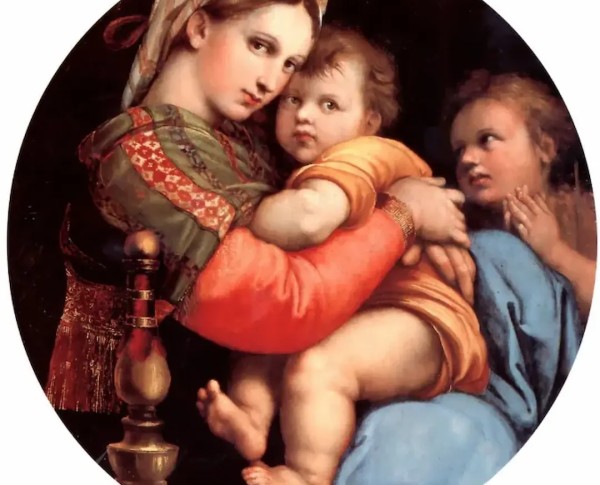
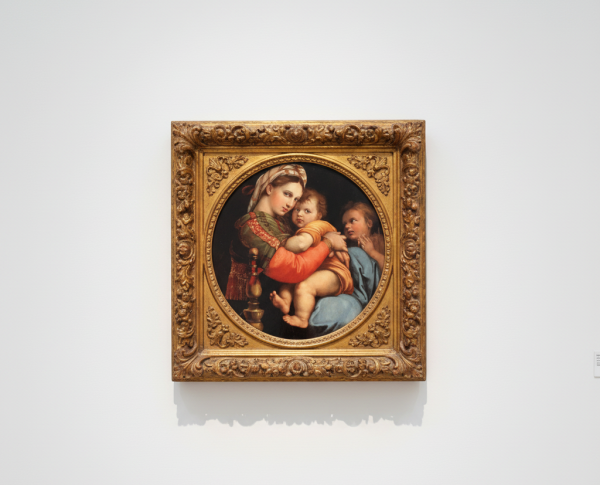
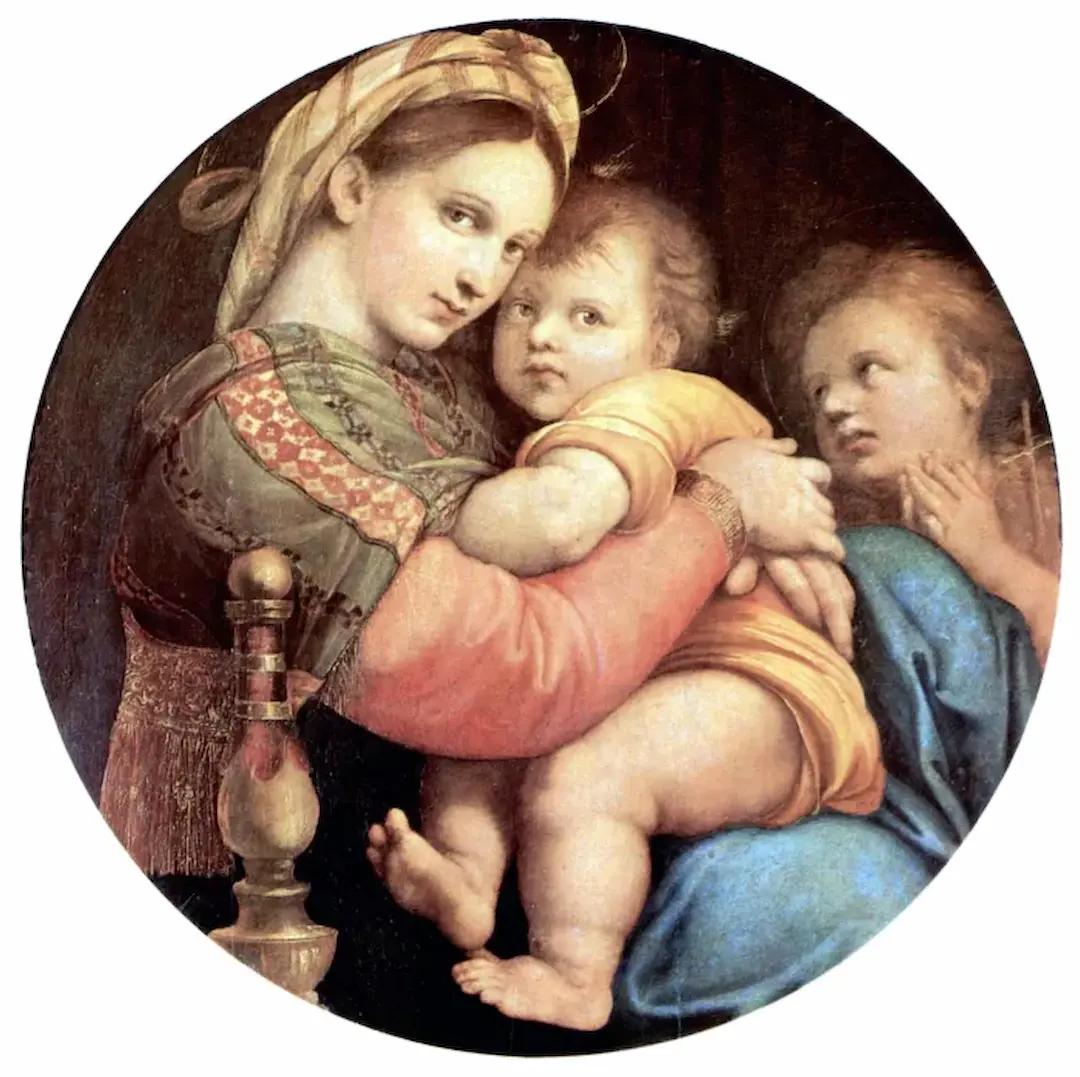
Owning "The Hill of Calvary" by Raffaello Sanzio is a true privilege for any art connoisseur seeking a fine art painting for sale from the High Renaissance. This oil on canvas masterpiece, along with related treasures like "Madonna della Sedia" and "Cherubini," brings timeless beauty and historical significance to any collection. The enduring allure of Raphael’s artistry continues to inspire admiration among collectors and lovers of hand-painted oil painting works worldwide.
When Art Meets History
"The Hill of Calvary" by Raffaello Sanzio stands as a testament to the High Renaissance movement, capturing a pivotal biblical moment with unmatched grandeur. This hand-painted oil painting not only reflects the era's mastery but also echoes the influence of contemporaries, as seen in works like "The Last Supper 1498" and "Mona Lisa (La Gioconda) c. 1503-05". Sanzio’s meticulous attention to historical detail bridges the gap between art and the unfolding stories of the past.
Techniques That Speak
Raffaello Sanzio’s "The Hill of Calvary" showcases exceptional oil on canvas techniques typical of the High Renaissance. The artist’s skilled use of chiaroscuro and perspective brings depth and vibrancy to the scene, similar to the mastery found in "Creation of Adam 1510" and "Portrait of Cecilia Gallerani (Lady with an Ermine) 1483-90". Each brushstroke in this fine art painting demonstrates Sanzio’s commitment to realism and emotional intensity, hallmarks of his celebrated artistic movement.
Emotions on Display
In "The Hill of Calvary," Raffaello Sanzio captures profound human emotion, inviting viewers to connect with the narrative in a deeply personal way. The expressive faces and gestures evoke empathy, reminiscent of the emotive power in "Female head (The Lady of the Dishevelled Hair) (or La Scapigliata)". This fine art painting for sale stands out for its ability to convey sorrow, hope, and reverence, making it a compelling piece within the High Renaissance collection.
Coveted by Collectors
As a masterpiece of the High Renaissance, "The Hill of Calvary" by Raffaello Sanzio is highly sought after by collectors and art enthusiasts. Its status is bolstered by comparisons to iconic works like "Mona Lisa (La Gioconda)" and "The Last Supper". This hand-painted oil painting’s historical significance and exquisite technique make it an exceptional addition to any collection, ensuring its place among the most prized fine art paintings for sale in the world.
Related High Renaissance Hand-Painted Oil Paintings by Other Artists
Other Famous High Renaissance Artists:
Frequently Asked Questions About The Hill of Calvary
What is the historical context of "The Hill of Calvary"?
"The Hill of Calvary," painted by Raffaello Sanzio, reflects the Renaissance period's deep engagement with religious themes, particularly the crucifixion of Jesus Christ, which was a central subject in Christian art during the 16th century.
What artistic techniques did Raffaello Sanzio employ in this painting?
Raffaello utilized chiaroscuro to create depth and volume, along with a balanced composition that guides the viewer's eye towards the central figures, enhancing the emotional impact of the scene.
What symbols are present in "The Hill of Calvary"?
The painting features several symbols, including the cross, which represents sacrifice, and the figures of Mary and John, symbolizing mourning and devotion, emphasizing the themes of loss and redemption.
How does "The Hill of Calvary" reflect Raffaello's artistic style?
The painting exemplifies Raffaello's mastery of harmony and proportion, showcasing his ability to blend emotional expression with classical beauty, characteristic of his overall body of work.
What influences can be seen in Raffaello's depiction of the crucifixion?
Raffaello was influenced by earlier masters such as Michelangelo and Leonardo da Vinci, evident in his dynamic figures and the dramatic use of light, which heightens the spiritual atmosphere of the scene.
What is the significance of the landscape in "The Hill of Calvary"?
The landscape serves not only as a backdrop but also as a symbol of the spiritual journey, with the hill representing the intersection of earthly suffering and divine salvation.
How did "The Hill of Calvary" influence later artists?
This painting set a precedent for future depictions of the crucifixion, inspiring artists to explore similar themes of sacrifice and redemption, while also encouraging a more humanistic portrayal of biblical figures.
What role does color play in "The Hill of Calvary"?
Raffaello's use of color is deliberate; the somber palette enhances the gravity of the scene, while the contrasting hues of the figures draw attention to their emotional states and relationships.
What can be inferred about Raffaello's beliefs through this painting?
The themes of sacrifice, redemption, and the human condition suggest that Raffaello held a deep reverence for Christian beliefs, reflecting the spiritual concerns of his time and his own artistic philosophy.
Where can "The Hill of Calvary" be viewed today?
"The Hill of Calvary" is housed in a prominent art collection, allowing visitors to appreciate Raffaello's work firsthand and engage with the rich history and symbolism embedded within the painting.






















_GFM_Painting_(1).webp)


 100% Hand-Painted: Finished in 3-6 Weeks

.png)
















_(1).webp)