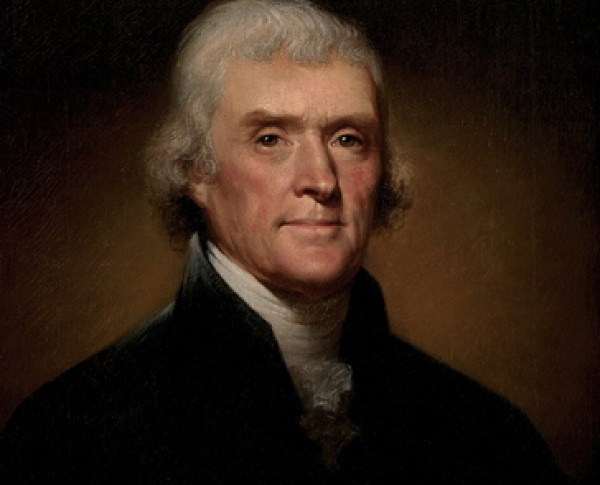
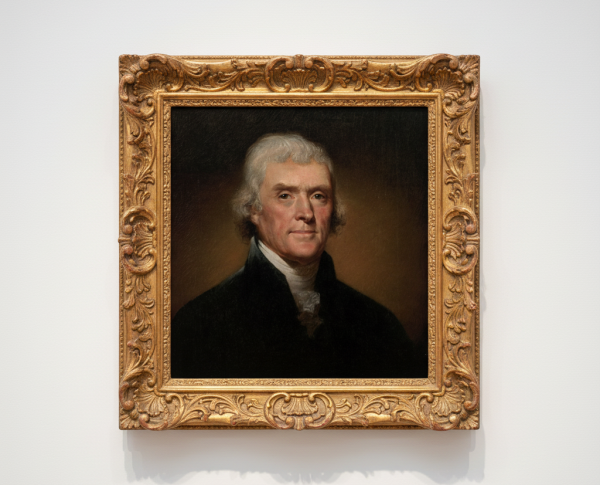
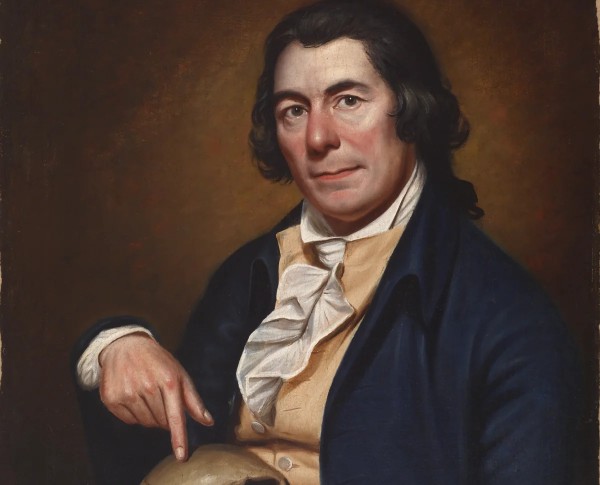
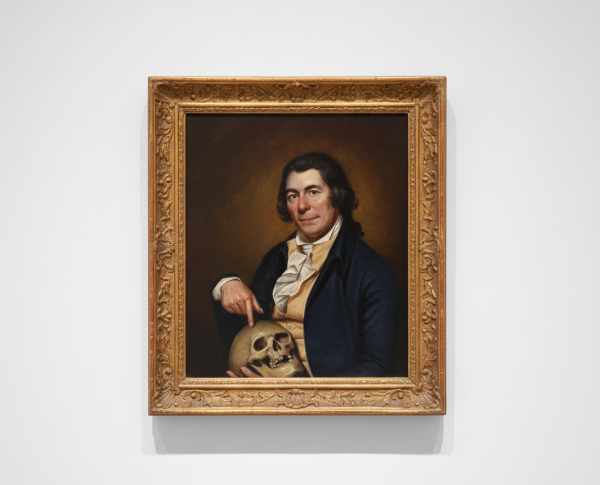
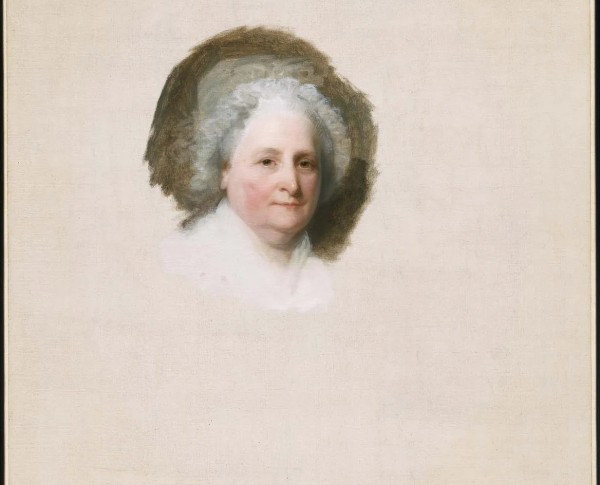
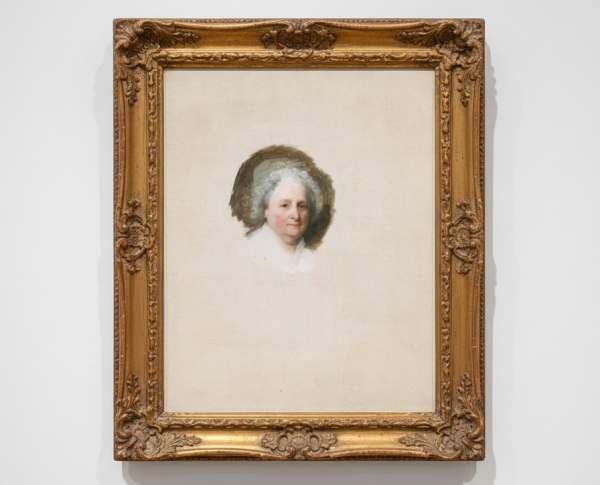
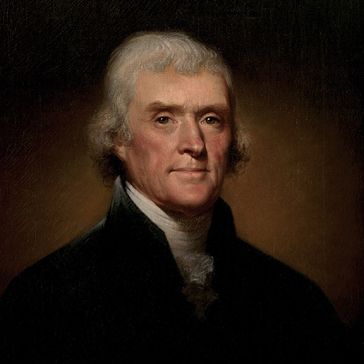
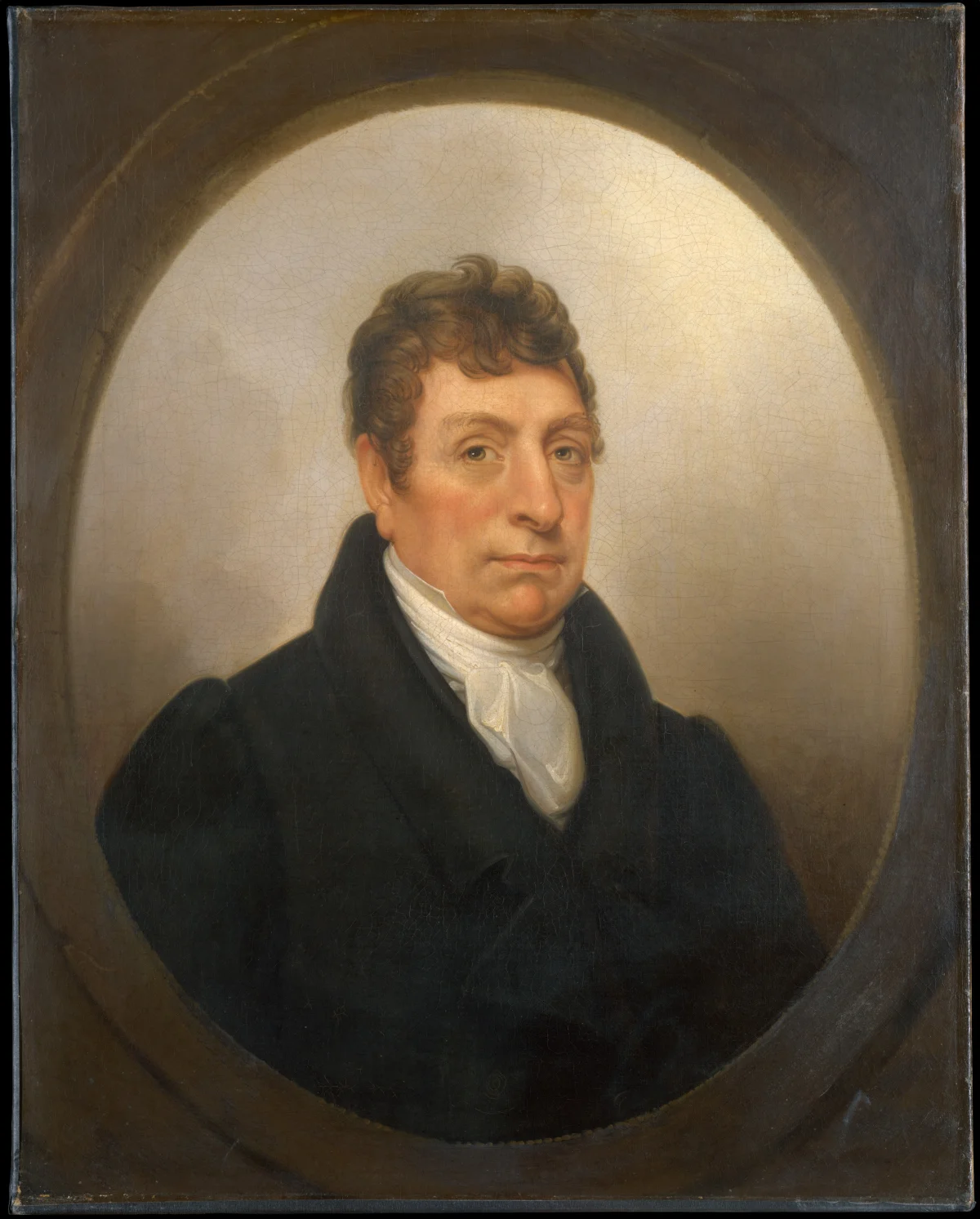
Rembrandt Peale’s “Portrait of Thomas Jefferson” exemplifies the meticulous technique and attention to detail characteristic of the Neo-Classical movement. This oil on canvas masterpiece showcases Peale’s refined brushwork, capturing Jefferson’s thoughtful gaze and dignified posture. The rich textures and subtle color palette highlight the artist’s ability to bring historical figures to life. For those seeking a fine art painting for sale, this portrait serves as an outstanding representation of both artistic talent and historical reverence.
Within the “Portrait of Thomas Jefferson,” Rembrandt Peale weaves symbolic elements that reflect the ideals of the Neo-Classical era. The hand-painted oil painting features Jefferson poised with intellect and calm authority, symbolizing enlightenment and leadership. Such iconography was central to the movement, aiming to inspire viewers through visual storytelling. Collectors searching for a meaningful fine art painting for sale will appreciate how Peale’s work encapsulates both personal and national narratives within its composition.
As a prized oil on canvas, Rembrandt Peale’s “Portrait of Thomas Jefferson” remains highly desirable among art aficionados. The painting’s blend of historical importance, artistic prowess, and Neo-Classical style makes it a standout fine art painting for sale. Whether displayed in a personal gallery or public institution, this work offers a unique connection to America’s past and the legacy of a master artist, making it an essential addition for any serious collector of historical artworks.
When Art Meets History
Rembrandt Peale’s "Portrait of Thomas Jefferson" is a remarkable hand-painted oil painting that captures a pivotal figure in American history. Created during the height of the Neo-Classical movement, this artwork reflects the ideals of enlightenment and democracy. Peale, known for masterpieces like "The Declaration of Independence" and "Still-Life 1810," masterfully blends historical significance with artistic skill, making this portrait an essential piece for those who appreciate the intersection of art and history.
Techniques That Speak
The "Portrait of Thomas Jefferson" showcases Peale’s expertise in oil on canvas, a technique central to the Neo-Classical style. The artist’s meticulous brushwork and attention to detail highlight Jefferson’s dignified presence. Similar to his other works, such as "The Sea Maiden" and "Lament for Icarus," Peale uses light and shadow to create depth and realism, demonstrating why his paintings remain celebrated examples of skilled craftsmanship in fine art.
Emotions on Display
This fine art painting for sale reveals not only Jefferson’s likeness but also his intellect and resolve. Rembrandt Peale’s sensitive portrayal emphasizes the subject’s inner strength, a hallmark of the Neo-Classical movement. The subtle expression and thoughtful gaze invite viewers to connect emotionally, much like Peale’s evocative "Lament for Icarus." Collectors and admirers of historical portraiture will appreciate the emotional resonance found in this iconic work.
Coveted by Collectors
"Portrait of Thomas Jefferson" by Rembrandt Peale is highly sought after by collectors of Neo-Classical art. This hand-painted oil painting stands alongside Peale’s other renowned works, including "The Declaration of Independence." Its historical relevance and artistic excellence make it an outstanding example of a fine art painting for sale. Collectors value its provenance and the enduring legacy of Peale, ensuring its place in prestigious art collections worldwide.
Related Neo-Classical Hand-Painted Oil Paintings by Other Artists
Other Famous Neo-Classical Artists:
Frequently Asked Questions About Portrait of Thomas Jefferson
Who is the artist of the Portrait of Thomas Jefferson?
The Portrait of Thomas Jefferson was created by the American artist Rembrandt Peale, known for his neoclassical style and portraiture of prominent figures in American history.
What is the historical significance of this painting?
This painting holds historical significance as it captures the likeness of Thomas Jefferson, the third President of the United States and a key figure in the founding of the nation, reflecting the values and ideals of early American democracy.
When was the Portrait of Thomas Jefferson painted?
Rembrandt Peale painted the Portrait of Thomas Jefferson in 1800, during a time when Jefferson was serving as Vice President under John Adams.
What artistic techniques did Rembrandt Peale use in this portrait?
Peale employed techniques such as chiaroscuro to create depth and dimension, as well as a careful attention to detail in the rendering of Jefferson's features and attire, which reflects the neoclassical style prevalent in his time.
What symbolism is present in the Portrait of Thomas Jefferson?
The painting symbolizes enlightenment ideals, with Jefferson depicted in scholarly attire, suggesting his role as a thinker and statesman. The use of light and shadow also emphasizes his moral character and leadership qualities.
How does this portrait compare to other portraits of Thomas Jefferson?
This portrait is notable for its intimate portrayal of Jefferson, differing from other representations that may focus more on his political stature. Peale's work captures a personal essence, highlighting Jefferson's intellectual and philosophical contributions.
What materials were used in the creation of this painting?
Rembrandt Peale used oil on canvas for the Portrait of Thomas Jefferson, a common medium for portraiture during the early 19th century, allowing for rich color and texture.
Where is the Portrait of Thomas Jefferson currently displayed?
The Portrait of Thomas Jefferson is part of the collection at the art gallery, where it is preserved and displayed for public viewing, contributing to the understanding of American history and art.
What influence did Rembrandt Peale have on American portraiture?
Rembrandt Peale was a significant figure in American portraiture, influencing the genre with his neoclassical approach and emphasis on realism, which set a standard for future portrait artists in America.
What is the legacy of the Portrait of Thomas Jefferson?
The legacy of the Portrait of Thomas Jefferson lies in its enduring representation of one of America's founding fathers, serving as a visual reminder of Jefferson's contributions to the nation and the ideals of liberty and democracy he championed.






















_GFM_Painting_(1).webp)


 100% Hand-Painted: Finished in 3-6 Weeks

.png)
















_(1).webp)