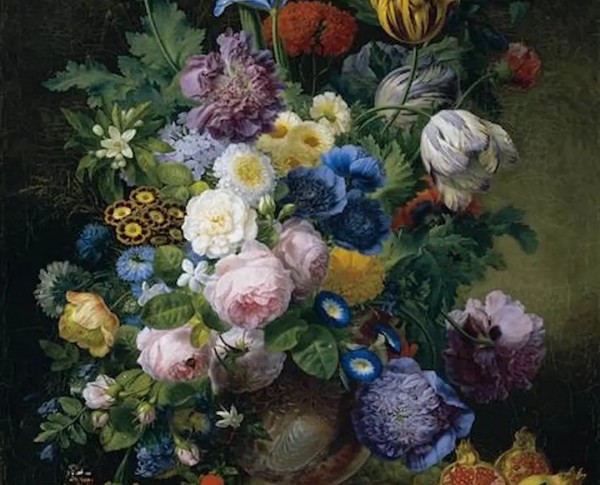
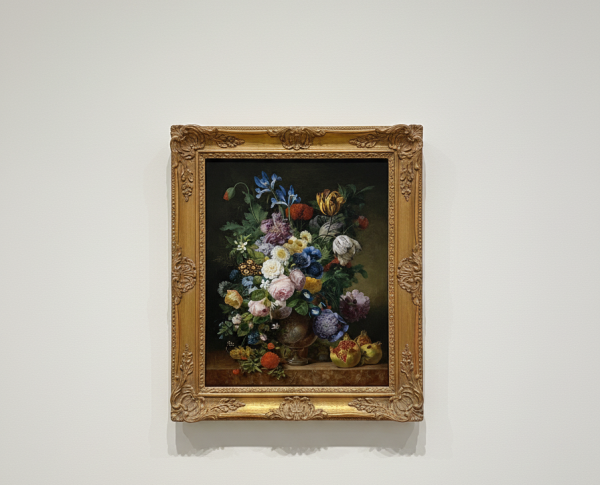
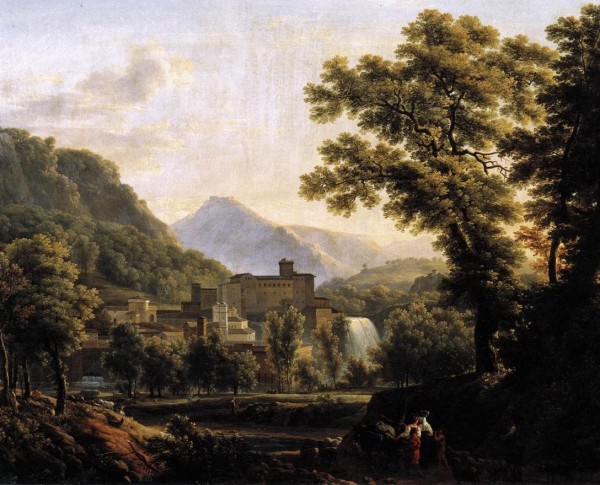
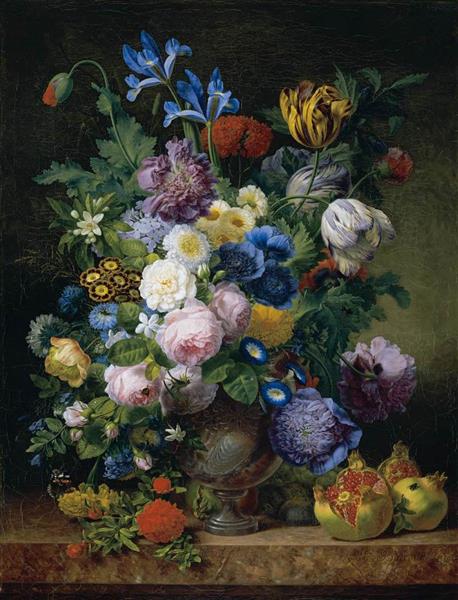
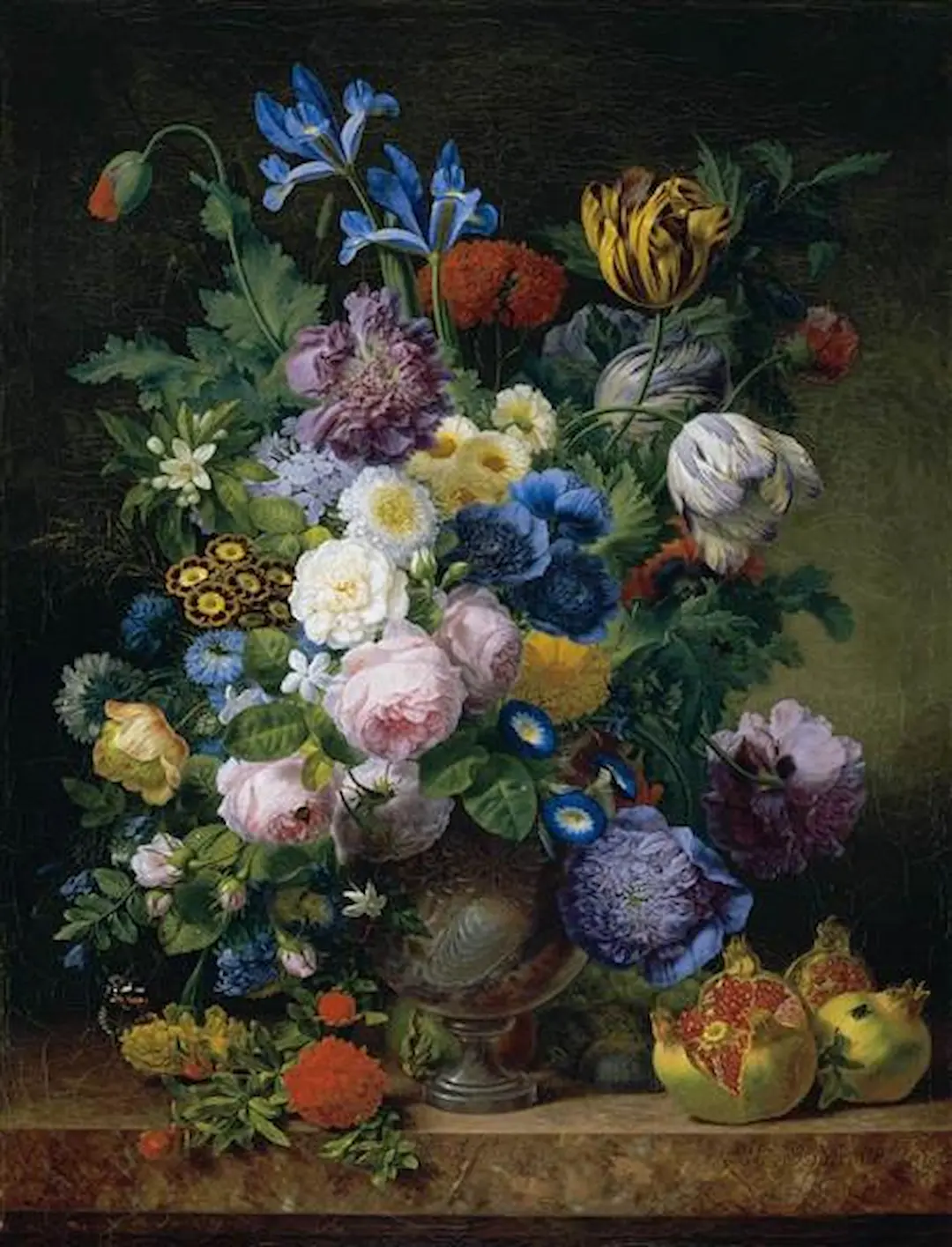
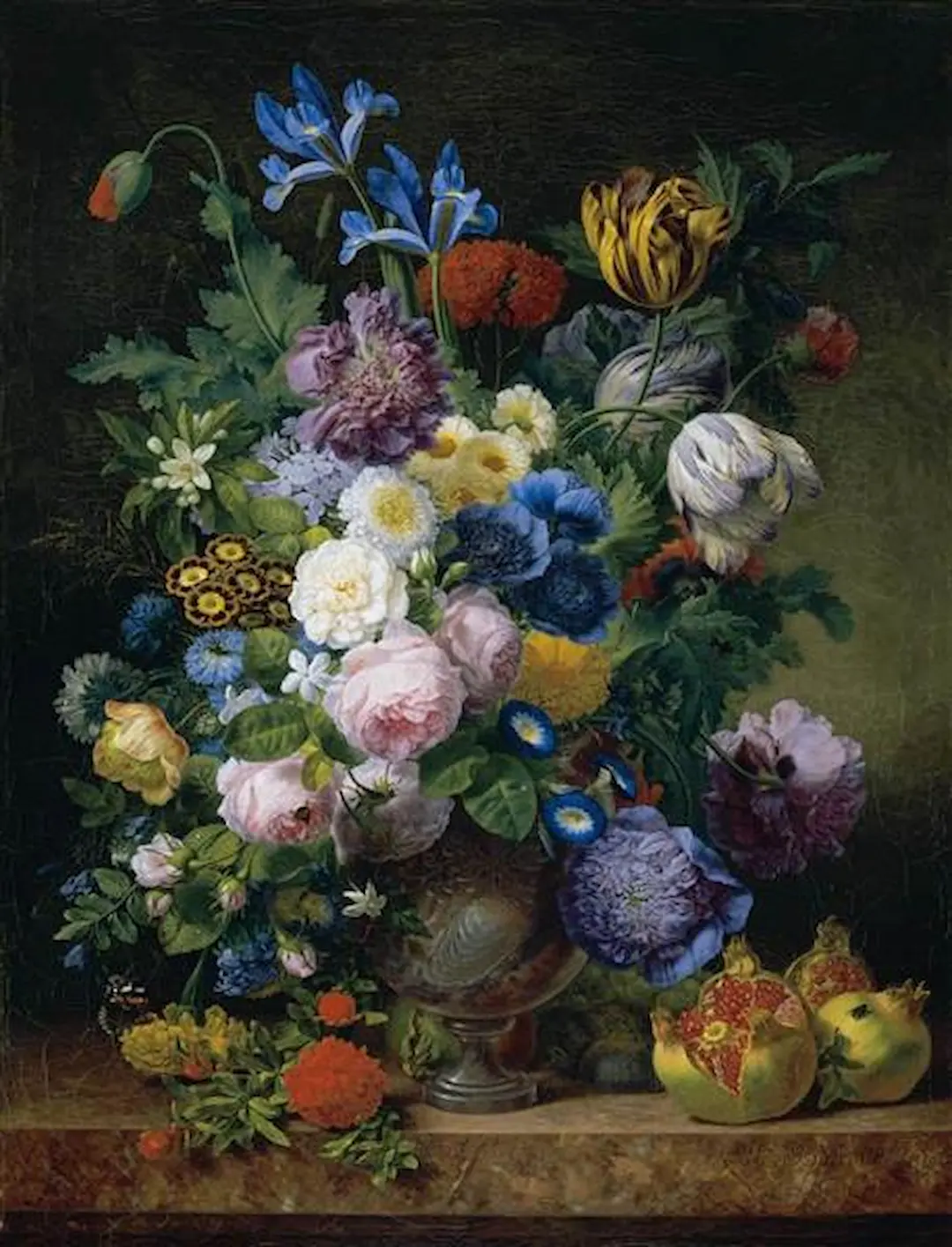
With "Still-Life 1810," Jean-Joseph-Xavier Bidauld demonstrates extraordinary control over the medium, creating a stunning oil on canvas that captures both realism and restraint. The painting’s luminous textures and precise details reflect Bidauld’s dedication to the principles of Neo-Classical art. Each brushstroke is thoughtfully placed, revealing the artist’s deep understanding of light and form. This hand-painted oil painting is a true celebration of technical mastery and refined aesthetic sensibilities.
Bidauld’s "Still-Life 1810" is more than a visual delight; it’s a narrative woven through objects and composition. In the Neo-Classical tradition, every element in this oil on canvas may symbolize themes of transience, abundance, or intellectual pursuit. The artist invites viewers to interpret these symbols, enriching the experience of this fine art painting for sale. Bidauld’s careful selection and arrangement of items create layers of meaning that reward close observation.
Acquiring "Still-Life 1810" by Jean-Joseph-Xavier Bidauld means owning a piece of Neo-Classical heritage. This hand-painted oil painting is an exceptional example of the movement’s ideals, making it a prized addition to any collection. Whether you’re an established collector or a first-time buyer searching for a fine art painting for sale, Bidauld’s masterwork represents sophistication and enduring value. Its beauty and historical significance ensure it will remain cherished for generations.
When Art Meets History
"Still-Life 1810" by Jean-Joseph-Xavier Bidauld is a striking example of the Neo-Classical movement, capturing the essence of early 19th-century artistry. This hand-painted oil painting reflects the era’s fascination with order, balance, and classical themes. Bidauld’s mastery stands alongside related works like "Lament for Icarus" and "The Declaration of Independence," which also explore historical narratives through art. The painting seamlessly blends historical context with artistic innovation, making it a timeless piece for enthusiasts and historians alike.
Techniques That Speak
Jean-Joseph-Xavier Bidauld’s "Still-Life 1810" showcases meticulous oil on canvas techniques characteristic of the Neo-Classical movement. Each brushstroke demonstrates his dedication to detail, from the luminous fruits to the carefully arranged objects. The painting’s composition is reminiscent of other masterpieces, such as "Portrait of Thomas Jefferson" and "The Sea Maiden," both celebrated for their technical brilliance. Bidauld’s use of light and shadow enhances the realism, inviting viewers to appreciate the skill involved in this exceptional work of art.
Emotions on Display
Though rooted in the rational Neo-Classical style, "Still-Life 1810" by Jean-Joseph-Xavier Bidauld evokes a quiet sense of contemplation and reverence. The arrangement of everyday objects in this fine art painting for sale conveys both simplicity and depth, allowing viewers to connect emotionally with the scene. Similar to "Lament for Icarus," the painting invites reflection on beauty and transience. Bidauld’s subtle use of color and form imbues the work with a timeless, contemplative mood.
Coveted by Collectors
"Still-Life 1810" by Jean-Joseph-Xavier Bidauld remains highly sought after by collectors of Neo-Classical art. As a prized hand-painted oil painting, it stands out for its historical significance and technical excellence. Collectors value its connection to other celebrated works like "The Sea Maiden" and "Portrait of Thomas Jefferson." The rarity and artistry of Bidauld’s masterpiece ensure its enduring appeal, making it a centerpiece in any collection dedicated to fine art from this influential period.
Related Neo-Classical Hand-Painted Oil Paintings by Other Artists
Other Famous Neo-Classical Artists:
Frequently Asked Questions About Still-Life 1810
What is the historical significance of Still-Life 1810?
Still-Life 1810, created by Jean-Joseph-Xavier Bidauld, reflects the artistic trends of the early 19th century, particularly the transition from the Baroque style to Neoclassicism. This period emphasized clarity, order, and harmony, which are evident in Bidauld's meticulous composition.
What materials and techniques did Bidauld use in this painting?
Bidauld primarily employed oil on canvas, a common medium for still-life paintings during this era. His technique involved layering and glazing, which allowed for rich color depth and a realistic portrayal of textures.
What themes are explored in Still-Life 1810?
The painting explores themes of transience and the beauty of everyday objects. By arranging commonplace items, Bidauld invites viewers to reflect on the passage of time and the fleeting nature of life.
How does Still-Life 1810 compare to other still-life works of the time?
Compared to other still-life works of the early 19th century, Bidauld's piece stands out for its refined elegance and attention to detail. While many artists focused on dramatic contrasts, Bidauld's approach is characterized by a softer palette and a serene composition.
What symbols can be found in Still-Life 1810?
The objects depicted in the painting often symbolize abundance and the richness of life. Common motifs, such as fruits and flowers, can also represent themes of mortality and the cycle of life, reflecting the vanitas tradition in still-life art.
What influences can be seen in Bidauld's style in this painting?
Bidauld's style in Still-Life 1810 is influenced by the Dutch Golden Age of painting, particularly in his use of light and shadow to create depth. Additionally, the influence of French Rococo can be seen in the elegance and decorative quality of the arrangement.
What role did still-life painting play in the art world of the early 19th century?
Still-life painting served as a means for artists to demonstrate their technical skills and mastery of composition. During the early 19th century, it also became a popular genre for collectors, as it allowed for personal expression and the exploration of everyday beauty.
How does the composition of Still-Life 1810 contribute to its overall impact?
The composition of Still-Life 1810 is carefully balanced, with objects arranged to guide the viewer's eye throughout the canvas. This thoughtful arrangement enhances the visual harmony and invites contemplation of the individual items and their collective significance.
What can we learn about the artist's intentions through this painting?
Bidauld's intentions in Still-Life 1810 appear to center around the celebration of beauty found in the mundane. Through his careful selection of objects and their arrangement, he encourages viewers to appreciate the artistry in daily life and the deeper meanings behind ordinary items.
In what ways has Still-Life 1810 influenced contemporary art?
Still-Life 1810 has influenced contemporary art by inspiring modern artists to explore the still-life genre with a renewed focus on symbolism and personal narrative. The painting's emphasis on beauty and transience continues to resonate, encouraging new interpretations of everyday objects.






















_GFM_Painting_(1).webp)


 100% Hand-Painted: Finished in 3-6 Weeks

.png)
















_(1).webp)