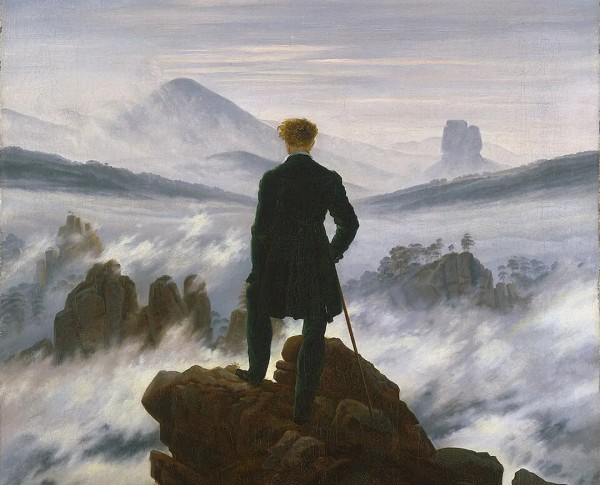
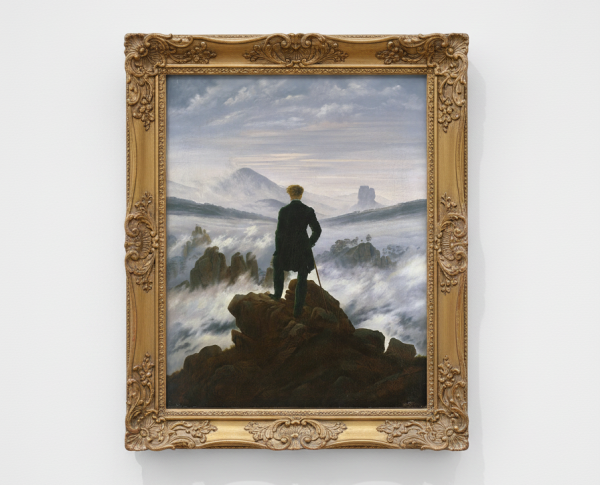
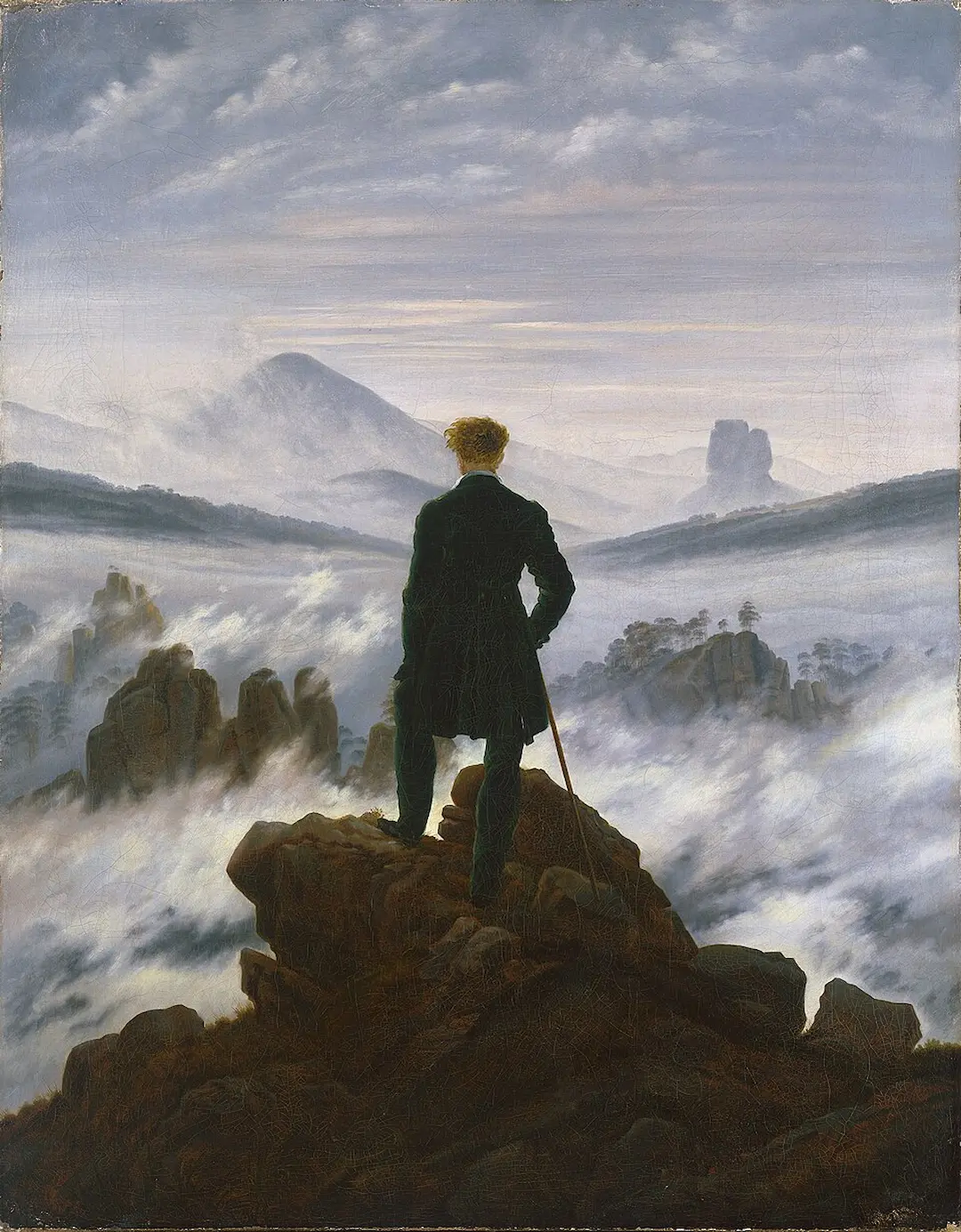
Created using oil on canvas, "The Wanderer above the Mists" demonstrates Friedrich’s remarkable technique and sensitivity to light and atmosphere. Each brushstroke reveals the artist’s dedication to detail and his ability to evoke deep contemplation. As a representative of the Romanticism movement, this painting offers a timeless glimpse into Friedrich’s mastery. For collectors and enthusiasts, acquiring such an oil on canvas masterpiece brings the beauty of Romantic artistry into any living space.
"The Wanderer above the Mists" is more than a fine art painting for sale; it is a window into the soul of Romanticism. Friedrich’s solitary figure atop a rocky precipice invites viewers to ponder themes of self-reflection, nature’s majesty, and the journey of life. The painting’s symbolic elements continue to inspire discussions and interpretations. Enhance your appreciation of fine art with this evocative piece and discover related products that celebrate Romantic symbolism.
For art lovers seeking a hand-painted oil painting that embodies the spirit of Romanticism, Caspar David Friedrich’s "The Wanderer above the Mists" is an exceptional choice. This fine art painting for sale is not just a visual masterpiece but a cultural icon, admired for its emotional depth and historical significance. Whether for personal enjoyment or as an investment, this work and related products are prized additions to any discerning collector’s gallery.
When Art Meets History
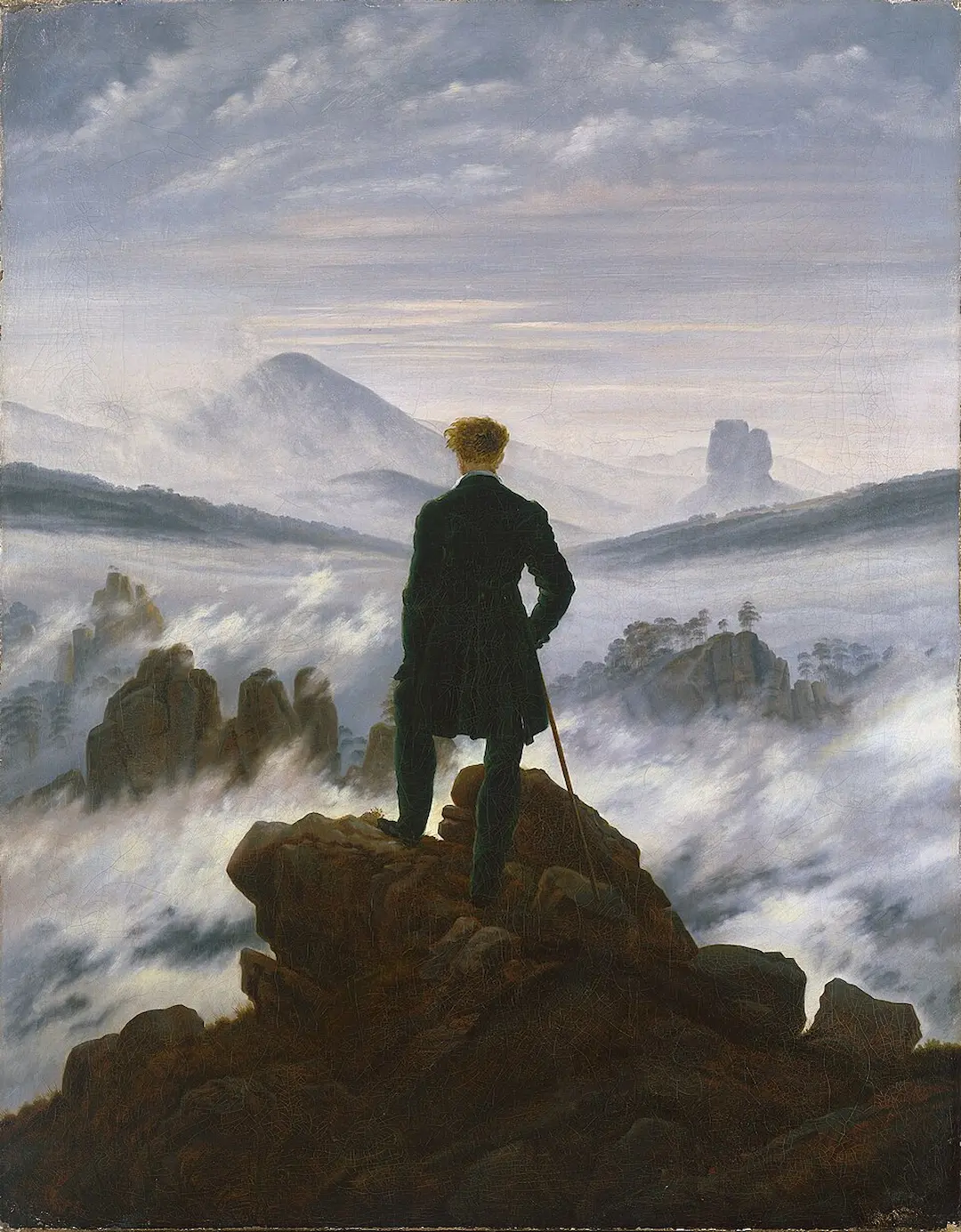
"The Wanderer above the Mists 1817-18" by Caspar David Friedrich stands as a hallmark of the Romanticism movement. This hand-painted oil painting captures a solitary figure gazing over a foggy landscape, embodying the era’s fascination with nature and introspection. Friedrich’s work is often discussed alongside masterpieces like "Ship at Sea, Sunset" and "Washington Crossing the Delaware 1851," all contributing to the rich tapestry of nineteenth-century art history.
Techniques That Speak
Rendered in oil on canvas, Friedrich’s "The Wanderer above the Mists 1817-18" demonstrates masterful brushwork and atmospheric perspective. The artist’s technique brings a striking depth and realism to the swirling mists and rugged terrain. This approach, characteristic of Romanticism, can be seen in related works such as "Dawn at the Alamo" and "The Kiss 1859," where the interplay of light and shadow evokes a powerful sense of place and emotion.
Emotions on Display
Caspar David Friedrich’s "The Wanderer above the Mists 1817-18" is a fine art painting for sale that resonates deeply with viewers. The lone figure, set against a dramatic landscape, invites reflection on the human condition and the sublime. Like "The Hay Wain, 1821," this painting from the Romanticism movement uses nature to evoke awe and contemplation, making it a timeless piece that continues to move audiences worldwide.
Coveted by Collectors
Collectors highly prize "The Wanderer above the Mists 1817-18" by Caspar David Friedrich for its historical significance and visual impact. As a hand-painted oil painting, it represents the pinnacle of Romanticism and stands alongside renowned works such as "Ship at Sea, Sunset" and "Dawn at the Alamo." This masterpiece’s enduring appeal ensures it remains a sought-after treasure among those seeking exceptional fine art painting for sale.
Related Romanticism Hand-Painted Oil Paintings by Other Artists
Other Famous Romanticism Artists:
Frequently Asked Questions About The Wanderer above the Mists 1817-18
What is the significance of the figure in "The Wanderer above the Mists"?
The figure represents the Romantic ideal of the solitary individual confronting nature, embodying themes of introspection and exploration of the self amidst the vastness of the natural world.
What artistic movement does Caspar David Friedrich belong to?
Caspar David Friedrich is a key figure in the Romantic movement, which emphasized emotion, individualism, and the sublime beauty of nature, often contrasting human existence with the grandeur of the natural landscape.
What elements in the painting contribute to its sense of mystery?
The use of mist and fog obscures the landscape, creating an atmosphere of uncertainty and inviting viewers to ponder the unknown, which is a hallmark of Romantic art.
How does the composition of the painting enhance its themes?
The placement of the wanderer at the forefront, gazing out over the vast landscape, emphasizes the contrast between the individual and the expansive, often overwhelming, natural world, highlighting themes of exploration and existential contemplation.
What is the historical context of "The Wanderer above the Mists"?
Created during the early 19th century, the painting reflects the Romantic reaction against the Industrial Revolution and Enlightenment rationalism, emphasizing a return to nature and the emotional experience of the sublime.
What symbolism is present in the landscape depicted in the painting?
The rugged mountains and swirling mists symbolize the sublime, representing both the beauty and terror of nature, as well as the inner struggles of the human spirit.
How does Friedrich's use of color contribute to the painting's mood?
The muted color palette, dominated by greens and grays, evokes a sense of melancholy and introspection, enhancing the overall mood of contemplation and solitude.
What role does light play in "The Wanderer above the Mists"?
The interplay of light and shadow creates depth and highlights the figure of the wanderer, drawing attention to his contemplative stance while also suggesting the presence of the divine in nature.
How has "The Wanderer above the Mists" influenced modern art?
The painting has inspired countless artists and movements, emphasizing the importance of individual experience and emotional response to nature, which continues to resonate in contemporary art practices.
What is the legacy of Caspar David Friedrich in the art world?
Friedrich is regarded as one of the most important Romantic painters, and his exploration of themes such as nature, spirituality, and the human condition has left a lasting impact on both Romanticism and subsequent artistic movements.






















_GFM_Painting_(1).webp)


 100% Hand-Painted: Finished in 3-6 Weeks

.png)















_(1).webp)