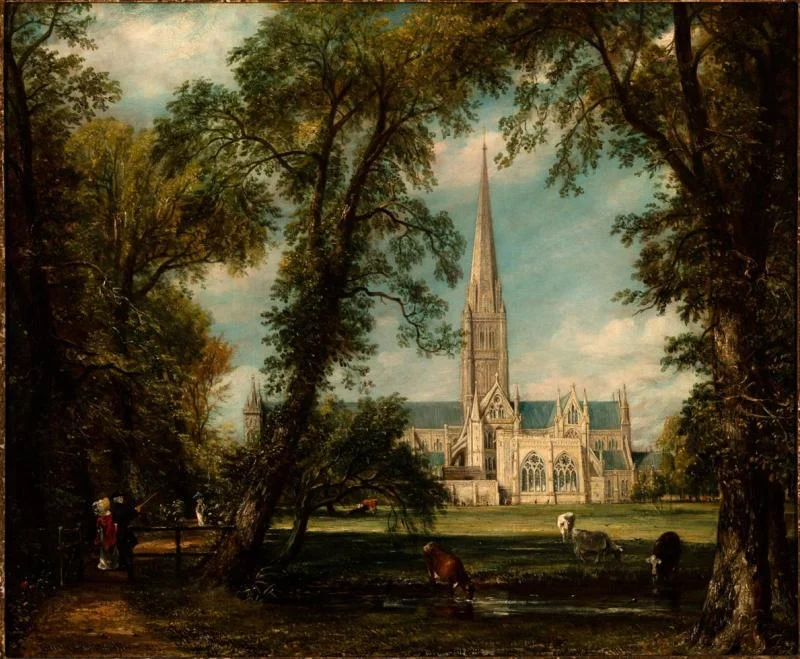
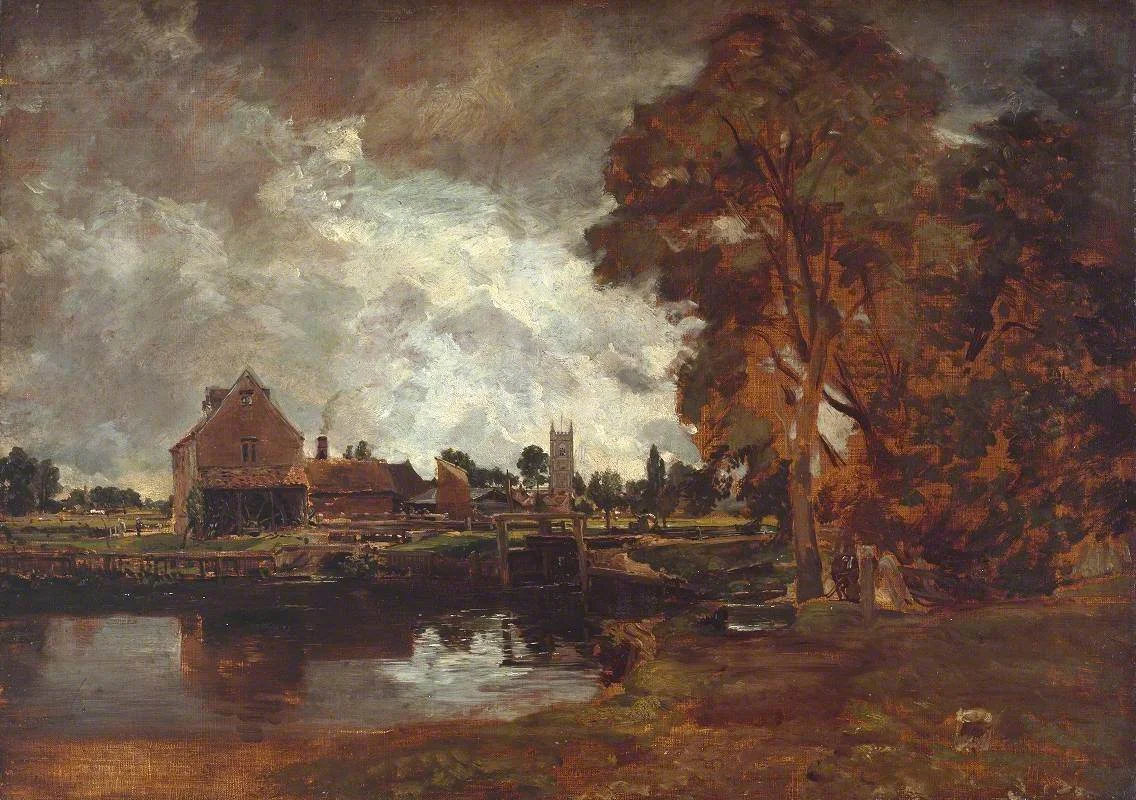
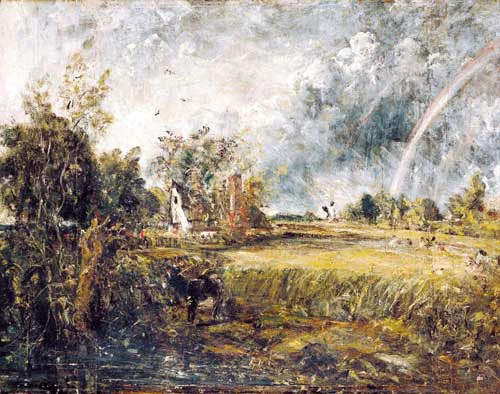
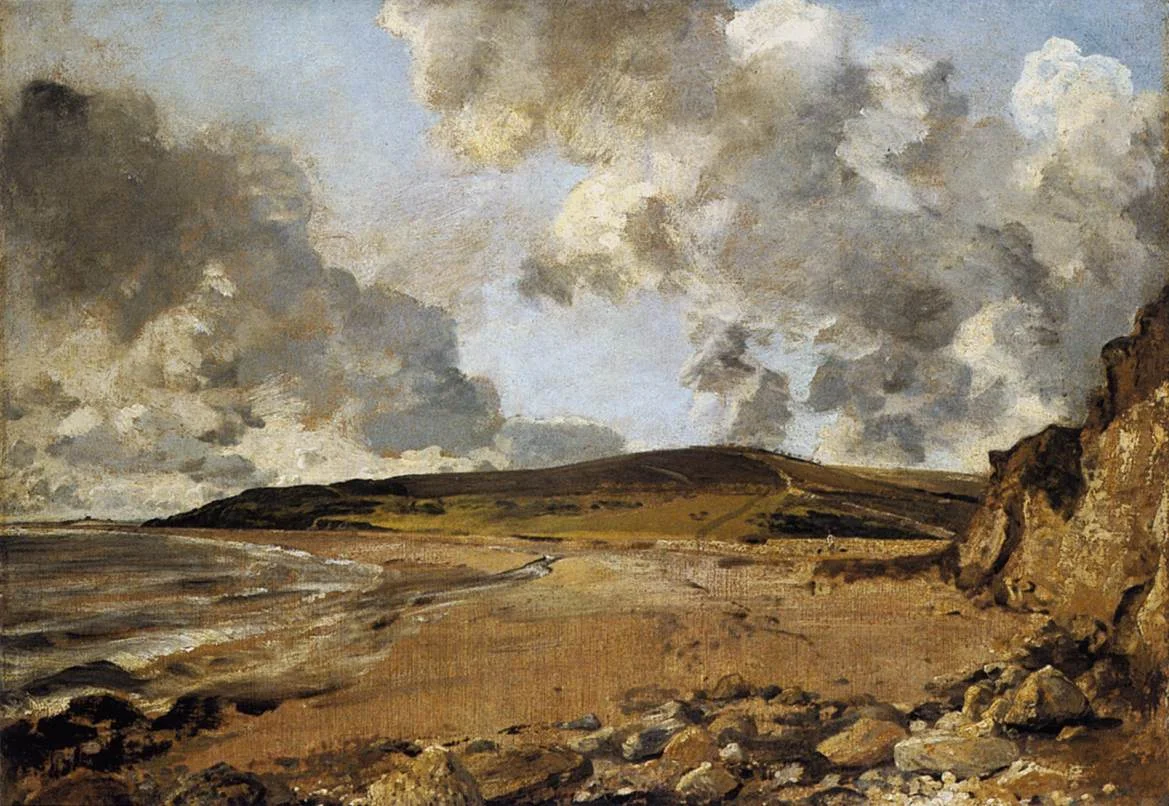
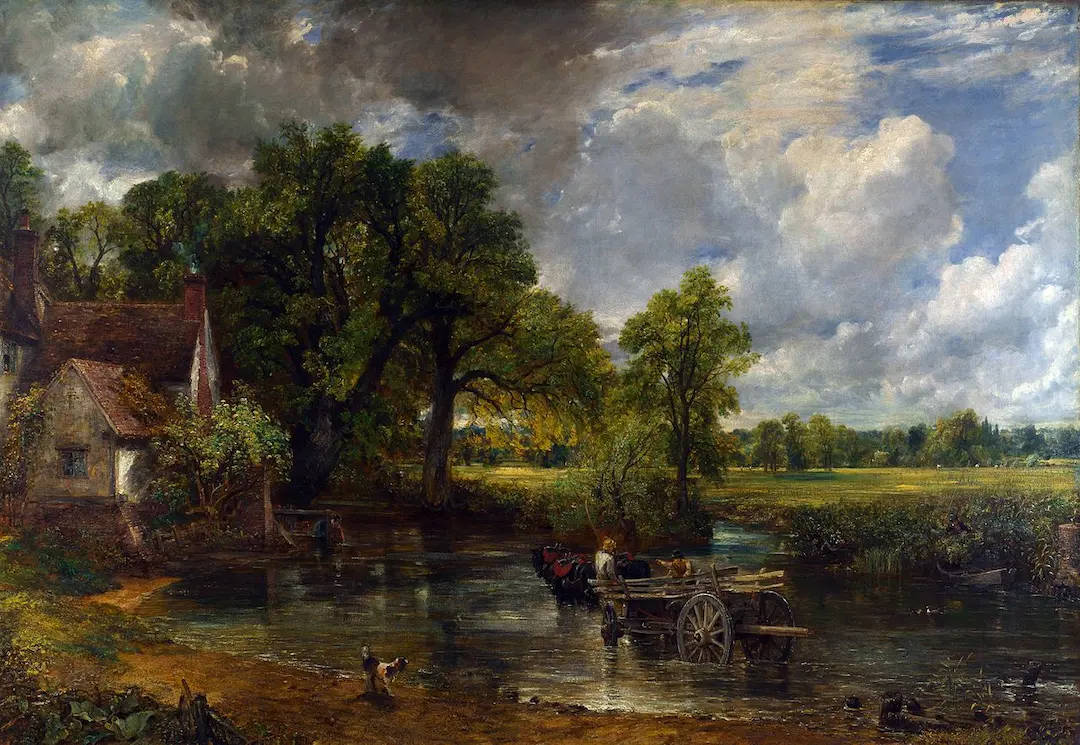
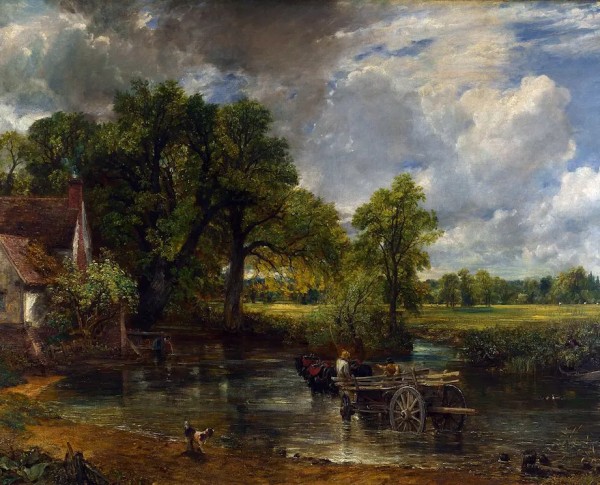
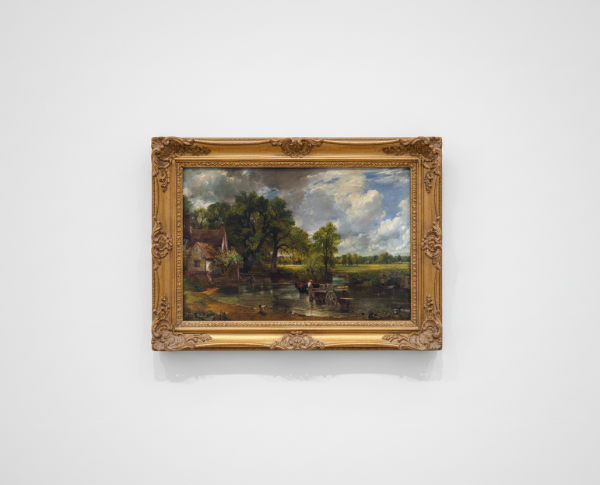
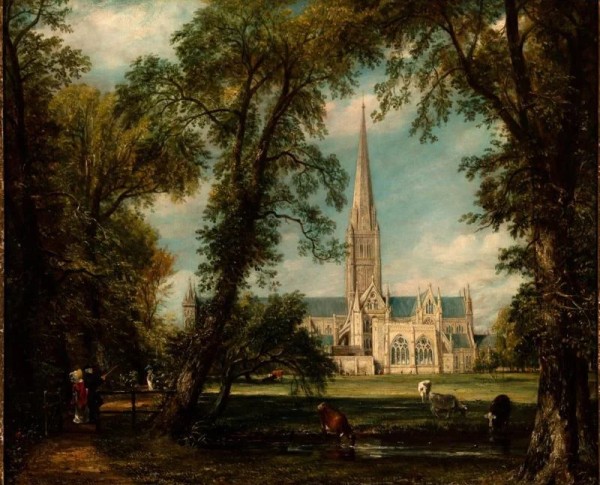
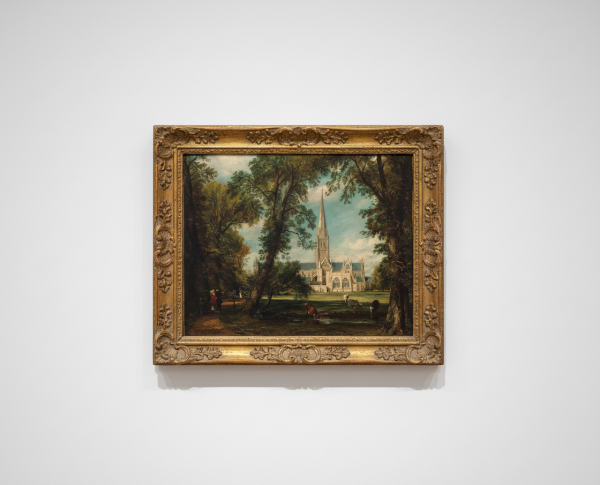
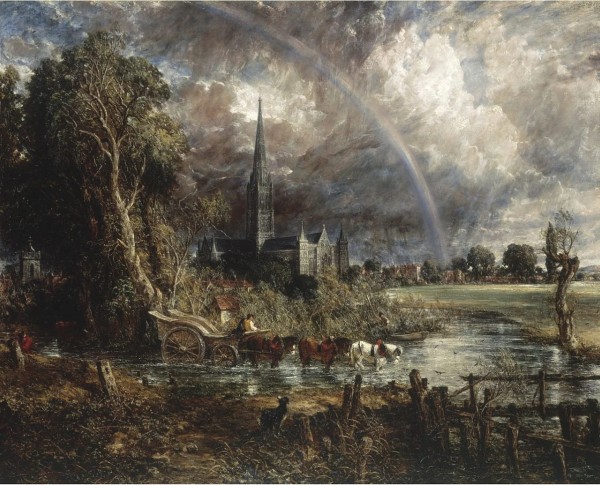
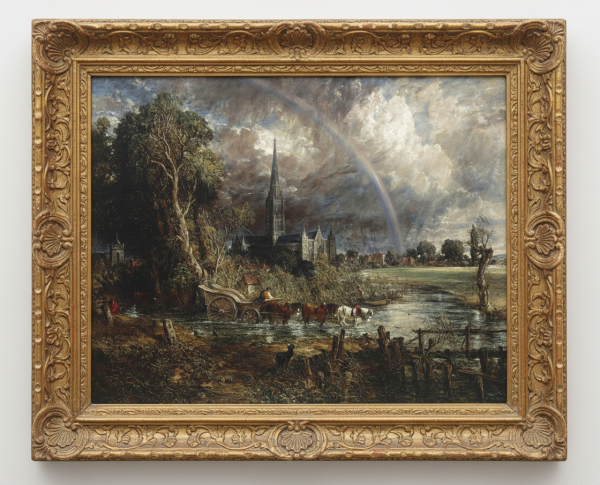
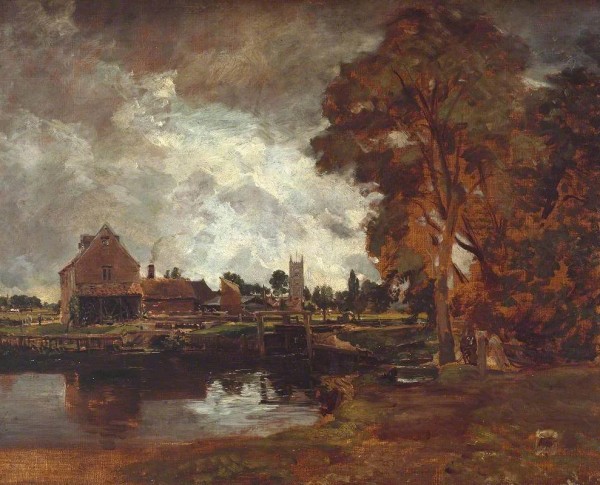
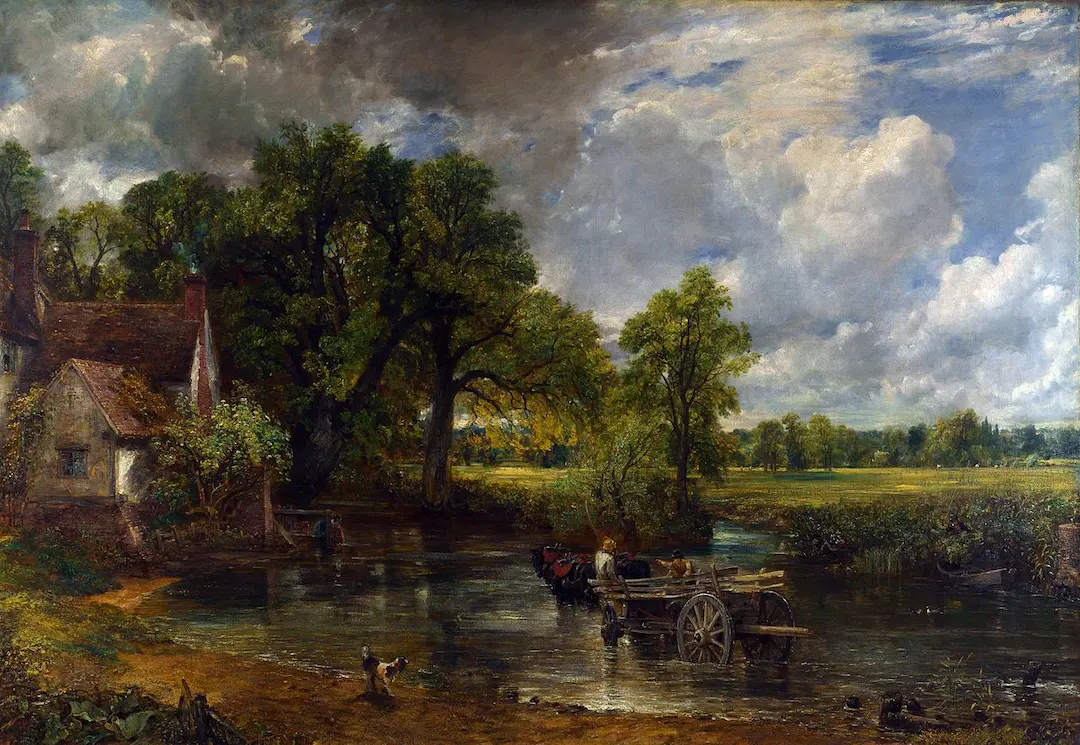
Constable’s remarkable technique shines through in "The Hay Wain, 1821," showcasing the artist’s skillful manipulation of oil on canvas. The interplay of light and shadow, along with the meticulous detailing of the landscape, exemplifies the hallmarks of Romanticism. Each brushstroke breathes life into the serene river and rustic cart, reaffirming Constable’s mastery. For those who appreciate technical brilliance, this hand-painted oil painting is a testament to the enduring artistry of John Constable.
"The Hay Wain, 1821" by John Constable is more than just an oil on canvas; it is a narrative woven with symbolism. The painting captures an idyllic moment in rural England, symbolizing harmony between humanity and nature. As a cornerstone of the Romanticism movement, it invites viewers to reflect on the changing landscapes of the 19th century. Art lovers searching for a fine art painting for sale with profound meaning will find this work especially compelling.
Owning "The Hay Wain, 1821" by John Constable connects collectors to the rich legacy of Romanticism. This hand-painted oil painting not only enhances any art collection but also serves as a conversation piece, admired for its historical and artistic significance. With its evocative scenery and timeless appeal, this masterpiece ranks among the most sought-after fine art paintings for sale. It is a true treasure for those passionate about classic oil on canvas works.
When Art Meets History
"The Hay Wain, 1821" by John Constable stands as a timeless testament to the Romanticism movement. This hand-painted oil painting captures rural England’s tranquil landscape, reflecting both the social and cultural shifts of the era. Constable’s masterpiece sits alongside other notable works such as "Ship at Sea" and "The Wanderer above the Mists 1817-18," illustrating the profound connection between nature and history in Romanticism’s finest art.
Techniques That Speak
John Constable’s "The Hay Wain, 1821" showcases his mastery of oil on canvas, employing loose brushwork and vibrant colors to evoke the lush English countryside. Through skillful layering and atmospheric perspective, Constable brings depth and realism to this celebrated scene. This approach, shared by other Romantic artists in works like "Sunset" and "The Slave Ship 1840," highlights the transformative power of nature in fine art painting for sale.
Emotions on Display
In "The Hay Wain, 1821," John Constable channels the spirit of Romanticism, infusing his hand-painted oil painting with a deep sense of nostalgia and serenity. The idyllic rural setting, combined with dramatic skies, stirs powerful emotions in viewers. Similar emotional resonance can be found in related paintings such as "Dawn at the Alamo" and "The Bear Dance," where artists use landscapes to explore the depths of human feeling.
Coveted by Collectors
A true masterpiece of the Romanticism movement, "The Hay Wain, 1821" remains a highly sought-after fine art painting for sale. John Constable’s signature style and evocative rural scenes have inspired generations of collectors and art lovers. Alongside notable works like "Sunset" and "The Slave Ship 1840," this oil on canvas continues to captivate those seeking the beauty and history that define the era’s greatest paintings.
Related Romanticism Hand-Painted Oil Paintings by Other Artists
Other Famous Romanticism Artists:
Frequently Asked Questions About The Hay Wain, 1821
What is the historical significance of The Hay Wain?
The Hay Wain is considered one of the masterpieces of English landscape painting and is significant for its depiction of rural life in early 19th century England. It reflects the changes brought about by the Industrial Revolution and serves as a nostalgic representation of a pastoral ideal.
Who was John Constable and what was his impact on art?
John Constable was an English painter known for his landscape paintings that captured the beauty of the English countryside. His innovative techniques and emphasis on natural light and atmosphere greatly influenced the Romantic movement and later Impressionist artists.
What artistic techniques did Constable use in The Hay Wain?
Constable employed a technique known as 'plein air' painting, which involved working outdoors to capture natural light and color. He also utilized a rich palette and dynamic brushwork to convey the texture of the landscape and the movement of clouds.
What does the hay wain symbolize in the painting?
The hay wain, a horse-drawn cart, symbolizes rural labor and the agrarian lifestyle of the time. It represents the harmony between humans and nature, as well as the importance of agriculture in sustaining communities.
How does The Hay Wain reflect the Romantic movement?
The Hay Wain embodies the Romantic movement through its emphasis on emotion, nature, and the sublime. It celebrates the beauty of the natural world and evokes feelings of nostalgia and longing for a simpler, pastoral life.
What elements of nature are highlighted in The Hay Wain?
The painting highlights various elements of nature, including the flowing river, lush greenery, and dramatic sky. These elements work together to create a serene and idyllic landscape that invites viewers to appreciate the beauty of the natural environment.
In what ways did The Hay Wain influence future artists?
The Hay Wain influenced future artists by showcasing the importance of capturing light and atmosphere in landscape painting. Its realistic portrayal of nature inspired the Impressionists and later movements to explore similar themes in their work.
What role does light play in The Hay Wain?
Light plays a crucial role in The Hay Wain, as Constable skillfully captures the changing effects of sunlight on the landscape. The interplay of light and shadow adds depth and dimension, enhancing the overall mood of tranquility and harmony.
What is the significance of the setting depicted in The Hay Wain?
The setting, which features a rural scene near Flatford Mill in Suffolk, England, is significant as it reflects Constable's personal connection to the landscape of his childhood. It serves as a reminder of the beauty of the English countryside and the importance of preserving such environments.
How has The Hay Wain been received by critics and the public over time?
Since its unveiling, The Hay Wain has been widely acclaimed and is regarded as one of Constable's most famous works. It has received praise for its technical mastery and emotional depth, becoming a beloved piece in the canon of English art and a staple in art history discussions.






















_GFM_Painting_(1).webp)


 100% Hand-Painted: Finished in 3-6 Weeks

.png)















_(1).webp)