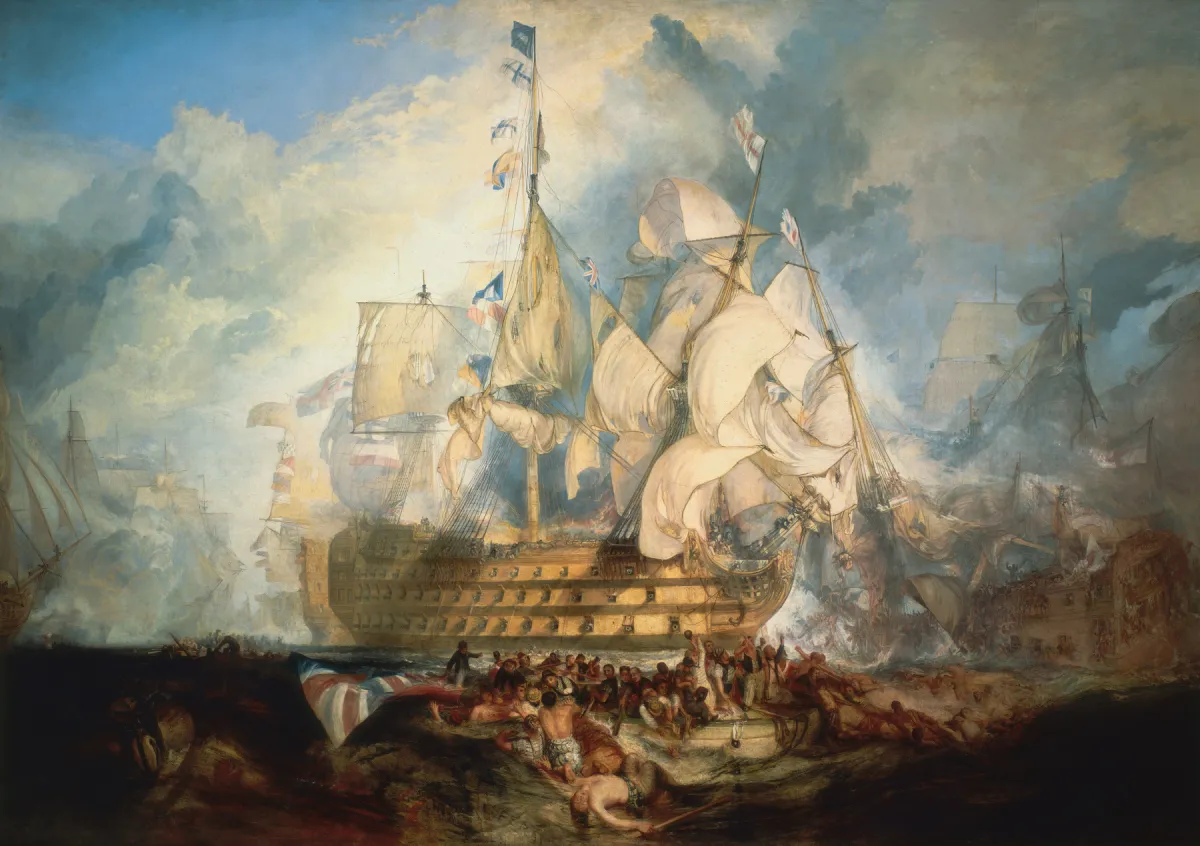
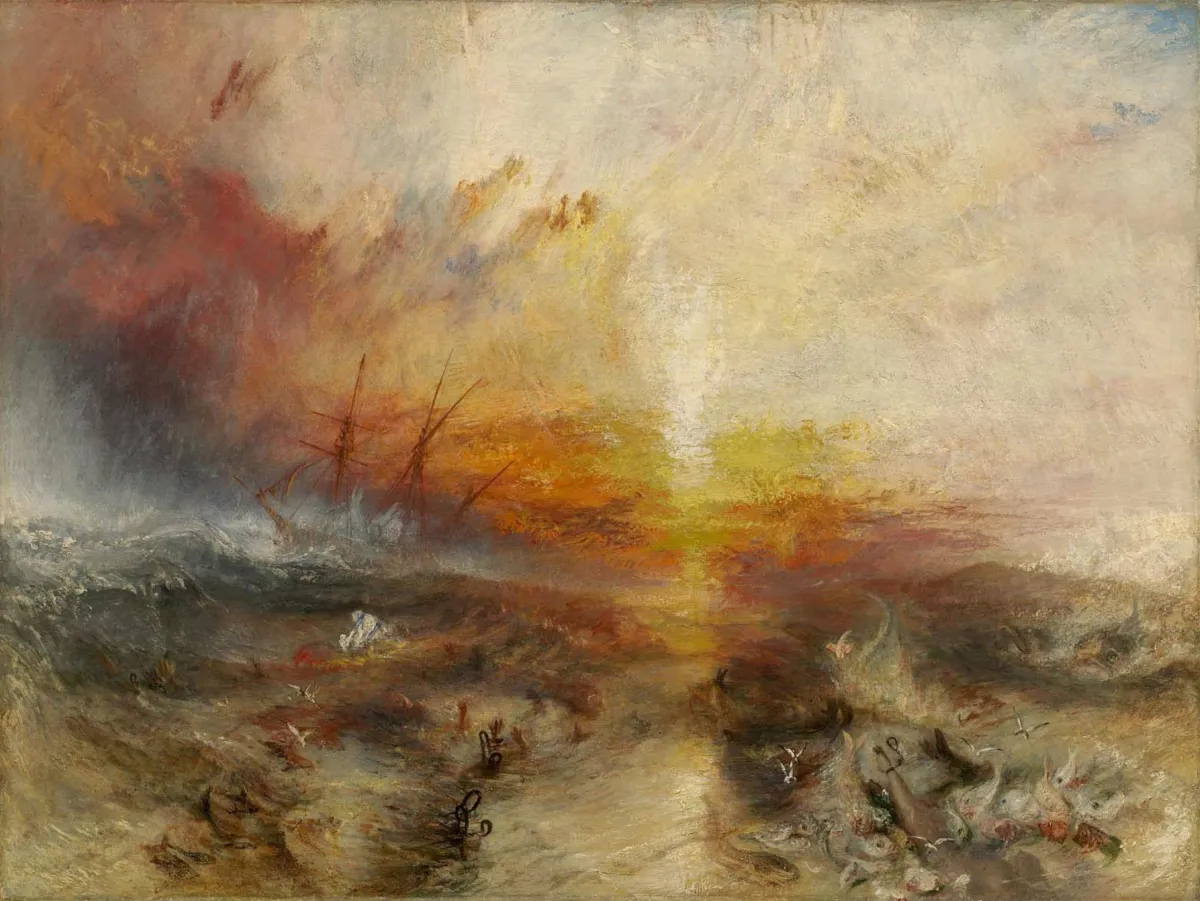
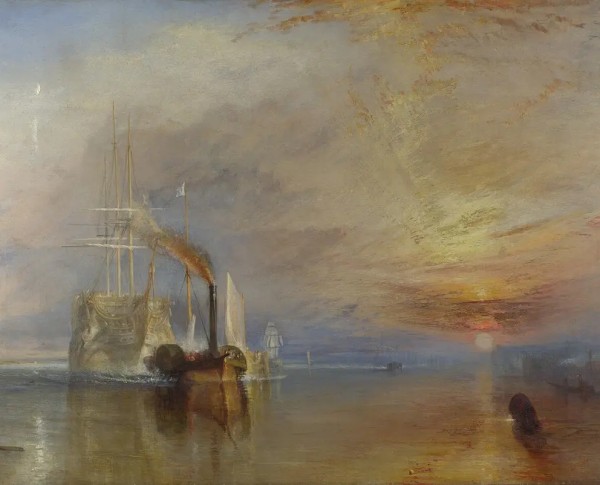
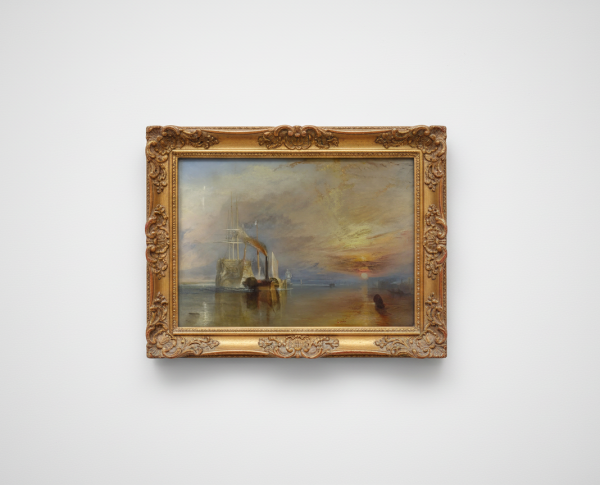
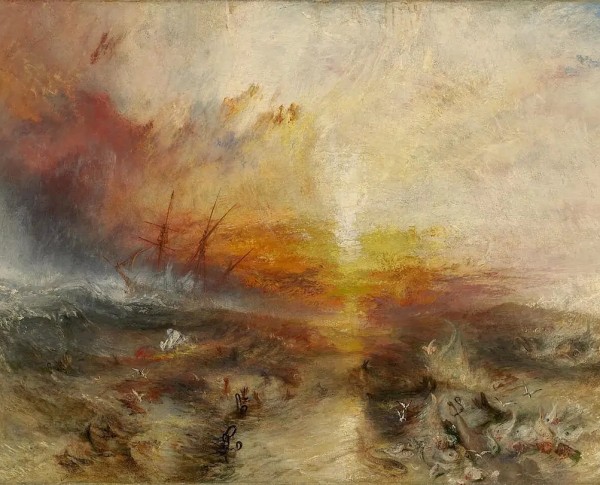
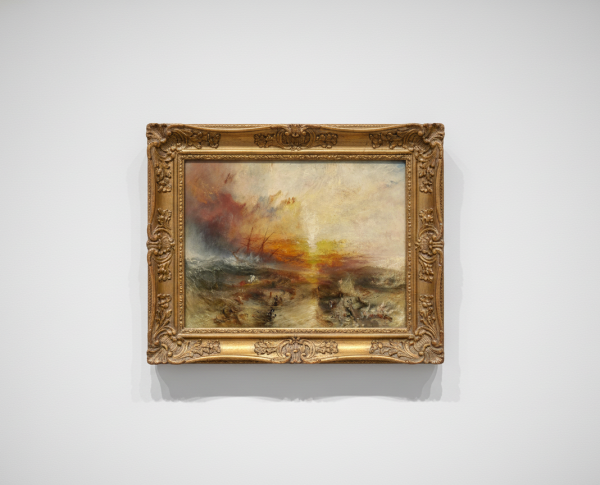
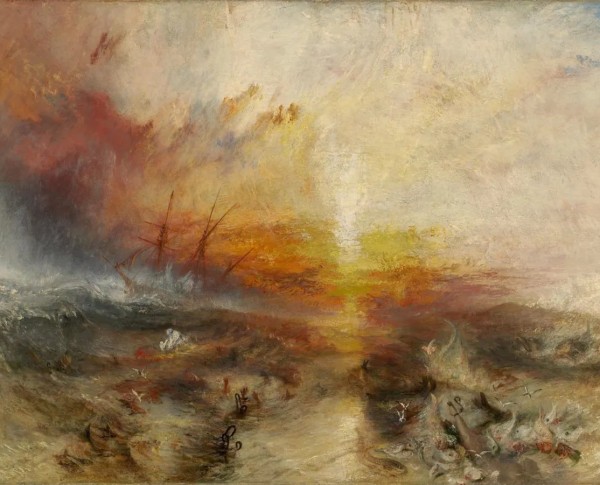
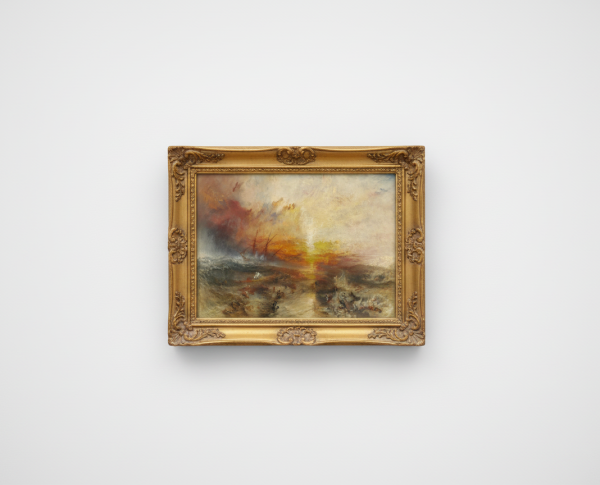
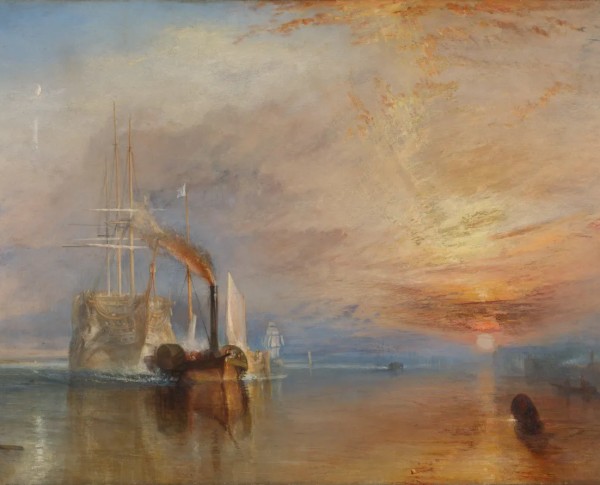
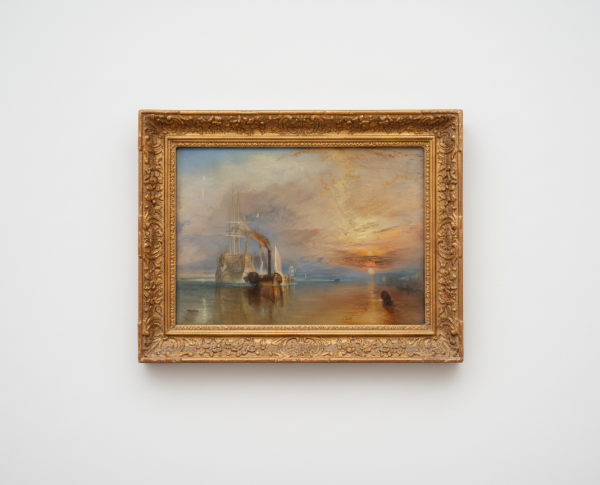
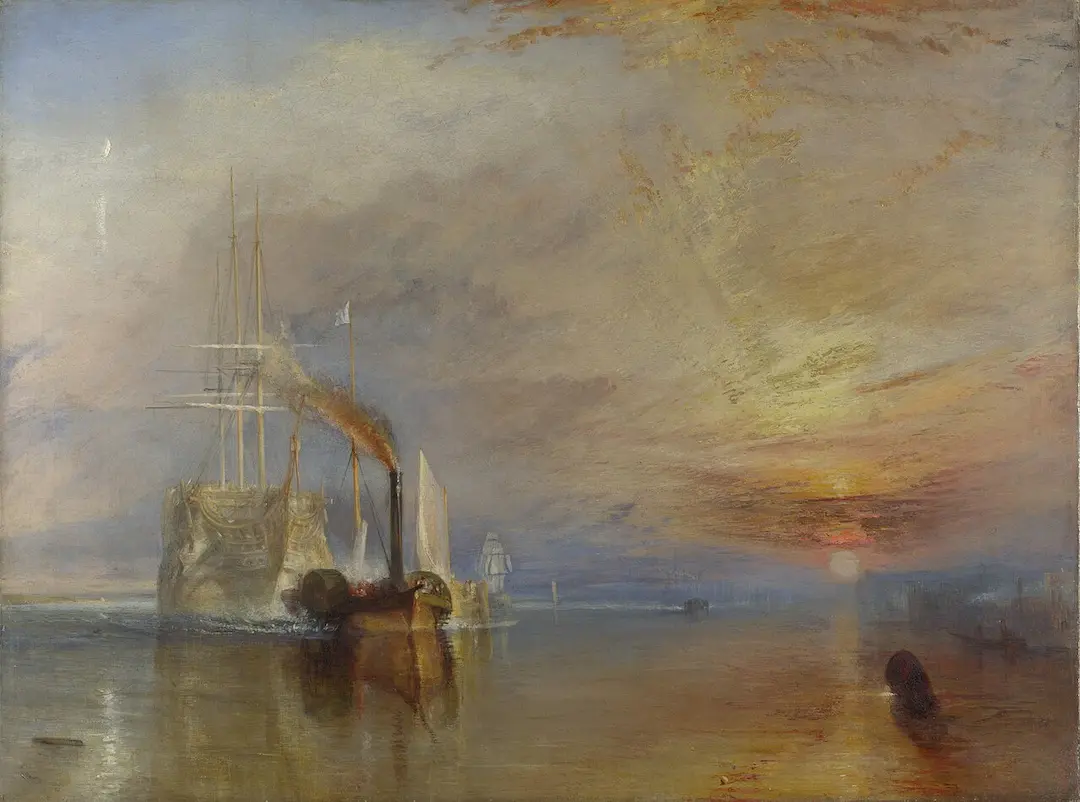
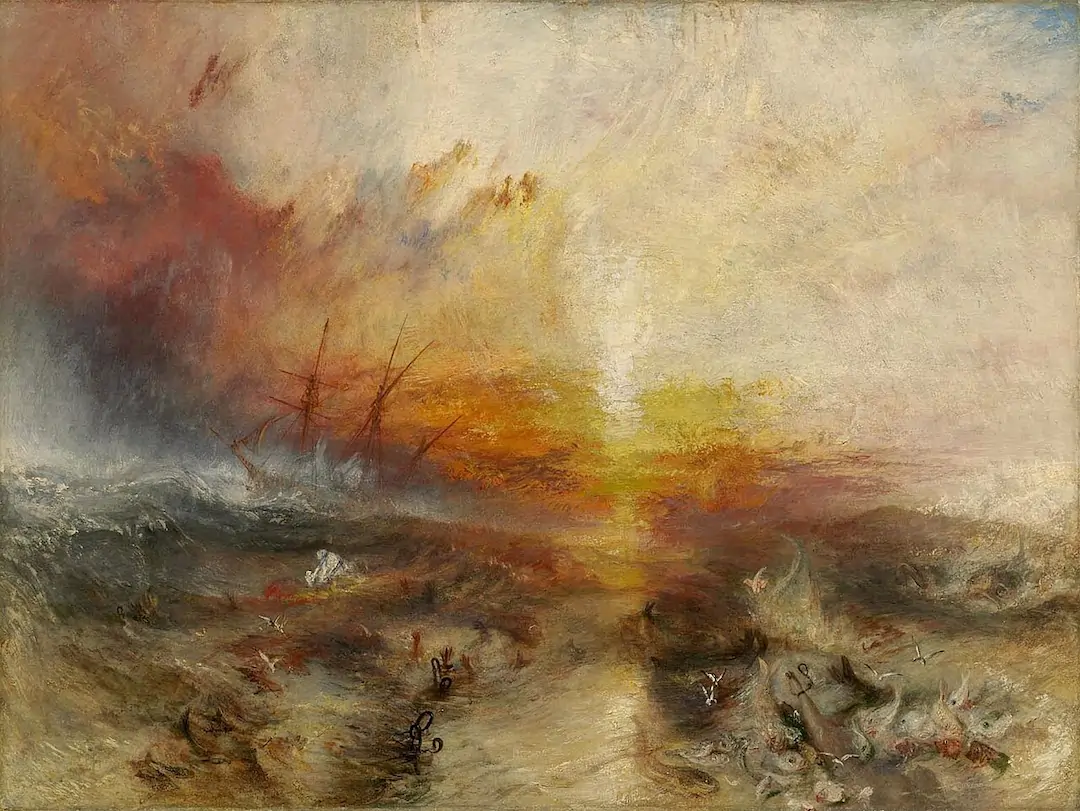
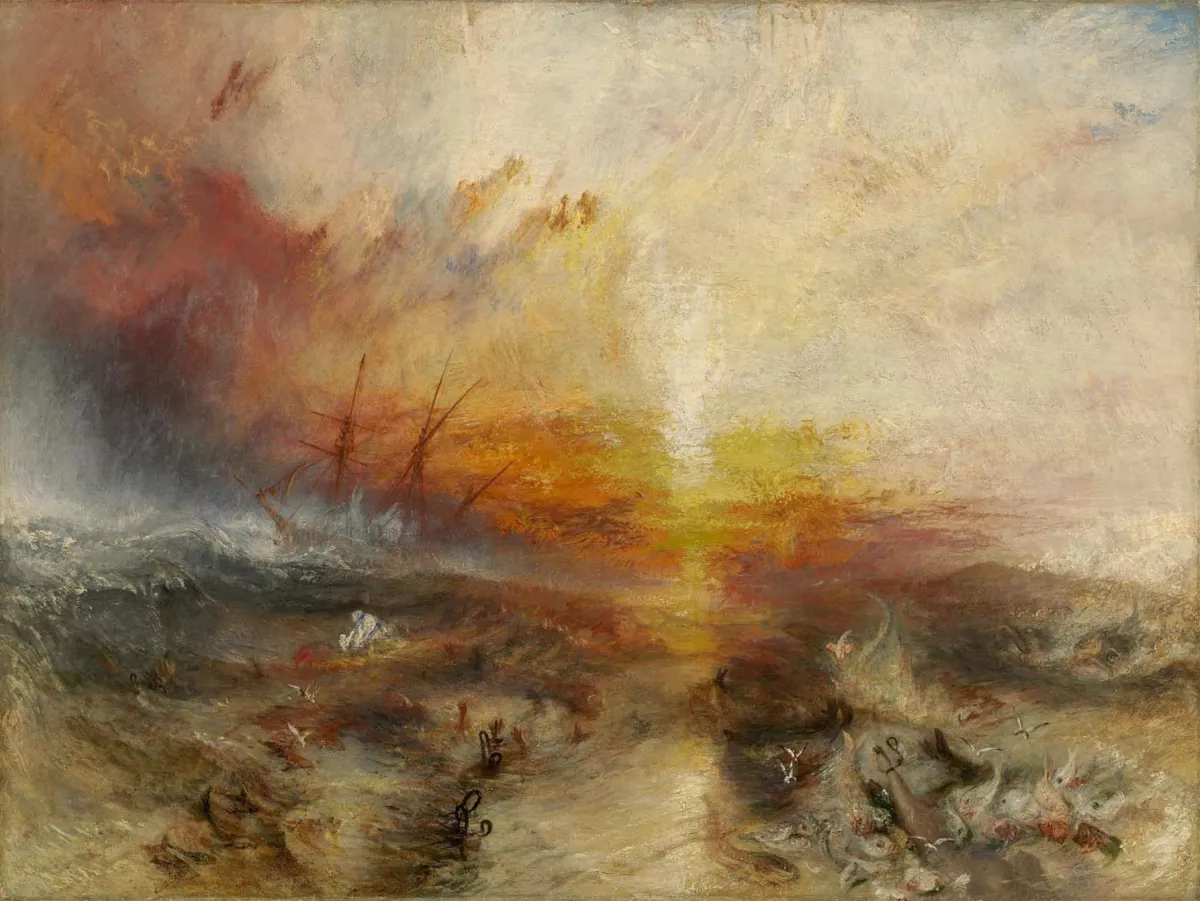
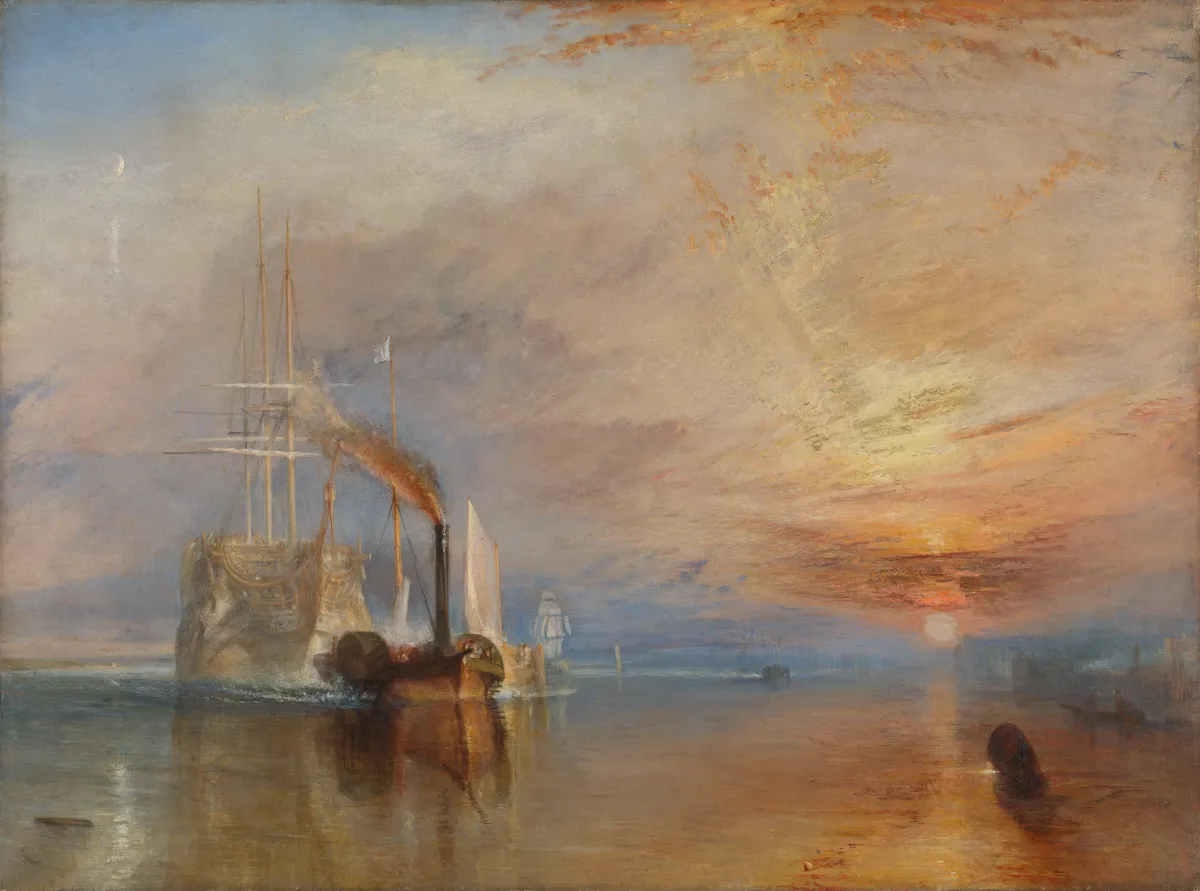
"The Fighting 'Téméraire' tugged to her last Berth to be broken up" is a hand-painted oil painting by Joseph Mallord William Turner, a master of the Romanticism movement. This evocative piece captures the final journey of the legendary warship Téméraire, symbolizing the end of an era. Turner’s work, much like his famous "The Slave Ship 1840," continues to inspire art lovers and collectors searching for a timeless hand-painted oil painting to enrich their collection.
Joseph Mallord William Turner’s "The Fighting 'Téméraire'" demonstrates his remarkable skill with oil on canvas, blending luminous skies and reflective waters to create a poignant atmosphere. Turner’s innovative techniques in the Romanticism movement set new standards for landscape painting. Collectors and enthusiasts alike are drawn to this oil on canvas masterpiece, as well as related works like "The Slave Ship 1840," both celebrated for their emotional depth and technical brilliance.
This fine art painting for sale is more than a visual masterpiece; it is rich with symbolism and narrative. Turner’s "The Fighting 'Téméraire'" explores themes of transition and nostalgia, using the imagery of the majestic ship being towed by a steam tug to signify the changing tides of history. As with Turner’s "The Slave Ship 1840," this fine art painting for sale invites viewers to reflect on progress, loss, and the enduring power of memory.
For art collectors, owning "The Fighting 'Téméraire'" by Joseph Mallord William Turner is a rare opportunity to possess a hand-painted oil painting that defines the Romanticism movement. This iconic piece, alongside related works such as "The Slave Ship 1840," remains highly sought after among those looking for a fine art painting for sale that captures both historical significance and unparalleled artistic mastery.
When Art Meets History
Joseph Mallord William Turner's masterpiece, "The Fighting 'Téméraire' tugged to her last Berth to be broken up," stands as a symbol of the Romanticism movement. This hand-painted oil painting captures the poignant moment when the once-mighty warship is towed for dismantling, bridging art with historic significance. Turner’s work, alongside related paintings like "Dawn at the Alamo" and "Washington Crossing the Delaware 1851," offers viewers a glimpse into pivotal moments frozen in time.
Techniques That Speak
Turner’s use of oil on canvas in "The Fighting 'Téméraire'" exemplifies his mastery of light, color, and atmospheric effects. The glowing sunset and delicate brushwork evoke a sense of melancholy and grandeur, hallmarks of the Romanticism movement. His innovative techniques can be compared to those seen in "The Wanderer above the Mists 1817-18" and "The Bear Dance," making this oil on canvas a true testament to Turner's genius and the era's fascination with emotion and nature.
Emotions on Display
In this fine art painting for sale, Turner channels deep emotion, reflecting on change, nostalgia, and the passage of time. The contrast between the grand old ship and the small, modern tugboat evokes a bittersweet farewell, resonating with themes found in "The Kiss 1859" and other Romantic works. Turner’s evocative style invites viewers to contemplate the end of an era, making "The Fighting 'Téméraire'" a moving tribute to both history and human sentiment.
Coveted by Collectors
As one of Turner's most celebrated works, "The Fighting 'Téméraire'" is highly sought after by art enthusiasts and collectors alike. This hand-painted oil painting remains a prized possession in the world of fine art, admired alongside masterpieces such as "The Bear Dance" and "Washington Crossing the Delaware 1851." Its enduring appeal lies in Turner's ability to blend historical narrative with the emotional depth characteristic of the Romanticism movement.
Related Romanticism Hand-Painted Oil Paintings by Other Artists
Other Famous Romanticism Artists:
Frequently Asked Questions About The Fighting 'Téméraire' tugged to her last Berth to be broken up
What historical event does the painting depict?
The painting illustrates the final journey of the HMS Téméraire, a distinguished warship that played a significant role in the Battle of Trafalgar in 1805, as it is being towed to its dismantling berth in 1838.
What is the significance of the HMS Téméraire in British naval history?
The HMS Téméraire is celebrated for its heroic service during the Napoleonic Wars, particularly at the Battle of Trafalgar, where it was commanded by Admiral Nelson. Its legacy symbolizes the end of an era of wooden warships.
How does Turner's use of color contribute to the painting's mood?
Turner employs a dramatic palette of warm oranges and cool blues to evoke a sense of nostalgia and melancholy, reflecting the transition from the age of sail to steam-powered vessels.
What artistic techniques did Turner use in this painting?
Turner utilized loose brushwork and atmospheric effects to create a sense of movement and light, enhancing the emotional impact of the scene and emphasizing the ship's majestic yet tragic fate.
What symbolism is present in the painting?
The tugboat symbolizes the relentless march of progress and industrialization, while the Téméraire represents the fading glory of the past, highlighting the tension between tradition and modernity.
What role does light play in the composition of the painting?
Light is a crucial element in the painting, with the setting sun illuminating the scene, symbolizing the end of an era. It creates a dramatic contrast between the fading ship and the vibrant sky.
How does this painting reflect Turner's artistic style?
This work exemplifies Turner's Romantic style, characterized by emotional depth, a focus on nature, and an interest in the sublime, as well as his innovative approach to color and light.
What was the public's reaction to the painting when it was first exhibited?
Upon its exhibition in 1839, the painting received mixed reviews, with some critics praising its emotional resonance and others questioning its artistic merit, reflecting the transitional nature of art during that period.
In what ways has the painting influenced modern perceptions of maritime history?
The painting has become an iconic representation of maritime history, influencing how we view the relationship between technology, history, and the natural world, and it continues to inspire discussions about the impact of progress on tradition.
What is the current location of "The Fighting 'Téméraire' tugged to her last Berth to be broken up"?
The painting is housed in the National Gallery in London, where it remains a significant piece in the collection, attracting visitors interested in both Turner's work and maritime history.






















_GFM_Painting_(1).webp)


 100% Hand-Painted: Finished in 3-6 Weeks


.png)















_(1).webp)