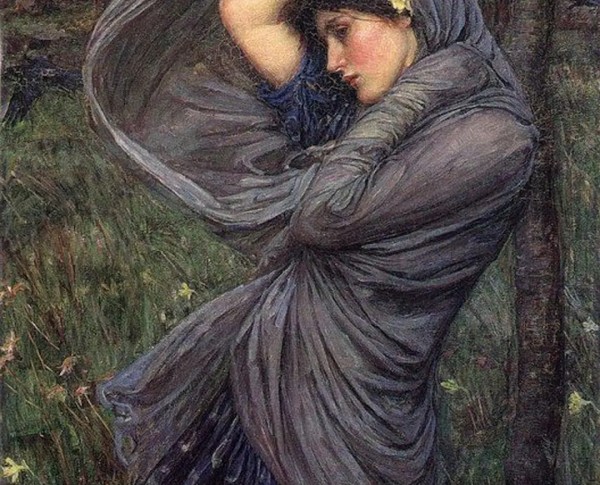
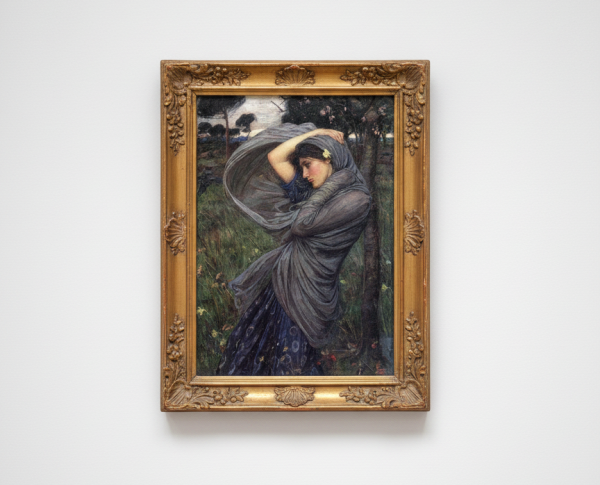
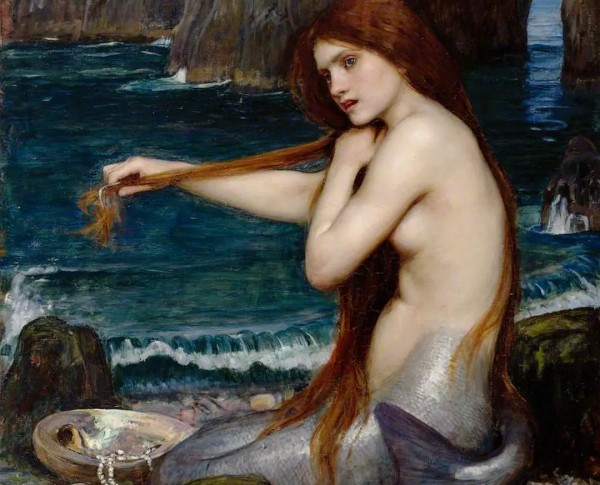
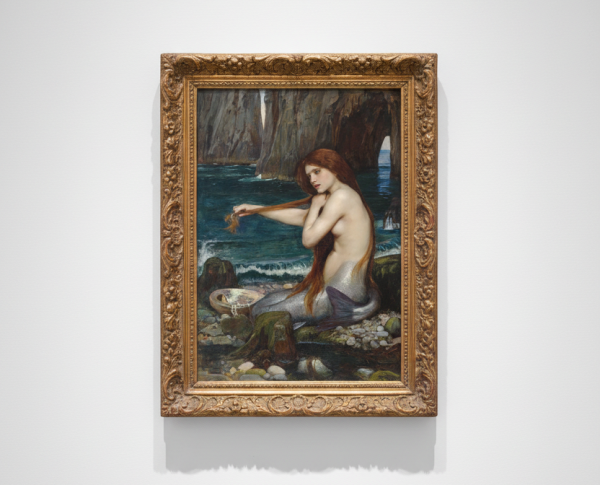
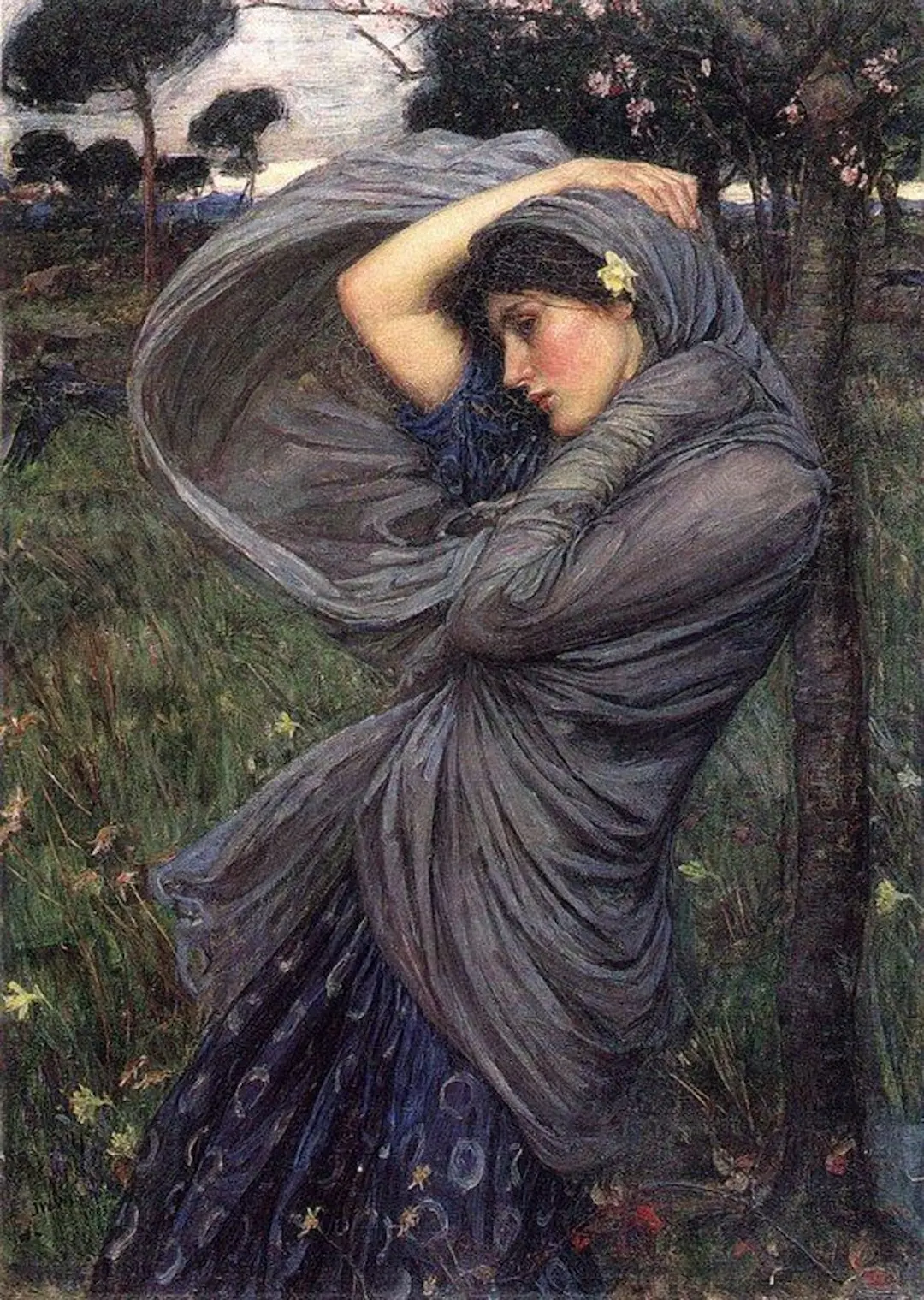
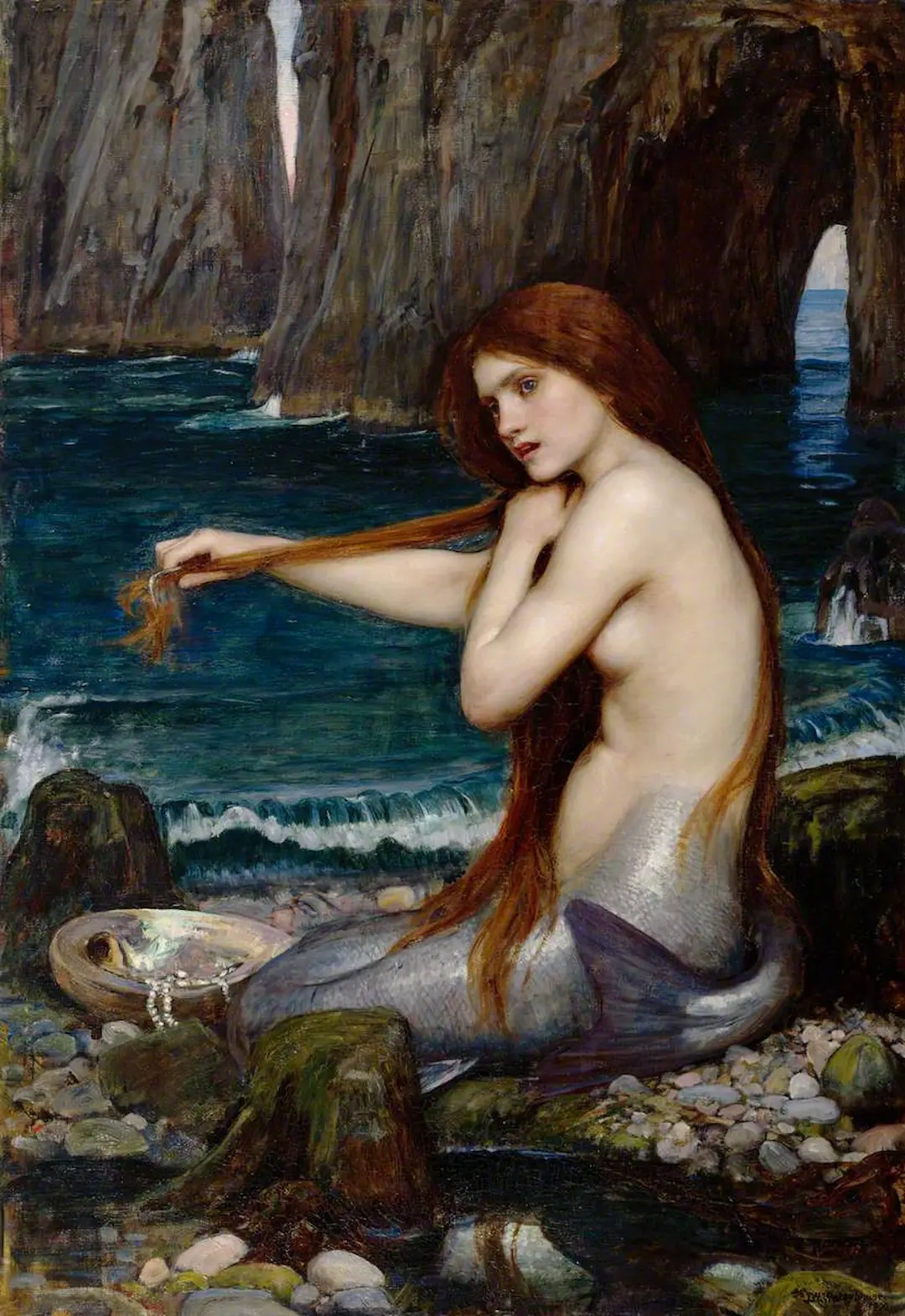
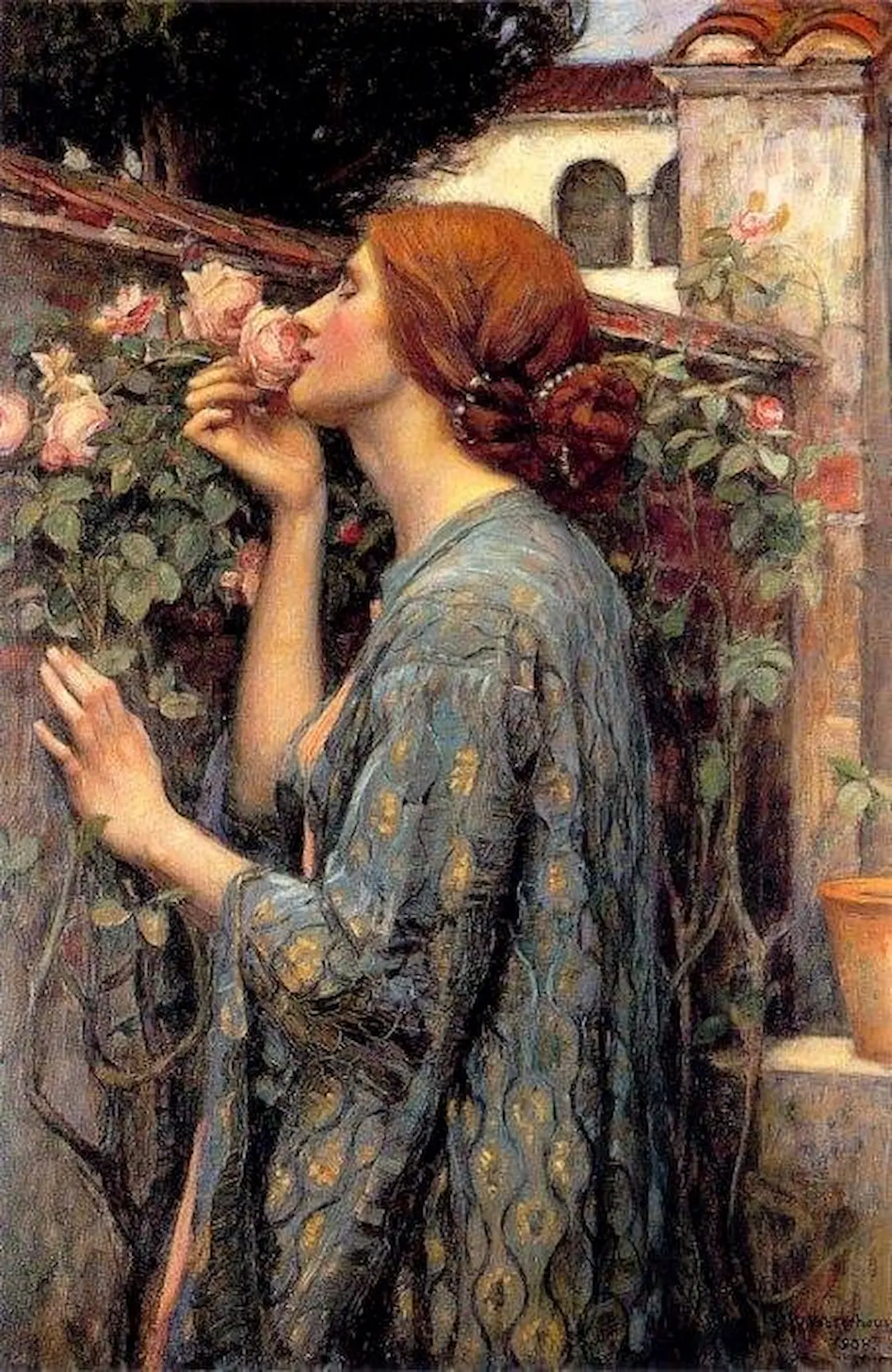
John William Waterhouse’s "Boreas 1903" showcases his remarkable technique using oil on canvas, a medium favored by the Pre-Raphaelites for its depth and luminosity. Each brushstroke in this painting is carefully layered, revealing the artist’s devotion to detail and storytelling. Collectors who appreciate Waterhouse’s skill will also admire related works like "The Soul of the Rose 1908" and "A Mermaid 1900," both celebrated for their masterful execution and emotional resonance.
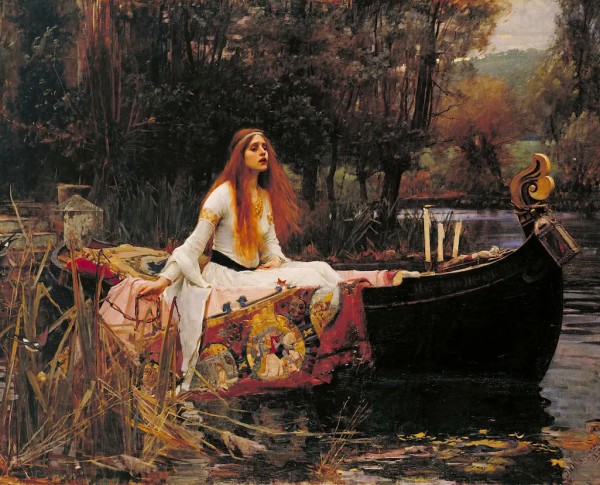
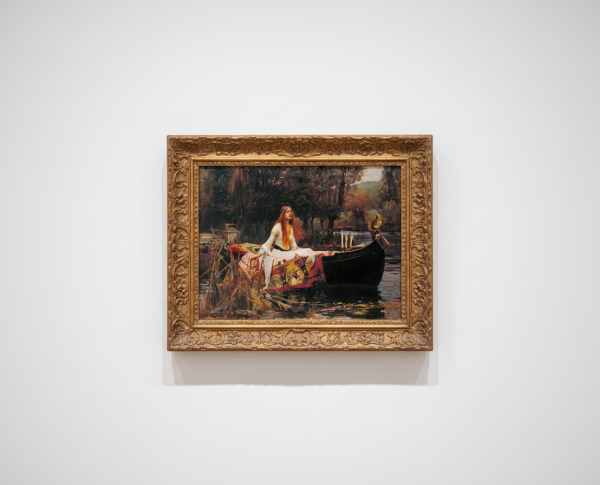
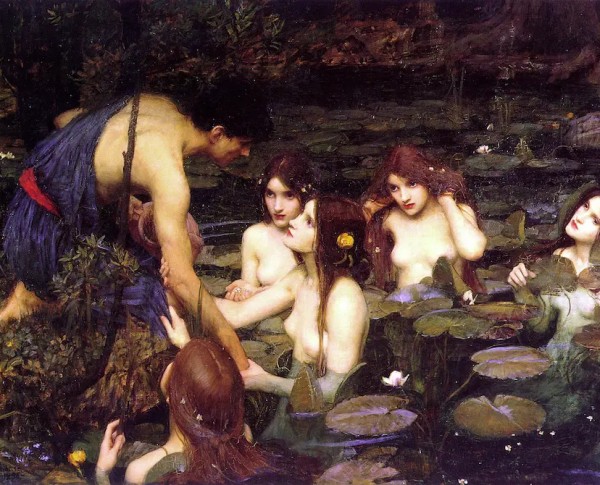
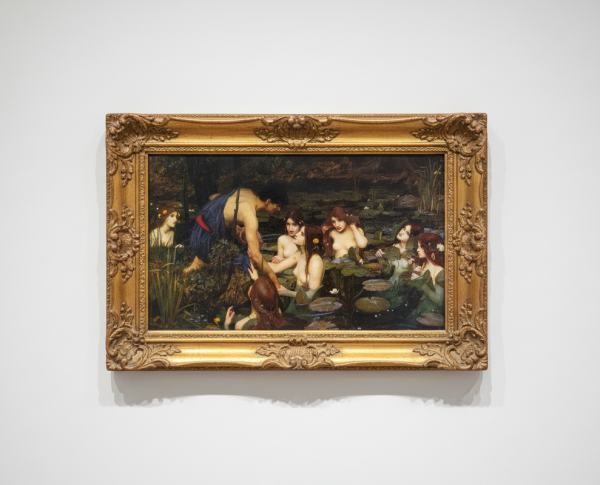
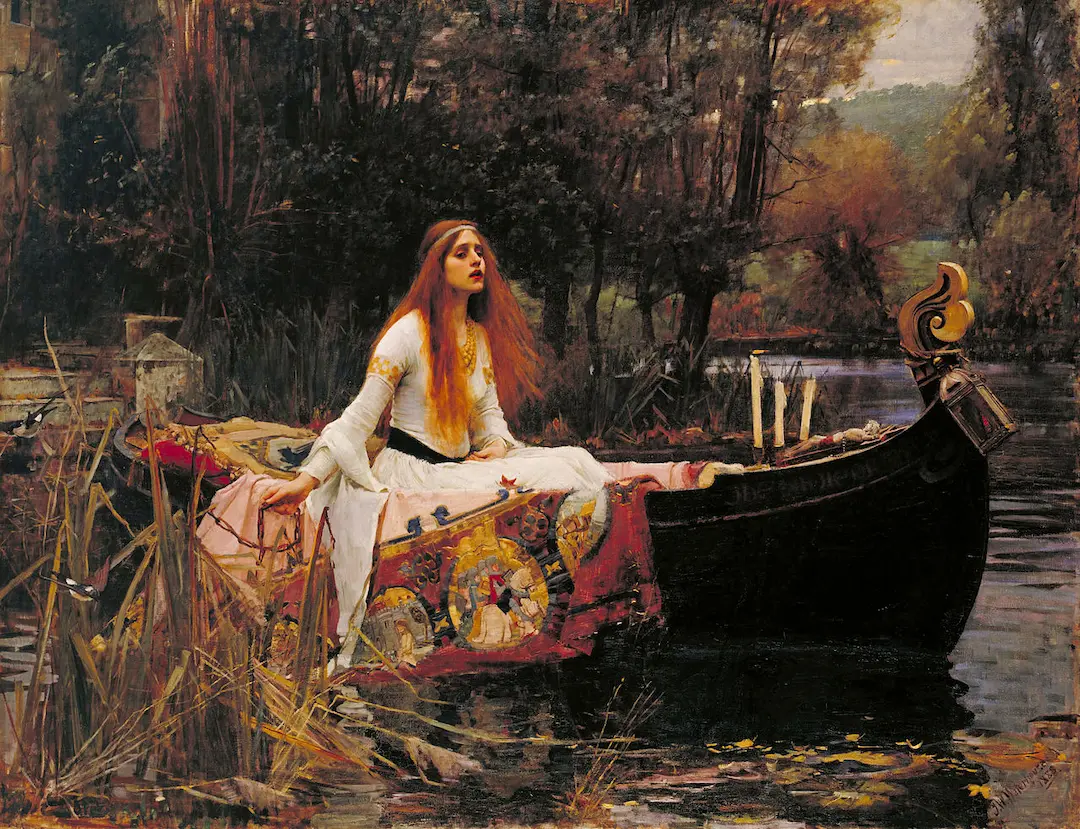
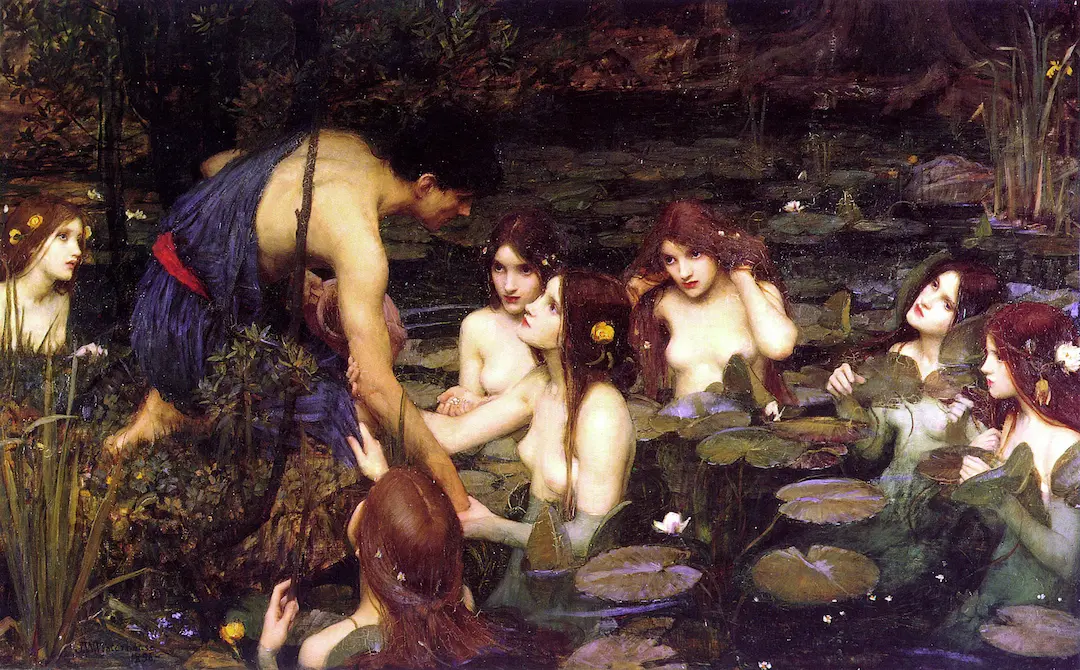
The narrative of "Boreas 1903" is steeped in mythological symbolism, a hallmark of Pre-Raphaelite fine art painting for sale. Waterhouse weaves the tale of Boreas, god of the north wind, into a visual poem of longing and movement. This painting, like "The Lady of Shalott 1888" and "Hylas and the Nymphs 1896," invites viewers to explore layers of meaning, making each encounter with the work a unique and personal journey.
Owning a reproduction of "Boreas 1903" means embracing a piece of Pre-Raphaelite history through a hand-painted oil painting. Collectors seeking fine art painting for sale will find Waterhouse’s iconic works, including "A Mermaid 1900" and "The Soul of the Rose 1908," to be exquisite additions to any collection. Each piece not only enhances any space but also connects the owner to the enduring legacy of John William Waterhouse and his celebrated artistic movement.
When Art Meets History
"Boreas 1903" by John William Waterhouse is a celebrated example of the Pre-Raphaelites movement. This hand-painted oil painting captures a fleeting moment, inspired by myth and nature, that was typical of Waterhouse’s era. Like his related work "Midsummer Eve," "Boreas 1903" blends historical romanticism with vivid storytelling. Waterhouse’s dedication to historical accuracy and poetic narratives places this masterpiece among the most cherished works of the early 20th century.
Techniques That Speak
John William Waterhouse’s use of oil on canvas in "Boreas 1903" demonstrates the technical mastery characteristic of the Pre-Raphaelites. His meticulous brushwork and layered textures bring the windswept scene to life, echoing the same detail seen in "Midsummer Eve." The delicate interplay of light and color in this painting showcases Waterhouse’s unique approach to the medium, making "Boreas 1903" a standout example of oil on canvas technique in fine art.
Emotions on Display
In "Boreas 1903," Waterhouse skillfully conveys emotion through the figure’s windswept pose and expressive gaze, hallmarks of the Pre-Raphaelites movement. The painting’s ethereal atmosphere invites viewers to feel the chill and drama of the moment. Waterhouse’s ability to evoke such feeling is also evident in "Midsummer Eve." This fine art painting for sale continues to captivate audiences with its haunting beauty and emotional depth.
Coveted by Collectors
"Boreas 1903" remains highly sought after by collectors who appreciate Pre-Raphaelites art. Its status as a hand-painted oil painting by John William Waterhouse adds to its allure, much like his other celebrated works such as "Midsummer Eve." The painting’s rarity, historical significance, and technical brilliance make it a prized possession for those seeking a fine art painting for sale that embodies the spirit and elegance of the era.
Related Pre-Raphaelites Hand-Painted Oil Paintings by Other Artists
Other Famous Pre-Raphaelites Artists:
Frequently Asked Questions About Boreas 1903
What is the historical context of "Boreas 1903"?
"Boreas 1903" was created during the Edwardian era, a time characterized by a fascination with classical mythology and the natural world. This period saw a resurgence of interest in the Pre-Raphaelite movement, which influenced Waterhouse's style and thematic choices.
Who is the subject of "Boreas" in the painting?
The painting depicts Boreas, the Greek god of the North Wind, who is often associated with the harshness of winter and the power of nature. Waterhouse captures his ethereal presence and the dynamic movement of the wind in the artwork.
What artistic techniques did Waterhouse employ in "Boreas 1903"?
Waterhouse utilized a blend of oil painting techniques, including layering and glazing, to achieve depth and luminosity. His attention to detail in the depiction of fabric and natural elements showcases his mastery of texture and form.
What symbolism is present in "Boreas 1903"?
The painting symbolizes the duality of nature—its beauty and its ferocity. Boreas represents the uncontrollable forces of the natural world, while the figures in the painting embody the human experience of being subject to these forces.
How does "Boreas 1903" reflect Waterhouse's artistic style?
Waterhouse's style is characterized by romanticism and a focus on mythological themes. In "Boreas 1903," he combines these elements with a vivid color palette and dramatic compositions, which are hallmarks of his work.
What influences can be seen in "Boreas 1903"?
The painting shows influences from the Pre-Raphaelite Brotherhood, particularly in its attention to detail and the portrayal of nature. Additionally, Waterhouse's interest in classical mythology plays a significant role in shaping the narrative of the artwork.
What is the significance of the color palette used in "Boreas 1903"?
The color palette features cool blues and whites to evoke the chill of winter, contrasted with warmer tones to highlight the figures. This contrast enhances the emotional impact of the painting, emphasizing the tension between the divine and the mortal.
How does "Boreas 1903" compare to Waterhouse's other works?
Compared to Waterhouse's other works, "Boreas 1903" stands out for its dynamic composition and the portrayal of movement. While many of his paintings focus on female figures, this piece uniquely centers on a male figure, showcasing Waterhouse's versatility as an artist.
What themes are explored in "Boreas 1903"?
The painting explores themes of nature's power, the interplay between humanity and the environment, and the mythological representation of natural forces. It invites viewers to reflect on their relationship with the natural world.
Where can "Boreas 1903" be viewed today?
"Boreas 1903" is part of a private collection and is occasionally exhibited in art galleries that focus on the works of John William Waterhouse and the Pre-Raphaelite movement. Check local exhibition schedules for viewing opportunities.






















_GFM_Painting_(1).webp)


 100% Hand-Painted: Finished in 3-6 Weeks

.png)















_(1).webp)