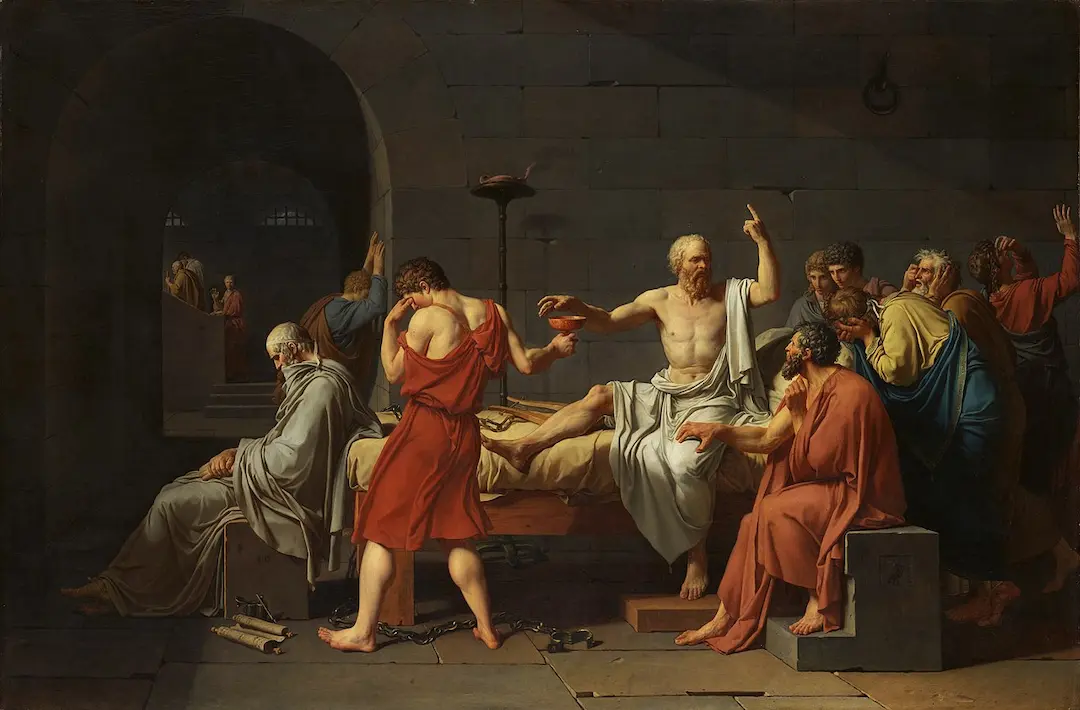
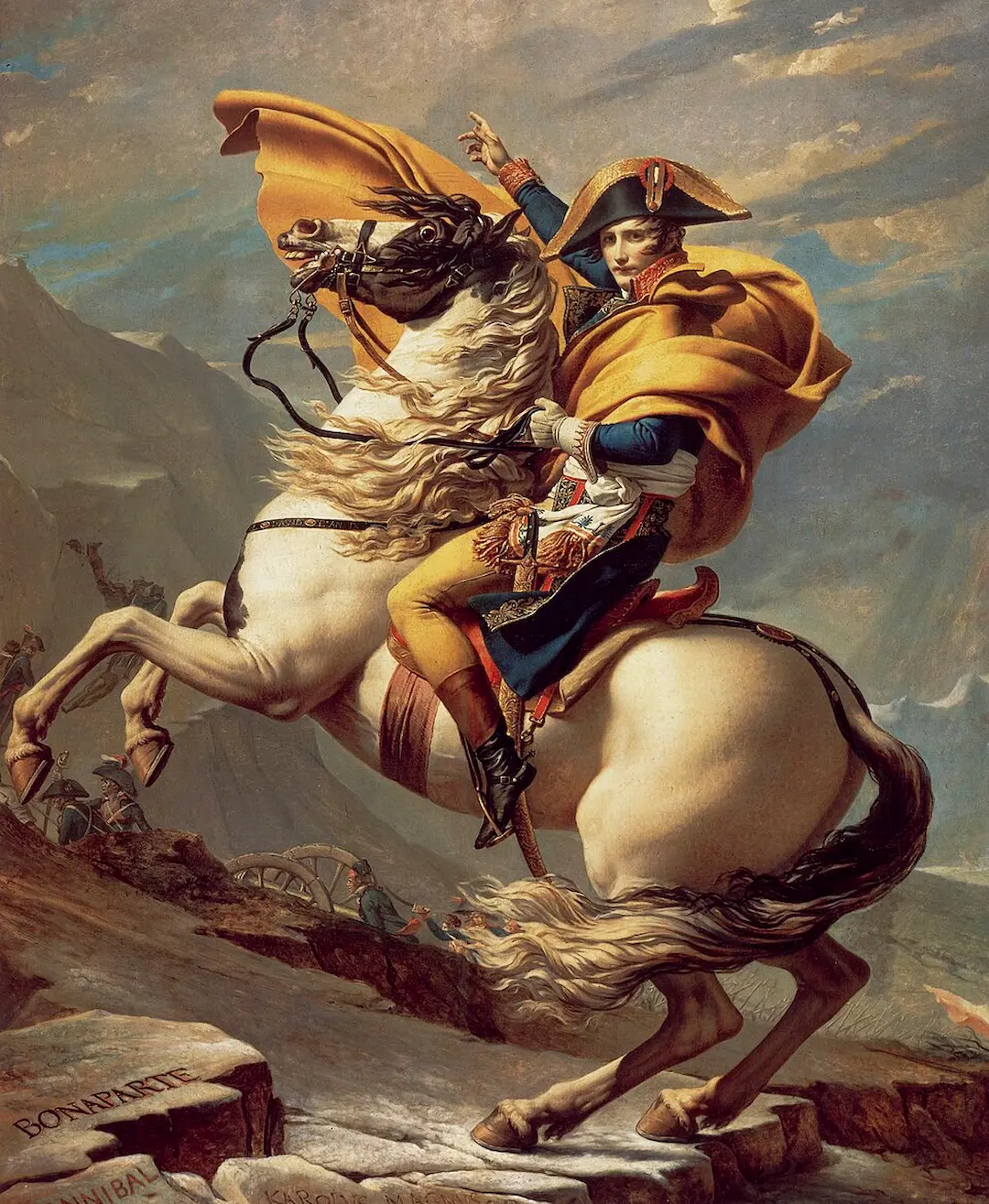
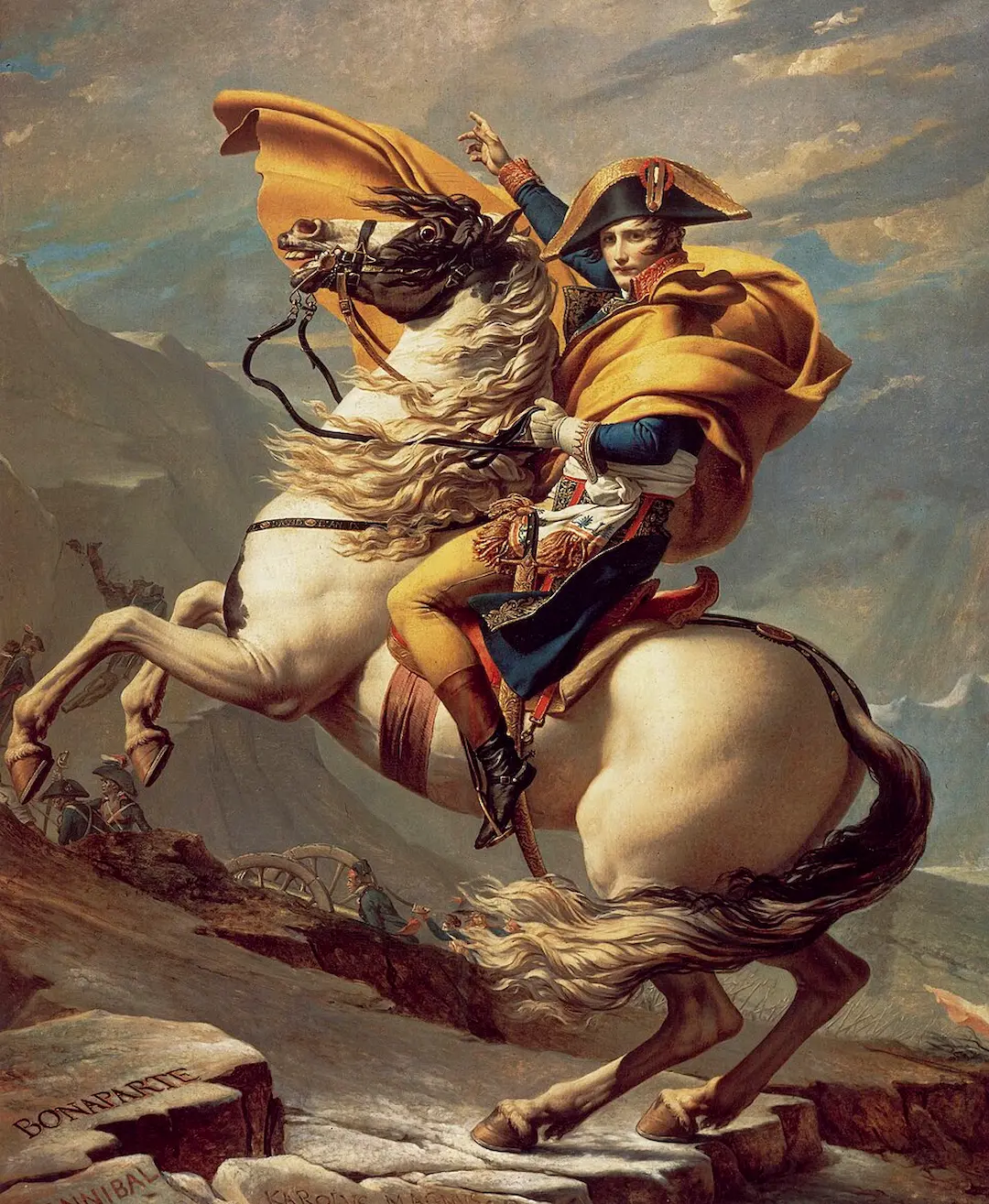
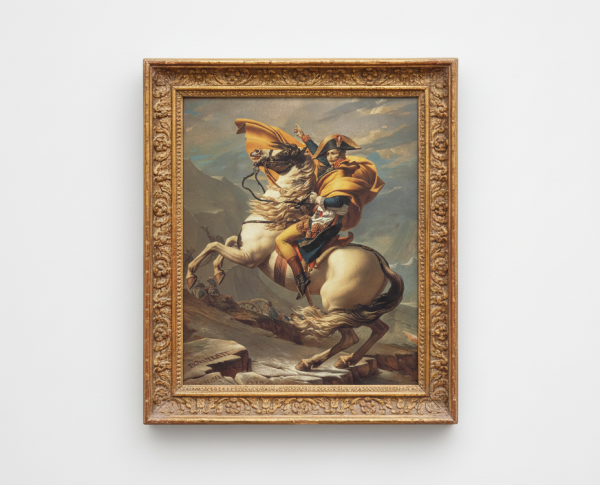
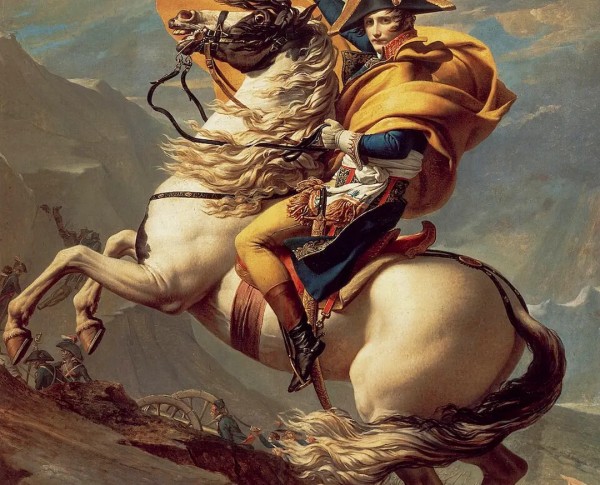
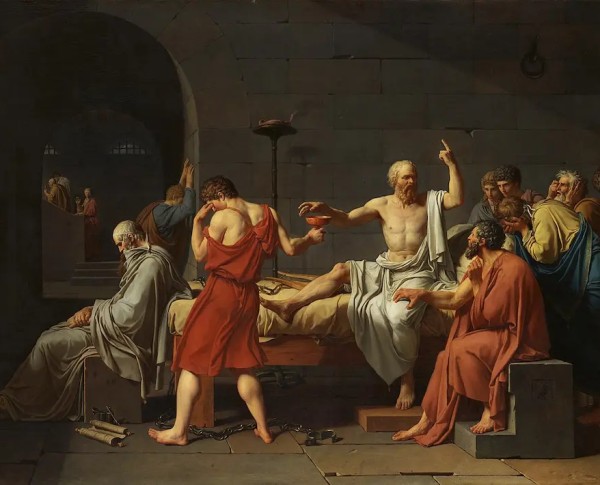
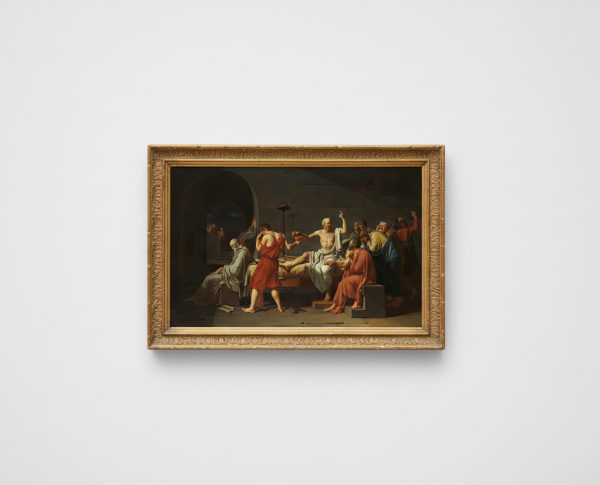
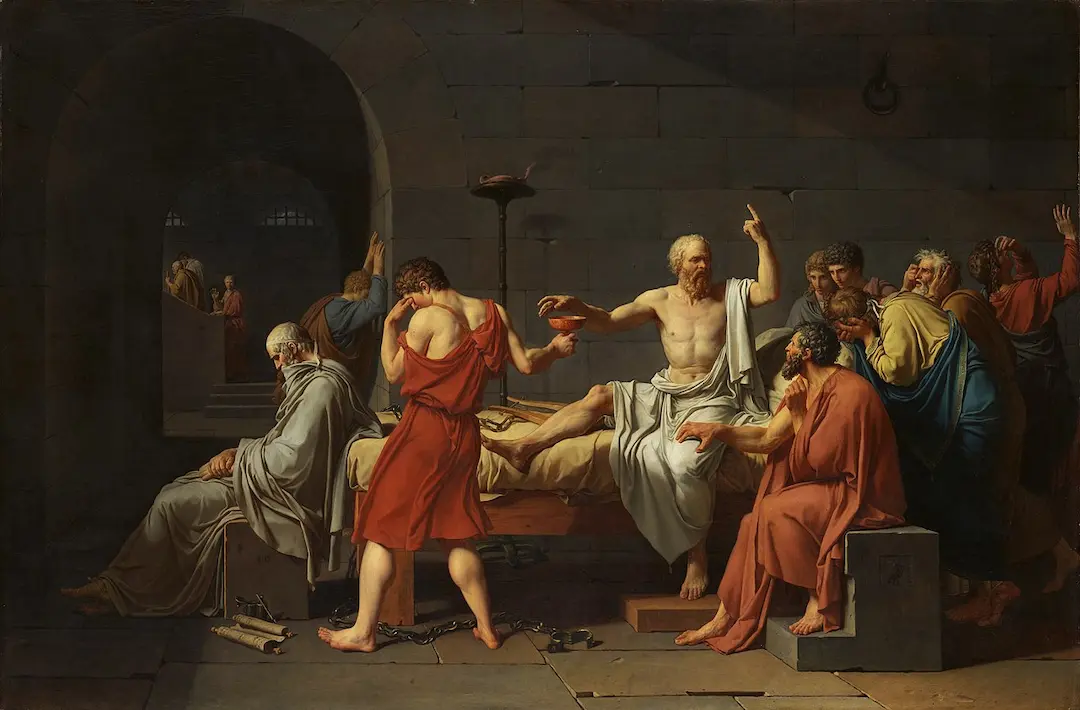
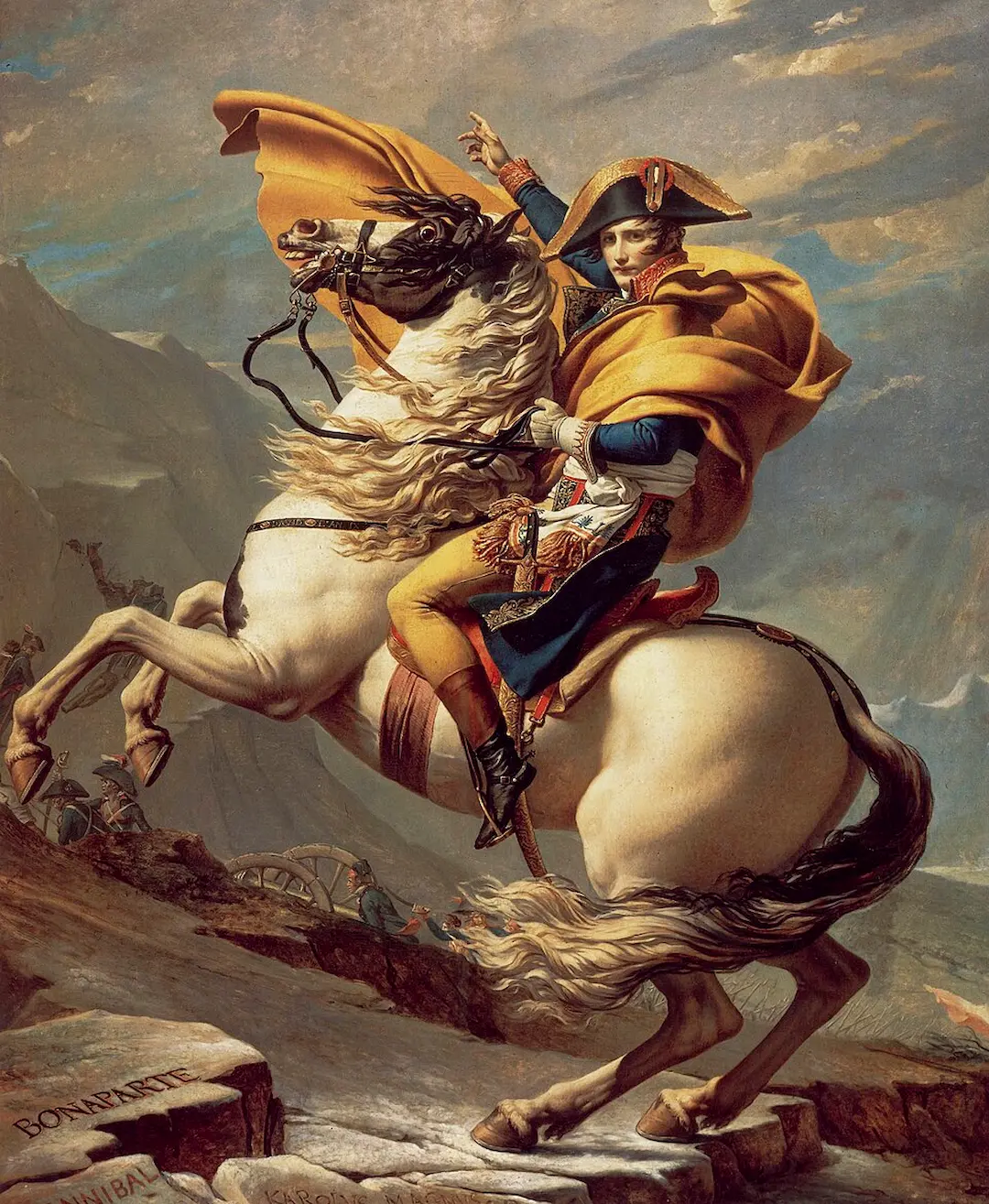
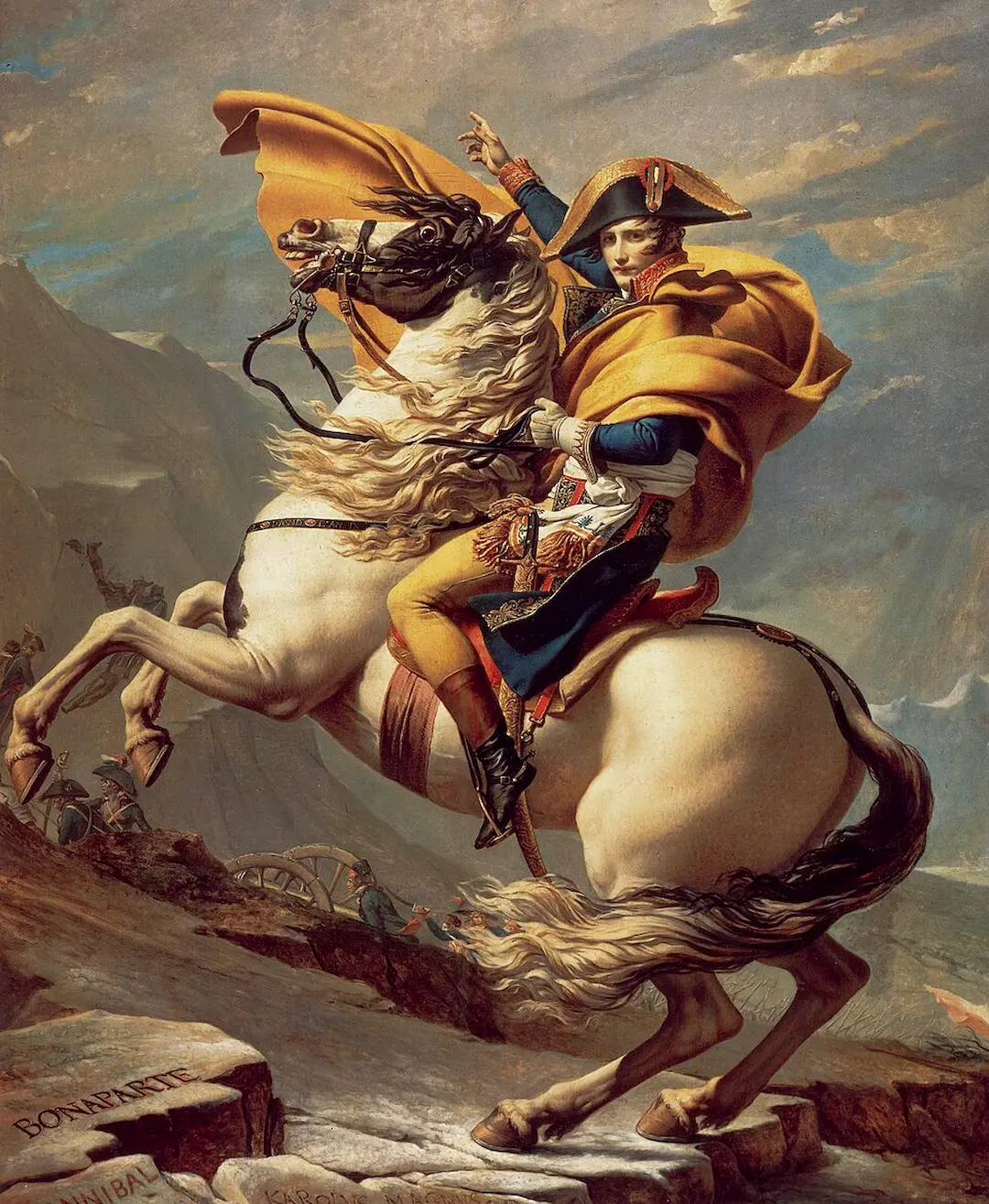
Jacques Louis David’s meticulous attention to detail is evident in every aspect of "The Death of Socrates". The artist masterfully uses oil on canvas to highlight the tension and drama of Socrates’ final discourse, capturing the essence of Neoclassical Academic Realism. This technique is also showcased in David’s other masterpieces, such as "Napoleon Crossing the Alps", making each piece a testament to his unparalleled skill and vision as a leading figure of his era.
Rich with philosophical meaning, "The Death of Socrates" by Jacques Louis David is a fine art painting for sale that resonates with symbolism. Socrates’ poised hand and the attentive disciples reflect themes of reason, virtue, and sacrifice central to Neoclassical Academic Realism. Collectors often seek related works like "Bonaparte, Calm on a Fiery Steed" for their historical significance and thought-provoking narratives, making David’s paintings enduring cultural treasures.
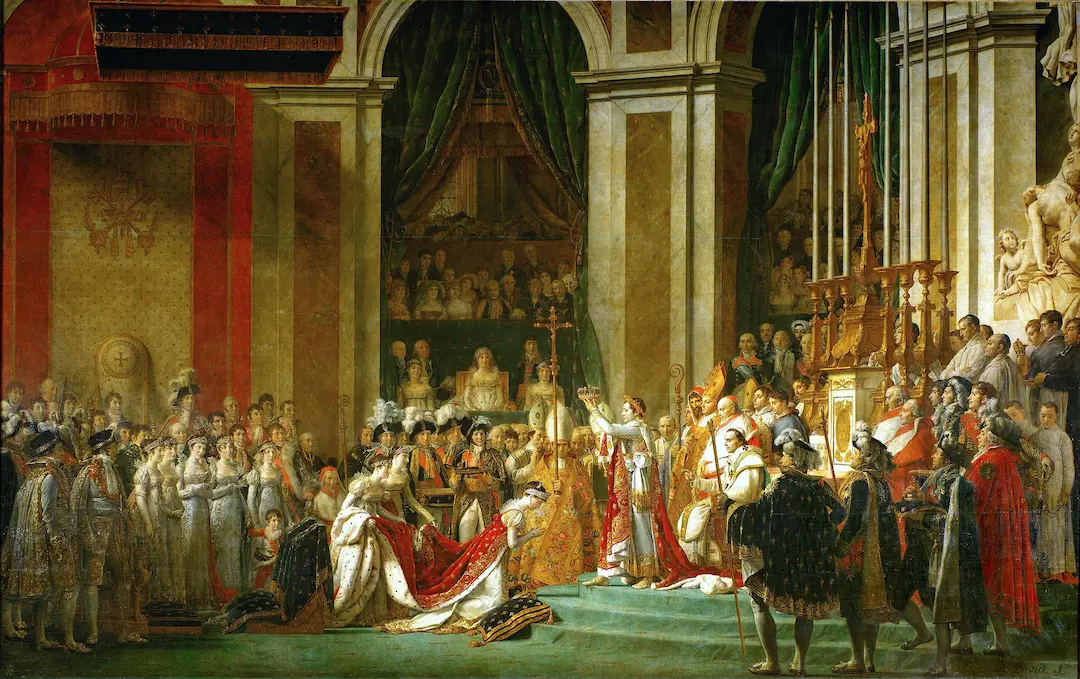
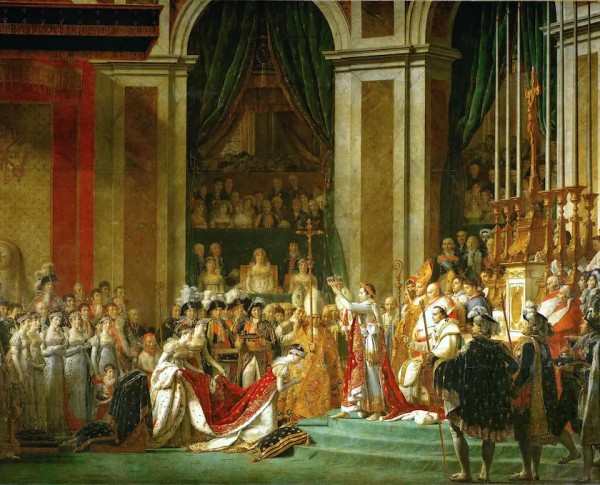
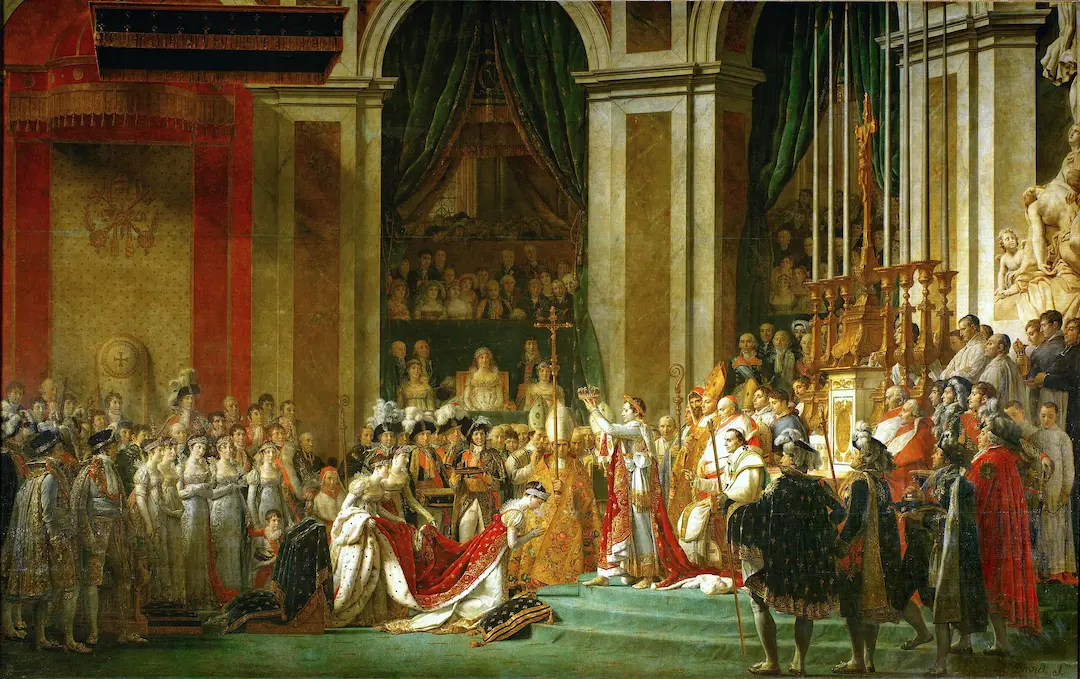
For those seeking a hand-painted oil painting that embodies both historical gravitas and artistic mastery, "The Death of Socrates" by Jacques Louis David is an exceptional choice. This oil on canvas masterpiece is highly valued among collectors of Neoclassical Academic Realism. Owning such a work, or related products like "Consecration of the Emperor Napoleon I and Coronation of the Empress Josephine 1805-07", brings timeless elegance and intellectual depth to any fine art collection.
When Art Meets History
Jacques Louis David’s masterpiece, "The Death of Socrates," stands as a hallmark of the Neoclassical Academic Realism movement. This hand-painted oil painting captures the final moments of the ancient philosopher, dramatizing a pivotal event in Western history. David’s work, alongside related paintings like "Idleness II," bridges the gap between art and historical narrative, making it a sought-after piece for collectors and those who appreciate the profound impact of visual storytelling.
Techniques That Speak
In "The Death of Socrates," Jacques Louis David employs meticulous techniques characteristic of oil on canvas works. His mastery in rendering lifelike figures and controlled lighting exemplifies the refined approach of Neoclassical Academic Realism. The painting’s clear lines, balanced composition, and precise anatomical detail echo the ideals of classical antiquity, making this oil on canvas a prime example of the movement’s dedication to technique and intellectual rigor in fine art.
Emotions on Display
David’s "The Death of Socrates" is renowned for its emotional intensity, as the figures’ expressions and gestures evoke themes of sacrifice, loyalty, and philosophical conviction. This fine art painting for sale draws viewers into the dramatic tension of Socrates’ final moments, inviting contemplation of life and morality. Similar to his related works like "Idleness II," David’s ability to convey complex emotions is a defining feature of his artistic legacy within Neoclassical Academic Realism.
Coveted by Collectors
"The Death of Socrates" by Jacques Louis David remains highly coveted by collectors and enthusiasts of Neoclassical Academic Realism. As a hand-painted oil painting, it exemplifies the enduring appeal of classical themes and masterful technique. Works like this and related paintings such as "Idleness II" are prized for their historical significance and aesthetic excellence, making them exceptional additions to any collection of fine art painting for sale.
Related Neoclassical Academic Realism Hand-Painted Oil Paintings by Other Artists
Other Famous Neoclassical Academic Realism Artists:
Frequently Asked Questions About The Death of Socrates
What historical event does "The Death of Socrates" depict?
This painting illustrates the moment of Socrates' execution, as he chooses to die rather than renounce his philosophical beliefs, a pivotal event in the history of Western philosophy.
Who was Jacques Louis David and what is his significance in art history?
Jacques Louis David was a prominent French painter and a leading figure of the Neoclassical movement, known for his dramatic compositions and emphasis on moral themes, which greatly influenced the art of the late 18th and early 19th centuries.
What artistic techniques did David employ in this painting?
David utilized strong contrasts of light and shadow, a technique known as chiaroscuro, along with a carefully constructed composition that guides the viewer's eye towards Socrates, emphasizing his stoic demeanor.
What is the significance of the figures surrounding Socrates in the painting?
The figures surrounding Socrates represent his disciples and followers, each displaying varying degrees of emotion, which highlights the impact of Socrates' decision on those who revered him.
How does the color palette contribute to the painting's overall message?
The muted color palette, dominated by earth tones, enhances the somber mood of the scene, reflecting the gravity of Socrates' impending death and the philosophical themes of sacrifice and virtue.
What role does symbolism play in "The Death of Socrates"?
Symbolism is prevalent throughout the painting; for instance, the cup of poison represents the choice between life and death, while Socrates’ outstretched hand symbolizes his unwavering commitment to his principles.
In what ways does this painting reflect the ideals of the Neoclassical movement?
The painting embodies Neoclassical ideals through its emphasis on rationality, moral virtue, and the importance of civic duty, all of which are central themes in the depiction of Socrates' final moments.
What was the public's reaction to "The Death of Socrates" when it was first exhibited?
Upon its debut in 1787, the painting was met with acclaim for its emotional depth and technical mastery, resonating with contemporary audiences who were inspired by Enlightenment ideals and the valorization of reason.
How does "The Death of Socrates" compare to other works by Jacques Louis David?
Compared to other works by David, such as "The Oath of the Horatii," "The Death of Socrates" shares a similar focus on heroic sacrifice and moral dilemmas, yet it uniquely emphasizes the philosophical over the martial themes.
What impact has "The Death of Socrates" had on modern interpretations of art and philosophy?
This painting has influenced both art and philosophical discourse by prompting discussions on ethics, the nature of sacrifice, and the role of the individual in society, making it a timeless piece that continues to inspire reflection.






















_GFM_Painting_(1).webp)


 100% Hand-Painted: Finished in 3-6 Weeks

.png)















_(1).webp)