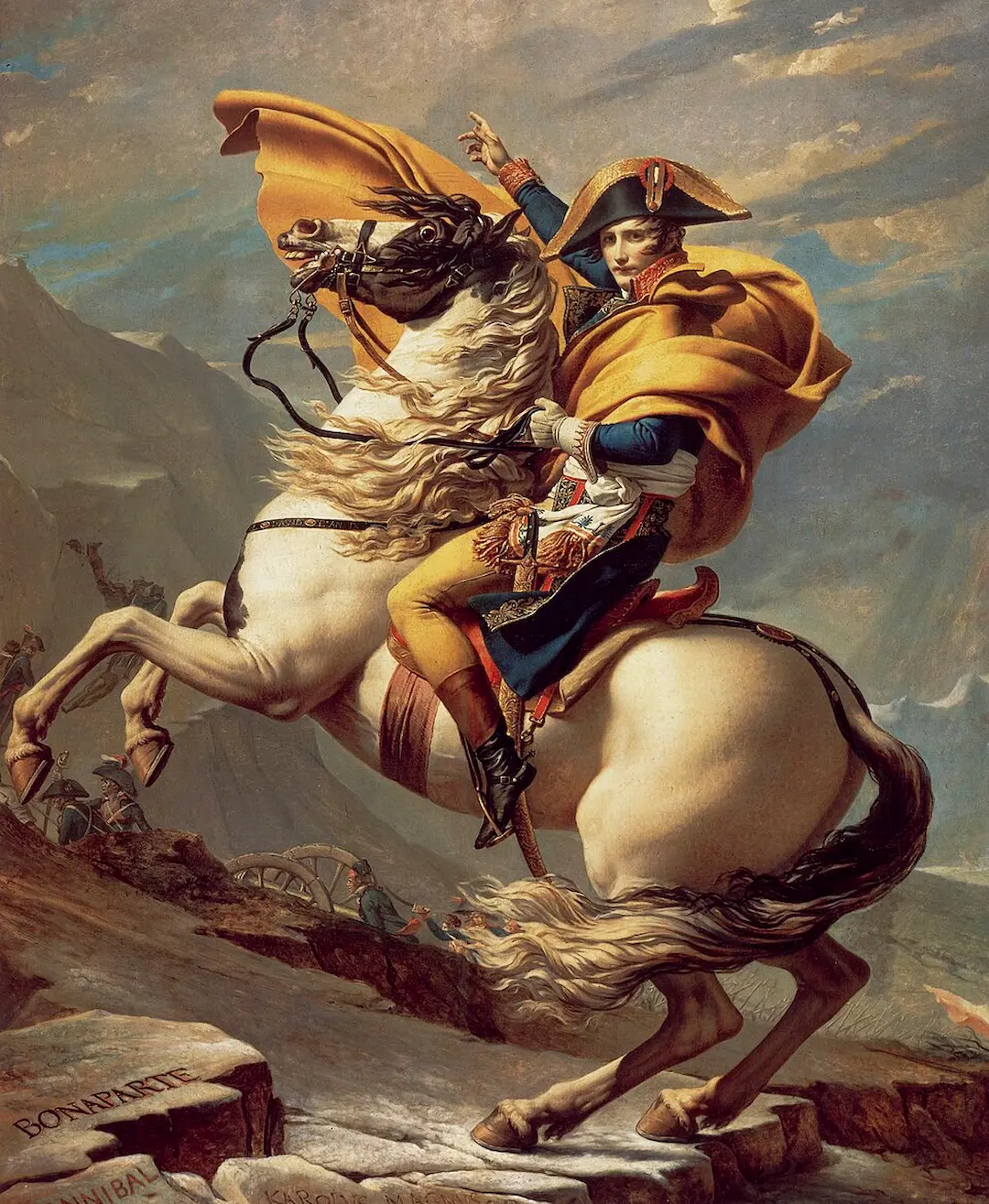
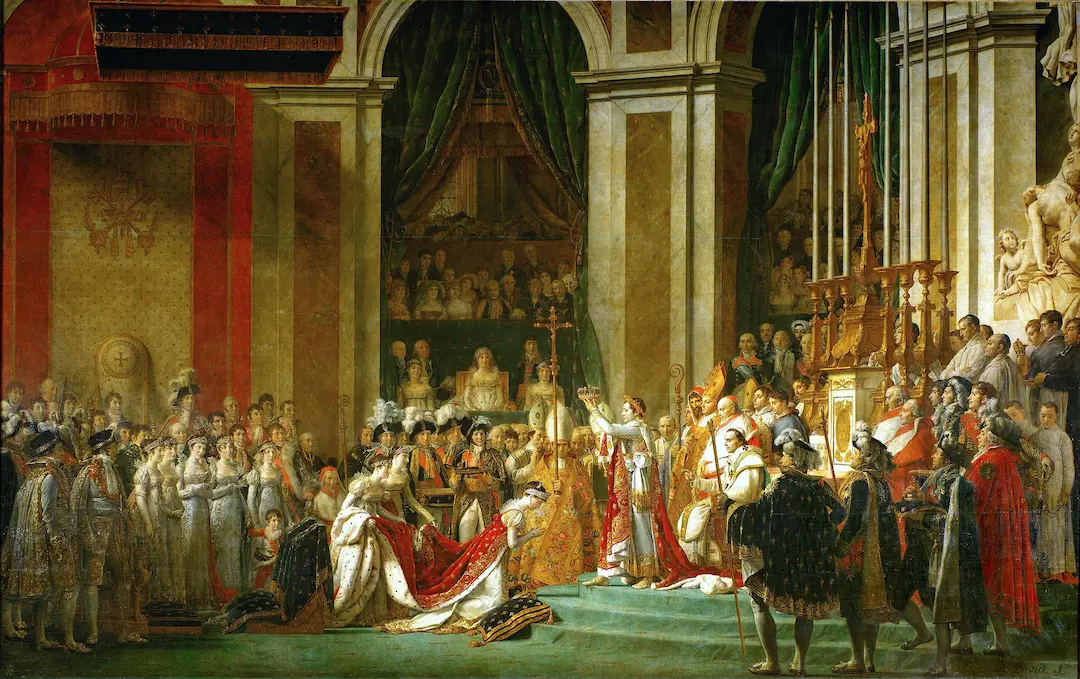
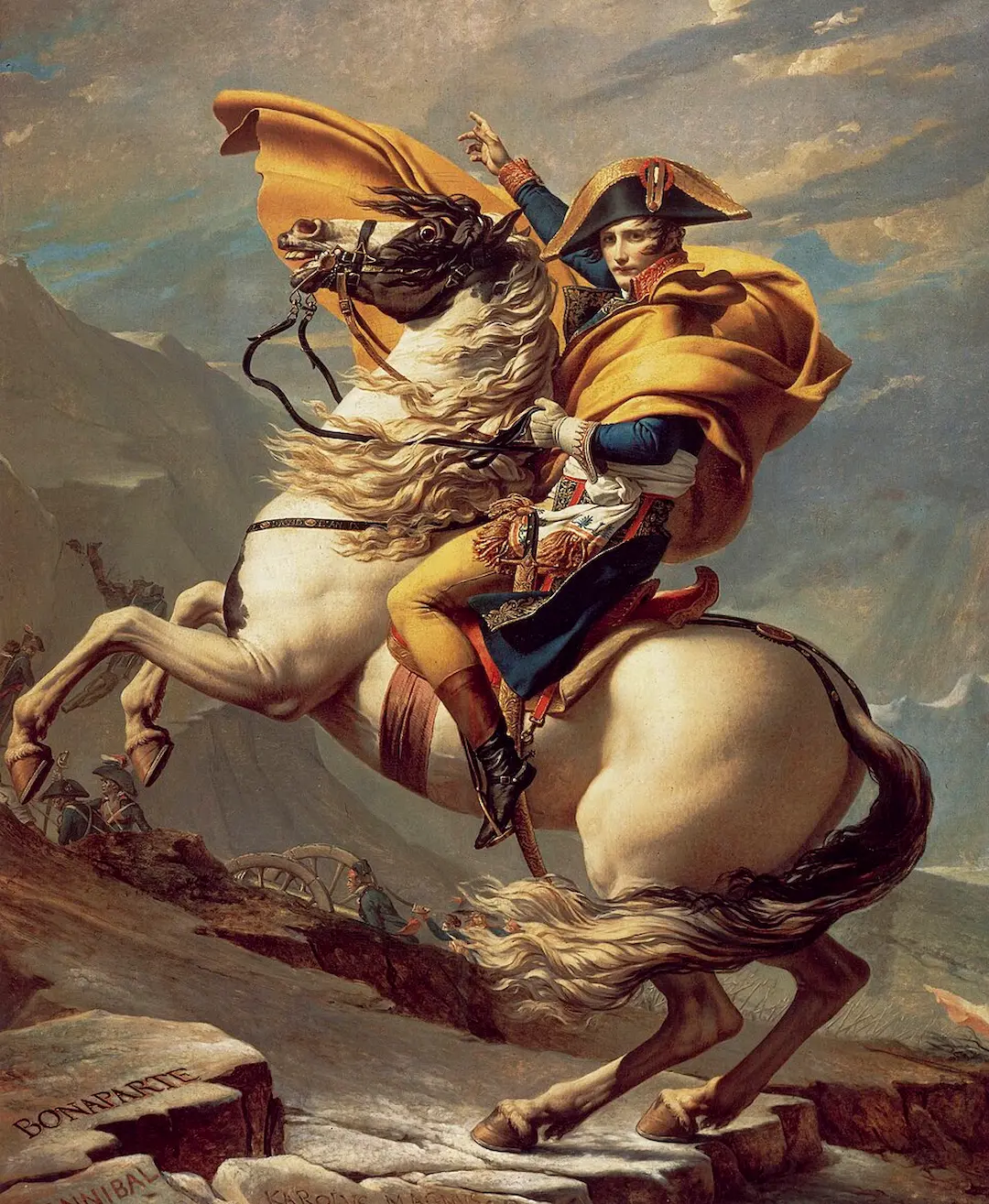
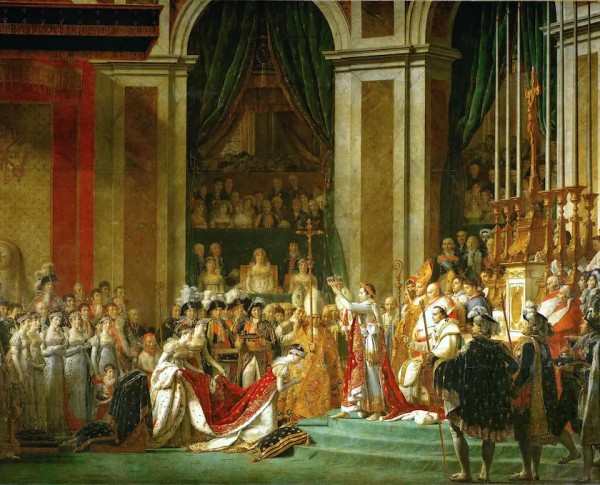
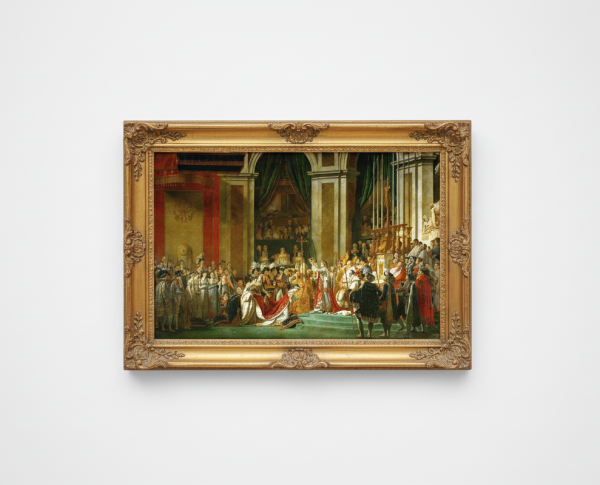
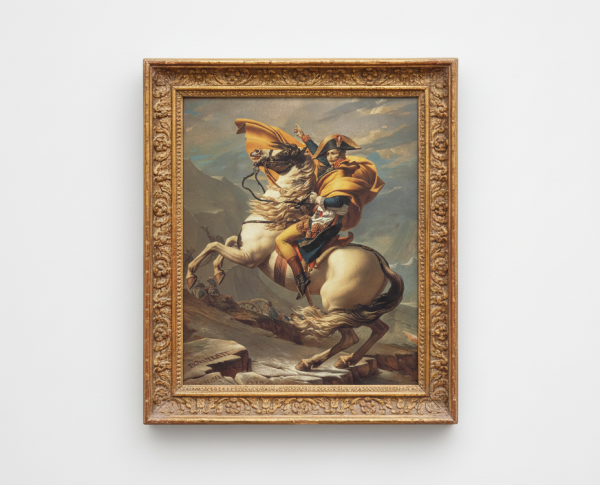
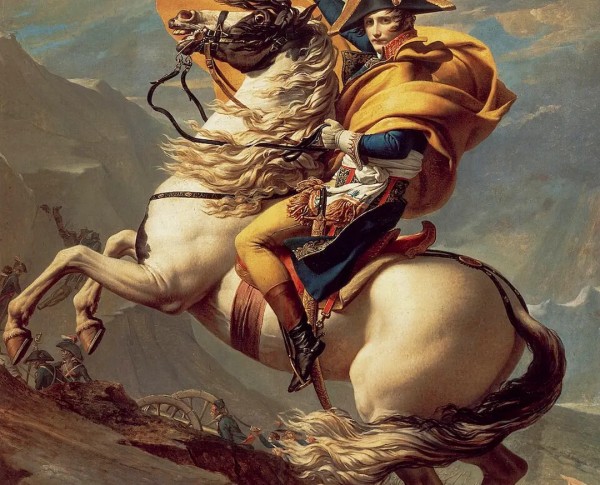
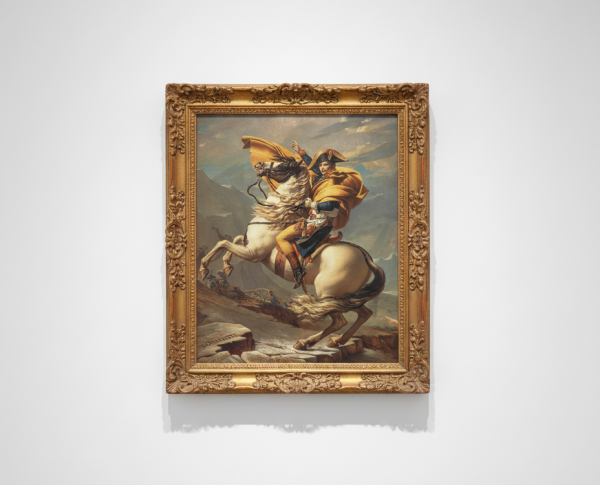
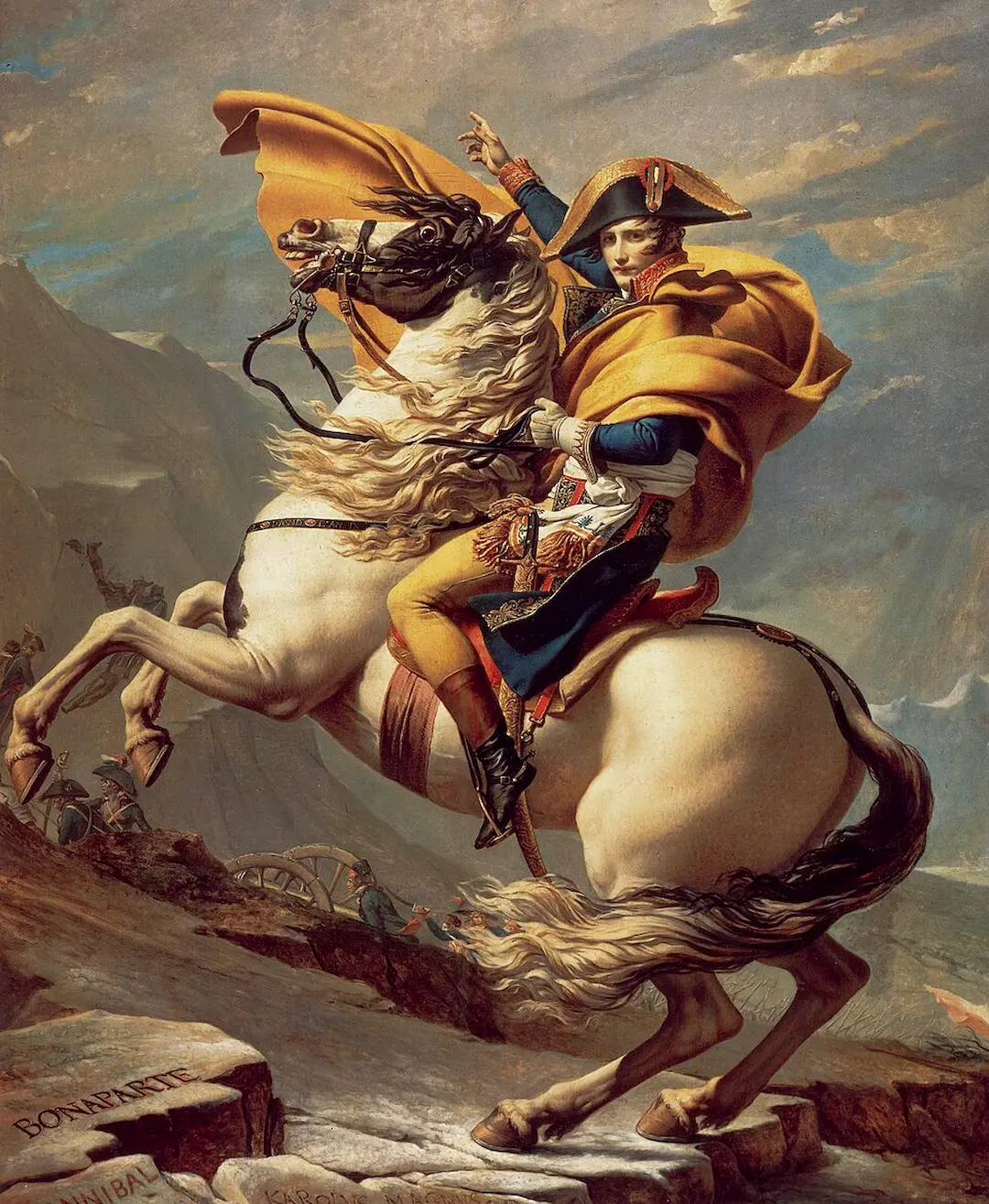
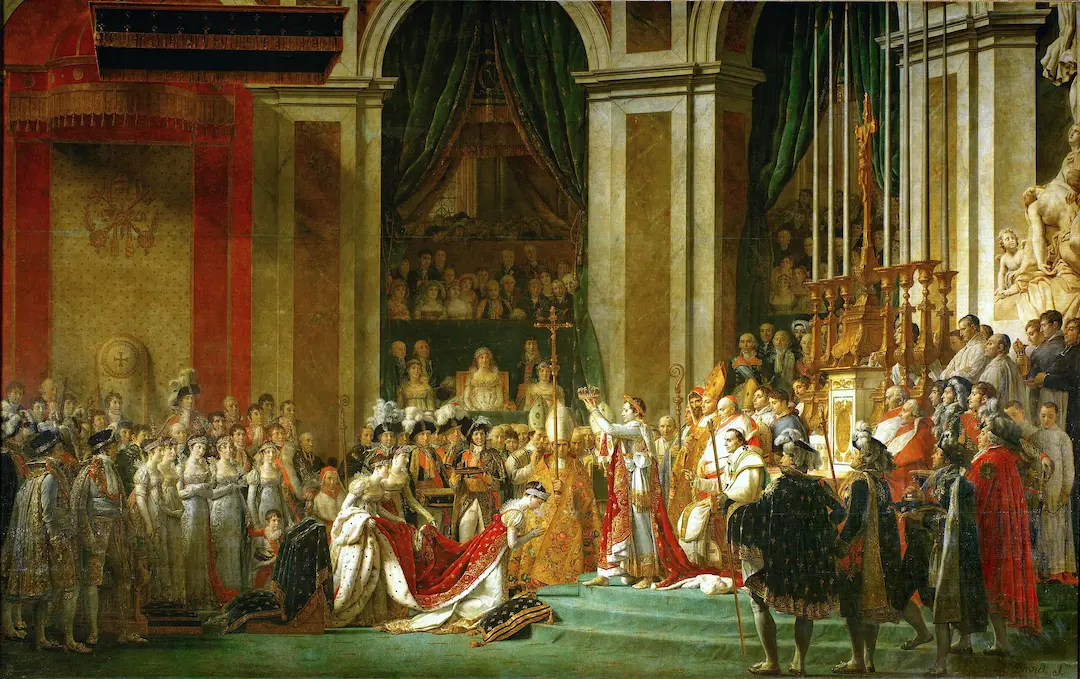
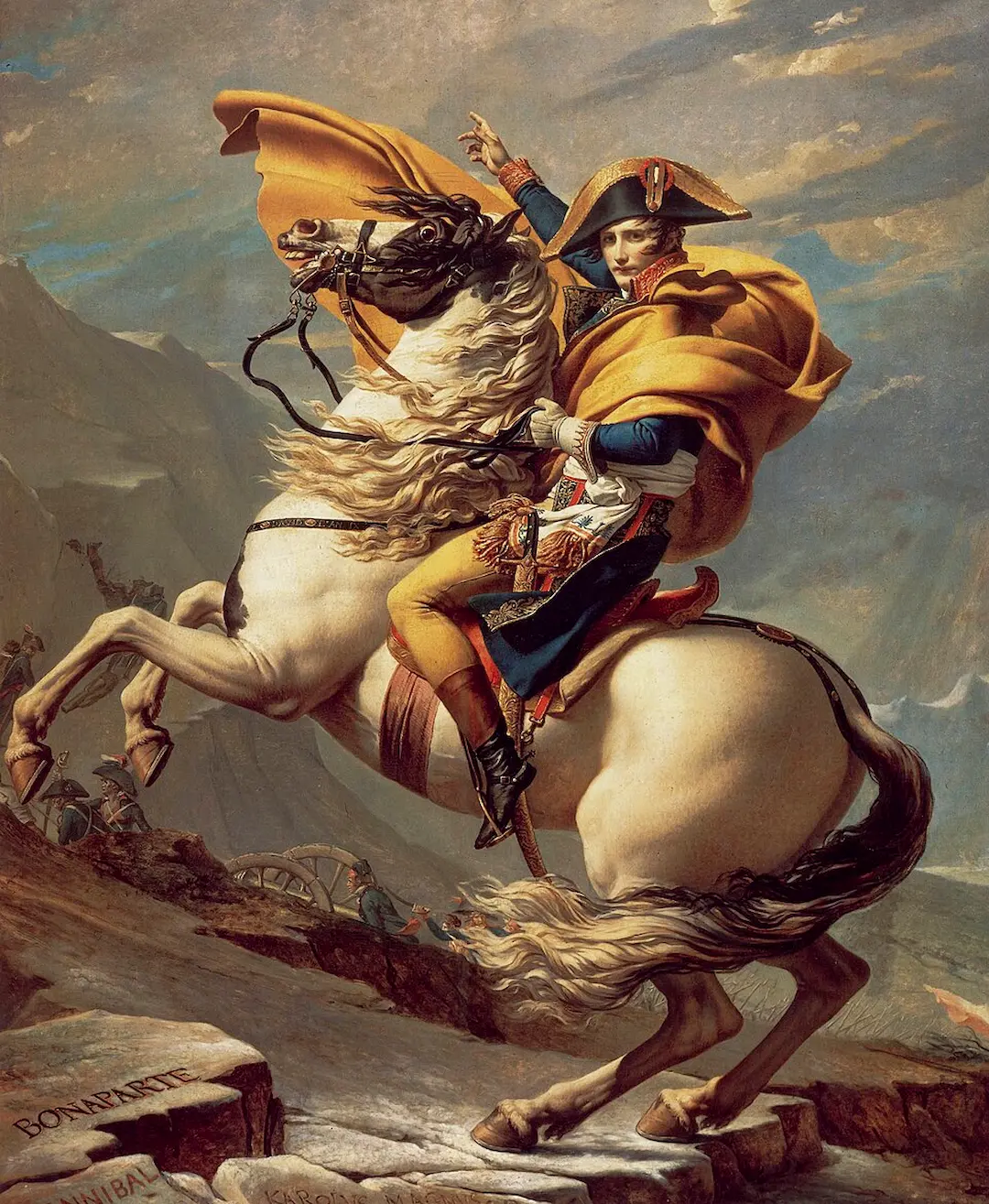
David’s meticulous technique in this oil on canvas work reveals his unparalleled skill in rendering texture, light, and movement. The Neoclassical Academic Realism style shines through the detailed depiction of Napoleon and his steed, as well as the dramatic Alpine backdrop. Each brushstroke in this hand-painted oil painting demonstrates the artist’s dedication to historical accuracy and emotional resonance, akin to his other masterpieces such as "Consecration of the Emperor Napoleon I and Coronation of the Empress Josephine 1805-07."
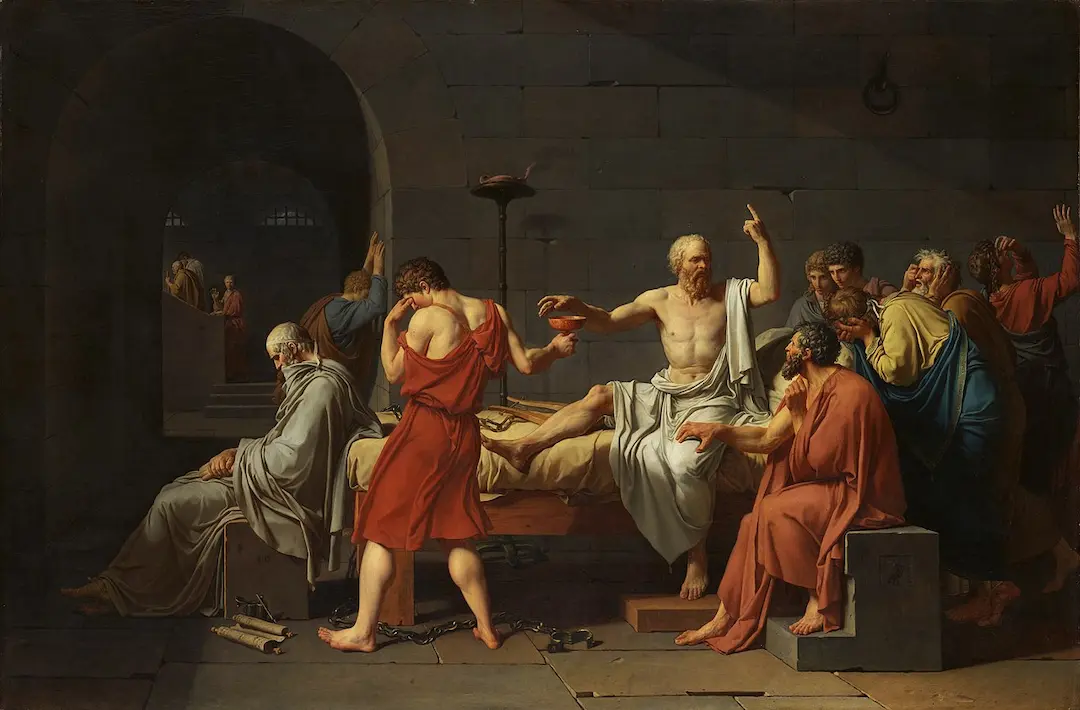
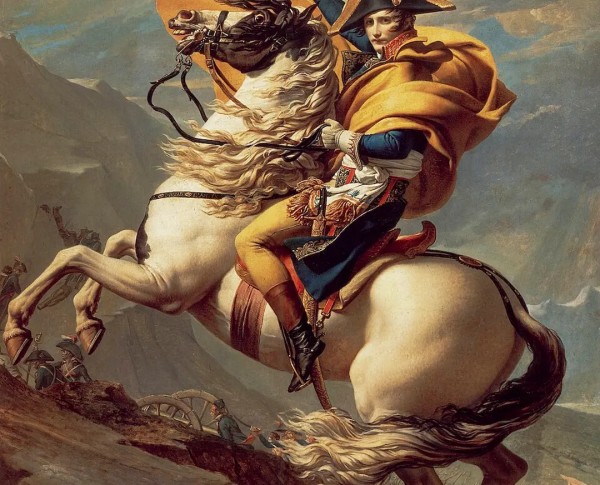
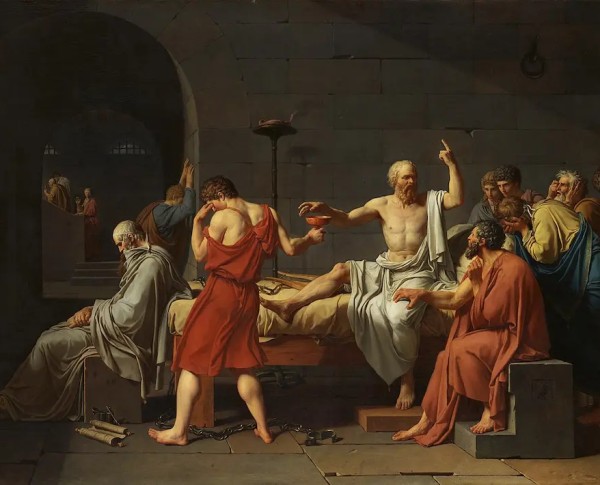
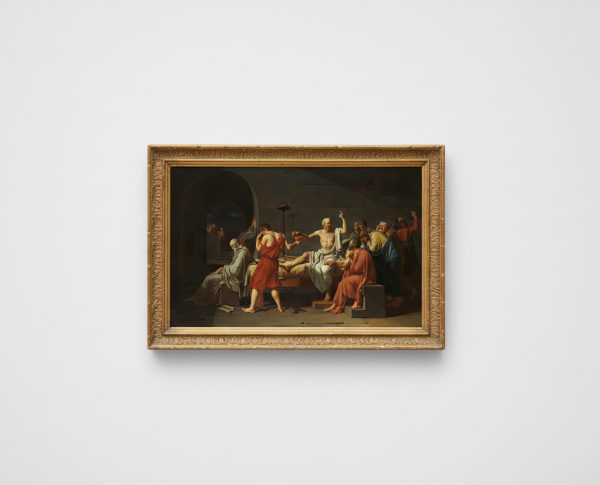
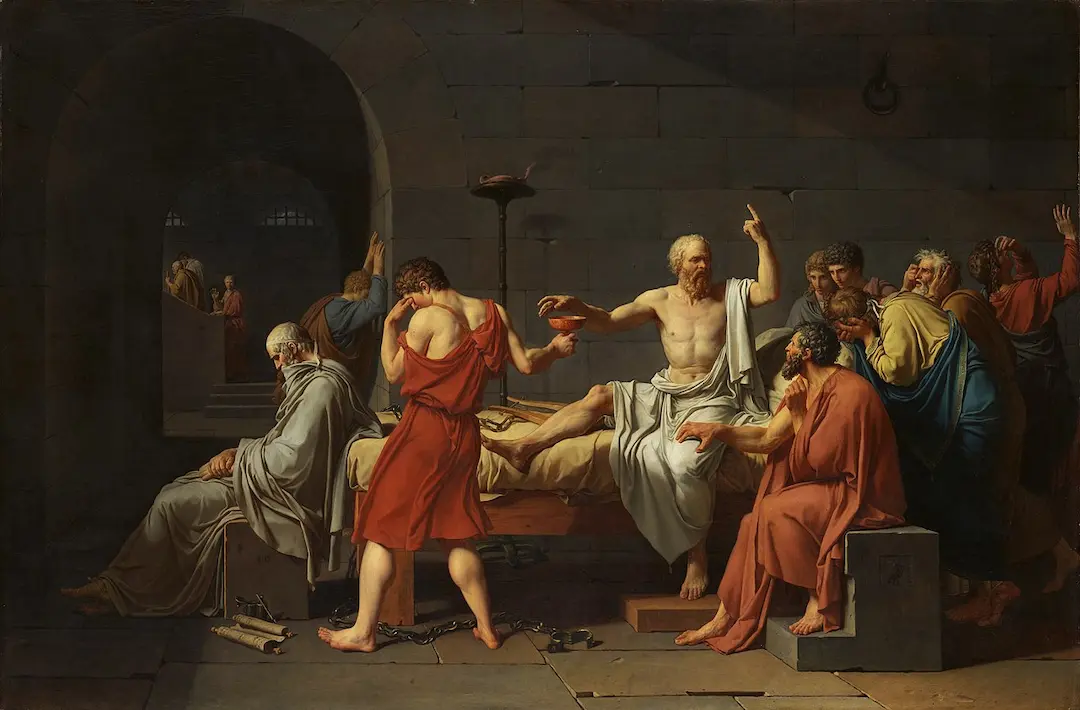
The painting is rich with symbolism, from the resolute gaze of Bonaparte to the tempestuous landscape he traverses. Jacques Louis David’s oil on canvas portrayal not only documents a historic event but also embodies the ideals of leadership and heroism central to Neoclassical Academic Realism. Collectors drawn to works like "Napoleon Crossing the Alps" and "The Death of Socrates" will appreciate the layered narrative within this fine art painting for sale.
Owning "Bonaparte, Calm on a Fiery Steed, Crossing the Alps 1801" is an opportunity to acquire a piece of art history. This hand-painted oil painting by Jacques Louis David offers exceptional value to any collection, reflecting the enduring influence of the Neoclassical Academic Realism movement. For those seeking related products, works such as "Consecration of the Emperor Napoleon I and Coronation of the Empress Josephine 1805-07" and "Napoleon Crossing the Alps" are equally compelling choices for the discerning collector.
When Art Meets History
"Bonaparte, Calm on a Fiery Steed, Crossing the Alps 1801" by Jacques Louis David is a remarkable hand-painted oil painting that captures a pivotal moment in European history. As a leading figure in the Neoclassical Academic Realism movement, David immortalized Napoleon’s legendary crossing with stunning detail. This masterpiece not only showcases the power of the French leader but also stands alongside related paintings like "Idleness II," reflecting the artist’s dedication to historical narrative in fine art.
Techniques That Speak
David’s oil on canvas technique in "Bonaparte, Calm on a Fiery Steed, Crossing the Alps 1801" demonstrates his mastery of Neoclassical Academic Realism. The artist’s precision in brushwork and use of dramatic lighting create a lifelike and dynamic composition. Similar to his approach in "Idleness II," Jacques Louis David’s attention to detail and classical techniques make this painting a prime example of the movement’s ideals, drawing viewers into the historical scene with vivid realism.
Emotions on Display
This fine art painting for sale radiates the controlled intensity of its subject. Jacques Louis David conveys Bonaparte’s calm determination against the tumultuous backdrop of the Alps, a hallmark of Neoclassical Academic Realism. The emotional tension in "Bonaparte, Calm on a Fiery Steed, Crossing the Alps 1801" echoes the subtle expressions found in related works like "Idleness II," inviting viewers to experience both the heroism and humanity at the heart of this epochal moment.
Coveted by Collectors
Jacques Louis David’s "Bonaparte, Calm on a Fiery Steed, Crossing the Alps 1801" remains a highly sought-after hand-painted oil painting among art collectors. Its significance within the Neoclassical Academic Realism movement, paired with David’s reputation and the enduring popularity of related paintings such as "Idleness II," ensures its place in prestigious collections. The painting’s rich historical context and technical brilliance make it a true treasure for enthusiasts of fine art.
Related Neoclassical Academic Realism Hand-Painted Oil Paintings by Other Artists
Other Famous Neoclassical Academic Realism Artists:
Frequently Asked Questions About Bonaparte, Calm on a Fiery Steed, Crossing the Alps 1801
What historical event does this painting depict?
This painting illustrates Napoleon Bonaparte's crossing of the Alps during the Italian campaign of 1800, a strategic maneuver that contributed to his military success.
Who was the artist, and what is his significance in art history?
Jacques Louis David was a prominent French painter and a leading figure in the Neoclassical movement. His works often reflect the political climate of his time, particularly the rise of Napoleon.
What artistic style is represented in this painting?
The painting exemplifies the Neoclassical style, characterized by its emphasis on classical themes, dramatic compositions, and a focus on heroic subjects.
What is the symbolism of the horse in the painting?
The fiery steed symbolizes power and determination, reflecting Napoleon's ambitious nature and his role as a formidable leader during a tumultuous period in French history.
How does the composition of the painting contribute to its message?
The dynamic composition, with Napoleon positioned prominently against a dramatic landscape, conveys a sense of movement and urgency, reinforcing his role as a decisive and heroic figure.
What role does color play in this artwork?
The use of bold colors, particularly the red of Napoleon's cloak, serves to draw attention to him as the focal point, while the contrasting cool tones of the landscape enhance the dramatic effect.
How does this painting reflect the ideals of the Enlightenment?
The painting embodies Enlightenment ideals by portraying Napoleon as a rational and heroic leader, emphasizing reason, progress, and the potential for individual greatness in the face of adversity.
What was the public's reaction to this painting when it was first unveiled?
Upon its unveiling, the painting was met with admiration for its grandeur and technical skill, further solidifying Napoleon's image as a heroic figure in the eyes of the public and art critics alike.
In what ways does this painting serve as propaganda?
The painting serves as propaganda by idealizing Napoleon, portraying him as a larger-than-life figure who embodies strength and leadership, thereby reinforcing his authority and legitimacy as ruler.
What influence did this painting have on future artworks?
This painting influenced future artists by establishing a template for portraying leaders in a heroic light, inspiring subsequent works that sought to capture the essence of power and authority through grand imagery.






















_GFM_Painting_(1).webp)


 100% Hand-Painted: Finished in 3-6 Weeks

.png)















_(1).webp)