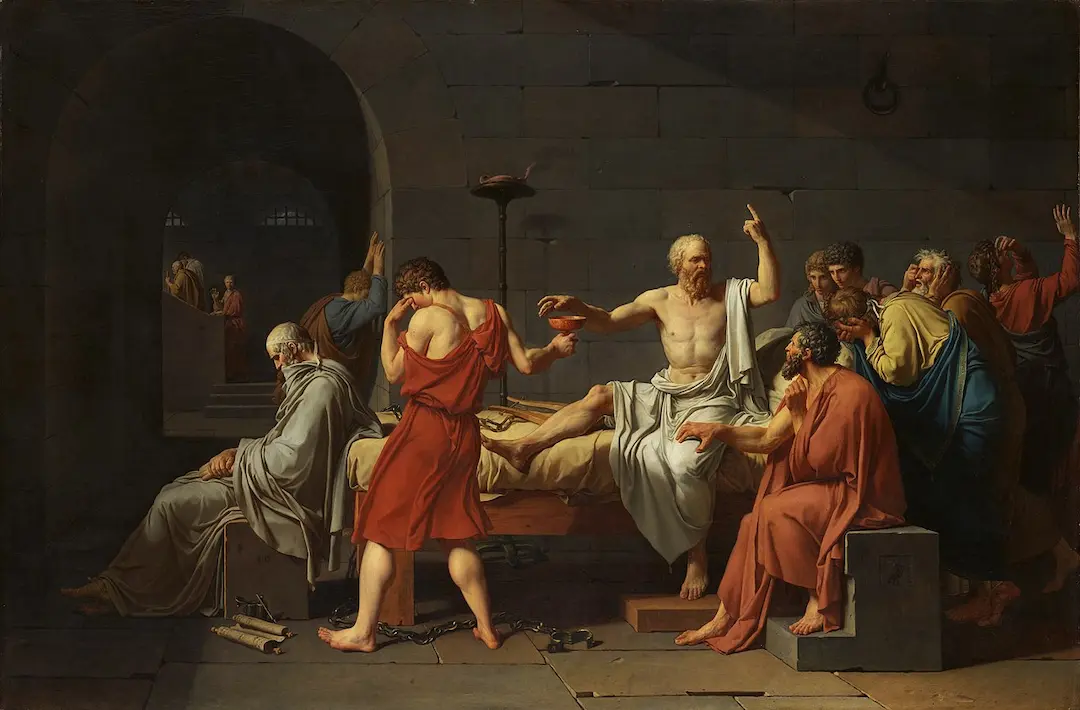
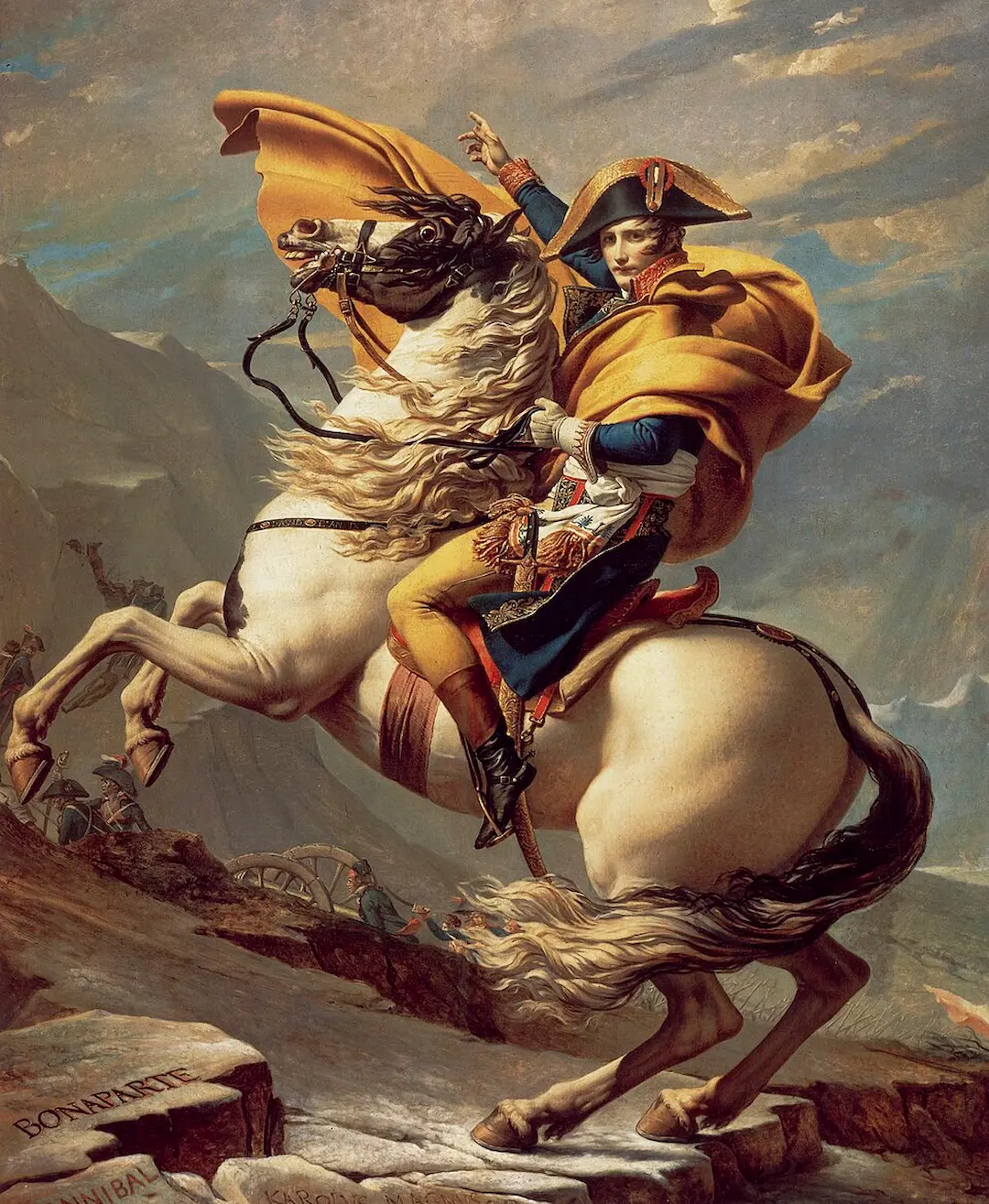
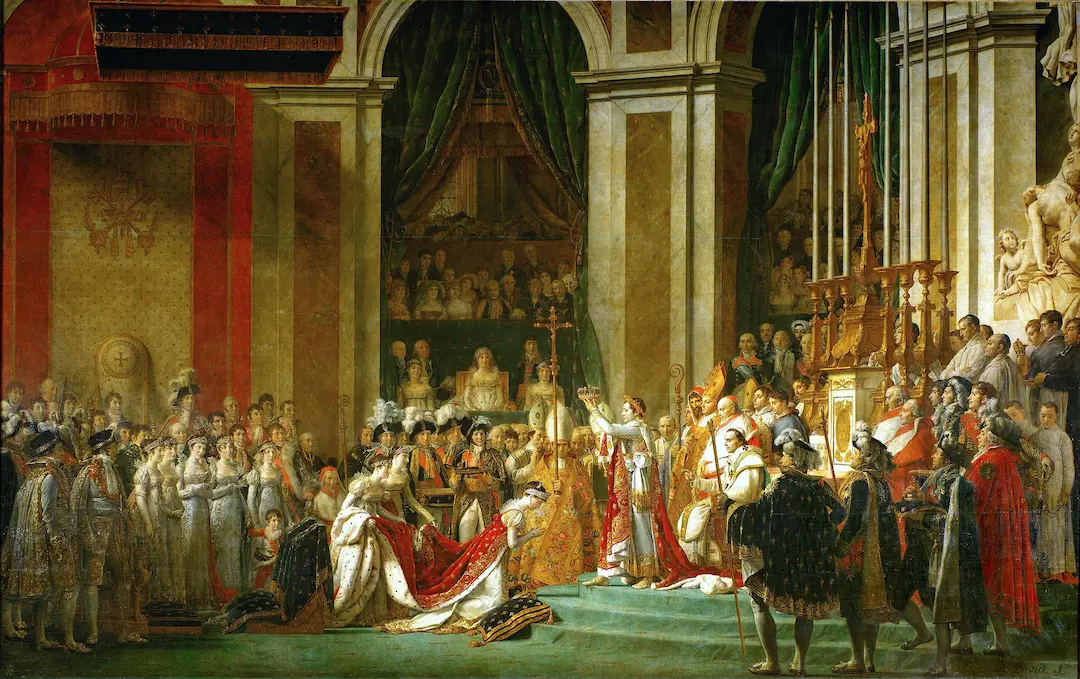
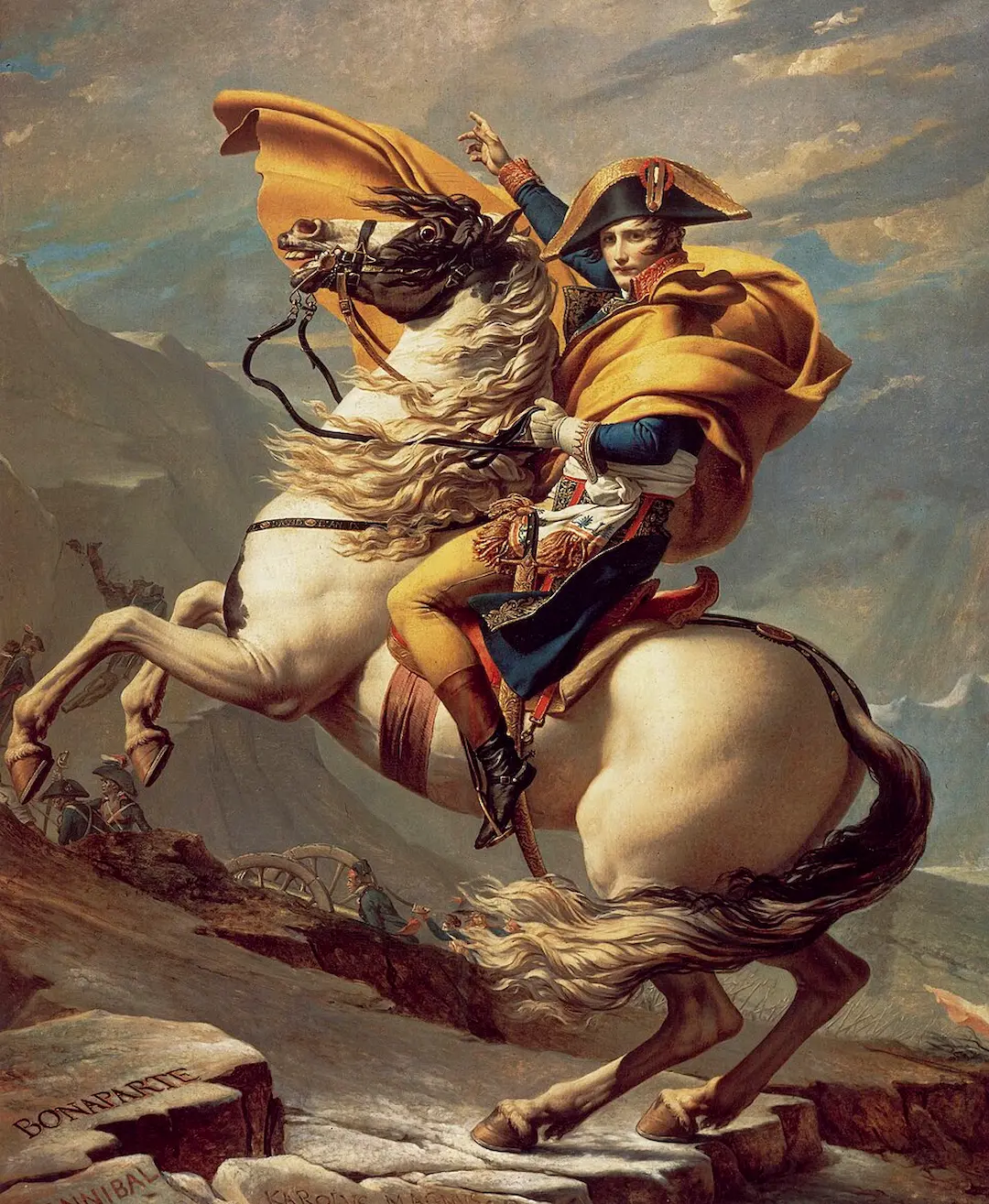
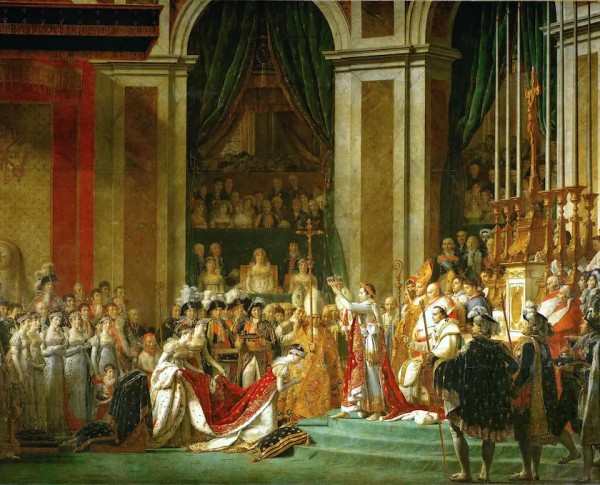
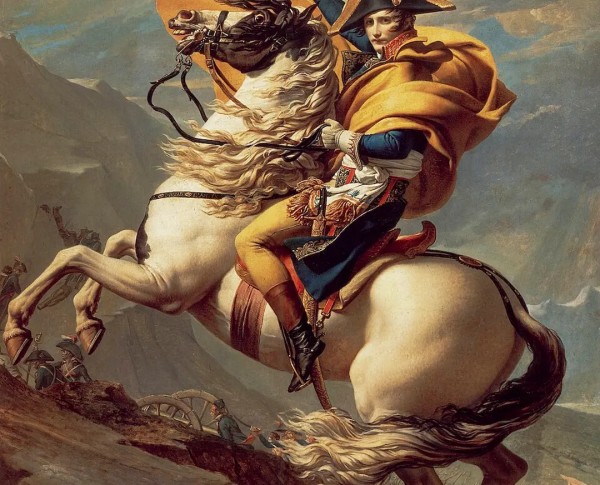
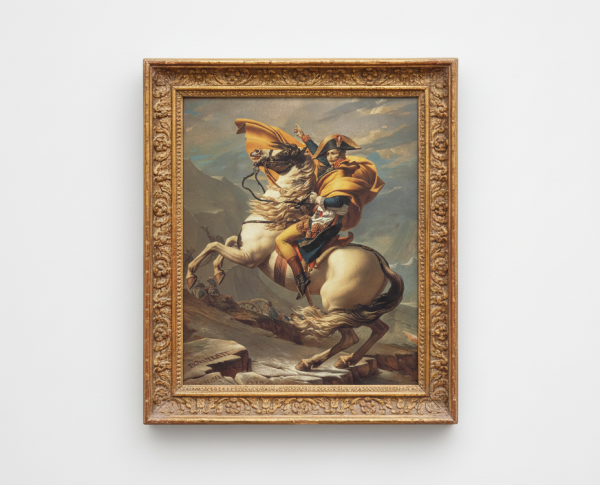
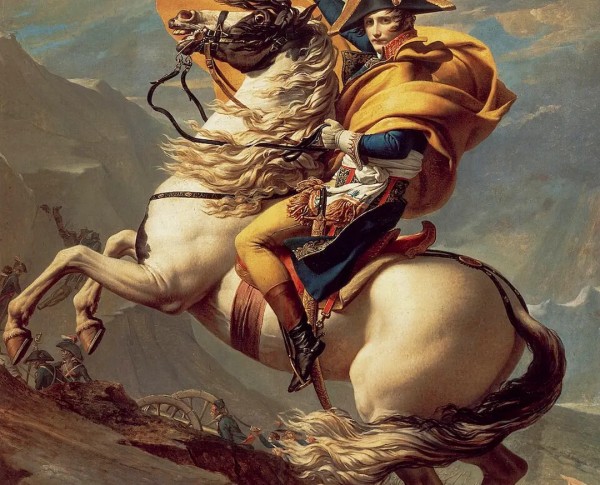
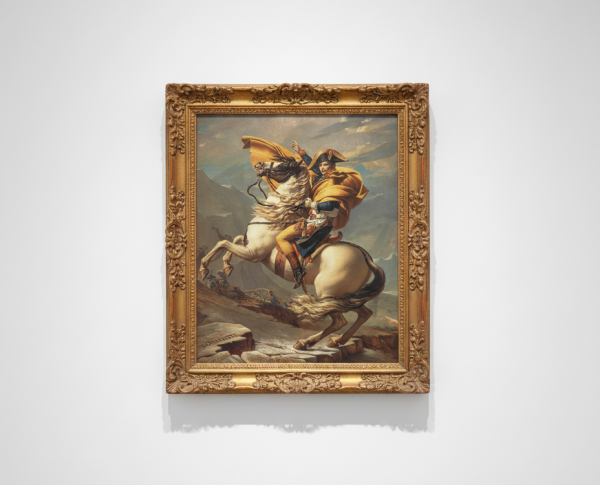
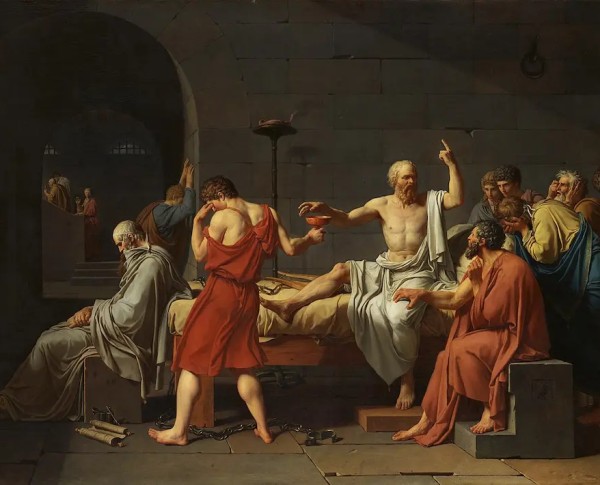
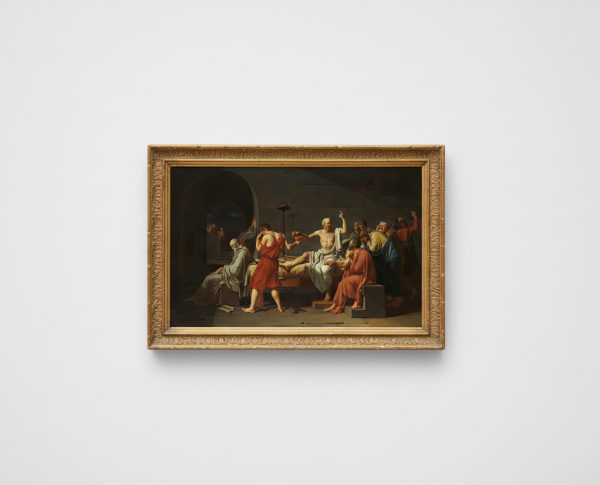
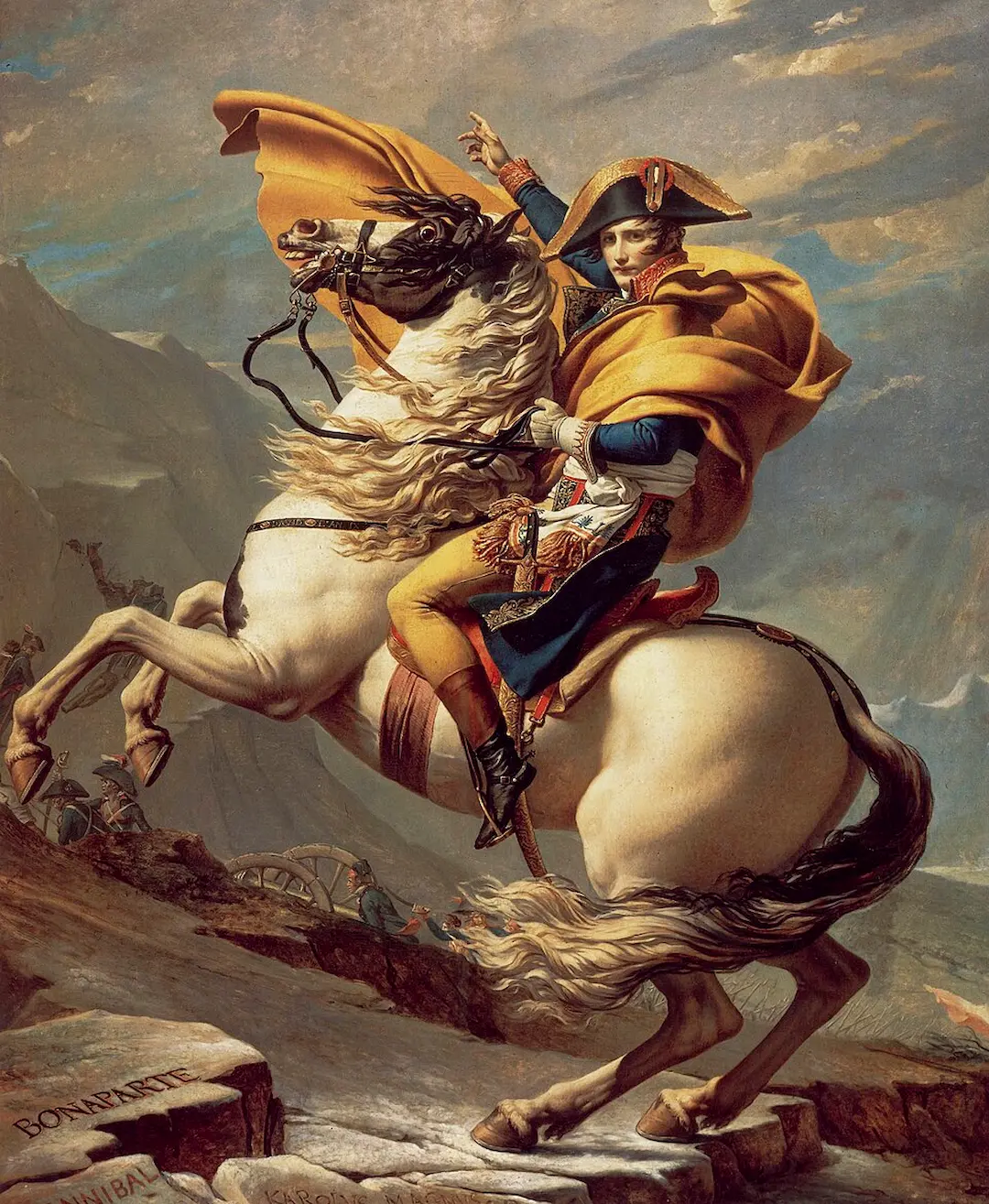
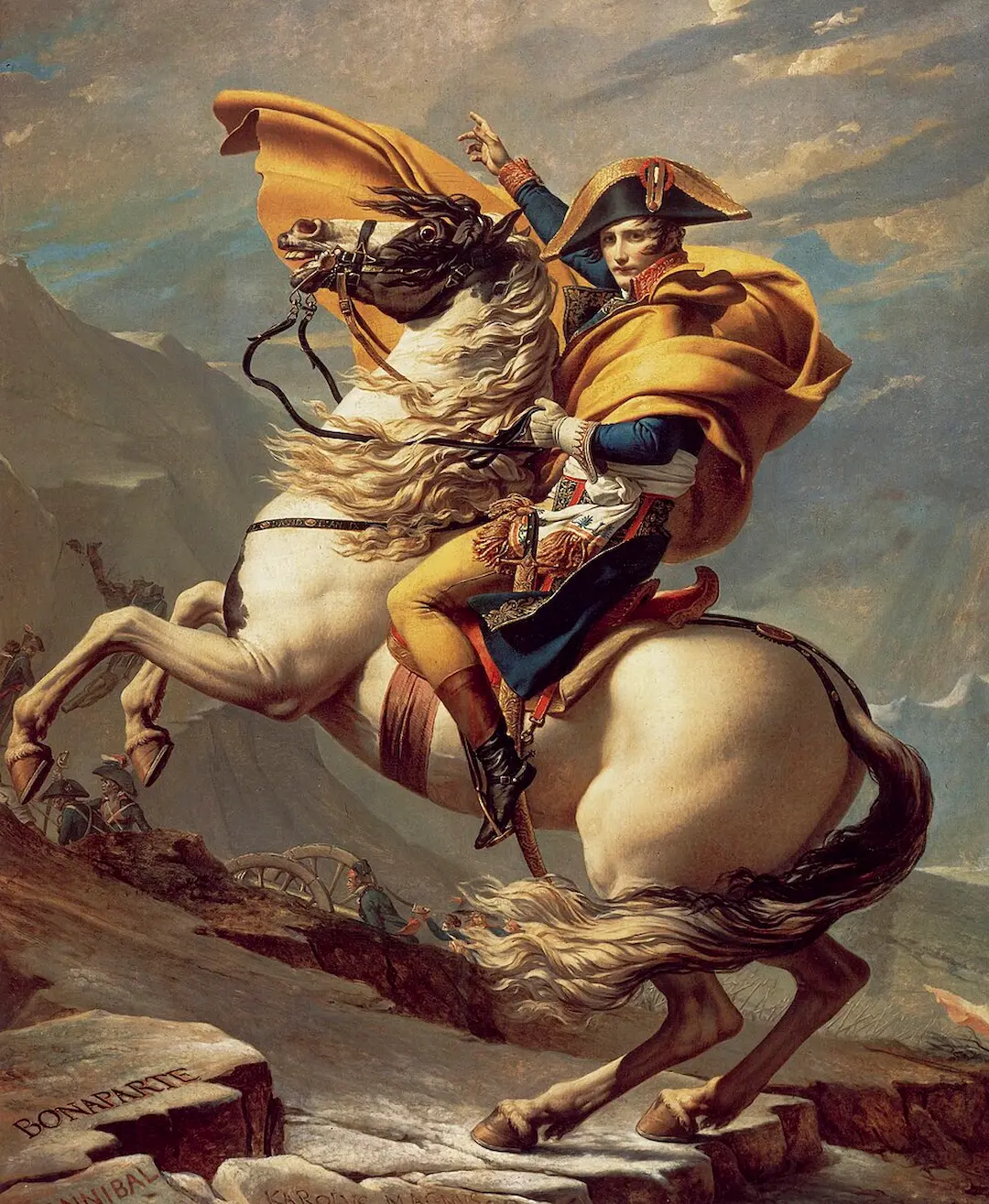
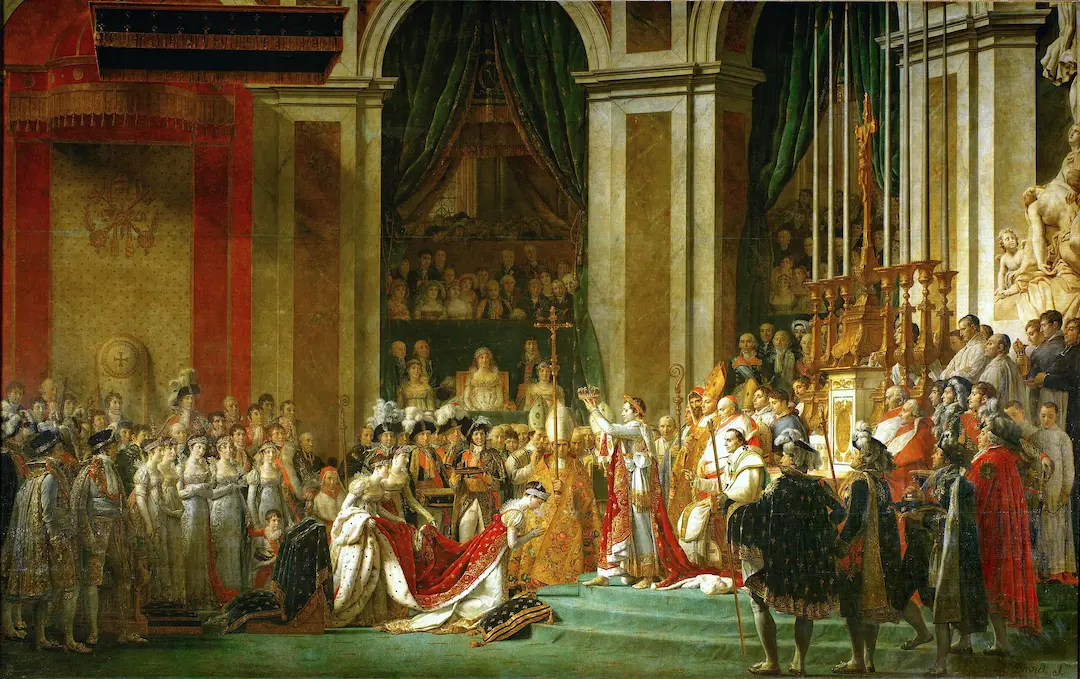
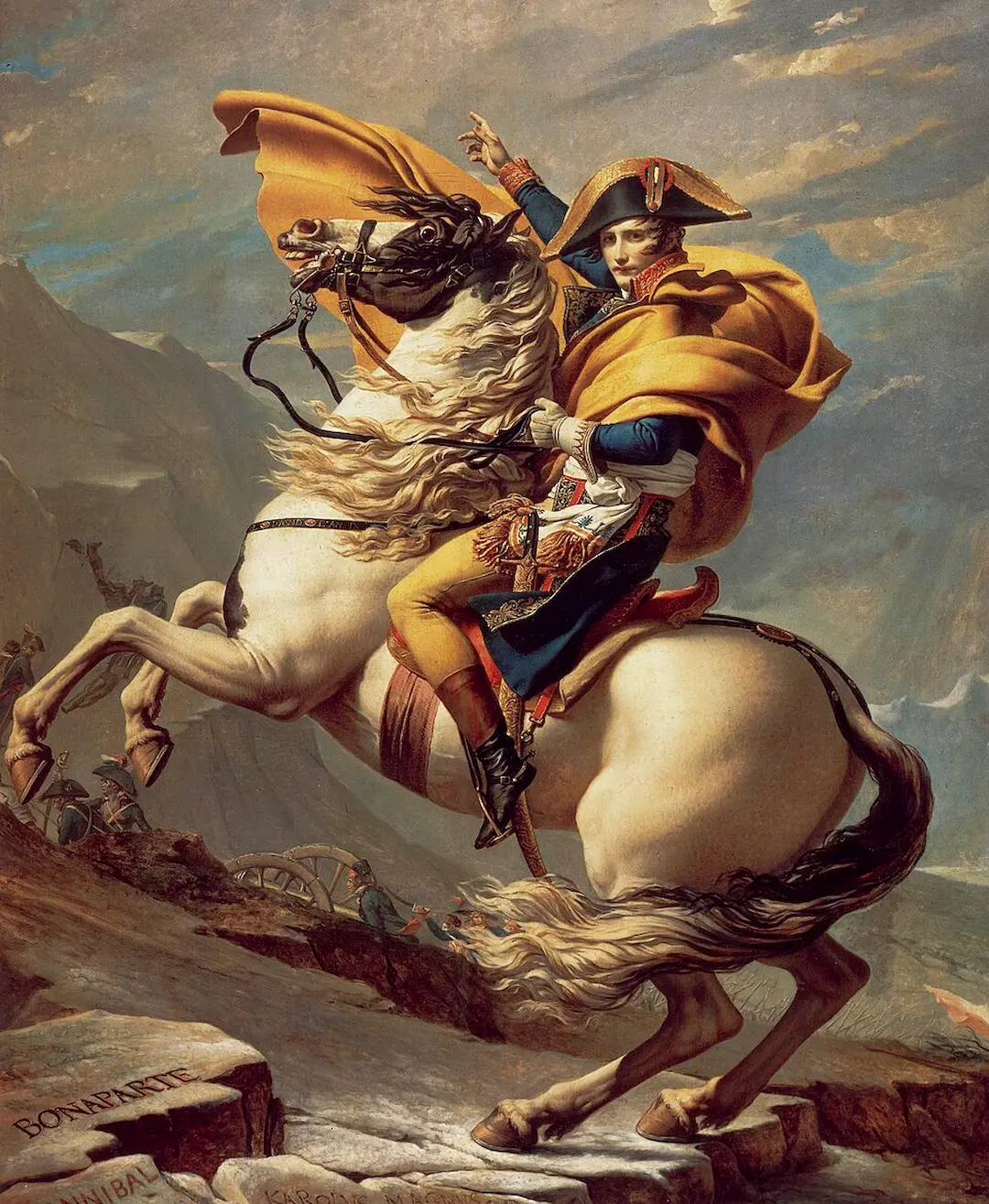
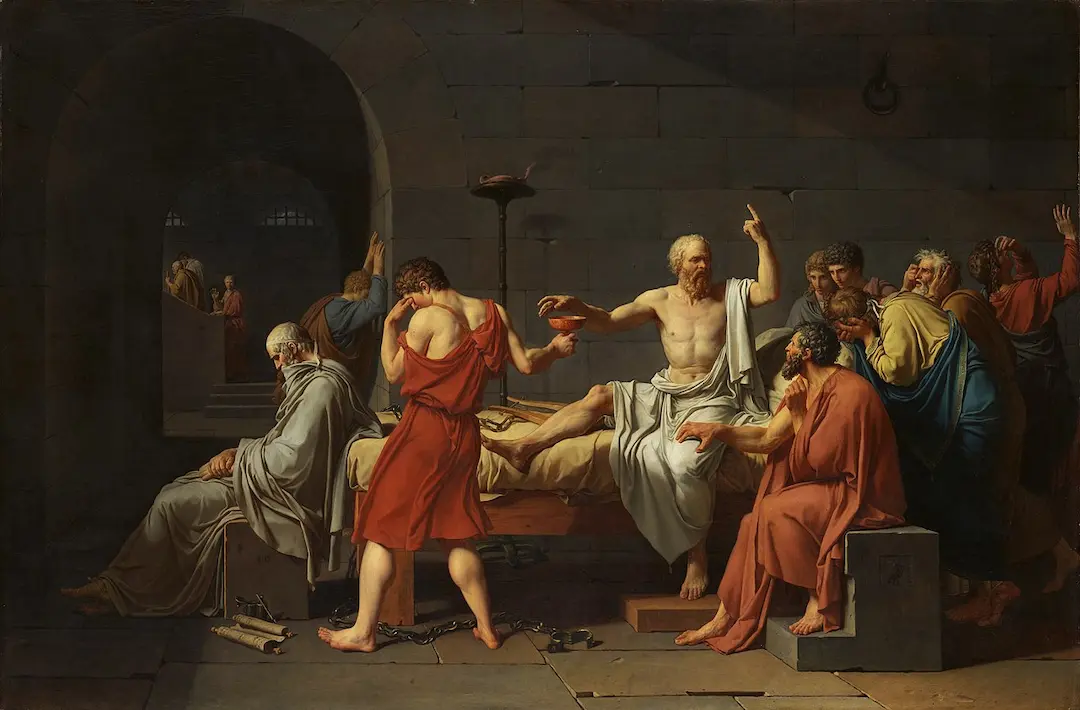
Jacques Louis David’s exceptional technique shines through in every detail of "Napoleon Crossing the Alps," an iconic oil on canvas. The artist’s careful attention to light, texture, and form exemplifies Neoclassical Academic Realism, bringing historic grandeur to life. Art lovers seeking a museum-quality oil on canvas reproduction often look for related products, such as "The Death of Socrates" and "Consecration of the Emperor Napoleon I and Coronation of the Empress Josephine 1805-07."
This hand-painted oil painting is rich with symbolism, as Jacques Louis David masterfully depicts Napoleon’s determination and leadership. The dramatic setting and bold gestures evoke themes of heroism central to the Neoclassical Academic Realism movement. Collectors interested in the narrative depth of this piece may also appreciate related works like "Crossing the Alps 1801" and "Bonaparte, Calm on a Fiery Steed," each telling their own powerful story through fine art.
For art enthusiasts, "Napoleon Crossing the Alps" is a fine art painting for sale that epitomizes both historical significance and artistic brilliance. Jacques Louis David’s masterpiece, rooted in the Neoclassical Academic Realism movement, remains a coveted addition to any collection. Complementary works, including "The Death of Socrates" and "Consecration of the Emperor Napoleon I and Coronation of the Empress Josephine 1805-07," further enhance the prestige of displaying such renowned oil paintings.
When Art Meets History
"Napoleon Crossing the Alps" by Jacques Louis David stands as a monumental hand-painted oil painting that captures a pivotal moment in European history. Created during the Neoclassical Academic Realism movement, David’s masterpiece immortalizes Napoleon’s daring leadership. The artist’s attention to historical detail and dramatic composition invites viewers into the era’s political fervor. Alongside related paintings such as "Idleness II," this work exemplifies how art can document and shape our understanding of legendary events.
Techniques That Speak
Jacques Louis David’s mastery of oil on canvas is evident in "Napoleon Crossing the Alps." The Neoclassical Academic Realism movement emphasized clarity and precision, and David’s brushwork brings depth and texture to every fold and muscle. Through his use of light and color, the artist creates a lifelike presence that distinguishes this piece among his oeuvre. Collectors and admirers alike are drawn to related paintings like "Idleness II" for their technical prowess and enduring beauty.
Emotions on Display
In "Napoleon Crossing the Alps," Jacques Louis David channels the heroism and determination of his subject through dynamic composition and expressive detail. The painting’s dramatic energy is heightened by the Neoclassical Academic Realism movement’s focus on emotional authenticity. This fine art painting for sale resonates with viewers, inviting them to experience the courage and ambition depicted. Works such as "Idleness II" similarly evoke powerful feelings, making David’s art timeless and universally admired.
Coveted by Collectors
The allure of Jacques Louis David’s "Napoleon Crossing the Alps" endures in the world of art connoisseurs. As a hand-painted oil painting from the Neoclassical Academic Realism movement, it is highly sought after for its historical significance and exquisite execution. Collectors often seek out related paintings like "Idleness II" due to their rarity and prestige. The legacy of David’s oil on canvas masterpieces continues to captivate those in search of extraordinary works for their collections.
Related Neoclassical Academic Realism Hand-Painted Oil Paintings by Other Artists
Other Famous Neoclassical Academic Realism Artists:
Frequently Asked Questions About Napoleon Crossing the Alps
What is the historical context of "Napoleon Crossing the Alps"?
"Napoleon Crossing the Alps" was painted by Jacques Louis David in 1801, during a time of significant political upheaval in France. The painting commemorates Napoleon Bonaparte's military campaign in Italy and symbolizes his leadership and ambition as he sought to expand French influence across Europe.
What artistic techniques did Jacques Louis David employ in this painting?
David utilized neoclassical techniques, characterized by a strong emphasis on clarity, order, and idealized forms. The dramatic use of light and shadow, along with the dynamic composition, enhances the sense of movement and heroism in the portrayal of Napoleon.
What symbolism is present in "Napoleon Crossing the Alps"?
The painting symbolizes strength, determination, and leadership. Napoleon is depicted as a heroic figure, embodying the spirit of conquest and the divine right of kings, while the rugged landscape represents the challenges he overcame in pursuit of his goals.
How does the portrayal of Napoleon differ from traditional representations of leaders?
Unlike traditional representations that often depicted leaders seated or in a more passive manner, David portrays Napoleon in a dynamic pose, actively leading his troops. This choice emphasizes his role as a decisive and powerful leader, elevating his status to that of a heroic figure.
What is the significance of the horse in the painting?
The horse in "Napoleon Crossing the Alps" is depicted as strong and noble, symbolizing power and control. Napoleon's confident posture on the horse reinforces his authority and command over both the animal and the battlefield, further enhancing his heroic image.
What role does color play in the painting?
David employs a rich color palette, using bold reds, deep blues, and earthy tones to create a dramatic contrast. The colors not only draw attention to Napoleon but also evoke a sense of grandeur and intensity, reflecting the emotional weight of the historical moment.
How does this painting reflect the neoclassical movement?
"Napoleon Crossing the Alps" exemplifies the neoclassical movement through its emphasis on classical themes, heroic ideals, and a focus on rationality and order. David's meticulous attention to detail and adherence to classical proportions further align the work with neoclassical principles.
What was the public's reaction to the painting upon its completion?
The painting received widespread acclaim for its grand portrayal of Napoleon, resonating with the public's admiration for the leader during a time of national pride. It solidified David's reputation as a leading artist of the era and contributed to the mythos surrounding Napoleon.
How has "Napoleon Crossing the Alps" influenced later artistic representations of leaders?
The painting set a precedent for how leaders are depicted in art, emphasizing the heroic and larger-than-life qualities of figures in power. Subsequent artists have drawn inspiration from David's approach, often portraying leaders in similarly dynamic and idealized manners.
Where can I view "Napoleon Crossing the Alps" today?
"Napoleon Crossing the Alps" is housed in the Château de Malmaison, near Paris, France. It remains an important work for both its artistic merit and its historical significance, attracting visitors interested in the intersection of art and history.






















_GFM_Painting_(1).webp)


 100% Hand-Painted: Finished in 3-6 Weeks

.png)















_(1).webp)