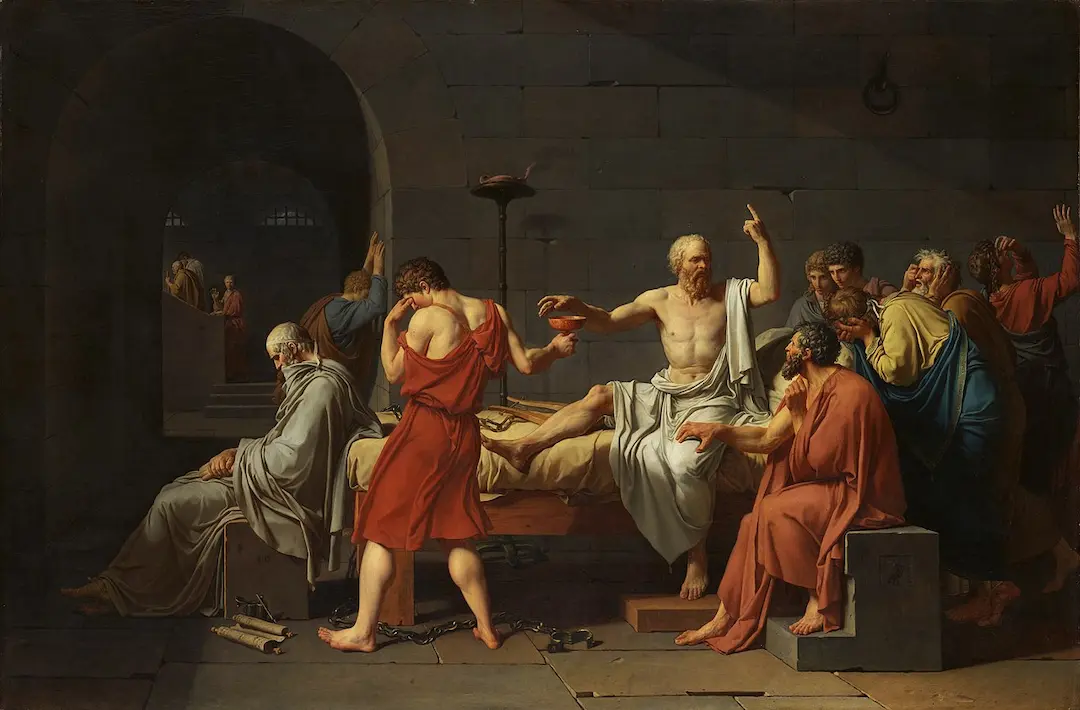
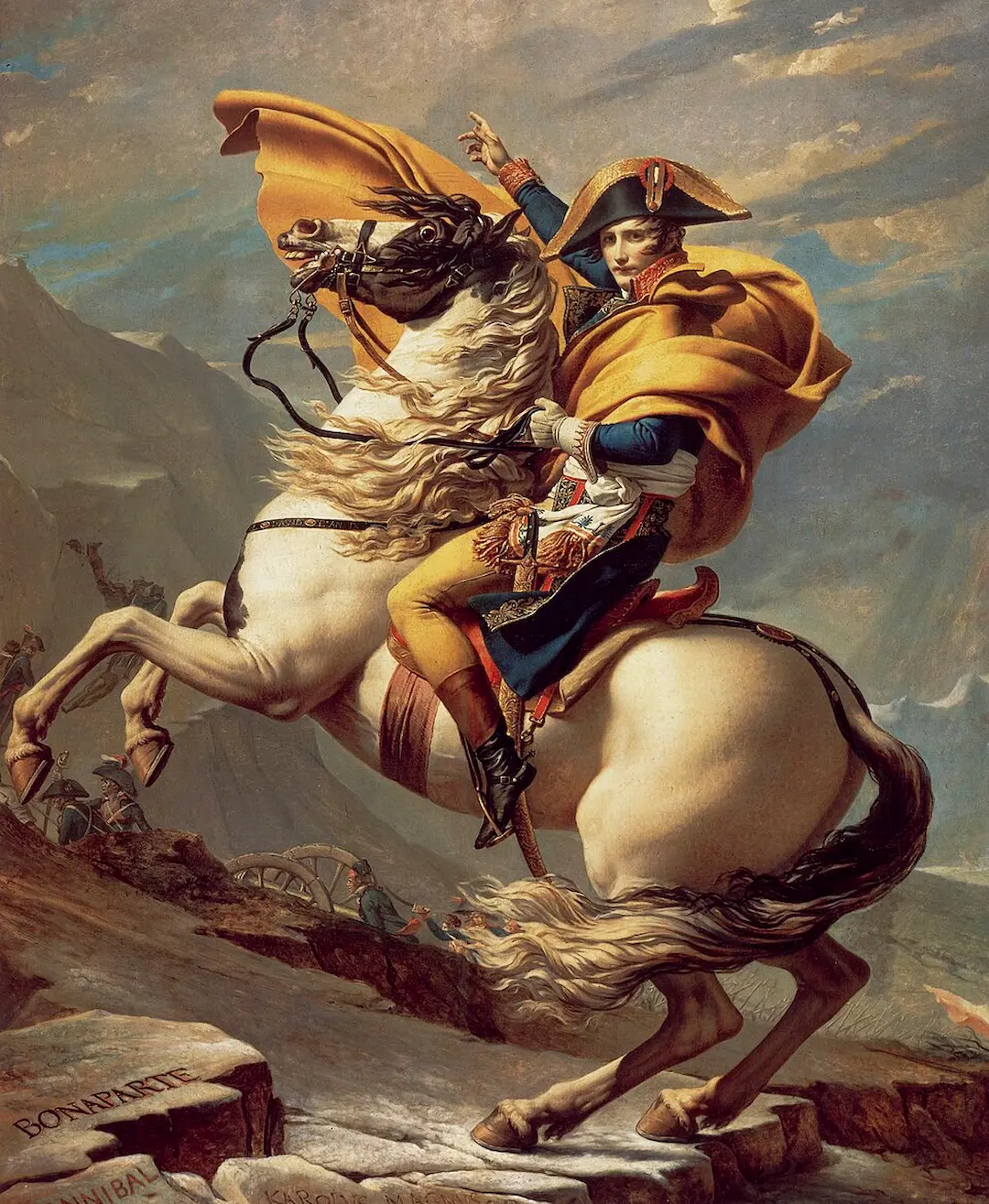
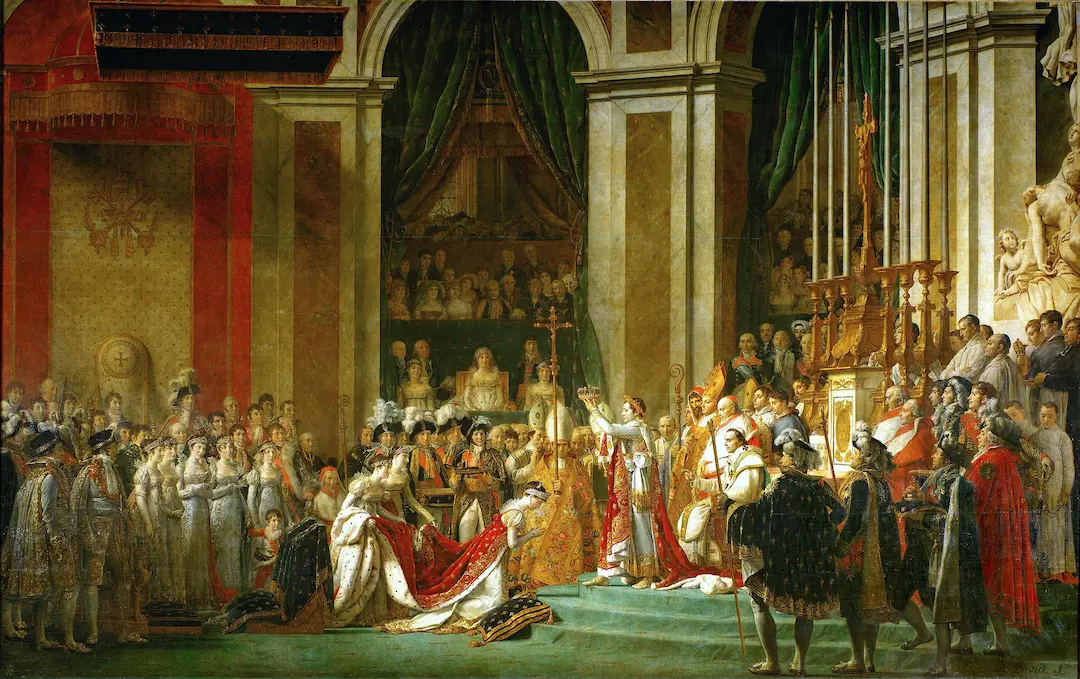
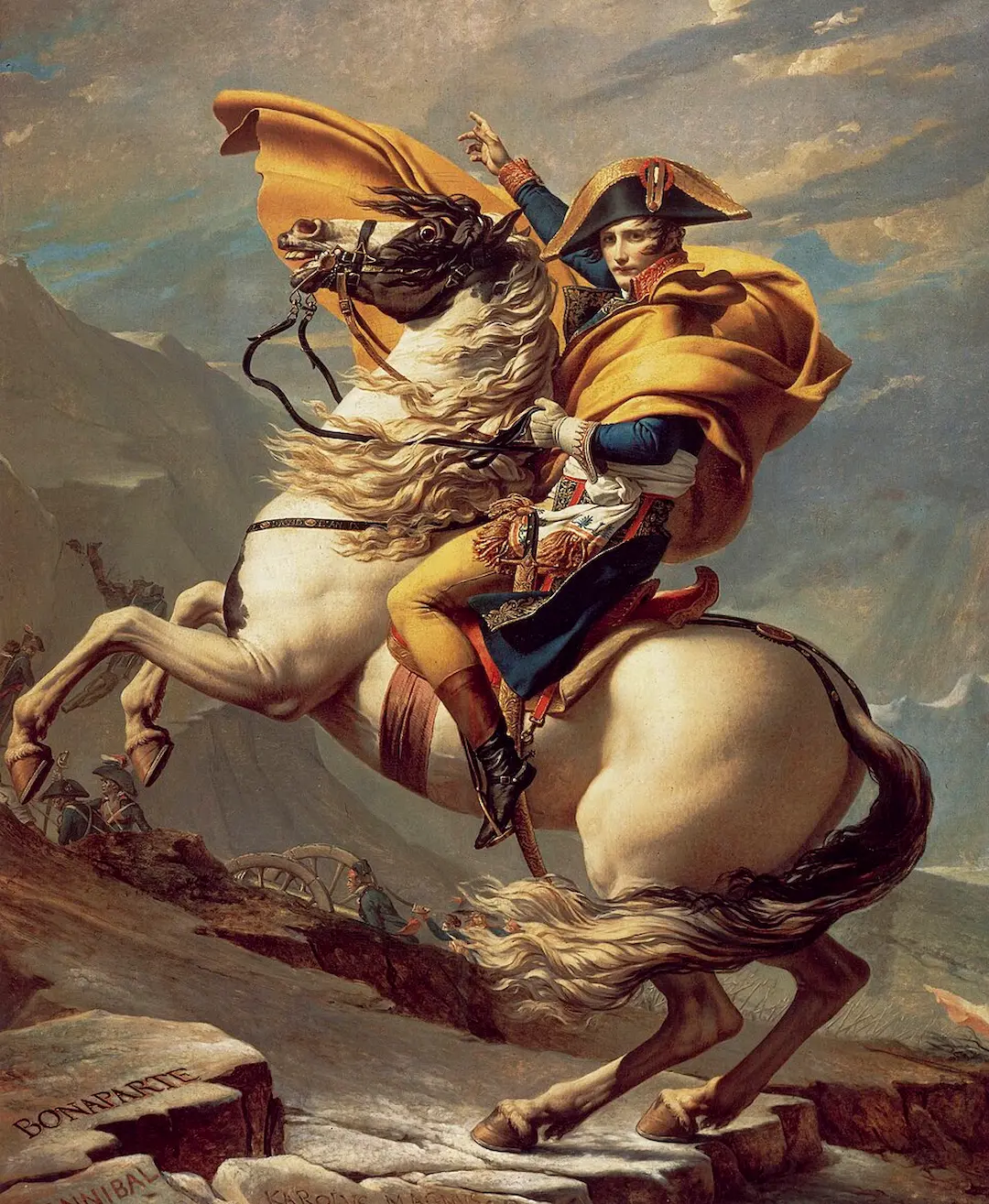
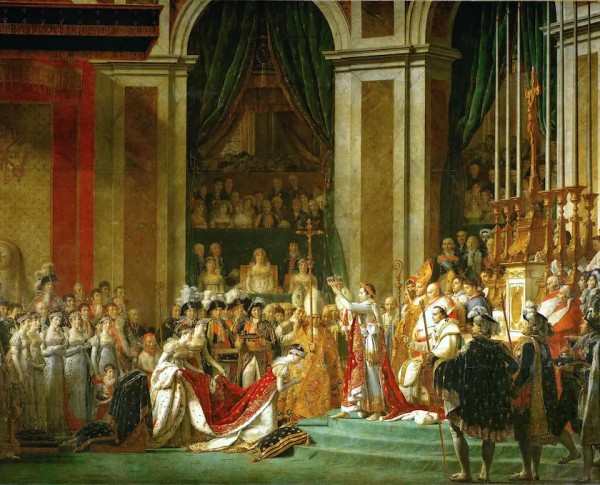
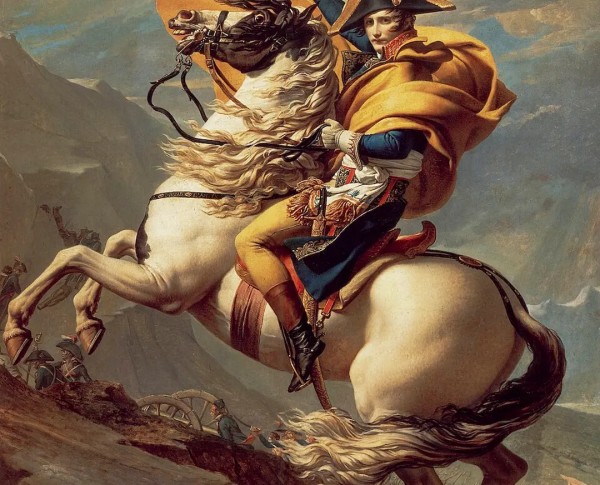
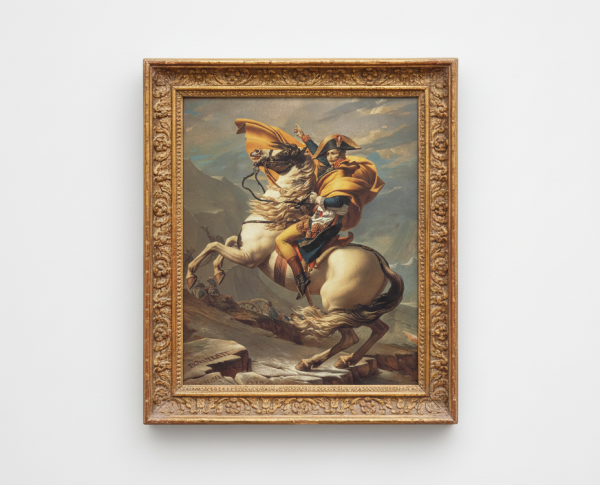
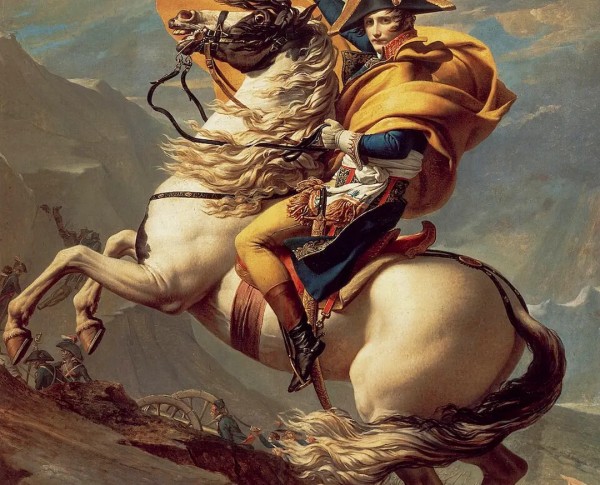
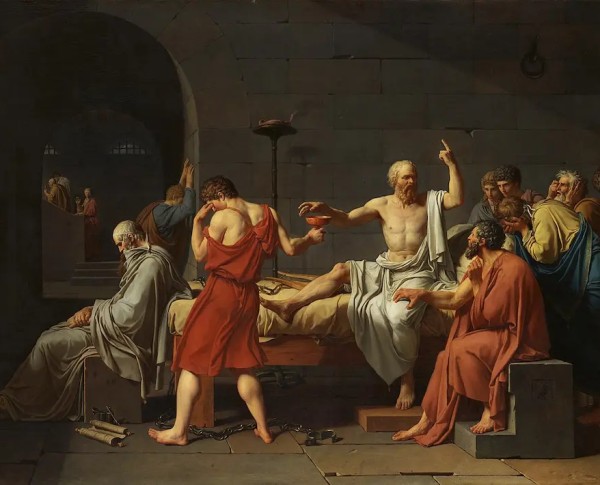
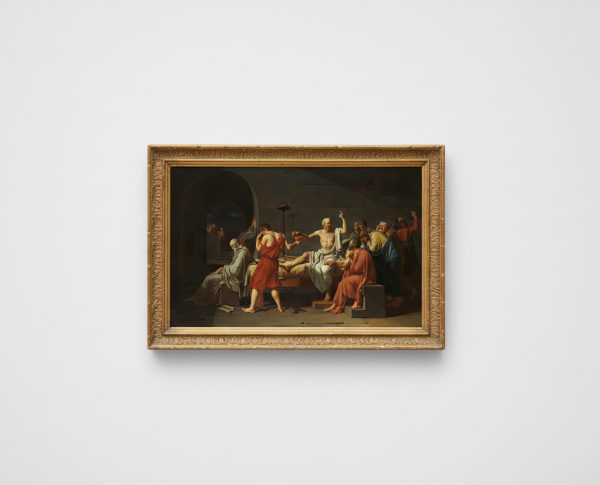
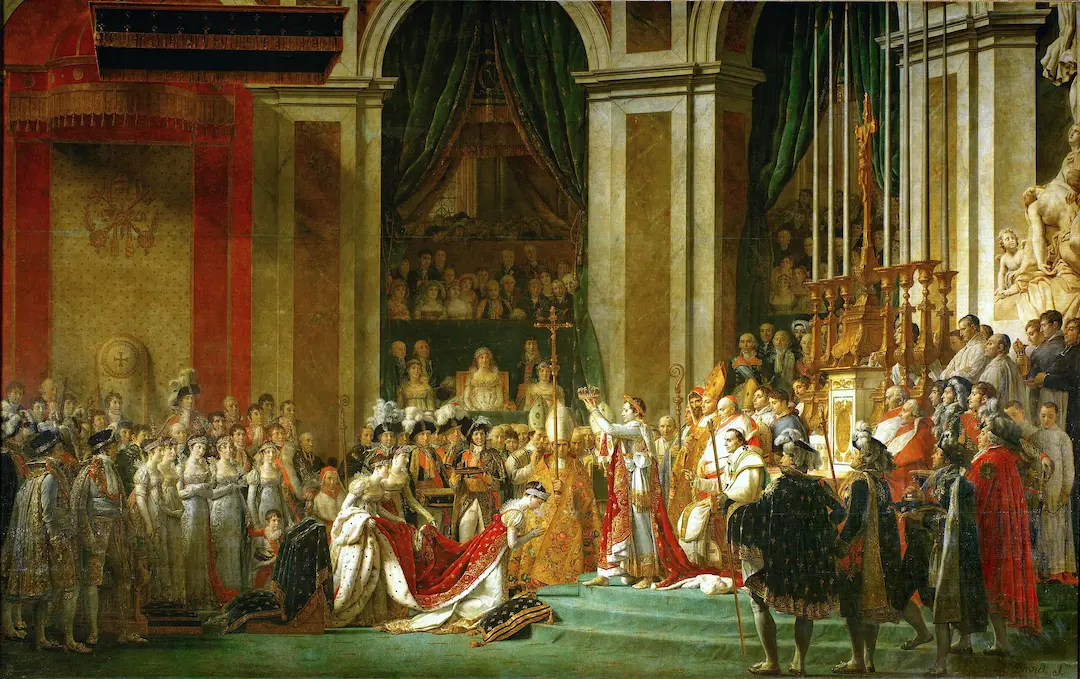
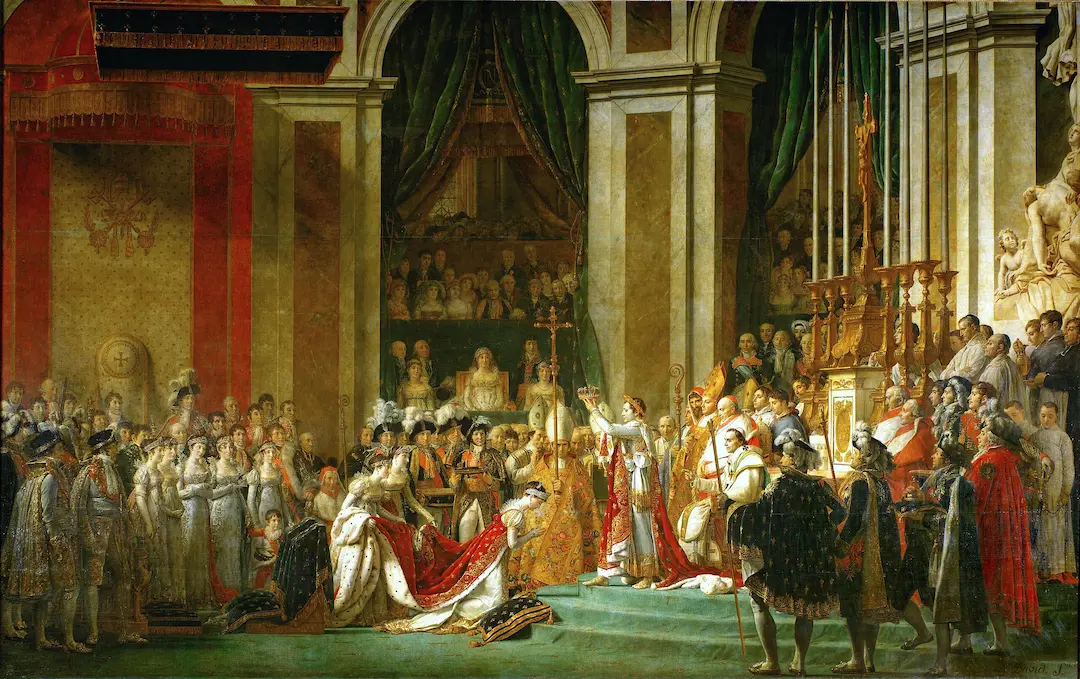
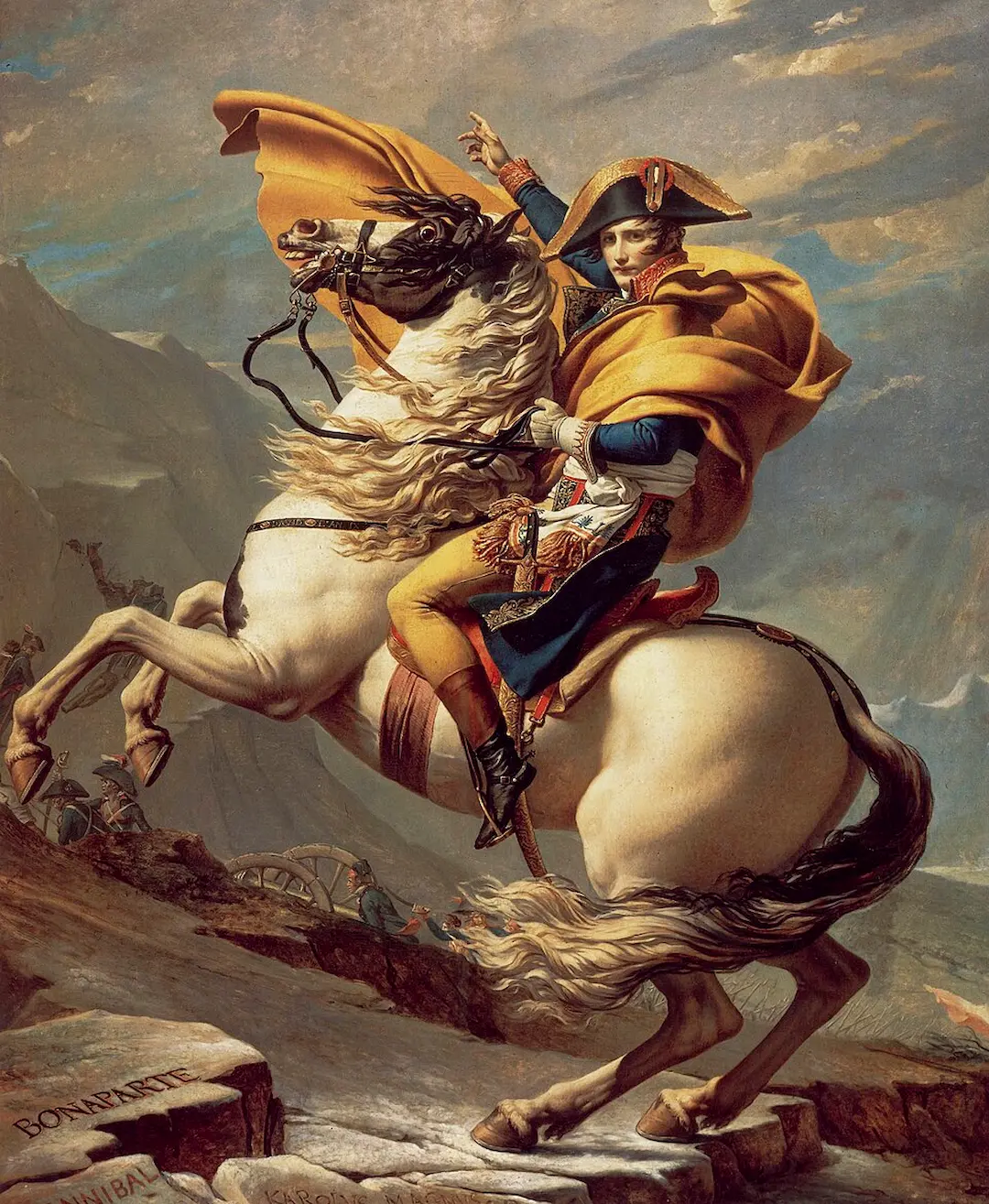
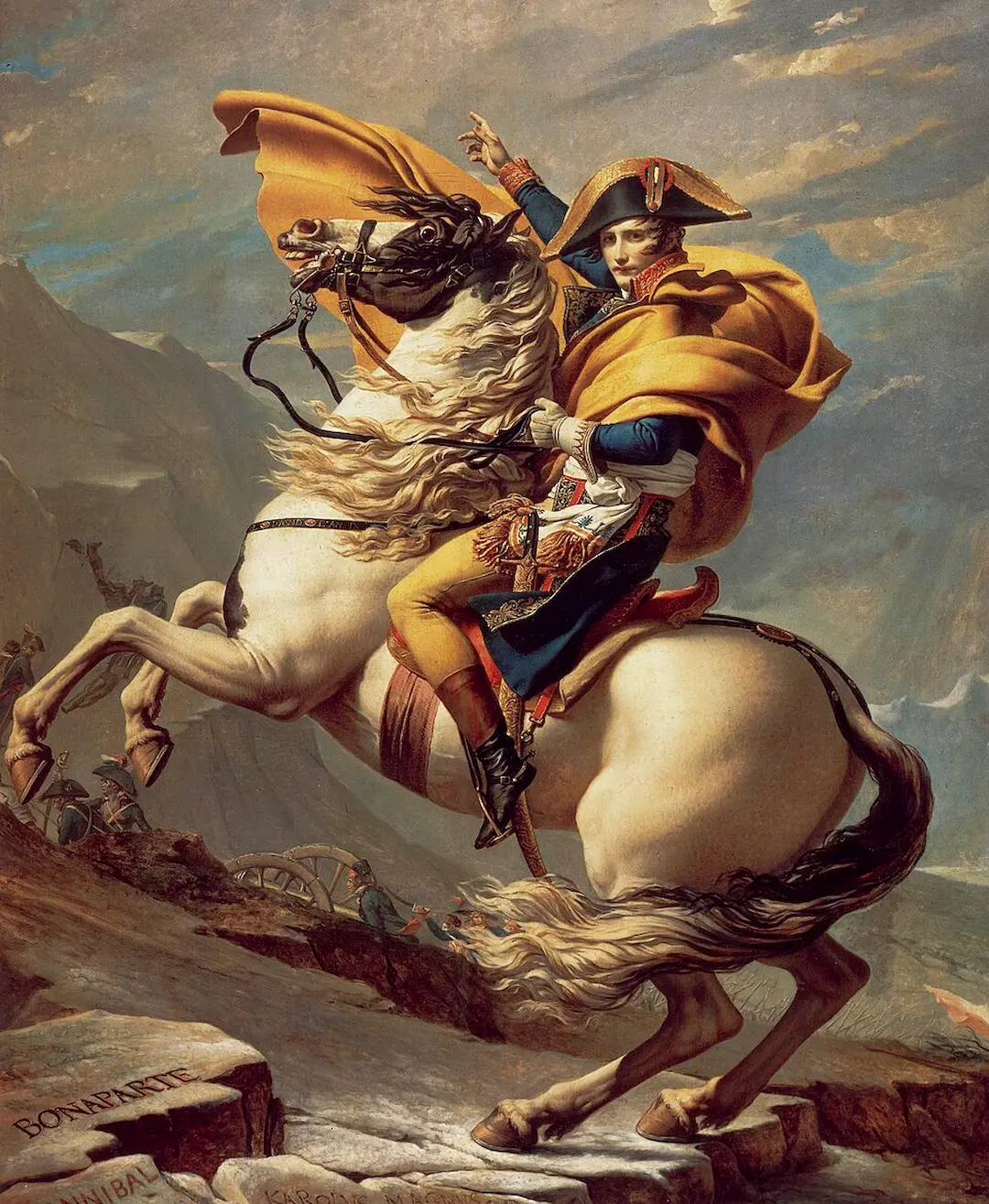
"Consecration of the Emperor Napoleon I and Coronation of the Empress Josephine 1805-07" by Jacques Louis David stands as a monumental hand-painted oil painting that defines the Neoclassical Academic Realism movement. David, celebrated for his mastery, immortalized Napoleon’s rise and Josephine’s crowning in this historic composition. Collectors and enthusiasts seeking a fine art painting for sale often look to this masterpiece, alongside related works like "Bonaparte, Calm on a Fiery Steed" and "The Death of Socrates".
Jacques Louis David’s attention to detail and precision shine through in this oil on canvas, exemplifying the highest standards of Neoclassical Academic Realism. Each figure, gesture, and regal ornamentation is rendered with meticulous care, making the painting a benchmark for hand-painted oil paintings. Admirers of David’s technique may also appreciate similar fine art painting for sale options, including "Napoleon Crossing the Alps" and "Bonaparte, Calm on a Fiery Steed".
This hand-painted oil painting not only documents a pivotal historical event, but also weaves a tapestry of power, legitimacy, and ambition. Jacques Louis David infused the scene with symbols—Napoleon’s laurel wreath, the Pope’s presence, and Josephine’s poised demeanor—all elements of the Neoclassical Academic Realism movement. For those drawn to the stories behind such masterpieces, related products like "The Death of Socrates" and "Napoleon Crossing the Alps" offer further artistic exploration.
For art collectors, "Consecration of the Emperor Napoleon I and Coronation of the Empress Josephine 1805-07" remains a coveted oil on canvas from the Neoclassical Academic Realism era. Jacques Louis David’s ability to capture the grandeur of empire elevates this fine art painting for sale to a timeless treasure. Collectors often pair this work with related pieces such as "Bonaparte, Calm on a Fiery Steed" or "Napoleon Crossing the Alps" to enrich their collections.
When Art Meets History
"Consecration of the Emperor Napoleon I and Coronation of the Empress Josephine 1805-07" by Jacques Louis David stands as a remarkable example of Neoclassical Academic Realism. This hand-painted oil painting immortalizes a pivotal moment in French history, capturing the grandeur of Napoleon’s coronation. David, renowned for masterpieces like "Idleness II," masterfully blends historical accuracy and artistic vision, ensuring that viewers experience not just a scene, but a turning point in European history.
Techniques That Speak
Jacques Louis David utilized meticulous techniques in this oil on canvas masterpiece, characteristic of the Neoclassical Academic Realism movement. His attention to detail is evident in the rich textures, intricate costumes, and dramatic composition. The artist’s skill in rendering light and shadow brings the scene to life, echoing the same mastery seen in "Idleness II." David’s commitment to realism and precision elevates this painting, making it a true testament to the power of traditional oil on canvas artistry.
Emotions on Display
David’s "Consecration of the Emperor Napoleon I and Coronation of the Empress Josephine 1805-07" evokes a spectrum of emotions, from awe to reverence. The artist’s fine art painting for sale captures the tension and grandeur of the moment, highlighting the solemnity on Josephine’s face and the authority in Napoleon’s posture. Through careful composition, David invites viewers to feel the emotional weight of this historic event, much as he does in related works like "Idleness II."
Coveted by Collectors
As a prized example of Neoclassical Academic Realism, this hand-painted oil painting by Jacques Louis David is highly sought after by art collectors worldwide. The historical significance and exquisite execution of "Consecration of the Emperor Napoleon I and Coronation of the Empress Josephine 1805-07" make it a fine art painting for sale that commands admiration and value. Collectors also seek related works, such as "Idleness II," recognizing David’s enduring impact on the art world.
Related Neoclassical Academic Realism Hand-Painted Oil Paintings by Other Artists
Other Famous Neoclassical Academic Realism Artists:
Frequently Asked Questions About Consecration of the Emperor Napoleon I and Coronation of the Empress Josephine 1805-07
What historical event does this painting depict?
This painting captures the moment of the coronation of Napoleon Bonaparte as Emperor of the French and the crowning of his wife, Josephine, as Empress, which took place on December 2, 1804, at Notre-Dame Cathedral in Paris.
Who is the artist of this painting and what is his significance?
The painting was created by Jacques Louis David, a prominent French painter known for his role as the leading artist of the Neoclassical movement. His works often reflect the political and social changes of his time.
What artistic style is employed in this painting?
The painting is executed in the Neoclassical style, characterized by its emphasis on clarity, order, and the use of classical themes and motifs, which reflect the ideals of the Enlightenment and the values of the French Revolution.
What are the key symbols present in the painting?
Key symbols include the crown, which represents imperial authority; the scepter, symbolizing power; and the religious elements, such as the presence of the Pope, which signify the divine sanction of Napoleon's rule.
How does the composition of the painting contribute to its meaning?
The composition is carefully arranged to emphasize Napoleon's central role, with a triangular structure that draws the viewer's eye towards him. The placement of figures and the use of light further enhance the sense of grandeur and importance of the event.
What role does color play in this artwork?
David uses a rich and vibrant color palette to convey the opulence of the coronation ceremony. The contrasting colors of the robes and the gold accents highlight the significance of the occasion and the status of the figures depicted.
What was the political context surrounding the creation of this painting?
The painting was created during a time of significant political upheaval in France, as Napoleon sought to legitimize his rule and establish a new imperial dynasty following the tumult of the French Revolution.
How does this painting reflect the ideals of the French Revolution?
While the painting depicts a royal ceremony, it also reflects the revolutionary ideals of meritocracy and national pride, as Napoleon positioned himself as a leader who rose from the ranks of the military rather than through traditional aristocratic lineage.
What influence did this painting have on later art and culture?
This painting had a profound influence on subsequent generations of artists, reinforcing the Neoclassical style and inspiring works that sought to capture historical and political moments with grandeur and narrative clarity.
Where can I view this painting today?
The painting is housed in the Musée du Louvre in Paris, where it remains a significant attraction for visitors interested in art history and the legacy of Napoleon.






















_GFM_Painting_(1).webp)


 100% Hand-Painted: Finished in 3-6 Weeks

.png)















_(1).webp)