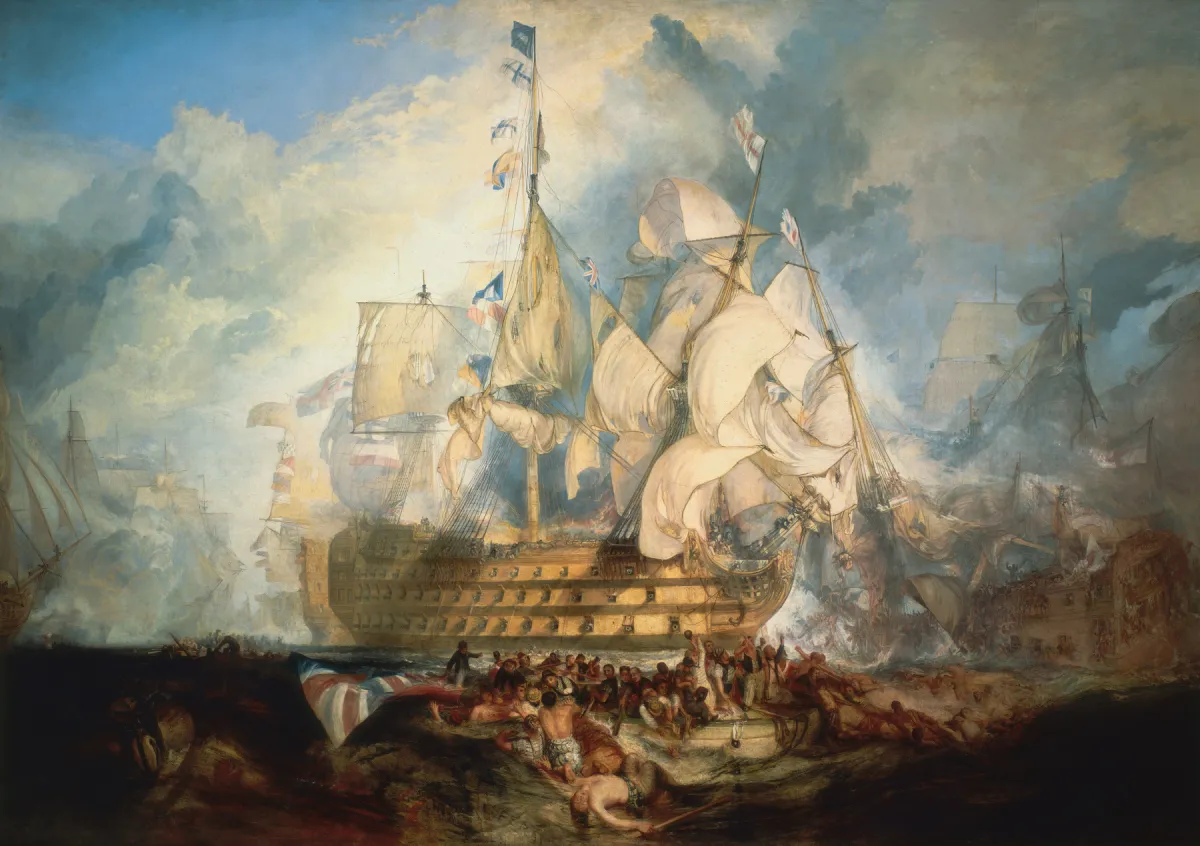
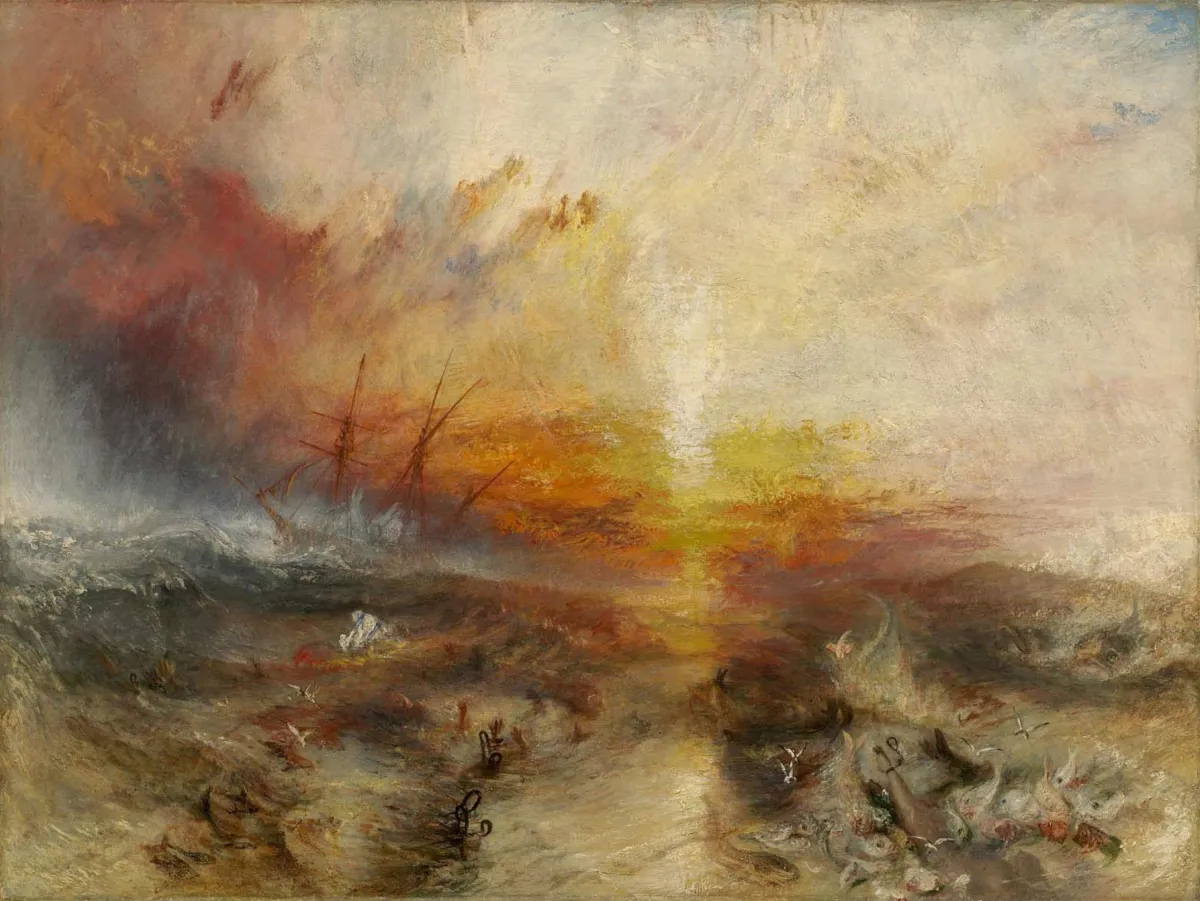
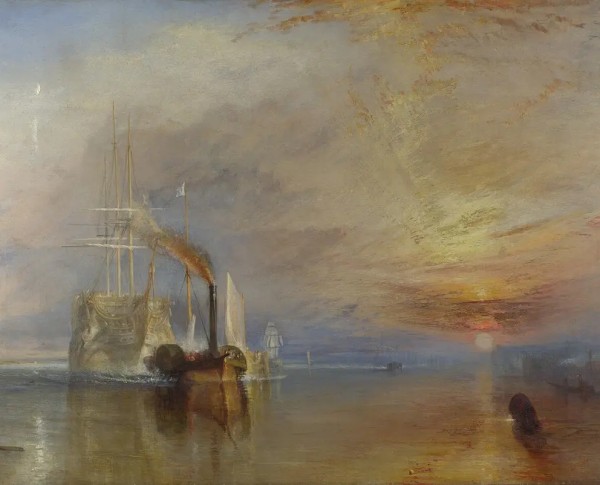
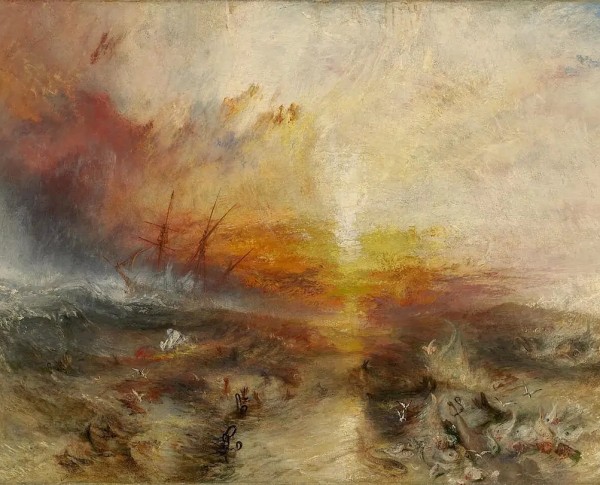
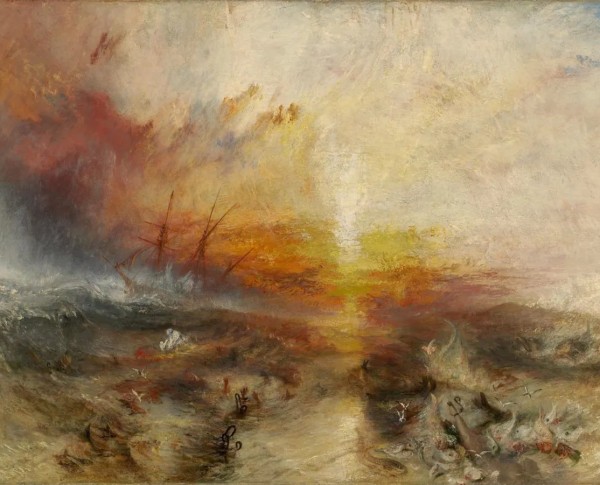
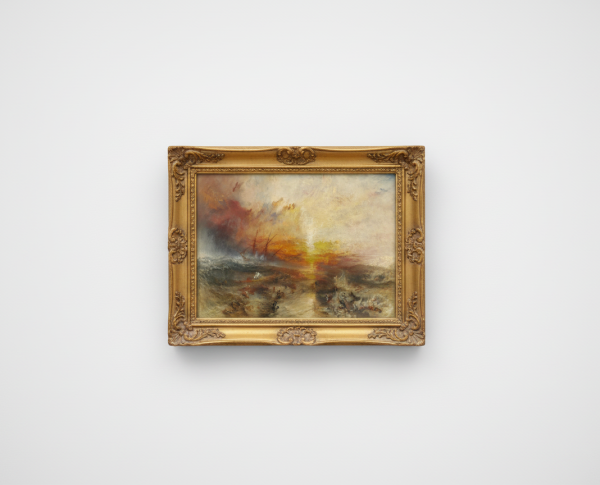
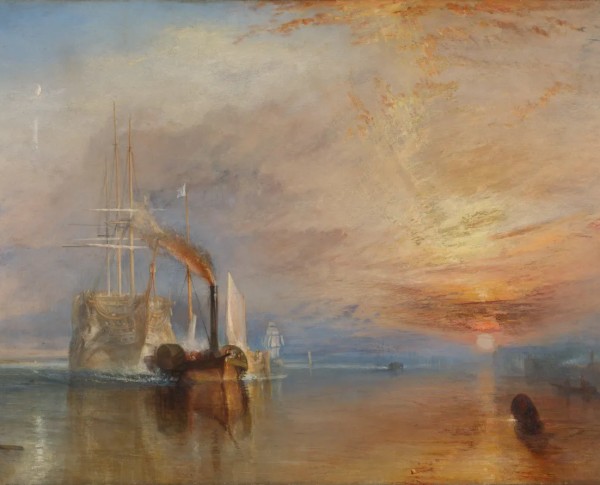
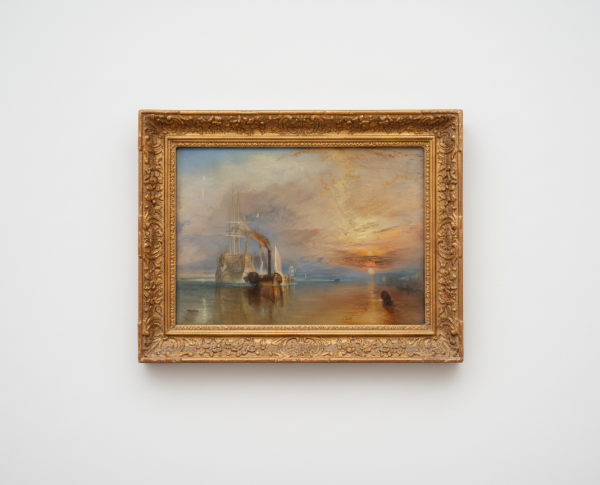
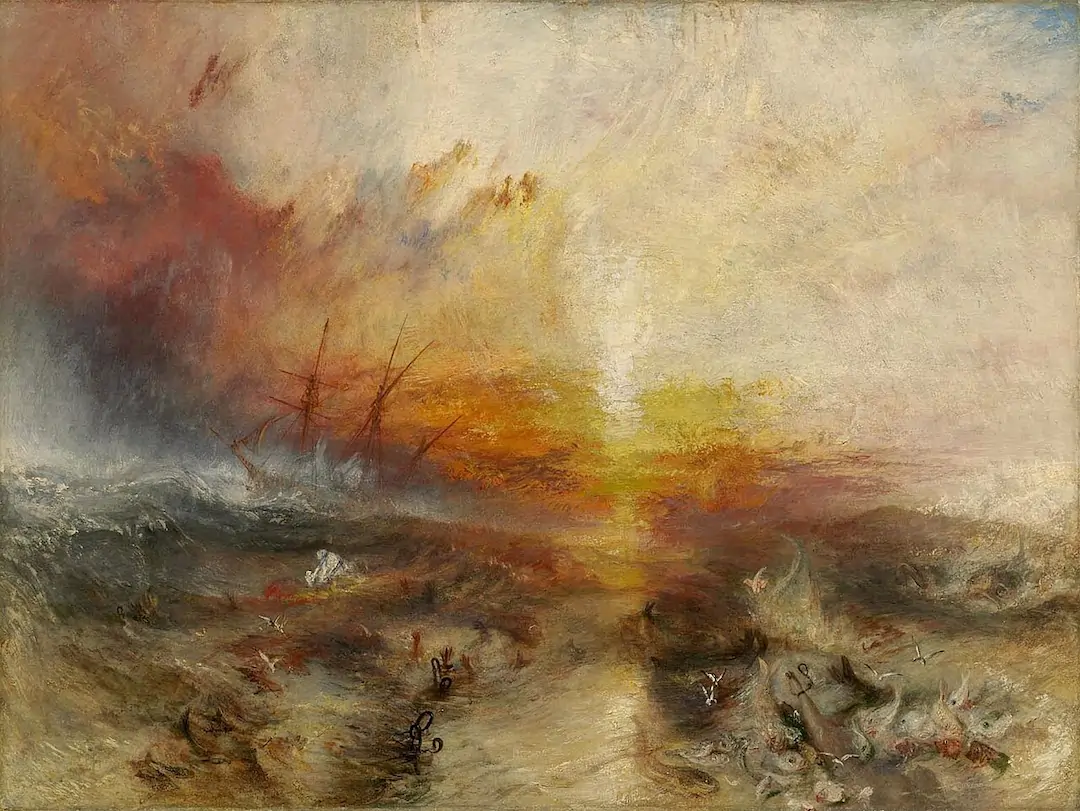
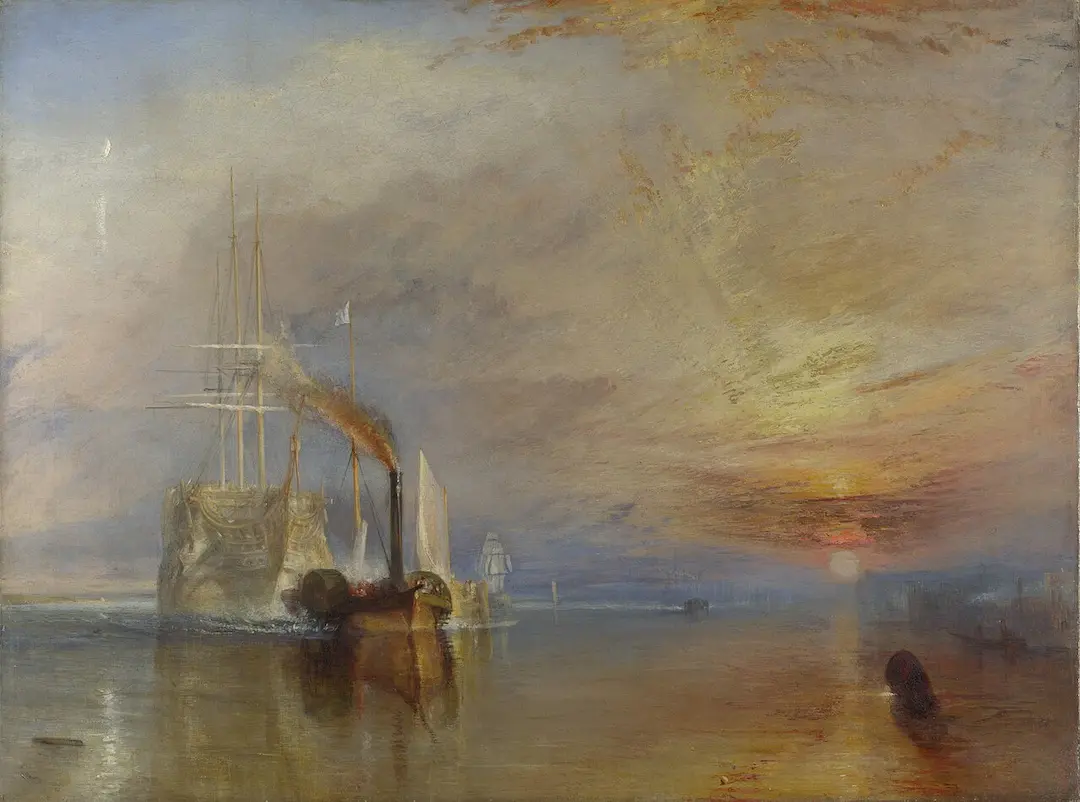
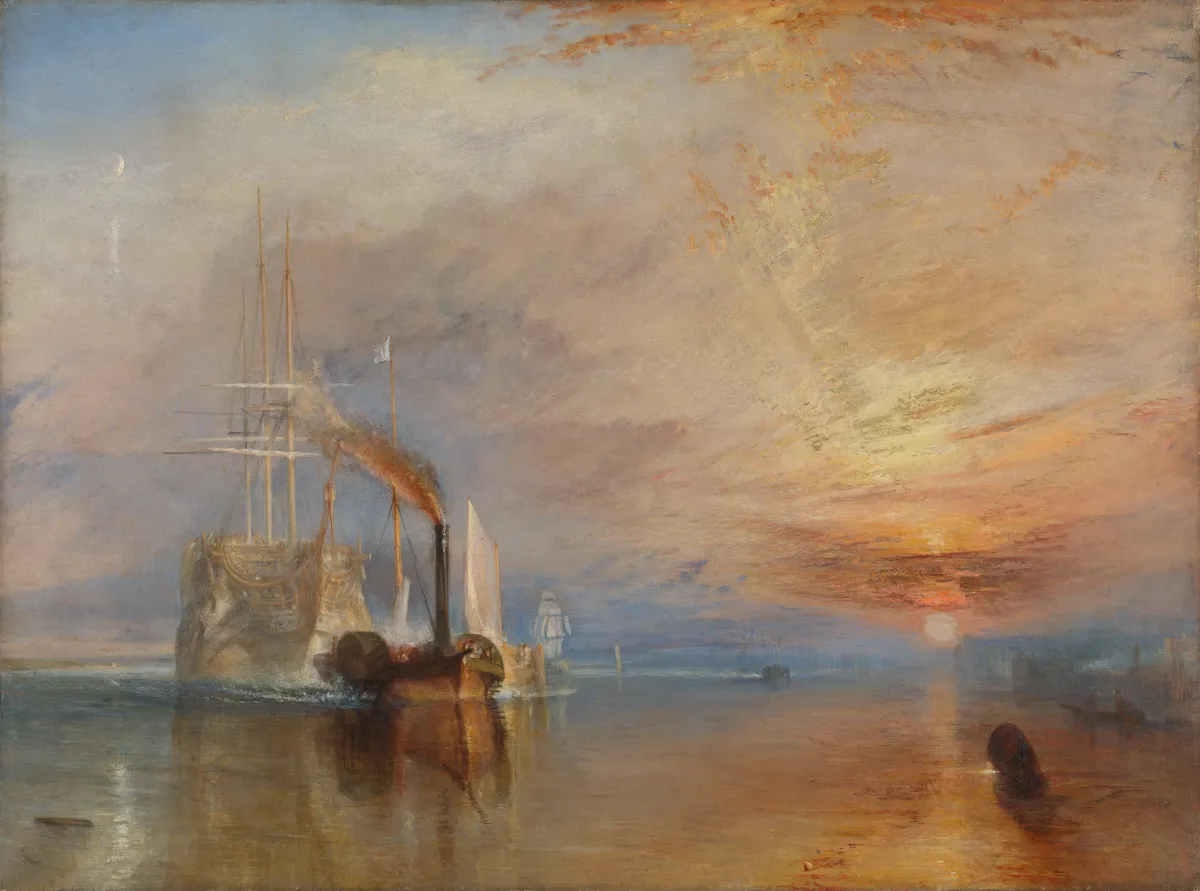
Turner's "The Slave Ship 1840" is a striking example of oil on canvas technique, showcasing swirling, tempestuous waves and fiery skies. The artist’s bold brushwork and vivid use of color epitomize the Romanticism movement’s focus on emotional intensity. This painting demonstrates Turner's unparalleled skill with oil on canvas, making it a coveted addition to any collection. Consider pairing it with related products like "The Fighting 'Téméraire' tugged to her last Berth to be broken up" for a comprehensive Turner display.
Every detail in "The Slave Ship 1840" tells a poignant story, making it more than just a fine art painting for sale. Turner used symbolism to highlight the horrors of the transatlantic slave trade, blending the forces of nature with human tragedy. The painting, rooted in the Romanticism tradition, encourages viewers to reflect on history. Collectors might also appreciate Turner's other works, such as "The Fighting 'Téméraire' tugged to her last Berth to be broken up," for further exploration of his narrative style.
Owning "The Slave Ship 1840" by Joseph Mallord William Turner means possessing a significant piece of Romanticism heritage. This hand-painted oil painting is not only visually stunning but also historically profound, appealing to discerning collectors. Its dramatic depiction and emotional depth make it a centerpiece for any fine art collection. For those looking to expand their collection, related products like "The Fighting 'Téméraire' tugged to her last Berth to be broken up" offer complementary insights into Turner's genius.
When Art Meets History
"The Slave Ship 1840" by Joseph Mallord William Turner stands as a remarkable testament to the Romanticism movement. This hand-painted oil painting captures a tragic moment from history, reflecting the horrors of the slave trade. Turner, renowned for his evocative landscapes, uses this work to bridge art and social commentary, similar to masterpieces like "Washington Crossing the Delaware 1851" and "Dawn at the Alamo." The painting’s historical relevance makes it a significant fine art painting for sale.
Techniques That Speak
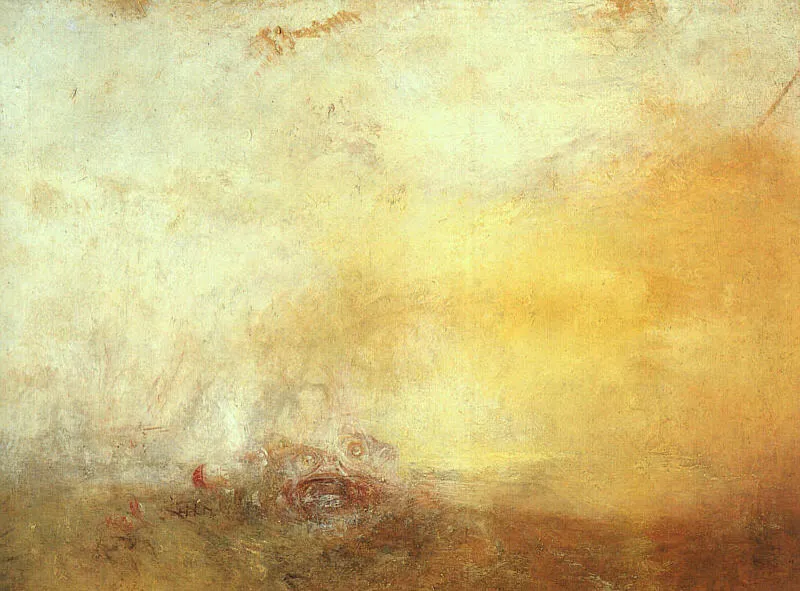
Turner's mastery of oil on canvas is evident in "The Slave Ship 1840," where vibrant colors and sweeping brushstrokes convey the tumultuous sea and sky. The artist’s innovative approach, seen also in "Ship at Sea, Sunset," exemplifies the Romanticism movement’s emphasis on emotion and atmosphere. The blending and layering of pigments in this oil on canvas create a sense of motion and drama, making this piece a technical marvel and a sought-after example of fine art painting for sale.
Emotions on Display
In "The Slave Ship 1840," Joseph Mallord William Turner evokes intense feelings of despair and chaos, hallmarks of the Romanticism era. The painting’s turbulent waves and stormy skies mirror the emotional turmoil of its subject matter. Similar to the evocative mood in "The Wanderer above the Mists 1817-18" and "The Kiss 1859," this hand-painted oil painting immerses viewers in raw emotion, making it a compelling fine art painting for sale for collectors who value emotional depth in art.
Coveted by Collectors
"The Slave Ship 1840" remains highly coveted among collectors, prized both for its historical significance and its artistic brilliance. Turner’s ability to combine narrative and technique in this oil on canvas aligns with other iconic works from the Romanticism period, such as "Dawn at the Alamo." Its presence in any collection signifies a deep appreciation for fine art painting for sale, and it continues to inspire admiration alongside masterpieces like "Ship at Sea, Sunset."
Related Romanticism Hand-Painted Oil Paintings by Other Artists
Other Famous Romanticism Artists:
Frequently Asked Questions About The Slave Ship 1840
What historical event inspired Joseph Mallord William Turner to create The Slave Ship?
The Slave Ship was inspired by the historical events surrounding the transatlantic slave trade, particularly the tragic incident of slaves being thrown overboard to claim insurance money during a storm.
What artistic techniques did Turner employ in The Slave Ship?
Turner utilized loose brushwork, vibrant colors, and dramatic lighting to convey emotion and movement, creating a sense of chaos and urgency that reflects the tumultuous nature of the scene.
How does The Slave Ship reflect Turner's views on human suffering?
The painting serves as a powerful commentary on the brutality of slavery, depicting the suffering of the enslaved individuals and evoking a sense of moral outrage through its vivid imagery and emotional intensity.
What symbolism is present in The Slave Ship?
The ship represents the horrors of the slave trade, while the turbulent sea and ominous sky symbolize the chaos and moral turmoil associated with such inhumanity, suggesting a confrontation with nature and conscience.
In what ways did The Slave Ship influence later artists?
Turner's innovative use of color and light in The Slave Ship influenced the Impressionist movement and later artists, encouraging them to explore emotional expression and the interplay of light in their works.
What role does color play in The Slave Ship?
Color plays a crucial role in conveying emotion; the fiery reds and oranges evoke a sense of danger and urgency, while the dark blues and blacks suggest despair and the depths of human suffering.
How does The Slave Ship fit within the context of Turner's overall body of work?
The Slave Ship is emblematic of Turner's later works, where he increasingly focused on themes of nature's power and human vulnerability, blending romanticism with social commentary.
What was the public's reaction to The Slave Ship upon its exhibition?
The painting elicited mixed reactions; while some praised its emotional depth and artistic innovation, others were shocked by its graphic portrayal of suffering, reflecting the contentious nature of the subject matter.
How does The Slave Ship relate to the abolitionist movement?
The Slave Ship can be seen as a visual critique of the slave trade, aligning with the abolitionist movement's goals by raising awareness of the atrocities committed against enslaved individuals and advocating for their humanity.
What is the significance of the title, The Slave Ship?
The title directly identifies the subject of the painting, emphasizing the focus on the slave trade and its moral implications, while also serving as a stark reminder of the historical context and the human cost involved.






















_GFM_Painting_(1).webp)


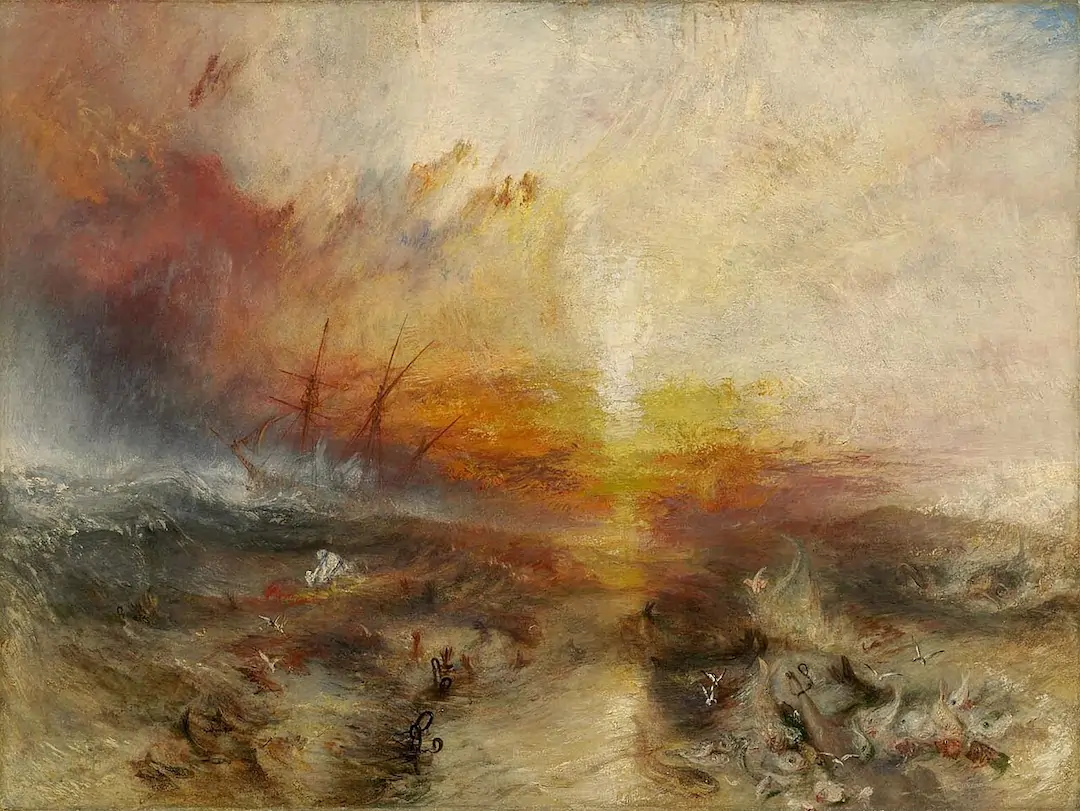
 100% Hand-Painted: Finished in 3-6 Weeks

.png)















_(1).webp)