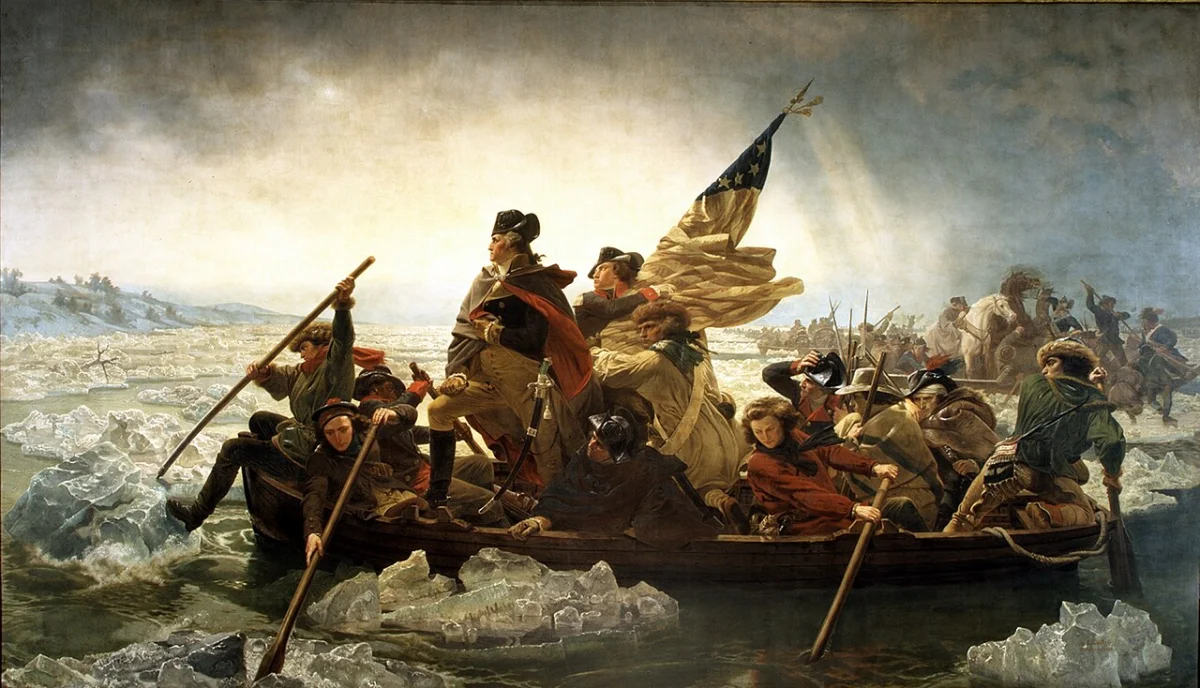
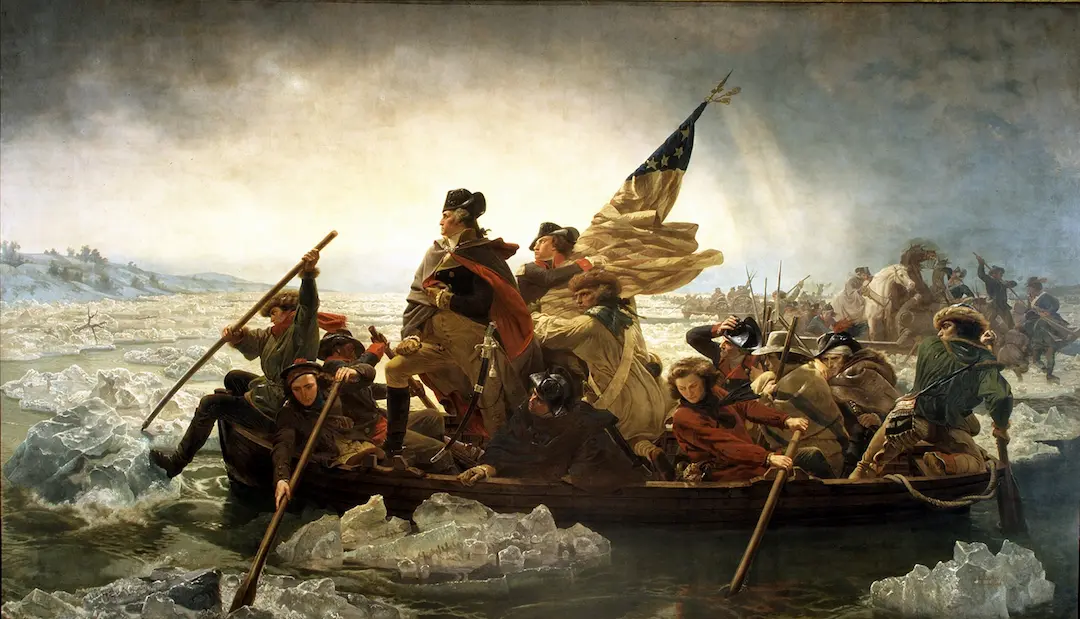
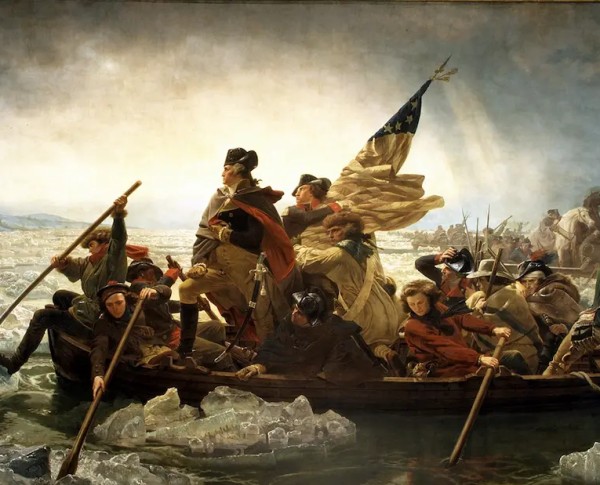
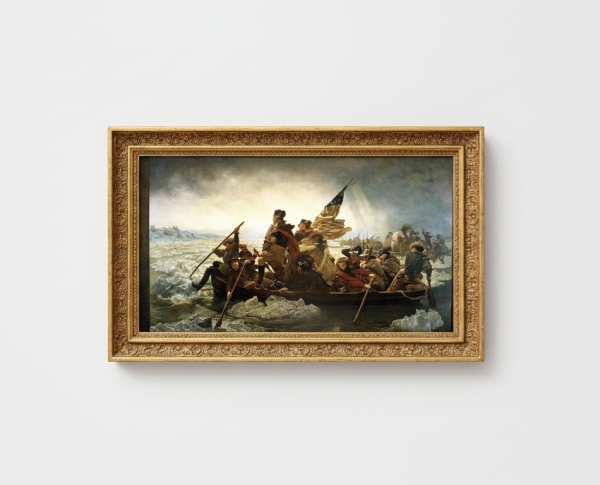
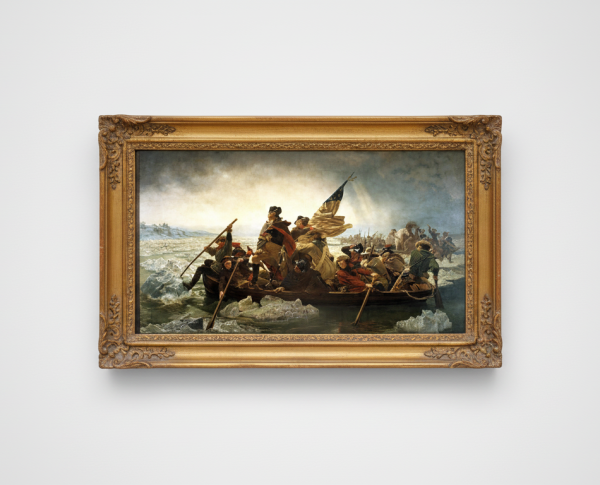
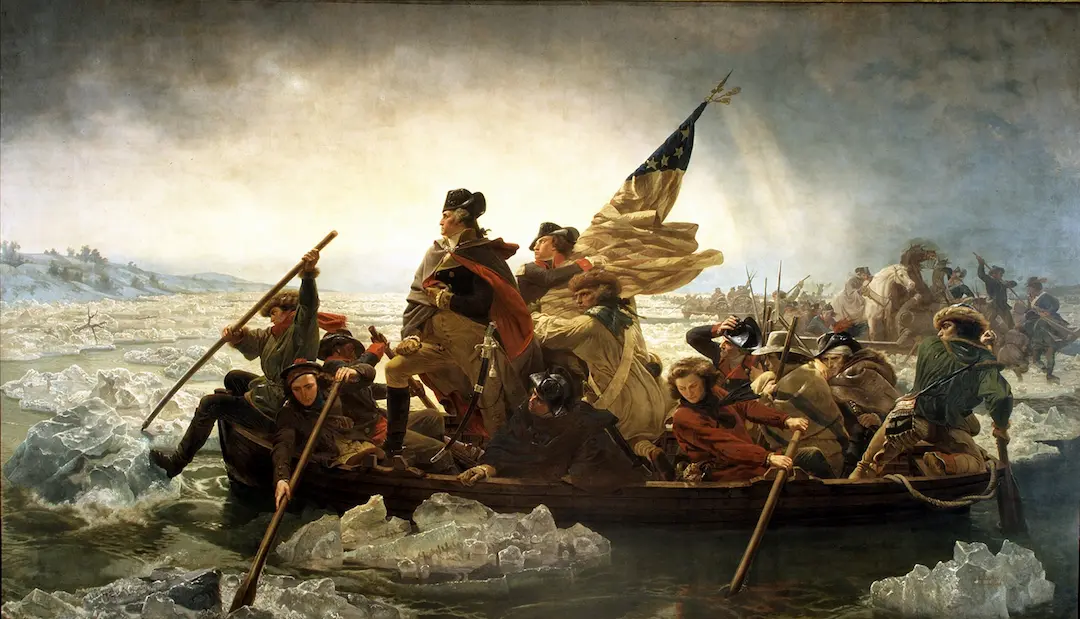
Emanuel Gottlieb Leutze’s "Washington Crossing the Delaware 1851" is renowned for its intricate detail and dramatic composition, hallmarks of the Romanticism era. Each brushstroke in this oil on canvas work demonstrates Leutze’s meticulous attention to light, movement, and emotion. The vibrant colors and dynamic figures draw viewers into the scene, making this hand-painted oil painting a centerpiece in any collection. Experience the mastery of Romanticism through this fine art painting for sale.
"Washington Crossing the Delaware 1851" by Emanuel Gottlieb Leutze is rich with symbolism, capturing the spirit of determination and hope. The composition, a true oil on canvas marvel, depicts the diverse group of soldiers and the icy waters, reflecting unity and resilience. As a Romanticism masterpiece, this hand-painted oil painting tells a story that transcends generations, making it a meaningful addition to any art lover’s collection and a distinguished fine art painting for sale.
For collectors, Emanuel Gottlieb Leutze’s "Washington Crossing the Delaware 1851" is more than an oil on canvas; it’s an iconic symbol of American heritage and Romanticism. This hand-painted oil painting is highly sought-after, elevating any private or public art collection. Investing in this fine art painting for sale not only brings historical significance but also the timeless beauty and emotion that Leutze masterfully rendered, making it a prized acquisition for discerning collectors.
When Art Meets History
Emanuel Gottlieb Leutze’s masterpiece, Washington Crossing the Delaware 1851, stands as a celebrated example of the Romanticism movement. This hand-painted oil painting captures the pivotal moment of General Washington’s daring river crossing, blending historical significance with artistic grandeur. Like related works such as The Wanderer above the Mists 1817-18 and The Slave Ship 1840, Leutze’s creation immortalizes a dramatic event, making it a notable fine art painting for sale among collectors and enthusiasts.
Techniques That Speak
Leutze’s use of oil on canvas in Washington Crossing the Delaware 1851 exhibits masterful technique characteristic of the Romanticism movement. Bold brushstrokes and vibrant contrasts bring the icy river and determined figures to life, similar to the dramatic intensity seen in The Fighting 'Téméraire' tugged to her last Berth to be broken up. The artist’s attention to detail and composition in this oil on canvas work continues to inspire admirers of Romantic fine art.
Emotions on Display
The emotional impact of Washington Crossing the Delaware 1851 is profound, demonstrating Emanuel Gottlieb Leutze’s Romantic vision. Each figure’s expression and posture convey hope, courage, and uncertainty, echoing the emotional depth found in works like The Kiss 1859 and Ship at Sea, Sunset. This hand-painted oil painting not only narrates a historic event but also evokes strong feelings, making it a centerpiece for those seeking a fine art painting for sale with compelling storytelling.
Coveted by Collectors
As a significant work in the Romanticism movement, Washington Crossing the Delaware 1851 by Emanuel Gottlieb Leutze is highly sought after by collectors. Its historical narrative, artistic mastery, and connection to related paintings make it a desirable oil on canvas piece. The demand for such a fine art painting for sale remains strong, appealing to those who appreciate the blend of history and emotion that defines the Romantic era.
Related Romanticism Hand-Painted Oil Paintings by Other Artists
Other Famous Romanticism Artists:
Frequently Asked Questions About Washington Crossing the Delaware 1851
What historical event does "Washington Crossing the Delaware" depict?
The painting depicts General George Washington's daring crossing of the Delaware River on the night of December 25-26, 1776, during the American Revolutionary War, leading to a surprise attack on Hessian forces in Trenton, New Jersey.
Who is the artist of "Washington Crossing the Delaware" and what is his significance?
The artist, Emanuel Gottlieb Leutze, was a German-American painter known for his historical scenes. This particular work is one of his most famous pieces and has become an iconic representation of American patriotism.
What artistic techniques did Leutze employ in this painting?
Leutze utilized dramatic lighting, dynamic composition, and a strong sense of movement to convey the urgency and heroism of the moment. The use of color contrasts enhances the emotional intensity of the scene.
What symbols are present in the painting and what do they represent?
The painting features several symbols, including the American flag, which represents patriotism and unity, and the presence of diverse figures in the boat, symbolizing the collective effort of different groups in the fight for independence.
How does Leutze's background influence the painting?
Leutze, born in Germany and later emigrating to the United States, was influenced by both European romanticism and American ideals. His perspective as an immigrant contributed to the painting's themes of freedom and the struggle for democracy.
What is the significance of the composition in "Washington Crossing the Delaware"?
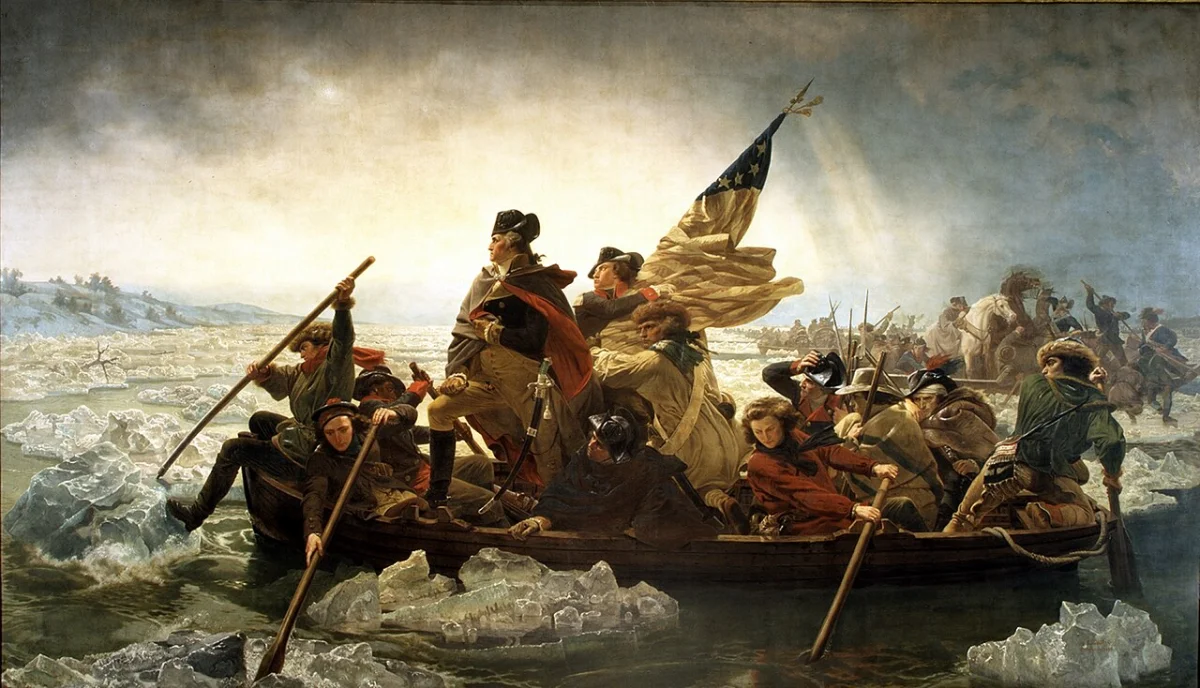
The composition is carefully arranged to draw the viewer's eye to Washington at the forefront, emphasizing his leadership. The diagonal lines created by the boat and the figures create a sense of movement and urgency, reflecting the tension of the moment.
In what ways has "Washington Crossing the Delaware" influenced American culture?
The painting has become a symbol of American resilience and determination, often referenced in various forms of media, including literature, film, and political discourse, reinforcing its status as a cultural icon.
What role does light play in the painting?
Light in the painting is used to highlight Washington and create a dramatic contrast with the dark, tumultuous waters of the Delaware River. This technique underscores the heroic nature of the crossing and the perilous conditions faced by the soldiers.
How has the interpretation of "Washington Crossing the Delaware" evolved over time?
Initially celebrated as a patriotic masterpiece, the painting has also been critiqued for its historical inaccuracies and romanticized portrayal of the event. Contemporary interpretations often focus on its symbolic representation of American ideals rather than strict historical fidelity.
Where is "Washington Crossing the Delaware" currently housed?
The painting is housed at the Metropolitan Museum of Art in New York City, where it continues to be a significant piece in the collection, attracting visitors interested in American history and art.






















_GFM_Painting_(1).webp)


 100% Hand-Painted: Finished in 3-6 Weeks

.png)















_(1).webp)