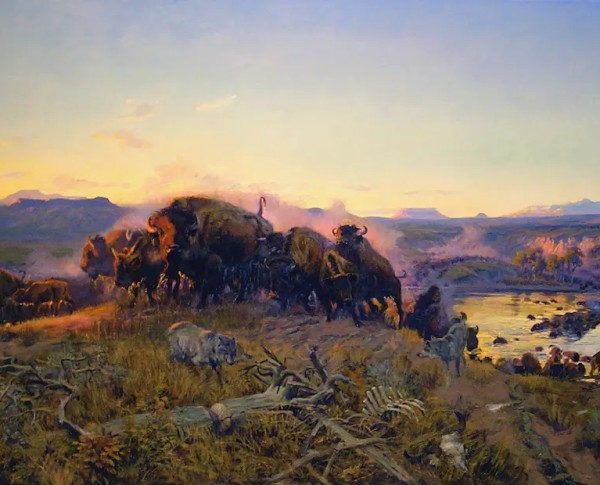
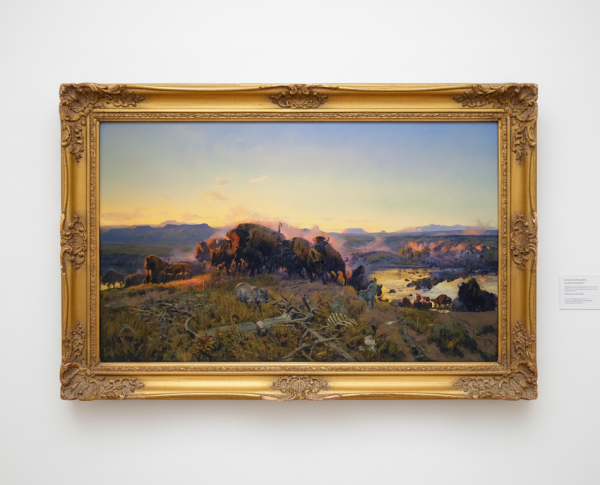
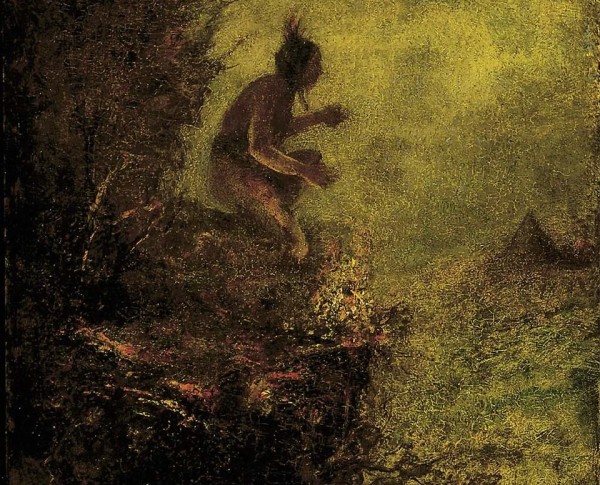
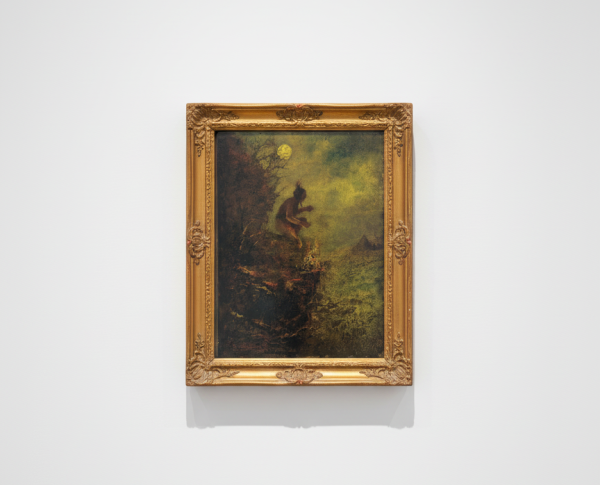
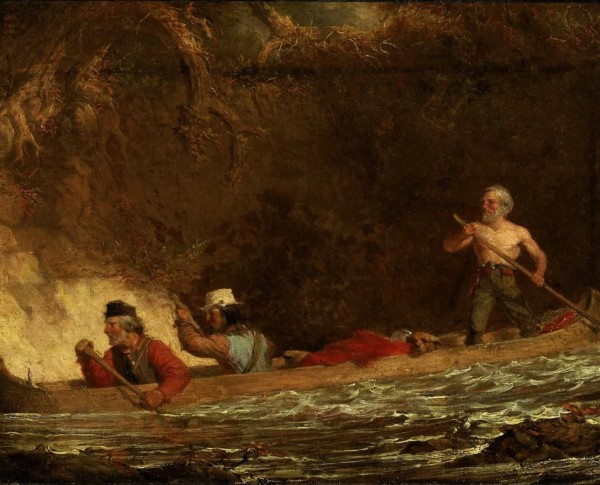
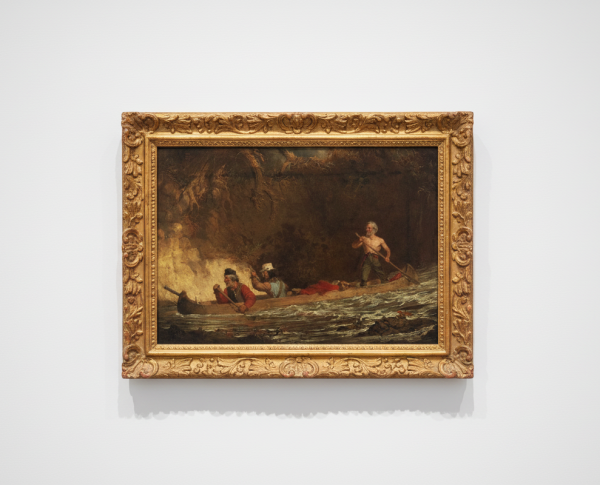
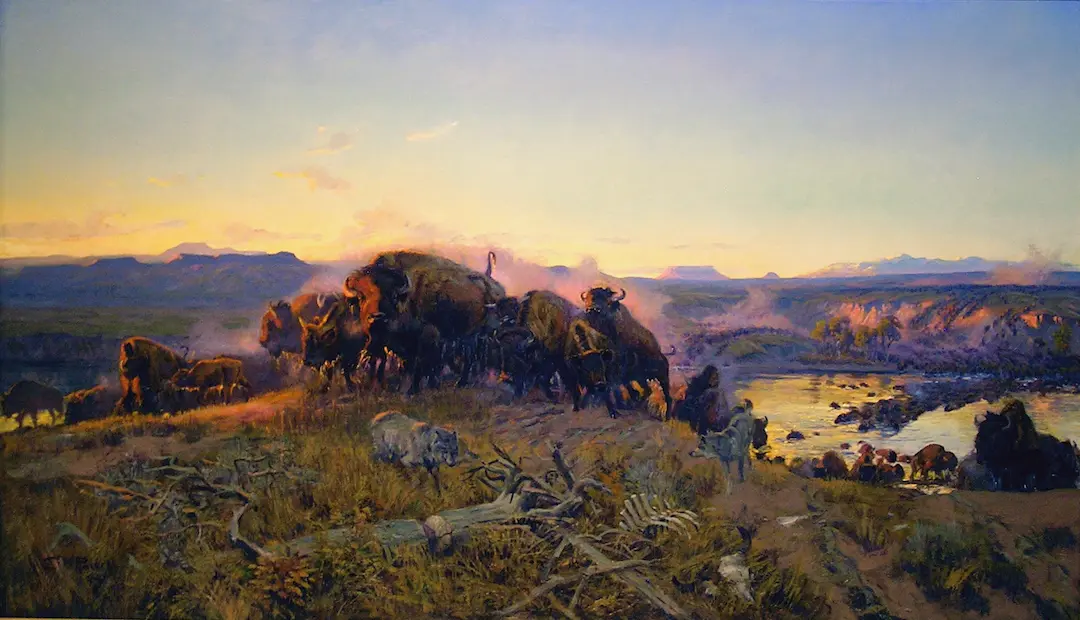
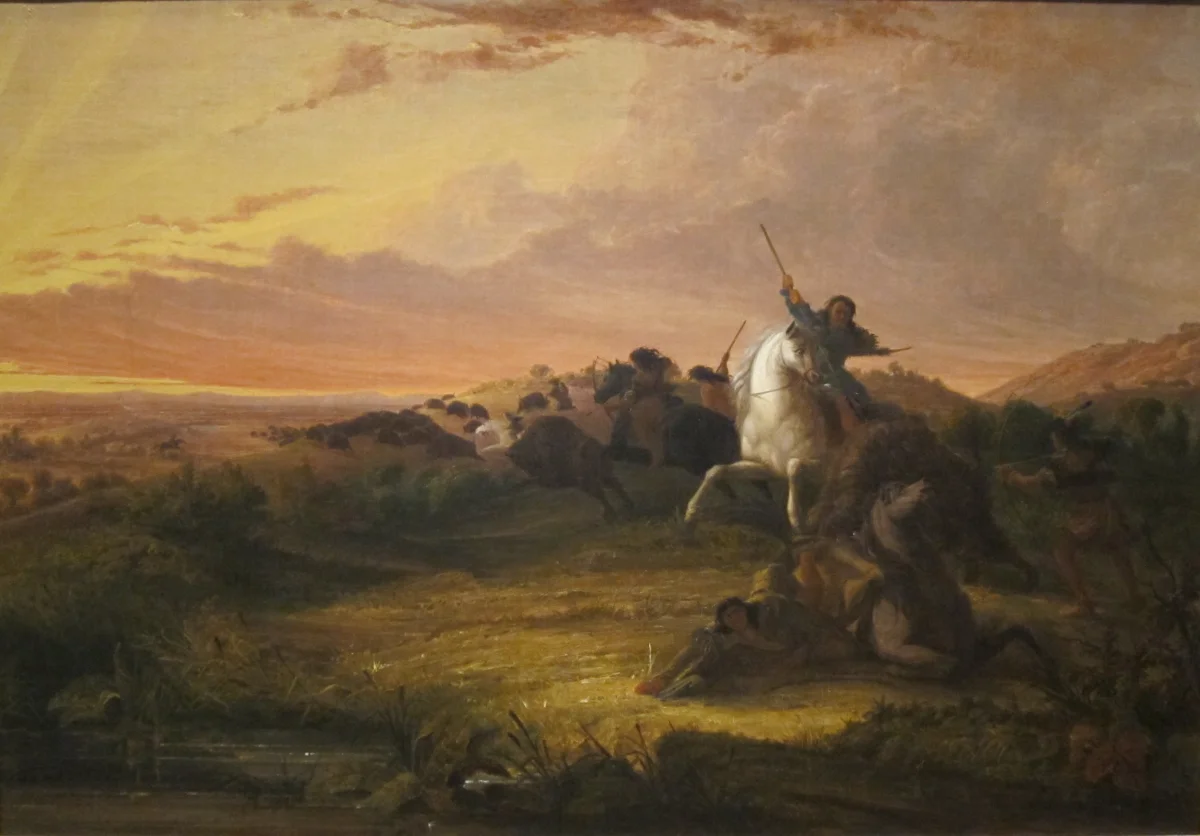
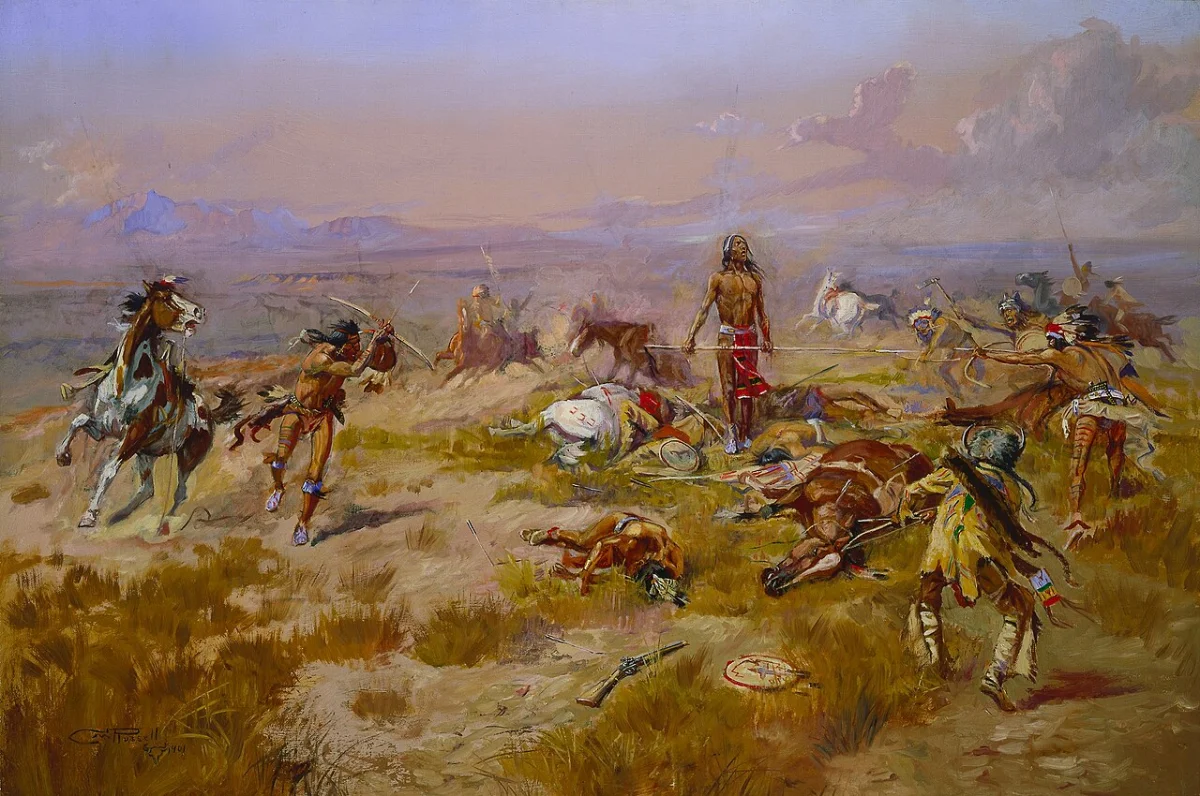
Charles Marion Russell’s technique in "When the Land Belonged to God" exemplifies the finesse of oil on canvas. The textured brushwork and vibrant hues typify American Impressionism, drawing viewers into sweeping vistas and dramatic skies. Each stroke reveals Russell’s dedication to authenticity and emotion, making this painting a true standout. Collectors and admirers of the genre often seek similar works, with pieces like "Whose Meat?" offering complementary visions of the American frontier.
Every inch of "When the Land Belonged to God" is infused with stories and symbols reflecting the untamed West. As a fine art painting for sale, it resonates with themes of nature, freedom, and the changing landscape. Charles Marion Russell skillfully embeds iconic imagery, inviting viewers to reflect on the movement’s core values. For those drawn to narrative-rich pieces, this painting and related works such as "Whose Meat?" provide a profound connection to American Impressionism.
Possessing "When the Land Belonged to God" by Charles Marion Russell is a dream for any lover of American Impressionism. This hand-painted oil painting not only elevates a collection but also serves as an investment in artistic heritage. Collectors appreciate the authenticity and historical value, often pairing it with related products like "Whose Meat?" for a cohesive display. Such masterpieces ensure that the legacy of Russell and his movement endures for generations to come.
When Art Meets History
Charles Marion Russell’s “When the Land Belonged to God” stands as a testament to the American Impressionism movement, capturing a pivotal era in history. This hand-painted oil painting reflects Russell’s deep reverence for the untamed American West, portraying scenes of wildlife and indigenous culture before industrialization. The painting resonates with the same historical depth found in related works like “A Morning Walk” and “El Jaleo,” making it a remarkable piece for both art lovers and historians alike.
Techniques That Speak
Russell’s masterful use of oil on canvas in “When the Land Belonged to God” showcases the luminous brushwork and vibrant palette characteristic of American Impressionism. His technique, similar to that observed in “Carnation, Lily, Lily, Rose” and “Madame X (or Madame Pierre Gautreau),” emphasizes light and movement, drawing viewers into the scene. The artist’s dedication to his craft is evident in every stroke, making this painting a significant example of creative innovation within the movement.
Emotions on Display
In “When the Land Belonged to God,” Charles Marion Russell evokes profound emotions through his depiction of vast landscapes and native wildlife. The painting’s atmosphere stirs nostalgia and awe, inviting reflection on a bygone era. Like “The Daughters Of Edward Darley Boit,” Russell’s work captures the subtle interplay of mood and setting, making it more than just a fine art painting for sale—it’s a window into the soul of the American West, resonating deeply with viewers.
Coveted by Collectors
“When the Land Belonged to God” is highly coveted by collectors of American Impressionism, thanks to its historical significance and artistic excellence. The value of this hand-painted oil painting is underscored by its association with Charles Marion Russell and its thematic ties to masterpieces such as “Madame X (or Madame Pierre Gautreau)” and “El Jaleo.” Owning such a work is a rare opportunity for those seeking a timeless piece of art history for their collection.
Related American Impressionism Hand-Painted Oil Paintings by Other Artists
Other Famous American Impressionism Artists:
Frequently Asked Questions About When the Land Belonged to God
What is the historical context of "When the Land Belonged to God"?
This painting reflects the early 20th-century American West, a time when the relationship between Native Americans and settlers was complex and often contentious. Charles Marion Russell sought to capture the spirit of the West before it was irrevocably changed by modernization.
What artistic techniques did Charles Marion Russell employ in this painting?
Russell utilized a combination of impressionistic brushwork and realistic detail to convey the vibrancy of the landscape and the figures within it. His use of color and light enhances the emotional impact of the scene.
What themes are explored in "When the Land Belonged to God"?
The painting explores themes of spirituality, nature, and the connection between humanity and the land. It reflects a reverence for the natural world and the sacredness attributed to it by Indigenous cultures.
How does this painting represent Native American culture?
Russell's work often depicts Native American life with a sense of respect and admiration. In "When the Land Belonged to God," the figures are portrayed in a manner that emphasizes their harmony with the land and their spiritual connection to it.
What symbolism is present in "When the Land Belonged to God"?
The title itself suggests a deep spiritual connection to the land, symbolizing the belief that the land is sacred. Elements within the painting, such as the figures and the landscape, further symbolize the unity between nature and Indigenous identity.
What influence did Charles Marion Russell have on American art?
Russell is often regarded as one of the foremost Western artists, influencing the genre with his unique perspective on the American West. His works have contributed to the romanticized view of Western life and have inspired future generations of artists.
What is the significance of the title "When the Land Belonged to God"?
The title suggests a time when the land was viewed as a divine creation, emphasizing the spiritual connection that many Indigenous peoples have with their environment. It invites viewers to reflect on the historical and cultural significance of land ownership and stewardship.
How does this painting fit into the larger narrative of American history?
"When the Land Belonged to God" fits into the narrative of American history by highlighting the tension between Indigenous cultures and European settlers. It serves as a reminder of the impact of colonization and the ongoing dialogue about land rights and cultural preservation.
What materials and mediums did Russell use for this painting?
Charles Marion Russell primarily worked with oil paints on canvas, which allowed him to achieve rich textures and vibrant colors that bring his subjects to life. His choice of medium is essential in conveying the emotional depth of the scene.
How can viewers interpret the emotional tone of "When the Land Belonged to God"?
The emotional tone of the painting can be interpreted as both nostalgic and reverent. It evokes a sense of longing for a time when the land was untouched and sacred, inviting viewers to reflect on their own relationship with nature and history.






















_GFM_Painting_(1).webp)



 100% Hand-Painted: Finished in 3-6 Weeks

.png)















_(1).webp)