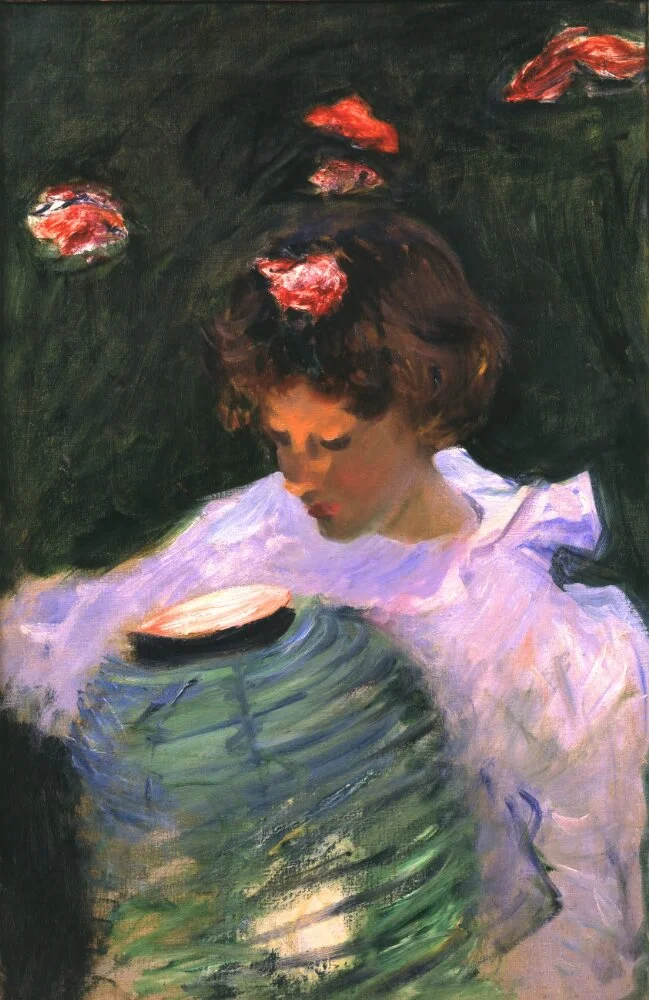
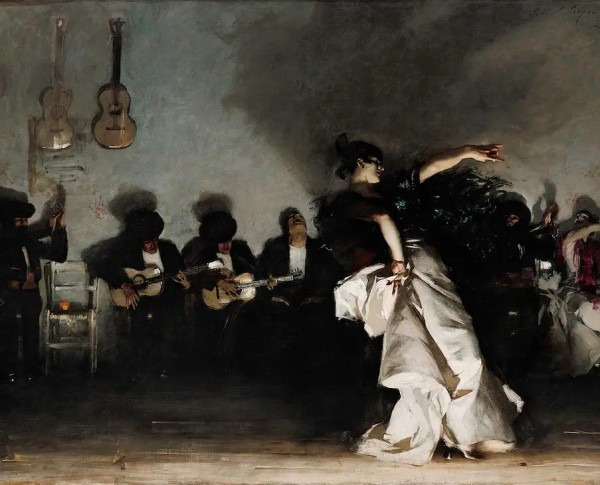
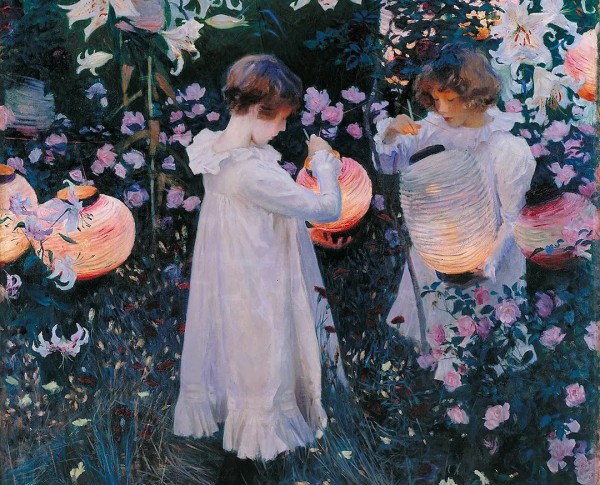
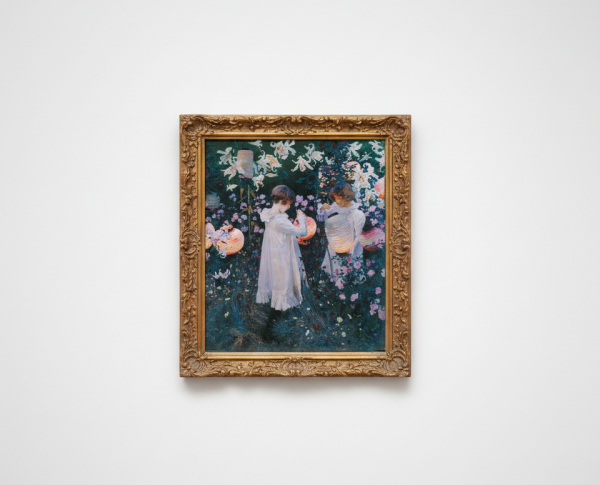
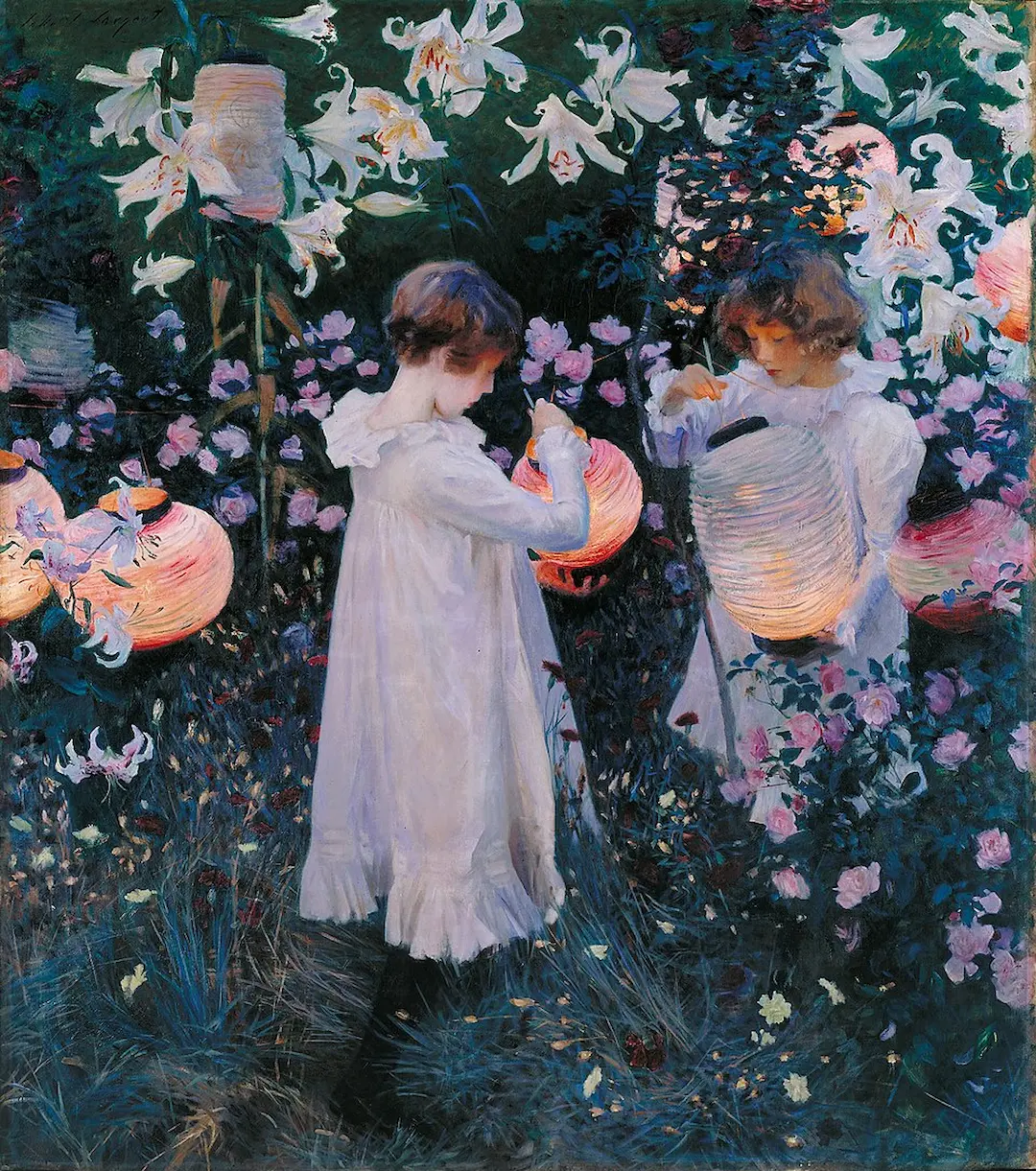
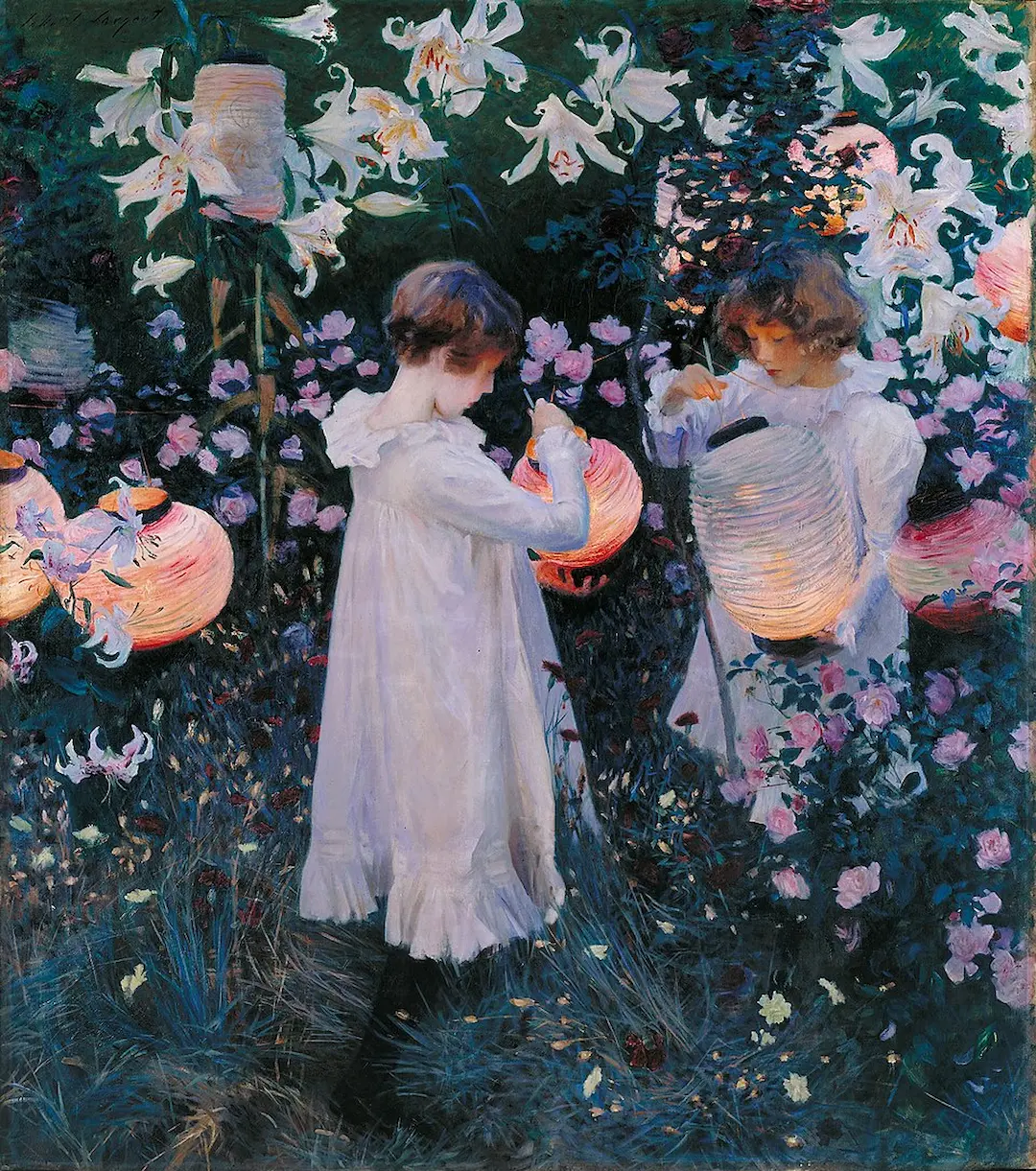
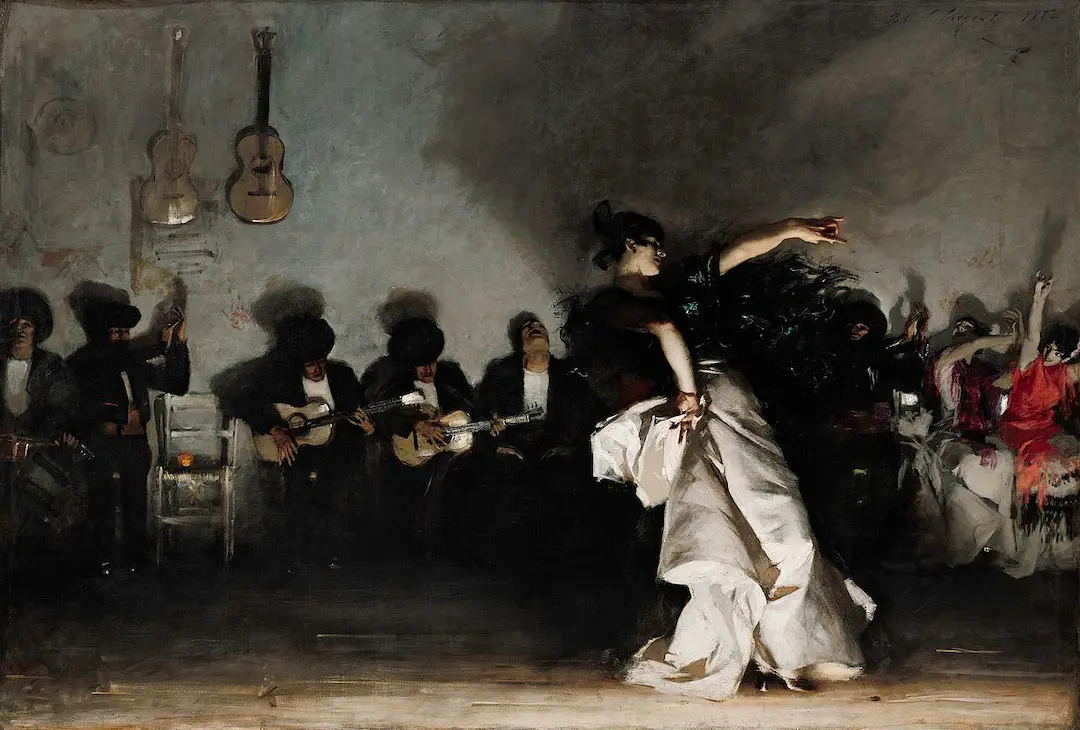
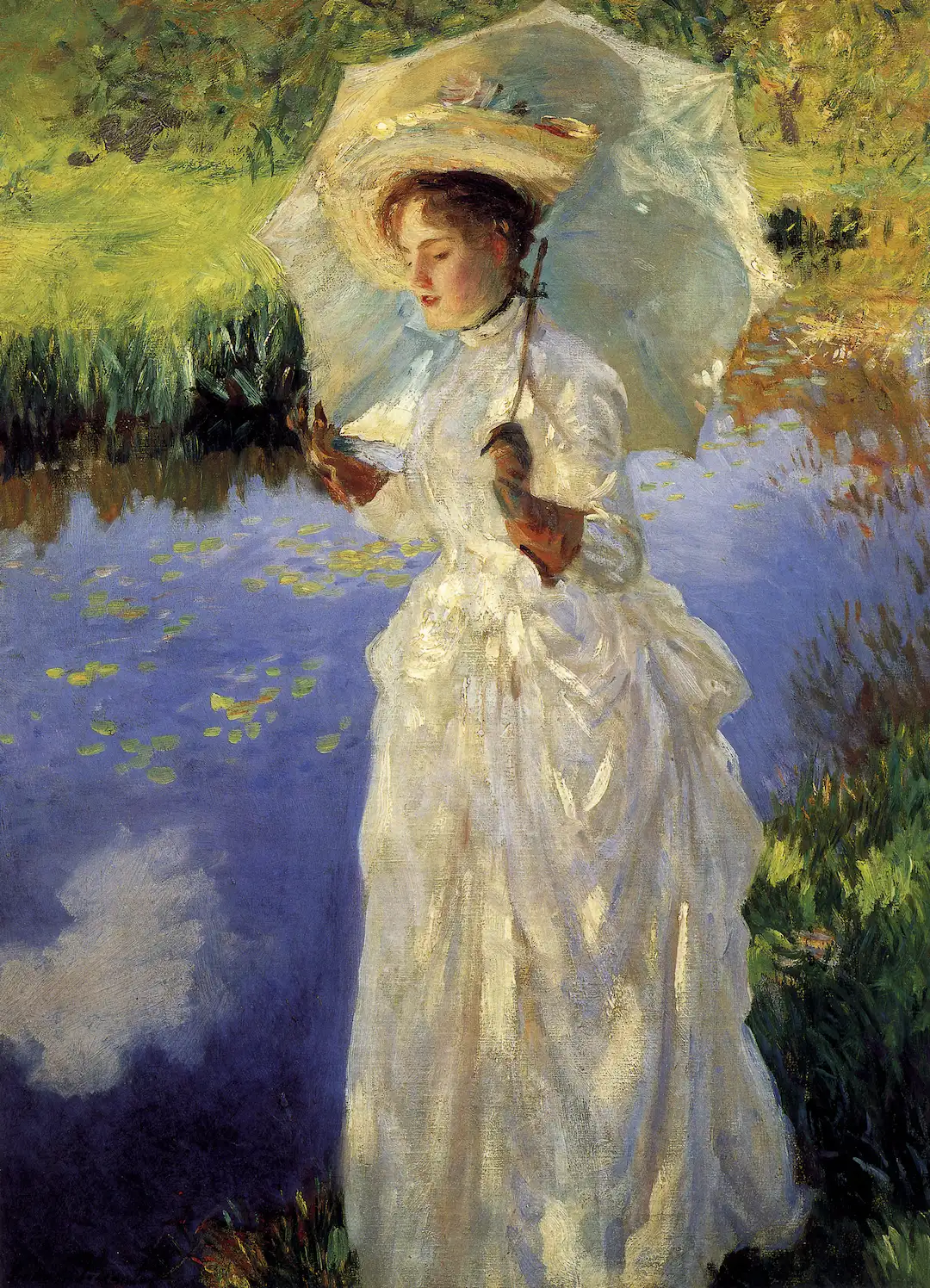
Sargent’s "Carnation, Lily, Lily, Rose" is an exquisite example of oil on canvas technique, showcasing his skillful brushwork and sensitivity to light. The blending of pastel hues and delicate illumination demonstrates Sargent’s command of American Impressionism. This painting, along with related works such as "A Morning Walk" and "El Jaleo," displays his ability to evoke mood and atmosphere, making each oil on canvas a captivating addition to any art enthusiast’s collection.
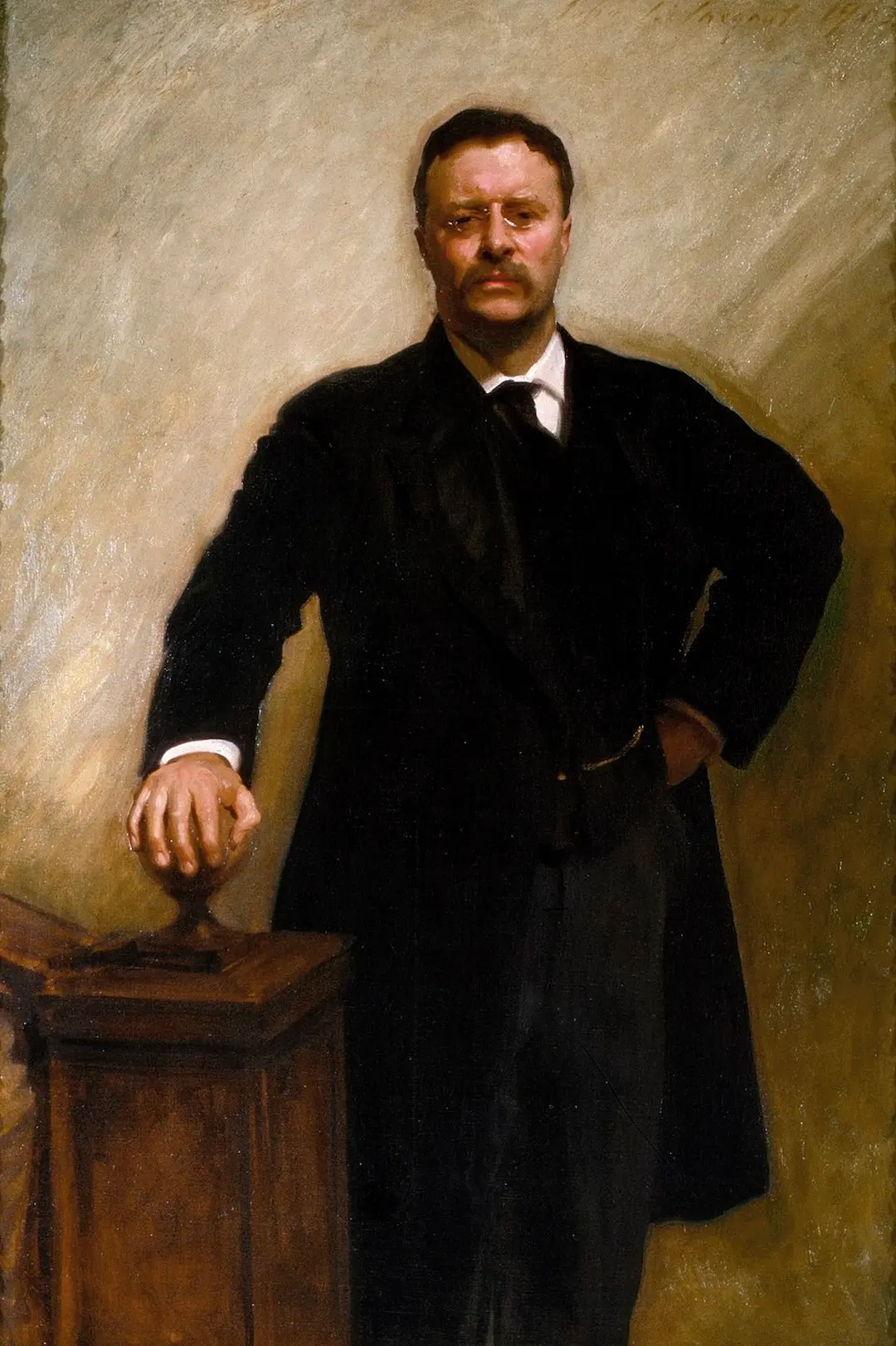
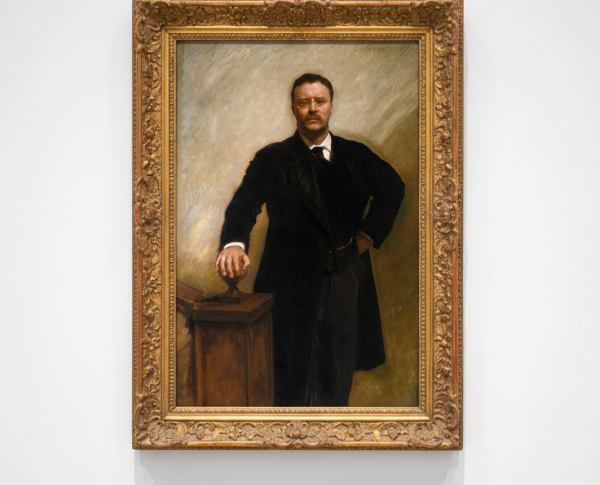
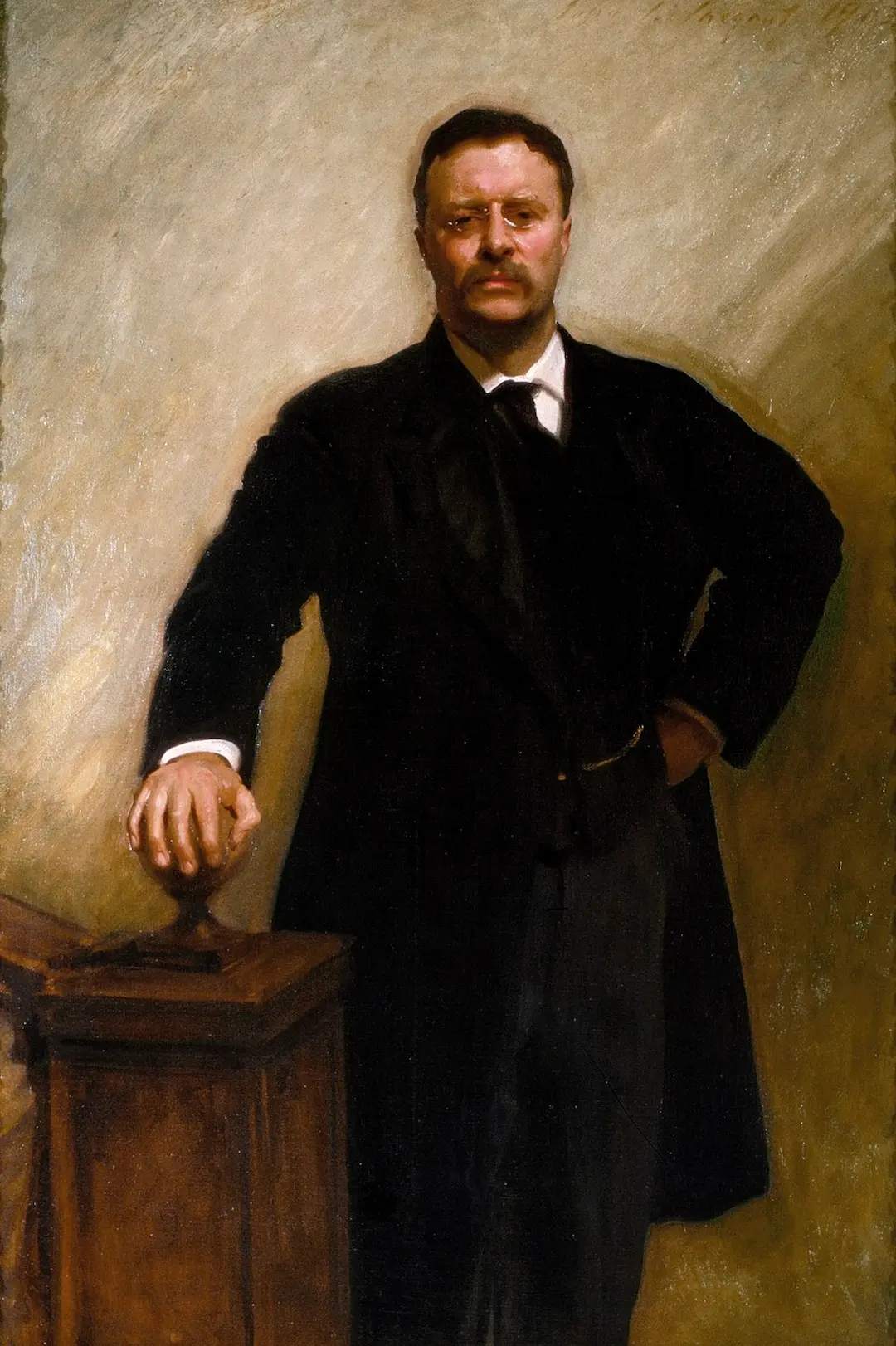
Every element in "Carnation, Lily, Lily, Rose" tells a story, from the glowing lanterns to the lush garden setting. Sargent’s attention to detail infuses the scene with symbolism, representing innocence and the fleeting nature of childhood. As a fine art painting for sale, it appeals to collectors who appreciate narrative depth. Other works by Sargent, like "President Theodore Roosevelt," also weave rich stories, making them highly desirable within the American Impressionism movement.
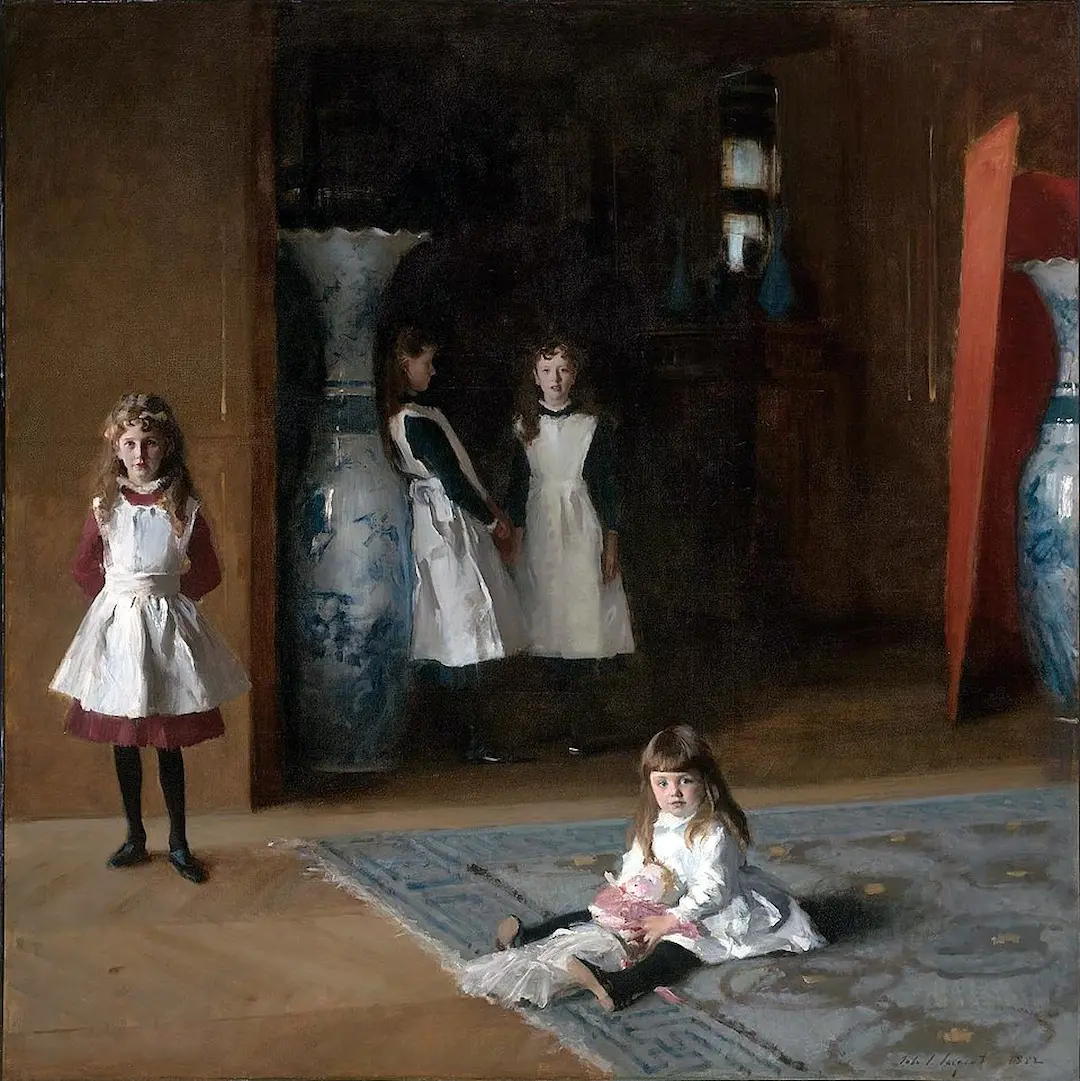
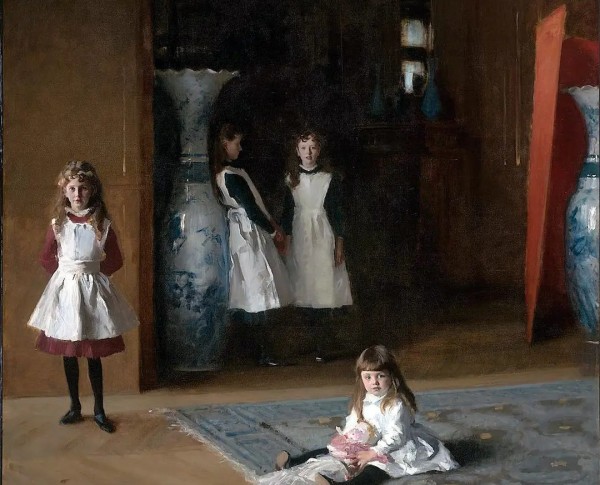
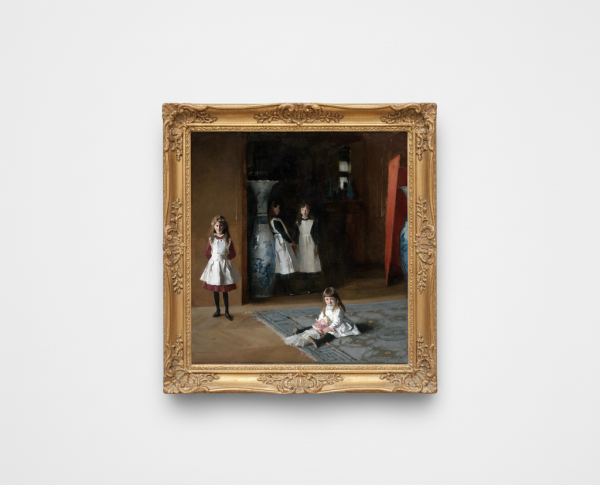
For art collectors, "Carnation, Lily, Lily, Rose" is more than an exquisite hand-painted oil painting; it’s a prized possession that exemplifies Sargent’s genius in American Impressionism. The painting’s luminous beauty and historical significance make it a sought-after fine art painting for sale. Enthusiasts often pair it with related products such as "El Jaleo" or "The Daughters Of Edward Darley Boit," creating a distinguished collection that honors Sargent’s enduring legacy.
When Art Meets History
John Singer Sargent’s "Carnation, Lily, Lily, Rose" stands as a luminous example of American Impressionism, capturing a fleeting twilight moment with remarkable sensitivity. Created in 1885-86, this hand-painted oil painting reflects the era’s fascination with light and atmosphere. Sargent’s work, alongside related paintings like "The Avenue in the Rain," "Whose Meat?," and "When the Land Belonged to God," weaves together history and innovation, offering viewers a window into a transformative period in fine art.
Techniques That Speak
Sargent’s exceptional mastery of oil on canvas is evident in "Carnation, Lily, Lily, Rose." Employing rapid brushstrokes and a nuanced palette, he achieves a vibrant interplay of light and color, characteristic of American Impressionism. The painting’s glowing lanterns and lush floral details demonstrate his technique, similar to what can be seen in related works such as "The Avenue in the Rain." This approach set a new standard for artists seeking to capture the ephemeral beauty of nature in oil on canvas.
Emotions on Display
"Carnation, Lily, Lily, Rose" evokes a sense of wonder and tranquility, immersing viewers in the serene world Sargent so skillfully depicted. The painting’s gentle illumination and delicate composition convey the innocence of childhood and the magic of dusk. As with "Whose Meat?" and other related works, Sargent’s fine art painting for sale appeals to those who value emotional depth and atmospheric storytelling, hallmarks of the American Impressionism movement.
Coveted by Collectors
This masterpiece by John Singer Sargent remains highly sought after by collectors and museums alike, celebrated as a pinnacle of American Impressionism. "Carnation, Lily, Lily, Rose" has inspired interest in similar hand-painted oil paintings, including "When the Land Belonged to God." Its enduring popularity ensures that fine art painting for sale from this movement continues to captivate new generations of art lovers, securing Sargent’s legacy as a master of light and emotion.
Related American Impressionism Hand-Painted Oil Paintings by Other Artists
Other Famous American Impressionism Artists:
Frequently Asked Questions About Carnation, Lily, Lily, Rose
What is the historical context of "Carnation, Lily, Lily, Rose"?
"Carnation, Lily, Lily, Rose" was painted by John Singer Sargent in 1885-1886 during a time of significant change in the art world, characterized by the transition from traditional academic painting to more modern approaches, including Impressionism.
What inspired John Singer Sargent to create this painting?
Sargent was inspired by the natural beauty of the English countryside and the enchanting light at dusk, which he sought to capture in this work. The painting reflects his admiration for the fleeting moments of beauty found in nature.
What are the main themes represented in "Carnation, Lily, Lily, Rose"?
The painting explores themes of childhood innocence, the passage of time, and the beauty of nature. It juxtaposes the delicate flowers with the children, symbolizing the ephemeral nature of youth and beauty.
Who are the figures depicted in the painting?
The figures in the painting are two young girls, the daughters of Sargent's friends, who are depicted in a serene moment amidst the blooming flowers. Their presence adds a sense of life and vibrancy to the composition.
What artistic techniques did Sargent use in this painting?
Sargent employed loose brushwork and a vibrant color palette to convey the effects of light and atmosphere. His technique showcases his mastery of capturing texture and movement, particularly in the depiction of the flowers and the children's clothing.
What is the significance of the title "Carnation, Lily, Lily, Rose"?
The title refers to the flowers depicted in the painting, which symbolize beauty and transience. The repetition of "Lily" emphasizes the importance of these flowers in the composition and their connection to the themes of the work.
How does the composition of the painting contribute to its overall impact?
The composition is carefully balanced, with the figures placed amidst a lush garden, drawing the viewer's eye through the scene. The use of diagonal lines and overlapping elements creates depth and invites contemplation of the idyllic setting.
What was the public and critical reception of "Carnation, Lily, Lily, Rose" upon its unveiling?
Upon its unveiling, the painting received acclaim for its innovative approach and technical skill. Critics praised Sargent's ability to capture light and atmosphere, and it quickly became one of his most celebrated works.
How does "Carnation, Lily, Lily, Rose" reflect Sargent's overall artistic style?
The painting exemplifies Sargent's signature style, characterized by a blend of realism and impressionistic techniques. His focus on light, color, and the human figure is evident, showcasing his ability to combine technical precision with emotional resonance.
What is the current location of "Carnation, Lily, Lily, Rose"?
The painting is part of the collection at the Tate Britain in London, where it continues to be a significant work in the study of late 19th-century art and Sargent's oeuvre.






















_GFM_Painting_(1).webp)


 100% Hand-Painted: Finished in 3-6 Weeks

.png)













.webp)



_(1).webp)