Buy John Singer Sargent El Jaleo Oil Painting - Hand Painted Reproduction
The Legacy Behind the Canvas
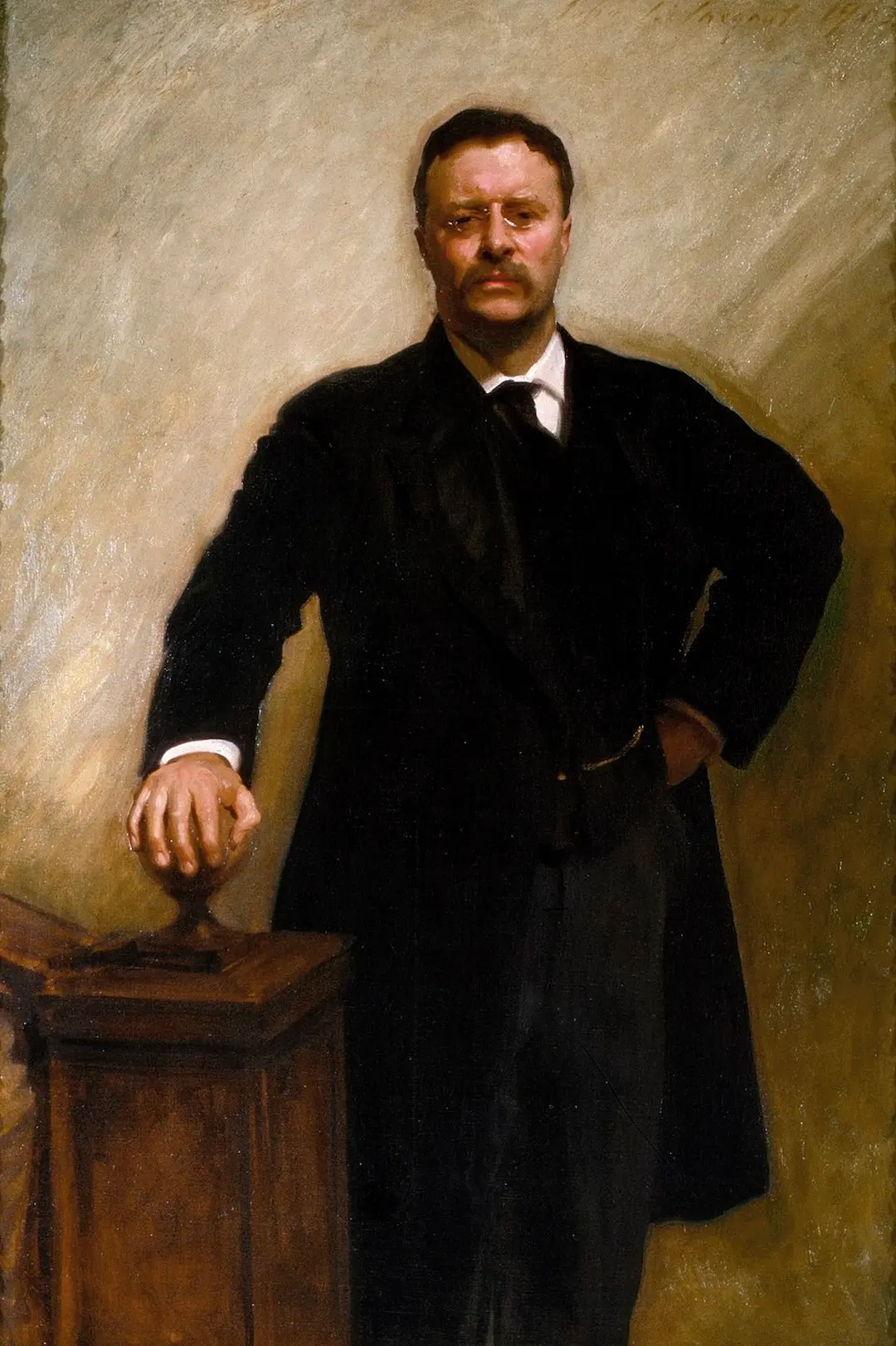
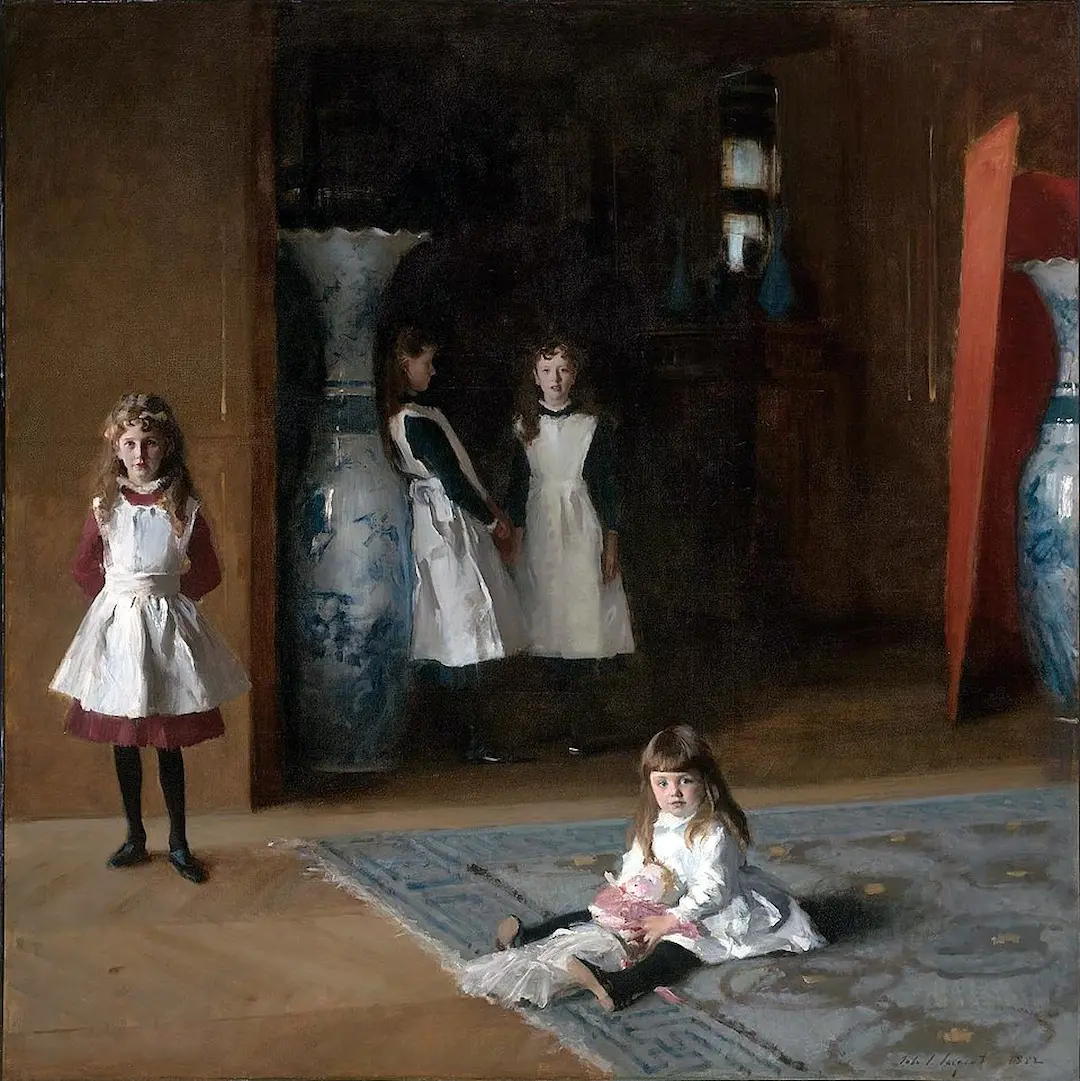
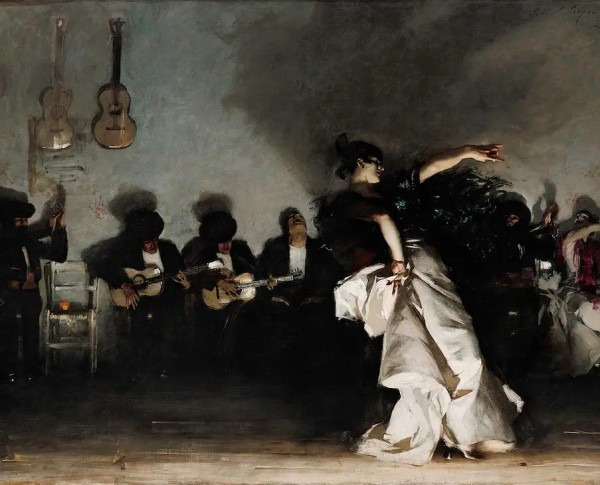
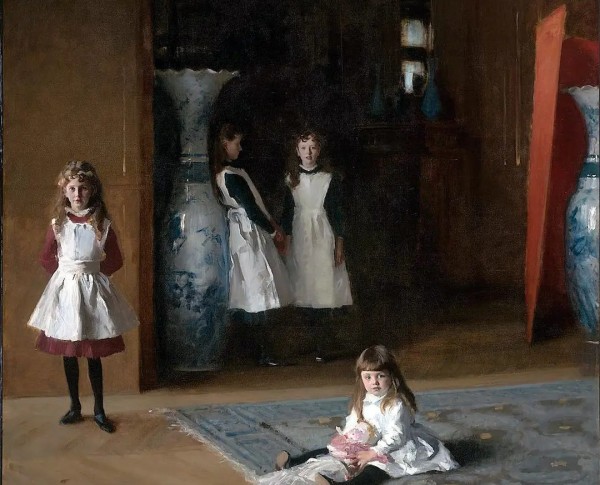
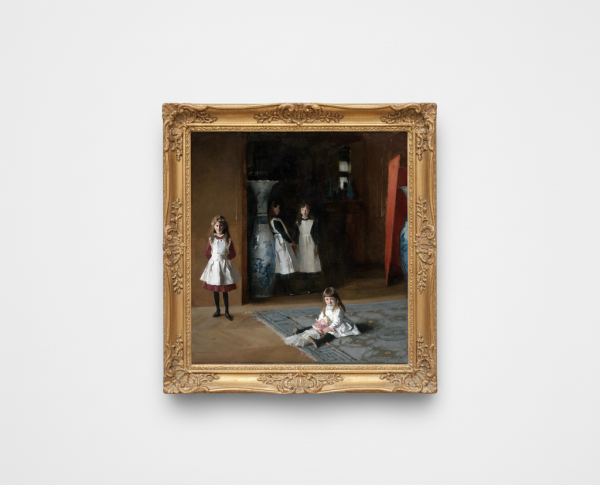
"El Jaleo" by John Singer Sargent stands as a testament to the vibrancy of American Impressionism. This hand-painted oil painting captures the spirit of Spanish dance, reflecting Sargent’s fascination with movement and culture. The painting's enduring appeal has inspired collectors and art lovers alike, making it a key highlight in discussions of American art history. Related works like "The Daughters Of Edward Darley Boit" and "Madame X" continue to intrigue enthusiasts of fine art.
Mastery in Every Stroke
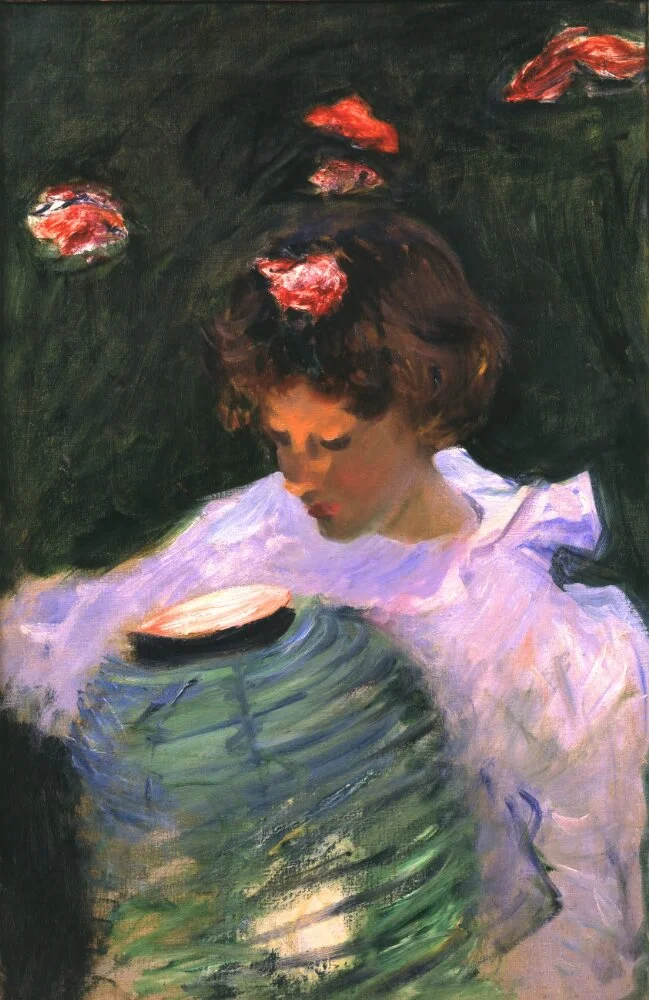
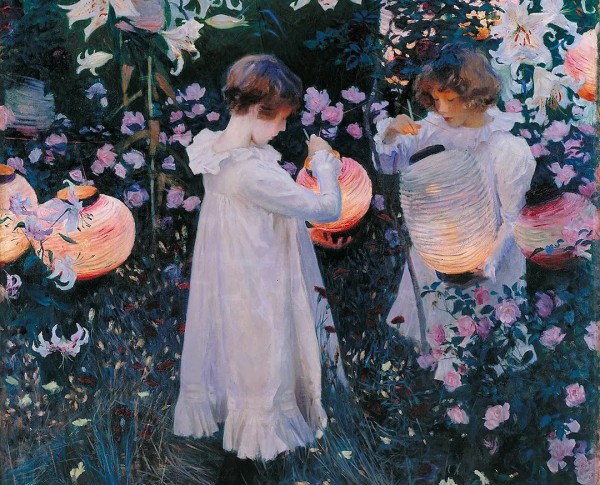
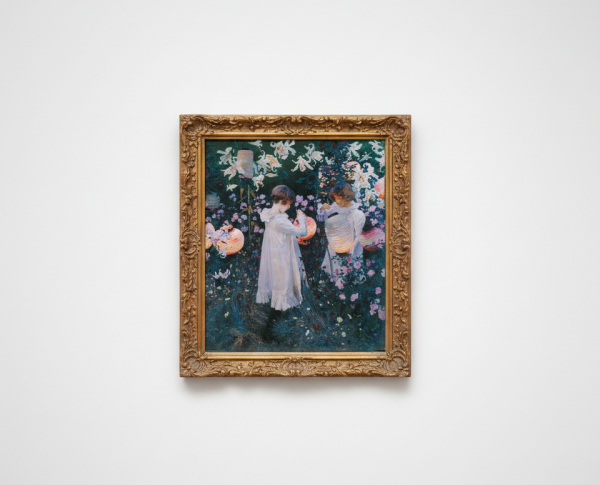
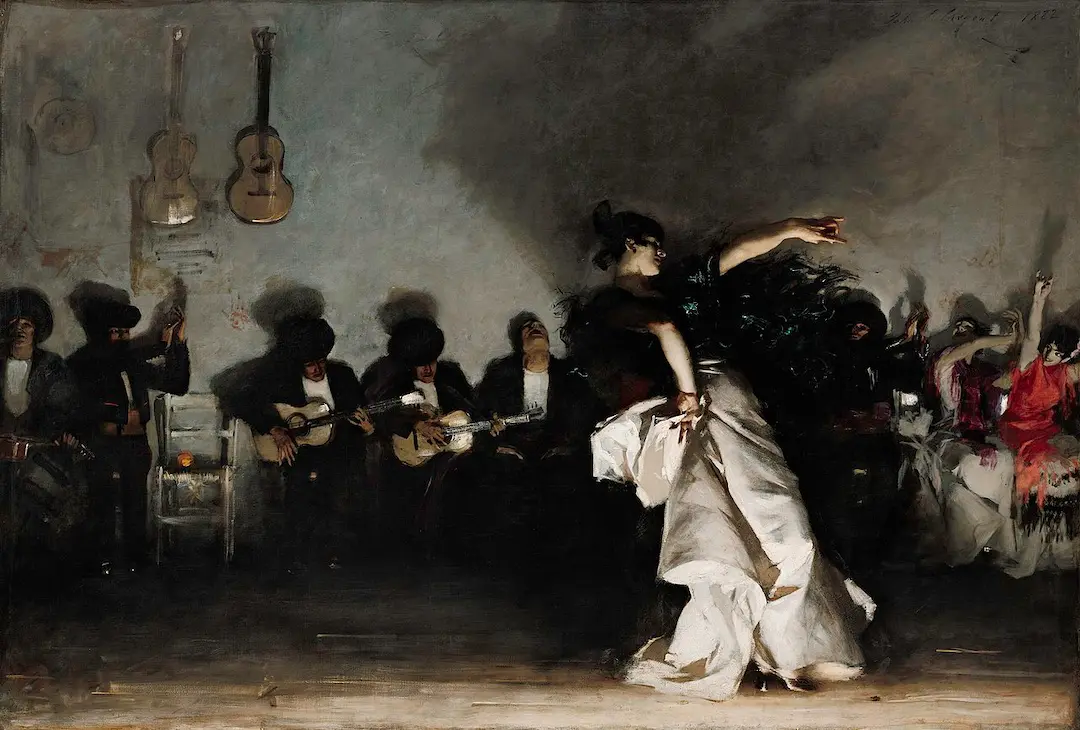
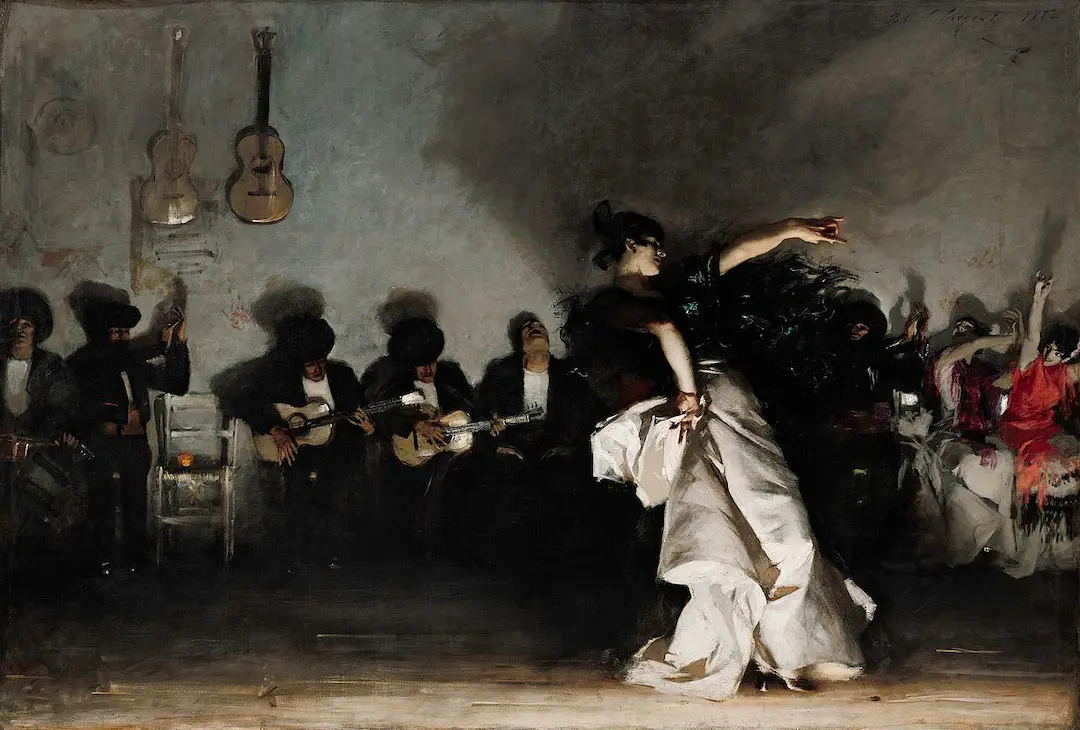
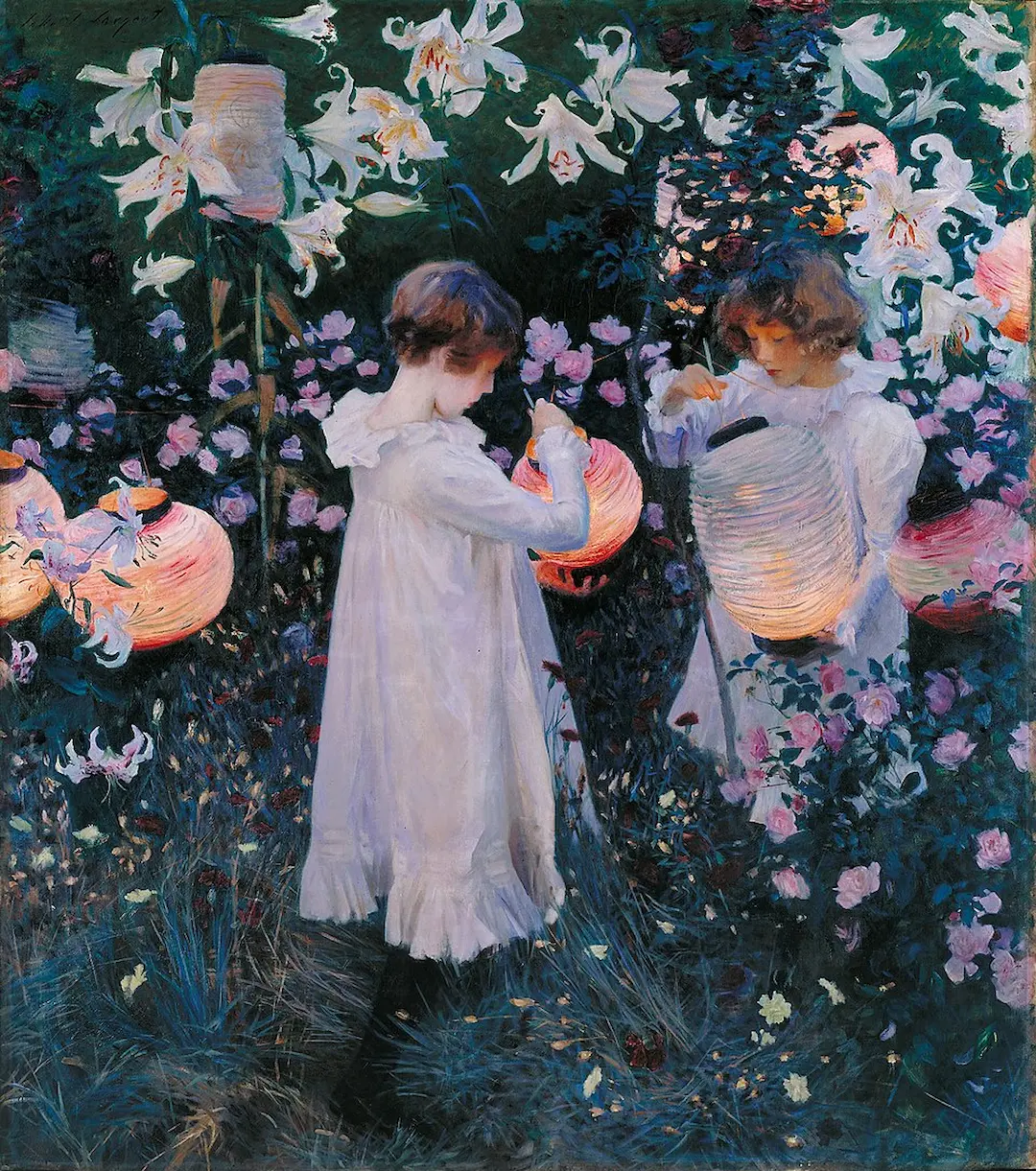
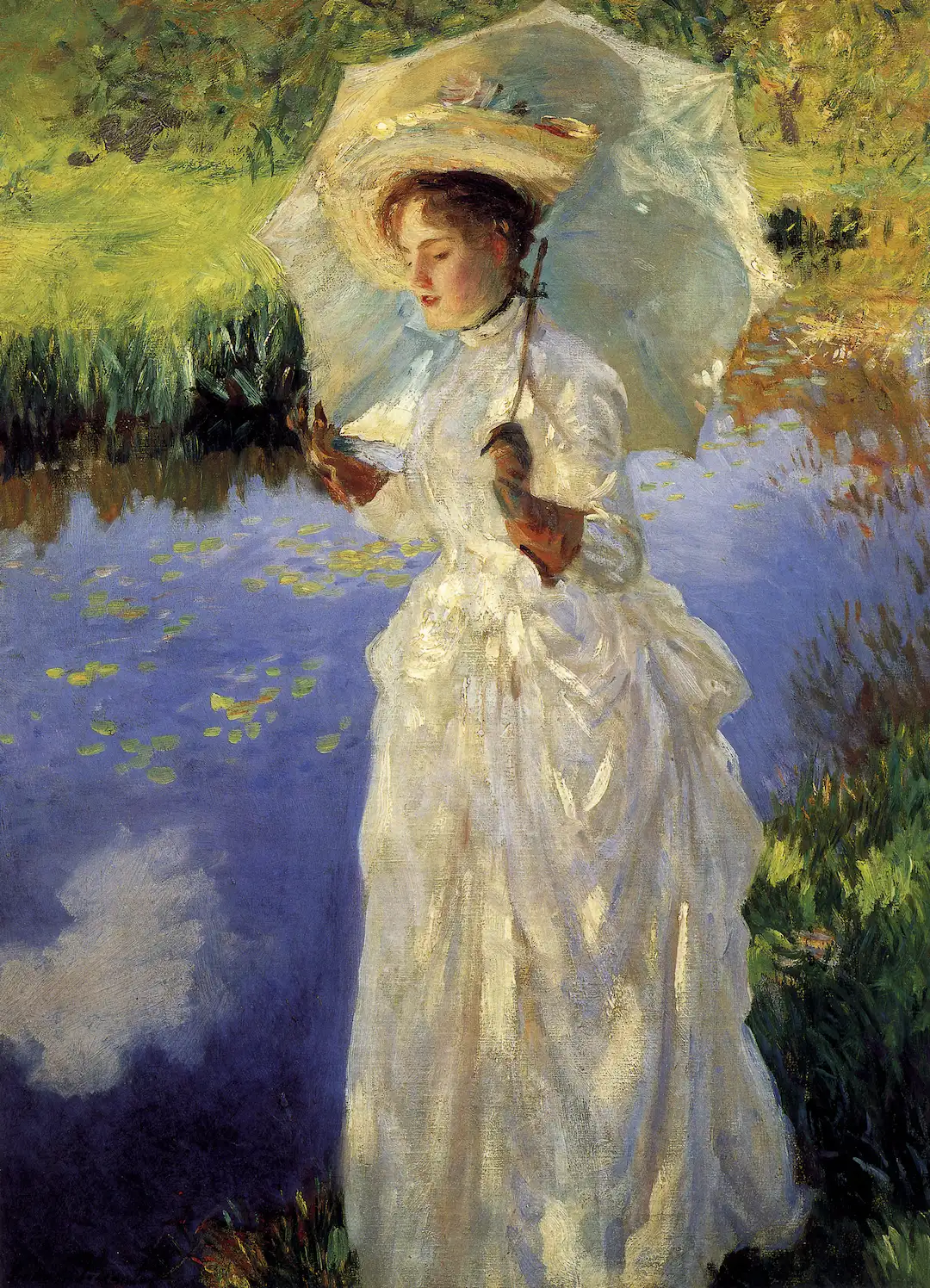
Sargent’s technique in "El Jaleo" showcases his exceptional skill in oil on canvas. Each brushstroke conveys energy and drama, immersing viewers in the dynamic scene. The interplay of light and shadow, a hallmark of American Impressionism, is evident throughout the composition. Collectors often seek out Sargent’s masterpieces, and pieces like "Carnation, Lily, Lily, Rose" and "A Morning Walk" exemplify his mastery in the medium, making his works highly coveted.
Stories and Symbols
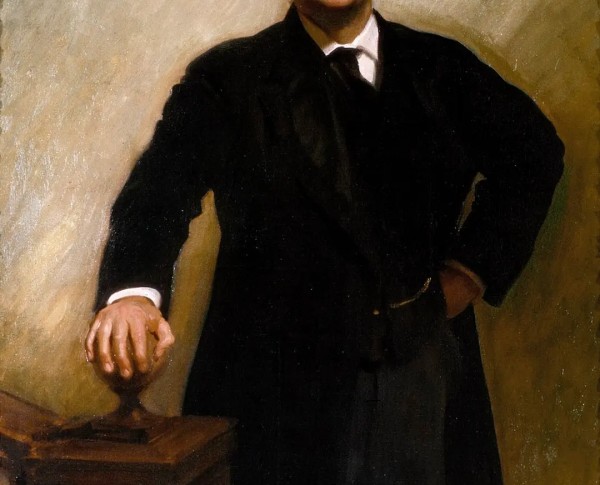
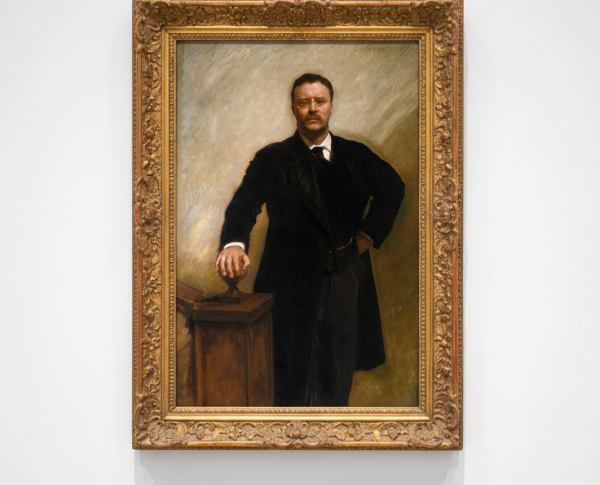
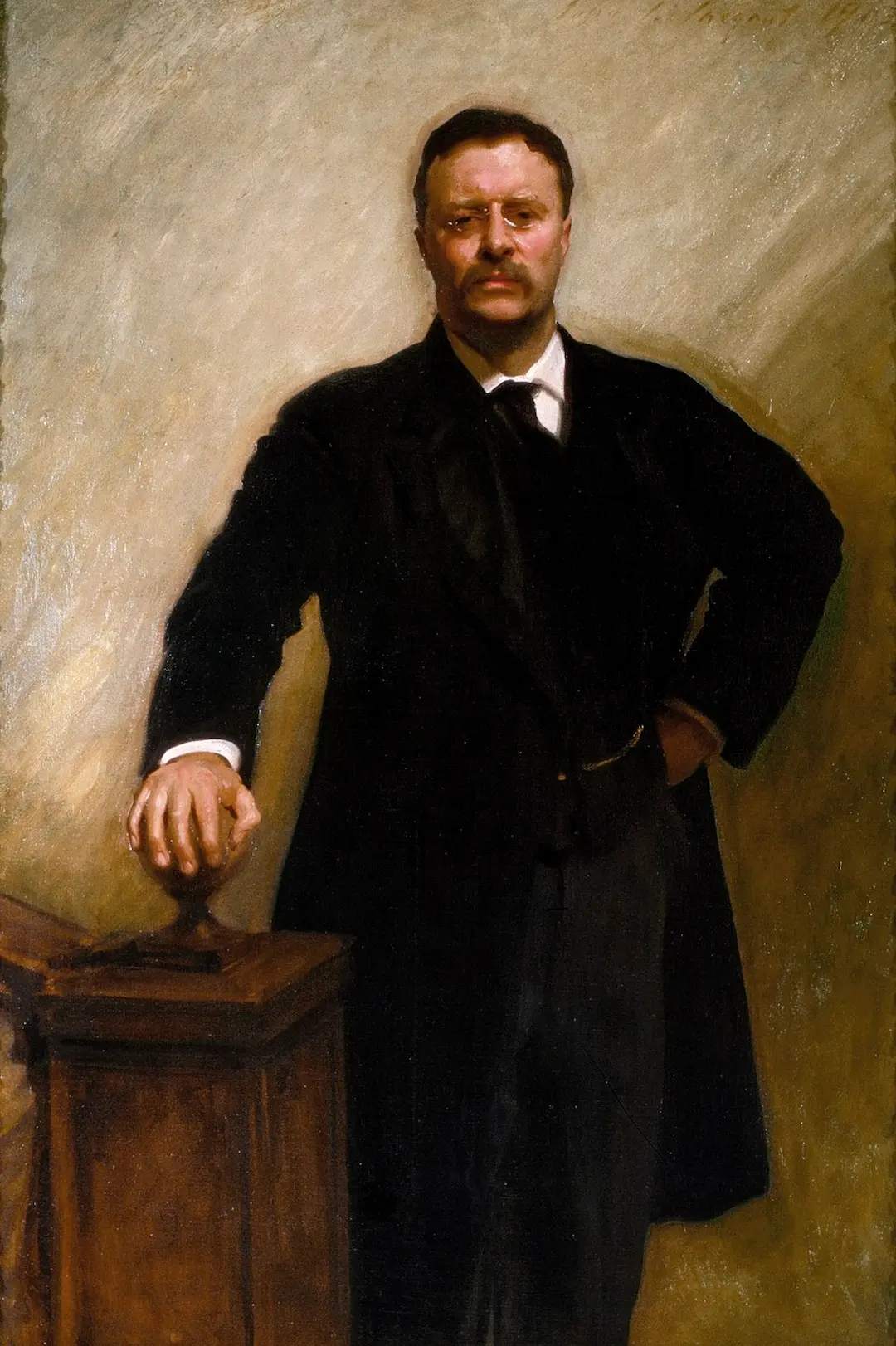
Beyond its technical brilliance, "El Jaleo" is rich with stories and symbols, reflecting the cultural fusion inherent in American Impressionism. Sargent’s fascination with Spanish music and dance is palpable, while the dramatic pose of the dancer reveals deeper themes of passion and performance. This fine art painting for sale invites viewers to interpret its narrative, much like his other celebrated works, including "President Theodore Roosevelt" and "Madame X," which also brim with symbolic meaning.
A Collector’s Treasure
For art collectors, "El Jaleo" is more than just a beautiful scene—it’s a prized example of American Impressionism and Sargent’s genius. Owning such an oil on canvas masterpiece, or related products like "A Morning Walk" and "The Daughters Of Edward Darley Boit," adds significant value to any collection. As a fine art painting for sale, "El Jaleo" continues to captivate those who appreciate the timeless allure of Sargent’s artistic vision.
Related John Singer Sargent Hand-Painted Oil Paintings
When Art Meets History
"El Jaleo" by John Singer Sargent is a remarkable hand-painted oil painting that captures the spirit of the American Impressionism movement. Created in 1882, it reflects a fascination with Spanish culture and dance, standing alongside related paintings like "The Avenue in the Rain" and "When the Land Belonged to God." This masterpiece not only documents a historical moment but also cements Sargent's legacy as a leading artist of his era.
Techniques That Speak
Sargent’s "El Jaleo" showcases his mastery of oil on canvas, using bold brushwork and dramatic lighting to bring the flamenco scene to life. The painting’s dynamic composition and expressive use of shadow highlight the artist’s innovative techniques, which are hallmarks of American Impressionism. His approach can be compared to works like "Whose Meat?" for its striking visual impact and technical brilliance, making this piece a standout in any collection.
Emotions on Display
The emotional intensity in "El Jaleo" is palpable, as Sargent captures the dancer’s passion and the audience’s anticipation. This fine art painting for sale resonates with viewers, drawing them into the vibrant world of Spanish dance. Like "The Avenue in the Rain," it evokes a strong sense of movement and atmosphere, making it a powerful example of how American Impressionism conveys mood and emotion through color and gesture.
Coveted by Collectors
Collectors are captivated by "El Jaleo," recognizing it as a prime hand-painted oil painting from the American Impressionism period. The work’s provenance and connection to Sargent’s other masterpieces, such as "When the Land Belonged to God," enhance its appeal. Its unique blend of cultural narrative and artistic excellence ensures that "El Jaleo" remains a highly sought-after piece among enthusiasts of fine art painting for sale worldwide.
Related American Impressionism Hand-Painted Oil Paintings by Other Artists
Other Famous American Impressionism Artists:
Frequently Asked Questions About El Jaleo
What is the historical context of "El Jaleo"?
"El Jaleo," painted in 1882, reflects the fascination with Spanish culture that was prevalent among artists in the late 19th century. This period saw an increased interest in exoticism and the romanticized portrayal of other cultures, particularly in Europe and America.
Who is the artist behind "El Jaleo"?
The painting was created by John Singer Sargent, an American artist known for his portraits and depictions of social life. Sargent was influenced by the Impressionist movement and often incorporated elements of realism into his work.
What artistic techniques did Sargent use in "El Jaleo"?
Sargent employed a combination of bold brushwork and vibrant color palettes to convey movement and emotion in "El Jaleo." His use of light and shadow enhances the three-dimensionality of the figures and the dynamic atmosphere of the scene.
What is the significance of the dancers in "El Jaleo"?
The dancers in "El Jaleo" symbolize the passion and intensity of Spanish culture. The painting captures a moment of performance, emphasizing the expressive nature of dance as a form of cultural identity and artistic expression.
How does "El Jaleo" reflect Sargent's style?
What themes are explored in "El Jaleo"?
The painting explores themes of celebration, cultural identity, and the interplay between performer and audience. It invites viewers to engage with the emotional and sensory experience of the performance.
What is the composition of "El Jaleo"?
The composition of "El Jaleo" features a central dancer surrounded by musicians and spectators, creating a sense of depth and interaction. The diagonal lines of the figures guide the viewer's eye through the scene, enhancing the dynamic quality of the performance.
How does "El Jaleo" fit into the broader context of Sargent's work?
What impact did "El Jaleo" have on the art community?
Framing
Purchasing Without a Frame (Unstretched Canvas)
Painting rolled inside a secure tube with an extra 3" of white canvas on all sides for easy framing.
Purchasing a Frame
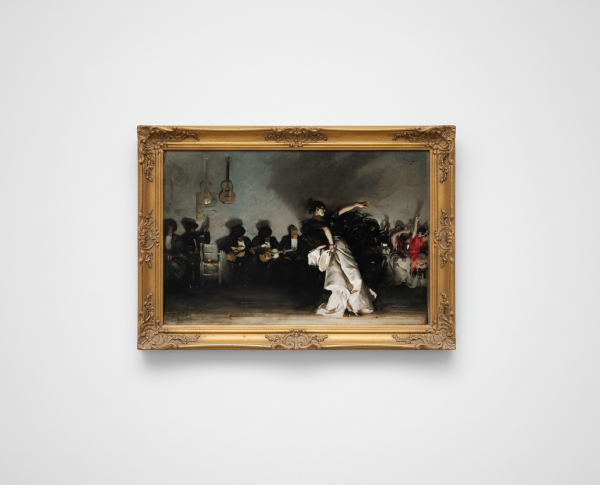
"Ready to Hang" - we offer many beautiful frames expertly assembled by our experienced framers.
Note: for safety reasons, once the maximum size is reached, the framing option is automatically disabled.
Purchasing a Stretching Service
Order your painting mounted on wooden bars.
Purchasing a Gallery Wrap
Wrapped around thick stretcher bars about 3 inch thick, canvas secured to the back rather than the sides of those bars.






















_GFM_Painting_(1).webp)


 100% Hand-Painted: Finished in 3-6 Weeks

.png)













.webp)



_(1).webp)