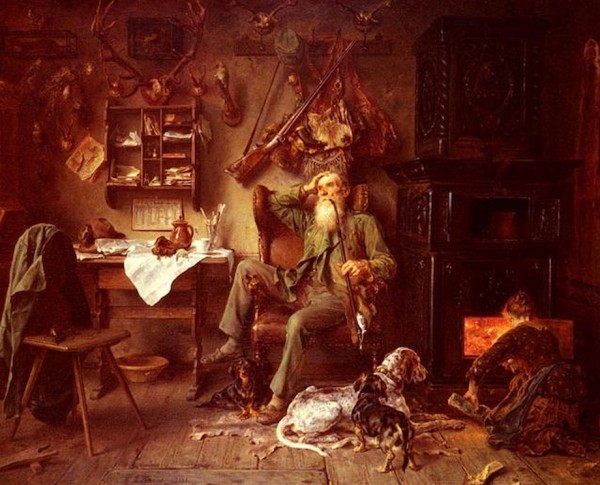
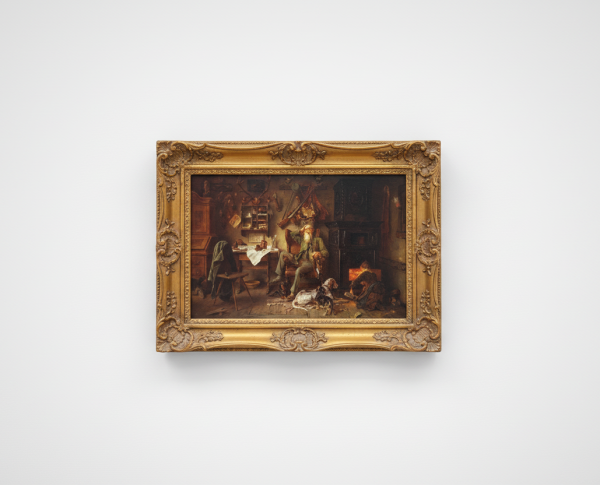
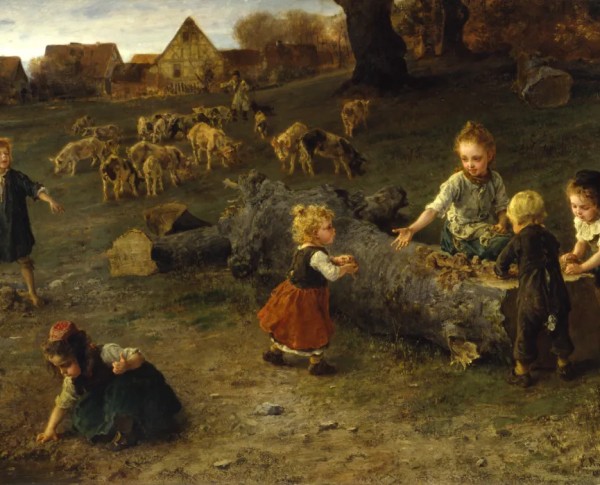
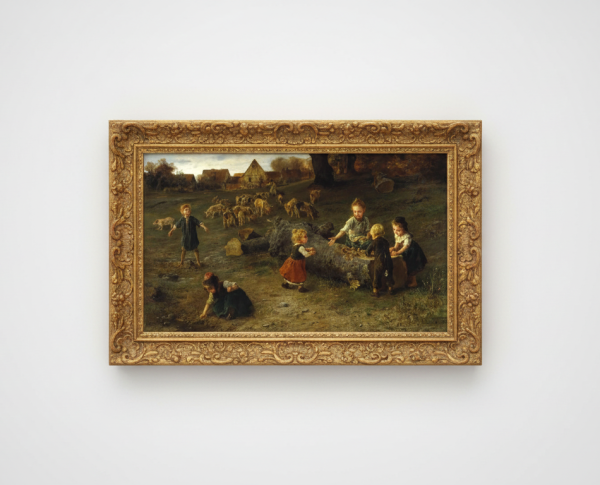
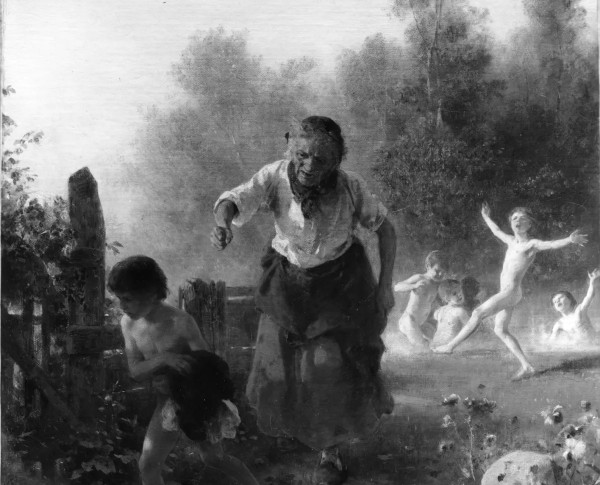
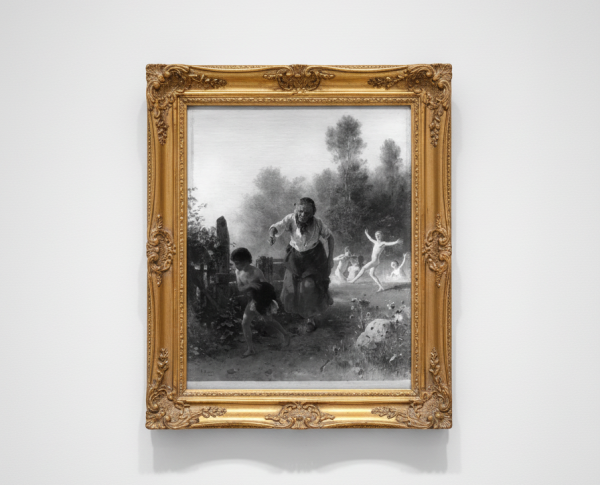
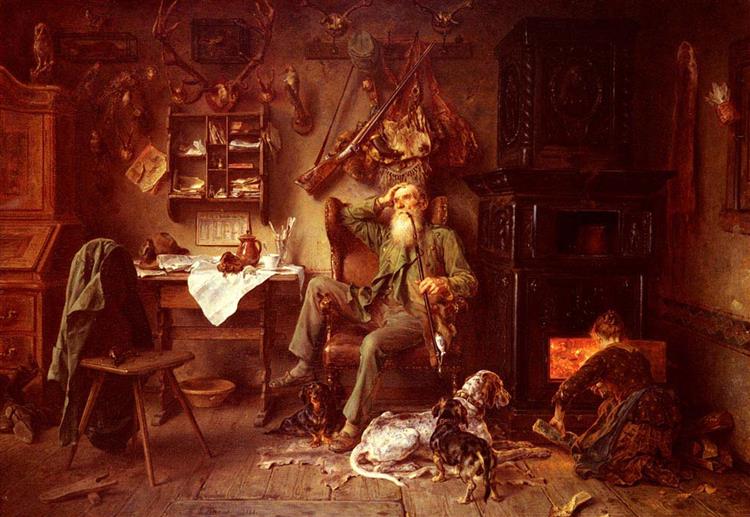
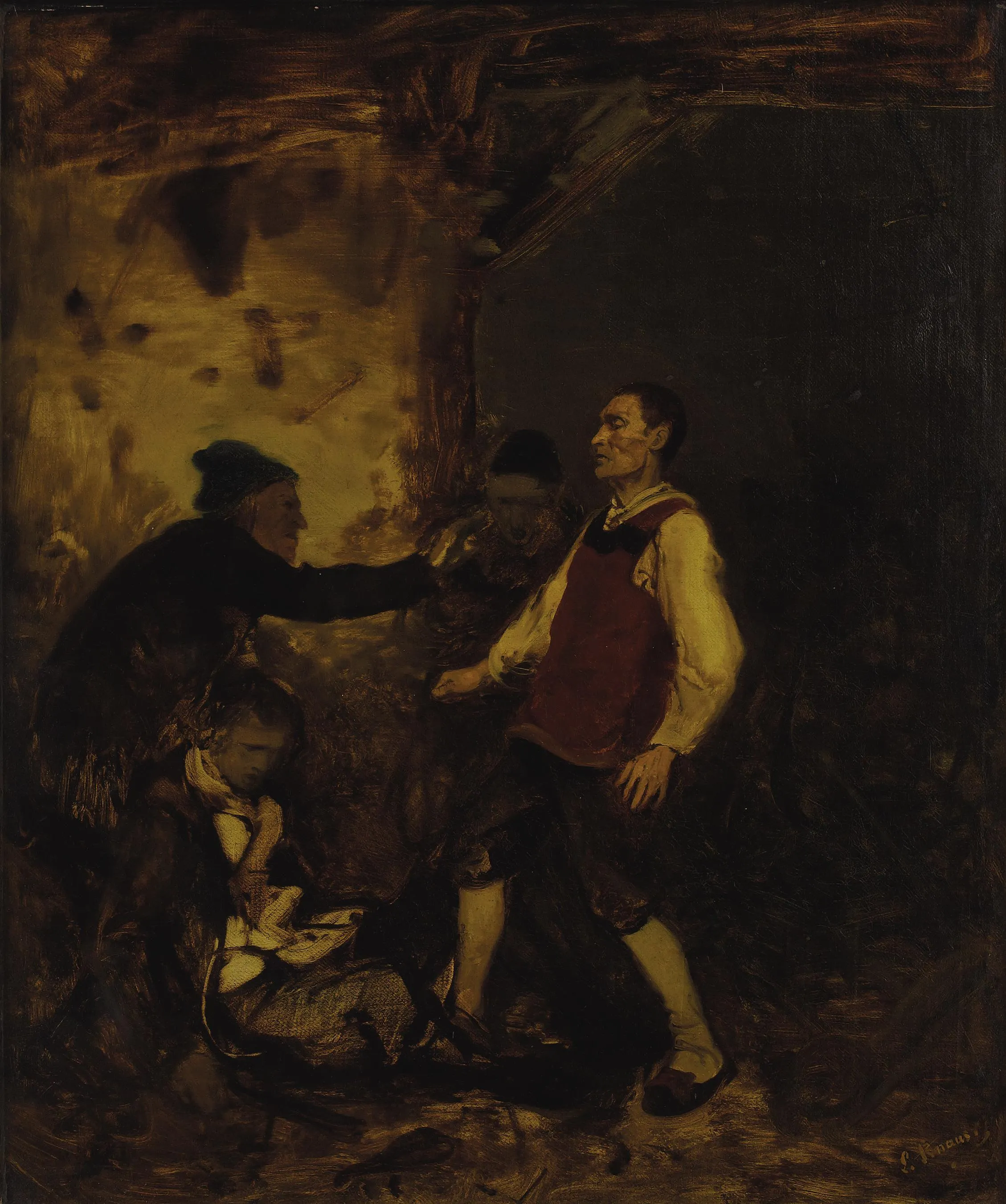
Ludwig Knaus demonstrates extraordinary skill in his "A Forester at Home," rendering lifelike figures and rich textures synonymous with Academic Art. The piece is a classic example of oil on canvas, where every brushstroke reveals the artist’s dedication to realism and narrative depth. This meticulous approach to oil on canvas has made Knaus’s works highly desirable among admirers of Academic Art, who seek paintings that reflect both technical prowess and historical significance.
The fine art painting for sale, "A Forester at Home," is more than a simple domestic scene—it is layered with stories and symbols characteristic of Ludwig Knaus’s oeuvre. The painting invites viewers to ponder the daily life and inner world of its subject, reflecting the values of the Academic Art movement. Its careful composition and symbolic elements make it an evocative choice for those seeking a fine art painting for sale that tells a compelling story through art.
For collectors, "A Forester at Home" by Ludwig Knaus is a prized addition, embodying the finest aspects of the Academic Art movement. This hand-painted oil painting stands out for its authenticity and historical resonance, making it highly sought after. Whether displayed in a private gallery or as a centerpiece at home, it appeals to those looking for a distinguished hand-painted oil painting that not only enriches a collection but also preserves the legacy of Academic Art.
When Art Meets History
"A Forester at Home" by Ludwig Knaus is a remarkable example of the Academic Art movement, blending historical tradition with meticulous technique. Painted in the late 19th century, this hand-painted oil painting captures the daily life of a forester, connecting viewers to a bygone era. Knaus, renowned for his attention to detail, shares thematic ties with works like "Rest on the Flight into Egypt" and "Vercingetorix throws down his arms at the feet of Julius Caesar, 1899."
Techniques That Speak
Ludwig Knaus’s mastery is evident in his use of oil on canvas, a hallmark of Academic Art. The artist’s subtle brushwork and careful composition create a lifelike atmosphere, inviting viewers into the forester’s world. Techniques employed in "A Forester at Home" echo those seen in related works such as "Jeune femme denudée sur canape (Young woman naked on a settee)," further showcasing Knaus’s technical prowess and dedication to fine artistry.
Emotions on Display
"A Forester at Home" radiates warmth and authenticity, with Knaus skillfully conveying the quiet dignity of his subject. The painting’s soft lighting and expressive details evoke a sense of calm and introspection, hallmarks of a fine art painting for sale. Like "Rest on the Flight into Egypt," this work invites viewers to reflect on the emotional depths present in everyday life, demonstrating the enduring power of Academic Art.
Coveted by Collectors
Collectors are drawn to "A Forester at Home" for its timeless appeal and historical significance within the Academic Art movement. Ludwig Knaus’s ability to blend narrative with technical brilliance makes this piece highly sought after. As with masterpieces like "Vercingetorix throws down his arms at the feet of Julius Caesar, 1899," this hand-painted oil painting remains a prized addition to any serious collection, reflecting the enduring allure of 19th-century European fine art.
Related Academic Art Hand-Painted Oil Paintings by Other Artists
Other Famous Academic Art Artists:
Frequently Asked Questions About A Forester at Home
What is the historical context of "A Forester at Home"?
"A Forester at Home," painted by Ludwig Knaus in the 19th century, reflects the Romantic era's fascination with nature and rural life, emphasizing the connection between humans and their environment during a time of industrialization in Europe.
Who was Ludwig Knaus and what influenced his work?
Ludwig Knaus was a German painter known for his depictions of rural life and natural landscapes. His work was influenced by the Romantic movement, which celebrated the beauty of nature and the simplicity of peasant life.
What artistic techniques are evident in "A Forester at Home"?
The painting showcases Knaus's mastery of light and shadow, creating a warm, inviting atmosphere. His use of naturalistic colors and detailed textures enhances the realism of the scene, drawing the viewer into the forester's domestic space.
What symbolism can be found in the painting?
The forester represents a harmonious relationship with nature, symbolizing the ideal of living in balance with the environment. The domestic setting suggests a sense of comfort and stability, reflecting the values of rural life.
How does "A Forester at Home" reflect the values of the Romantic movement?
The painting embodies the Romantic ideals of individualism and a deep appreciation for nature. It portrays the forester as a noble figure, emphasizing the dignity of rural labor and the beauty of the natural world.
What role does light play in "A Forester at Home"?
Light in the painting serves to create a sense of warmth and intimacy, illuminating the forester's figure and surroundings. This use of light enhances the emotional resonance of the scene, inviting viewers to feel a connection to the subject.
In what ways does the composition of the painting contribute to its narrative?
The composition is carefully arranged to draw the viewer's eye towards the forester, who is centrally positioned. This focus on the figure, combined with the surrounding elements of nature and domesticity, tells a story of a life intertwined with the forest.
What can we learn about 19th-century German society from this painting?
The painting reflects the values of 19th-century German society, where there was a growing appreciation for rural life amidst rapid industrialization. It highlights the importance of nature and the idealization of pastoral living during this transformative period.
How does "A Forester at Home" compare to other works by Ludwig Knaus?
What impact did "A Forester at Home" have on later artists?
The painting influenced later artists by reinforcing the Romantic ideals of nature and rural life. It paved the way for subsequent movements that explored themes of environmentalism and the human connection to the natural world.






















_GFM_Painting_(1).webp)


 100% Hand-Painted: Finished in 3-6 Weeks

.png)















_(1).webp)