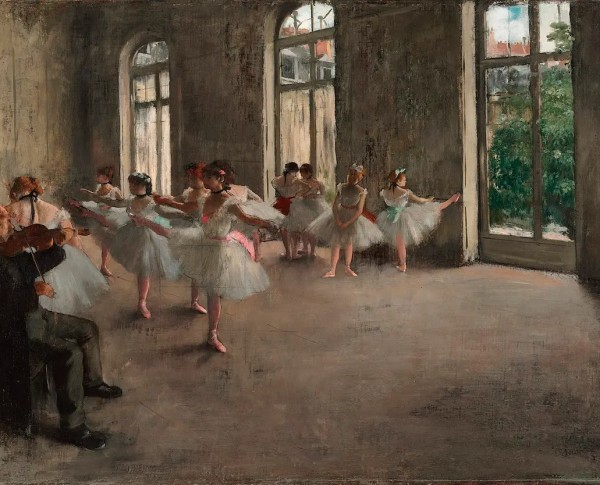
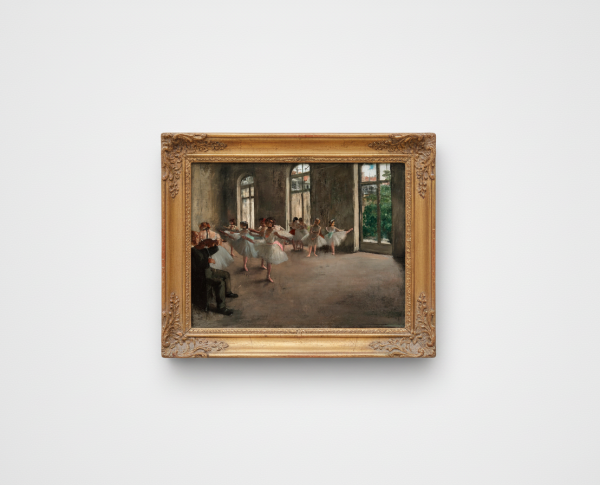
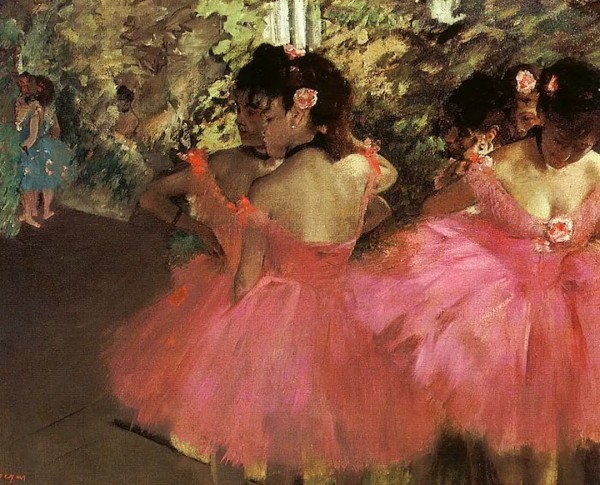
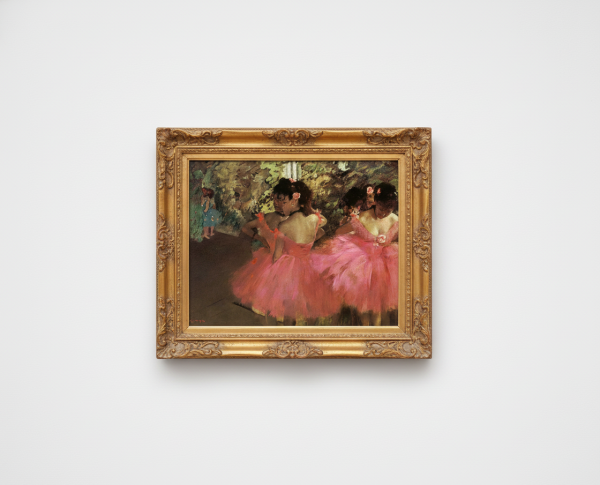
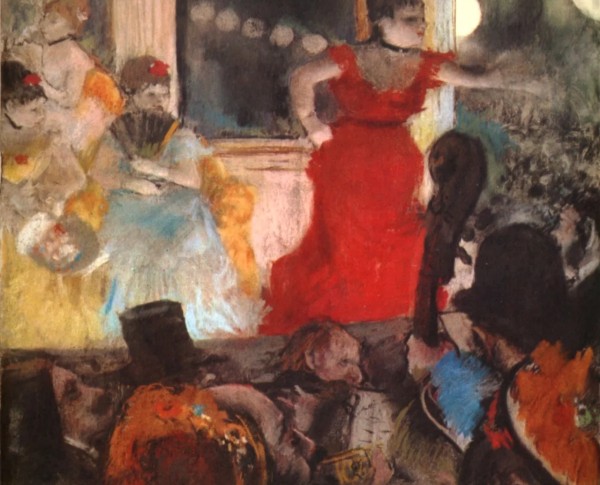
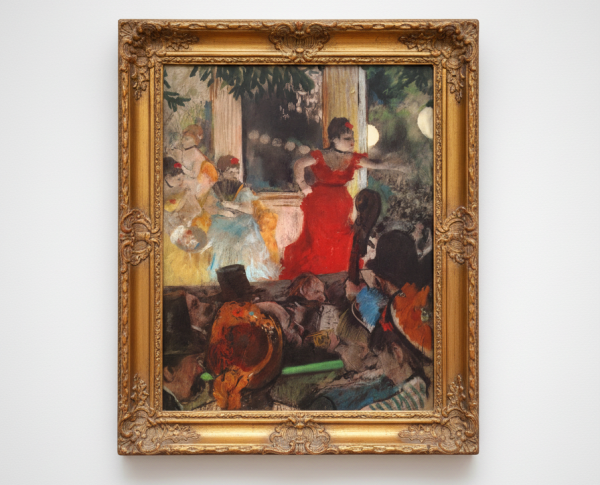
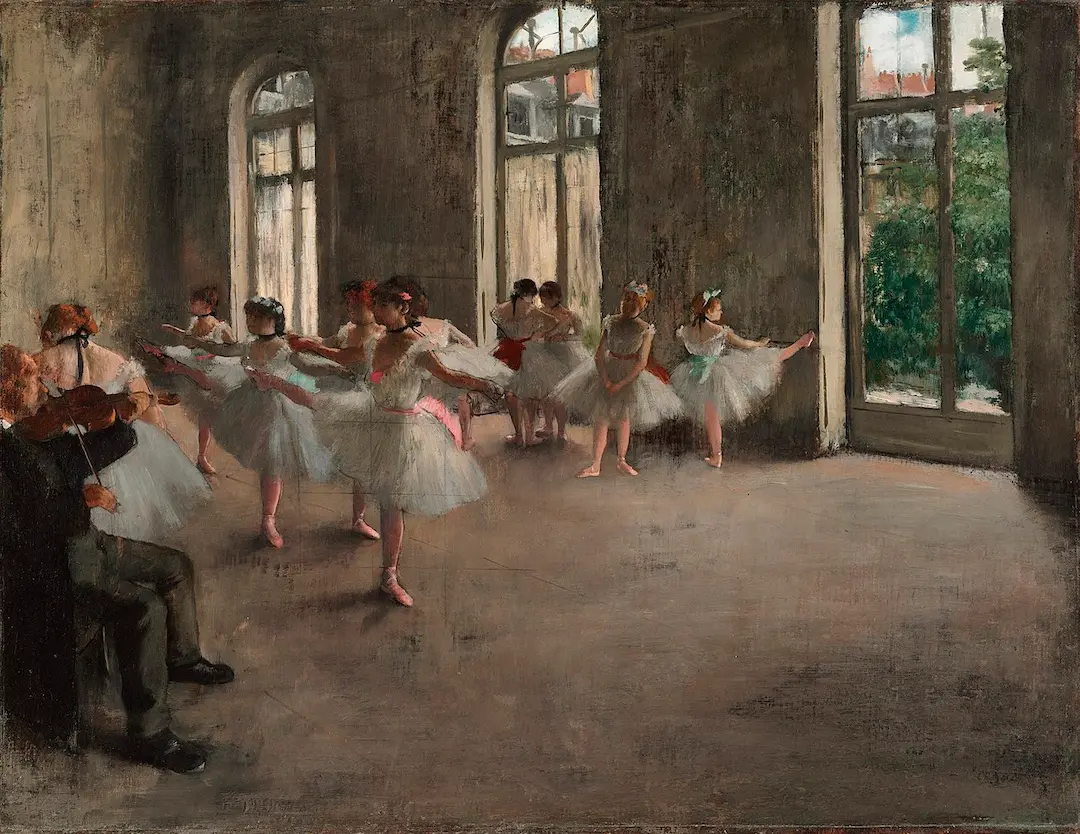
Degas’s expertise shines in "Ballet Rehearsal, 1873," where every brushstroke contributes to the dynamic composition. The oil on canvas technique allows for delicate renderings of tutus, sunlight, and shadow, creating a lifelike yet dreamlike atmosphere. As a fine art painting for sale, this masterpiece stands alongside other works from the Impressionism era, demonstrating Degas’s unique ability to blend detail and spontaneity in each scene he immortalized.
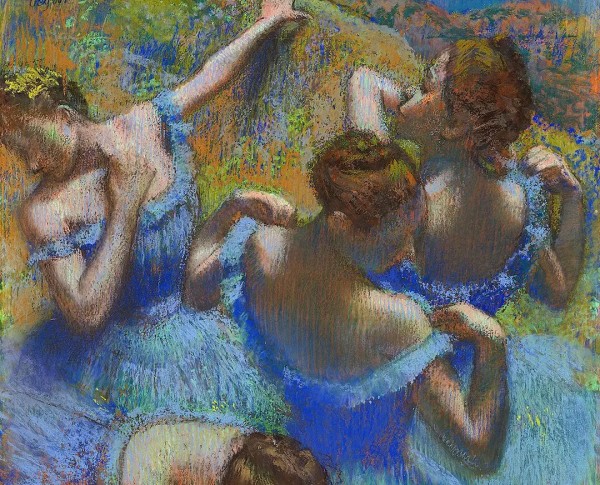
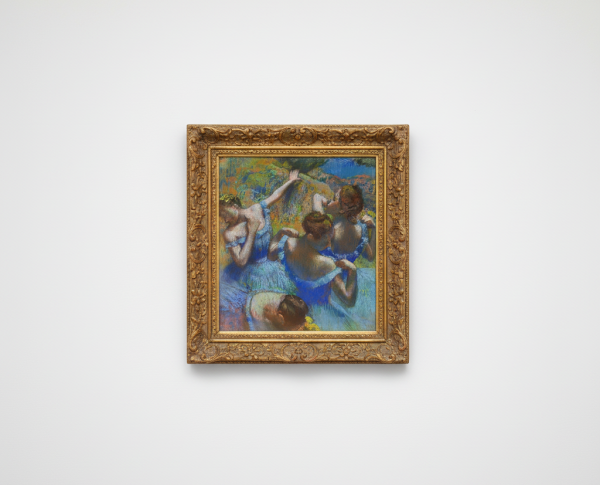
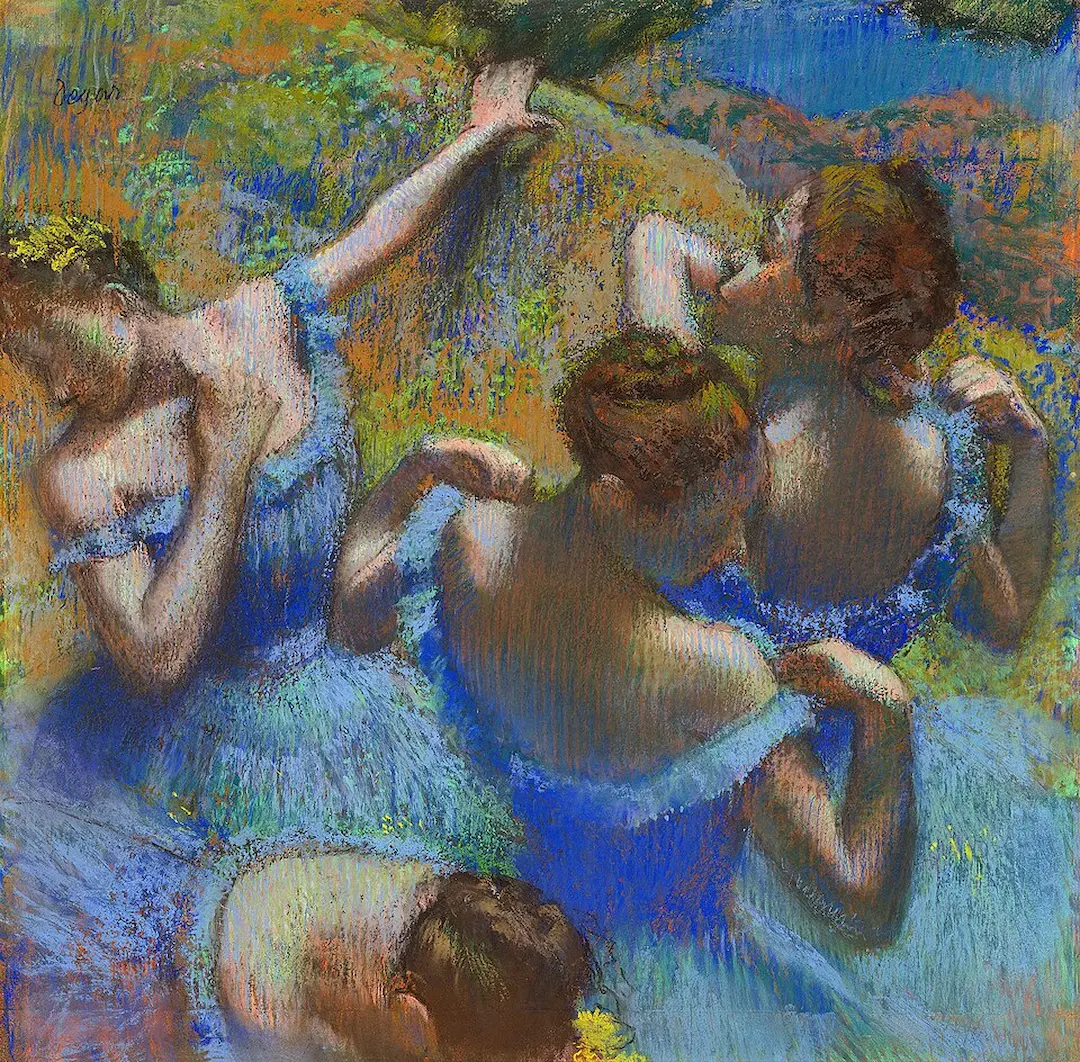
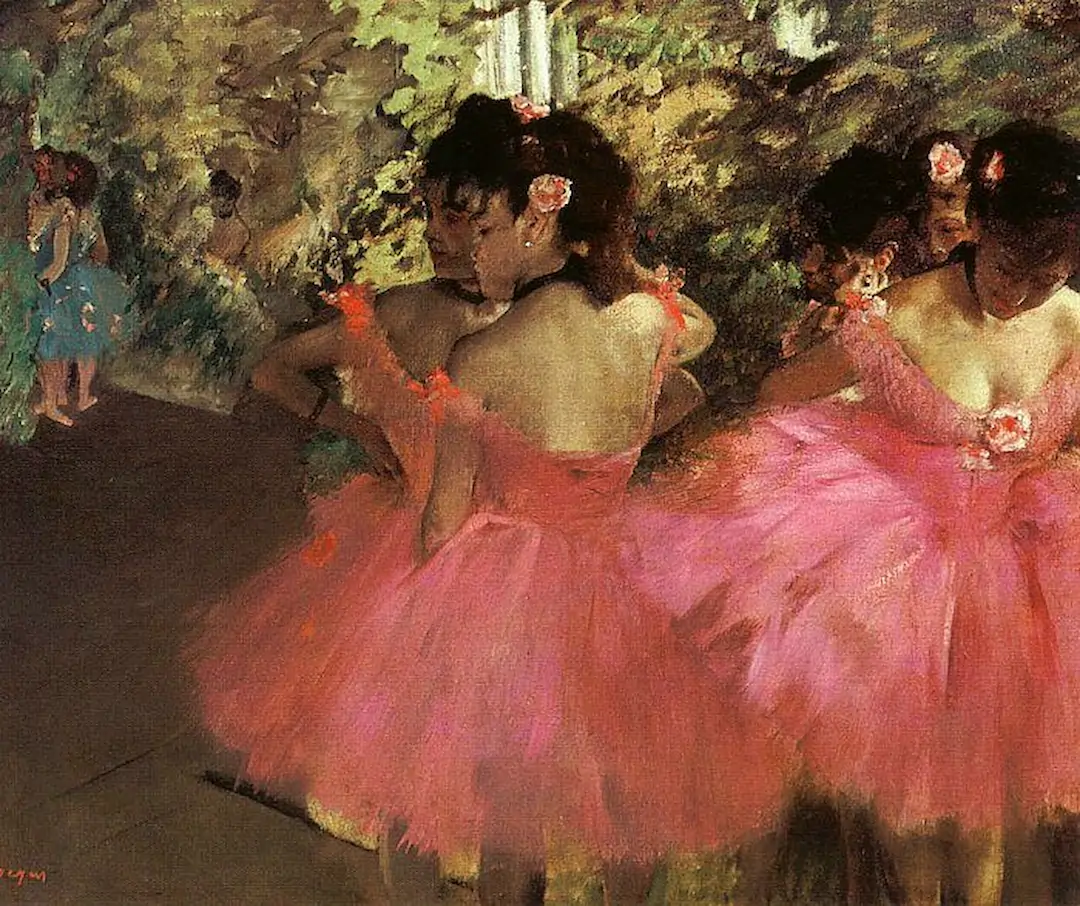
"Ballet Rehearsal, 1873" by Edgar Degas is more than an oil on canvas; it’s a narrative filled with symbolism and subtle stories. The arrangement of dancers, the instructor’s poised stance, and the casual elegance allude to discipline and fleeting moments of beauty. Collectors and enthusiasts of Impressionism will appreciate how this hand-painted oil painting captures both the art and emotion of ballet, similar to Degas’s "Blue Dancers, c.1899" and "Dancers In Pink."
For those seeking a fine art painting for sale, "Ballet Rehearsal, 1873" by Edgar Degas is a true collector’s gem. As a standout example of Impressionism, it pairs beautifully with related works like "Blue Dancers, c.1899" and "Dancers In Pink." Degas’s attention to movement and atmosphere ensures that this oil on canvas masterpiece remains a cherished addition to any discerning art collection, celebrating the beauty and legacy of dance.
When Art Meets History
"Ballet Rehearsal, 1873" by Edgar Degas is a celebrated masterpiece from the Impressionism movement. This hand-painted oil painting captures a pivotal moment in art history, reflecting the lively Parisian ballet scene of the late nineteenth century. Degas, alongside artists like Monet and Renoir, helped define Impressionism through works such as "Dance At Bougival" and "San Giorgio Maggiore At Dusk." "Ballet Rehearsal" remains a testament to the era’s fascination with movement and modern life.
Techniques That Speak
Degas’s "Ballet Rehearsal, 1873" is a stunning example of oil on canvas technique, showcasing his mastery of light, shadow, and spontaneous brushwork. The artist employs rapid, fluid strokes to evoke a sense of immediacy, much like in "Irises In Monets Garden" and "Spring Bouquet." Through the Impressionist approach, Degas captures the fleeting gestures and delicate fabrics, immersing viewers in the rehearsal’s vibrant atmosphere and highlighting the technical prowess behind this celebrated composition.
Emotions on Display
With "Ballet Rehearsal, 1873," Edgar Degas conveys the anticipation and intensity of young dancers preparing for their performance. This fine art painting for sale reveals the emotional undercurrents of discipline, camaraderie, and aspiration, themes echoed in works like "A Girl with a Watering Can." The Impressionism movement, embodied by Degas, sought to express genuine human experiences, and this painting’s expressive figures and dynamic setting invite viewers to feel the pulse of the ballet world.
Coveted by Collectors
"Ballet Rehearsal, 1873" by Edgar Degas has long been a prized possession among art collectors who appreciate Impressionism. As with related paintings such as "Dance At Bougival" and "San Giorgio Maggiore At Dusk," this hand-painted oil painting commands admiration for its historical significance and technical brilliance. Collectors are drawn to the authenticity and energy present in Degas’s work, making "Ballet Rehearsal" a sought-after addition to any prestigious collection.
Related Impressionism Hand-Painted Oil Paintings by Other Artists
Other Famous Impressionism Artists:
Frequently Asked Questions About Ballet Rehearsal, 1873
What is the historical context of "Ballet Rehearsal"?
"Ballet Rehearsal" was painted in 1873 during a period when ballet was becoming increasingly popular in Paris. The painting reflects the cultural fascination with the performing arts and the rise of the Impressionist movement, which sought to capture contemporary life.
What artistic techniques did Edgar Degas use in this painting?
Degas employed a unique composition that captures the dynamic movement of the dancers. He used a combination of pastel colors and a loose brushwork style that characterizes his Impressionist approach, allowing for a sense of immediacy and spontaneity.
What themes are explored in "Ballet Rehearsal"?
The painting explores themes of discipline, grace, and the behind-the-scenes reality of ballet. It contrasts the beauty of the dancers with the rigorous training they undergo, highlighting the often unseen efforts that contribute to their performances.
How does Degas depict movement in "Ballet Rehearsal"?
Degas captures movement through the positioning of the dancers and the use of diagonal lines that lead the viewer's eye across the canvas. The varied poses of the dancers convey a sense of motion, suggesting the fluidity and energy of ballet.
What is the significance of the setting in "Ballet Rehearsal"?
The setting of the rehearsal studio is significant as it provides insight into the daily lives of ballet dancers. It emphasizes the contrast between the polished performances seen on stage and the hard work and preparation that take place behind the scenes.
What role do colors play in "Ballet Rehearsal"?
The color palette in "Ballet Rehearsal" is dominated by soft pastels, which evoke a sense of delicacy and femininity associated with ballet. The use of light and shadow also adds depth, enhancing the three-dimensionality of the figures and the space.
How does "Ballet Rehearsal" reflect Degas's interest in the human form?
Degas's fascination with the human form is evident in the way he captures the dancers' anatomy and movement. He often studied the human body through sketches and sculptures, which informs the realistic portrayal of the dancers' physicality in this painting.
What influence did "Ballet Rehearsal" have on later artists?
"Ballet Rehearsal" influenced later artists by showcasing the importance of capturing everyday moments and the human experience. Degas's innovative approach to composition and movement paved the way for future generations of artists interested in similar themes.
What is the symbolism of the dancers in "Ballet Rehearsal"?
The dancers symbolize both the beauty and the struggle of artistic pursuit. They represent the dedication required to achieve grace and perfection, while also serving as a metaphor for the broader human experience of striving for excellence.
How does "Ballet Rehearsal" fit into Degas's overall body of work?
"Ballet Rehearsal" is a quintessential example of Degas's focus on ballet and the performing arts. It reflects his ongoing exploration of movement, light, and the human form, which are recurring themes throughout his oeuvre, making it a significant piece in his artistic legacy.






















_GFM_Painting_(1).webp)


 100% Hand-Painted: Finished in 3-6 Weeks

.png)















_(1).webp)