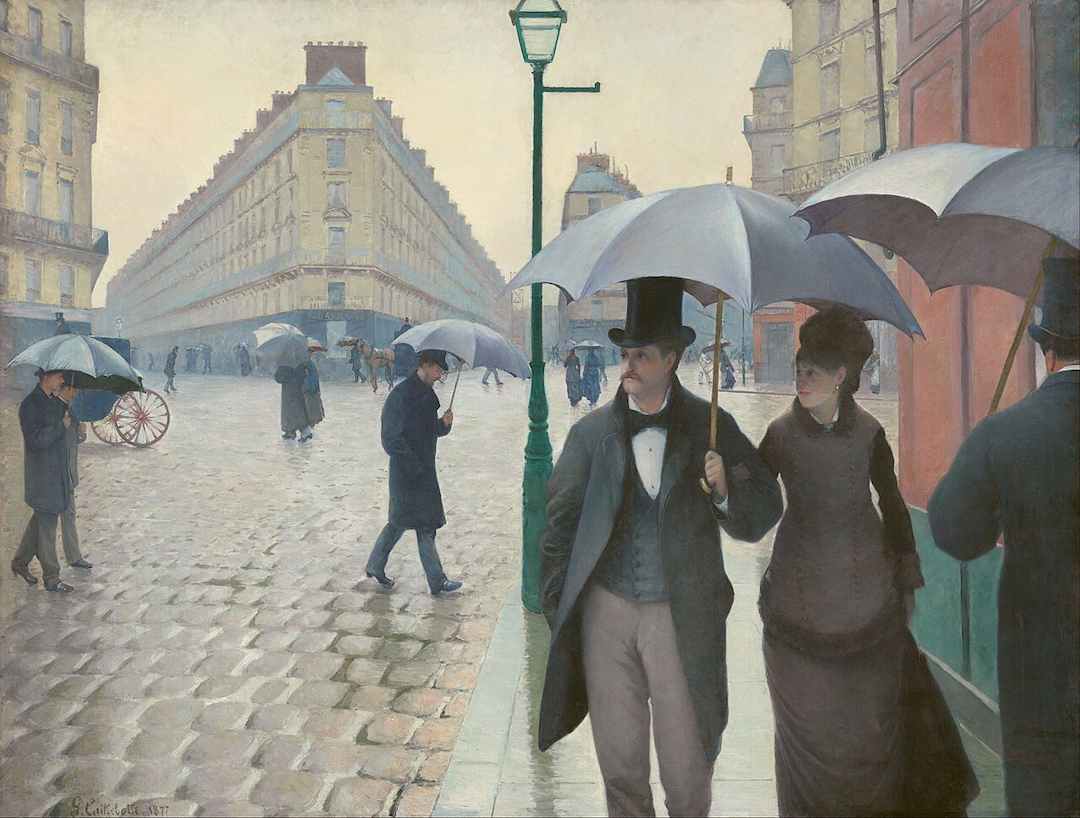
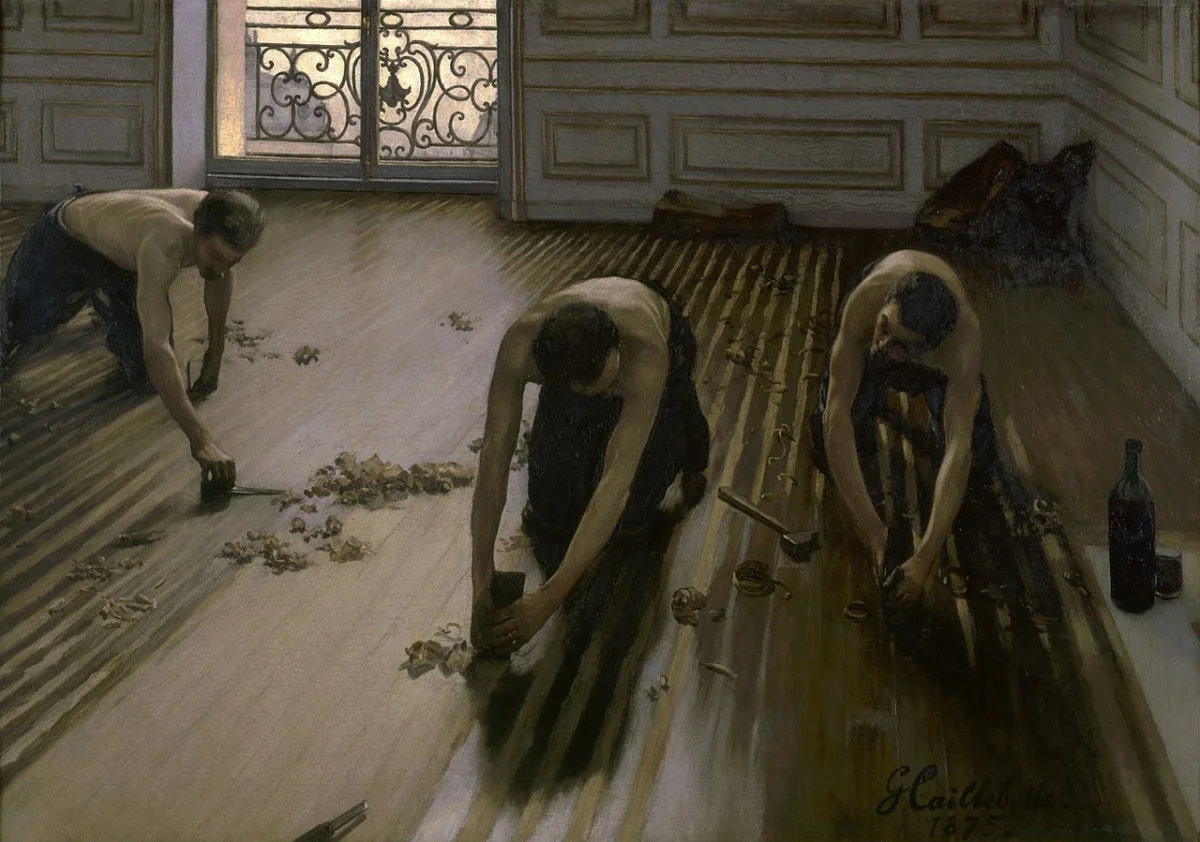
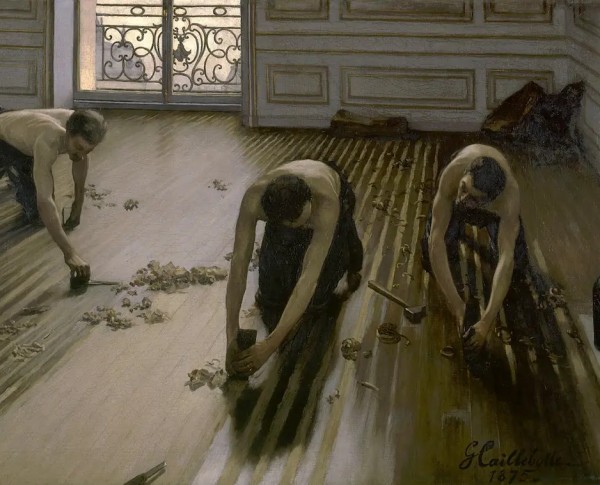
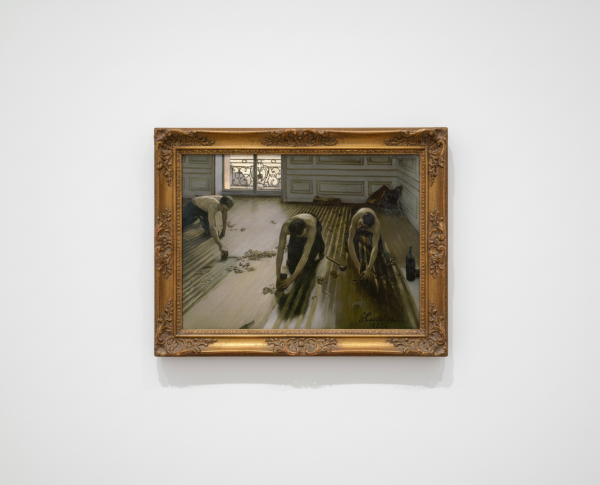
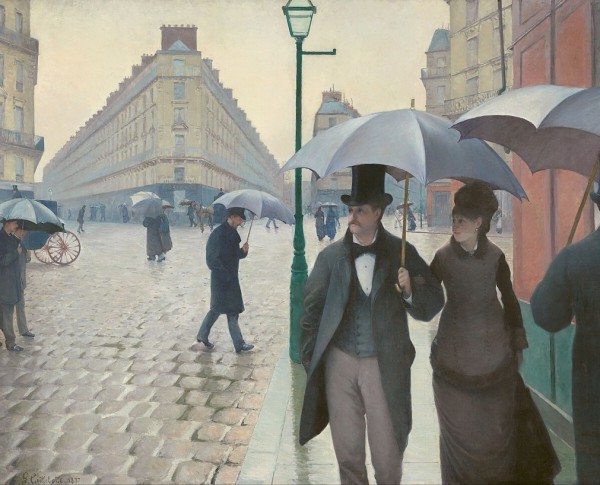
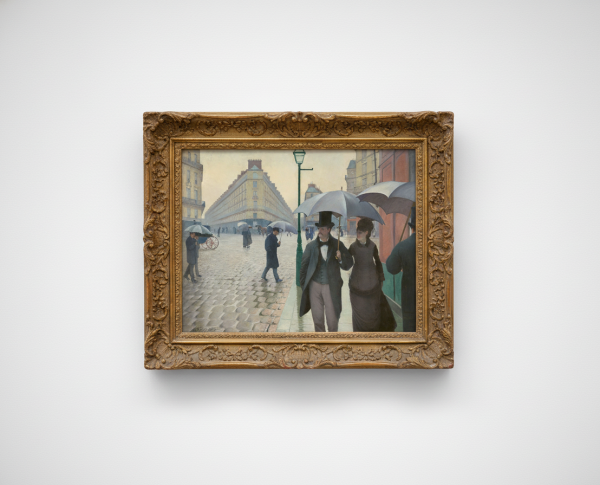
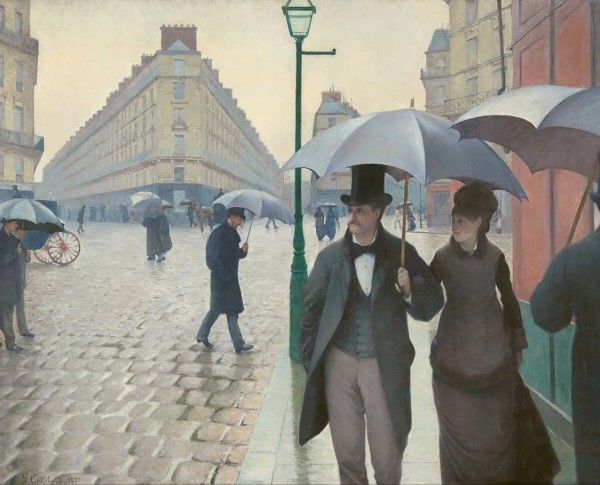
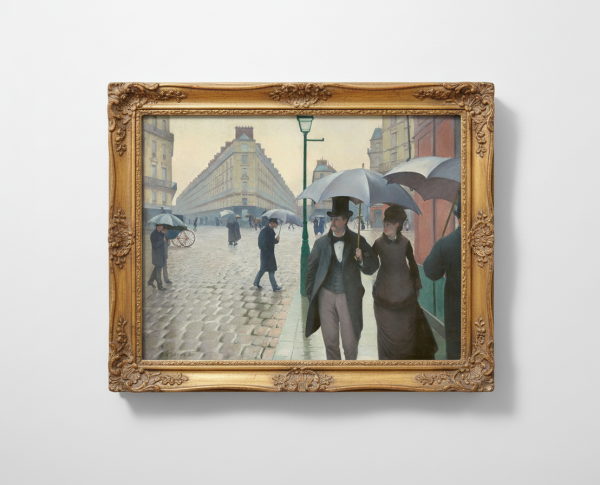
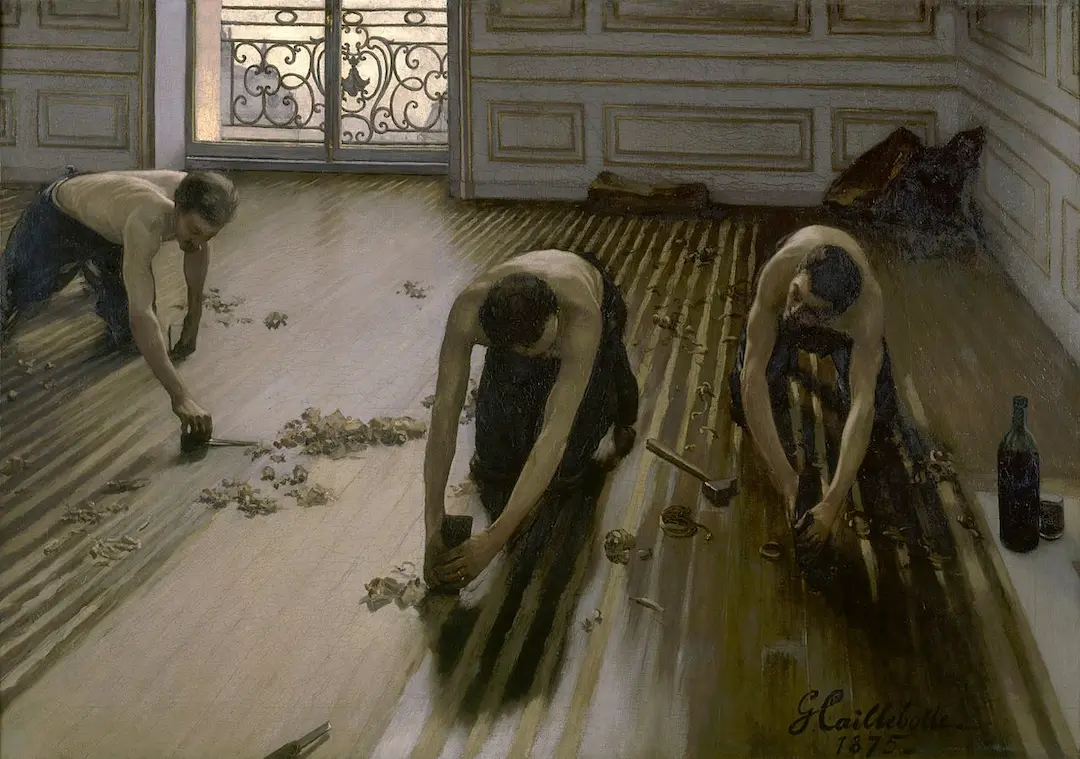
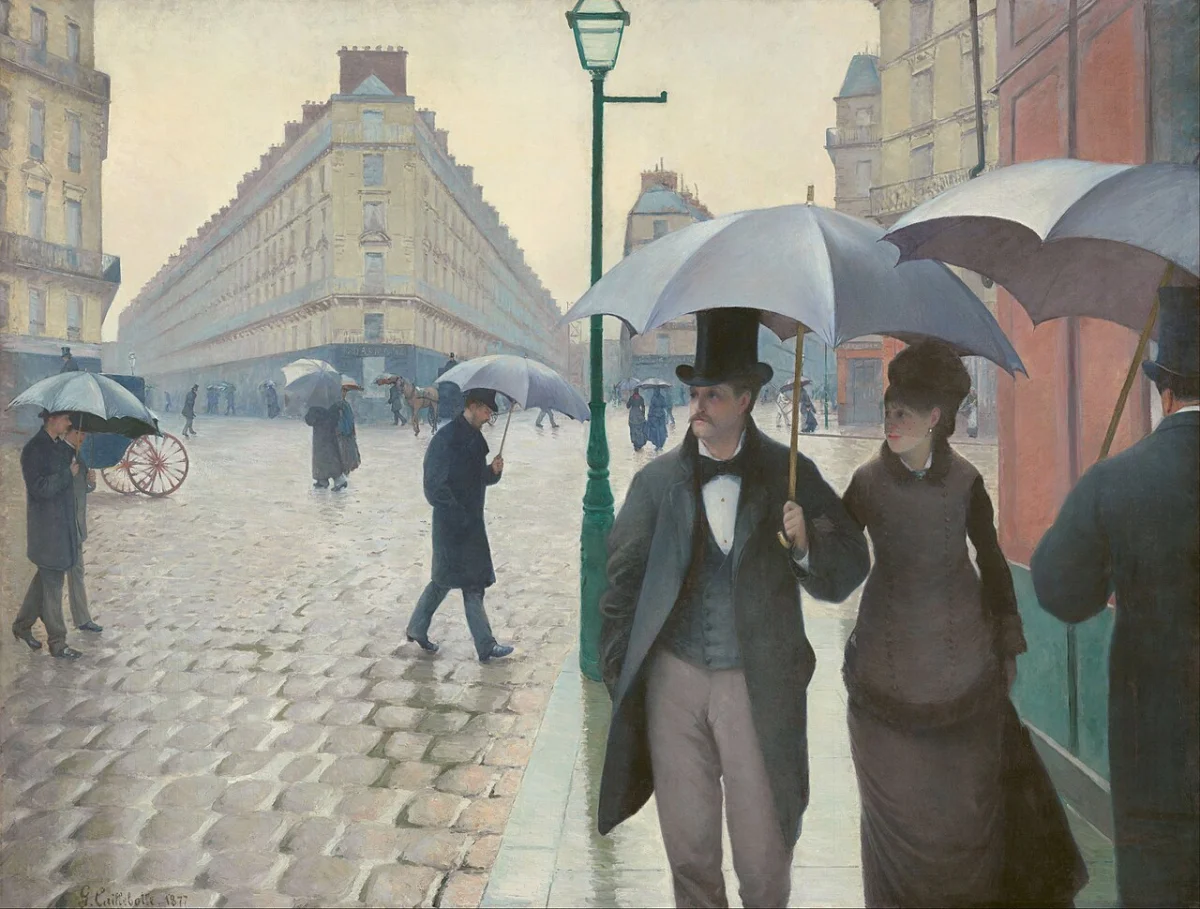
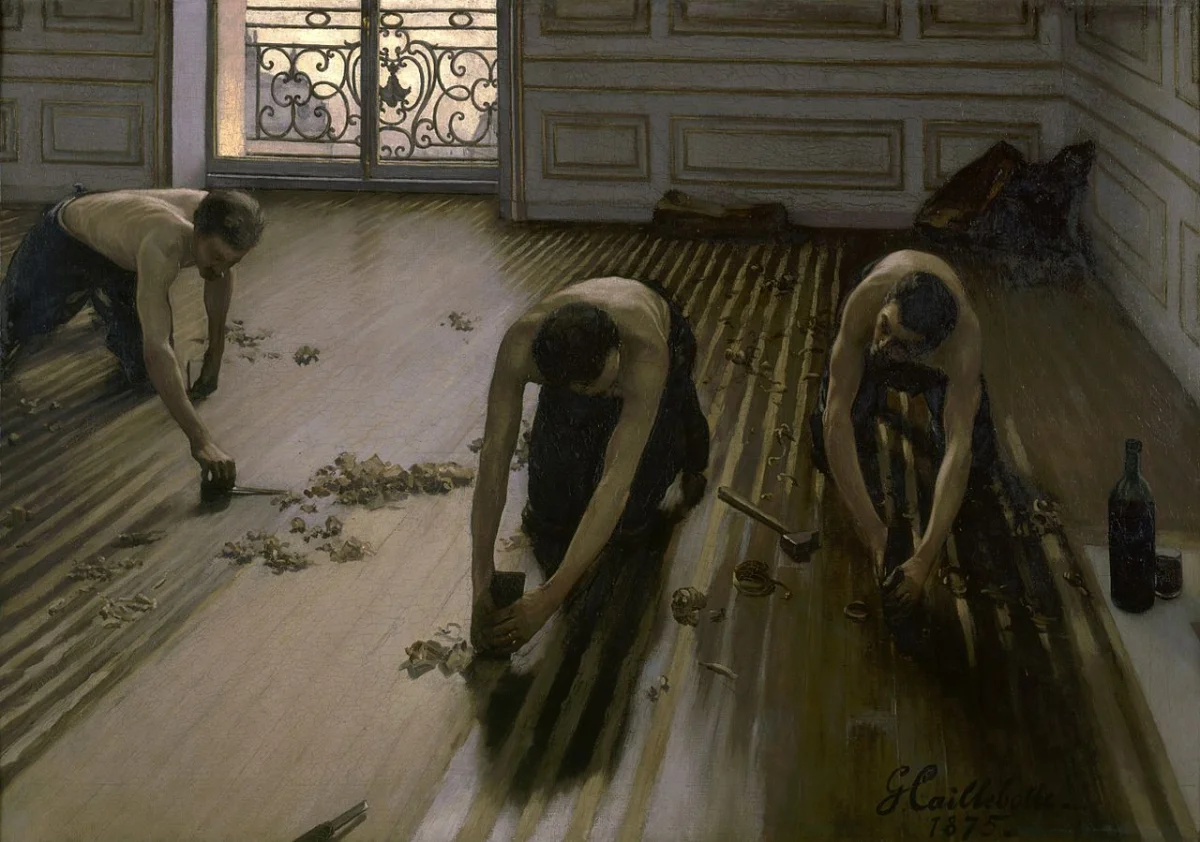
In “The Floor Scrapers 1875,” Gustave Caillebotte demonstrates his technical prowess with oil on canvas, creating lifelike textures and dynamic lighting. The Impressionism movement championed capturing fleeting moments, and Caillebotte excelled with his precise brushwork. Each detail, from the gleaming wood shavings to the workers’ muscular forms, reveals his mastery. This painting, alongside related works like “Paris Street - Rainy Weather 1877,” showcases why Caillebotte’s oil on canvas technique remains revered today.
“The Floor Scrapers 1875” by Gustave Caillebotte tells a compelling story through its hand-painted oil painting technique. The portrayal of laborers at work was unusual for the Impressionism movement, highlighting themes of modernization and class. Caillebotte humanized his subjects, inviting viewers to empathize with their toil. Much like his later work, “Paris Street - Rainy Weather 1877,” this painting uses everyday scenes to create timeless symbols, making it a fascinating fine art painting for sale.
Owning “The Floor Scrapers 1875” by Gustave Caillebotte means possessing a piece of Impressionism history. This oil on canvas masterpiece appeals to collectors seeking authenticity and narrative depth. Its unique subject matter and artistic excellence make it highly desirable, especially when paired with related products like “Paris Street - Rainy Weather 1877.” If you’re searching for a fine art painting for sale that encapsulates innovation and tradition, this work is an unparalleled choice for any collection.
When Art Meets History
Gustave Caillebotte’s masterpiece, "The Floor Scrapers 1875," stands as a pivotal work in the Impressionism movement, capturing the vibrancy of Parisian life. This hand-painted oil painting not only documents the era’s working class but also highlights the social changes of 19th-century France. Caillebotte, alongside contemporaries like Renoir and Monet, contributed to a new perspective on daily life, much like seen in "Girls At The Piano2" and "Umbrellas," further enriching art history.
Techniques That Speak
"The Floor Scrapers 1875" demonstrates Caillebotte’s mastery of oil on canvas, utilizing delicate brushwork and a naturalistic palette to create luminous effects. His keen attention to light and shadow infuses the scene with realism, a hallmark of Impressionism. The artist’s innovative composition and perspective are also evident in related works such as "The Cliff Walk at Pourville" and "Irises In Monets Garden," showcasing the technical evolution within the movement.
Emotions on Display
In this fine art painting for sale, Caillebotte evokes a sense of dignity and intensity in the laborers’ expressions, inviting viewers to empathize with their toil. The painting’s raw emotion and dynamic poses reflect the artist’s deep appreciation for everyday subjects, a theme echoed in Impressionist pieces like "Luncheon Of The Boating Party." Through "The Floor Scrapers 1875," Caillebotte transforms a simple moment into a powerful narrative of human experience.
Coveted by Collectors
As a prized hand-painted oil painting, "The Floor Scrapers 1875" has become highly sought after by collectors and museums worldwide. Its significance within the Impressionism movement, combined with its striking composition, make it a standout among works by Gustave Caillebotte and his peers. Collectors often seek related masterpieces such as "Umbrellas" or "Irises In Monets Garden," drawn by the enduring allure of authentic Impressionist art for their collections.
Related Impressionism Hand-Painted Oil Paintings by Other Artists
Other Famous Impressionism Artists:
Frequently Asked Questions About The Floor Scrapers 1875
What is the historical context of "The Floor Scrapers"?
"The Floor Scrapers" was painted in 1875 during a period of rapid industrialization in France. This era saw significant changes in labor, urbanization, and the emergence of modern art movements, which influenced Caillebotte's work.
Who is the artist behind "The Floor Scrapers"?
The painting was created by Gustave Caillebotte, a prominent French painter and a key figure in the Impressionist movement, known for his innovative compositions and realistic portrayals of contemporary life.
What techniques did Caillebotte use in this painting?
Caillebotte employed a meticulous technique characterized by a detailed representation of textures and forms, utilizing a palette of muted colors to convey the realism of the scene while incorporating elements of light and shadow.
What is the significance of the subject matter in "The Floor Scrapers"?
The painting depicts laborers engaged in a mundane yet physically demanding task, highlighting the dignity of work and the changing nature of labor in the modernizing society of 19th-century France.
How does "The Floor Scrapers" reflect Impressionist ideals?
While Caillebotte's work is often more realistic than traditional Impressionism, it reflects the movement's focus on everyday subjects and the effects of light, as well as the artist's innovative approach to composition and perspective.
What is the composition of "The Floor Scrapers" like?
The composition features a strong diagonal line created by the floor scrapers, leading the viewer's eye through the scene, while the use of perspective emphasizes the depth and spatial relationships within the interior space.
What symbolism can be found in "The Floor Scrapers"?
The painting symbolizes the labor force of the time, representing the working class's struggles and the physicality of their labor, while also serving as a commentary on the socio-economic changes occurring in urban France.
How did "The Floor Scrapers" influence later artists?
Caillebotte's innovative approach to composition and his focus on everyday life influenced subsequent generations of artists, particularly those interested in realism and the depiction of modern life, paving the way for later movements.
What is the current location of "The Floor Scrapers"?
The painting is part of the collection at the Musée d'Orsay in Paris, France, where it is displayed alongside other significant works of the Impressionist and Post-Impressionist periods.
How does "The Floor Scrapers" compare to other works by Caillebotte?
Compared to Caillebotte's other works, "The Floor Scrapers" showcases his unique ability to blend realism with Impressionist techniques, often focusing on themes of modernity, labor, and urban life, distinguishing it as one of his most celebrated pieces.






















_GFM_Painting_(1).webp)


 100% Hand-Painted: Finished in 3-6 Weeks

.png)
















_(1).webp)