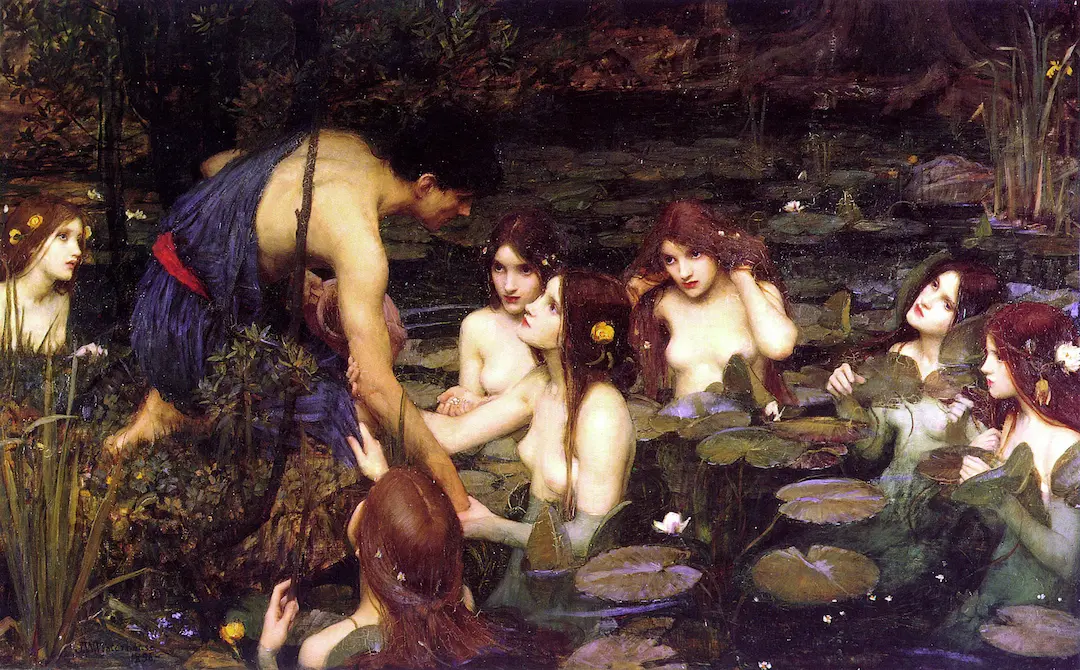
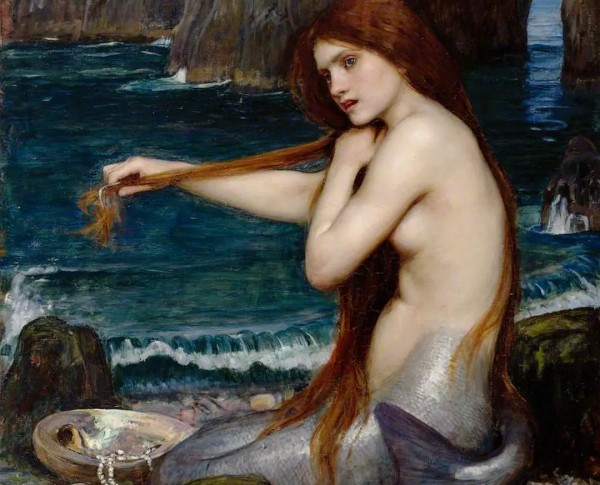
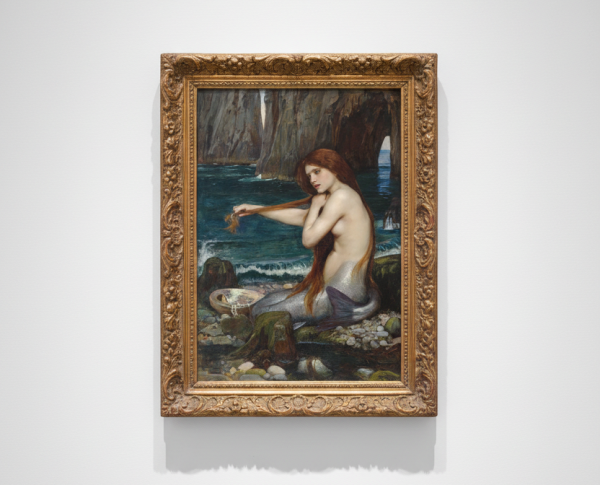
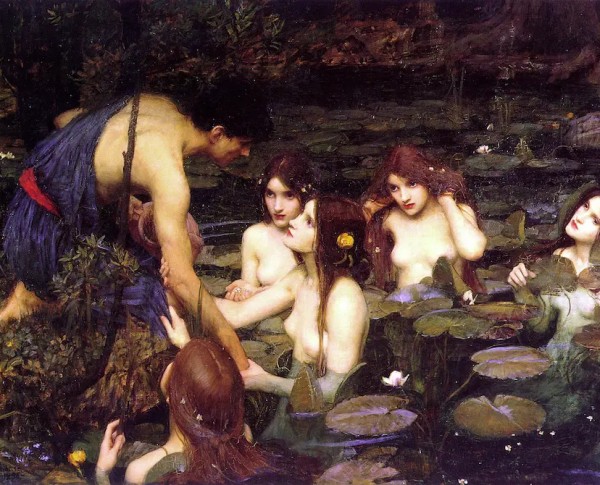
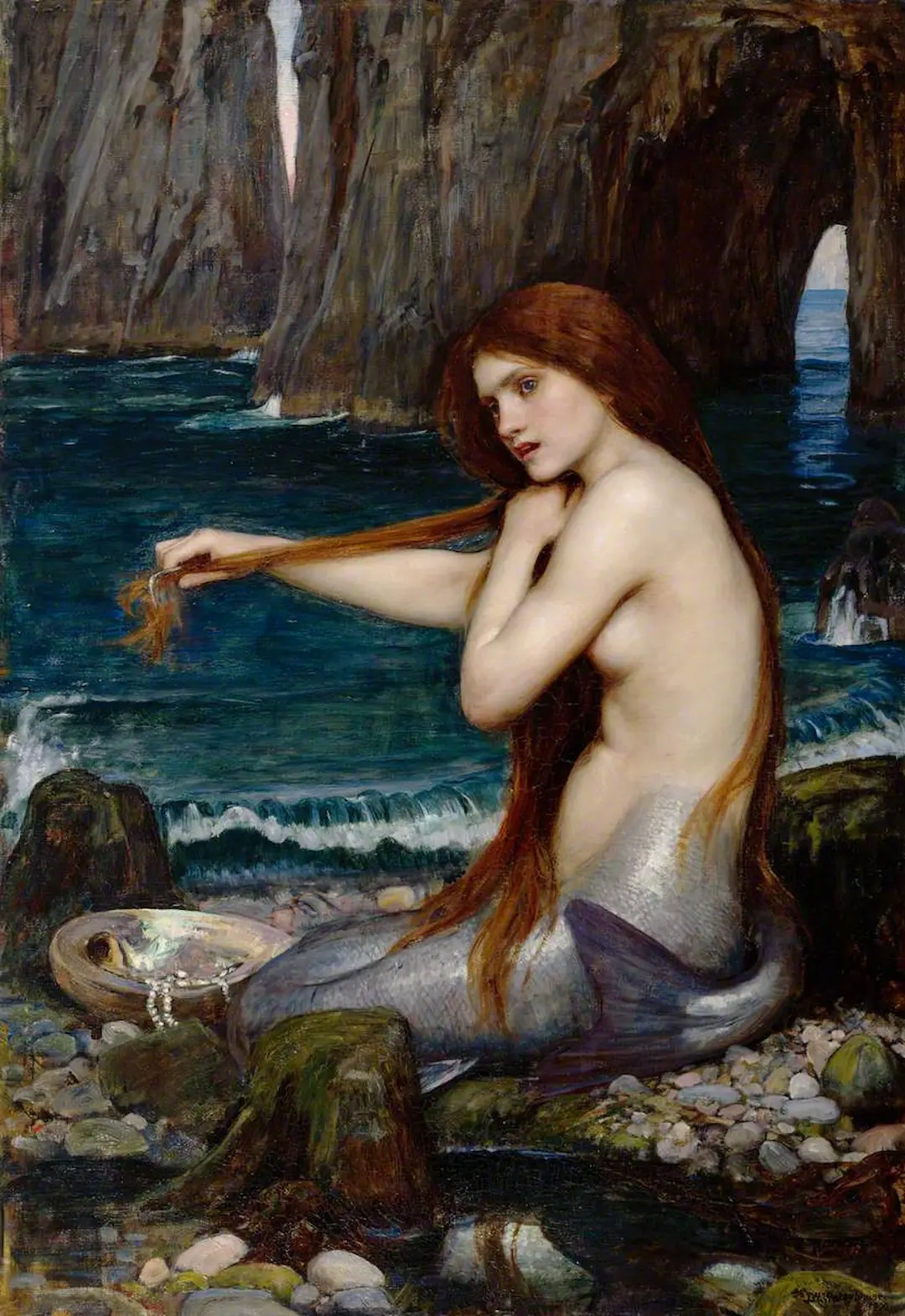
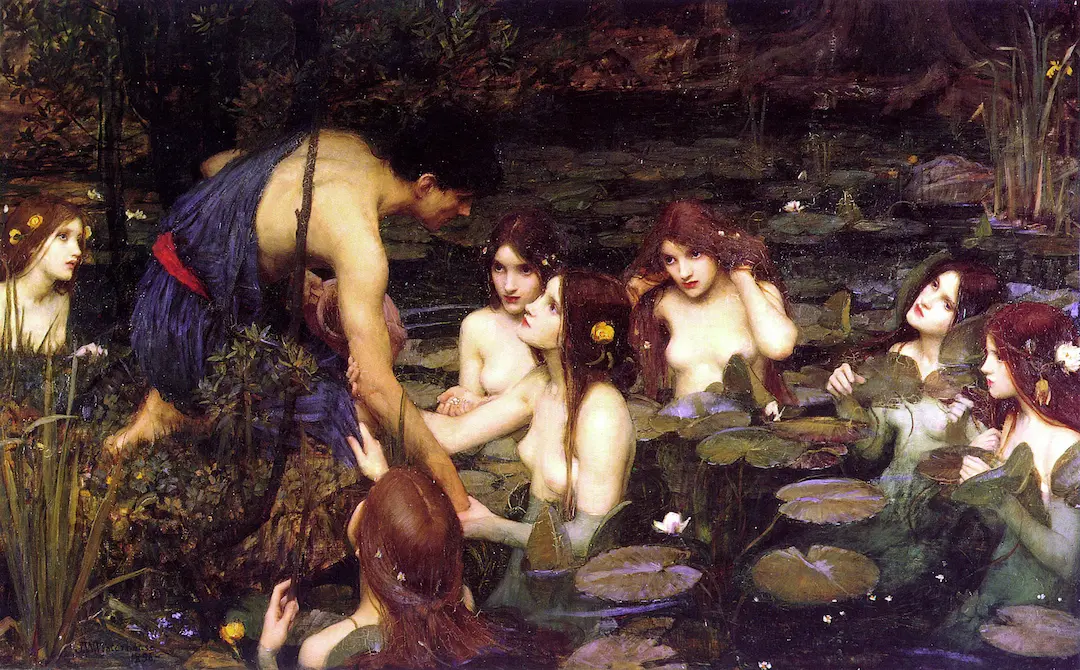
The enchanting "A Mermaid 1900" exemplifies Waterhouse’s command of oil on canvas. His meticulous attention to detail and vibrant color palette highlight the fluidity of the mermaid’s hair and the shimmering water. As a prominent figure in the Pre-Raphaelites, Waterhouse’s technique elevates the painting’s dreamlike quality. Collectors seeking other exquisite works often admire "Hylas and the Nymphs 1896," another oil on canvas masterpiece, as a complementary addition.
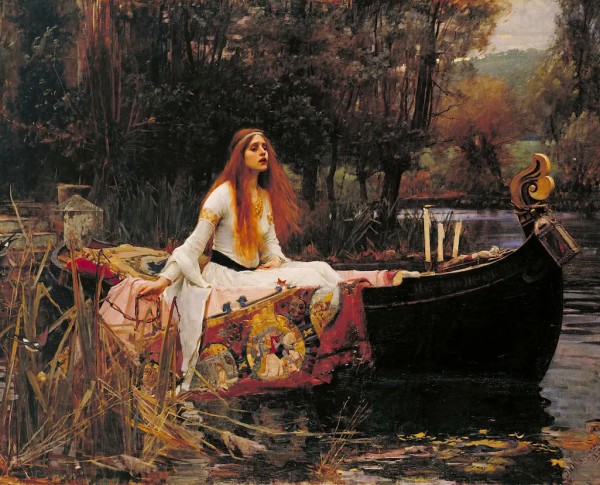
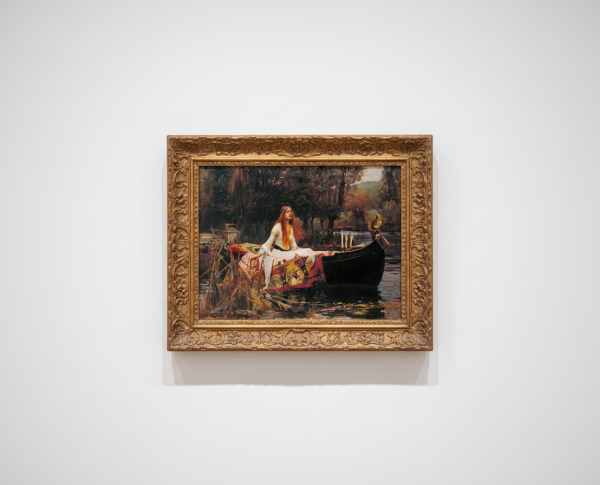
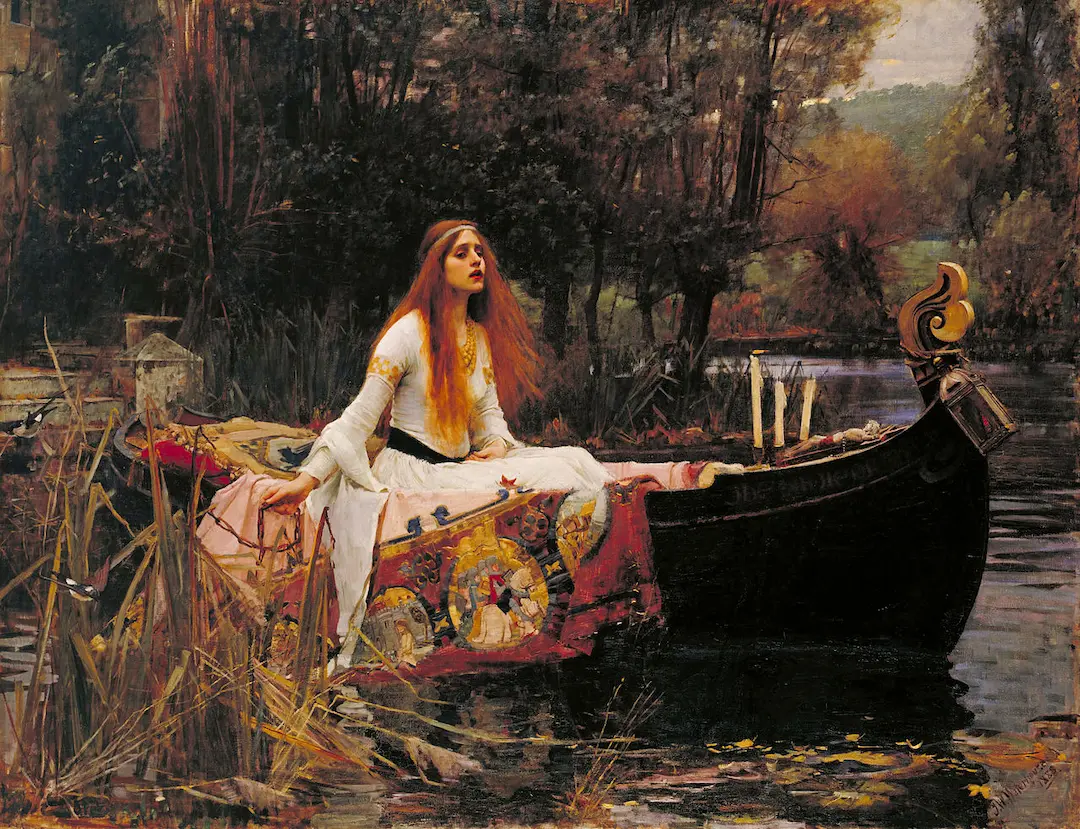
Every element in "A Mermaid 1900" tells a story, reflecting the symbolic richness of the Pre-Raphaelites movement. Waterhouse weaves mythology and emotion into this fine art painting for sale, inviting viewers to interpret the mermaid’s longing gaze. The artist’s narrative approach is echoed in related works like "The Lady of Shalott 1888." Each painting, including this one, serves as a visual poem, offering endless inspiration to admirers of myth and mystery.
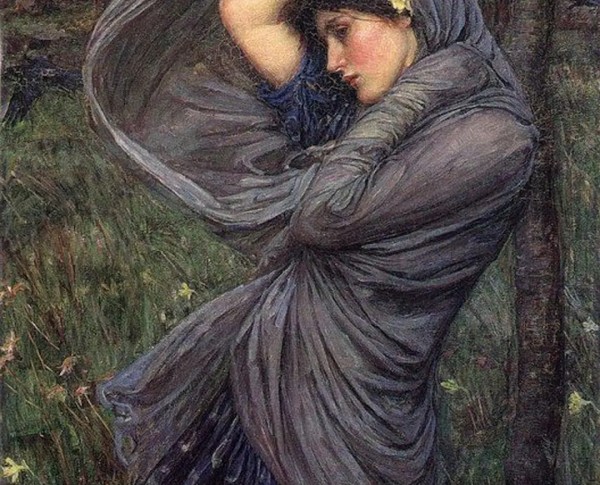
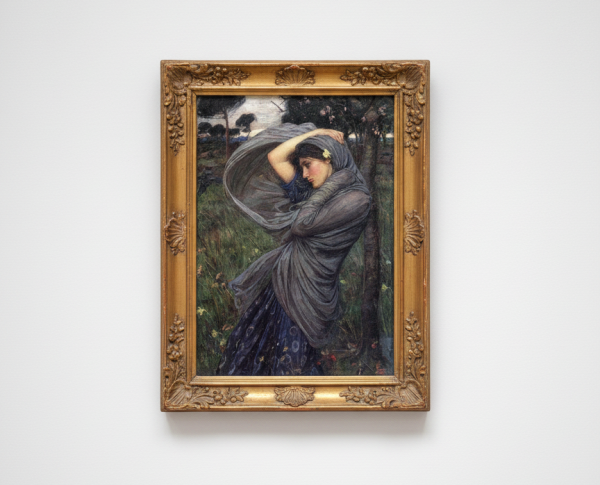
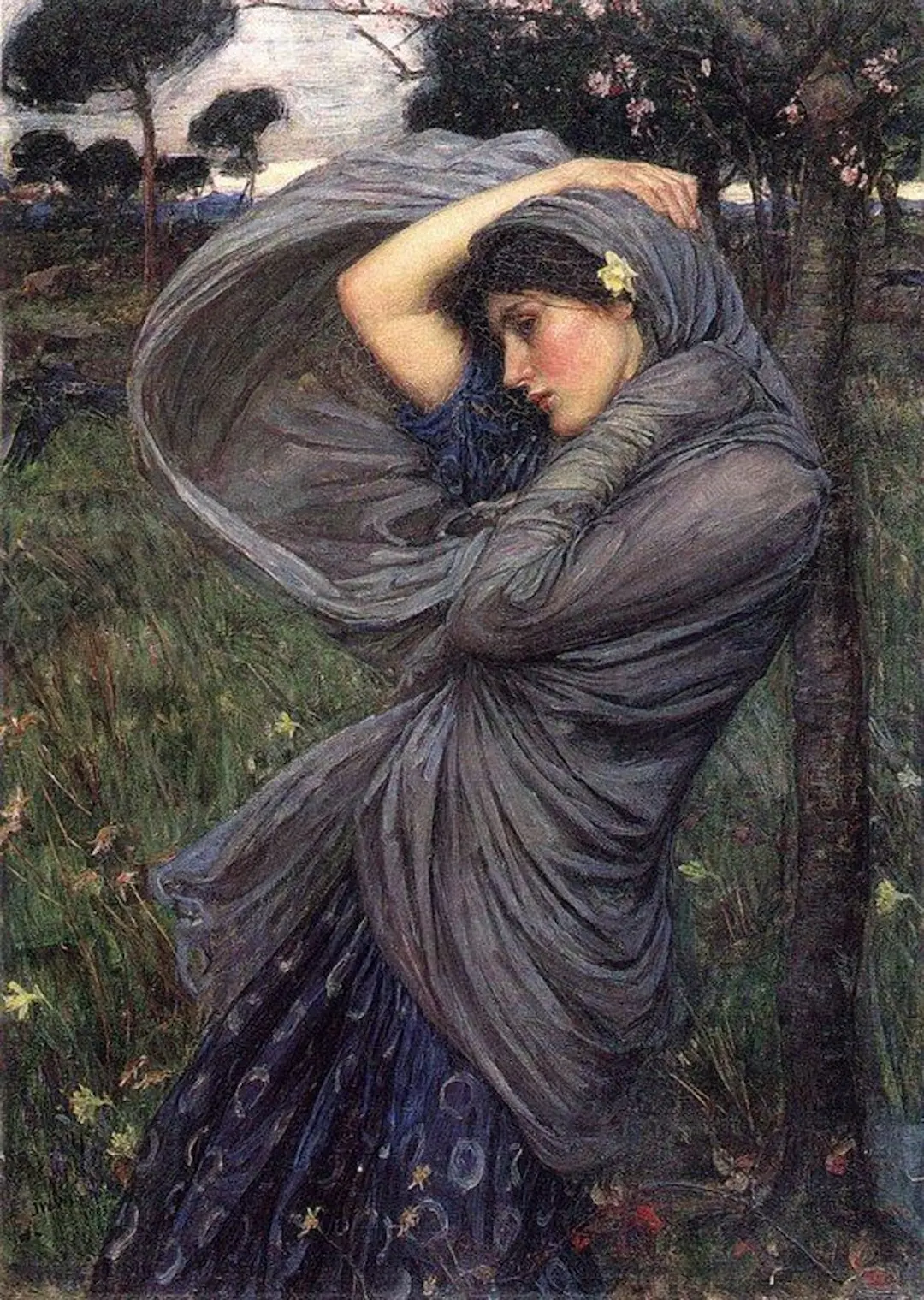
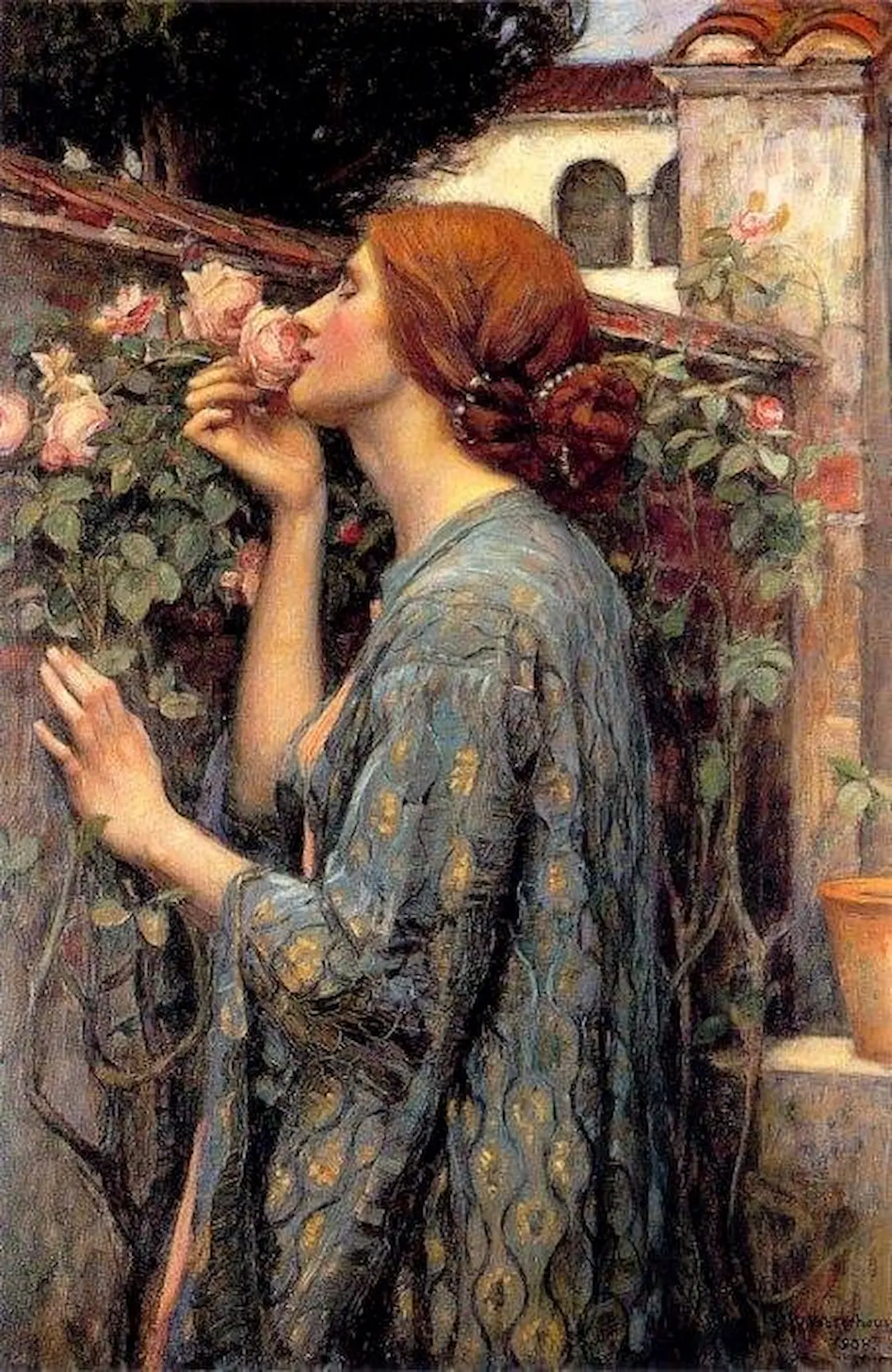
Owning "A Mermaid 1900" by John William Waterhouse is more than acquiring a painting—it is investing in a piece of art history. This hand-painted oil painting is a prized possession for admirers of the Pre-Raphaelites movement. Collectors often seek related products such as "Boreas 1903" and "The Soul of the Rose 1908" to complete their collections. Each piece, including this fine art painting for sale, offers timeless beauty and enduring value.
When Art Meets History
John William Waterhouse’s 1900 masterpiece, "A Mermaid," stands as a testament to the enduring allure of the Pre-Raphaelites movement. This hand-painted oil painting captures the mythical charm and romanticism that defined the era. Waterhouse, renowned for works like "Midsummer Eve," skillfully wove mythological themes into his art. "A Mermaid" not only celebrates the artist’s signature style but also reflects the broader cultural fascination with legends and fantasy at the turn of the twentieth century.
Techniques That Speak
Created using oil on canvas, "A Mermaid" exemplifies John William Waterhouse’s meticulous attention to detail and vibrant color palette. The painting’s luminous textures and delicate brushwork are hallmarks of the Pre-Raphaelites movement. Waterhouse’s mastery is evident in the lifelike rendering of the mermaid’s shimmering tail and flowing hair. Similar to his approach in "Midsummer Eve," the artist’s technique invites viewers to be immersed in a world of enchantment and beauty, highlighting the allure of oil on canvas masterpieces.
Emotions on Display
In "A Mermaid," Waterhouse evokes a profound sense of longing and mystery, hallmarks of the Pre-Raphaelites movement. The mermaid’s contemplative gaze and serene surroundings create an atmosphere rich with emotion. Through his hand-painted oil painting, Waterhouse draws viewers into the inner world of his enigmatic subject, much like he did in "Midsummer Eve." The artist’s ability to convey emotion ensures that "A Mermaid" remains a beloved piece in the canon of fine art painting for sale.
Coveted by Collectors
"A Mermaid" by John William Waterhouse continues to be highly sought after in the art world, especially among collectors of the Pre-Raphaelites movement. As a fine art painting for sale, its allure is matched by other masterpieces such as "Midsummer Eve." The painting’s exquisite detail and timeless beauty make it a prized acquisition for enthusiasts of hand-painted oil paintings. Waterhouse’s legacy endures, with "A Mermaid" standing as a crown jewel in many prestigious collections.
Related Pre-Raphaelites Hand-Painted Oil Paintings by Other Artists
Other Famous Pre-Raphaelites Artists:
Frequently Asked Questions About A Mermaid 1900
What is the historical context of "A Mermaid 1900"?
"A Mermaid 1900" was painted during the late Victorian era, a time characterized by a fascination with mythology, the supernatural, and the natural world. This period saw a revival of interest in classical themes and subjects, which Waterhouse expertly incorporated into his work.
Who is the artist behind "A Mermaid 1900"?
The painting was created by John William Waterhouse, a prominent British painter known for his depictions of mythological and literary subjects. Waterhouse was associated with the Pre-Raphaelite Brotherhood, which emphasized detail, vivid colors, and complex compositions.
What artistic techniques did Waterhouse use in "A Mermaid 1900"?
Waterhouse employed a combination of oil painting techniques, utilizing rich color palettes and intricate brushwork to create depth and texture. His use of light and shadow enhances the ethereal quality of the mermaid, drawing the viewer's eye to her figure amidst the surrounding environment.
What symbolism is present in "A Mermaid 1900"?
The mermaid in the painting symbolizes both beauty and danger, representing the duality of allure and the peril associated with the unknown. This reflects broader themes of temptation and the complexities of desire, prevalent in many mythological narratives.
How does "A Mermaid 1900" relate to other works by Waterhouse?
What is the significance of the mermaid's pose in the painting?
The mermaid's pose is both inviting and contemplative, suggesting a moment of introspection. This pose enhances the narrative quality of the painting, inviting viewers to ponder her thoughts and emotions, while also embodying the allure and mystery that mermaids represent in folklore.
How has "A Mermaid 1900" been received by art critics over time?






















_GFM_Painting_(1).webp)


 100% Hand-Painted: Finished in 3-6 Weeks

.png)















_(1).webp)