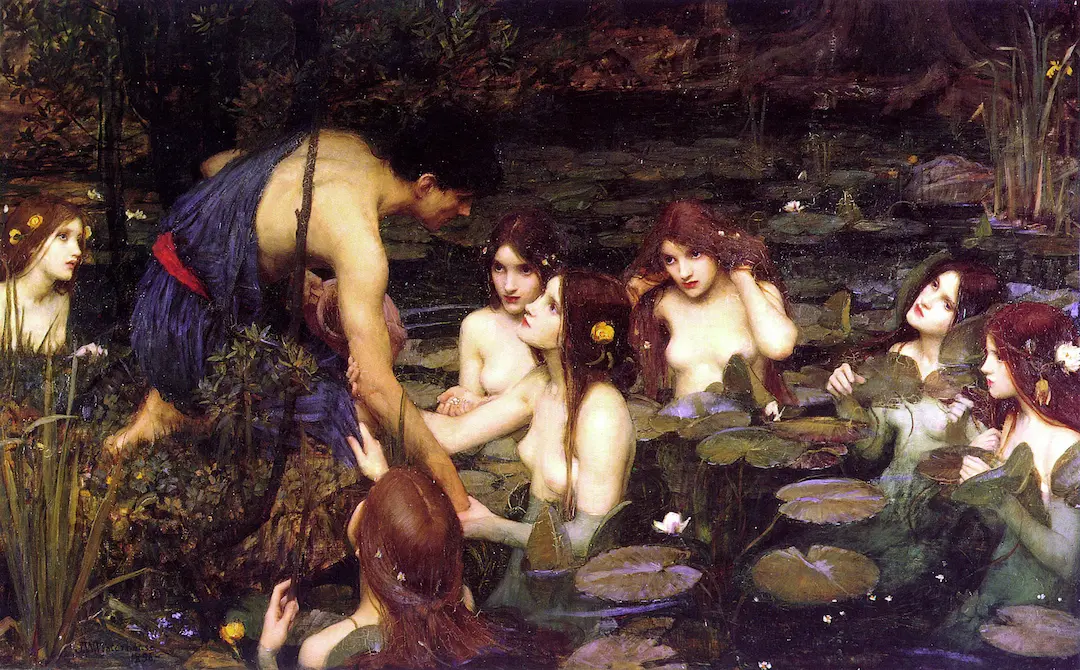
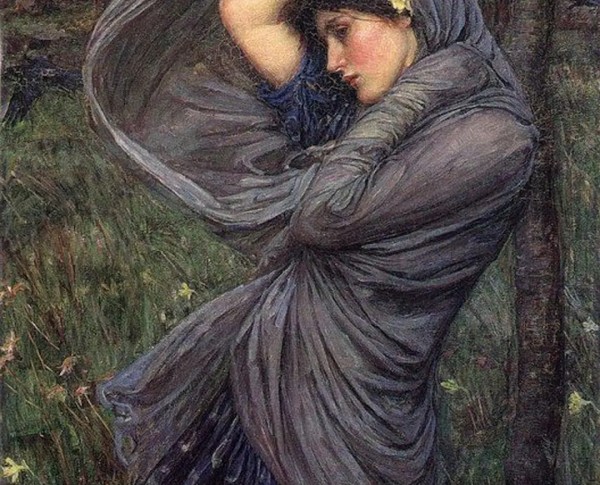
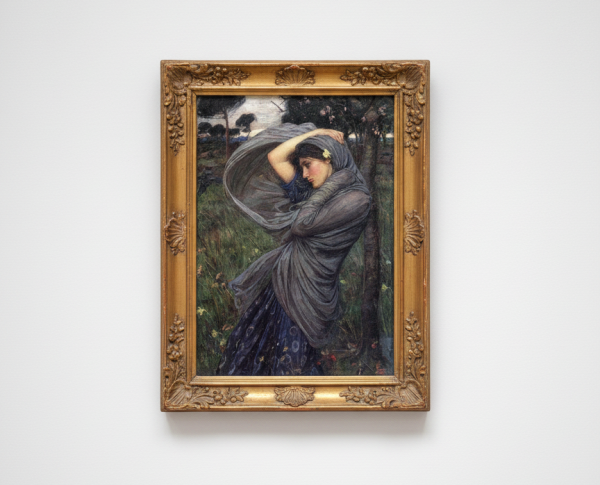
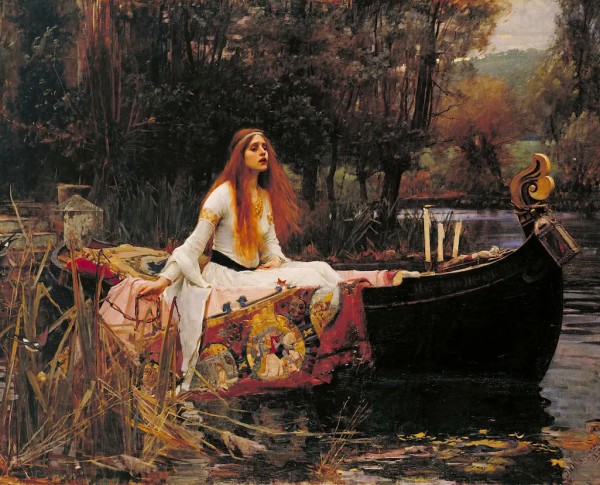
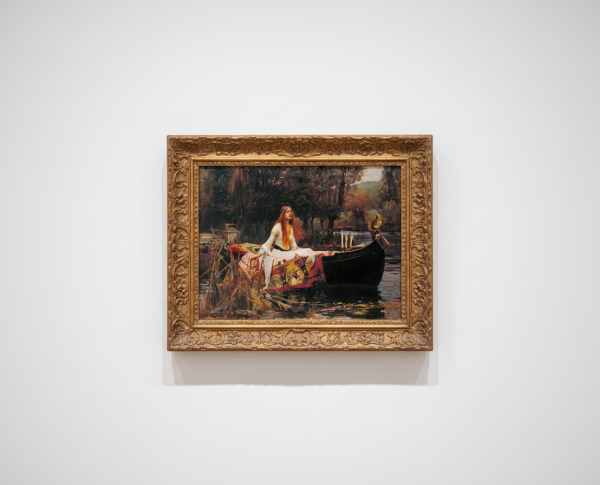
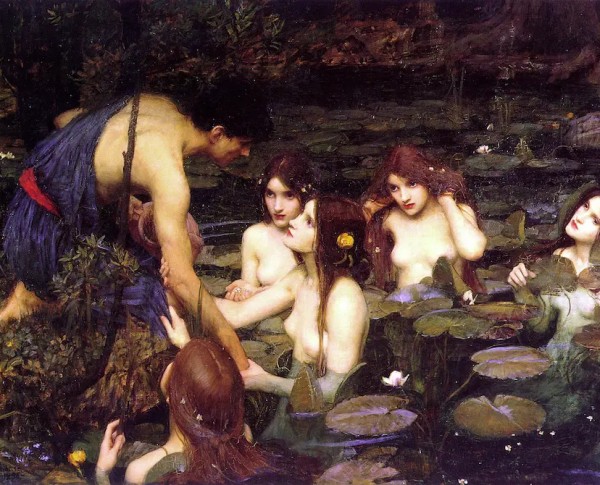
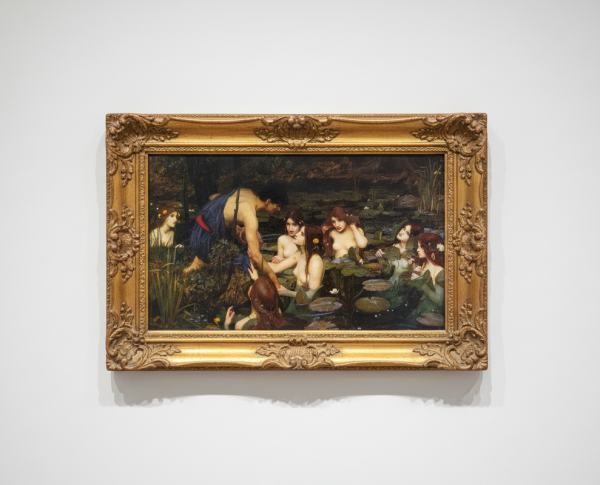
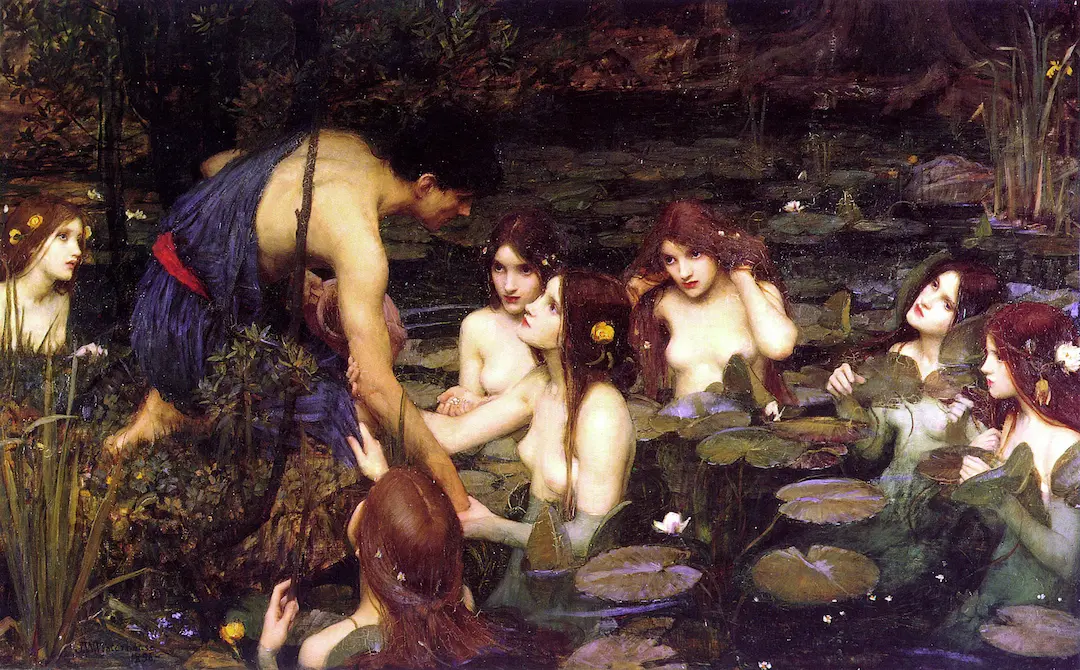
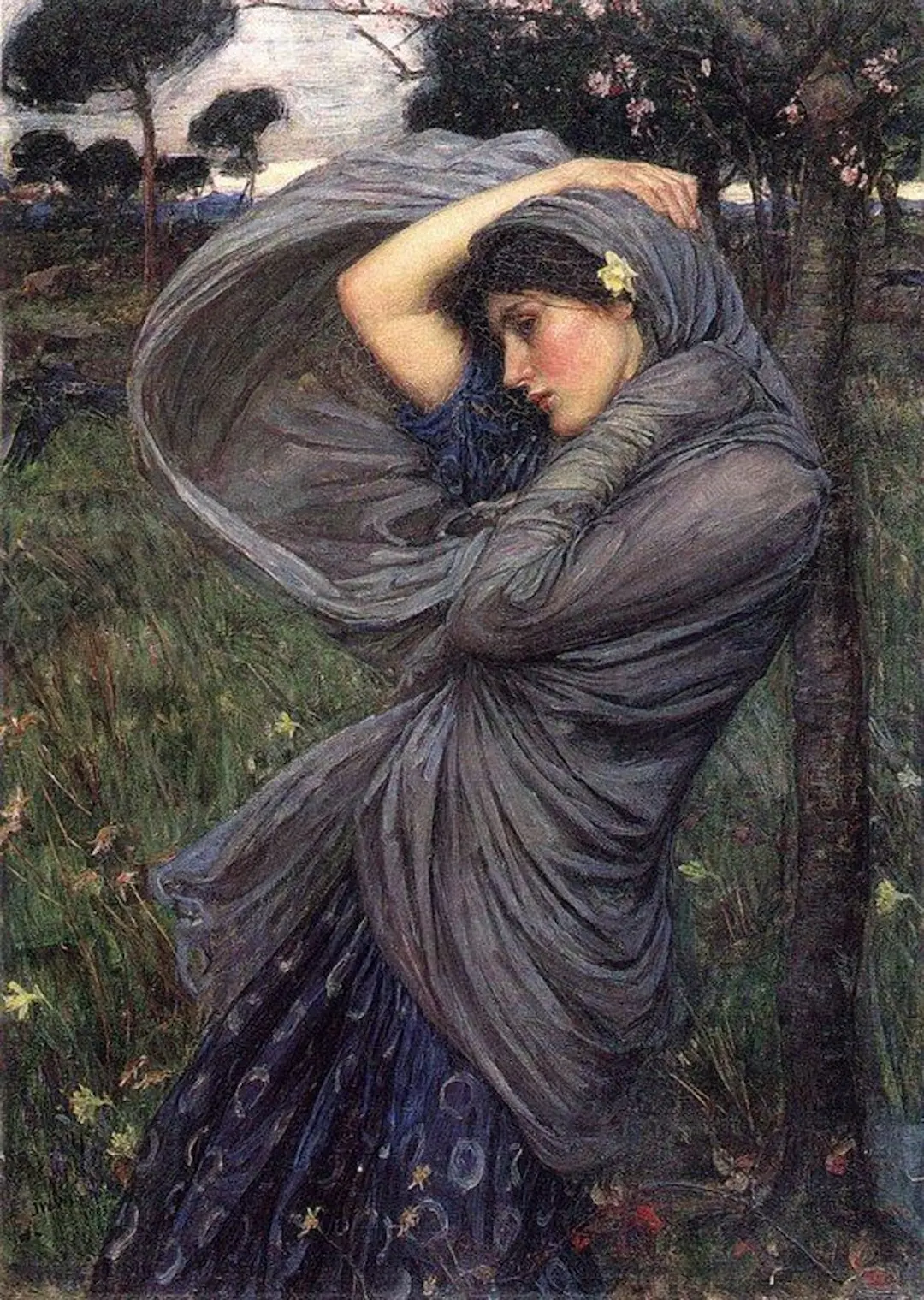
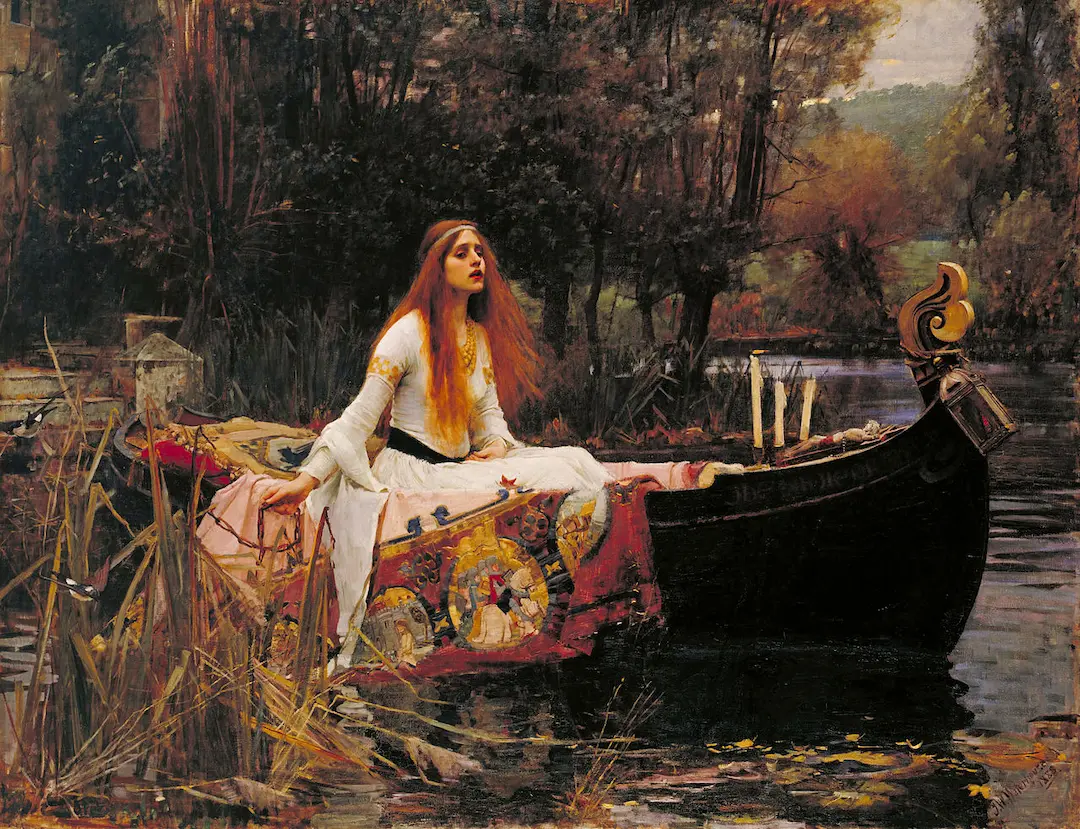
The exquisite detail and vibrant palette of "Hylas and the Nymphs 1896" highlight Waterhouse’s exceptional technique in oil on canvas. His delicate brushwork and careful composition draw viewers into a world of myth and beauty, characteristic of Pre-Raphaelite art. Collectors seeking similar pieces often admire "Boreas 1903" and "The Lady of Shalott 1888," both of which demonstrate the artist’s remarkable skill and his dedication to the movement’s ideals.
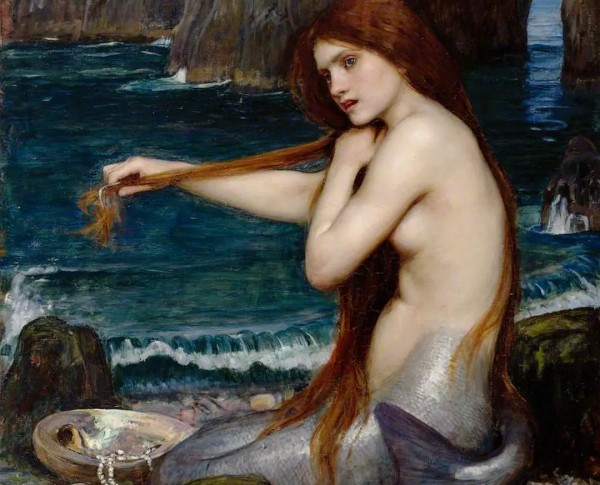
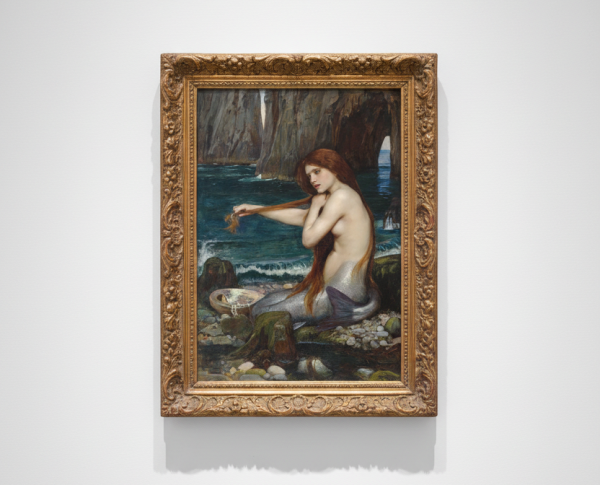
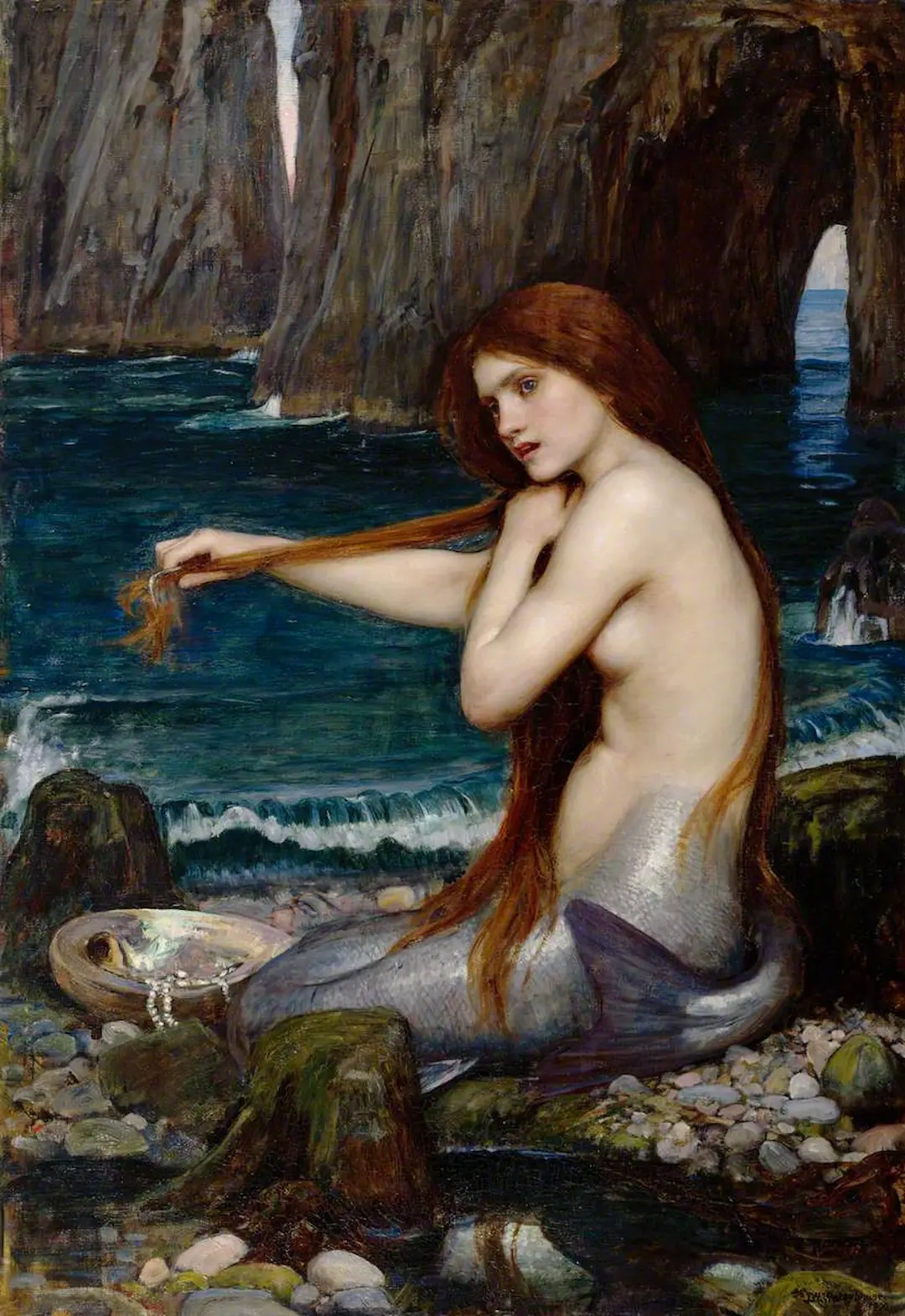
"Hylas and the Nymphs 1896" is more than a fine art painting for sale; it is a narrative brimming with symbolism and mythological intrigue. Waterhouse’s depiction of the Greek myth, where Hylas is lured by water nymphs, reflects the Pre-Raphaelite fascination with storytelling. This painting, alongside related works like "A Mermaid 1900," invites viewers to explore timeless tales through the lens of masterful artistry and symbolic depth.
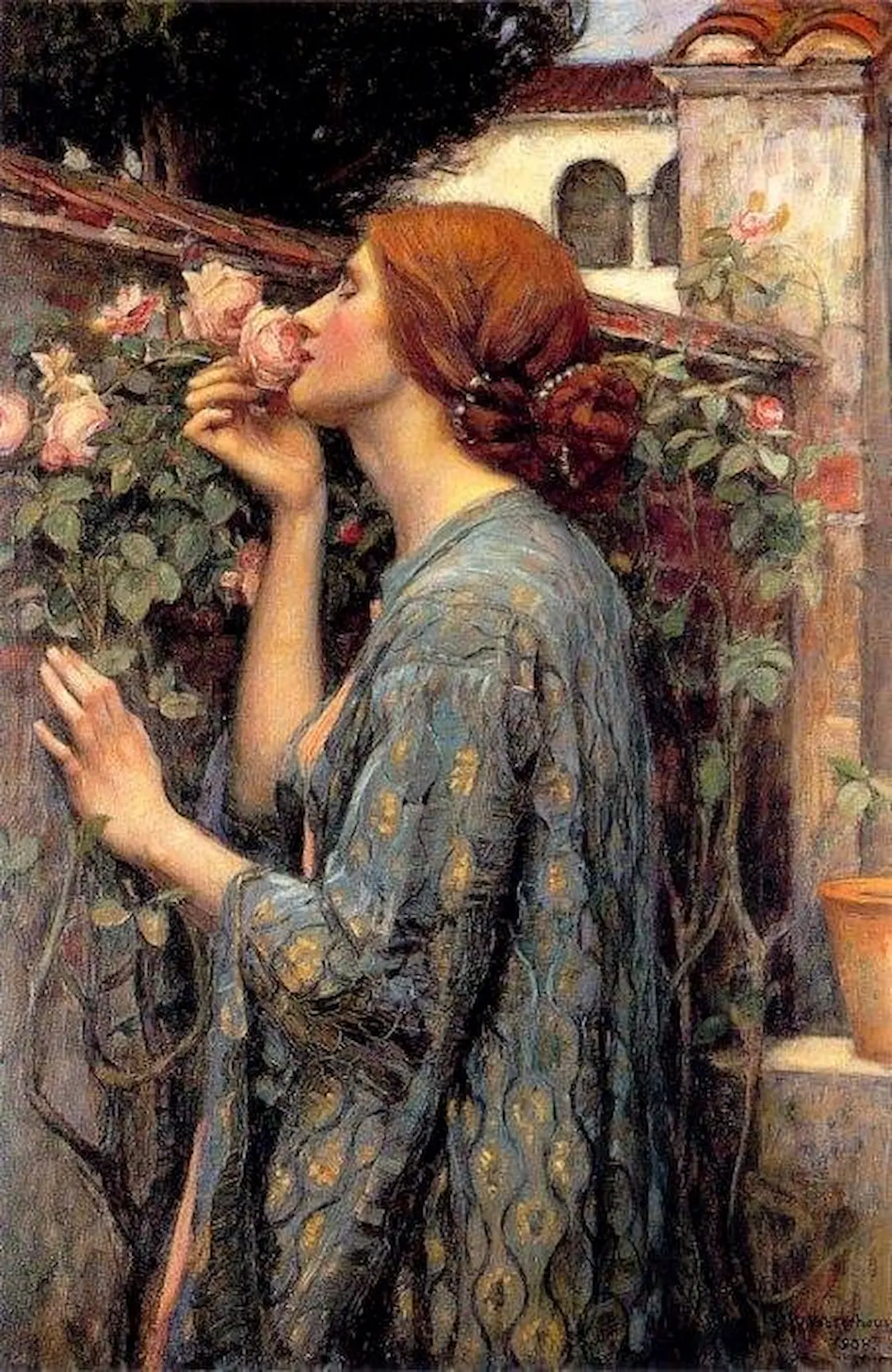
For collectors of Pre-Raphaelite art, "Hylas and the Nymphs 1896" by John William Waterhouse represents a prized acquisition. This hand-painted oil painting, along with renowned pieces such as "The Soul of the Rose 1908" and "The Lady of Shalott 1888," continues to captivate audiences worldwide. Whether displayed in a gallery or a private collection, these works embody the elegance and narrative power that define fine art painting for sale from this celebrated movement.
When Art Meets History
Created in 1896 by John William Waterhouse, "Hylas and the Nymphs" stands as a remarkable example of the Pre-Raphaelites movement. This hand-painted oil painting captures the mythological tale of Hylas, seduced by water nymphs, a theme that fascinated Victorian audiences. Waterhouse’s fascination with myth is also evident in related paintings like "Midsummer Eve," making this work a pivotal historical piece that continues to enchant admirers of classical storytelling through art.
Techniques That Speak
John William Waterhouse’s masterful use of oil on canvas in "Hylas and the Nymphs" showcases the hallmark techniques of the Pre-Raphaelites. His meticulous attention to detail, vibrant color palette, and skillful brushwork bring the mythological scene to life. The luminous quality of the water and delicate rendering of the nymphs’ skin are testaments to Waterhouse’s prowess. Similar techniques can be observed in his other works, such as "Midsummer Eve," celebrated among collectors of fine art.
Emotions on Display
"Hylas and the Nymphs" by John William Waterhouse communicates a profound emotional depth, a signature trait of the Pre-Raphaelites. The painting’s ethereal atmosphere and the nymphs’ enigmatic expressions evoke both allure and foreboding. This fine art painting for sale stirs viewers’ imaginations, inviting them to ponder the fate of Hylas. Waterhouse’s ability to capture such complex emotions aligns with the evocative storytelling found in related paintings like "Midsummer Eve."
Coveted by Collectors
As a celebrated masterpiece from the Pre-Raphaelites, "Hylas and the Nymphs" by John William Waterhouse is highly sought after by art enthusiasts and collectors alike. Its enduring appeal is evident in the continued demand for hand-painted oil painting reproductions and exhibitions worldwide. Alongside "Midsummer Eve," this work represents a pinnacle of mythological art, making it an essential addition for anyone seeking a distinguished fine art painting for sale to enrich their collection.
Related Pre-Raphaelites Hand-Painted Oil Paintings by Other Artists
Other Famous Pre-Raphaelites Artists:
Frequently Asked Questions About Hylas and the Nymphs 1896
What is the historical context of "Hylas and the Nymphs"?
"Hylas and the Nymphs," painted in 1896 by John William Waterhouse, reflects the late Victorian fascination with classical mythology and the Pre-Raphaelite movement, which emphasized beauty, nature, and romantic themes.
Who is Hylas and what is his significance in mythology?
Hylas is a character from Greek mythology, known as the companion of Heracles. He is often associated with themes of beauty and desire, making him a fitting subject for Waterhouse's exploration of sensuality and nature.
What artistic techniques did Waterhouse use in this painting?
Waterhouse employed rich color palettes, intricate detailing, and a focus on light and shadow to create a sense of depth and realism. His use of flowing forms and naturalistic textures enhances the ethereal quality of the scene.
What themes are explored in "Hylas and the Nymphs"?
The painting explores themes of temptation, beauty, and the interplay between nature and humanity. It captures a moment of seduction, highlighting the allure of the nymphs and the vulnerability of Hylas.
How does Waterhouse depict the nymphs in the painting?
The nymphs are portrayed as enchanting and otherworldly figures, embodying the ideal of feminine beauty and grace. Their poses and expressions convey a sense of playfulness and allure, drawing Hylas into their realm.
What role does color play in the painting?
Color is pivotal in "Hylas and the Nymphs," with vibrant greens and blues evoking a lush, natural environment. The contrasting warm tones of the nymphs' skin create a visual harmony that emphasizes their connection to nature.
What is the significance of the setting in the painting?
The setting, a tranquil pool surrounded by lush foliage, symbolizes both beauty and danger. It serves as a liminal space where the boundaries between the natural and supernatural blur, reflecting the themes of seduction and entrapment.
How does "Hylas and the Nymphs" reflect the Pre-Raphaelite influence?
The painting embodies Pre-Raphaelite ideals through its emphasis on detailed realism, vibrant colors, and the depiction of mythological subjects. Waterhouse's focus on emotional expression and beauty aligns with the movement's core principles.
What is the viewer's emotional response intended by Waterhouse?
Waterhouse aims to evoke a sense of longing and intrigue in the viewer. The tension between Hylas's innocence and the nymphs' seductive nature invites contemplation of desire, beauty, and the consequences of temptation.
How has "Hylas and the Nymphs" influenced modern interpretations of mythological themes?
The painting continues to inspire contemporary artists and scholars by exploring the complexities of desire and the human experience. Its timeless portrayal of mythological themes resonates in various forms of modern art and literature.






















_GFM_Painting_(1).webp)


 100% Hand-Painted: Finished in 3-6 Weeks

.png)















_(1).webp)