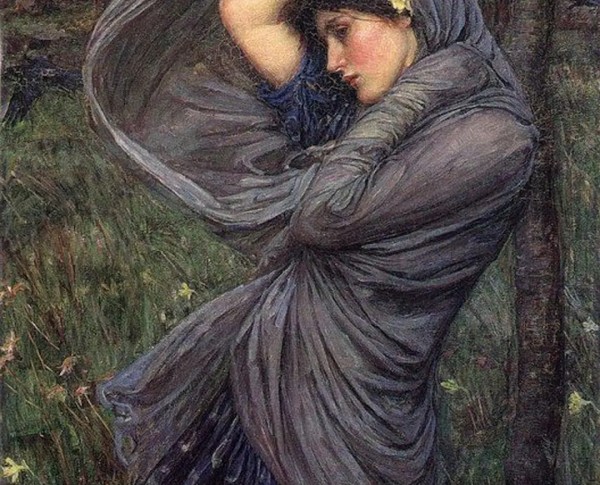
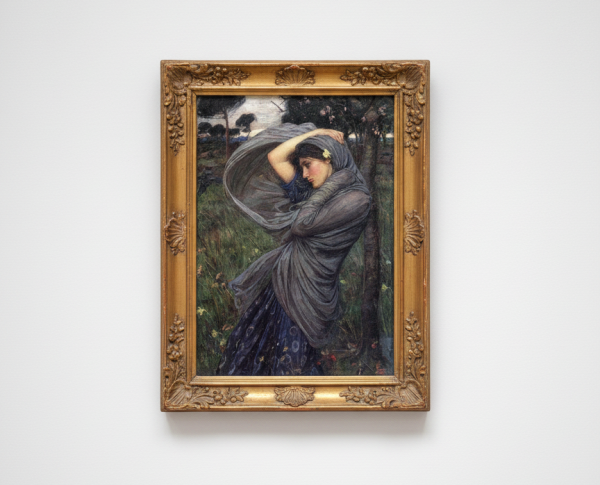
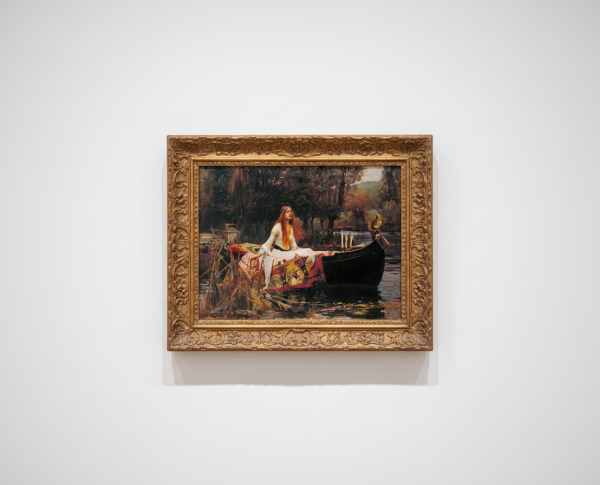
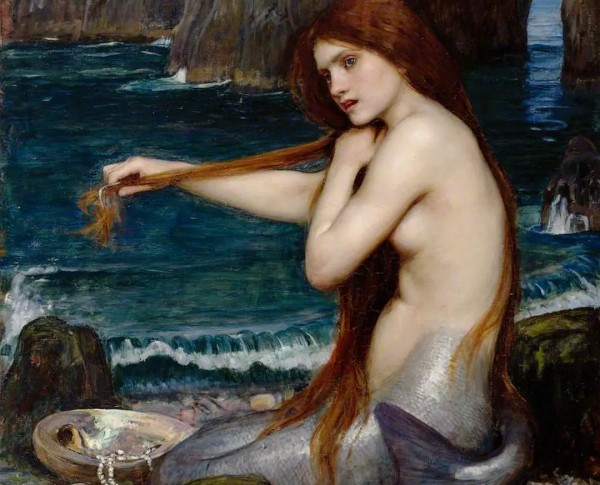
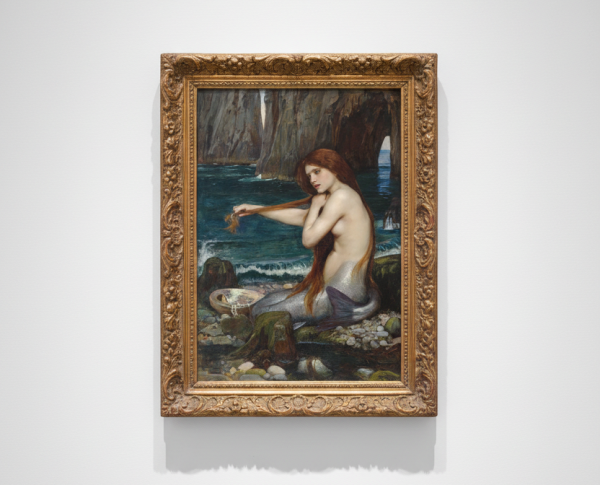
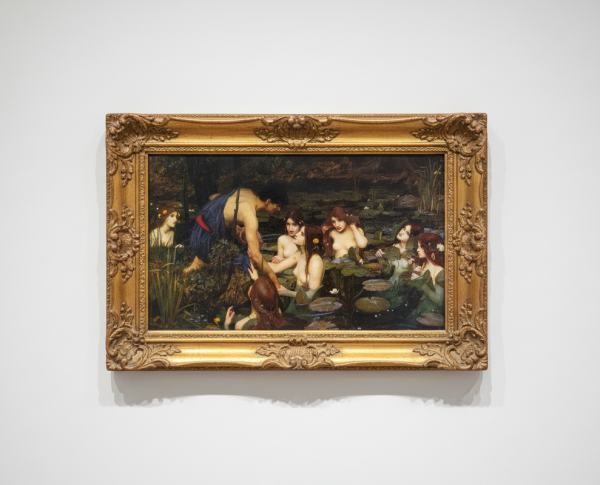
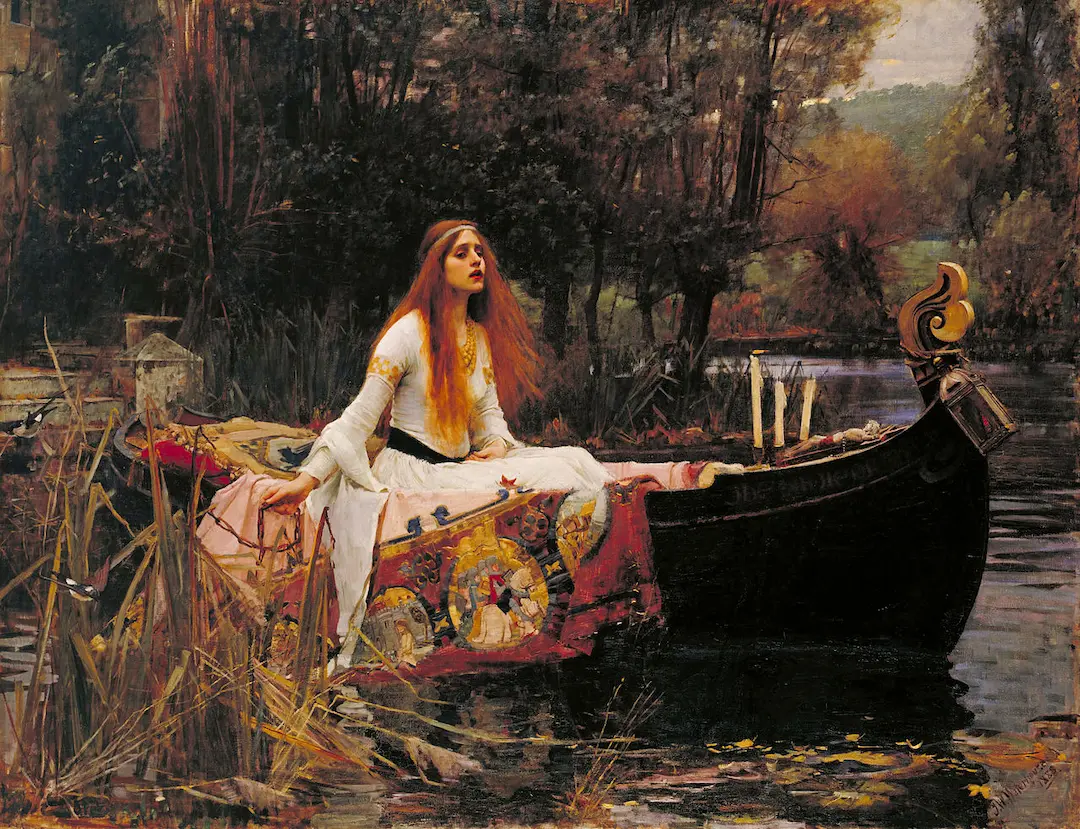
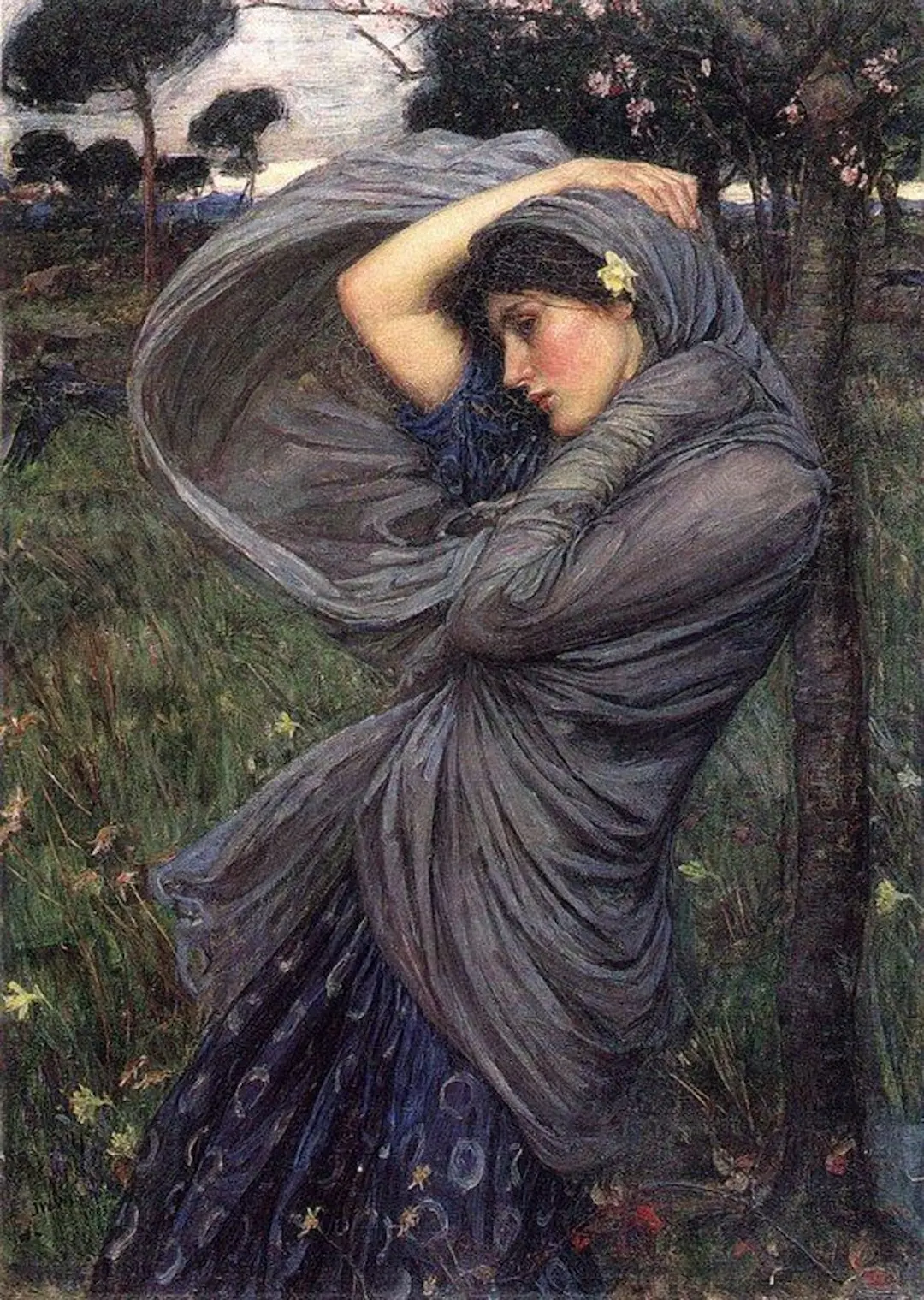
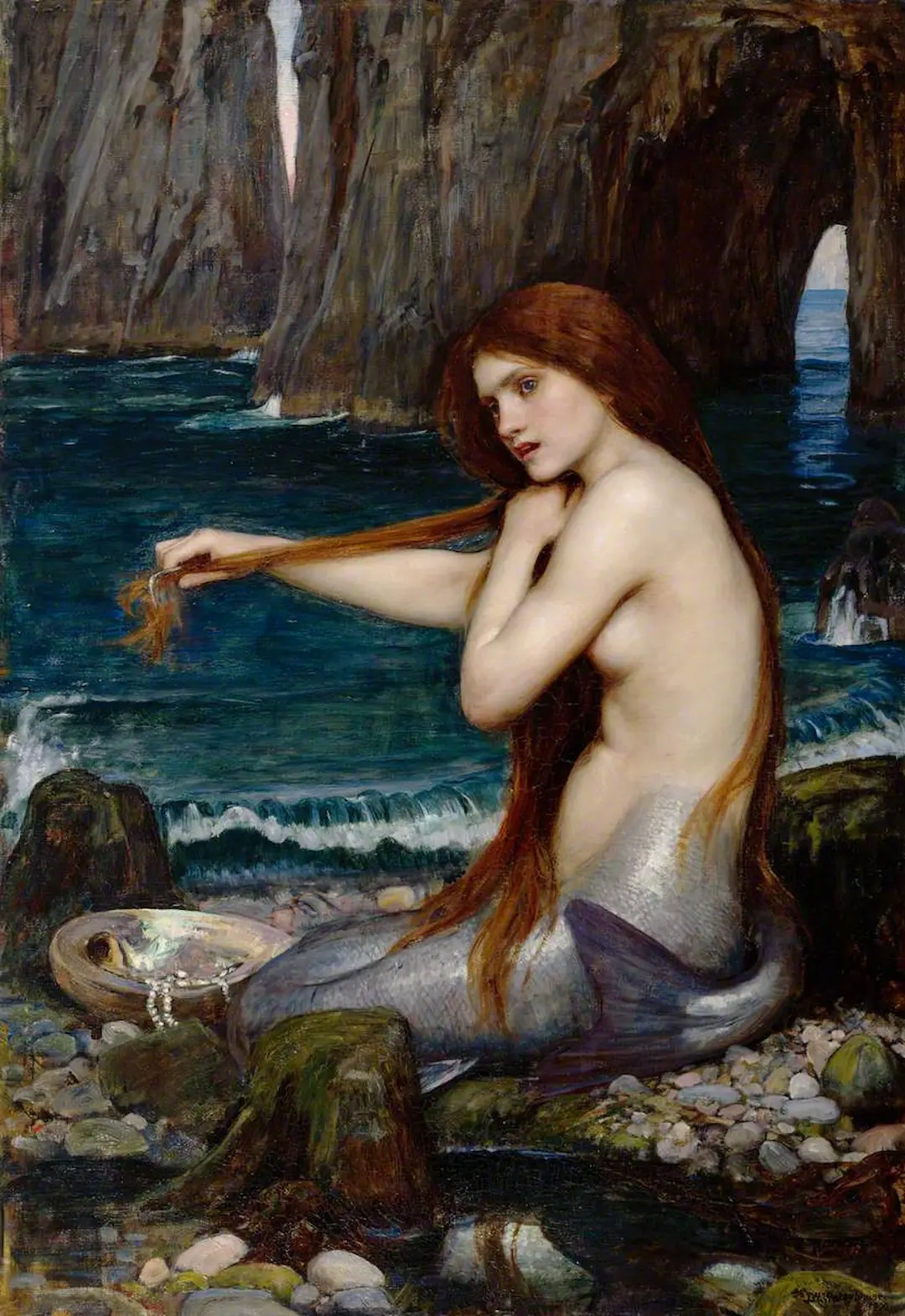
Waterhouse’s technique in "The Lady of Shalott 1888" showcases his exceptional command of oil on canvas, with intricate details and luminous colors that bring the legend to life. The Pre-Raphaelites valued meticulous craftsmanship, and this piece exemplifies their dedication to beauty and realism. Collectors seeking a fine art painting for sale often gravitate toward Waterhouse’s works, including "Boreas 1903" and "A Mermaid 1900," which share the same exquisite quality and artistry.
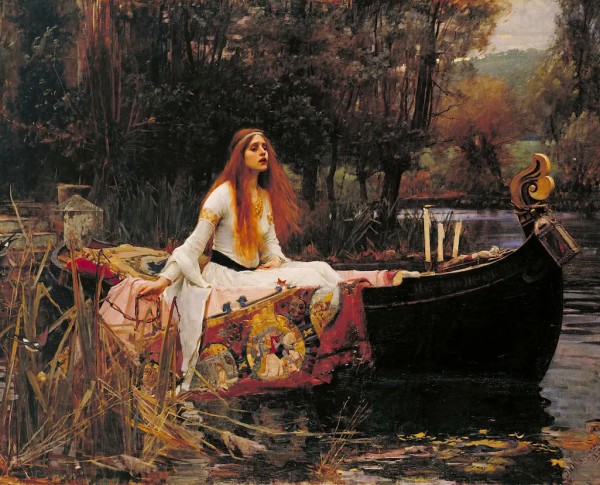
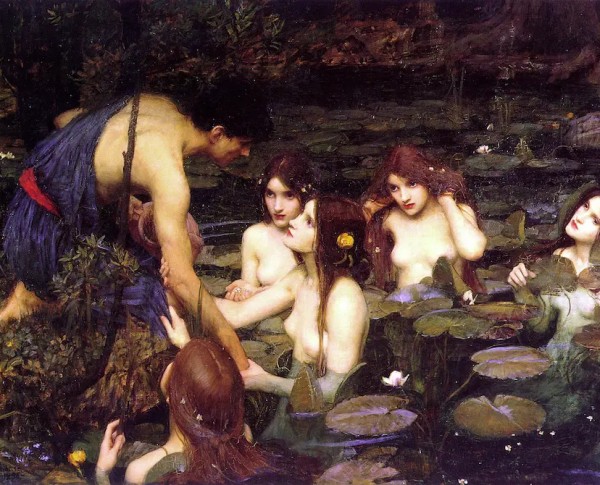
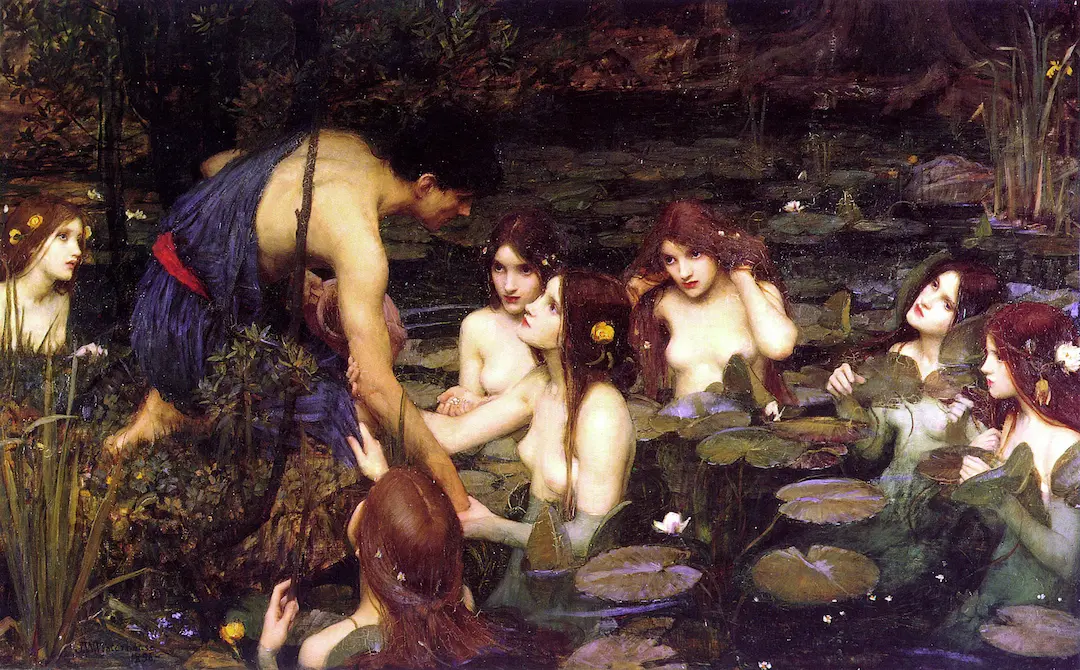
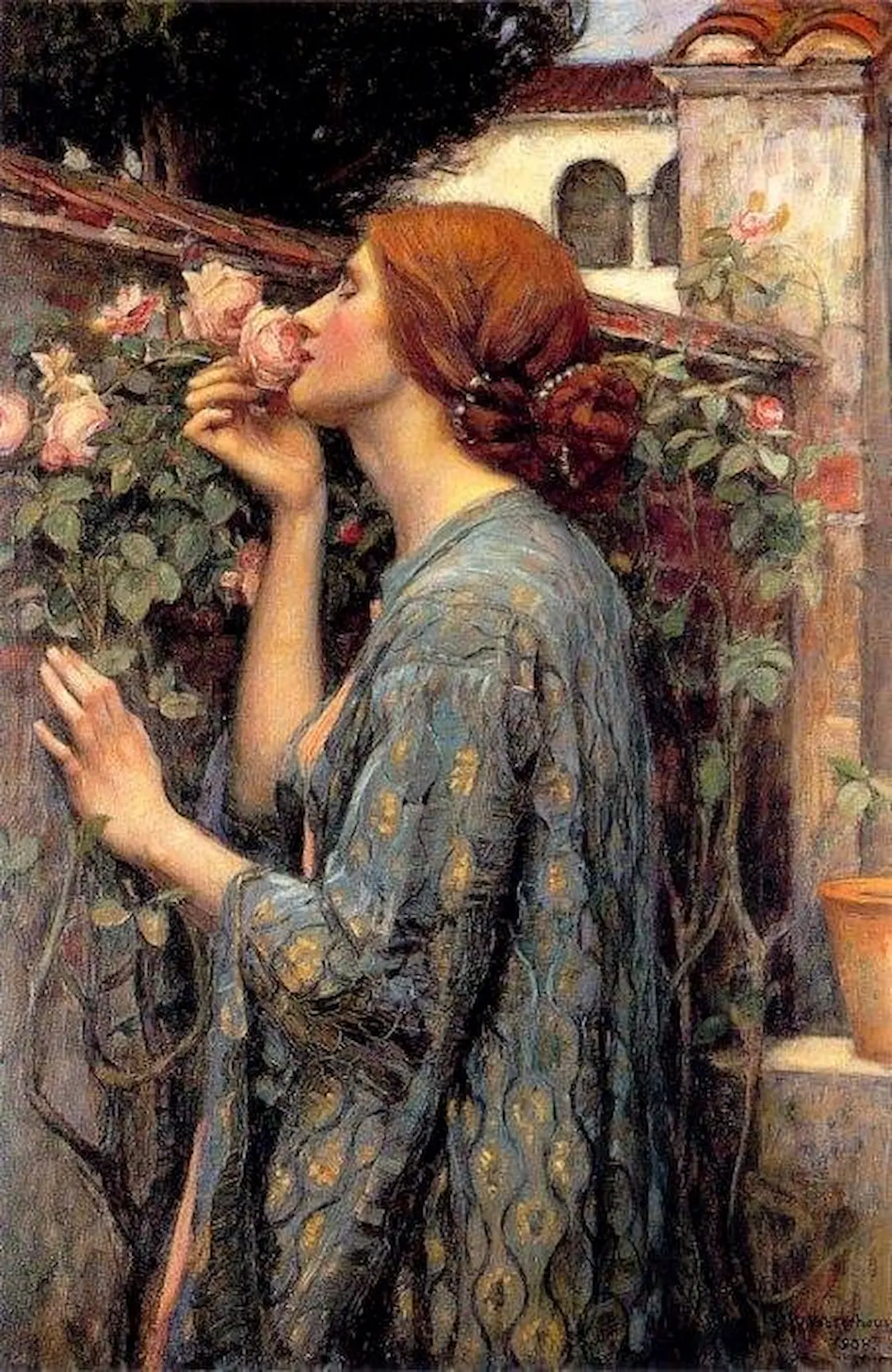
"The Lady of Shalott 1888" is rich with symbolism, echoing the romantic and tragic themes cherished by the Pre-Raphaelites. Waterhouse’s hand-painted oil painting captures the moment the Lady sets out on her fateful journey, surrounded by detailed motifs that enhance the narrative. Fans of Waterhouse’s storytelling will also appreciate related masterpieces such as "The Soul of the Rose 1908" and "Hylas and the Nymphs 1896," each offering their own symbolic depth.
As a celebrated oil on canvas, "The Lady of Shalott 1888" remains a sought-after fine art painting for sale among collectors worldwide. John William Waterhouse’s evocative style and the enduring appeal of the Pre-Raphaelites make this painting a valuable addition to any collection. For those looking to expand their appreciation, companion pieces like "Boreas 1903" and "A Mermaid 1900" provide further insight into Waterhouse’s remarkable artistic legacy.
When Art Meets History
"The Lady of Shalott 1888" by John William Waterhouse stands as a timeless masterpiece within the Pre-Raphaelites movement. This hand-painted oil painting draws inspiration from Alfred Tennyson's poem, encapsulating the tragic tale of the Lady's yearning and isolation. Waterhouse, renowned for works like "Midsummer Eve," masterfully captures the era's fascination with myth and legend, making this piece a significant milestone in the history of Victorian art and poetic storytelling.
Techniques That Speak
Waterhouse’s "The Lady of Shalott 1888" showcases his exceptional skill with oil on canvas, blending vivid color palettes and intricate details to create a lifelike scene. The Pre-Raphaelites’ signature attention to nature and texture is evident in every brushstroke, from the flowing river to the Lady’s delicate gown. This technique, also seen in related paintings like "Midsummer Eve," immerses viewers, highlighting Waterhouse’s mastery in the fine tradition of 19th-century art.
Emotions on Display
Embodying the heartache and longing of its subject, "The Lady of Shalott 1888" is a fine art painting for sale that resonates deeply with viewers. Waterhouse’s portrayal of the Lady, poised in her boat, captures the poignant moment of her fateful journey. The emotional intensity, a hallmark of the Pre-Raphaelites movement, is palpable and comparable to the mood evoked in "Midsummer Eve," inviting audiences to connect with the narrative on a personal level.
Coveted by Collectors
Collectors and art enthusiasts highly prize "The Lady of Shalott 1888" by John William Waterhouse for its historical and artistic significance. As a sought-after hand-painted oil painting from the Pre-Raphaelites era, it stands alongside celebrated works like "Midsummer Eve." The painting’s enduring appeal lies in its romantic storytelling and technical excellence, making it a centerpiece in any collection and an iconic example of Victorian-era fine art painting for sale.
Related Pre-Raphaelites Hand-Painted Oil Paintings by Other Artists
Other Famous Pre-Raphaelites Artists:
Frequently Asked Questions About The Lady of Shalott 1888
What is the historical context of "The Lady of Shalott"?
"The Lady of Shalott" is inspired by Alfred Lord Tennyson's poem of the same name, published in 1832. The painting reflects the Victorian era's fascination with medieval themes and romanticism, capturing the tension between reality and artistic imagination.
Who was John William Waterhouse, and what is his significance in art history?
John William Waterhouse was an English painter known for his works that often depict mythological and literary subjects. He is associated with the Pre-Raphaelite movement, which emphasized vivid colors, intricate detail, and a focus on romantic themes.
What are the main themes depicted in "The Lady of Shalott"?
The painting explores themes of isolation, unrequited love, and the conflict between art and reality. The Lady's curse symbolizes the consequences of seeking truth and beauty outside of societal constraints.
What artistic techniques did Waterhouse employ in this painting?
Waterhouse utilized a combination of rich color palettes, detailed brushwork, and dramatic lighting to create a sense of depth and emotion. His use of symbolism and narrative elements draws the viewer into the Lady's tragic story.
How does the composition of the painting contribute to its meaning?
The composition features the Lady in a boat, surrounded by a lush landscape, which emphasizes her isolation. The diagonal lines of the boat and the flowing water guide the viewer's eye and create a sense of movement, enhancing the narrative tension.
What symbols are present in "The Lady of Shalott" and what do they represent?
Key symbols include the mirror, which represents reflection and the distortion of reality, and the flowers, which signify beauty and transience. The boat itself symbolizes the journey between life and death, as well as the passage from isolation to engagement with the world.
In what ways does "The Lady of Shalott" reflect Victorian ideals?
The painting embodies Victorian ideals of femininity, where women were often seen as delicate and ethereal figures. It also reflects the era's romanticism, emphasizing emotional depth and the struggle between personal desire and societal expectations.
How has "The Lady of Shalott" influenced modern interpretations of art and literature?
The painting has inspired numerous adaptations in literature, film, and visual arts, highlighting its enduring appeal. It encourages contemporary discussions about the role of women in art and the complexities of artistic expression in relation to societal norms.
What is the significance of the color palette used in the painting?
Waterhouse's color palette features rich, vibrant hues that evoke a sense of longing and melancholy. The contrast between the warm colors of the Lady and the cooler tones of the background enhances the emotional impact and highlights her isolation.
Where can I see "The Lady of Shalott" displayed today?
"The Lady of Shalott" is part of the collection at the Tate Britain in London. It is often exhibited alongside other works by Waterhouse and his contemporaries, providing context for the Pre-Raphaelite movement.






















_GFM_Painting_(1).webp)


 100% Hand-Painted: Finished in 3-6 Weeks

.png)















_(1).webp)