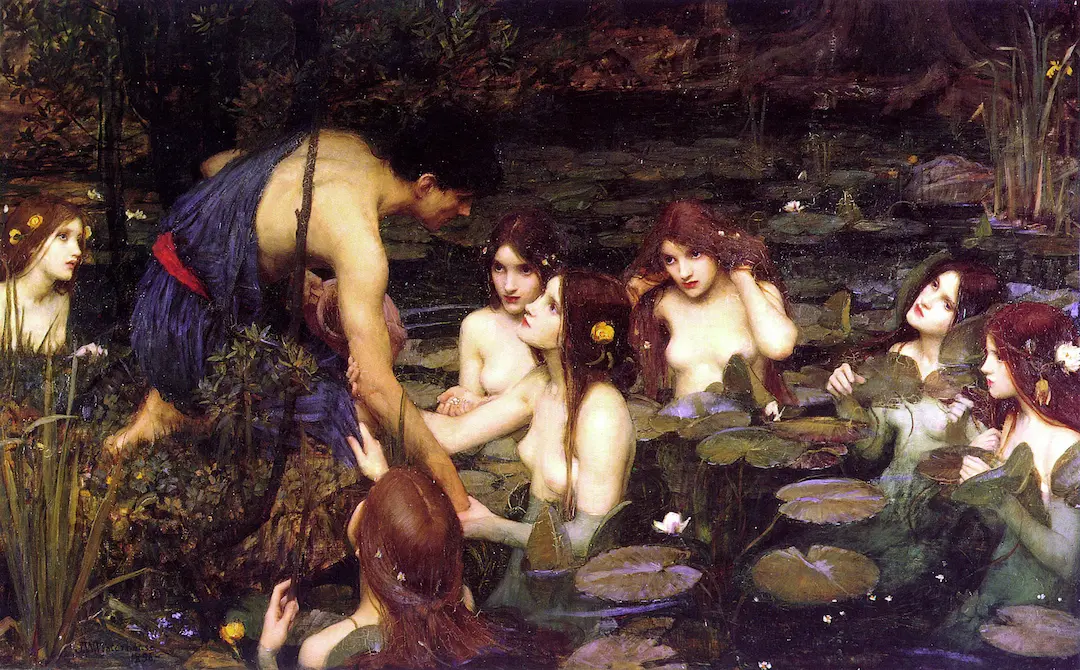
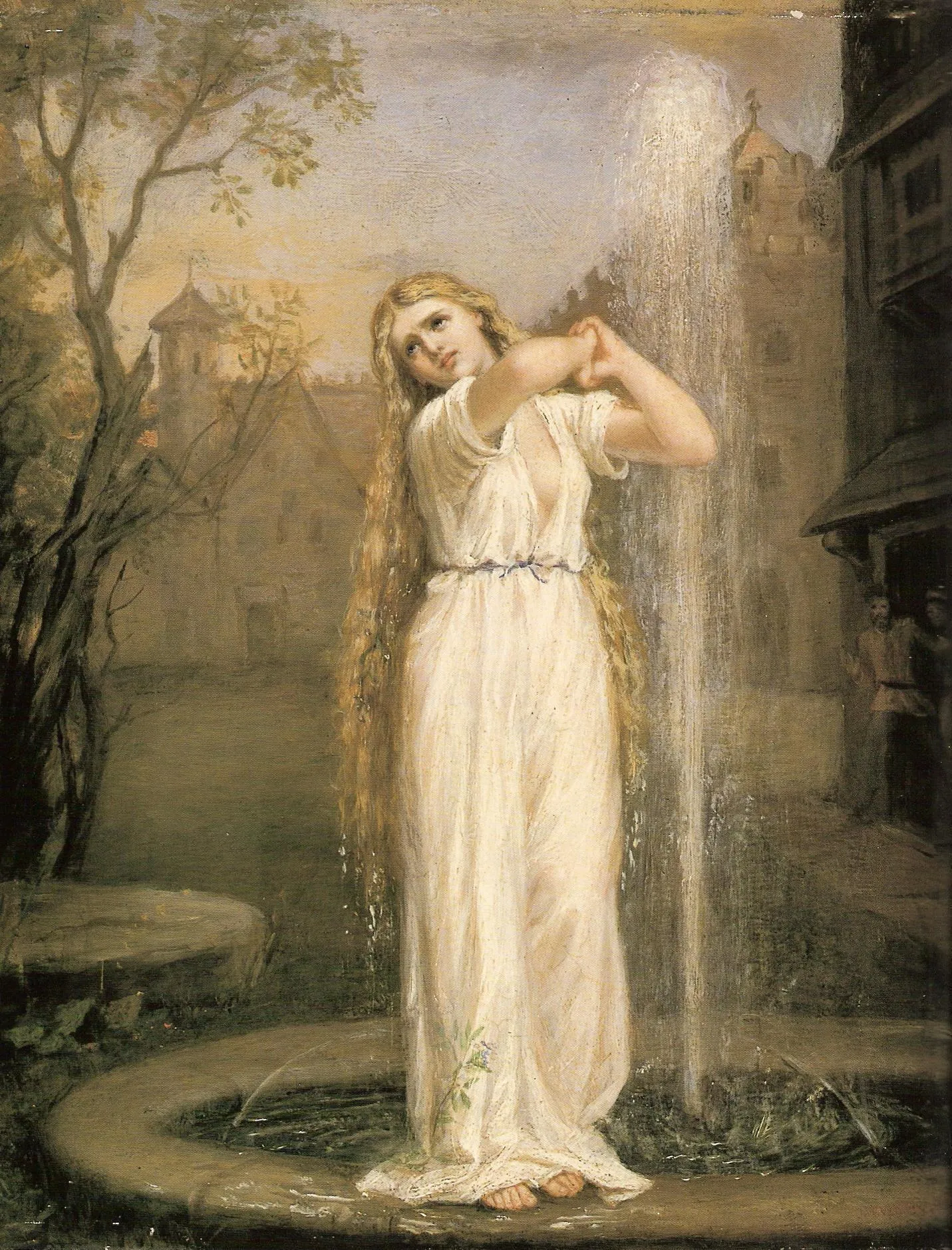
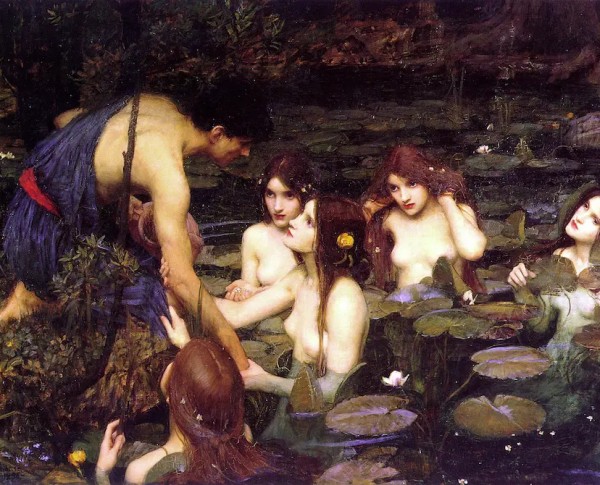
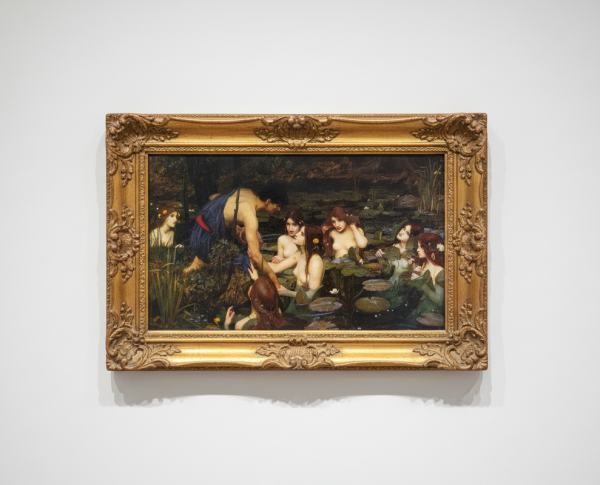
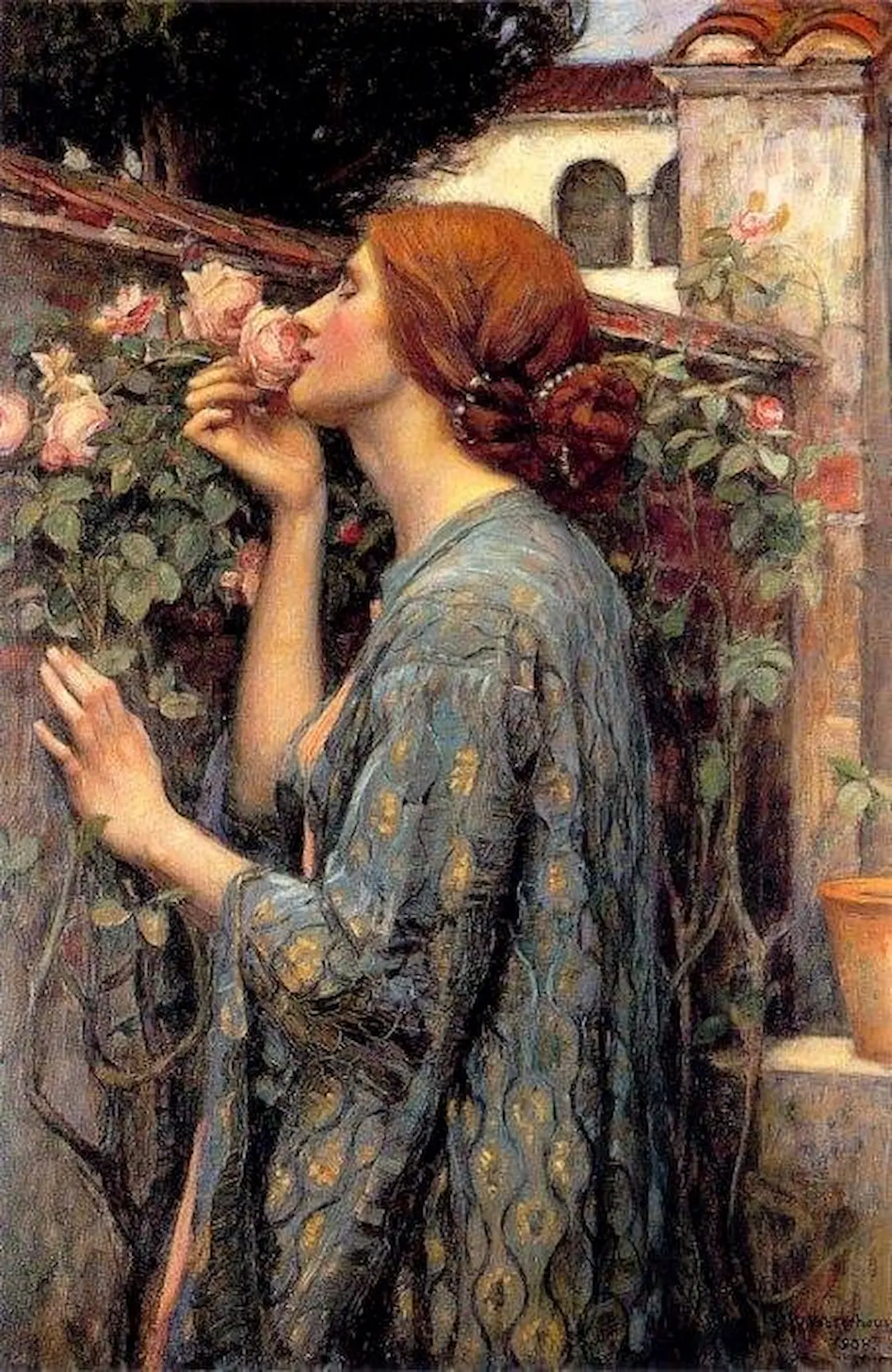
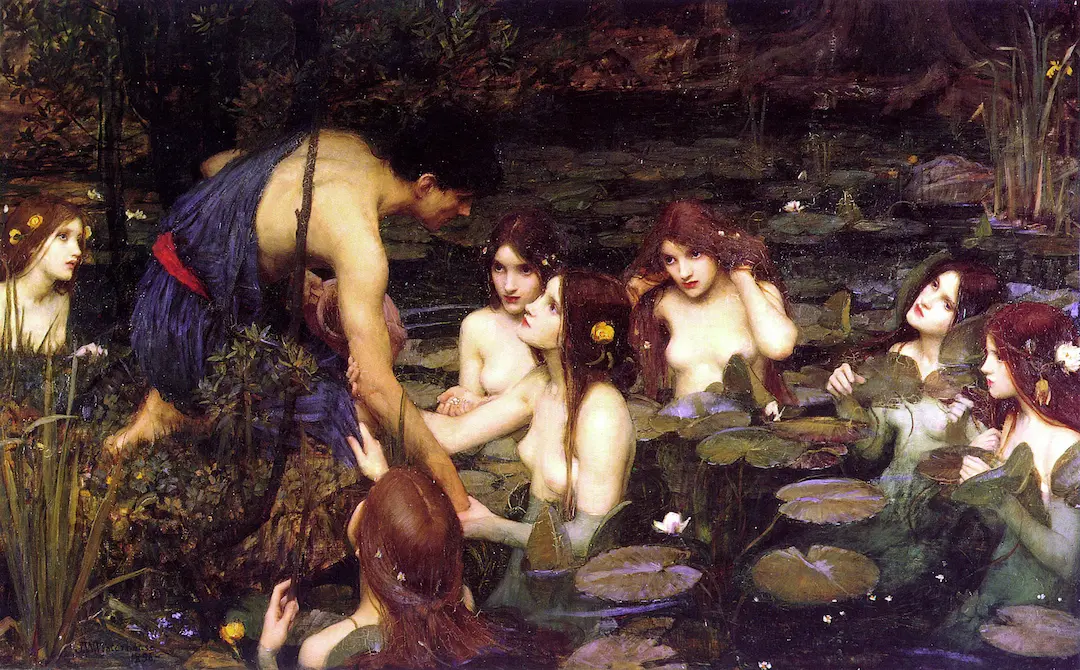
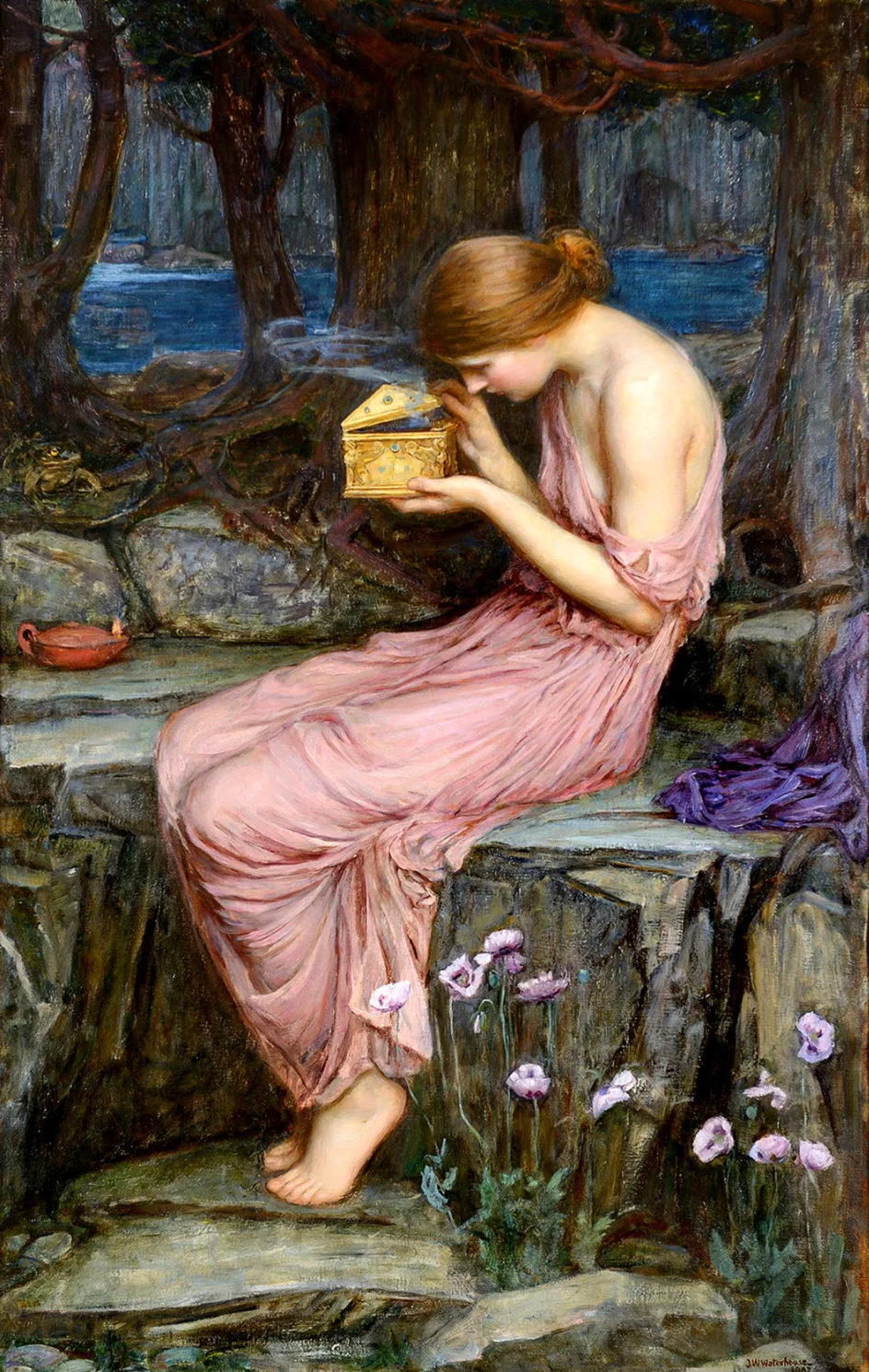
Waterhouse’s exceptional technique is evident in every brushstroke of “The Soul of the Rose 1908,” where the delicate textures and vibrant colors come alive. Utilizing oil on canvas, he achieves a luminous quality that draws viewers into the subject’s intimate moment. This piece, like his renowned “Hylas and the Nymphs 1896,” showcases the artist’s ability to blend realism with poetic storytelling, making it a prized example of Pre-Raphaelite mastery and artistry.
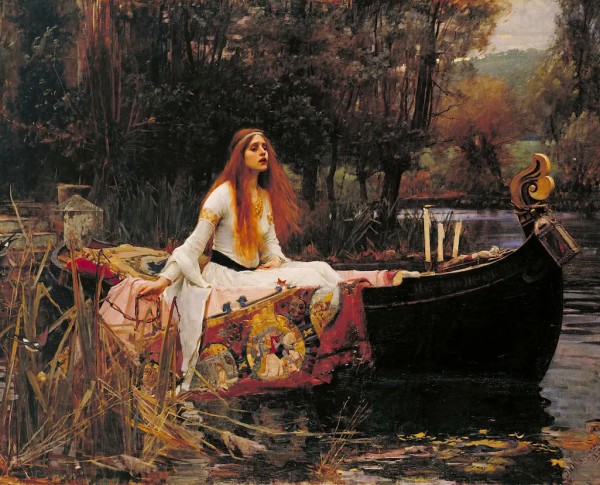
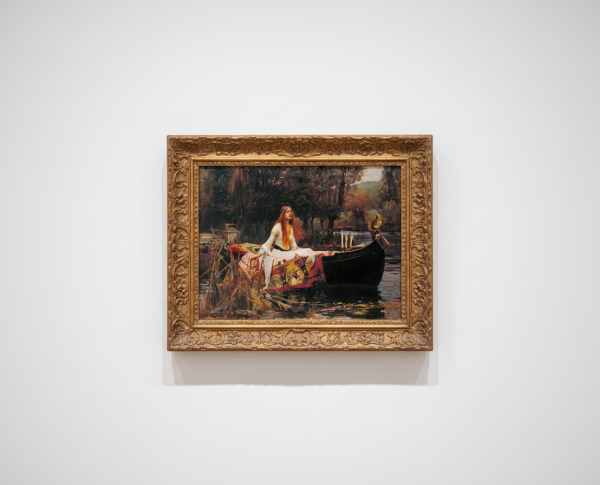
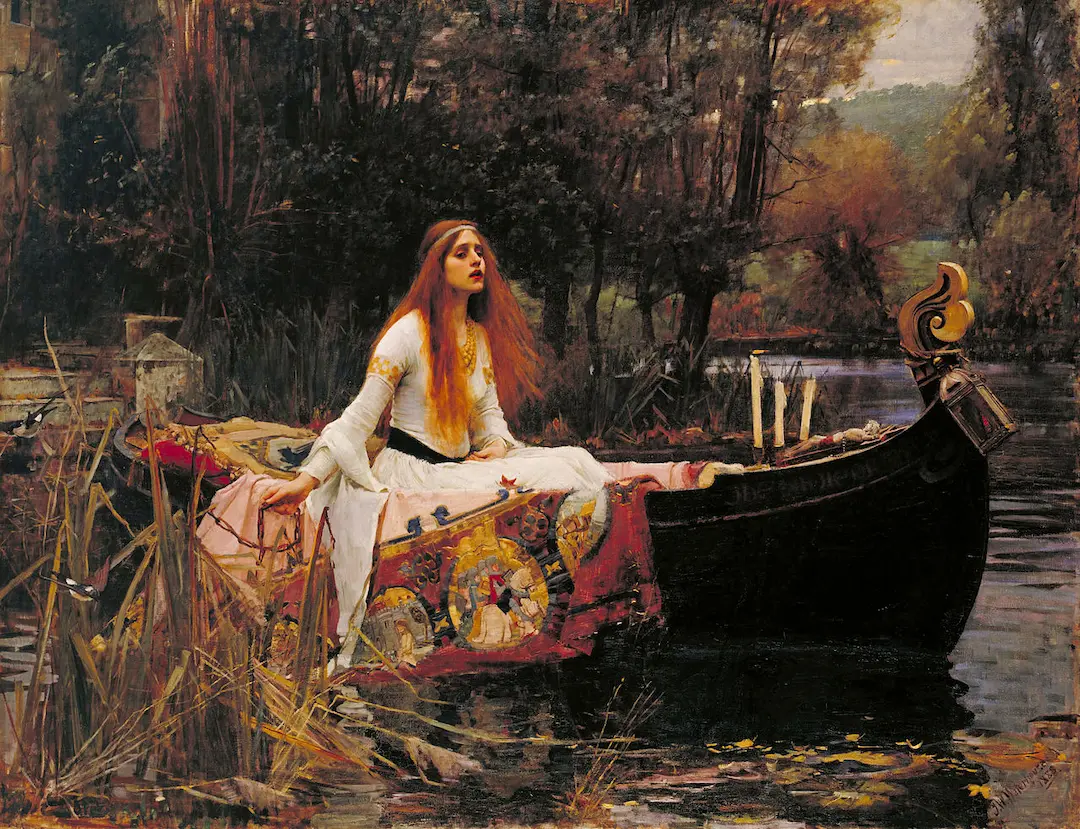
“The Soul of the Rose 1908” is rich with narrative and symbolism, hallmarks of the Pre-Raphaelites movement. Waterhouse’s subject, lost in the scent of a blooming rose, evokes themes of longing, memory, and desire. This fine art painting for sale resonates with collectors who are captivated by stories woven into every detail. Explore similar narrative depth in Waterhouse’s “The Lady of Shalott 1888” and discover the allure of symbolic storytelling in each masterpiece.
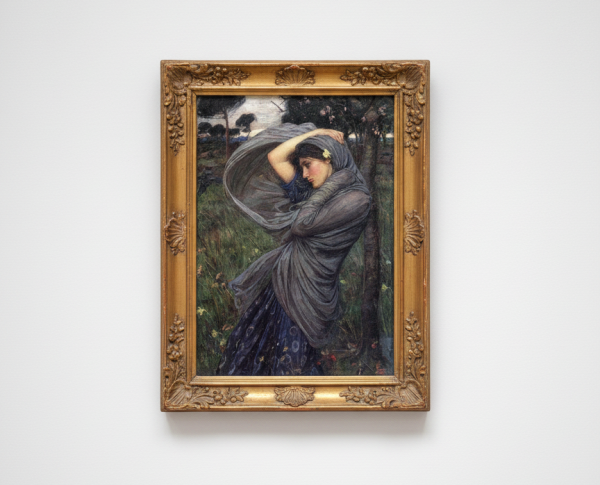
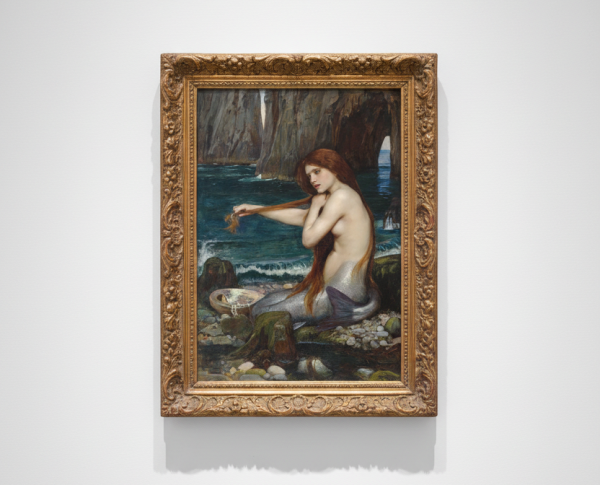
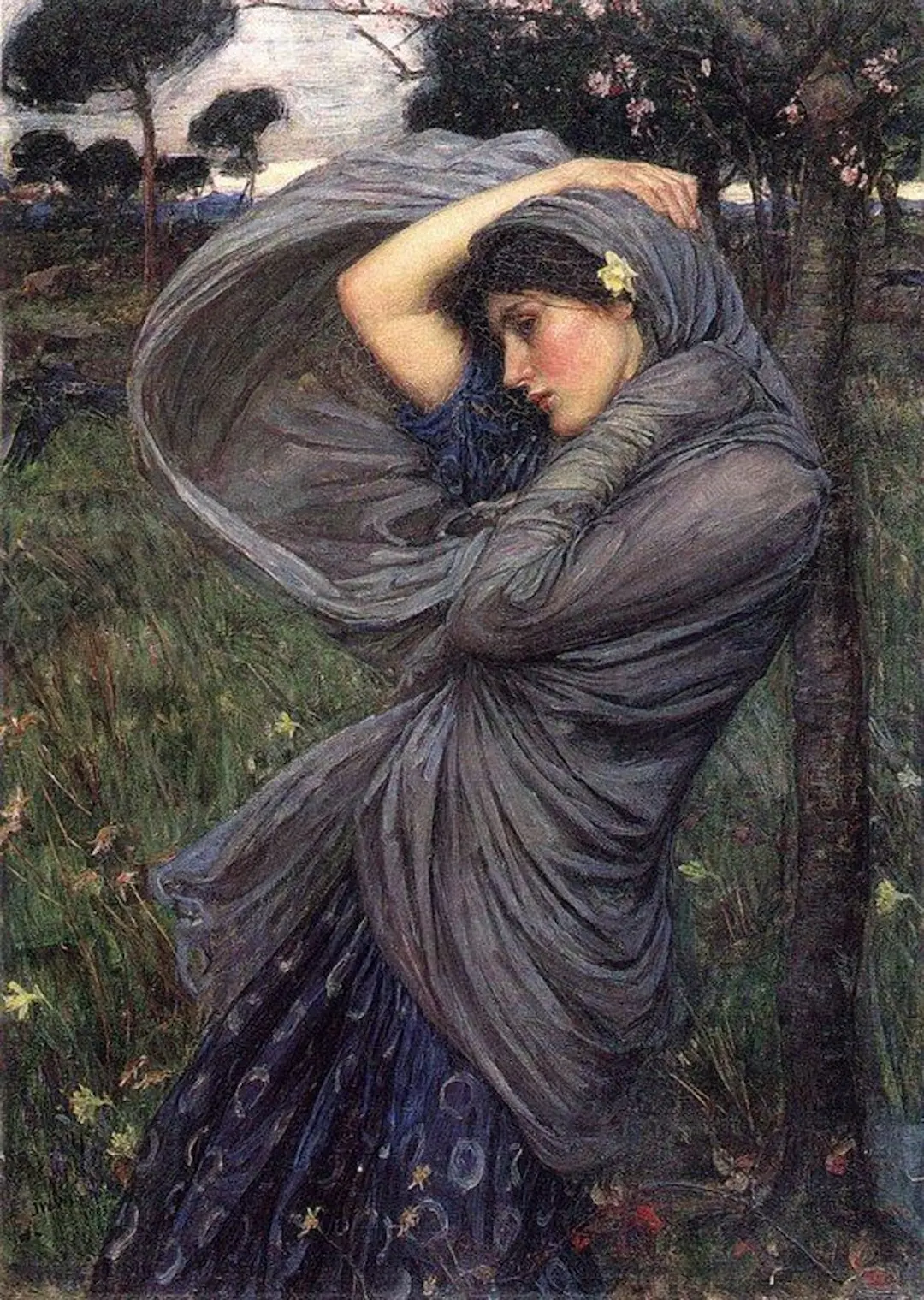
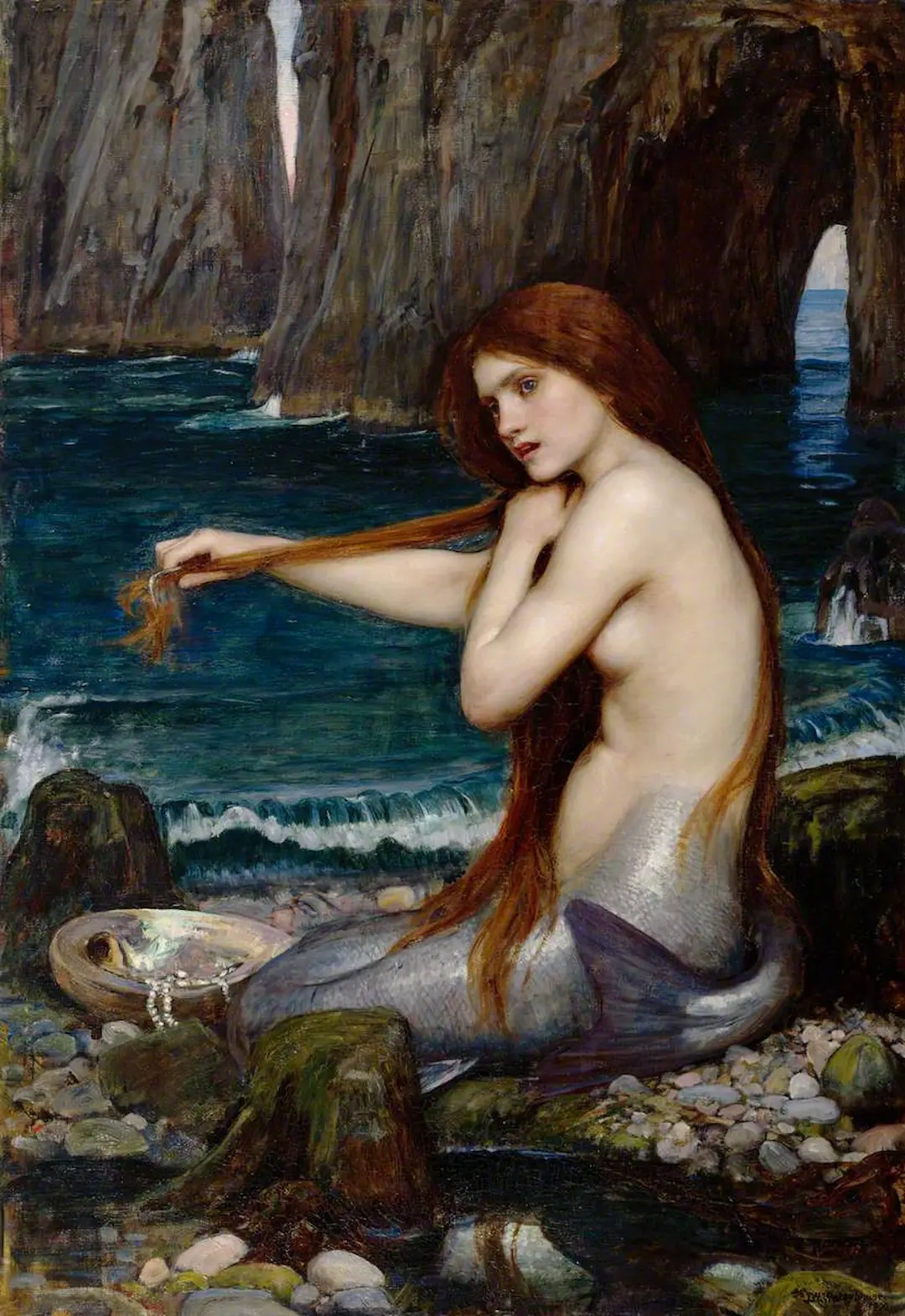
Owning “The Soul of the Rose 1908” means acquiring more than just an artwork—it is embracing a piece of Pre-Raphaelite history. This hand-painted oil painting is a must-have for those who appreciate the romanticism and technical brilliance of John William Waterhouse. Complement your collection with related works like “Boreas 1903” and “A Mermaid 1900,” and immerse yourself in the enchanting world of fine art painting for sale from this renowned artistic movement.
When Art Meets History
"The Soul of the Rose 1908" by John William Waterhouse is a celebrated example of the Pre-Raphaelites movement, capturing a timeless moment where art and history gently intertwine. This hand-painted oil painting transports viewers to a world of romance and nostalgia, echoing the movement’s reverence for medieval themes. Waterhouse, also known for his piece "Midsummer Eve," masterfully combines historical inspiration with symbolic beauty, making this work a cornerstone in the evolution of narrative painting.
Techniques That Speak
John William Waterhouse’s expert use of oil on canvas is evident in "The Soul of the Rose 1908." His meticulous brushwork and delicate layering bring the subject’s soft features and the lush garden to life, hallmarks of the Pre-Raphaelites movement. The artist’s technique is reminiscent of his approach in "Midsummer Eve," where natural light and vibrant colors merge seamlessly. Each stroke in this fine art painting for sale reveals Waterhouse’s devotion to detail and emotion.
Emotions on Display
In "The Soul of the Rose 1908," Waterhouse evokes deep emotion, inviting viewers to share in the subject’s wistful longing. This hand-painted oil painting captures a moment of intimate reflection, a theme common in Pre-Raphaelite works. The artist’s sensitivity, also present in "Midsummer Eve," is expressed through gentle gestures and expressive faces. The painting’s emotional resonance is heightened by its lush setting, making it a profound example of emotional storytelling in art.
Coveted by Collectors
"The Soul of the Rose 1908" remains a highly sought-after fine art painting for sale, captivating collectors who appreciate the legacy of John William Waterhouse and the Pre-Raphaelites. Its enduring appeal lies in the exquisite detail and romantic narrative, qualities also evident in Waterhouse’s "Midsummer Eve." As an oil on canvas masterpiece, it represents a significant investment for art enthusiasts eager to own a piece of history, beauty, and Pre-Raphaelite charm.
Related Pre-Raphaelites Hand-Painted Oil Paintings by Other Artists
Other Famous Pre-Raphaelites Artists:
Frequently Asked Questions About The Soul of the Rose 1908
What is the historical context of "The Soul of the Rose"?
"The Soul of the Rose" was created in 1908 during the height of the Pre-Raphaelite movement, which sought to return to the detail, intense colors, and complex compositions of art before the High Renaissance. This period was characterized by a fascination with mythological and romantic themes.
What artistic techniques did John William Waterhouse employ in this painting?
Waterhouse utilized a combination of oil paint and meticulous brushwork to achieve a rich texture and depth in "The Soul of the Rose." His use of vibrant colors and light contrasts enhances the ethereal quality of the subject, a hallmark of his style.
What is the significance of the rose in the painting?
The rose in "The Soul of the Rose" symbolizes beauty, love, and the fleeting nature of life. Its presence in the painting serves as a reminder of the transient qualities of human emotion and experience, a common theme in Waterhouse's work.
How does the composition of the painting contribute to its overall meaning?
The composition of "The Soul of the Rose" features a central figure surrounded by lush foliage, drawing the viewer's eye to the subject's contemplative expression. This arrangement emphasizes the connection between the figure and nature, suggesting a harmony between humanity and the natural world.
What themes are explored in "The Soul of the Rose"?
The painting explores themes of love, beauty, and introspection. The figure's serene demeanor invites viewers to reflect on their own emotions and the complexities of romantic relationships, a recurring motif in Waterhouse's oeuvre.
Who is the central figure in "The Soul of the Rose"?
The central figure is often interpreted as a representation of a muse or an idealized woman, embodying the spirit of beauty and inspiration. This archetype is prevalent in Waterhouse's work, reflecting the artist's fascination with feminine ideals.
What influences can be seen in Waterhouse's style in this painting?
Waterhouse's style in "The Soul of the Rose" reflects influences from both the Pre-Raphaelite Brotherhood and classical mythology. The emphasis on naturalism, combined with a dreamlike quality, showcases his ability to blend realism with romanticism.
How does "The Soul of the Rose" fit into Waterhouse's body of work?
This painting is representative of Waterhouse's later works, where he increasingly focused on themes of femininity and nature. It encapsulates his signature style, characterized by lush landscapes and emotionally resonant subjects.
What is the significance of the color palette used in the painting?
The color palette of "The Soul of the Rose" features soft, muted tones contrasted with vibrant reds and greens. This choice enhances the emotional depth of the work, evoking feelings of nostalgia and longing, which are central to the painting's theme.
How has "The Soul of the Rose" been received by art critics and historians?






















_GFM_Painting_(1).webp)


 100% Hand-Painted: Finished in 3-6 Weeks

.png)















_(1).webp)