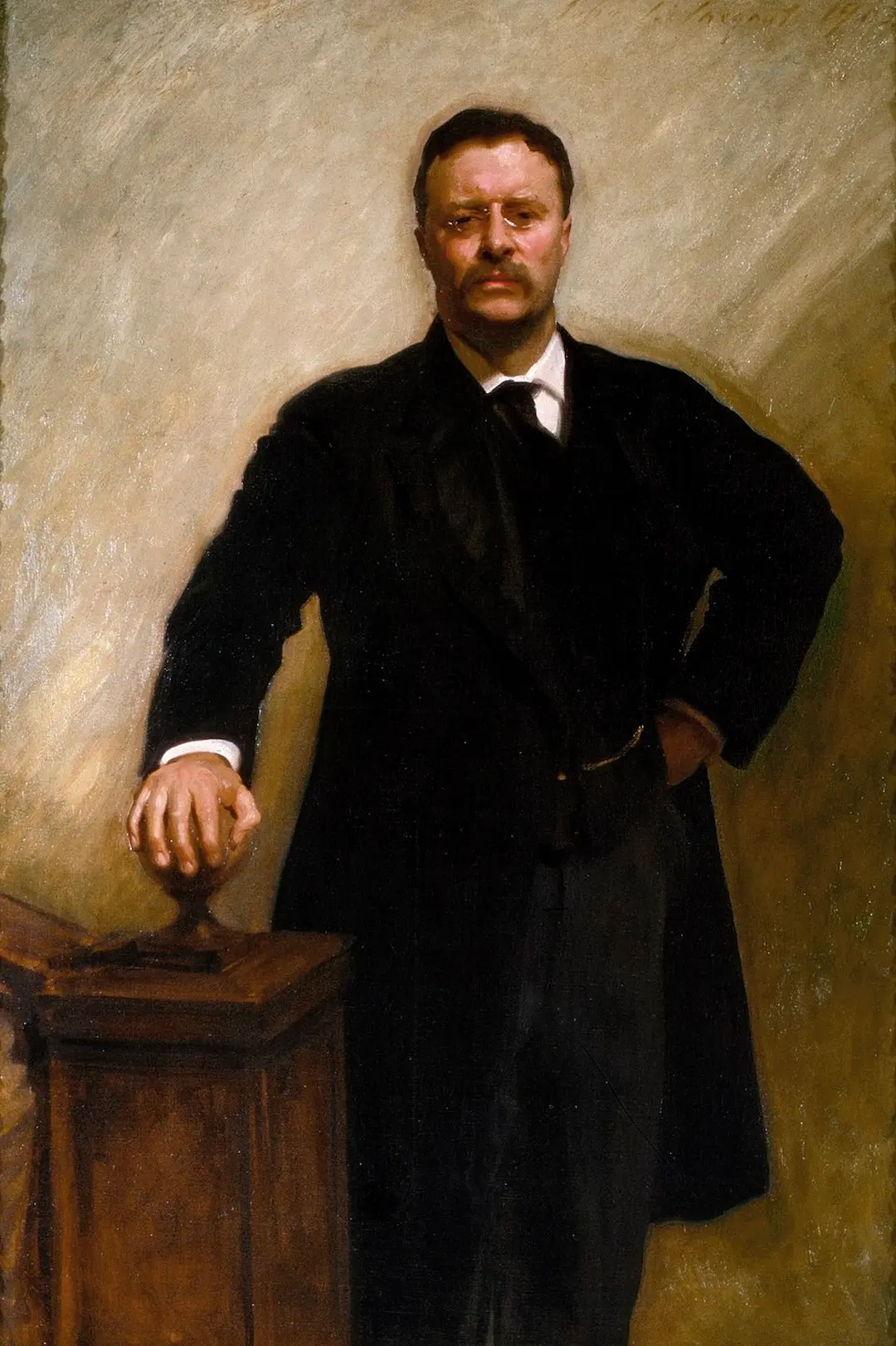
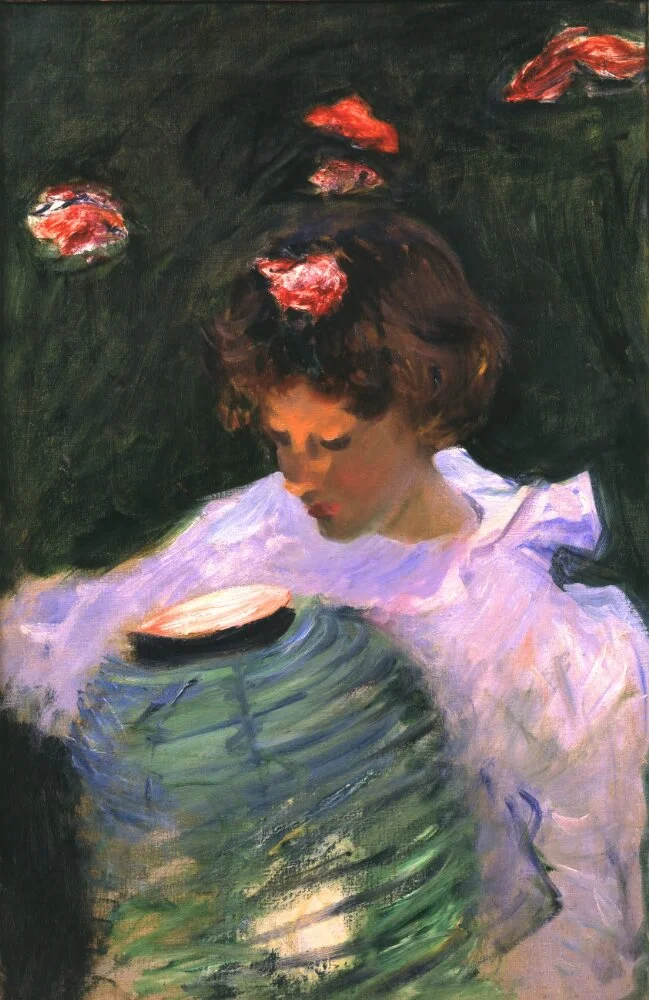
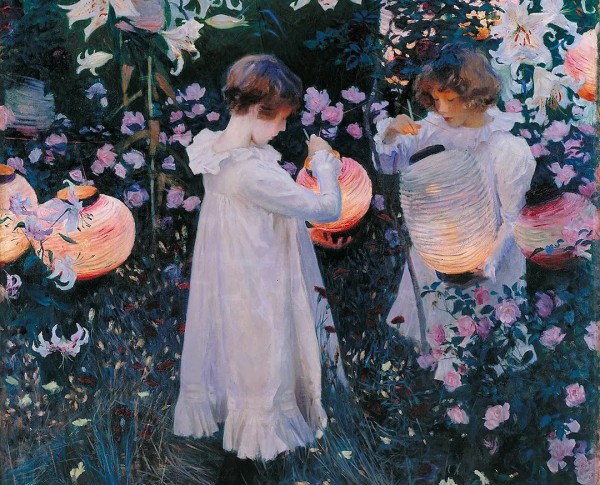
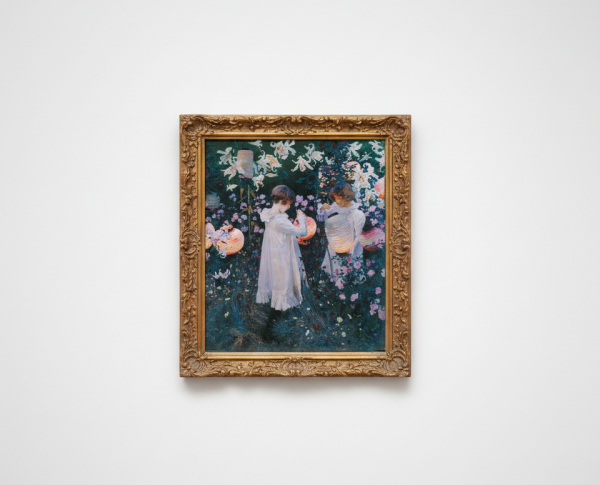
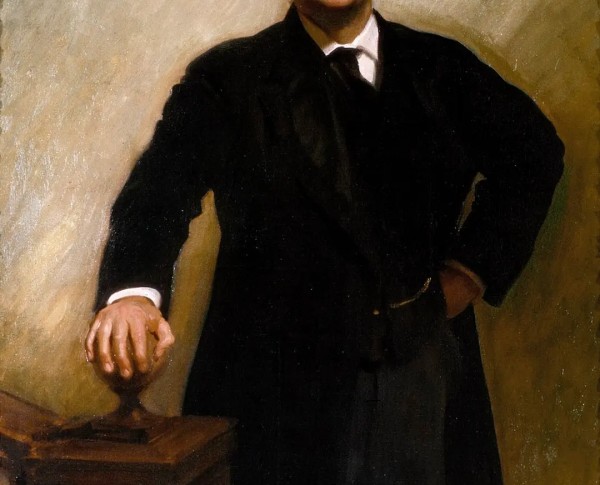
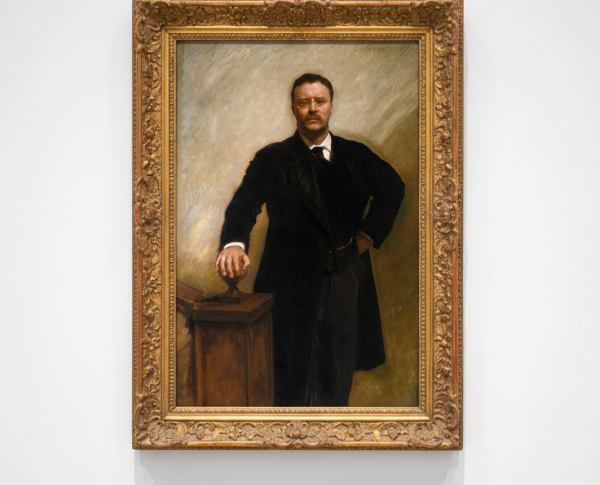
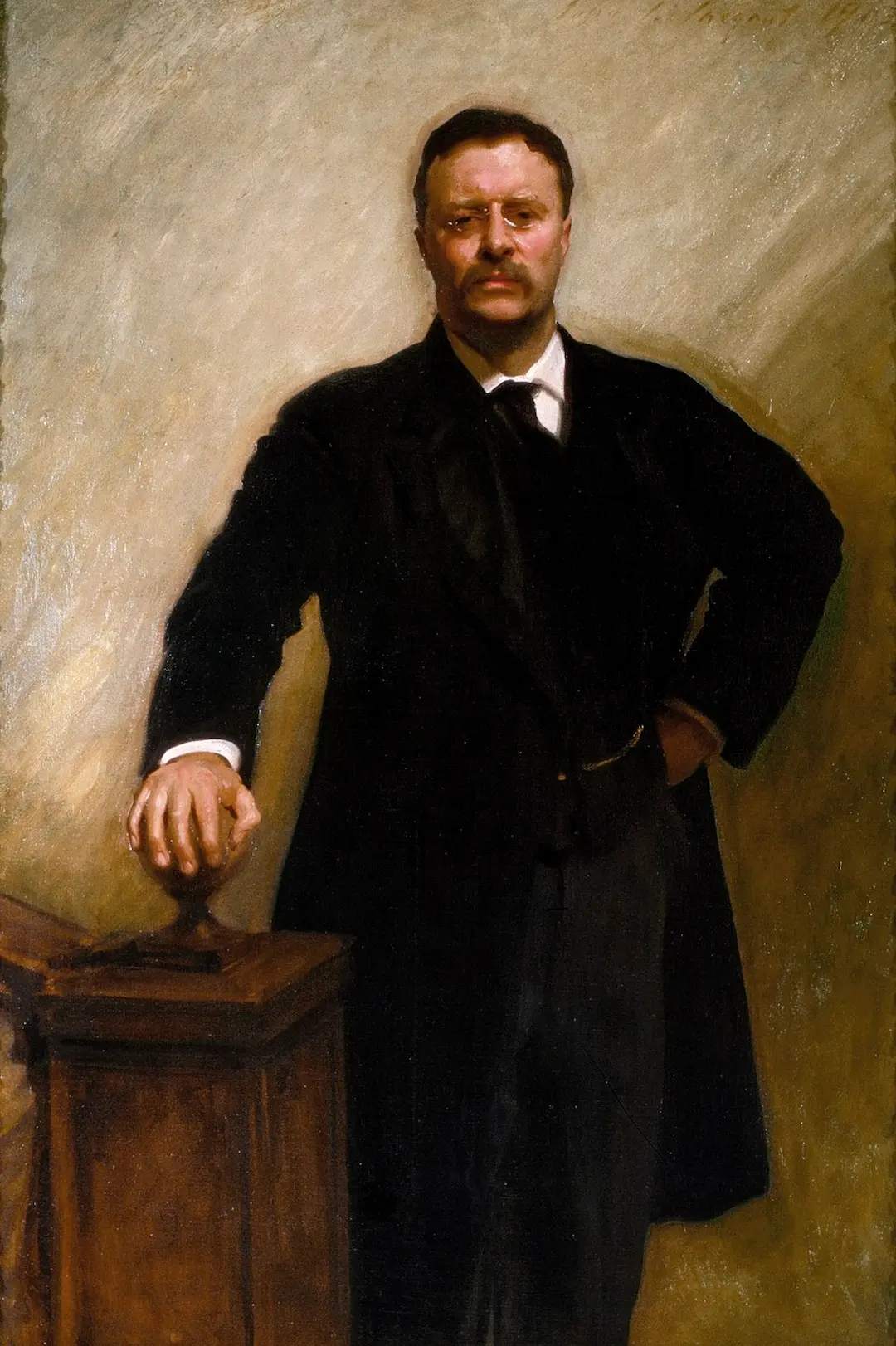
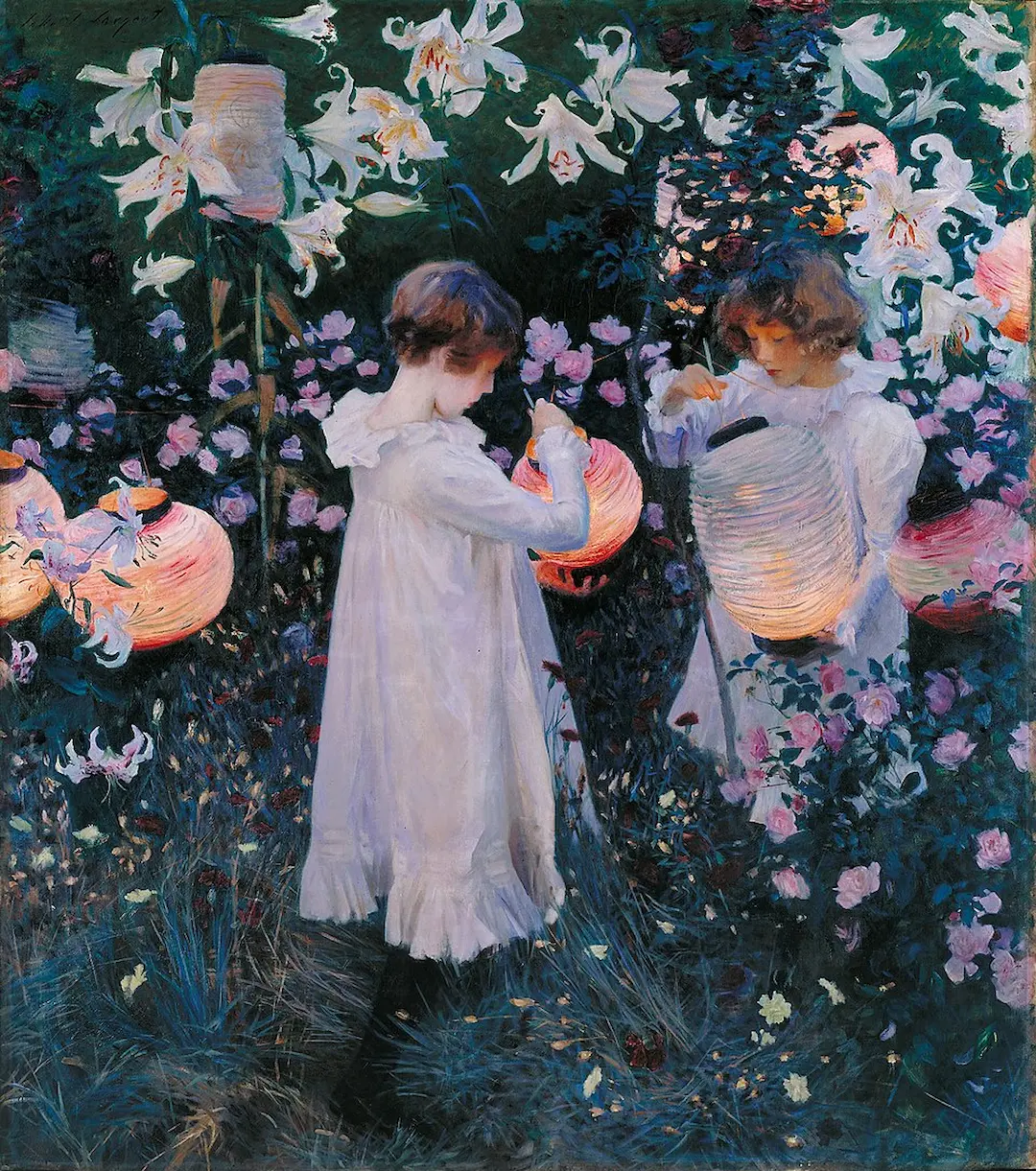
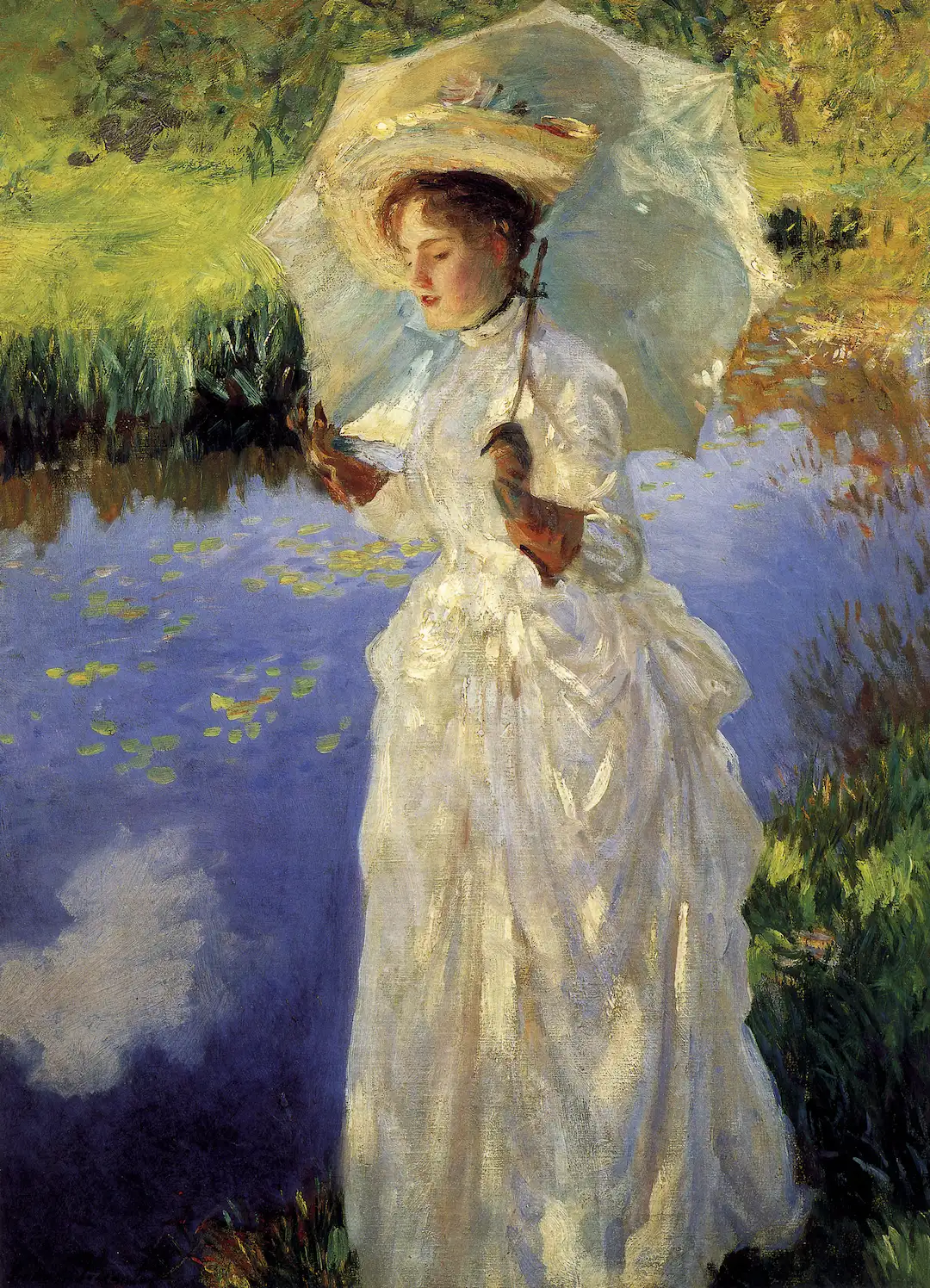
With "President Theodore Roosevelt," Sargent demonstrates his exceptional ability to breathe life into oil on canvas. Each brushstroke reveals the dynamism and personality of Roosevelt, while maintaining the fluidity and light characteristic of American Impressionism. Sargent’s technique, also seen in "Carnation, Lily, Lily, Rose" and "A Morning Walk," showcases his dedication to capturing realism and emotion, making this oil on canvas a prime example of his enduring artistic influence.
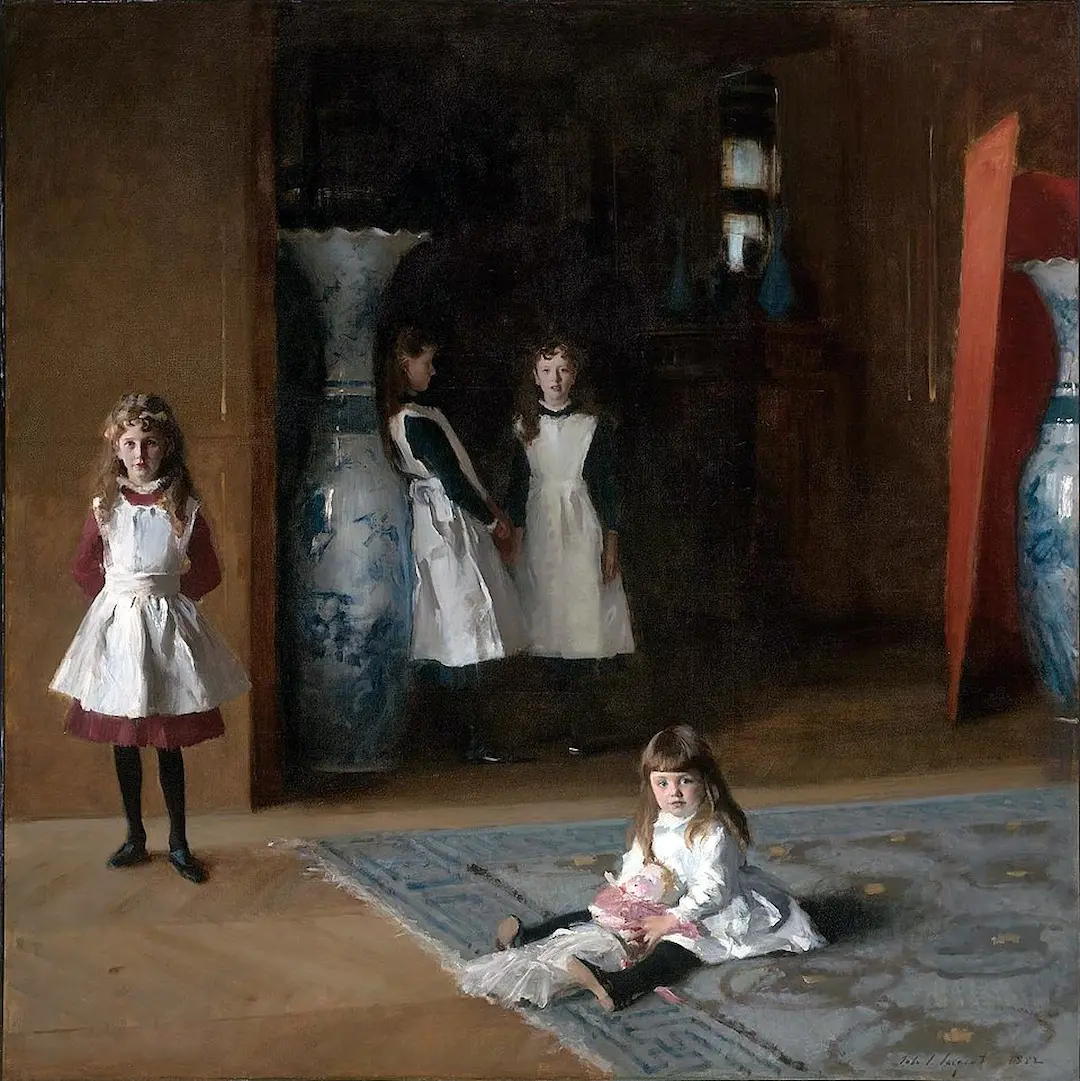
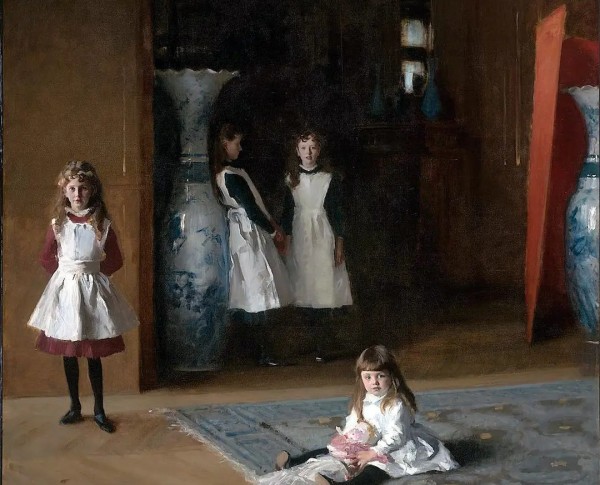
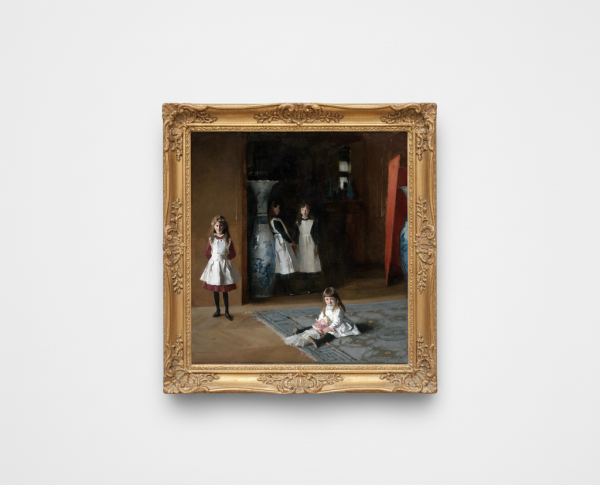
This hand-painted oil painting is rich with symbolism, reflecting both Sargent’s artistic vision and Roosevelt’s robust persona. The pose, setting, and expression chosen by Sargent tell stories about leadership, resilience, and American heritage. Collectors often seek related masterpieces like "The Daughters Of Edward Darley Boit" for their narrative depth. As a fine art painting for sale, "President Theodore Roosevelt" offers a unique glimpse into the storied lives of its creator and subject.
Sargent’s "President Theodore Roosevelt" is more than an oil on canvas; it is a prized fine art painting for sale that enriches any collection. Its connection to the American Impressionism movement and to other celebrated works, such as "Madame X (or Madame Pierre Gautreau)" and "Carnation, Lily, Lily, Rose," makes it highly desirable. Investing in this painting means owning a piece of history, artistry, and the enduring legacy of John Singer Sargent.
When Art Meets History
John Singer Sargent’s "President Theodore Roosevelt" stands as a remarkable hand-painted oil painting that captures a pivotal figure in American history. Created within the American Impressionism movement, this portrait bridges the gap between art and politics. Sargent’s expertise is evident in this work, just as in related paintings like "Whose Meat?" and "When the Land Belonged to God," highlighting the era’s unique approach to capturing influential personalities on canvas.
Techniques That Speak
Sargent’s mastery of oil on canvas shines in "President Theodore Roosevelt." Utilizing swift, confident brushstrokes, he conveys both the President’s commanding presence and the impressionistic style of the period. This painting, along with works such as "The Avenue in the Rain," exemplifies the subtle color blending and dynamic light effects characteristic of American Impressionism, making this oil on canvas a testament to Sargent’s innovative techniques and his place among the movement’s leading artists.
Emotions on Display
With "President Theodore Roosevelt," Sargent communicates more than just a likeness; he reveals the inner strength and determination of the President. The expressive brushwork and nuanced facial expressions evoke a sense of purpose, making this fine art painting for sale a compelling study of leadership. Like "Whose Meat?" and "The Avenue in the Rain," Sargent’s portrait invites viewers to connect emotionally with the subject, underscoring the power of portraiture within American Impressionism.
Coveted by Collectors
Collectors are drawn to "President Theodore Roosevelt" for its historical significance and Sargent’s unparalleled artistry. As a hand-painted oil painting from the American Impressionism movement, it holds a unique place in art collections worldwide. Alongside related works like "When the Land Belonged to God," this painting’s provenance and craftsmanship make it a sought-after treasure, further establishing Sargent’s legacy and the enduring appeal of his fine art paintings for sale.
Related American Impressionism Hand-Painted Oil Paintings by Other Artists
Other Famous American Impressionism Artists:
Frequently Asked Questions About President Theodore Roosevelt
Who is the artist of "President Theodore Roosevelt"?
The painting was created by the renowned American artist John Singer Sargent, known for his exceptional portraiture and mastery of light and texture.
What year was "President Theodore Roosevelt" painted?
This iconic portrait was completed in 1903, during a period when Sargent was at the height of his artistic career.
What is the significance of Theodore Roosevelt in American history?
Theodore Roosevelt served as the 26th President of the United States from 1901 to 1909 and is celebrated for his progressive policies, conservation efforts, and role in the construction of the Panama Canal.
What artistic techniques did Sargent employ in this portrait?
Sargent utilized a combination of bold brushwork and a dynamic composition to convey Roosevelt's robust personality and commanding presence, while also highlighting the intricate details of his attire.
What does the pose of Roosevelt in the painting symbolize?
Roosevelt's stance, with his hand resting on a desk and his gaze directed forward, symbolizes confidence, leadership, and determination, reflecting his dynamic approach to the presidency.
How does the background contribute to the overall message of the painting?
The subdued background allows Roosevelt to stand out as the focal point, emphasizing his importance and authority while also suggesting the weight of his responsibilities as a leader.
What materials were used to create "President Theodore Roosevelt"?
Sargent painted this portrait using oil on canvas, a medium that allows for rich color and texture, enhancing the lifelike quality of the subject.
In what ways does this painting reflect the artistic style of the early 20th century?
The painting exemplifies the realism and impressionistic influences of the early 20th century, showcasing Sargent's ability to blend traditional portrait techniques with modern sensibilities.
Where can "President Theodore Roosevelt" be viewed today?
This significant work is part of the collection at the National Portrait Gallery in Washington, D.C., where it is displayed alongside other important portraits of American leaders.
What impact did "President Theodore Roosevelt" have on American art and culture?
The portrait not only solidified Sargent's reputation as a leading portrait artist of his time but also contributed to the cultural legacy of Roosevelt, reinforcing his image as a vigorous and transformative leader in American history.






















_GFM_Painting_(1).webp)


 100% Hand-Painted: Finished in 3-6 Weeks

.png)













.webp)



_(1).webp)