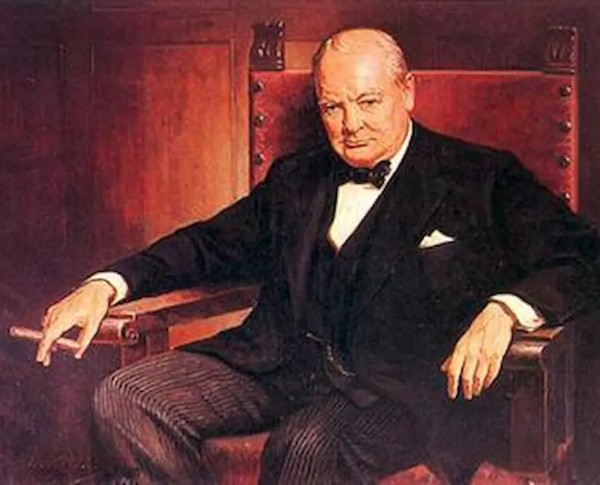
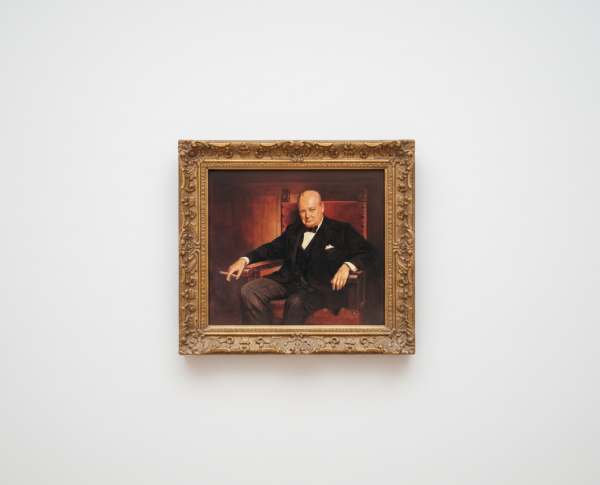
The exquisite oil on canvas technique used by Arthur Pan in "Claude Grahame-White (1879–1959)" highlights his dedication to the Classical Realism movement. Each brushstroke is meticulously applied, capturing both the likeness and the spirit of the famed subject. This approach ensures that every detail, from facial expression to attire, resonates with authenticity. Collectors seeking a comparable level of craftsmanship often turn to related works like Pan’s portrait of Sir Winston Churchill.
In "Claude Grahame-White (1879–1959)," Arthur Pan weaves subtle narratives and symbols into his hand-painted oil painting. The portrait not only depicts the legendary aviator but also hints at the era’s pioneering spirit. Classical Realism’s influence is evident in Pan’s ability to infuse meaning beyond the surface. Art lovers interested in historical context may find similar depth in Pan’s other works, particularly his celebrated portrait of Sir Winston Churchill, another fine art painting for sale.
Owning "Claude Grahame-White (1879–1959)" by Arthur Pan is an opportunity to possess a piece of Classical Realism history. This oil on canvas masterpiece appeals to discerning collectors who appreciate both technical brilliance and historical significance. As with Pan’s esteemed portrait of Sir Winston Churchill, this fine art painting for sale is a coveted addition to any collection, embodying the timeless elegance and narrative richness that define the artist’s legacy.
When Art Meets History
Arthur Pan’s portrait, "Claude Grahame-White (1879–1959)", stands as a masterful hand-painted oil painting that bridges the worlds of art and aviation history. Created in the tradition of Classical Realism, Pan’s work immortalizes Grahame-White, a pioneering aviator. The artist’s attention to period details and historical accuracy makes this painting a significant piece among other notable oil paintings of early 20th-century figures, reflecting the era’s spirit and technological advancements.
Techniques That Speak
Utilizing the time-honored medium of oil on canvas, Arthur Pan demonstrates exceptional technical skill in "Claude Grahame-White (1879–1959)". His brushwork and mastery of light evoke the refined aesthetics of the Classical Realism movement. Through subtle gradations and meticulous layering, Pan achieves lifelike textures and a profound sense of depth. This technique connects his work to other celebrated classical oil portraits, making it a benchmark for aspiring realist painters.
Emotions on Display
Arthur Pan’s "Claude Grahame-White (1879–1959)" is more than a fine art painting for sale—it’s a window into the subject’s soul. The artist’s nuanced rendering captures Grahame-White’s determination and vision, hallmarks of the aviation age. Pan’s ability to convey complex emotions through posture and expression sets this work apart from other portraits in the Classical Realism tradition, inviting viewers to contemplate the man behind the historical achievements.
Coveted by Collectors
Sought after by art lovers and collectors alike, "Claude Grahame-White (1879–1959)" by Arthur Pan exemplifies the enduring appeal of hand-painted oil paintings. As a significant contribution to the Classical Realism movement, this painting is often mentioned alongside other iconic works from the period. Its blend of historical relevance and artistic mastery ensures its status as a prized possession in any fine art collection, enhancing its desirability among collectors worldwide.
Frequently Asked Questions About Claude Grahame-White (1879–1959)
What is the historical significance of the painting "Claude Grahame-White (1879–1959)"?
This painting captures the essence of early 20th-century aviation and its pioneers, reflecting the societal fascination with flight and innovation during that era.
Who is the subject of the painting and why is he important?
Claude Grahame-White was a notable British aviator and a key figure in the development of aviation during the early 1900s, symbolizing the spirit of adventure and technological progress.
What artistic techniques did Arthur Pan employ in this painting?
Arthur Pan utilized a combination of realism and impressionism, employing vibrant colors and dynamic brush strokes to convey movement and the excitement of flight.
What symbols are present in the painting, and what do they represent?
The aircraft depicted symbolizes human ingenuity and the quest for freedom, while the clouds and sky represent the limitless possibilities of exploration and discovery.
How does the painting reflect the cultural context of its time?
The painting reflects the optimism and technological advancements of the post-World War I era, when aviation was becoming a symbol of modernity and progress in society.
What emotions does the painting evoke in viewers?
The artwork evokes feelings of awe and inspiration, encouraging viewers to reflect on the bravery of early aviators and the thrill of human achievement.
In what ways does this painting contribute to our understanding of aviation history?
This painting serves as a visual documentation of the early days of aviation, highlighting the contributions of individuals like Grahame-White to the field and the evolution of flight technology.
What influences can be seen in Arthur Pan's style in this painting?
Arthur Pan's style in this painting shows influences from both the Impressionist movement and early 20th-century realism, blending techniques to create a vivid portrayal of aviation.
How does the composition of the painting enhance its thematic elements?
The composition, with its upward perspective and dynamic angles, emphasizes the ascent of the aircraft, reinforcing themes of ambition and the human desire to conquer the skies.
What role does color play in the overall impact of the painting?
The use of bright, contrasting colors not only captures the viewer's attention but also symbolizes the vibrancy of life and the excitement surrounding the dawn of aviation.
















_GFM_Painting_(1).webp)



 100% Hand-Painted: Finished in 3-6 Weeks

.png)















_(1).webp)