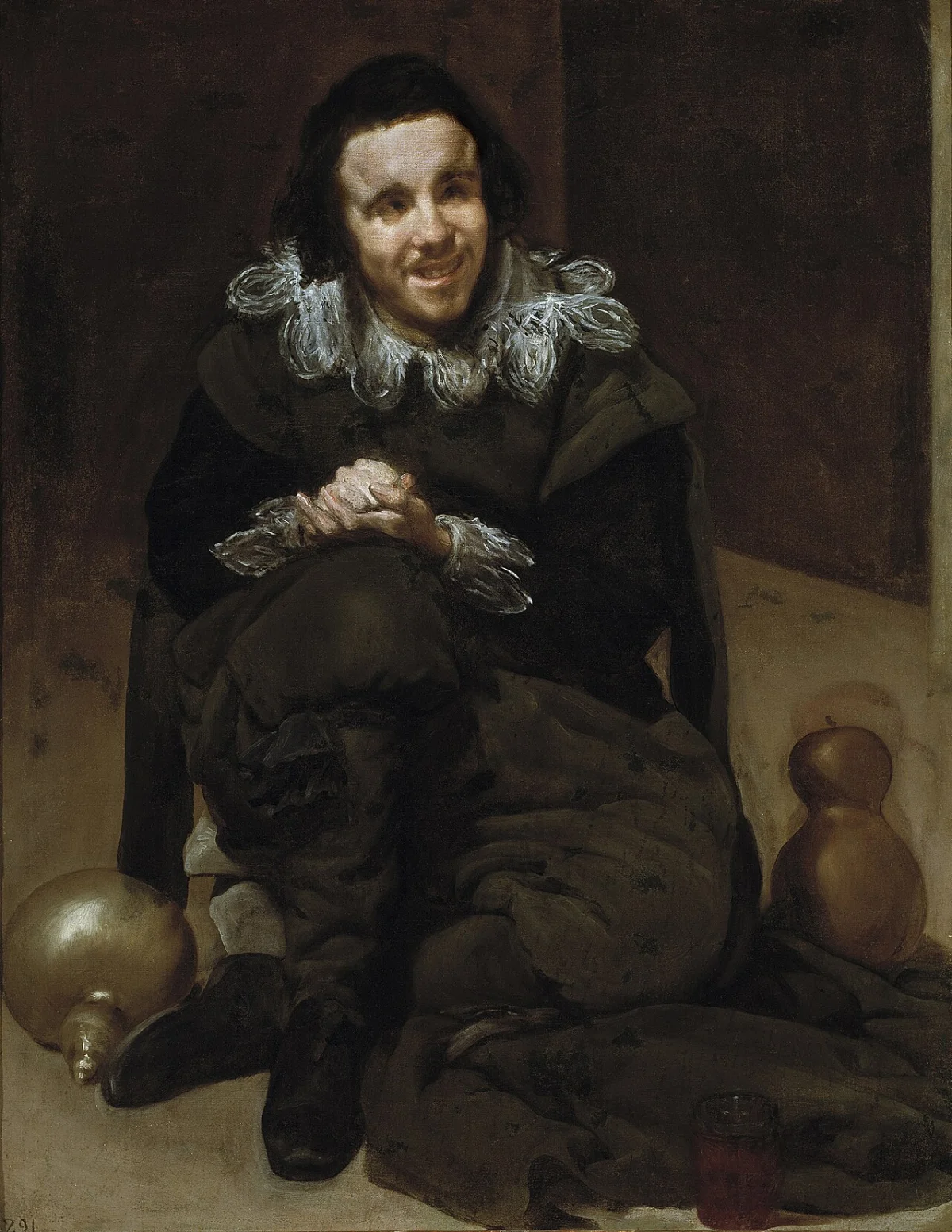
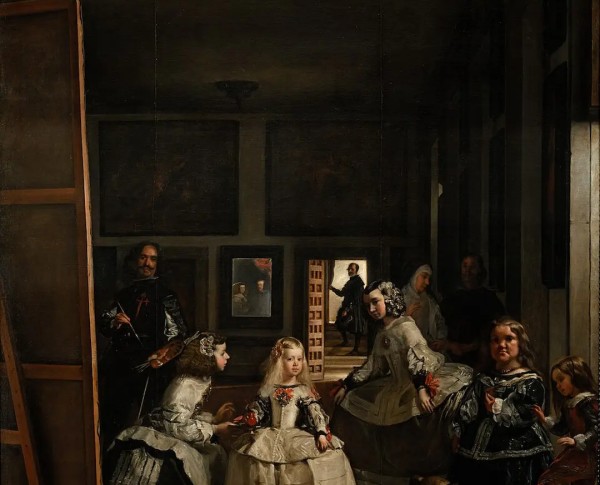
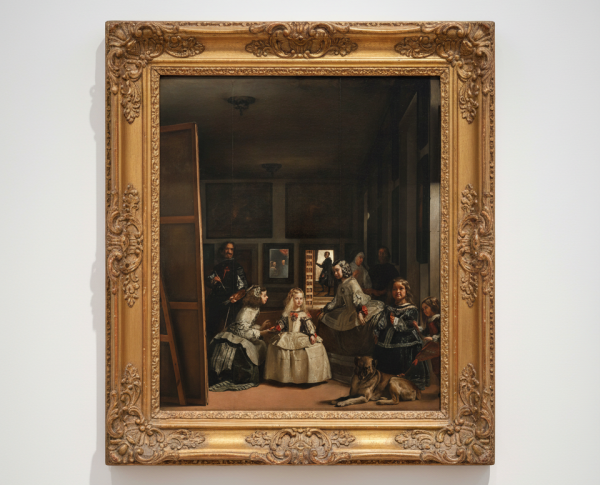
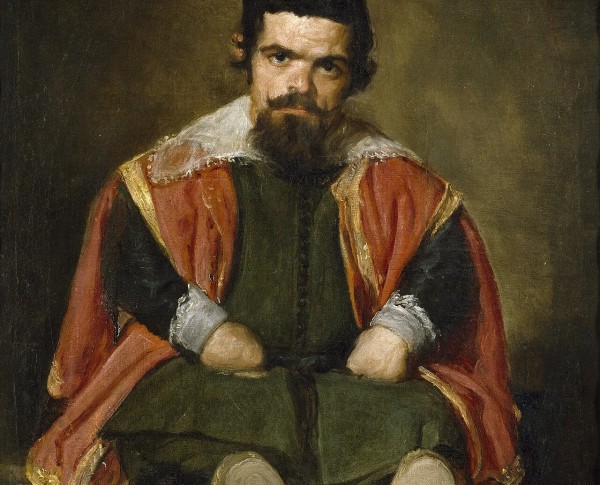
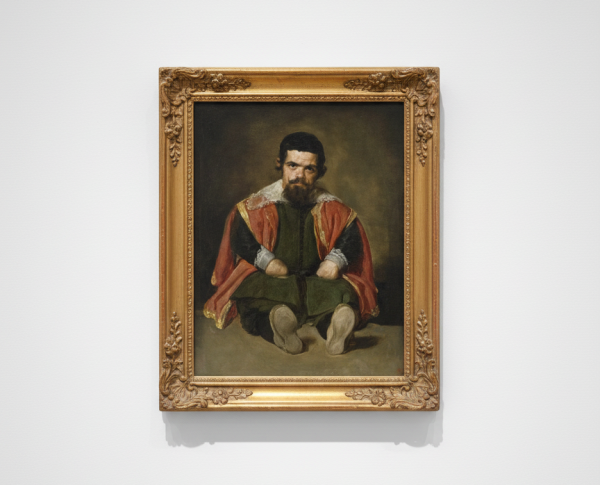
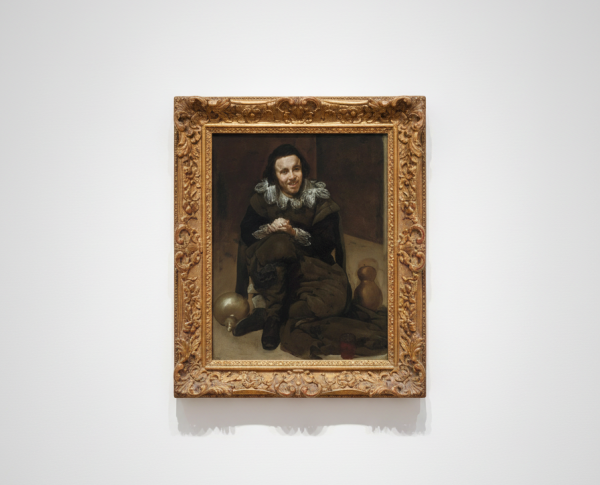
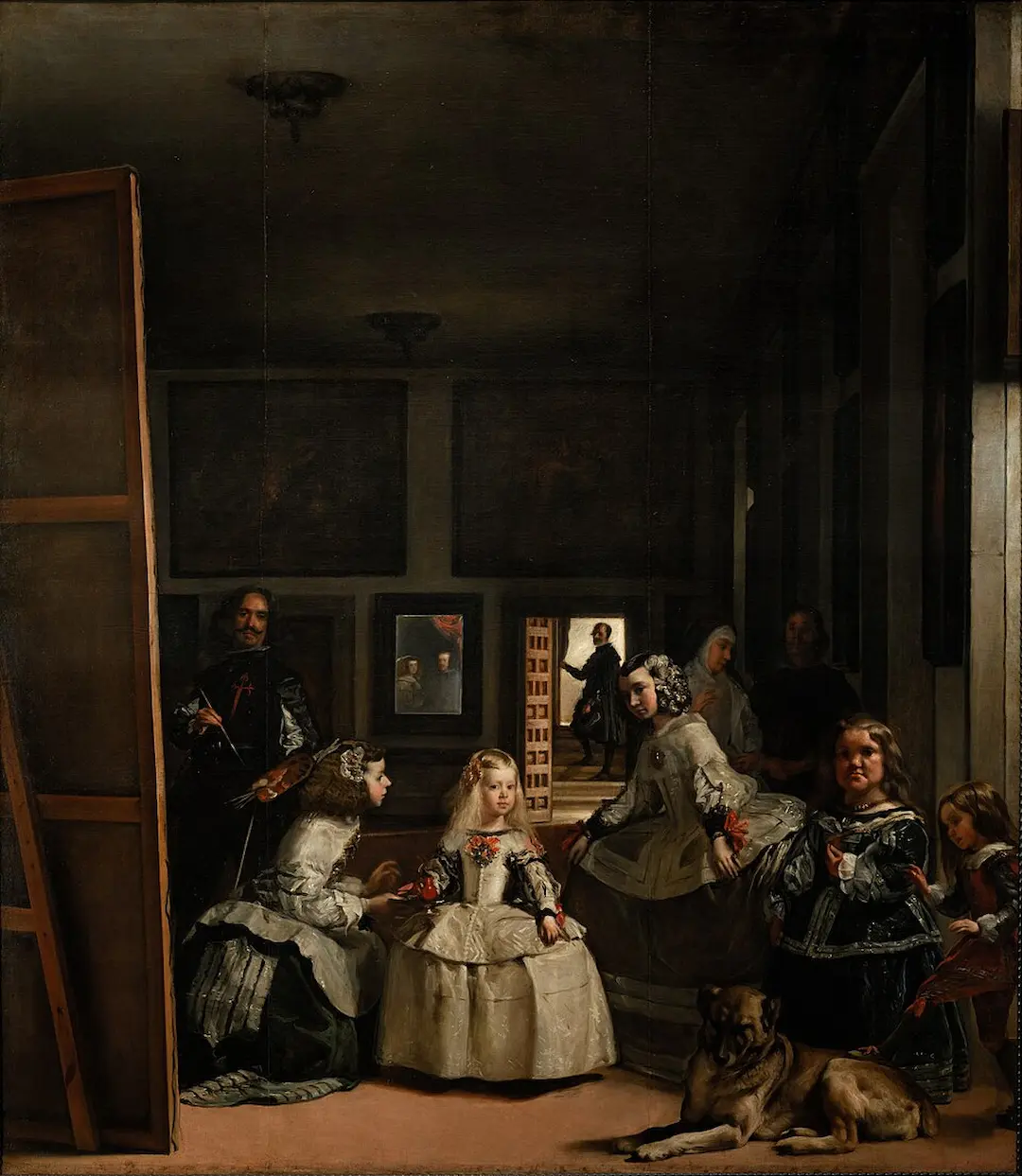
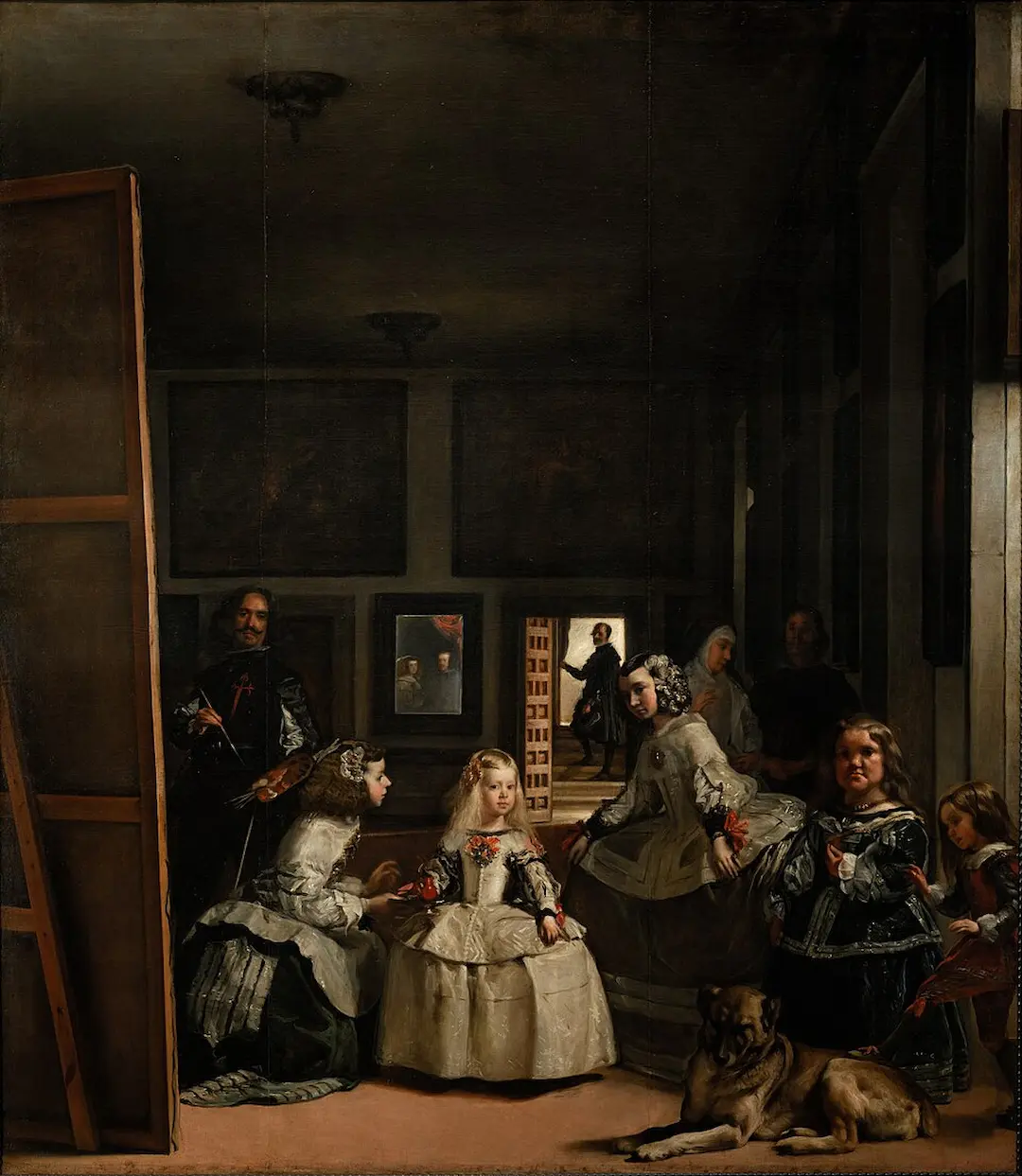
"Las Meninas," an oil on canvas by Diego Rodriguez de Silva y Velazquez, exemplifies the technical brilliance of the Realism movement. The lifelike rendering of figures, intricate play of light, and meticulous attention to detail demonstrate Velazquez’s mastery. Each brushstroke contributes to the painting's immersive atmosphere, inviting viewers into the royal court of 17th-century Spain. Art lovers often seek oil on canvas works like this to add sophistication and historical depth to their collections.
The narrative depth of "Las Meninas" by Diego Rodriguez de Silva y Velazquez extends beyond its visual allure, making it a celebrated fine art painting for sale among collectors. Through its complex arrangement of characters and subtle symbolism, the painting invites endless interpretation. As a pinnacle of the Realism movement, it continues to inspire artists and scholars alike. A fine art painting for sale like "Las Meninas" offers a glimpse into the social and cultural dynamics of Velazquez’s era.
For discerning collectors, acquiring a reproduction of Diego Rodriguez de Silva y Velazquez’s "Las Meninas" represents more than an investment—it is the possession of a hand-painted oil painting that shaped the course of the Realism movement. This masterpiece is revered for its artistic innovation and historical significance. Whether displayed in a private gallery or a public space, "Las Meninas" endows any collection with prestige, making it a highly sought-after fine art painting for sale.
When Art Meets History
"Las Meninas" by Diego Rodriguez de Silva y Velazquez stands as a remarkable hand-painted oil painting from the Realism movement. Created in 1656, it intricately weaves together the Spanish royal family, the artist himself, and the viewer in a complex scene. This masterpiece, much like "Surrender At Santa Anna" and "The Angelus, 1857-59," captures a pivotal moment in history, offering insight into both courtly life and Velazquez's innovative approach to fine art.
Techniques That Speak
Diego Velazquez's use of oil on canvas in "Las Meninas" showcases his mastery of light, shadow, and perspective. Through subtle brushwork and careful composition, he animates the figures, making the royal entourage appear lifelike. Similar to other works from the Realism movement, such as "Breezing Up (or A Fair Wind)," this painting demonstrates how oil on canvas can breathe depth and realism into a scene, highlighting Velazquez's enduring influence on generations of artists.
Emotions on Display
In "Las Meninas," Velazquez skillfully captures a range of emotions, from the innocence of Princess Margarita to the poised dignity of her attendants. The hand-painted oil painting draws viewers into the intimate world of the Spanish court, evoking curiosity and wonder. As with evocative works like "Morning in the Pine-tree Forest," the artist’s attention to emotional nuance sets this fine art painting for sale apart, making it a celebrated highlight of the Realism movement.
Coveted by Collectors
"Las Meninas" remains one of the most coveted pieces among collectors and art enthusiasts, admired for its innovative composition and historical significance. Diego Velazquez’s masterpiece, along with related paintings like "A Dash for the Timber," continues to inspire admiration within the art world. As a fine art painting for sale, its enduring appeal speaks to the timeless allure of Realism and the exceptional talent of Velazquez, the master behind this iconic oil on canvas.
Related Realism Hand-Painted Oil Paintings by Other Artists
Other Famous Realism Artists:
Frequently Asked Questions About Las Meninas
What is the historical context of Las Meninas?
Las Meninas was painted in 1656 during the Spanish Golden Age, a period marked by significant cultural and artistic achievements in Spain. The painting reflects the complexities of the Spanish court life under King Philip IV.
Who are the figures depicted in Las Meninas?
The painting features several key figures, including Infanta Margarita Teresa, the daughter of King Philip IV, along with her entourage, which includes maids of honor, a chaperone, a bodyguard, and the artist himself, Velázquez.
What artistic techniques did Velázquez employ in Las Meninas?
Velázquez utilized a variety of techniques, including chiaroscuro to create depth, a complex composition that draws the viewer's eye, and a masterful use of perspective, which enhances the three-dimensionality of the scene.
What is the significance of the mirror in Las Meninas?
The mirror in the background reflects the images of King Philip IV and Queen Mariana, suggesting their presence in the scene and inviting the viewer to consider the relationship between the viewer and the artwork.
How does Las Meninas challenge traditional portraiture?
Las Meninas subverts traditional portraiture by including the artist within the composition and blurring the lines between reality and representation, prompting viewers to question the nature of observation and the act of painting itself.
What role does light play in Las Meninas?
Light in Las Meninas is used strategically to highlight certain figures and create a sense of depth. The illumination of the Infanta and her attendants draws the viewer's attention, while the darker areas add contrast and intrigue.
What themes are explored in Las Meninas?
The painting explores themes of perception, reality, and the nature of art. It raises questions about the relationship between the observer and the observed, as well as the role of the artist in capturing reality.
How has Las Meninas influenced modern art?
Las Meninas has had a profound influence on modern art, inspiring numerous artists and movements. Its innovative approach to perspective and composition has been referenced in various works, including those by Pablo Picasso and Salvador Dalí.
What is the significance of the title 'Las Meninas'?
The title 'Las Meninas' translates to 'The Ladies-in-Waiting,' referring to the young women attending to the Infanta. This highlights the social hierarchy and the role of women in the Spanish court during the 17th century.
Where can I view Las Meninas today?
Las Meninas is housed in the Museo del Prado in Madrid, Spain, where it remains one of the most celebrated works of art in the collection, attracting visitors from around the world.






















_GFM_Painting_(1).webp)


 100% Hand-Painted: Finished in 3-6 Weeks

.png)















_(1).webp)