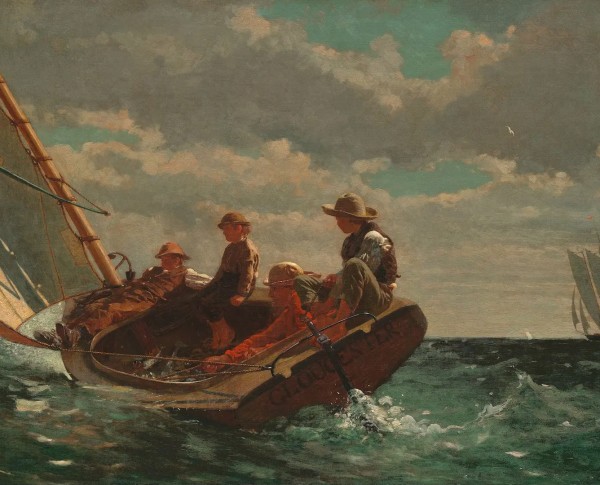
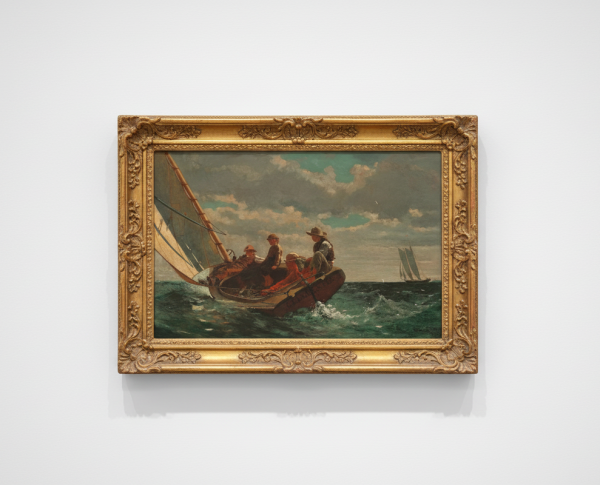
Winslow Homer’s "Breezing Up (or A Fair Wind)" demonstrates his exceptional skill with oil on canvas. The artist’s deft brushwork brings the churning waves and billowing sails to life, a hallmark of the Realism movement. Every detail, from the texture of the water to the expressions of the figures, showcases Homer’s technical prowess. Collectors searching for a fine art painting for sale often look to works like this for their timeless beauty and masterful execution.
Within "Breezing Up (or A Fair Wind)", Winslow Homer weaves a narrative that resonates with viewers. The painting’s depiction of a father and sons sailing together symbolizes hope, freedom, and the American spirit—core themes of the Realism movement. Collectors and art lovers seeking a hand-painted oil painting are drawn to such works for their ability to tell stories that transcend time, making each viewing a meaningful experience.
Owning a piece like Winslow Homer’s "Breezing Up (or A Fair Wind)" is a dream for many art collectors. As a prime example of oil on canvas from the Realism era, it represents both artistic mastery and historical significance. Those searching for a fine art painting for sale often prioritize works by renowned artists like Homer, whose legacy endures through masterpieces that continue to captivate and inspire across generations.
When Art Meets History
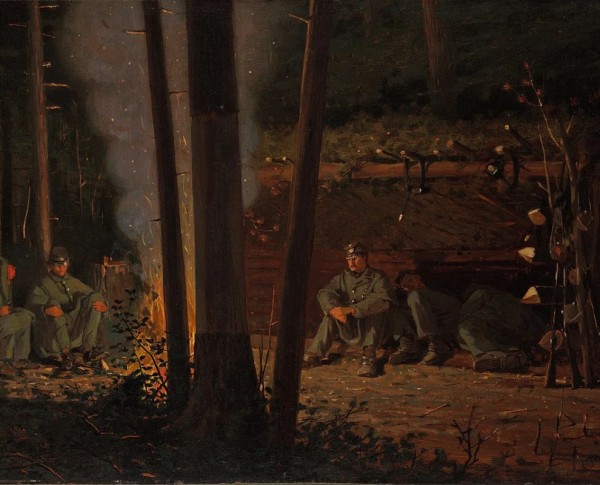
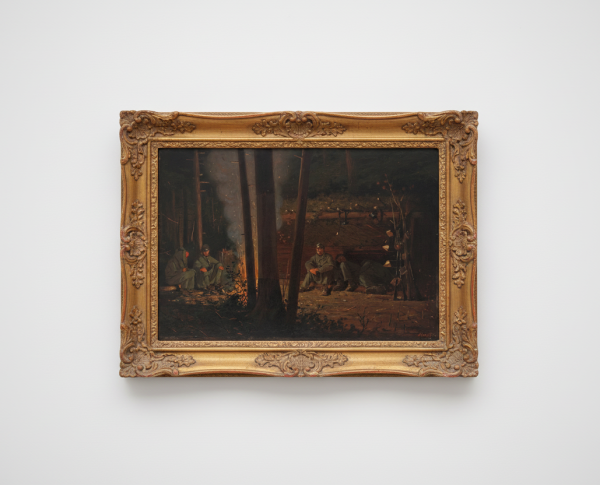
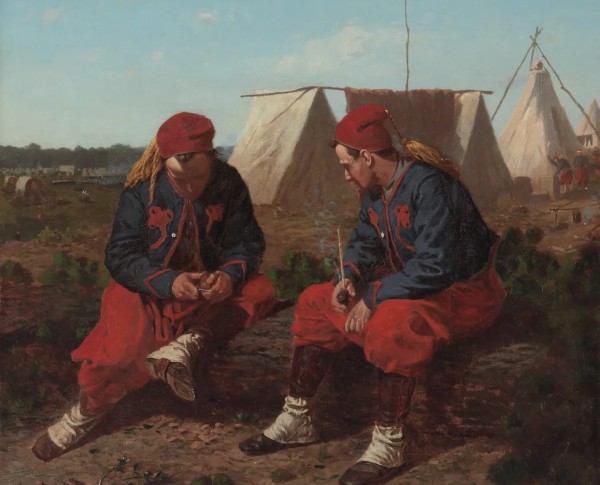
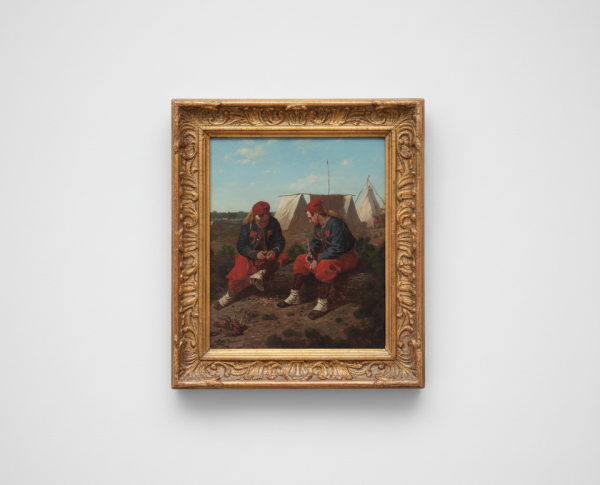
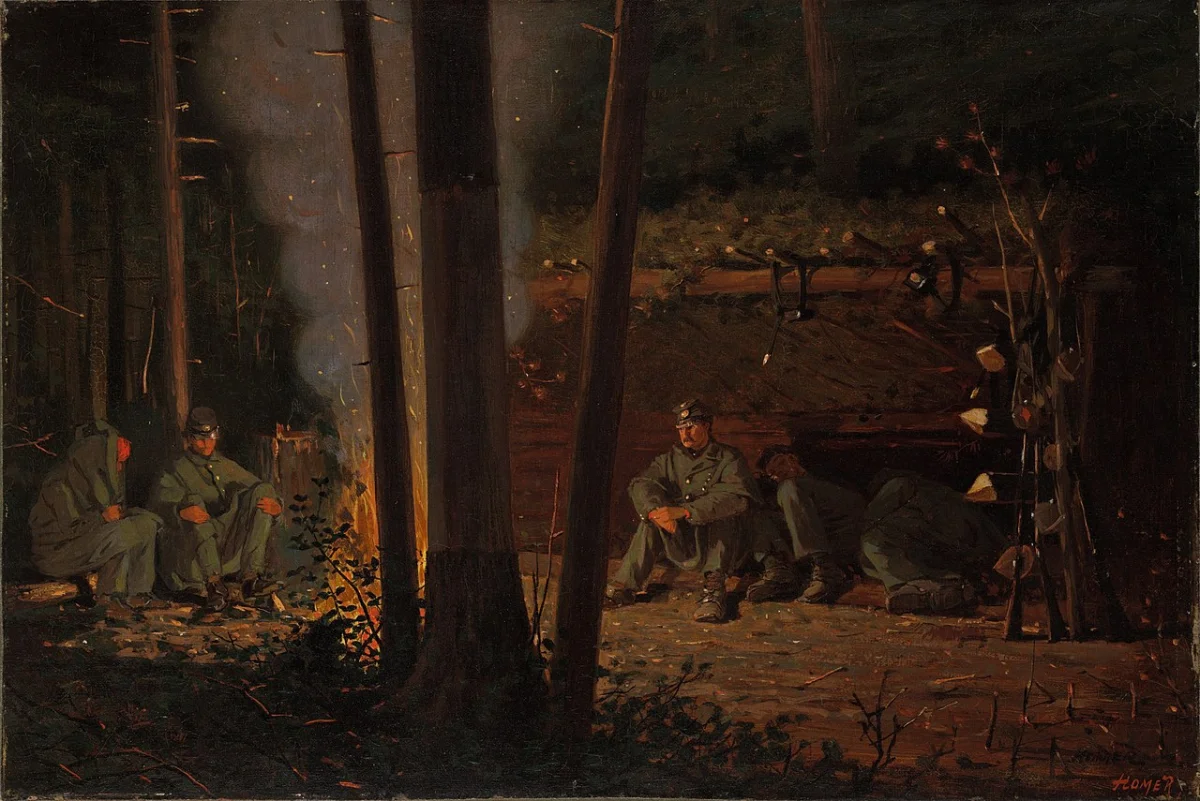
"Breezing Up (or A Fair Wind)" by Winslow Homer, a masterwork of the Realism movement, captures a slice of American life from the late 19th century. This hand-painted oil painting offers a glimpse into the era’s maritime culture, much like related artworks such as "A Dash for the Timber" and "Morning in the Pine-tree Forest." Homer’s keen observation and attention to detail make this painting a significant piece in the evolution of American art history.
Techniques That Speak
Winslow Homer’s use of oil on canvas in "Breezing Up (or A Fair Wind)" exemplifies his technical prowess within the Realism movement. The artist’s masterful brushwork and natural color palette evoke the fresh energy of a day at sea, similar to the artistry seen in "Las Meninas" and "Lady Godiva." Through careful layering and attention to light, Homer brings the American maritime scene vividly to life in this remarkable composition.
Emotions on Display
The emotional resonance of "Breezing Up (or A Fair Wind)" stems from Homer’s ability to depict hope, adventure, and the everyday joys of life. This fine art painting for sale conveys the optimism of its subjects as they navigate the open water, paralleling the spirit found in "Surrender At Santa Anna." Winslow Homer’s work in the Realism movement invites viewers to connect personally with the scene’s energy and quiet determination.
Coveted by Collectors
As one of Winslow Homer’s most celebrated works, "Breezing Up (or A Fair Wind)" is highly sought after by collectors who appreciate hand-painted oil paintings from the Realism movement. Its enduring appeal is rivaled by masterpieces like "Lady Godiva" and "A Dash for the Timber." The painting’s historical significance and artistic excellence make it a treasured addition to any fine art collection, exemplifying the best of American realism.
Related Realism Hand-Painted Oil Paintings by Other Artists
Other Famous Realism Artists:
Frequently Asked Questions About Breezing Up (or A Fair Wind)
What is the historical context of "Breezing Up (or A Fair Wind)"?
"Breezing Up" was painted by Winslow Homer in 1876, during a period of American history marked by industrial growth and a burgeoning interest in leisure activities. The painting reflects the cultural shift towards outdoor recreation and the appreciation of nature.
What artistic techniques did Winslow Homer employ in this painting?
Homer utilized a combination of watercolor and oil techniques, showcasing his mastery of light and movement. The dynamic brushwork captures the energy of the waves and the sails, while the vibrant color palette enhances the sense of vitality and freedom.
What themes are explored in "Breezing Up (or A Fair Wind)"?
The painting explores themes of adventure, youth, and the relationship between humanity and nature. It symbolizes the joy of sailing and the exhilaration of being at sea, reflecting a sense of optimism and exploration.
How does "Breezing Up" reflect Winslow Homer's artistic evolution?
This work marks a significant point in Homer's evolution as an artist, transitioning from his earlier, more traditional compositions to a style that embraces modernity and spontaneity. It showcases his growing interest in capturing the effects of light and atmosphere.
What is the significance of the figures depicted in the painting?
The figures in "Breezing Up" represent the spirit of youth and adventure. Their engagement with the sea and the boat symbolizes a connection to nature and the pursuit of freedom, embodying the American ideal of exploration and self-discovery.
What role does the sea play in "Breezing Up"?
The sea serves as a central motif in the painting, representing both challenge and opportunity. It reflects the unpredictability of life and the sense of adventure that comes with navigating its vastness, highlighting the importance of nature in human experience.
How does "Breezing Up" compare to other works by Winslow Homer?
What impact did "Breezing Up" have on American art?
"Breezing Up" is considered a pivotal work in American art, influencing future generations of artists with its emphasis on realism and the depiction of everyday life. It helped to establish the genre of marine painting in American art, inspiring others to explore similar themes.
What are the symbolic meanings behind the colors used in "Breezing Up"?
The colors in "Breezing Up" convey a sense of vitality and optimism. The bright blues of the sea and sky symbolize freedom and adventure, while the warm tones of the sails suggest warmth and human connection, reflecting the harmony between man and nature.
Is there a personal significance for Winslow Homer in "Breezing Up"?
While the exact personal significance is not documented, it is known that Homer had a deep love for the sea and sailing. This painting likely reflects his own experiences and feelings about nature, adventure, and the joy of life, making it a personal expression of his artistic vision.






















_GFM_Painting_(1).webp)

.webp)

 100% Hand-Painted: Finished in 3-6 Weeks
.webp)

.png)















_(1).webp)