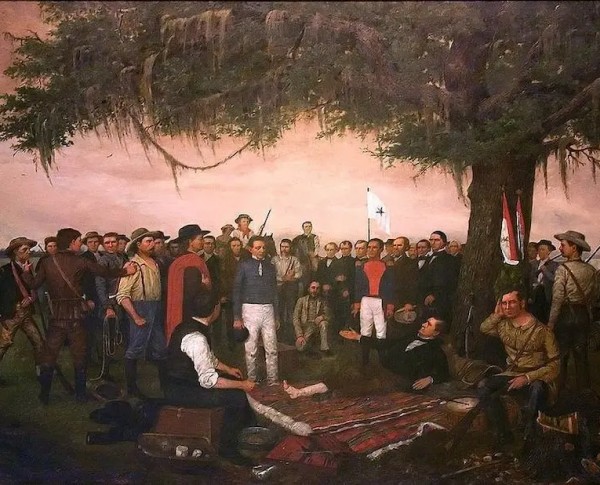
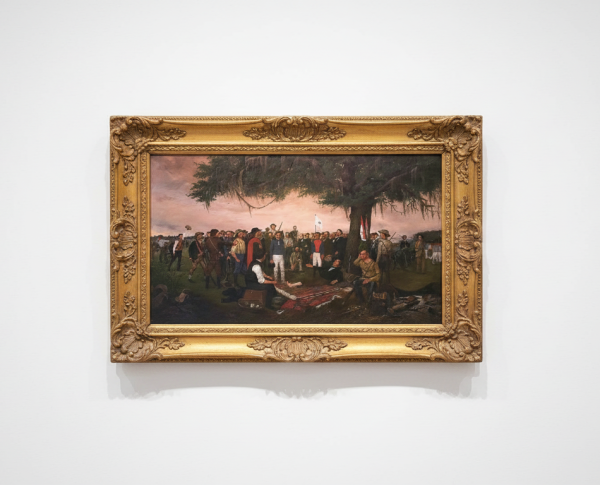
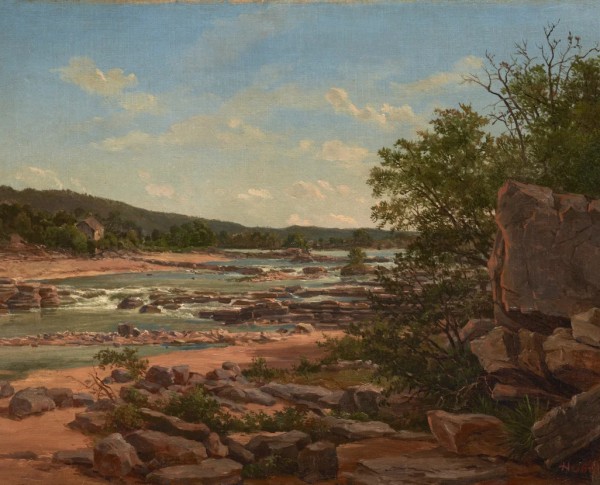
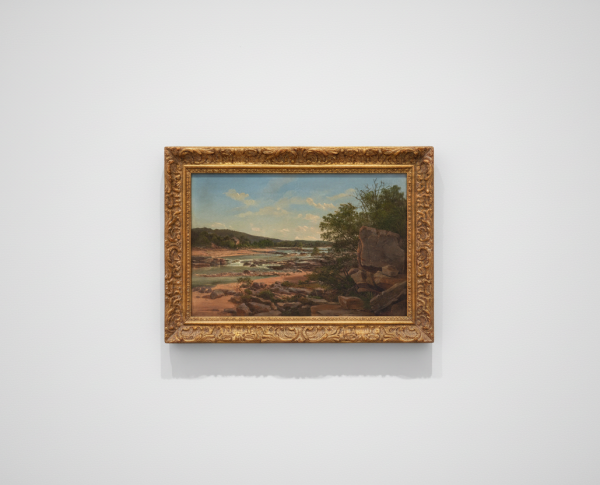
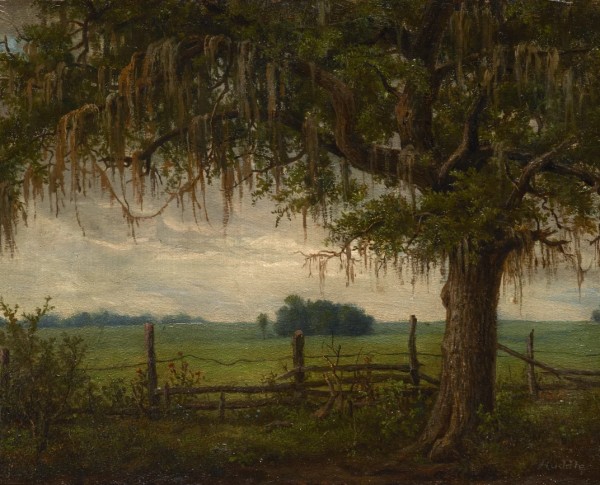
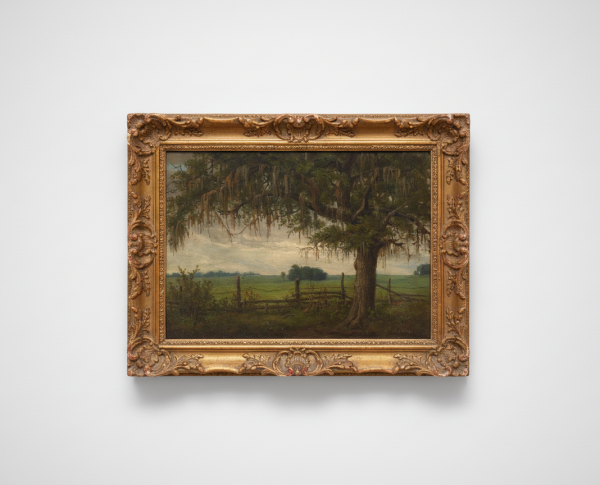
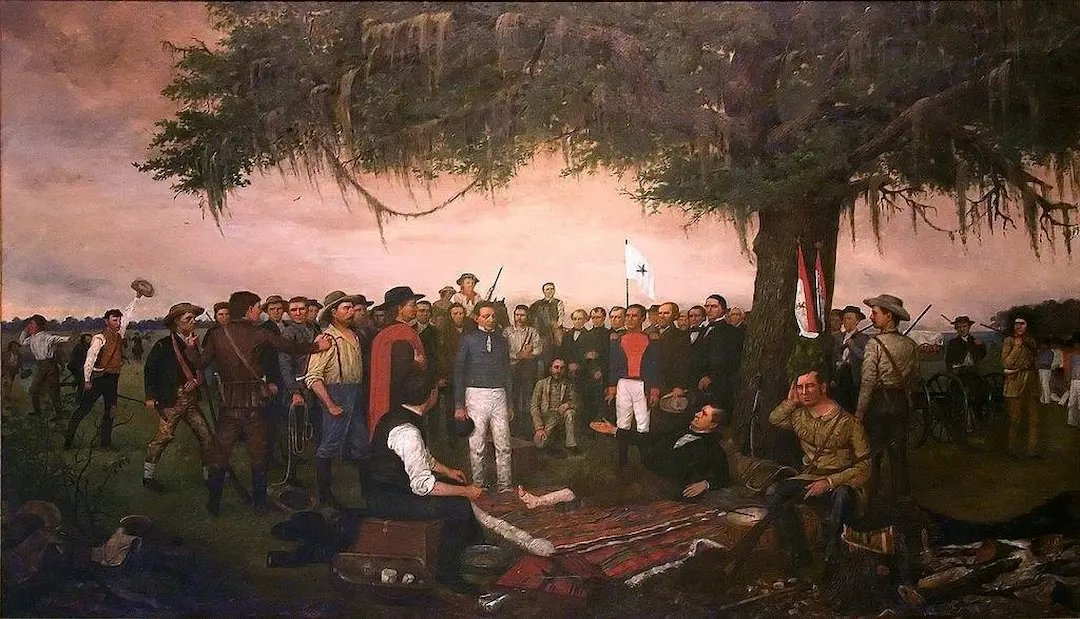
William Henry Huddle’s "Surrender At Santa Anna" demonstrates exceptional skill in the use of oil on canvas. The painting’s realistic portrayal of the surrender scene showcases Huddle’s attention to detail and commitment to the Realism movement. His expert manipulation of light and shadow brings depth and emotion to the event, allowing viewers to experience the gravity of the moment. Collectors and art enthusiasts alike admire how this oil on canvas work exemplifies the finest traditions of American historical art.
In "Surrender At Santa Anna," Huddle infuses the fine art painting for sale with powerful narratives and symbolism. The expressions and postures of the figures reveal themes of defeat, dignity, and negotiation central to the Realism movement. Through careful composition, the artist invites viewers to reflect on the complexities of history and the significance of this moment. This fine art painting for sale resonates with those who appreciate authentic storytelling in their art collections.
Owning "Surrender At Santa Anna" by William Henry Huddle means possessing a piece of Realism movement history. This hand-painted oil painting stands as a testament to Huddle’s artistic legacy and the enduring appeal of oil on canvas artworks. Collectors value the painting for its historical significance and masterful execution, making it a sought-after addition to any fine art collection. Experience the allure of a fine art painting for sale that captures both artistry and a defining moment in American history.
When Art Meets History
"Surrender At Santa Anna" by William Henry Huddle captures a pivotal moment in Texan history through the lens of the Realism movement. This hand-painted oil painting brings to life the dramatic surrender scene with meticulous attention to historical accuracy. Huddle’s work stands alongside related paintings like "A Dash for the Timber" and "The Angelus, 1857-59," offering viewers a visual narrative that bridges art and history in a truly compelling way.
Techniques That Speak
William Henry Huddle employed masterful oil on canvas techniques in "Surrender At Santa Anna," using realistic brushwork and precise detailing to convey the gravity of the moment. The Realism movement’s commitment to lifelike representation is evident in every stroke, echoing the technical prowess seen in "Las Meninas" and "Morning in the Pine-tree Forest." This oil on canvas masterpiece demonstrates Huddle’s ability to transform historical events into vivid, tangible scenes.
Emotions on Display
In "Surrender At Santa Anna," Huddle’s artistry goes beyond documentation, capturing the emotional weight of surrender and triumph. The expressions and body language of each figure evoke empathy and tension, hallmarks of the Realism movement. This fine art painting for sale resonates with the emotional depth found in works like "Lady Godiva" and "The Angelus, 1857-59," inviting viewers to connect with both the subjects and the story they represent.
Coveted by Collectors
As a significant work by William Henry Huddle, "Surrender At Santa Anna" holds immense appeal for collectors of historical art. The painting’s status as a hand-painted oil painting in the esteemed tradition of Realism enhances its desirability. Alongside related masterpieces such as "A Dash for the Timber" and "Las Meninas," this fine art painting for sale remains a prized acquisition for those seeking to own a piece of history rendered in exquisite detail.
Related Realism Hand-Painted Oil Paintings by Other Artists
Other Famous Realism Artists:
Frequently Asked Questions About Surrender At Santa Anna
What historical event does "Surrender At Santa Anna" depict?
The painting illustrates the moment of surrender during the Battle of San Jacinto, which was a pivotal event in the Texas Revolution, leading to Texas' independence from Mexico in 1836.
Who was William Henry Huddle, the artist of "Surrender At Santa Anna"?
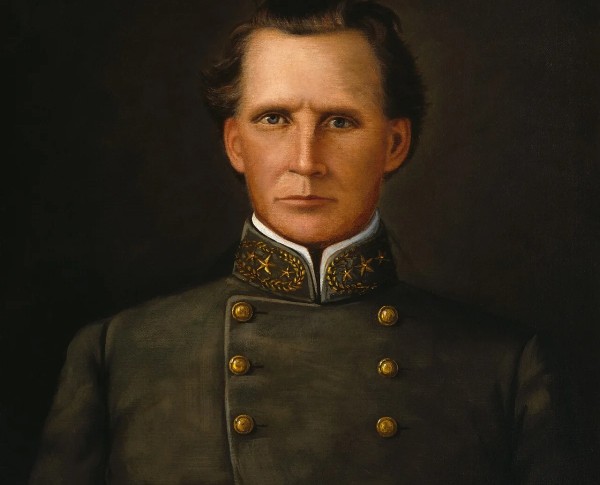
William Henry Huddle was an American painter known for his historical scenes and portraits, particularly those related to the Texas Revolution and the American West. He aimed to capture the spirit and drama of these significant moments in history.
What artistic techniques did Huddle employ in "Surrender At Santa Anna"?
Huddle utilized a combination of realism and dramatic lighting to convey the intensity of the moment. His use of color and composition draws the viewer's eye to the central figures, emphasizing the emotional weight of the surrender.
What symbols are present in "Surrender At Santa Anna"?
The painting features various symbols of conflict and resolution, such as the flags representing the opposing forces, which signify the struggle for independence, as well as the expressions of the figures that convey a mix of defeat and hope.
How does "Surrender At Santa Anna" reflect the values of its time?
The painting reflects the values of courage, sacrifice, and the pursuit of freedom that were central to the American spirit during the 19th century, particularly in the context of the Texas Revolution and the westward expansion of the United States.
What is the significance of the composition in "Surrender At Santa Anna"?
The composition is designed to create a sense of tension and drama, with the figures arranged to lead the viewer's eye through the narrative of surrender, highlighting the emotional and historical significance of the moment.
What role did "Surrender At Santa Anna" play in the cultural memory of the Texas Revolution?
This painting serves as a visual representation of a crucial moment in Texas history, helping to solidify the narrative of heroism and struggle that is celebrated in Texas culture and identity.
In what ways does Huddle's work contribute to the genre of historical painting?
Huddle's work contributes to the genre by combining meticulous historical research with artistic interpretation, creating a narrative that not only informs but also engages the viewer emotionally with the past.
How has "Surrender At Santa Anna" been received by critics and historians?
The painting has been praised for its dramatic portrayal and historical accuracy, often being cited as a significant work that captures the essence of the Texas Revolution and its key figures.
What impact did "Surrender At Santa Anna" have on later historical artworks?
This painting influenced later historical artworks by setting a standard for how to depict complex historical narratives with emotional depth, encouraging artists to explore themes of conflict and resolution in their own works.






















_GFM_Painting_(1).webp)


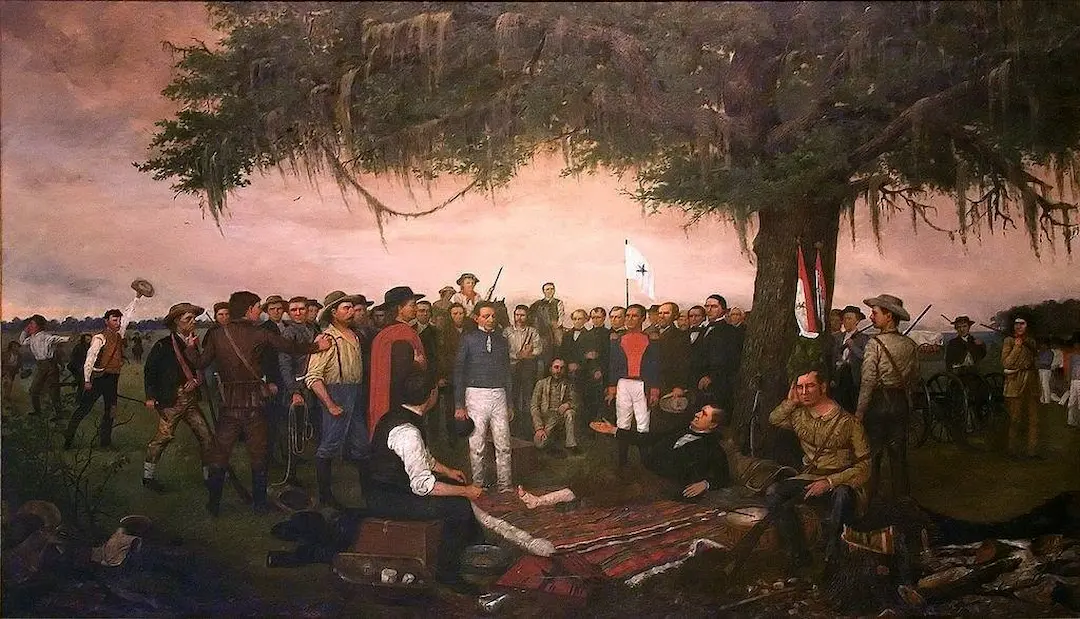
 100% Hand-Painted: Finished in 3-6 Weeks

.png)















_(1).webp)