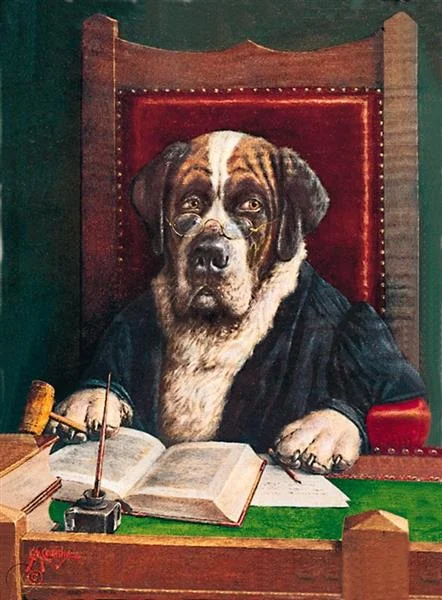
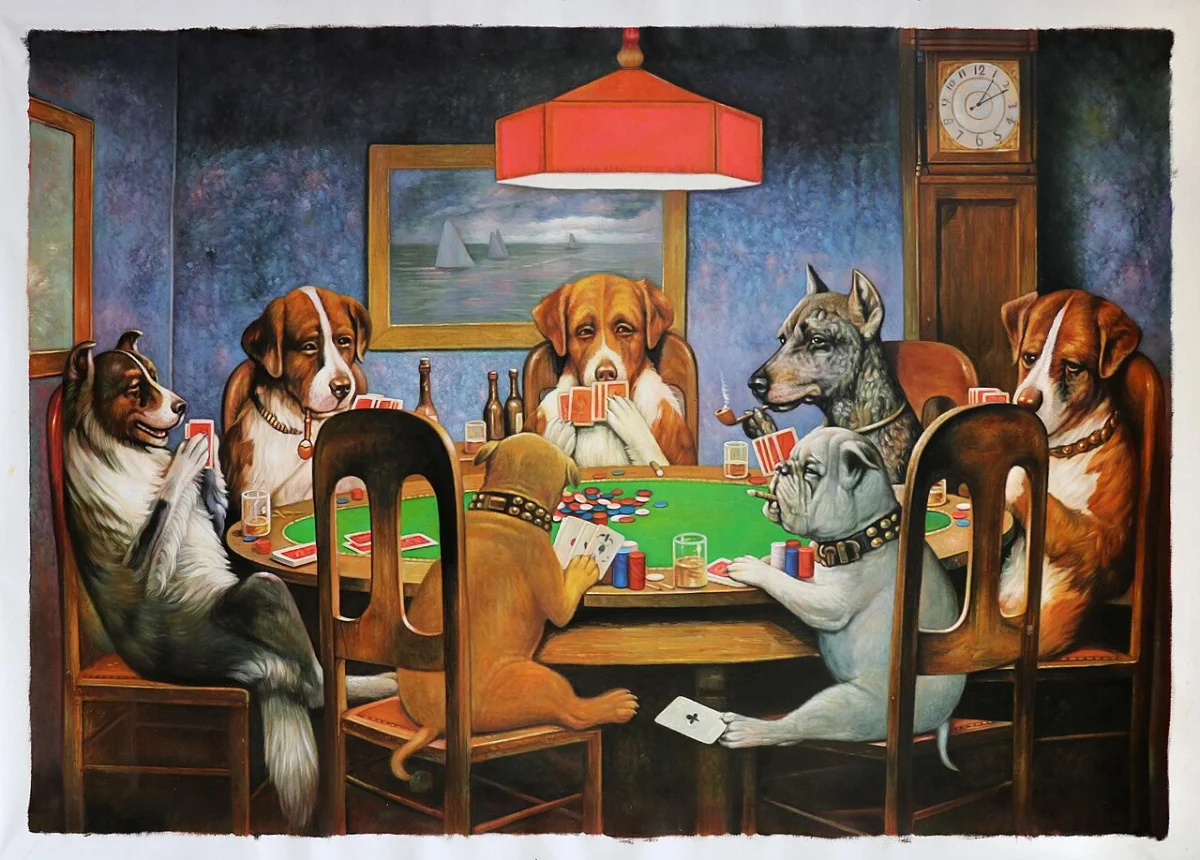
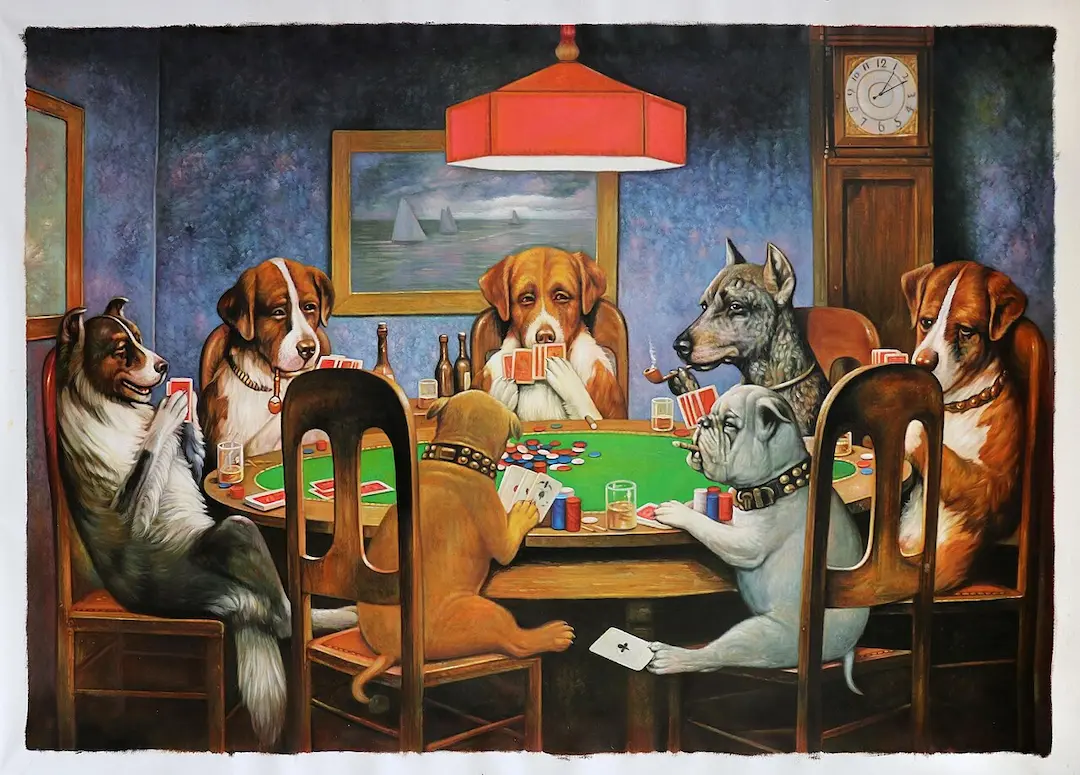
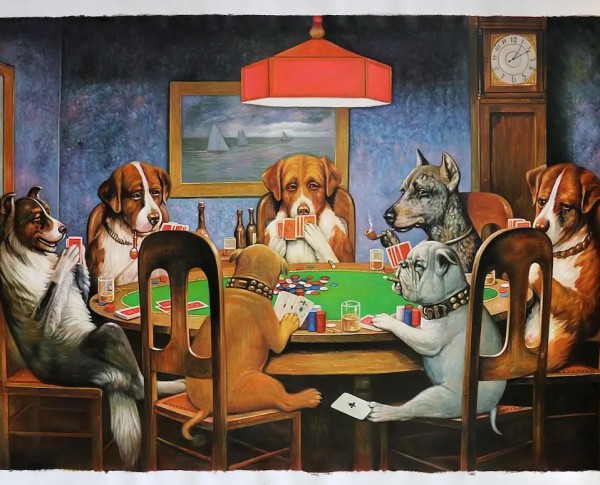
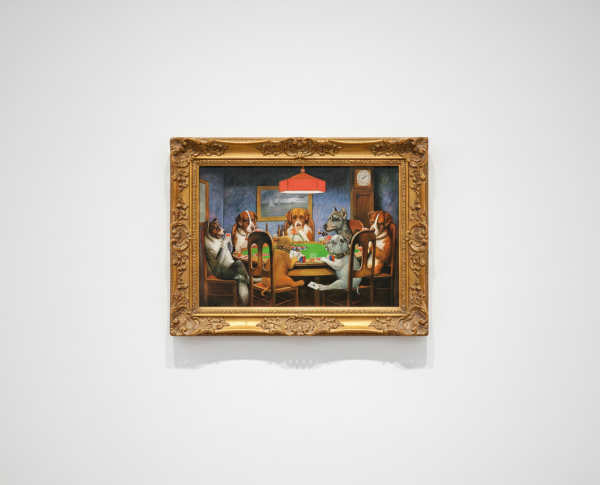
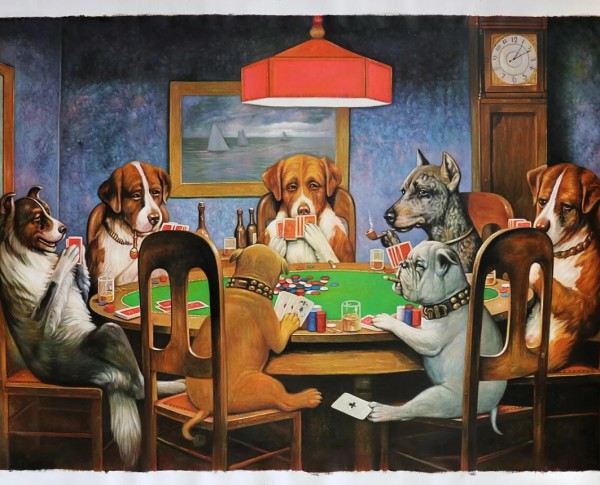
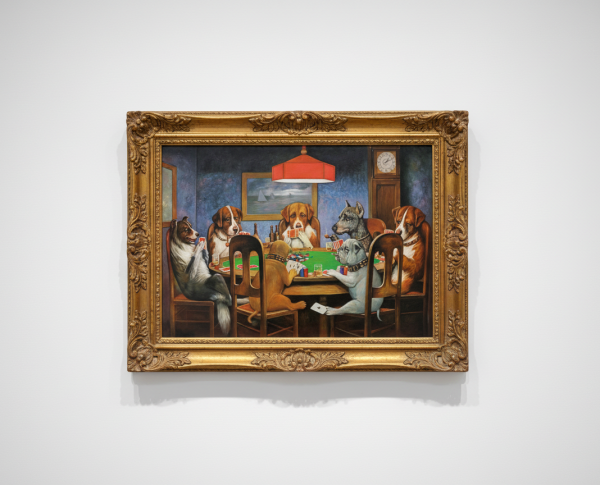
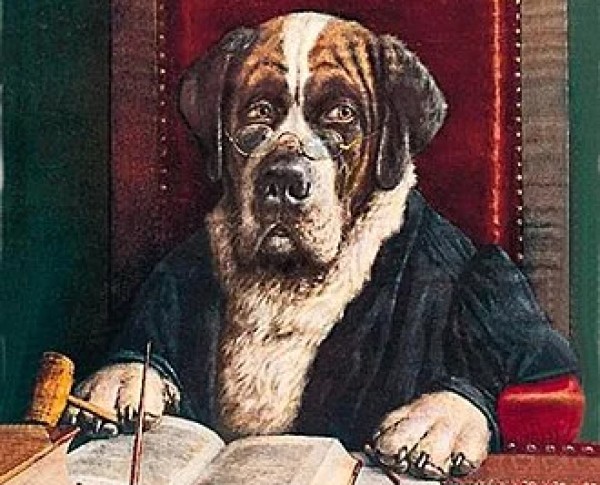
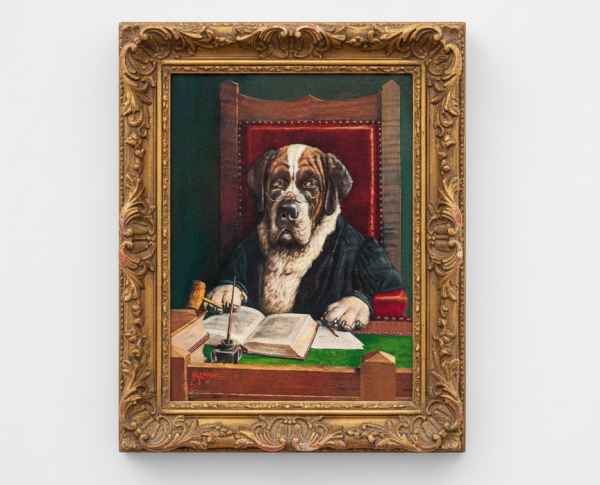
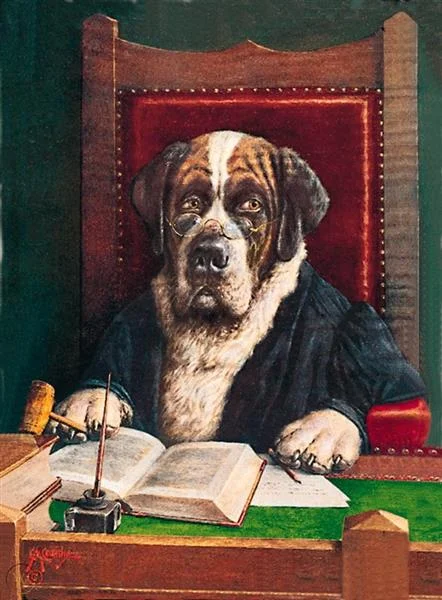
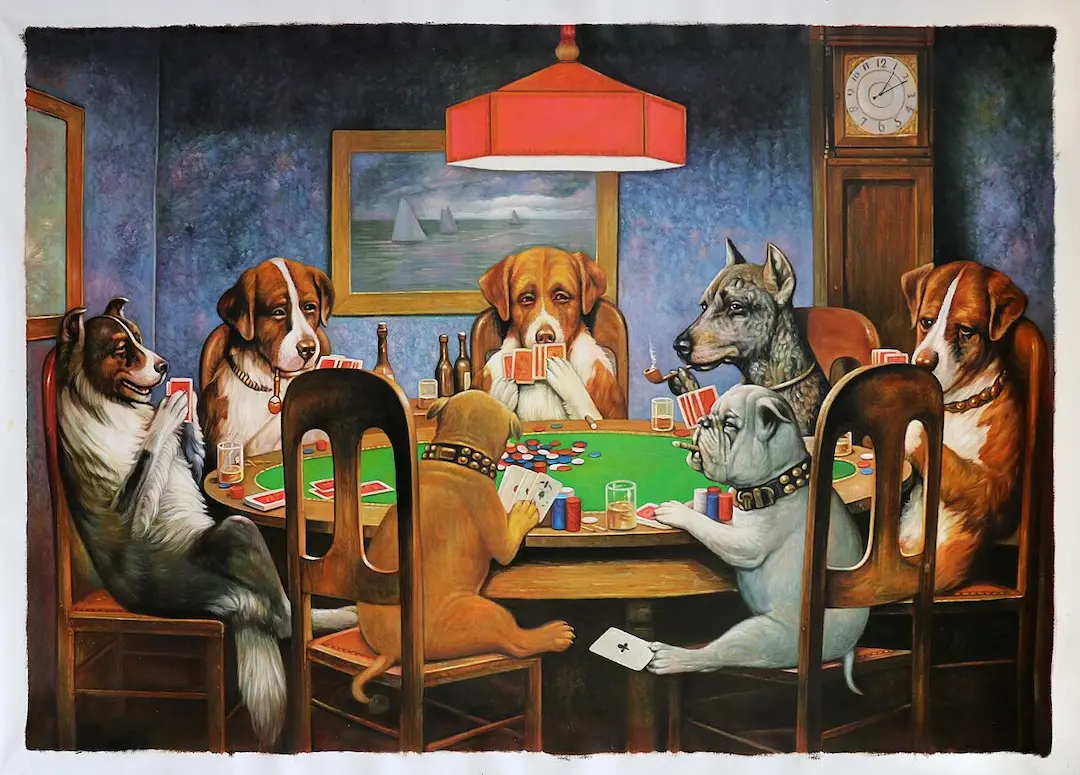
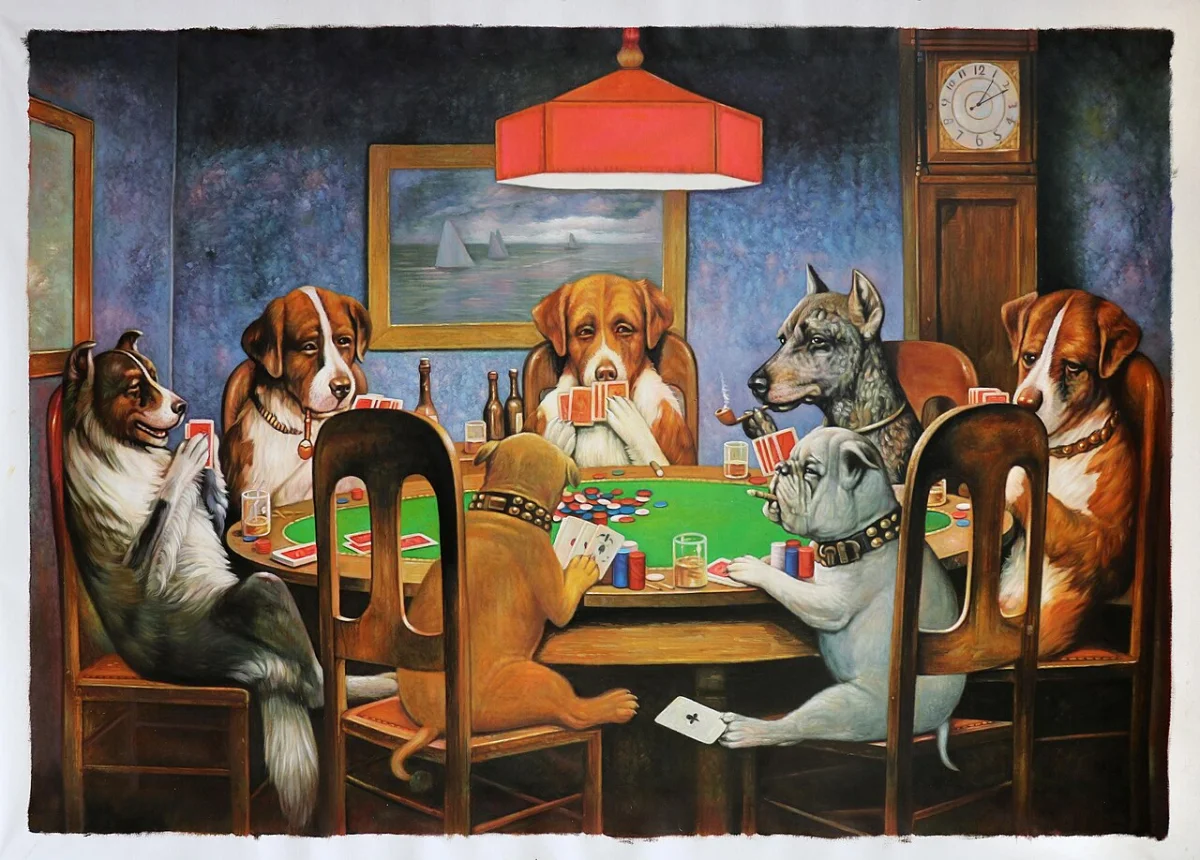
Coolidge’s expertise shines through in "No Graft Here," where his oil on canvas technique brings depth and vibrancy to the scene. Each brushstroke is meticulously rendered, reflecting the artist’s commitment to realism and narrative. This work, along with pieces like "A Friend in Need" and "Dogs Playing Poker," highlights Coolidge’s mastery of composition and color, solidifying his reputation in the American Realism movement and making his art highly sought after by collectors.
"No Graft Here" is more than just a fine art painting for sale; it is a visual narrative filled with humor and subtle symbolism. Coolidge infuses the scene with clever references and expressive characters, inviting viewers to interpret the underlying story. As in "A Bachelor’s Dog" and his other celebrated works, Coolidge utilizes the familiar motif of dogs to comment on human nature, making this painting a memorable piece within American Realism.
For enthusiasts of American Realism, "No Graft Here" by Cassius Marcellus Coolidge is a prized addition to any collection. This hand-painted oil painting not only showcases the artist’s wit and technical skill, but also connects collectors to a broader tradition of storytelling in art. Pairing this piece with related products like "Dogs Playing Poker" or "A Friend in Need" enhances any fine art collection with charm, historical value, and visual appeal.
When Art Meets History
Cassius Marcellus Coolidge’s "No Graft Here" stands as a testament to the American Realism movement, capturing the era’s spirit with remarkable clarity. This hand-painted oil painting immerses viewers in the everyday honesty and humor emblematic of Coolidge’s work. Alongside other notable pieces such as "Dream of the Fisherman’s Wife," "No Graft Here" highlights the artist’s unique ability to intertwine historical context with relatable, often whimsical scenes from American life.
Techniques That Speak
The artist’s mastery of oil on canvas is evident throughout "No Graft Here," where Coolidge’s bold brushwork and use of light create a vivid, lifelike composition. Every detail, from expressive faces to textured backgrounds, showcases the technical prowess synonymous with American Realism. This painting, much like his other works, demonstrates how Coolidge’s technique elevates ordinary moments into captivating visual stories, distinguishing his pieces within the tradition of fine art painting for sale.
Emotions on Display
Coolidge’s "No Graft Here" captures a spectrum of emotions, from subtle amusement to earnest sincerity, all within a single frame. The hand-painted oil painting draws viewers into a narrative that feels both personal and universal, echoing the emotional depth found in related paintings like "Dream of the Fisherman’s Wife." Through nuanced expressions and dynamic composition, Coolidge ensures that each viewer finds a connection to the scene, reinforcing the timeless appeal of American Realism.
Coveted by Collectors
As a fine art painting for sale, "No Graft Here" attracts collectors who appreciate the lasting impact of American Realism and the singular vision of Cassius Marcellus Coolidge. The piece’s historical significance and technical excellence make it a sought-after addition to any collection. Collectors are often drawn to Coolidge’s ability to infuse humor and authenticity into his oil on canvas works, further cementing his reputation alongside paintings like "Dream of the Fisherman’s Wife."
Related American Realism Hand-Painted Oil Paintings by Other Artists
Other Famous American Realism Artists:
Frequently Asked Questions About No Graft Here
What is the historical context of "No Graft Here"?
"No Graft Here" was created during the early 20th century, a period marked by significant social and cultural changes in America. The painting reflects the era's fascination with leisure activities and the emerging middle class.
Who is Cassius Marcellus Coolidge and what is his significance in art history?
Cassius Marcellus Coolidge was an American painter known for his humorous and whimsical depictions of dogs engaged in human activities. He gained fame for his series of dog paintings, which have become iconic representations of Americana.
What artistic techniques are employed in "No Graft Here"?
The painting showcases Coolidge's mastery of oil painting techniques, including detailed brushwork and vibrant color palettes. His ability to capture expressions and postures adds a layer of humor and relatability to the work.
What themes are explored in "No Graft Here"?
The primary themes of "No Graft Here" include camaraderie, leisure, and the absurdity of anthropomorphism. The painting invites viewers to reflect on the nature of friendship and the joy of simple pleasures.
How does "No Graft Here" reflect societal attitudes of its time?
The painting reflects a lighthearted view of society, emphasizing leisure and enjoyment over the struggles of daily life. It captures a moment of relaxation and camaraderie, indicative of the growing importance of leisure in American culture.
What is the symbolism behind the dogs in "No Graft Here"?
The dogs in "No Graft Here" symbolize loyalty, friendship, and the human tendency to project emotions onto animals. Their anthropomorphic qualities serve to create a humorous and relatable narrative that resonates with viewers.
In what ways has "No Graft Here" influenced popular culture?
"No Graft Here" has become a cultural icon, often referenced in various forms of media, including advertisements and merchandise. Its whimsical portrayal of dogs has contributed to the ongoing popularity of Coolidge's work in contemporary culture.
What is the significance of the title "No Graft Here"?
The title "No Graft Here" suggests a sense of authenticity and straightforwardness, contrasting with the complexities of life. It implies that the depicted scene is free from deceit or pretense, inviting viewers to enjoy the moment as it is.
How does "No Graft Here" compare to other works by Coolidge?
What impact did "No Graft Here" have on the perception of animal art?
"No Graft Here" played a significant role in elevating the genre of animal art by showcasing animals in relatable, humorous situations. It challenged traditional representations of animals in art, making them accessible and enjoyable to a broader audience.






















_GFM_Painting_(1).webp)


 100% Hand-Painted: Finished in 3-6 Weeks

.png)















_(1).webp)