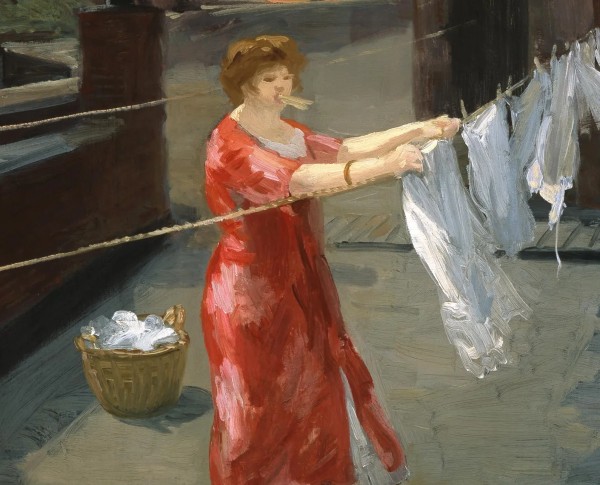
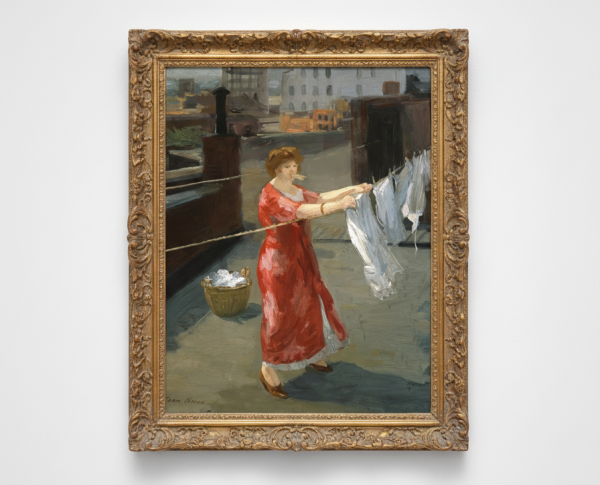
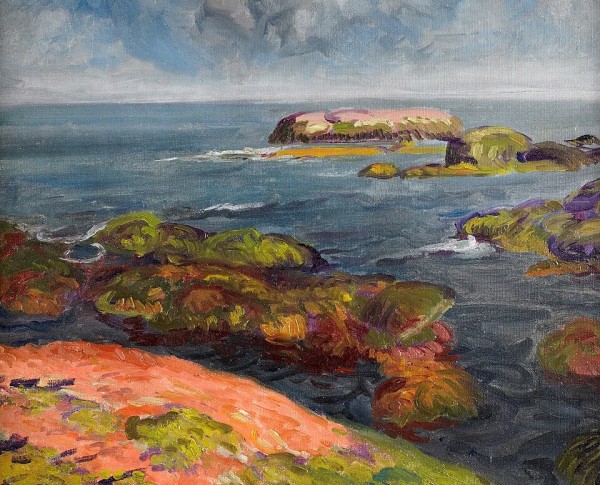
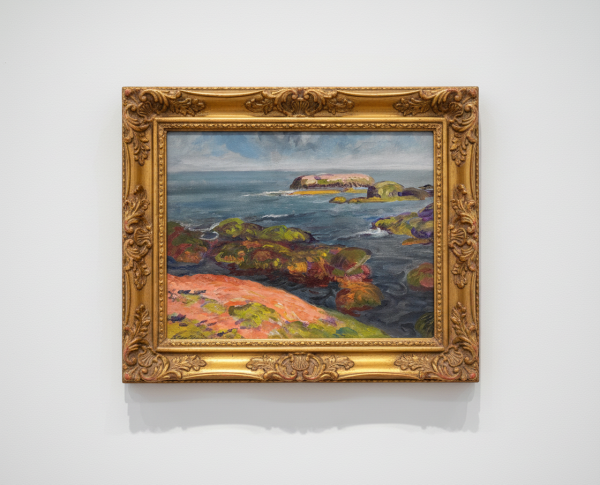
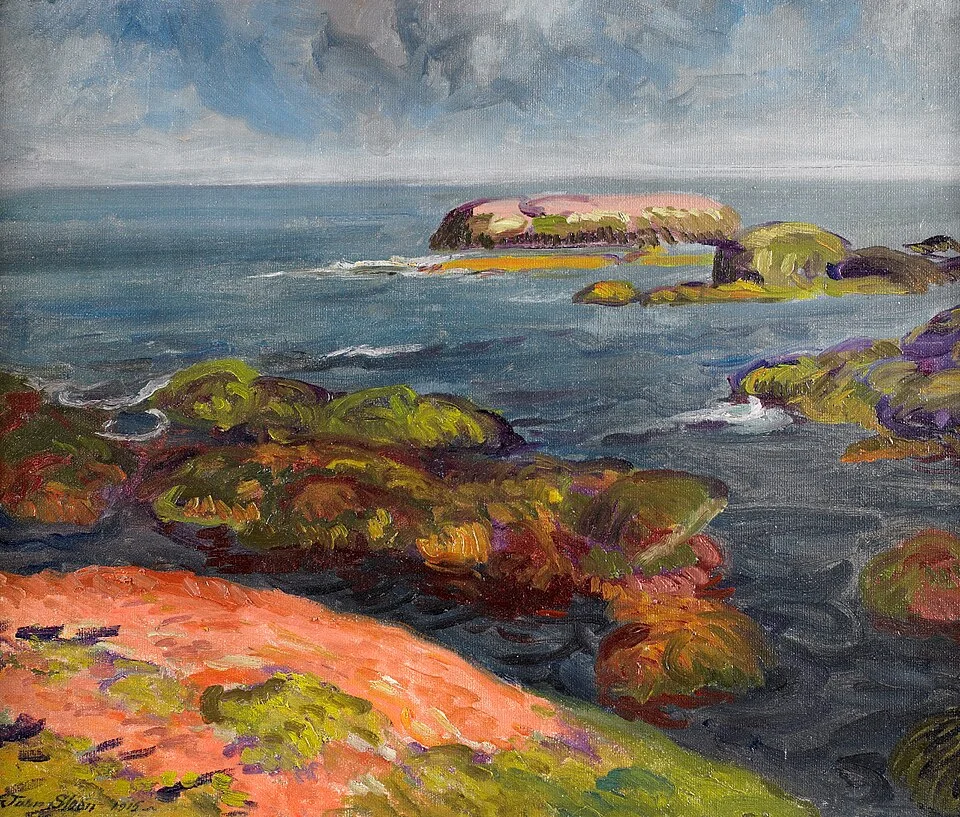
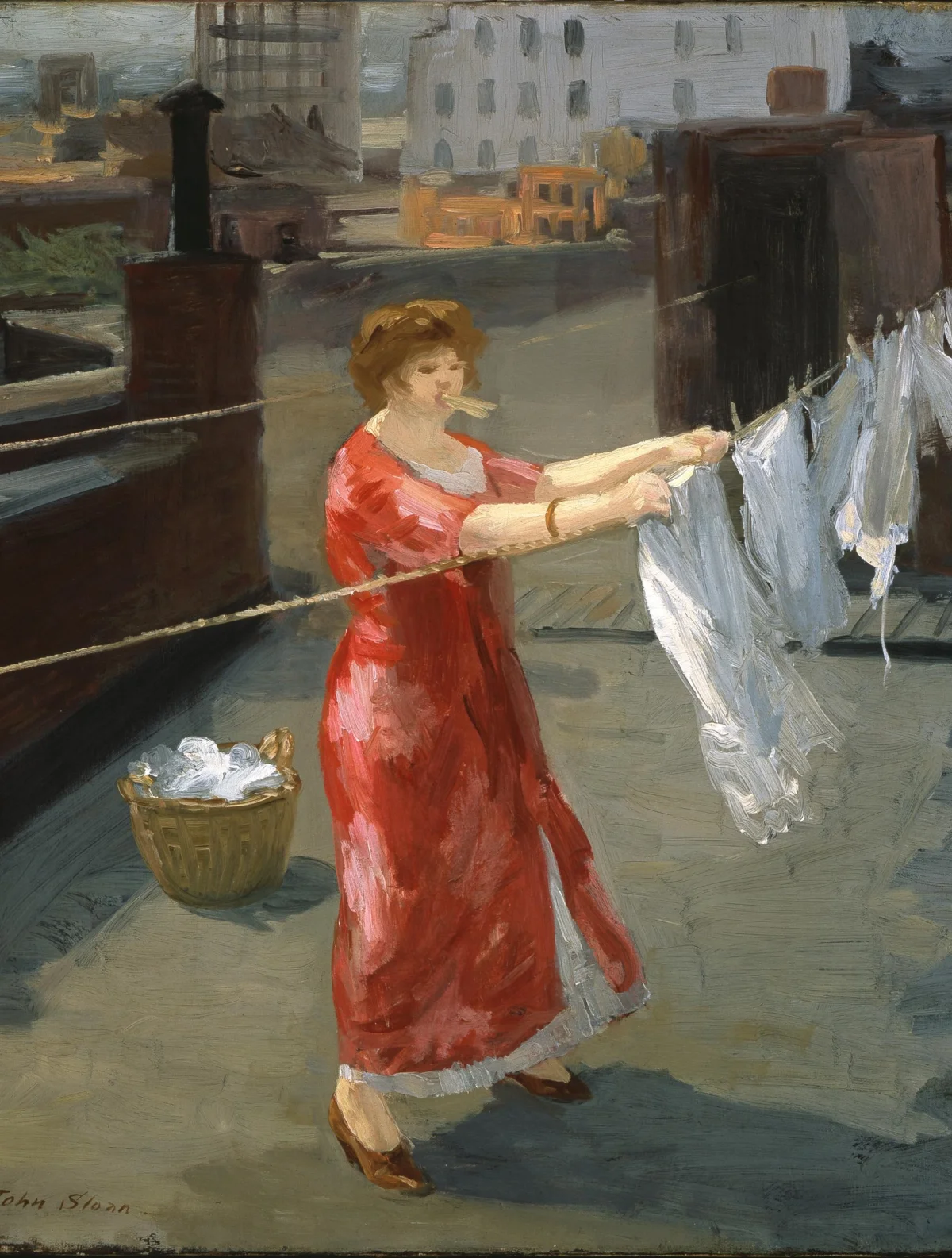
John Sloan’s "Seacoast, Gloucester" demonstrates his technical prowess with oil on canvas, a medium that allows for rich textures and vibrant color contrasts. Through deliberate brushwork and attention to atmospheric detail, Sloan brings the coastal landscape to life, inviting viewers to experience the sea’s energy. The Ashcan School’s influence is evident in every stroke, paralleling the expressive style found in related works such as "Red Kimono on the Roof" and "Three A.M."
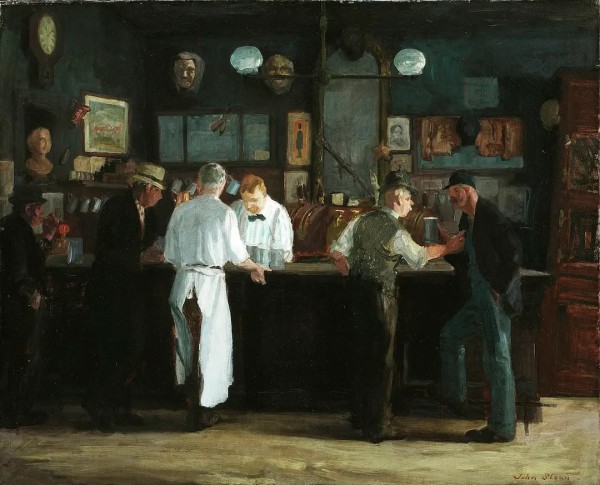
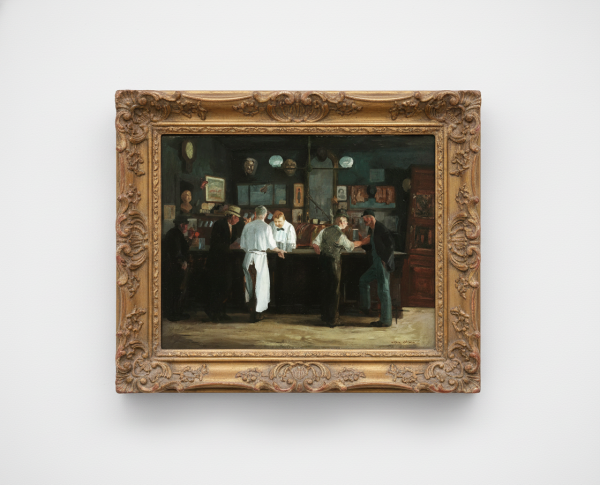
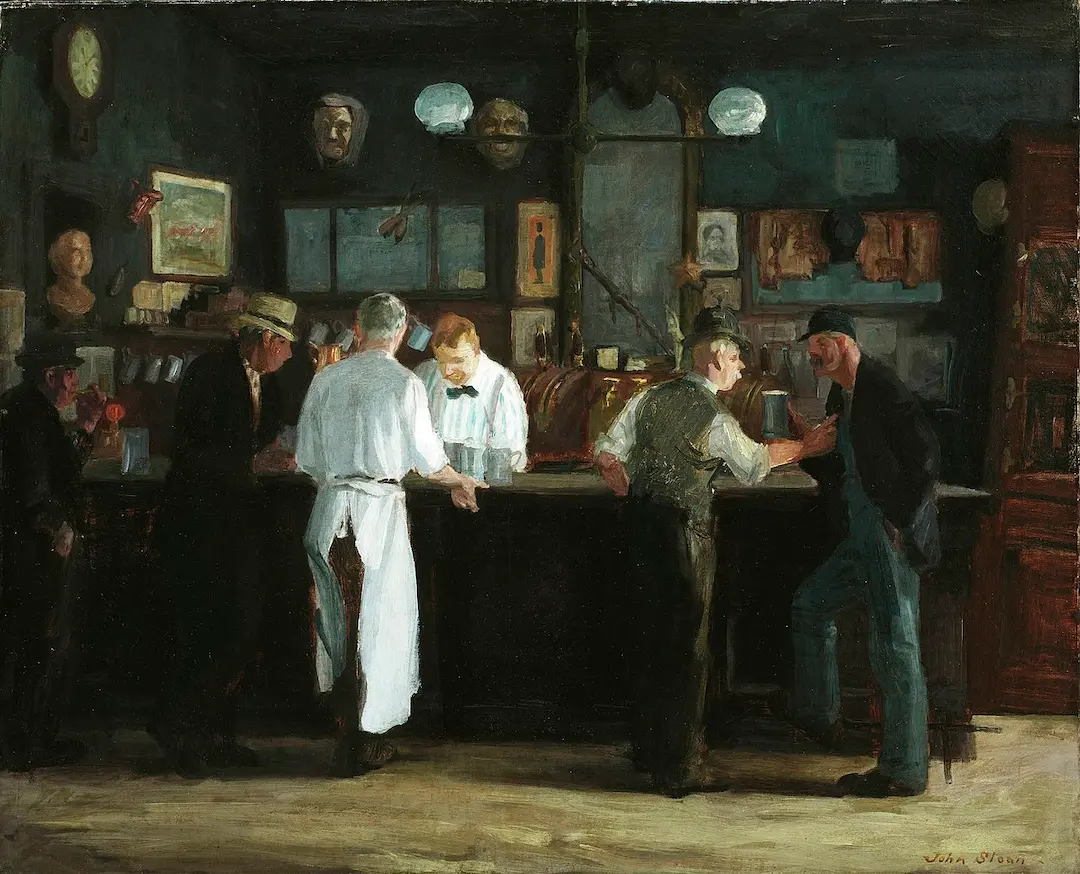
In "Seacoast, Gloucester," Sloan weaves narratives of daily existence and the enduring relationship between people and nature. This fine art painting for sale is more than a mere landscape; it embodies the Ashcan School’s fascination with real-life stories and subtle symbolism. Art lovers often pair this piece with works like "McSorley's Bar" for its ability to evoke emotion and spark conversation, making it a standout in any collection focused on American realism.
For collectors, "Seacoast, Gloucester" is a prized example of a hand-painted oil painting from the Ashcan School movement. John Sloan’s signature style and evocative use of oil on canvas make this artwork highly sought after, especially when acquired alongside related products like "Three A.M." and "Red Kimono on the Roof." Owning such a piece not only enriches a collection but also preserves the legacy of American fine art for future generations.
When Art Meets History
John Sloan’s “Seacoast, Gloucester” stands as a testament to the Ashcan School movement, capturing the American seashore with raw authenticity. Painted during a pivotal era, this hand-painted oil painting reflects the social and environmental changes of early twentieth-century America. Sloan’s keen observation and commitment to realism connect “Seacoast, Gloucester” with other influential works of the movement, making it a significant piece for those interested in both art and historical context.
Techniques That Speak
Utilizing oil on canvas, John Sloan masterfully conveys the rugged beauty of Gloucester’s coastline. His brushwork and color choices exemplify the Ashcan School’s dedication to depicting everyday life with vibrancy and immediacy. “Seacoast, Gloucester” showcases Sloan’s ability to blend expressive technique with a sense of place, aligning it with related paintings from his contemporaries and reinforcing his reputation as a leading figure in American realism.
Emotions on Display
“Seacoast, Gloucester” evokes a profound sense of atmosphere, as John Sloan’s depiction of the shore resonates with viewers on an emotional level. The painting’s dynamic skies and textured water invite contemplation, characteristic of a fine art painting for sale from the Ashcan School. Sloan’s work, like those of his peers, captures fleeting moods and moments, reminding collectors and admirers of the enduring power of expressive, realist art.
Coveted by Collectors
For art enthusiasts and collectors, “Seacoast, Gloucester” by John Sloan is a prized acquisition, representing the spirit of the Ashcan School. Its status as a hand-painted oil painting enhances its value and desirability. The painting’s authenticity and historical relevance make it a standout among oil on canvas works of the era, appealing to those seeking a fine art painting for sale that embodies both artistic mastery and cultural significance.
Frequently Asked Questions About Seacoast, Gloucester
What is the historical context of "Seacoast, Gloucester"?
"Seacoast, Gloucester" was painted in 1914, during a period when American artists were increasingly exploring themes of modern life and regional identity. This work reflects the burgeoning interest in capturing the American landscape and the everyday lives of its inhabitants.
What artistic style is employed in "Seacoast, Gloucester"?
John Sloan is associated with the Ashcan School, a movement that emphasized realism and the depiction of urban life. In "Seacoast, Gloucester," Sloan employs loose brushwork and a vibrant palette to convey the dynamic atmosphere of the coastal scene.
What symbolism can be found in "Seacoast, Gloucester"?
The painting symbolizes the connection between humanity and nature, illustrating the coexistence of people and the sea. The figures in the foreground suggest a sense of community and leisure, while the expansive water represents freedom and the vastness of the American landscape.
How does "Seacoast, Gloucester" reflect the artist's personal experiences?
Sloan's frequent visits to Gloucester, Massachusetts, where he painted this work, allowed him to capture the local culture and environment intimately. His personal connection to the area is evident in the authenticity and warmth of the scene.
What techniques did John Sloan use in creating "Seacoast, Gloucester"?
Sloan utilized a combination of oil paint and a technique known as alla prima, which involves applying wet paint onto wet paint. This method contributes to the immediacy and spontaneity of the work, enhancing its lively and vibrant quality.
In what ways does "Seacoast, Gloucester" exemplify American Impressionism?
The painting exemplifies American Impressionism through its emphasis on light and color, as well as its focus on everyday scenes. Sloan captures the transient effects of sunlight on water and the lively atmosphere of the coastal environment.
What role does color play in "Seacoast, Gloucester"?
Color plays a crucial role in "Seacoast, Gloucester," with Sloan using a bright and varied palette to evoke the vibrancy of the seaside. The interplay of blues, greens, and warm tones creates a sense of movement and life within the composition.
How does "Seacoast, Gloucester" compare to other works by John Sloan?
What impact did "Seacoast, Gloucester" have on American art?
The painting contributed to the broader acceptance of regionalism in American art, showcasing the importance of local landscapes and experiences. It helped pave the way for future artists to explore and celebrate the diversity of American scenery and life.
What can visitors learn from "Seacoast, Gloucester"?
Visitors can learn about the significance of place in art and the ways in which artists like Sloan captured the essence of their surroundings. The painting serves as a reminder of the beauty found in everyday moments and the importance of preserving cultural heritage.






















_GFM_Painting_(1).webp)

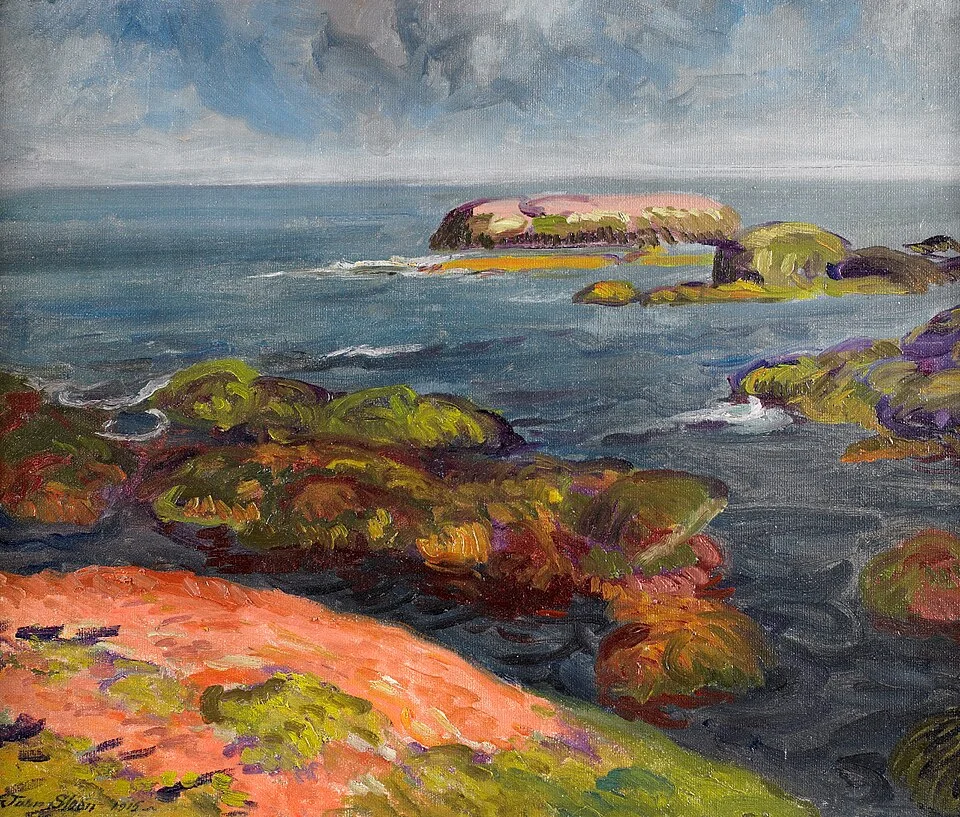

 100% Hand-Painted: Finished in 3-6 Weeks

.png)

















_(1).webp)