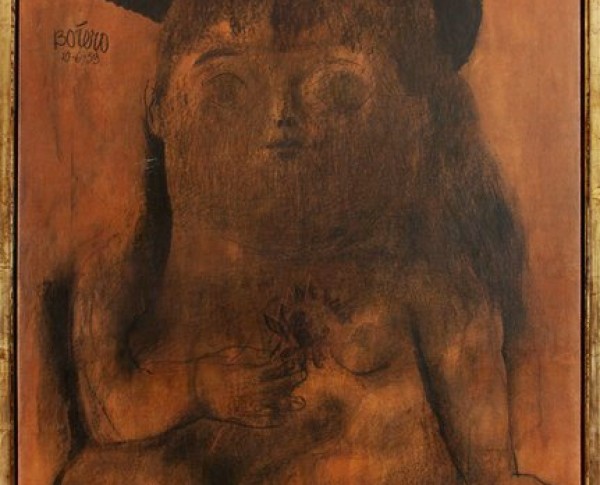
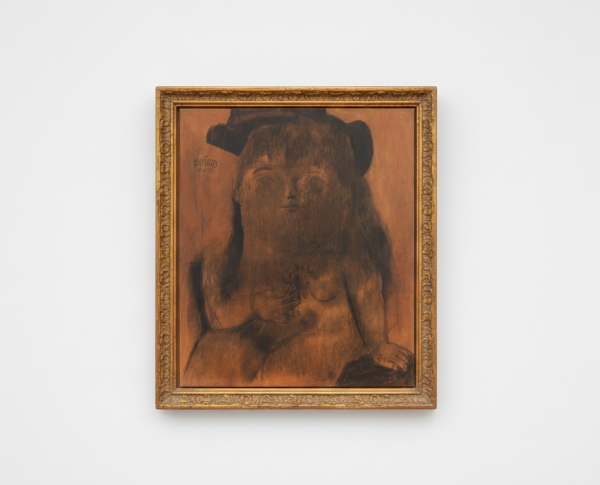
Fernando Botero’s mastery is evident in every stroke of "The Raval Cat," an exceptional example of oil on canvas artwork. His technique, rooted in the Boterismo movement, brings a sense of volume and life to the subject. The painting’s rich textures and vibrant colors showcase Botero’s unique approach, making it a must-have for enthusiasts of fine art. Collectors often pair this piece with other works like "The Bullfight" or "Mona Lisa Monalisa."
"The Raval Cat" is more than a fine art painting for sale; it’s a narrative embedded in Botero’s signature style. The oversized cat symbolizes both the playful spirit and cultural diversity of the Raval district. As a key piece in the Boterismo movement, it invites viewers to explore deeper meanings and stories. For those inspired by Botero’s storytelling, related products such as "The death of Luis Chalmeta" offer further insight.
Owning "The Raval Cat" by Fernando Botero means possessing a hand-painted oil painting that represents the best of the Boterismo movement. This artwork stands alongside masterpieces like "The Bullfight" and "Mona Lisa Monalisa," making it a coveted item for discerning collectors. Its playful form, historical significance, and connection to Botero’s broader oeuvre elevate it as an essential fine art painting for any collection.
When Art Meets History
"The Raval Cat" by Fernando Botero stands as an iconic example of the Boterismo movement, where history and whimsy unite. This hand-painted oil painting captures the vibrant spirit of Barcelona’s Raval district while reflecting Botero’s signature voluminous forms. Like his other celebrated works, such as "Mona Lisa, Age Twelve" and "Dancers," this masterpiece merges tradition with modern allure, making it a sought-after gem for art lovers and collectors who cherish distinctive pieces.
Techniques That Speak
Fernando Botero’s "The Raval Cat" demonstrates his mastery with oil on canvas, a medium that brings depth and richness to his exaggerated, rounded figures. The smooth, layered brushwork and bold color palette are hallmarks of the Boterismo style, emphasizing both playfulness and grandeur. Similar techniques appear in Botero’s "The Musicians" and "The Family," making "The Raval Cat" an essential study for those intrigued by the evolution of contemporary Latin American art.
Emotions on Display
With its oversized, endearing feline, "The Raval Cat" evokes a sense of joy and curiosity, hallmarks of Botero’s approach to the Boterismo movement. The painting’s gentle humor and approachable character invite viewers to connect emotionally, transforming a simple sculpture into a lively personality on canvas. This fine art painting for sale not only showcases Botero’s unique perspective but also echoes the warmth found in his other works, creating a lasting impression.
Coveted by Collectors
"The Raval Cat" by Fernando Botero is highly desired among collectors seeking standout pieces from the Boterismo movement. Its combination of charm, technique, and cultural significance elevates it as a prime hand-painted oil painting for any collection. Alongside other Botero masterpieces, this artwork’s value continues to rise, making it a wise investment for those passionate about acquiring fine art painting for sale that embodies both artistic excellence and historical importance.
Frequently Asked Questions About The Raval Cat
What is the historical context of "The Raval Cat"?
"The Raval Cat" was created by Fernando Botero in the early 21st century, reflecting the artist's engagement with contemporary themes and his unique perspective on urban life, particularly in the Raval district of Barcelona, known for its vibrant culture and diverse community.
What artistic techniques did Fernando Botero employ in "The Raval Cat"?
Botero is renowned for his distinctive style characterized by exaggerated proportions and rounded forms. In "The Raval Cat," he utilizes bold colors and smooth lines to create a sense of volume and presence, emphasizing the cat's playful nature.
What symbolism is present in "The Raval Cat"?
The cat in "The Raval Cat" symbolizes independence and curiosity, traits often associated with urban life. Its relaxed posture suggests a sense of comfort and belonging within the bustling environment of the Raval district.
How does "The Raval Cat" reflect Botero's broader artistic themes?
This painting embodies Botero's exploration of everyday life and his ability to infuse ordinary subjects with a sense of whimsy and charm. It reflects his fascination with the interplay between the mundane and the extraordinary.
What cultural influences are evident in "The Raval Cat"?
"The Raval Cat" showcases the cultural diversity of the Raval district, incorporating elements of local life and the coexistence of various communities. Botero's Colombian heritage also influences his approach to color and form.
In what ways does "The Raval Cat" challenge traditional representations of animals in art?
By portraying the cat with exaggerated features and a playful demeanor, Botero challenges conventional depictions of animals, inviting viewers to reconsider their perceptions of beauty and form in art.
What role does color play in "The Raval Cat"?
Color in "The Raval Cat" serves to enhance the emotional resonance of the piece. The vibrant palette reflects the lively atmosphere of the Raval district, while also drawing attention to the cat as a central figure in the composition.
How does "The Raval Cat" fit into the genre of urban art?
"The Raval Cat" can be seen as a representation of urban art through its focus on a specific locale and its commentary on city life. Botero captures the essence of urban existence while celebrating the beauty found in everyday encounters.
What is the significance of the cat as a subject in "The Raval Cat"?
The choice of a cat as the subject highlights themes of freedom and adaptability, traits that resonate with the urban experience. It also reflects Botero's affinity for animals, often using them to convey deeper messages about society.
How has "The Raval Cat" been received by critics and art enthusiasts?
















_GFM_Painting_(1).webp)



 100% Hand-Painted: Finished in 3-6 Weeks

.png)















_(1).webp)