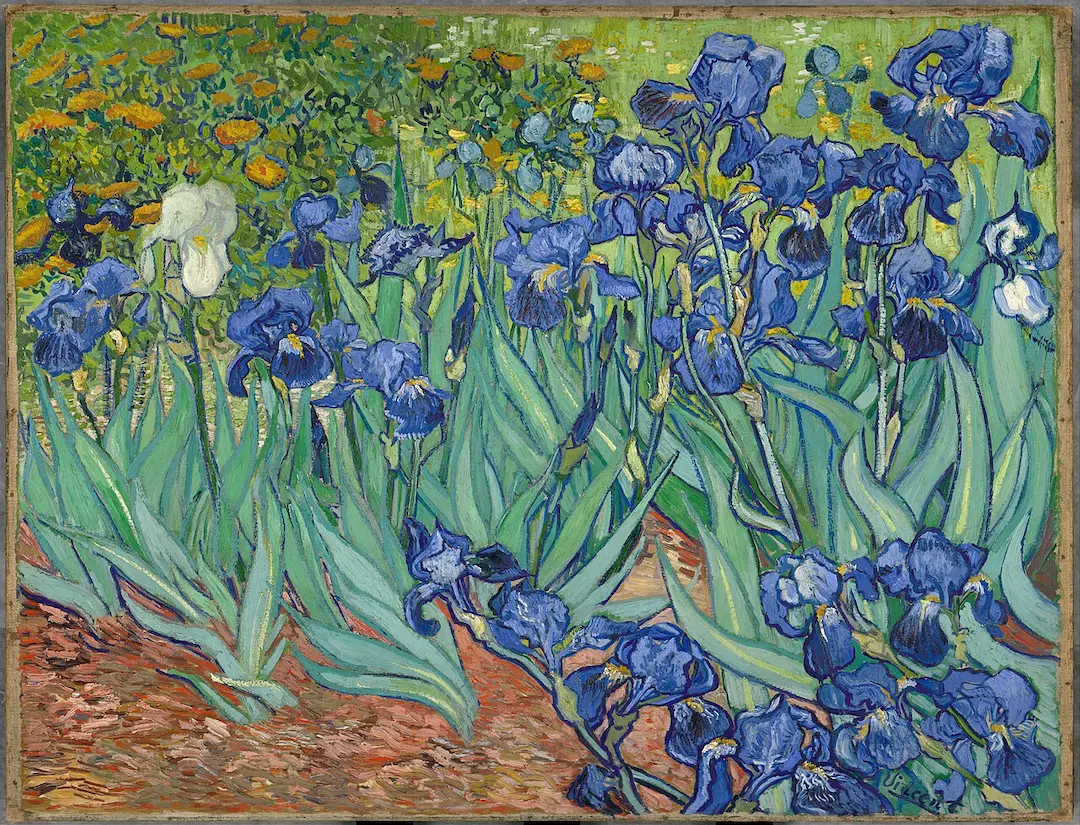
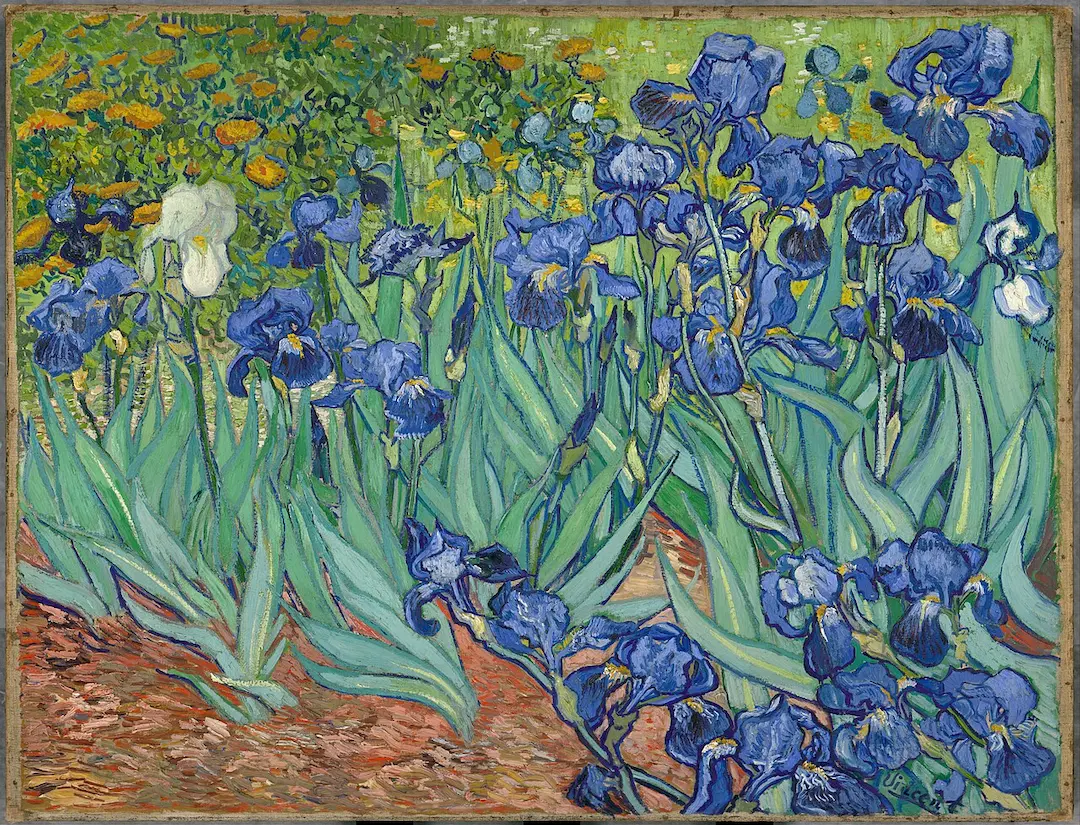
Vincent Van Gogh’s "Irises" showcases his extraordinary technique and mastery of oil on canvas. Every stroke in this Post-Impressionism classic reveals the artist’s innovative approach to color and form. The dynamic composition and lively hues breathe life into the flowers, making the painting a true marvel. For those seeking similar masterpieces, "Wheatfield with Cypress I" and "Harvest At La Crau With Montmajour In The Background" offer equally stunning examples of Van Gogh’s artistry.
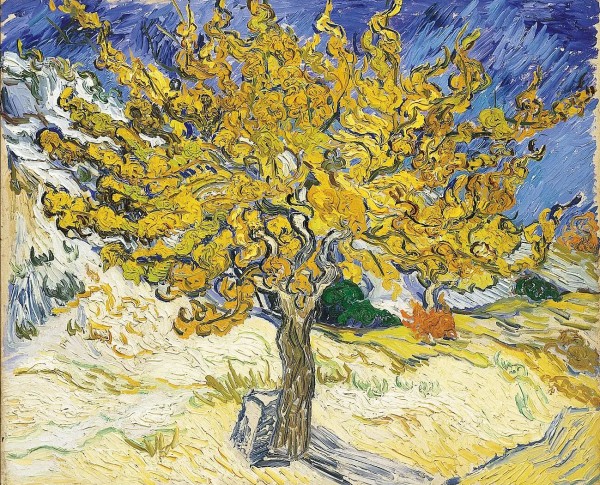
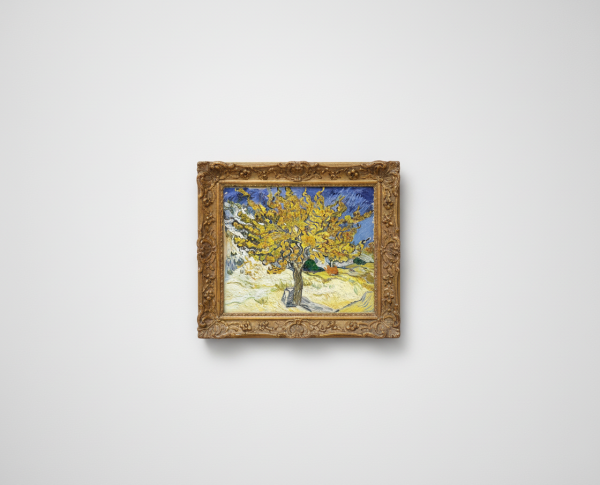
"Irises" is more than just a fine art painting for sale; it’s a window into Vincent Van Gogh’s inner world during his time at the asylum in Saint-Rémy. The painting’s swirling blues and greens symbolize hope and renewal, common themes in Post-Impressionism. Art admirers often pair this work with related products like "Bridges Across The Seine At Asnieres" and "Mulberry Tree" to explore the deeper narratives woven throughout Van Gogh’s celebrated portfolio.
Owning a hand-painted oil painting such as "Irises" by Vincent Van Gogh is a true privilege for any art collector. This Post-Impressionism masterpiece is highly sought after, reflecting both historical significance and timeless beauty. Collectors frequently look for complementary pieces, including "The White Orchard" and "Mulberry Tree," to enhance their art collections. Each fine art painting for sale offers a unique glimpse into Van Gogh’s creative legacy and the movement he helped define.
When Art Meets History
Vincent Van Gogh’s "Irises" stands as a remarkable example of the Post-Impressionism movement, painted in 1889 during his time at the Saint-Rémy asylum. This hand-painted oil painting captures a pivotal moment in Van Gogh’s life, reflecting the innovative spirit of his era. Alongside masterpieces like "A Sunday Afternoon on the Island of La Grande Jatte," "Irises" showcases a transition in art history that bridged Impressionism and modern expression.
Techniques That Speak
Van Gogh’s mastery in "Irises" is evident through his dynamic brushwork and vivid color palette, key hallmarks of oil on canvas. The artist’s fluid lines and bold hues breathe life into each petal, exemplifying the Post-Impressionist movement’s emphasis on emotion and structure. Comparisons can be drawn with related works such as "One Of The Family," where the application of oil on canvas similarly transforms ordinary scenes into extraordinary visual experiences.
Emotions on Display
"Irises" by Vincent Van Gogh radiates emotion, with each stroke conveying a sense of hope and resilience. The painting’s vibrant blues and greens evoke tranquility, while its energetic composition hints at the artist’s inner turmoil. This fine art painting for sale continues to captivate viewers, much like "Two Tahitian Women," by inviting them to explore the emotional depths that define both Van Gogh’s work and the broader Post-Impressionism movement.
Coveted by Collectors
As one of Van Gogh’s most treasured creations, "Irises" remains highly sought-after among art collectors worldwide. Its status as a hand-painted oil painting within the Post-Impressionism movement adds to its allure, alongside related pieces such as "A Sunday Afternoon on the Island of La Grande Jatte." Collectors are drawn to the painting’s historical significance and the enduring appeal of Van Gogh’s artistic vision, making it a prized addition to any fine art collection.
Related Post-Impressionism Hand-Painted Oil Paintings by Other Artists
Other Famous Post-Impressionism Artists:
Frequently Asked Questions About Irises
What is the historical context of Vincent Van Gogh's "Irises"?
"Irises" was painted in 1889 during Van Gogh's stay at the Saint-Paul-de-Mausole asylum in Saint-Rémy-de-Provence, France. This period was marked by his struggle with mental health, yet it also became one of his most productive phases artistically.
What artistic techniques did Van Gogh use in "Irises"?
Van Gogh employed bold brush strokes and vibrant colors to convey emotion and movement in "Irises." His use of impasto, where paint is laid on the canvas thickly, adds texture and depth to the work.
What is the significance of the irises in the painting?
The irises in the painting symbolize hope and renewal. They are often associated with the message of faith and the promise of new beginnings, reflecting Van Gogh's own search for peace and stability during turbulent times.
How does "Irises" reflect Van Gogh's emotional state?
The vibrant colors and dynamic composition of "Irises" reflect Van Gogh's emotional intensity. The painting captures a moment of beauty and vitality, contrasting with his inner turmoil, suggesting a longing for serenity amidst chaos.
What influences can be seen in Van Gogh's "Irises"?
Van Gogh was influenced by Japanese art, particularly in his use of color and composition. The flattened perspective and bold outlines in "Irises" echo the aesthetics of Japanese woodblock prints, which he admired greatly.
What is the composition of "Irises"?
The composition of "Irises" features a dynamic arrangement of flowers set against a contrasting background. The placement of the irises creates a sense of movement, drawing the viewer's eye throughout the canvas and emphasizing the natural beauty of the blooms.
Where is "Irises" currently housed?
"Irises" is part of the collection at the J. Paul Getty Museum in Los Angeles, California. It has been preserved as a significant example of Van Gogh's work and is frequently studied for its artistic merit and historical importance.
What was Van Gogh's relationship with nature as depicted in "Irises"?
Van Gogh had a profound appreciation for nature, often depicting it as a source of inspiration and solace. In "Irises," the flowers are not just subjects but are imbued with emotion, reflecting his deep connection to the natural world.
How does "Irises" compare to Van Gogh's other floral works?
While Van Gogh created several floral paintings, "Irises" stands out for its vibrant color palette and emotional depth. Compared to works like "Sunflowers," "Irises" showcases a different approach to color and form, emphasizing the beauty of the flowers in a more expressive manner.
What impact did "Irises" have on the art world?
"Irises" has had a lasting impact on the art world, influencing generations of artists with its innovative use of color and form. It exemplifies the Post-Impressionist movement and has contributed to the ongoing appreciation of Van Gogh's unique style and vision.






















_GFM_Painting_(1).webp)


 100% Hand-Painted: Finished in 3-6 Weeks

.png)
















_(1).webp)