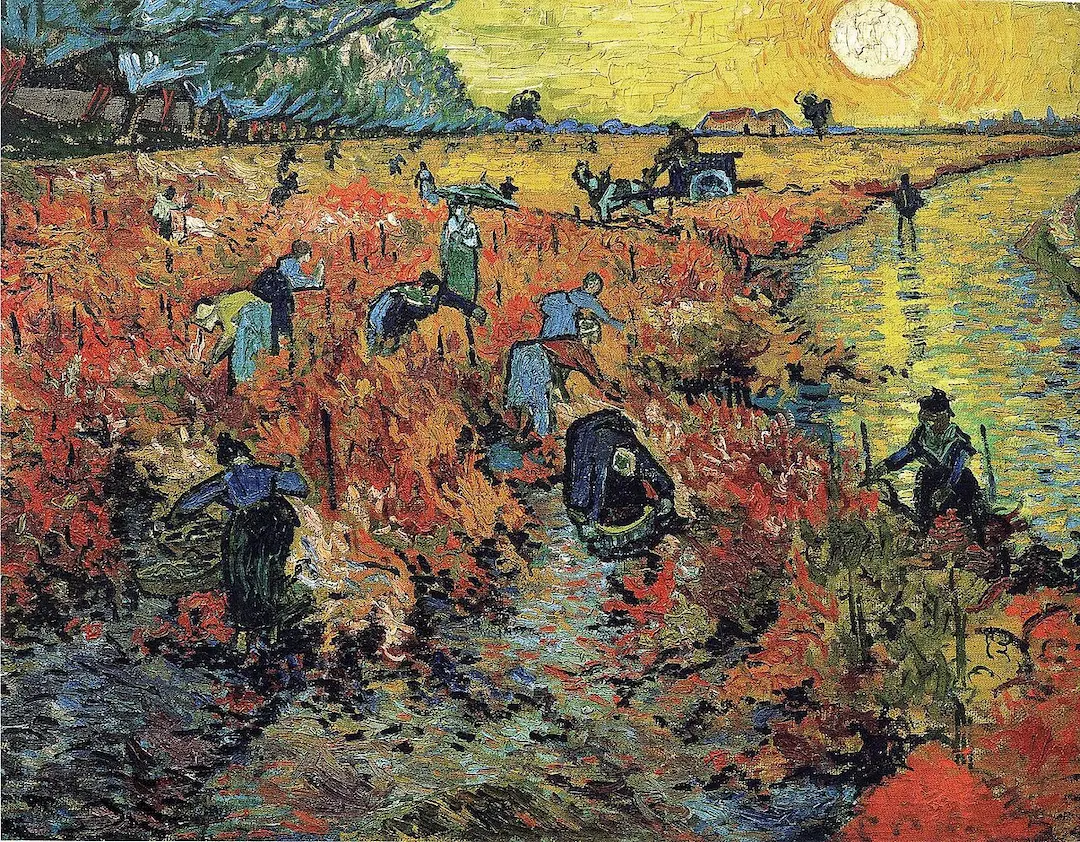
Vincent Van Gogh’s mastery shines through in "The Red Vineyard," where his use of oil on canvas brings the autumnal landscape to life. The swirling brushwork and bold color palette are characteristic of the Post-Impressionism movement, creating a tactile and immersive experience. Collectors seeking a fine art painting for sale often gravitate toward Van Gogh’s works, including "Autumn Landscape with Four Trees" and "Skull With Burning Cigarette," for their expressive power and historical significance.
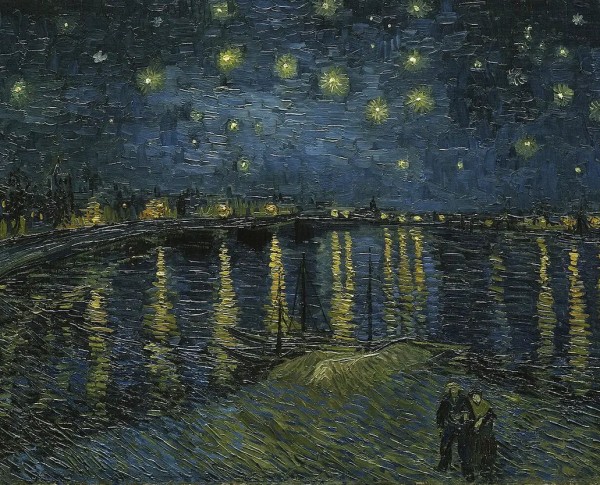
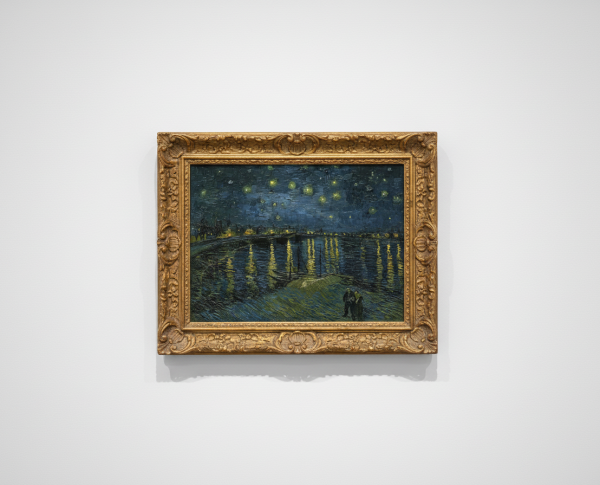
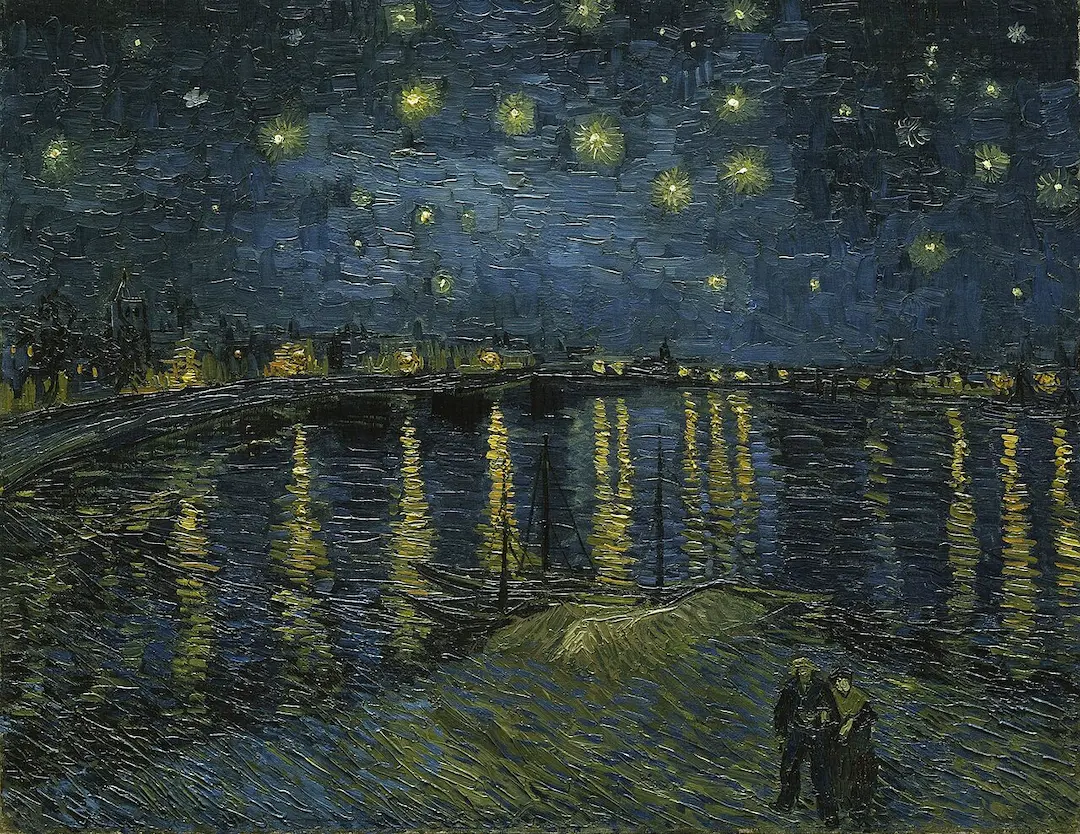
"The Red Vineyard" tells a compelling story through its vivid imagery and symbolic use of color, hallmarks of Van Gogh’s Post-Impressionism approach. The painting is more than just a hand-painted oil painting; it’s a narrative of labor, nature, and the artist’s personal struggles. Art enthusiasts often connect this work with other pieces like "Starry Night Over The Rhone" and "The Drinkers," discovering layers of meaning and emotion woven throughout Van Gogh’s portfolio.
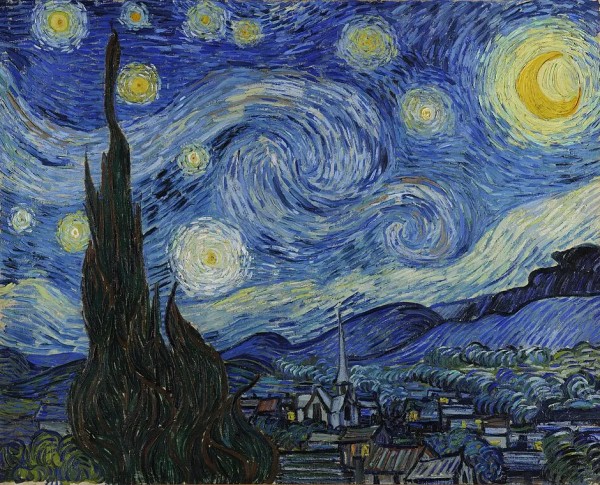
For collectors, owning "The Red Vineyard" is akin to possessing a piece of art history. This oil on canvas masterpiece by Vincent Van Gogh is sought after by those who appreciate the innovation of the Post-Impressionism movement. Alongside related products such as "Starry Night" and "Bowl With Peonies And Roses," this fine art painting for sale continues to captivate with its rich hues and dynamic composition, making it a prized addition to any collection.
When Art Meets History
"The Red Vineyard" by Vincent Van Gogh stands as a remarkable example of Post-Impressionism, created during a pivotal time in art history. This hand-painted oil painting captures the vibrant essence of rural life, much like related masterpieces such as "A Sunday Afternoon on the Island of La Grande Jatte" and "One Of The Family." Van Gogh’s work immortalizes a fleeting moment, blending historical context with artistic innovation that continues to inspire admirers and collectors worldwide.
Techniques That Speak
Vincent Van Gogh’s "The Red Vineyard" showcases his signature use of bold brushstrokes and vivid colors, hallmarks of the Post-Impressionism movement. The oil on canvas technique allows for remarkable depth and texture, similar to what can be observed in "Two Tahitian Women." Through thick layers of paint and expressive lines, Van Gogh brings the vineyard to life, demonstrating how oil on canvas can transform a simple scene into a dynamic visual experience.
Emotions on Display
In "The Red Vineyard," Van Gogh conveys a powerful sense of emotion, infusing the landscape with warmth and vitality. This fine art painting for sale is celebrated for its ability to evoke feelings of hope and resilience, characteristics shared with related works like "One Of The Family." Van Gogh’s mastery in capturing human connection to nature makes this painting a deeply moving example of the emotional depth achievable in Post-Impressionist art.
Coveted by Collectors
"The Red Vineyard" has long been coveted by collectors and art enthusiasts, not only for its beauty but also for its unique place in Van Gogh’s oeuvre. As a rare hand-painted oil painting, it stands alongside iconic pieces like "Two Tahitian Women" as a testament to the enduring appeal of Post-Impressionism. Its presence in collections worldwide affirms the ongoing demand for fine art painting for sale from this influential movement and artist.
Related Post-Impressionism Hand-Painted Oil Paintings by Other Artists
Other Famous Post-Impressionism Artists:
Frequently Asked Questions About The Red Vineyard
What is the historical significance of The Red Vineyard?
The Red Vineyard, painted in 1888, is notable for being one of the few works by Vincent Van Gogh that was sold during his lifetime, highlighting the artist's struggle for recognition and the challenges faced by many artists of his era.
What artistic techniques did Van Gogh employ in The Red Vineyard?
Van Gogh utilized bold brush strokes and vibrant colors to convey emotion and movement, characteristic of his post-impressionist style. The use of impasto technique adds texture and depth to the painting.
What does the color red symbolize in The Red Vineyard?
The color red in this painting symbolizes passion, energy, and the vitality of life. It also reflects the intensity of Van Gogh's emotional state during the time of its creation.
Who are the figures depicted in The Red Vineyard?
The figures in the painting are believed to represent local vineyard workers, capturing the essence of rural life in Arles, France, where Van Gogh lived for a significant period.
How does The Red Vineyard reflect Van Gogh's life in Arles?
The Red Vineyard reflects Van Gogh's fascination with the landscape and culture of Arles, showcasing his appreciation for the natural beauty and the labor of the local people, which profoundly influenced his artistic vision.
What themes are explored in The Red Vineyard?
The painting explores themes of labor, community, and the relationship between humans and nature. It emphasizes the connection between the workers and the land they cultivate, celebrating their hard work and dedication.
How does The Red Vineyard compare to Van Gogh's other works?
Compared to other works by Van Gogh, The Red Vineyard stands out for its vibrant color palette and the depiction of agricultural life, showcasing a more optimistic and lively atmosphere than some of his darker, more introspective pieces.
What influence did The Red Vineyard have on later artists?
The Red Vineyard has influenced many artists in the post-impressionist and expressionist movements, inspiring them to explore color and emotional expression in their own interpretations of landscape and rural life.
What is the current location of The Red Vineyard?
The Red Vineyard is housed in the Pushkin Museum of Fine Arts in Moscow, Russia, where it continues to be a significant piece in the study of Van Gogh's oeuvre and the evolution of modern art.
What was Van Gogh's intention behind creating The Red Vineyard?
Van Gogh intended to capture the beauty and vibrancy of rural life, as well as to express his emotional connection to the landscape and its inhabitants, reflecting his desire to find solace and inspiration in nature.






















_GFM_Painting_(1).webp)


 100% Hand-Painted: Finished in 3-6 Weeks

.png)
















_(1).webp)