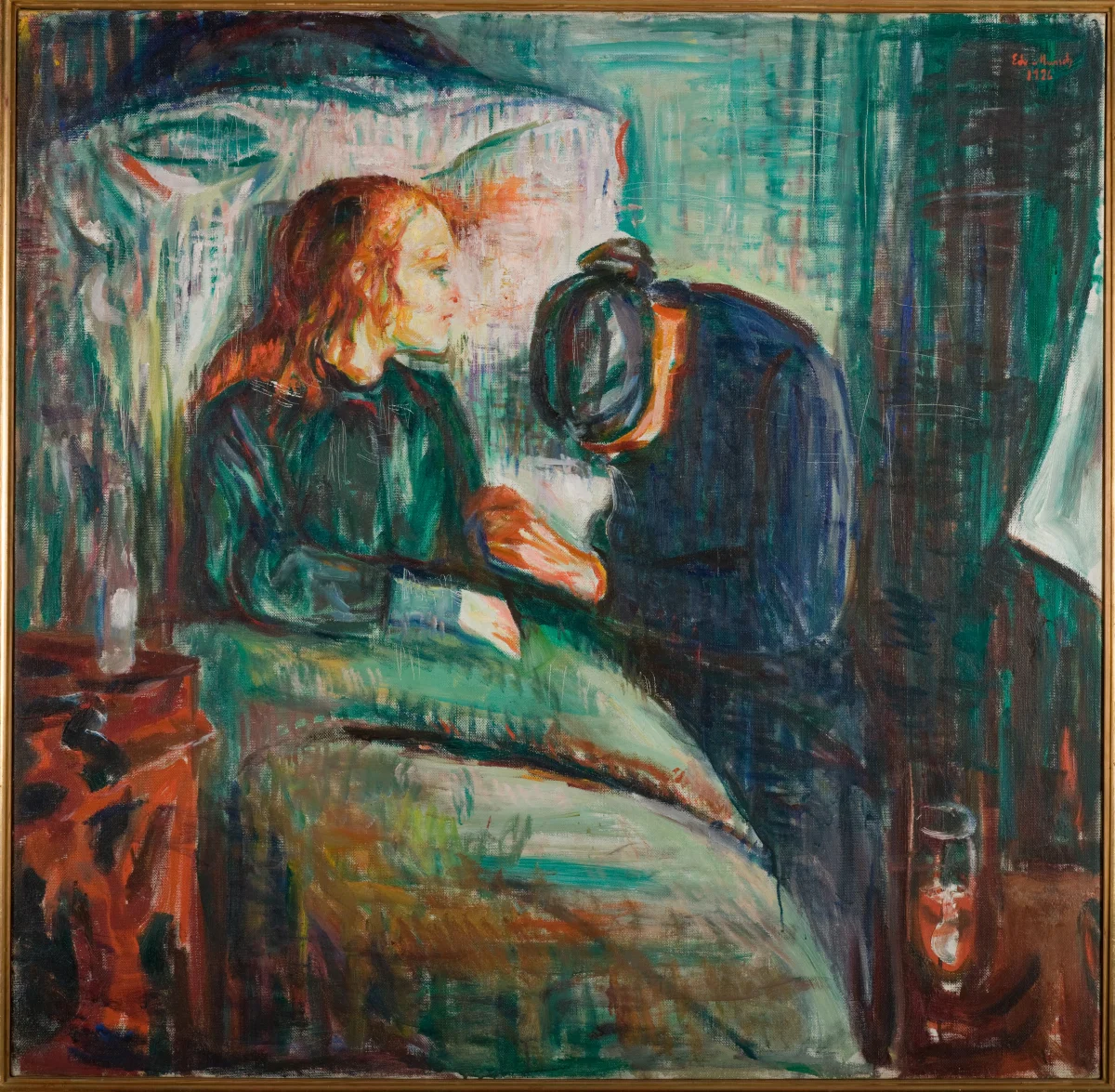
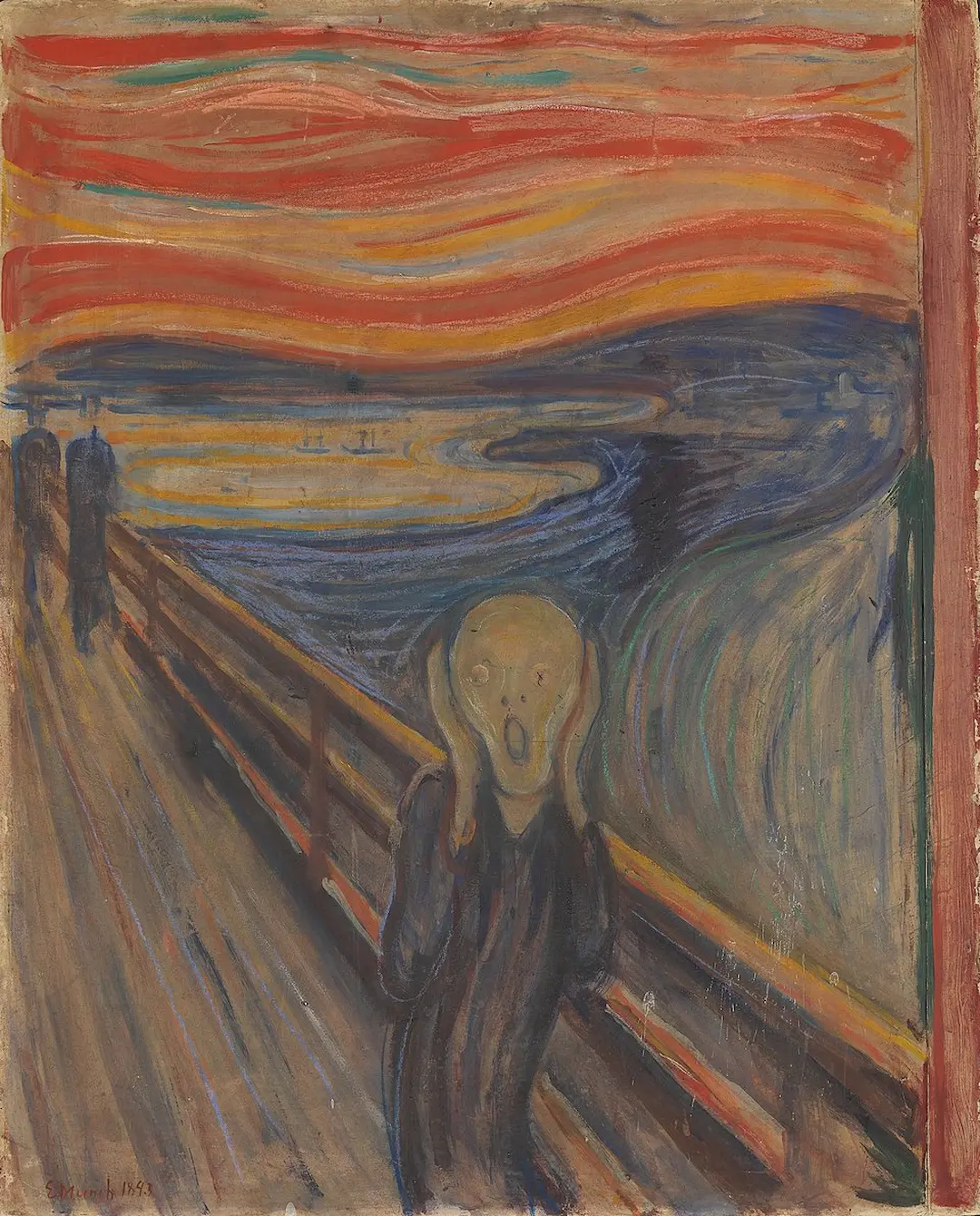
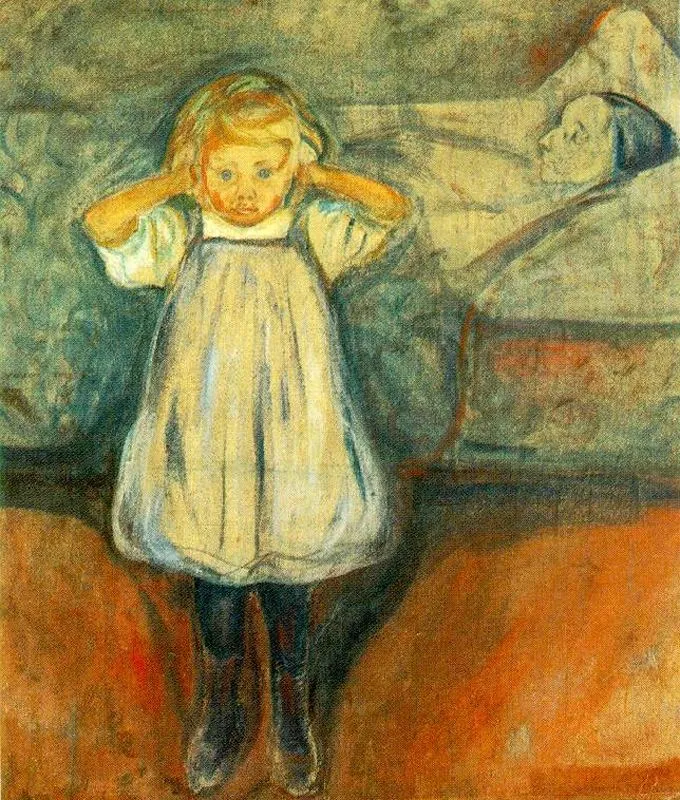
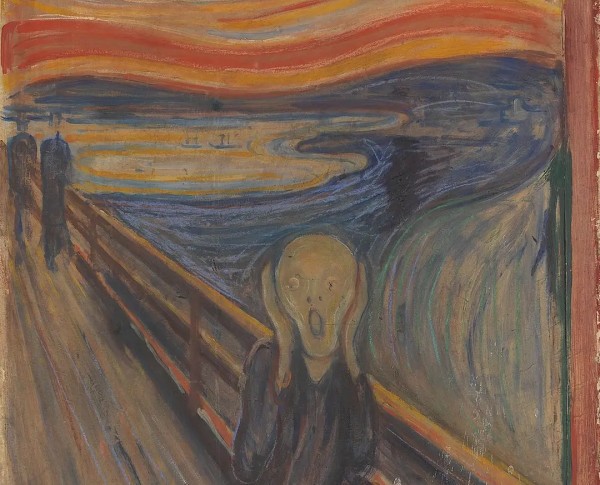
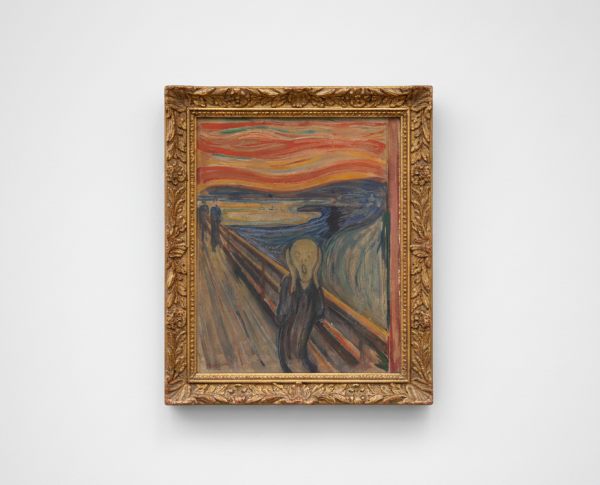
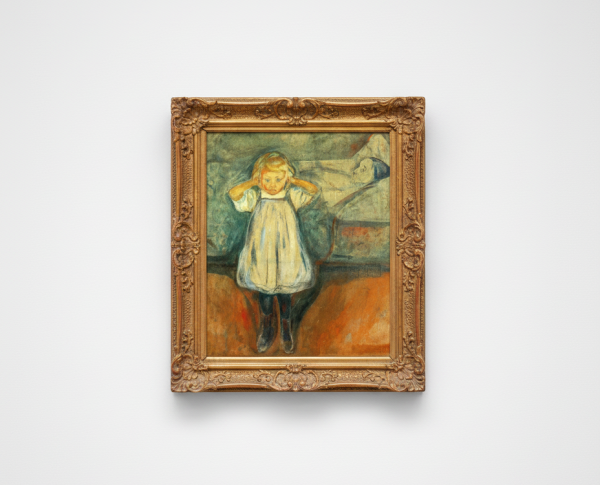
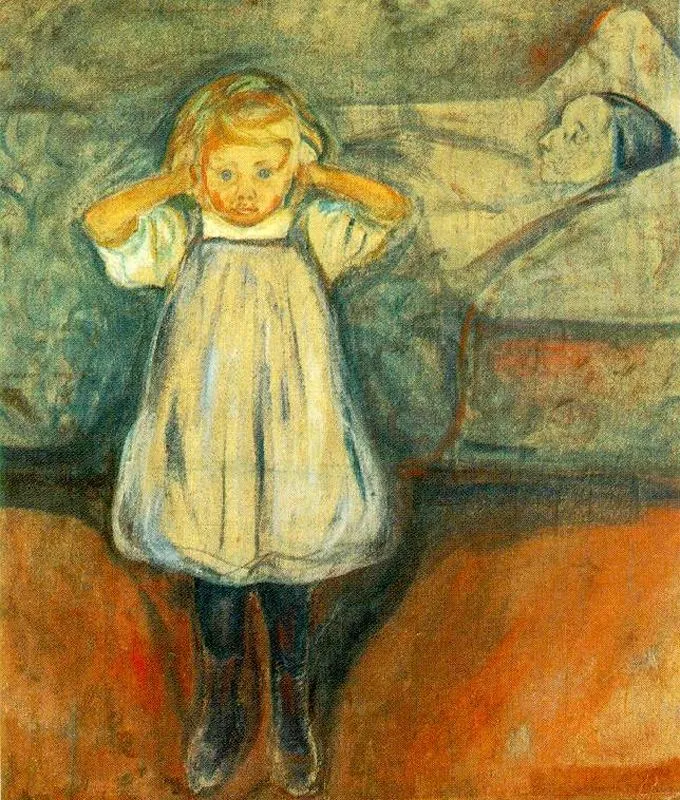
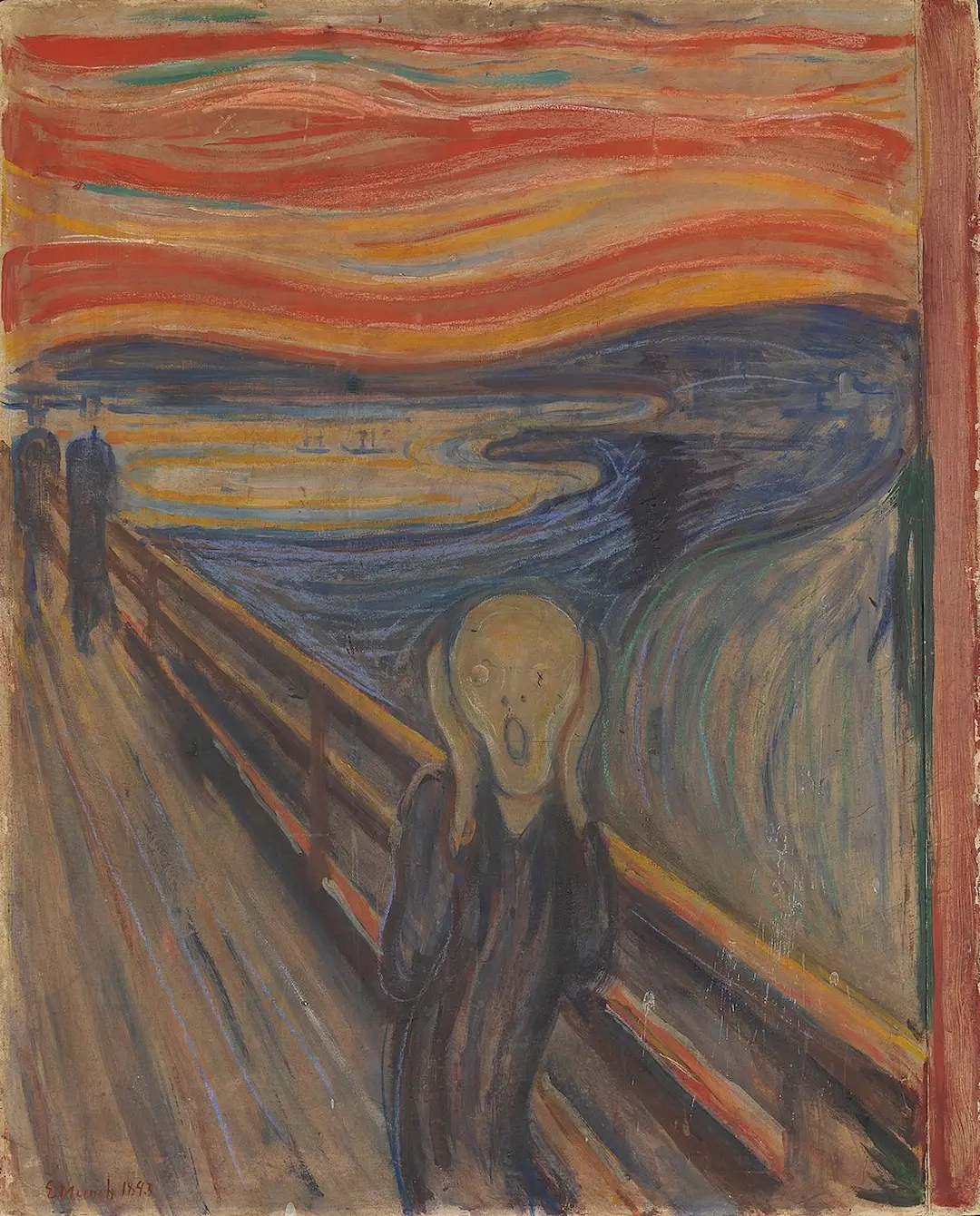
Edvard Munch’s "Death and the Child" is a striking example of oil on canvas technique, with each brushstroke contributing to its haunting atmosphere. The painting’s expressive style is emblematic of Expressionism, where Munch’s mastery shines through. His technique in this oil on canvas composition echoes the emotive power seen in "The Scream," making it a must-see for those who appreciate the technical and emotional depth found in great Expressionist works.
In "Death and the Child," Edvard Munch weaves a poignant narrative through symbolic imagery. This fine art painting for sale portrays the vulnerability of childhood in the presence of death, a recurring motif in Expressionism. The emotional story resonates with viewers, much like the themes explored in "The Scream." Collectors searching for a fine art painting for sale that tells a powerful story will be drawn to its evocative symbolism and emotional resonance.
For art collectors, "Death and the Child" by Edvard Munch stands as a valuable addition to any fine art collection. This hand-painted oil painting not only represents the Expressionism movement but also complements other works by Munch, such as "The Scream." Its historical significance and emotional depth make it a sought-after piece for those who appreciate hand-painted oil paintings with a rich legacy and profound impact.
When Art Meets History
Edvard Munch’s “Death and the Child” stands as a profound example of Expressionism, capturing the turbulent emotions of a pivotal era. Painted in 1889, this hand-painted oil painting reflects the artist’s personal experiences with loss and mortality. Munch, renowned for works like “The Scream,” channels his unique vision into this piece, making it a cornerstone of the Expressionist movement. “Death and the Child” continues to resonate with viewers, highlighting the deep connection between art and historical context.
Techniques That Speak
Munch’s mastery of oil on canvas is evident in “Death and the Child,” where bold brushstrokes and vibrant colors evoke a sense of urgency and despair. The artist employs layered textures and dramatic contrasts, hallmarks of Expressionism, to bring the scene to life. Through these techniques, Munch creates a hauntingly vivid atmosphere, much like in his other works, allowing viewers to fully immerse themselves in the emotional intensity of this fine art painting for sale.
Emotions on Display
“Death and the Child” is a testament to Edvard Munch’s ability to convey raw emotion through art. The painting’s somber tones and expressive figures communicate themes of grief, fear, and innocence lost. As with many of his Expressionist pieces, Munch invites the viewer to confront their own feelings about mortality and vulnerability. This hand-painted oil painting is a powerful reminder of the emotional depth that fine art can achieve, making it a standout in Munch’s oeuvre.
Coveted by Collectors
As a significant work in the Expressionism movement, “Death and the Child” is highly sought after by art enthusiasts and collectors. Its status as a fine art painting for sale enhances its appeal, representing both historical significance and artistic mastery. Edvard Munch’s unique style, also seen in related paintings like “The Scream,” ensures that his works remain valuable additions to any collection, reflecting the enduring fascination with Expressionist oil on canvas masterpieces.
Frequently Asked Questions About Death and the Child
What is the historical context of "Death and the Child"?
"Death and the Child" was painted by Edvard Munch in 1899, a time marked by significant changes in European society, including the rise of modernism and existential thought. The painting reflects the anxieties of the late 19th century, particularly surrounding themes of mortality and the human condition.
What artistic techniques did Edvard Munch use in "Death and the Child"?
Munch employed a combination of bold colors, expressive brushwork, and symbolic imagery to convey deep emotional resonance. The use of contrasting colors enhances the tension between life and death, while the figures are depicted in a stylized manner that emphasizes their emotional states.
What are the main themes represented in "Death and the Child"?
The painting explores themes of mortality, innocence, and the relationship between life and death. It portrays the juxtaposition of a child's innocence against the inevitability of death, prompting viewers to reflect on the fragility of life.
How does "Death and the Child" reflect Edvard Munch's personal experiences?
Munch's work is often influenced by his own life experiences, including the death of his mother from tuberculosis when he was a child. This personal tragedy profoundly shaped his artistic vision and is evident in the themes of loss and existential dread present in "Death and the Child."
What symbolism is present in "Death and the Child"?
The figures in the painting symbolize the inevitability of death and the innocence of childhood. The child represents purity and vulnerability, while the figure of death embodies the universal fate that awaits all. This duality invites viewers to contemplate the cycle of life.
In what ways does "Death and the Child" connect to Munch's other works?
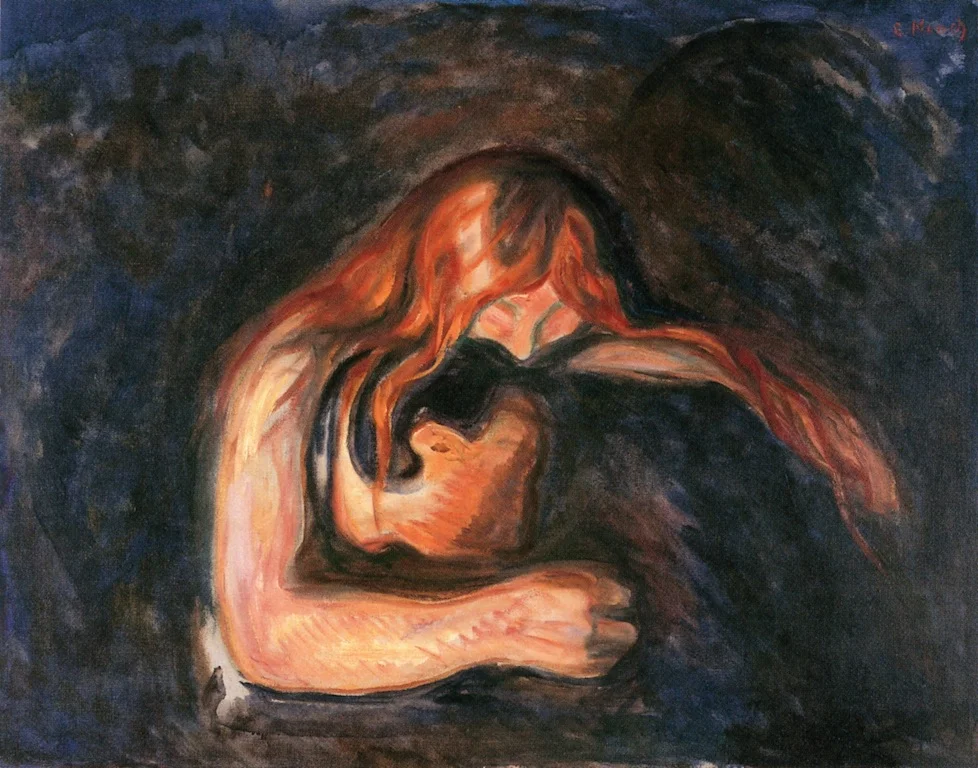
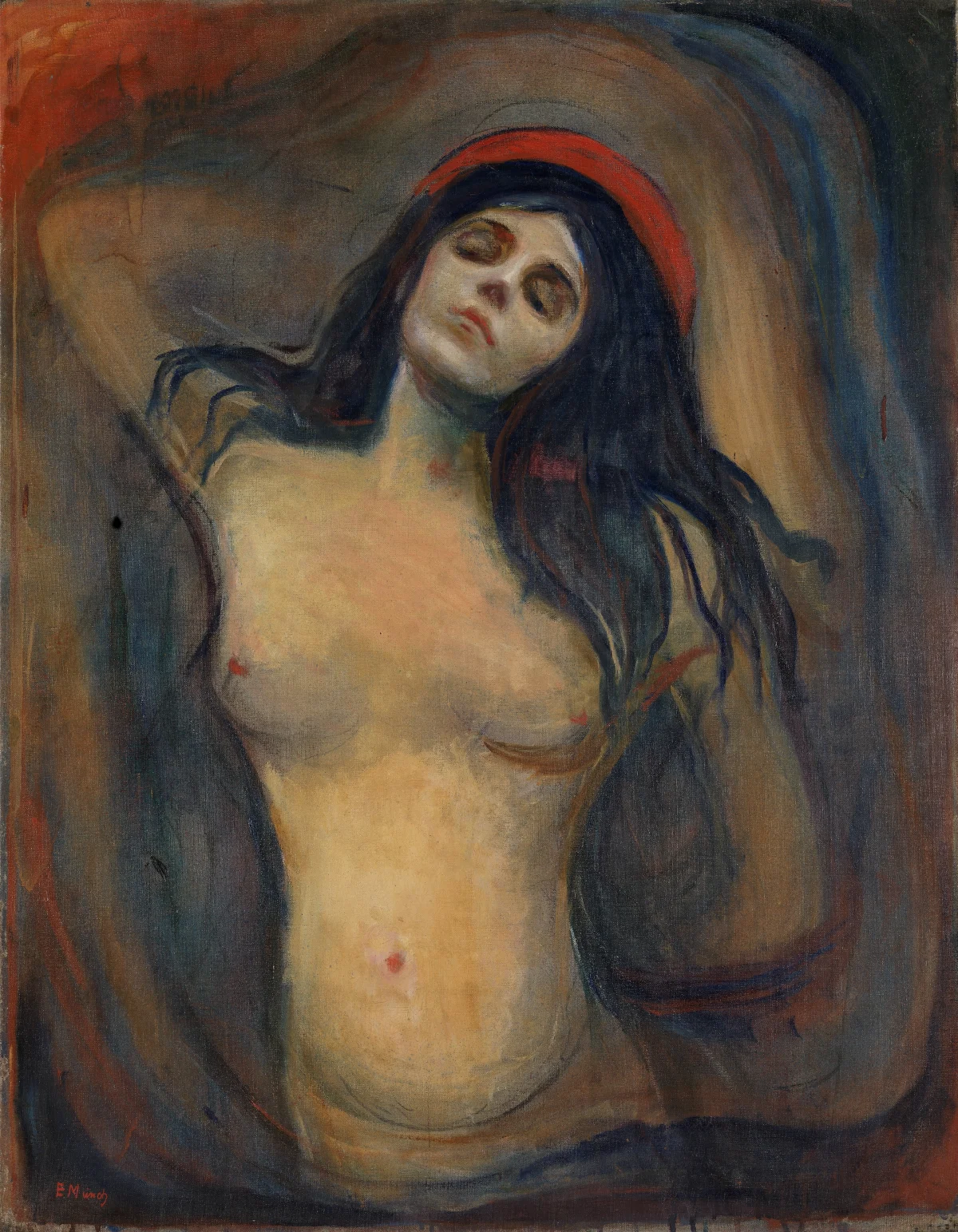
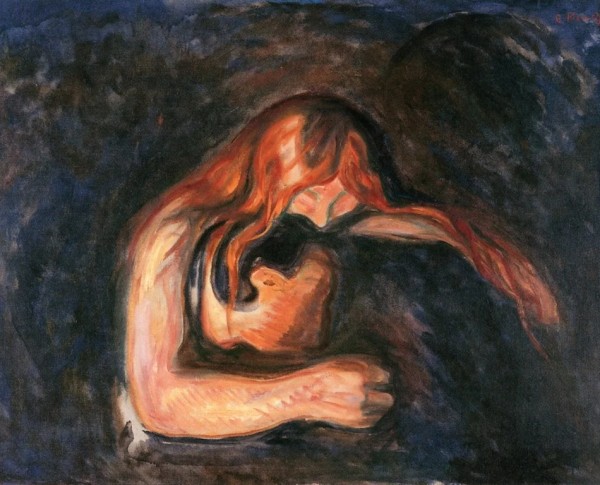
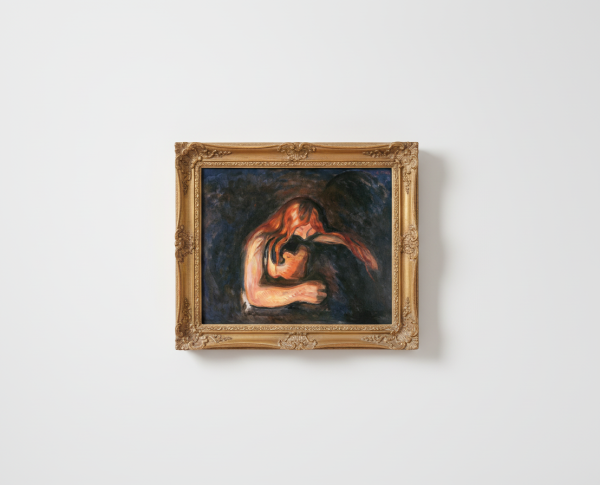
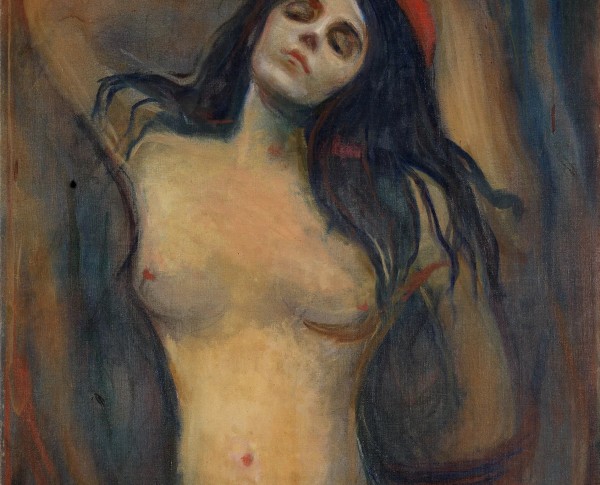
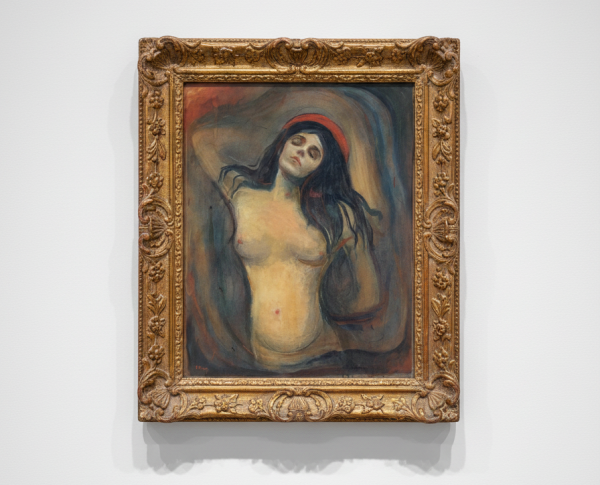
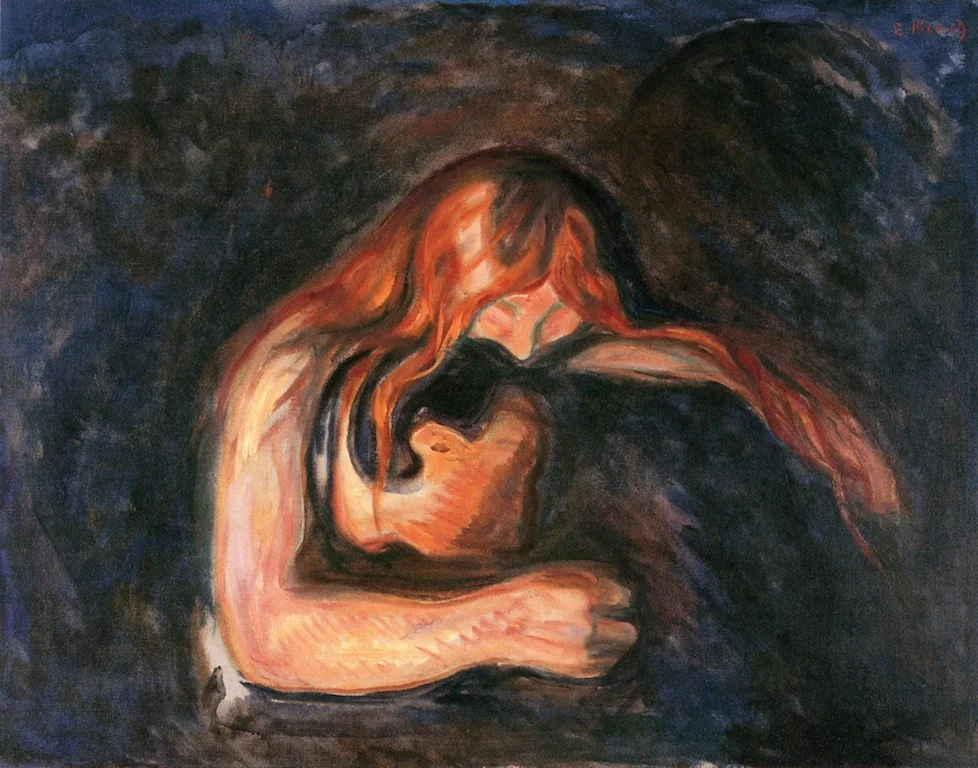
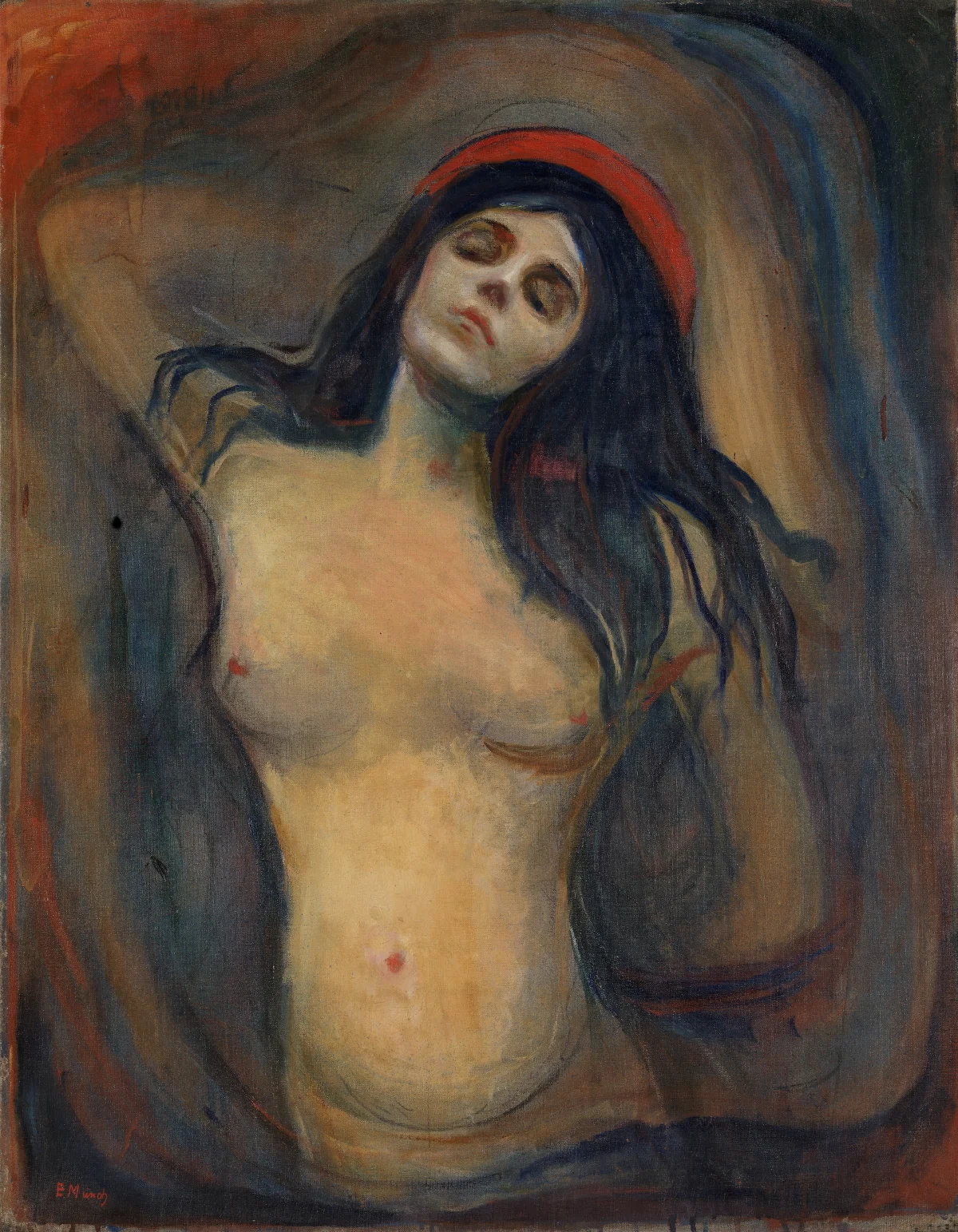
"Death and the Child" shares thematic similarities with Munch's other notable works, such as "The Scream" and "The Madonna," where he often delves into themes of anxiety, love, and mortality. This painting can be seen as part of Munch's exploration of human emotions and existential concerns.
What impact did "Death and the Child" have on the art world?
The painting contributed to the Symbolist movement and influenced subsequent generations of artists who grappled with similar themes. Munch's ability to convey complex emotions through visual art paved the way for modern expressionism, impacting both visual arts and literature.
How is "Death and the Child" interpreted by art critics?
Art critics often interpret "Death and the Child" as a poignant reflection on the human condition. The emotional intensity and the stark representation of death juxtaposed with childhood innocence evoke a visceral response, prompting discussions about the nature of existence and the inevitability of loss.
Where can "Death and the Child" be viewed today?
"Death and the Child" is part of various collections and exhibitions dedicated to Edvard Munch's work. It is essential to check with specific galleries or museums for current exhibitions featuring this significant piece.
What is the significance of the title "Death and the Child"?
The title "Death and the Child" encapsulates the central theme of the painting, highlighting the contrast between the finality of death and the purity of childhood. It serves as a reminder of the transient nature of life and the emotional weight carried by both concepts.






















_GFM_Painting_(1).webp)


 100% Hand-Painted: Finished in 3-6 Weeks

.png)















_(1).webp)