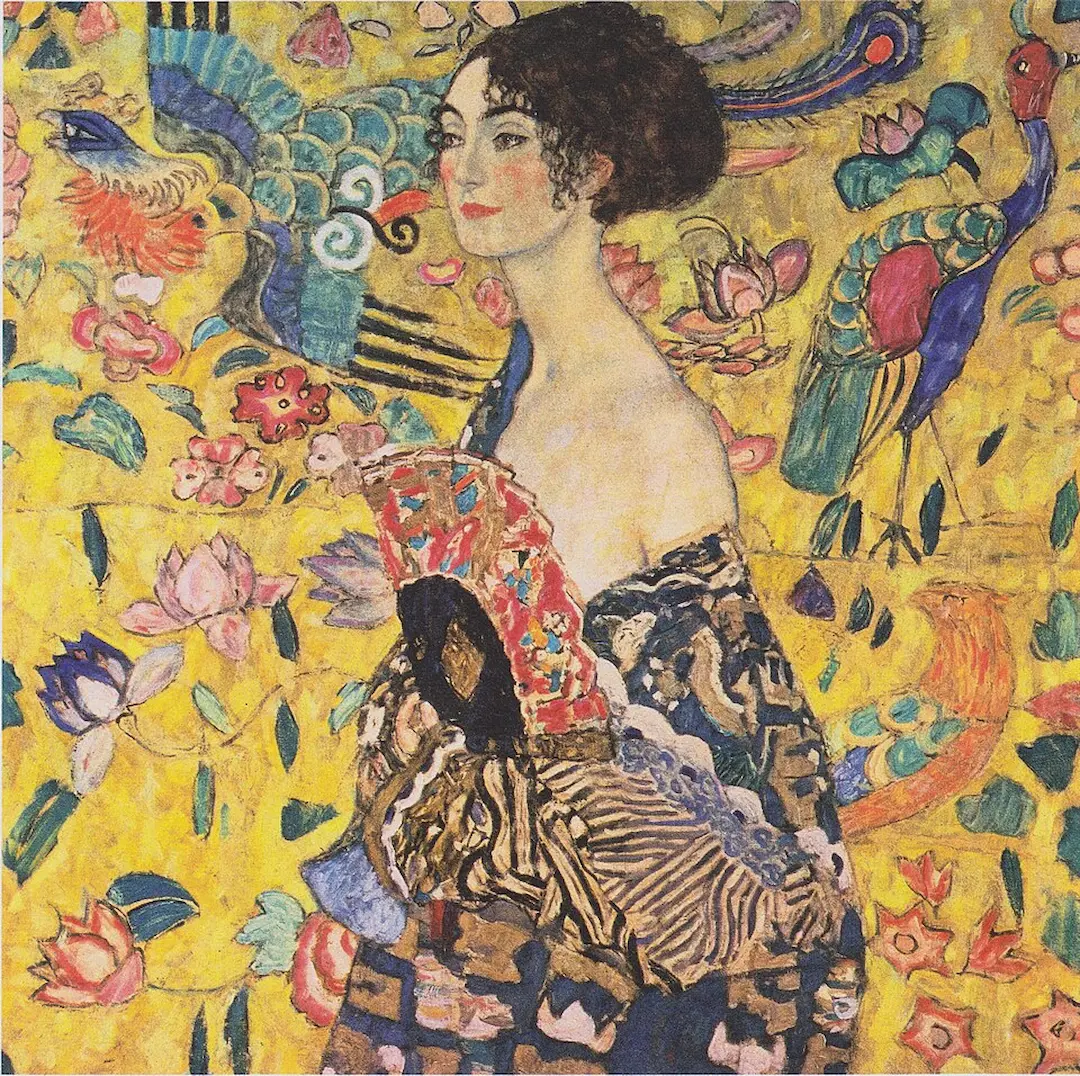
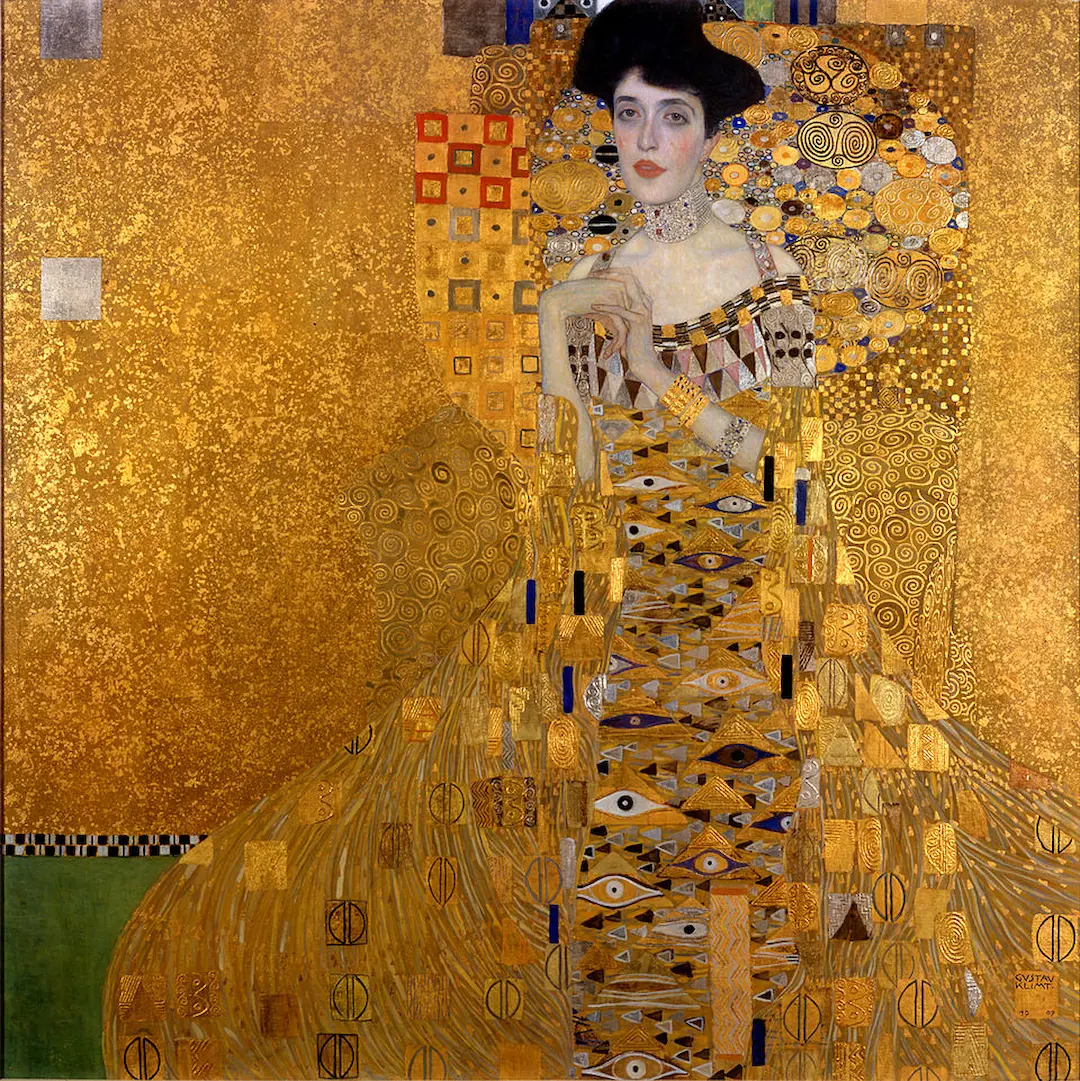
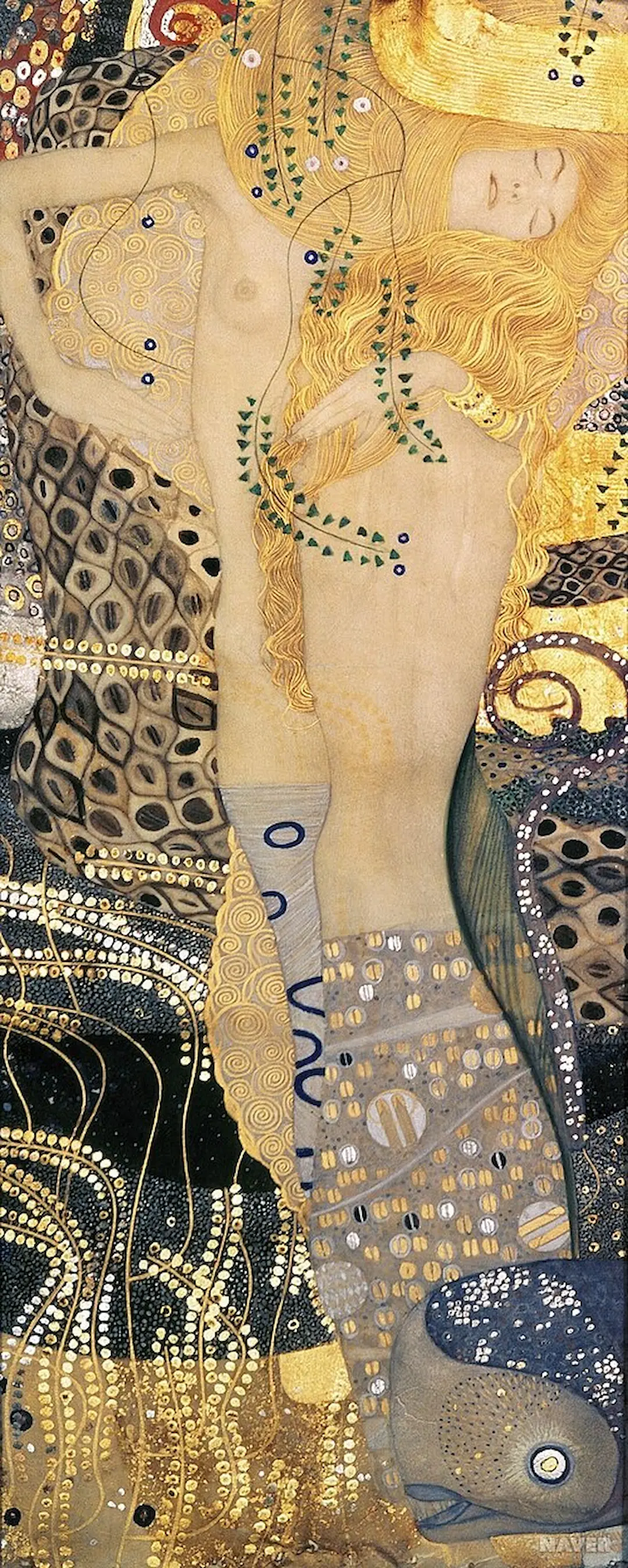
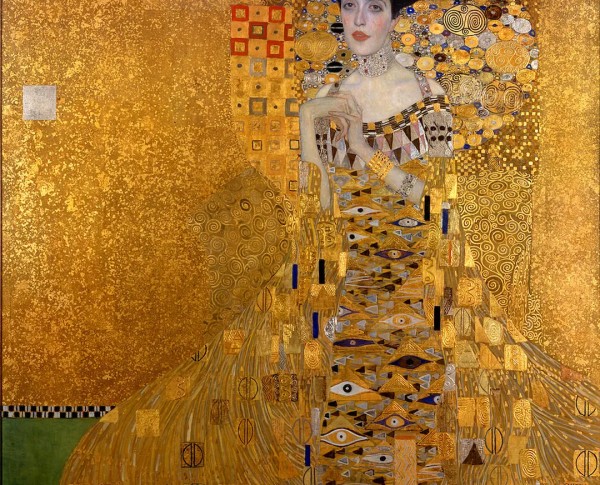
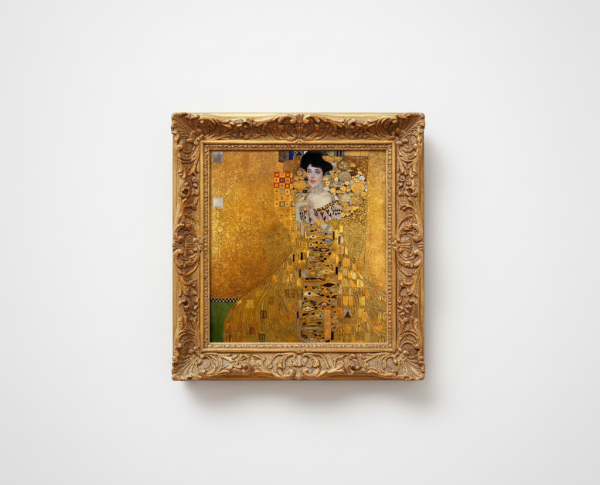
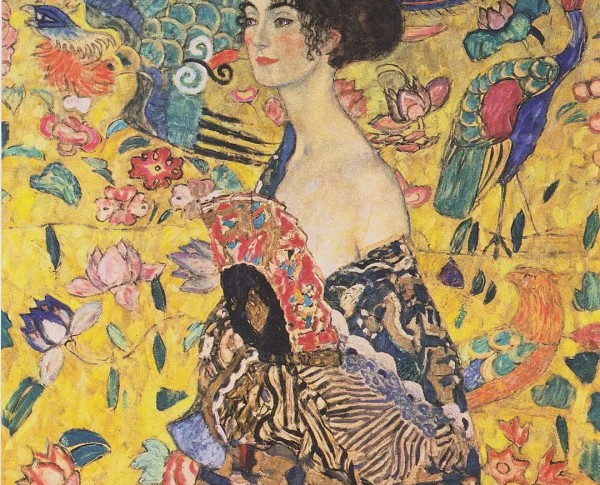
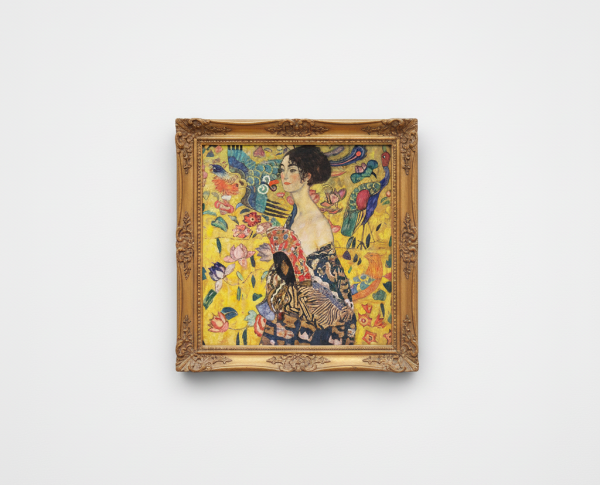
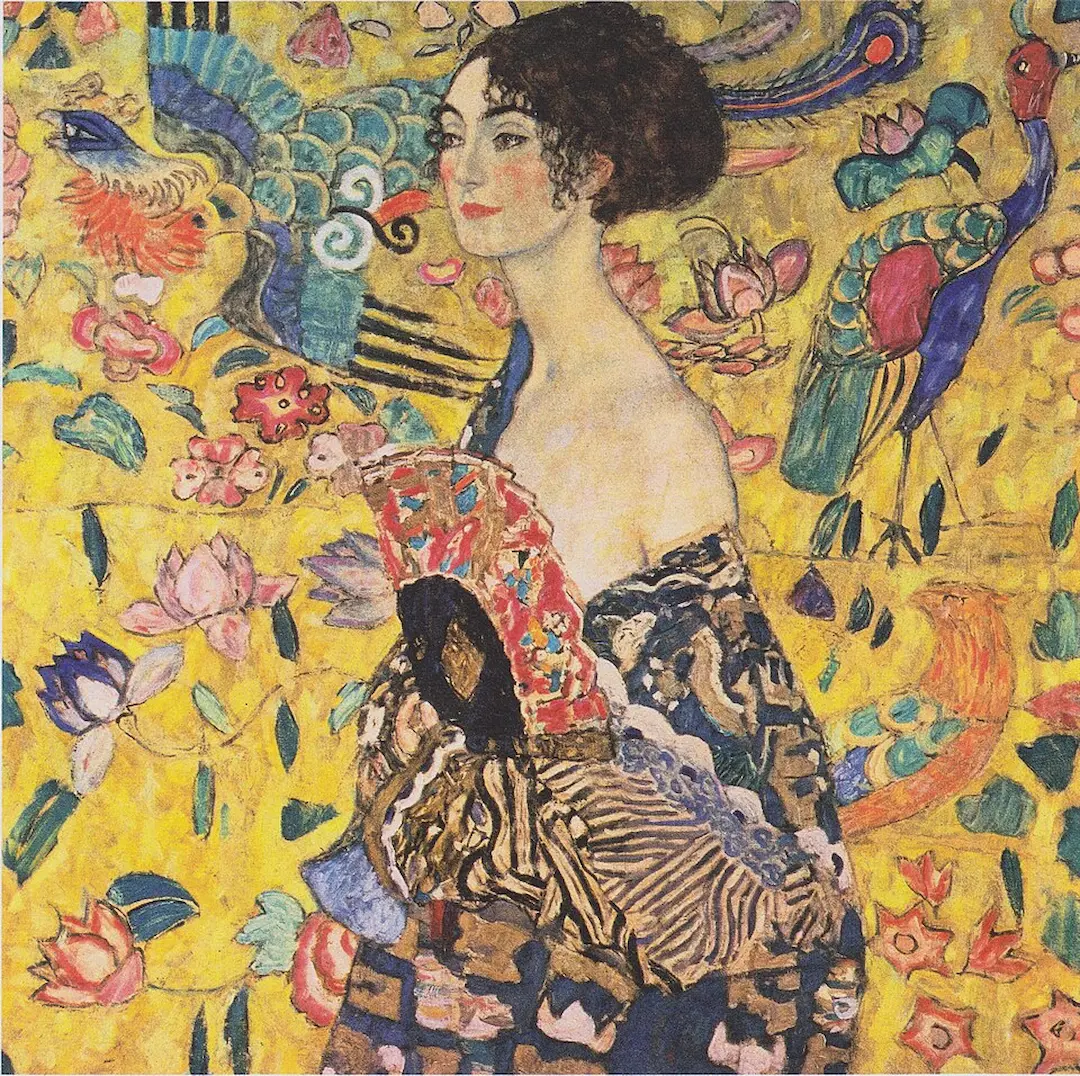
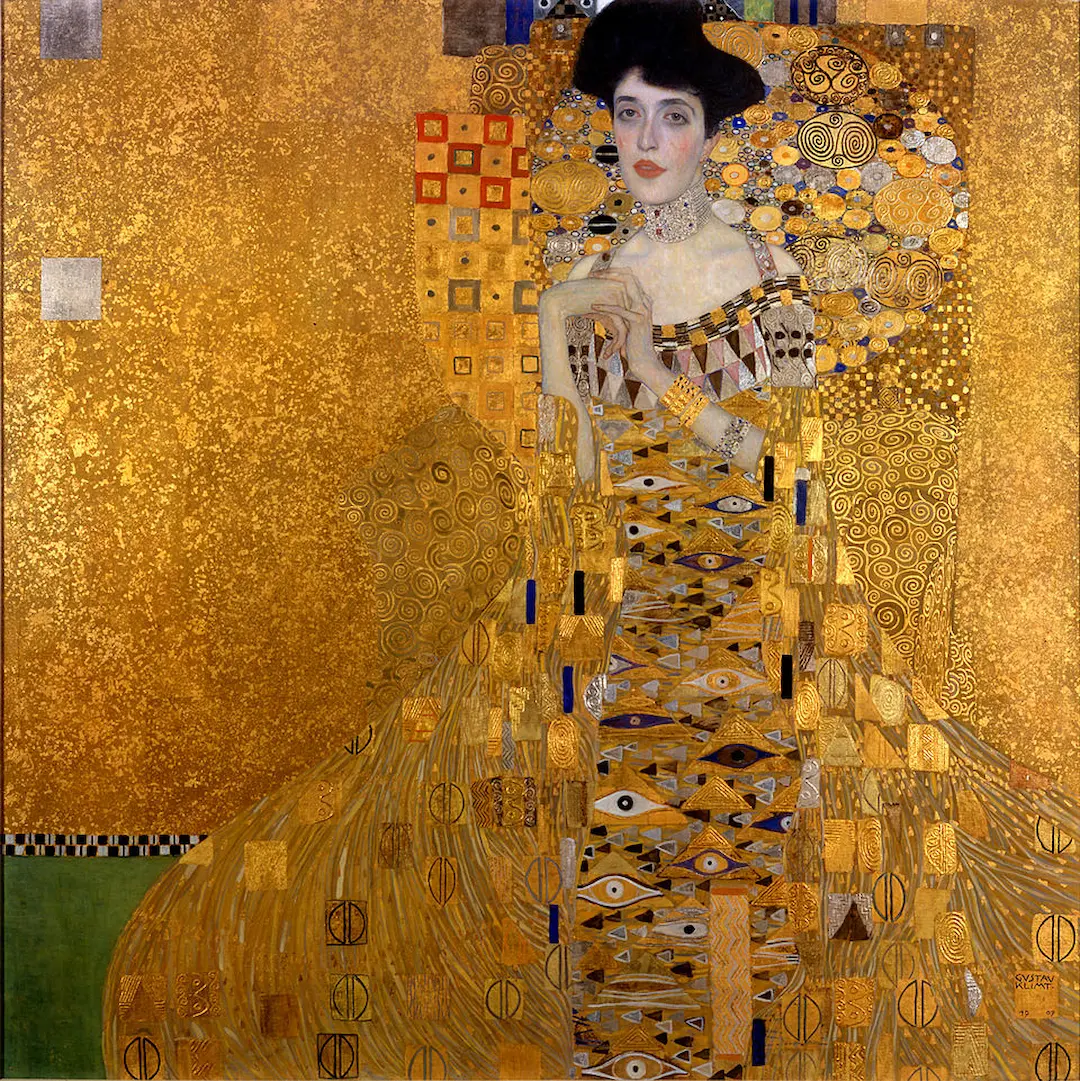
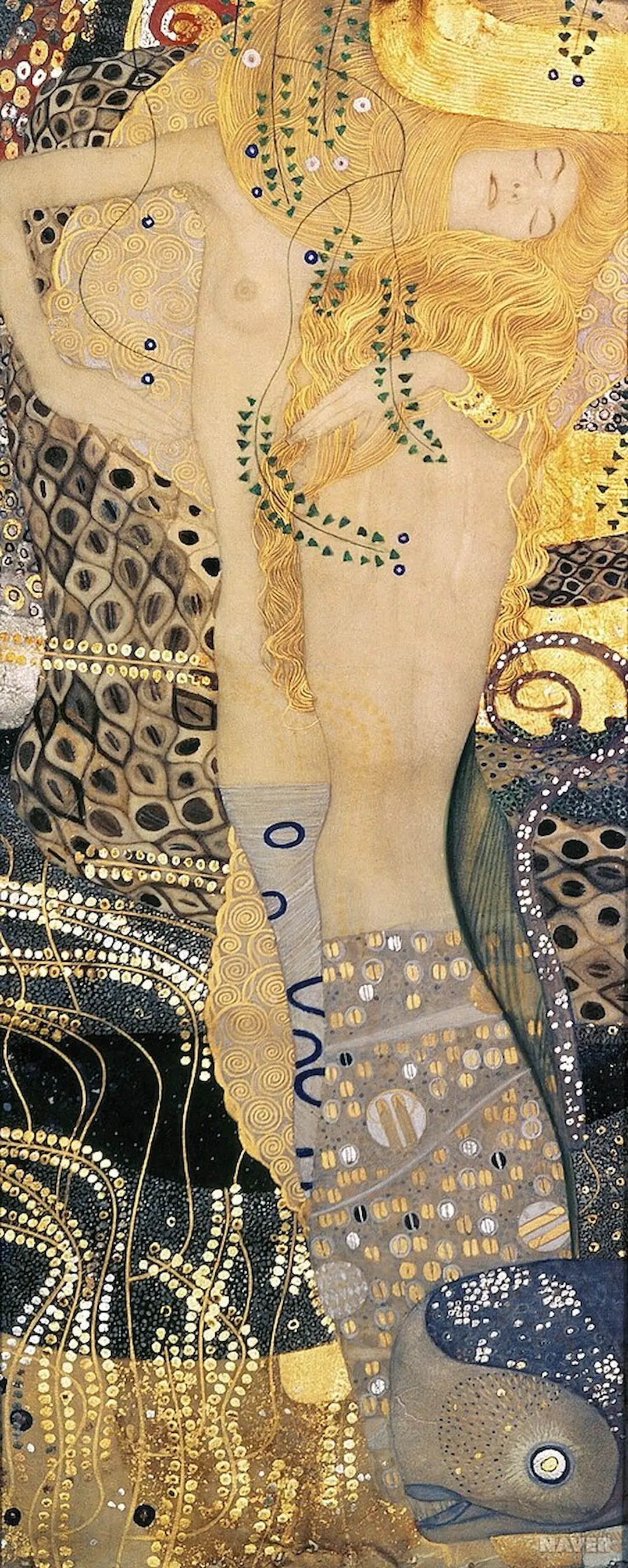
With "Lady With Fan," Klimt demonstrates his exceptional technique in oil on canvas, blending delicate patterns and radiant gold hues. The painting’s intricate details reveal the artist’s meticulous craftsmanship, characteristic of the Vienna Secession movement. Klimt’s skillful brushwork breathes life into the subject, making each glance captivating. Those who appreciate "Lady With Fan" often admire related masterpieces such as "Water Serpents I" and "Portrait Of Adele Bloch Bauer I" for their similar artistic brilliance.
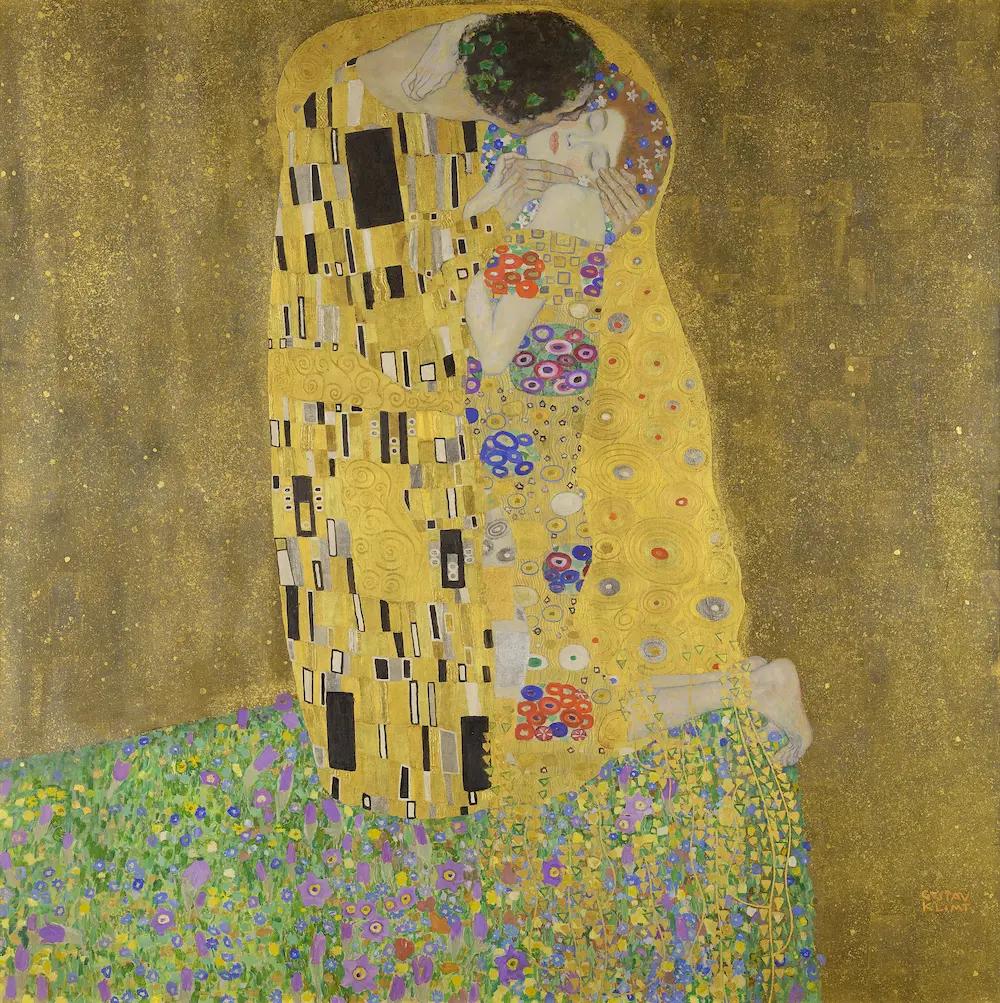
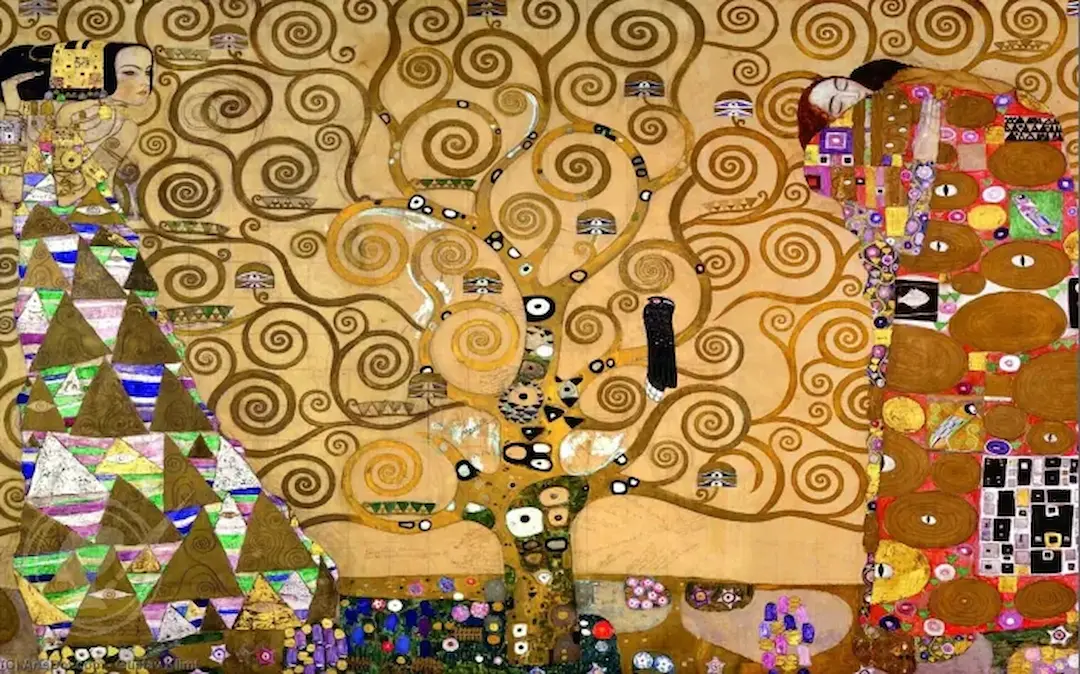
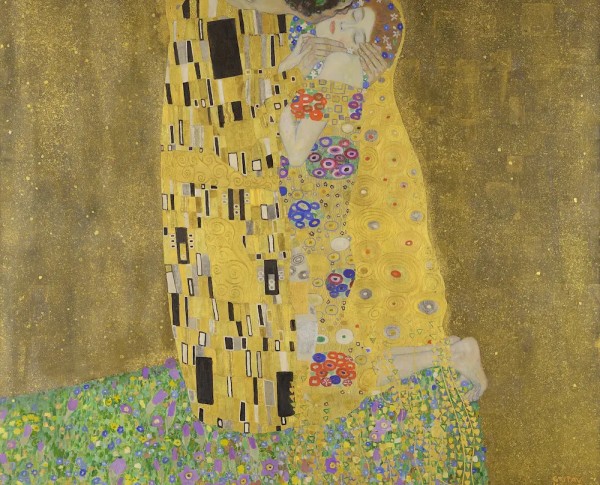
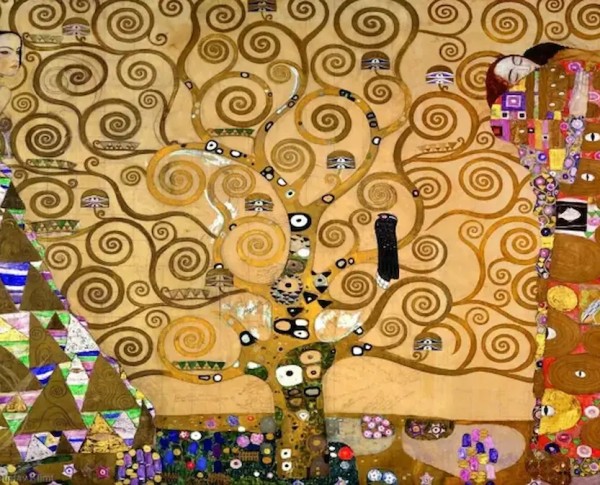
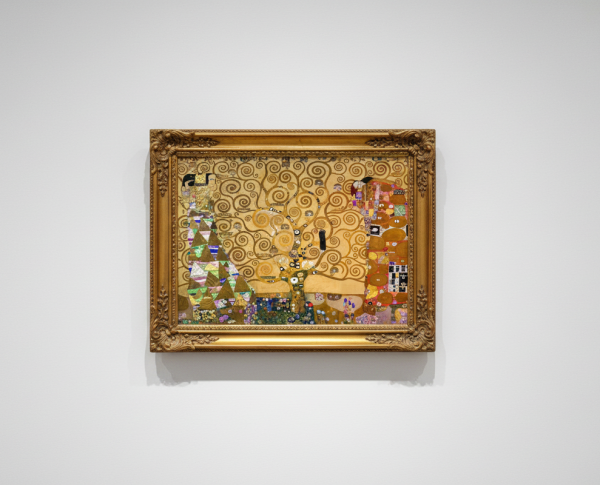
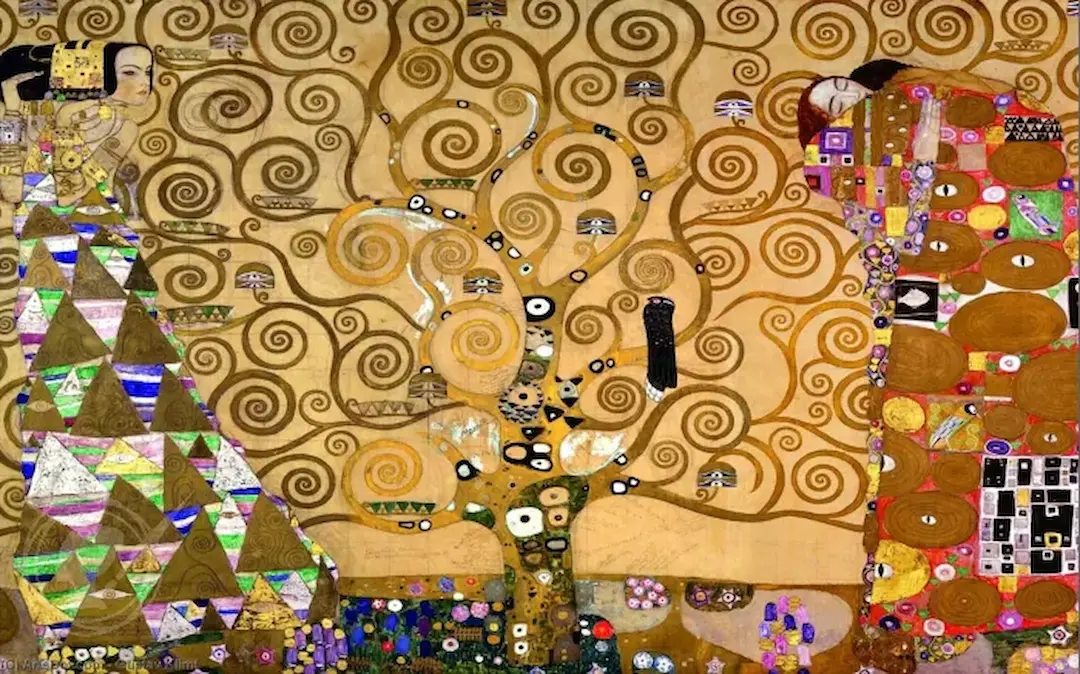
Every hand-painted oil painting by Gustav Klimt tells a unique story, and "Lady With Fan" is no exception. The work is rich with symbolism, from the oriental motifs to the enigmatic expression of the subject. As part of the Vienna Secession, Klimt infused his art with layers of meaning, inviting viewers to interpret each detail. Collectors often pair this masterpiece with related products like "The Kiss" or "The Tree of Life" to enhance their collections.
"Lady With Fan" is a prized oil on canvas that continues to captivate art lovers and collectors worldwide. Its place within Gustav Klimt’s celebrated oeuvre and the Vienna Secession movement makes it a sought-after fine art painting for sale. Owning this remarkable piece, or its related works such as "Portrait Of Adele Bloch Bauer I" and "Water Serpents I," represents a true appreciation of artistic legacy and timeless beauty.
When Art Meets History
"Lady With Fan" by Gustav Klimt stands as a remarkable example of the Vienna Secession movement, a pivotal moment in European art history. Painted in 1917-1918, this hand-painted oil painting reflects Klimt’s fascination with Asian motifs and patterns, which were gaining popularity among artists of the era. Similar to Klimt’s other works, such as "The Kiss" and "Portrait of Adele Bloch-Bauer I," "Lady With Fan" captures a unique blend of tradition and modernity.
Techniques That Speak
Gustav Klimt’s mastery shines through in this oil on canvas, where he employs delicate brushwork and radiant colors to create a sense of movement and depth. The artist’s signature use of gold leaf and intricate patterns is evident, echoing the decorative style found in many Vienna Secession pieces. "Lady With Fan" showcases Klimt’s ability to blend realism with abstraction, making it a standout among his fine art painting for sale from this influential period.
Emotions on Display
The subject of "Lady With Fan" exudes an enigmatic aura, her gaze inviting viewers to contemplate her inner world. Klimt’s sensitive portrayal, characteristic of the Vienna Secession movement, allows the viewer to connect emotionally with the sitter. This hand-painted oil painting captures both vulnerability and strength, much like Klimt’s other celebrated portraits. The interplay of color and pattern further enhances the emotive quality of this remarkable artwork.
Coveted by Collectors
As a testament to Gustav Klimt’s enduring legacy, "Lady With Fan" remains a highly sought-after oil on canvas among collectors worldwide. Its unique blend of Eastern and Western influences, combined with the artist’s distinctive style, ensures its place among the most desirable fine art painting for sale. The painting’s rich history and connection to the Vienna Secession movement make it a prized addition to any serious art collection.
Frequently Asked Questions About Lady With Fan
What is the historical context of "Lady With Fan"?
"Lady With Fan" was created by Gustav Klimt in 1917-1918, during a period marked by the aftermath of World War I. This era influenced Klimt's work, as he began to explore themes of femininity and intimacy, reflecting the societal changes occurring around him.
Who is the subject of "Lady With Fan"?
The subject of "Lady With Fan" is believed to be a woman named Adele Bloch-Bauer II, a prominent figure in Klimt's life and a patron of the arts. She was known for her beauty and social standing in Vienna's elite circles.
What artistic techniques did Klimt use in "Lady With Fan"?
Klimt employed his signature techniques, including the use of gold leaf and intricate patterns. The painting showcases his ability to blend realism with decorative elements, creating a rich visual texture that enhances the subject's allure.
What symbols are present in "Lady With Fan"?
The fan itself is a significant symbol in the painting, representing femininity and allure. Additionally, the floral patterns in the background may symbolize beauty and the ephemeral nature of life, a recurring theme in Klimt's work.
How does "Lady With Fan" reflect Klimt's artistic style?
The painting exemplifies Klimt's distinctive style, characterized by the fusion of ornamental design and figurative representation. His use of color, pattern, and symbolism creates a harmonious composition that captivates the viewer.
What is the significance of the color palette in "Lady With Fan"?
The color palette of "Lady With Fan" features warm golds and rich earth tones, which evoke a sense of intimacy and warmth. This choice enhances the emotional depth of the painting, inviting viewers to connect with the subject on a personal level.
How does "Lady With Fan" compare to Klimt's other works?
While "Lady With Fan" shares similarities with Klimt's other portraits, such as the emphasis on decorative elements and the portrayal of women, it stands out for its more intimate and introspective quality, reflecting a shift in Klimt's artistic focus during his later years.
What themes are explored in "Lady With Fan"?
The painting explores themes of femininity, beauty, and the complexity of human relationships. Klimt's portrayal of the subject suggests both strength and vulnerability, inviting contemplation on the nature of womanhood in early 20th-century society.
What impact did "Lady With Fan" have on the art world?
"Lady With Fan" is considered a significant work in the context of modern art, as it exemplifies the transition from traditional portraiture to more expressive and symbolic representations. Klimt's innovative approach has influenced countless artists and continues to resonate in contemporary art.
Where can I view "Lady With Fan" today?
"Lady With Fan" is part of a private collection and is occasionally exhibited in major art galleries and museums around the world. Its availability for public viewing may vary, so it is advisable to check with specific institutions for current exhibitions.






















_GFM_Painting_(1).webp)


 100% Hand-Painted: Finished in 3-6 Weeks

.png)















_(1).webp)