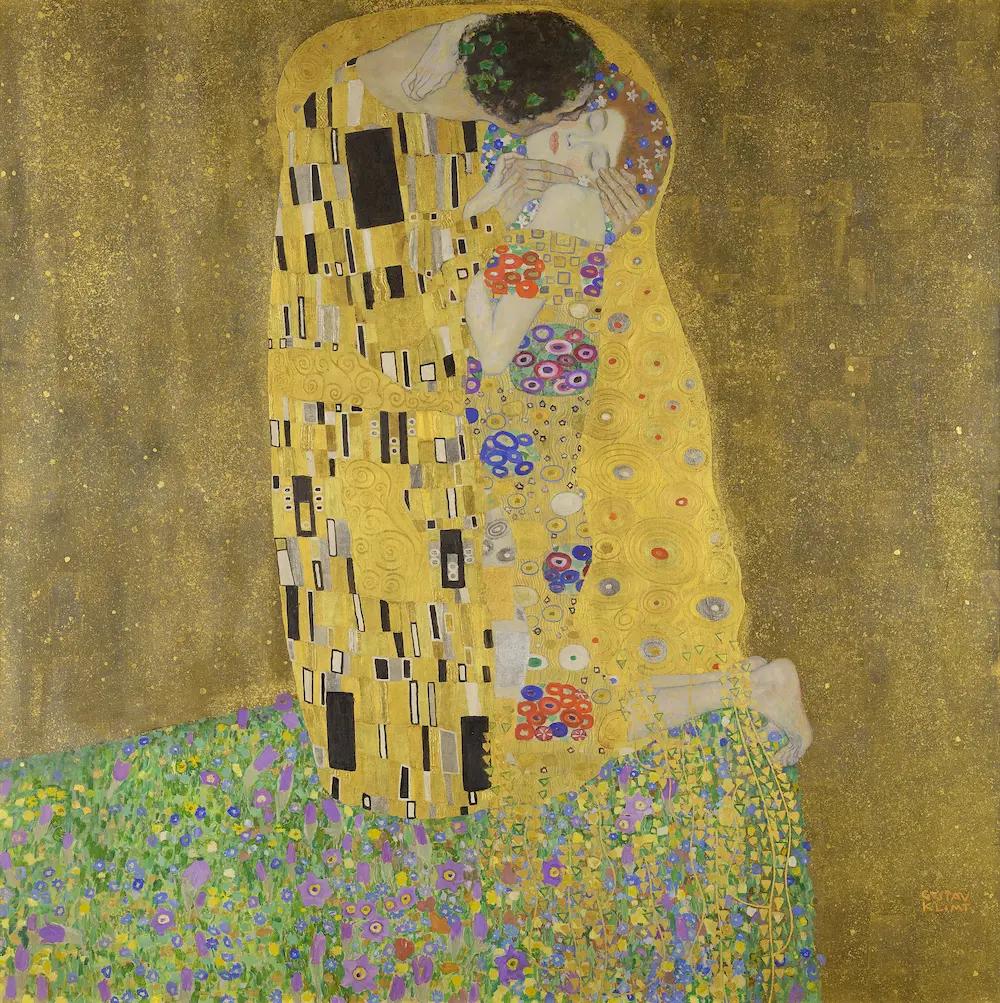
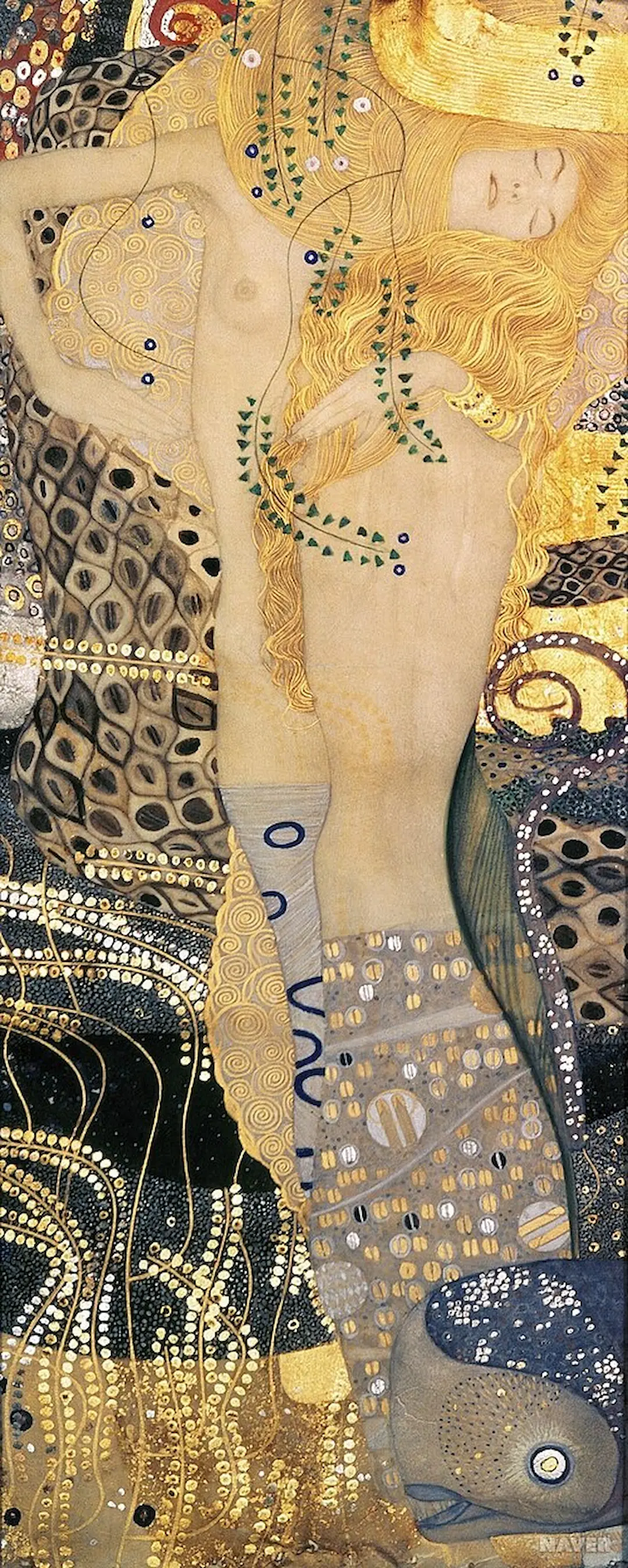
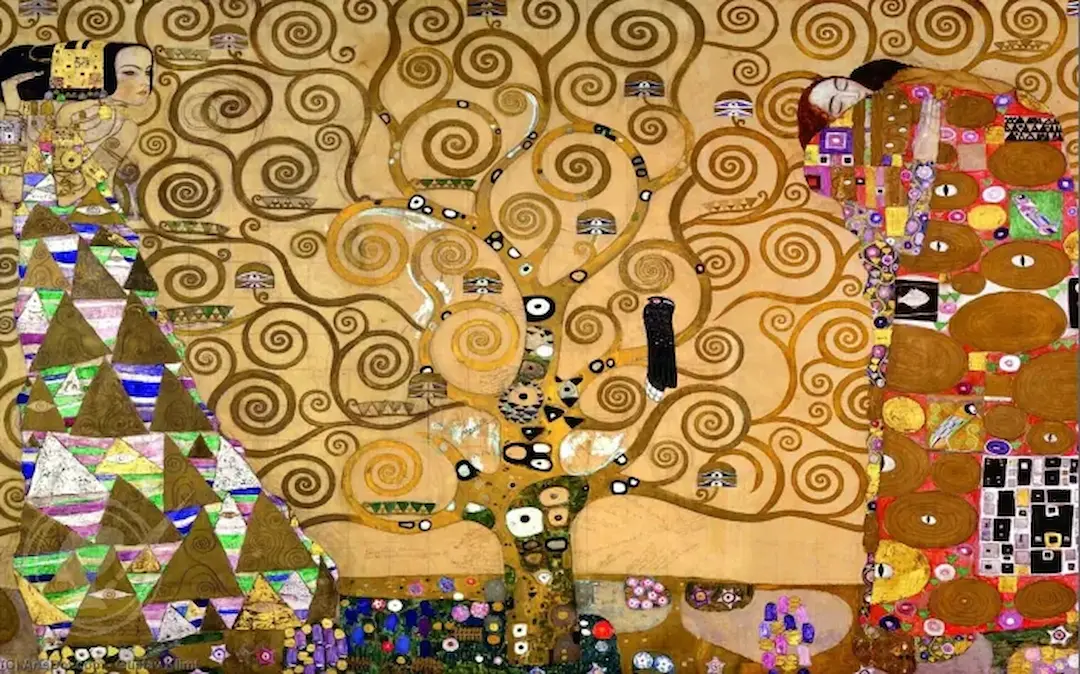
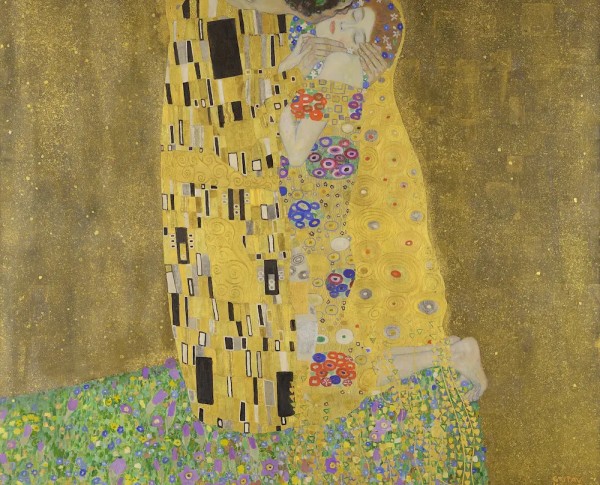
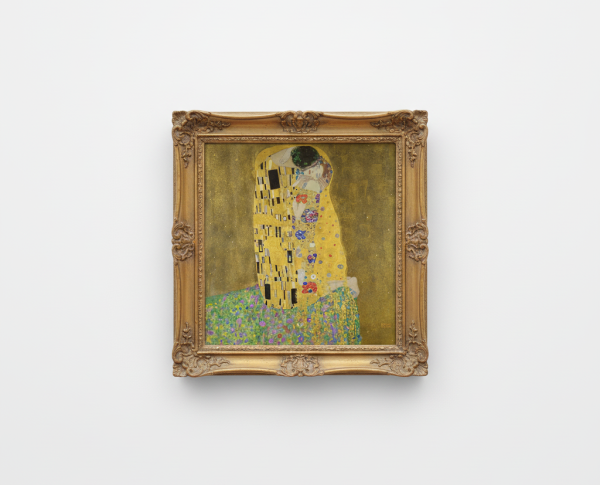
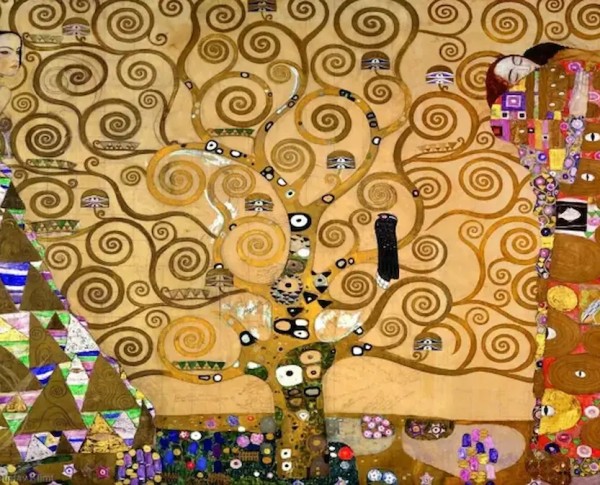
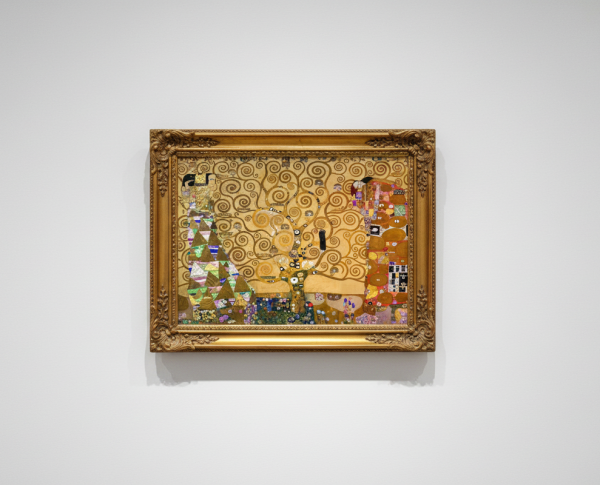
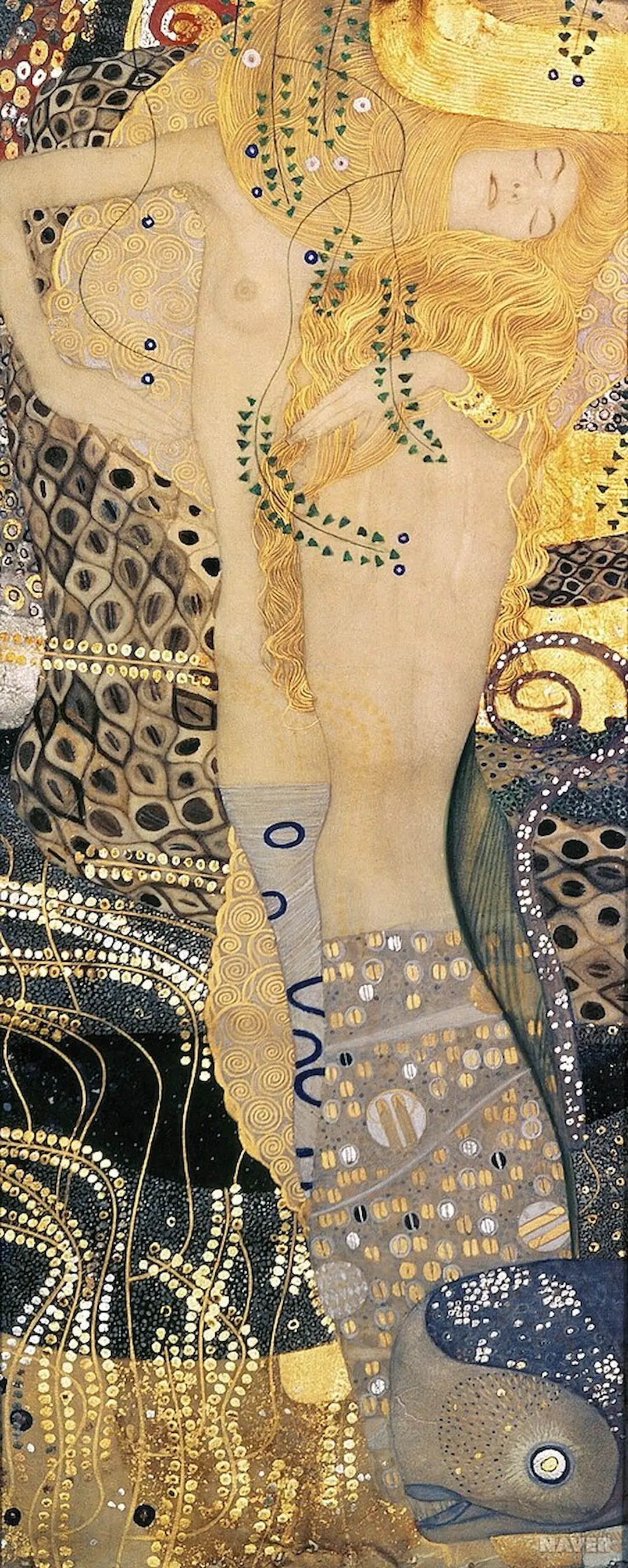
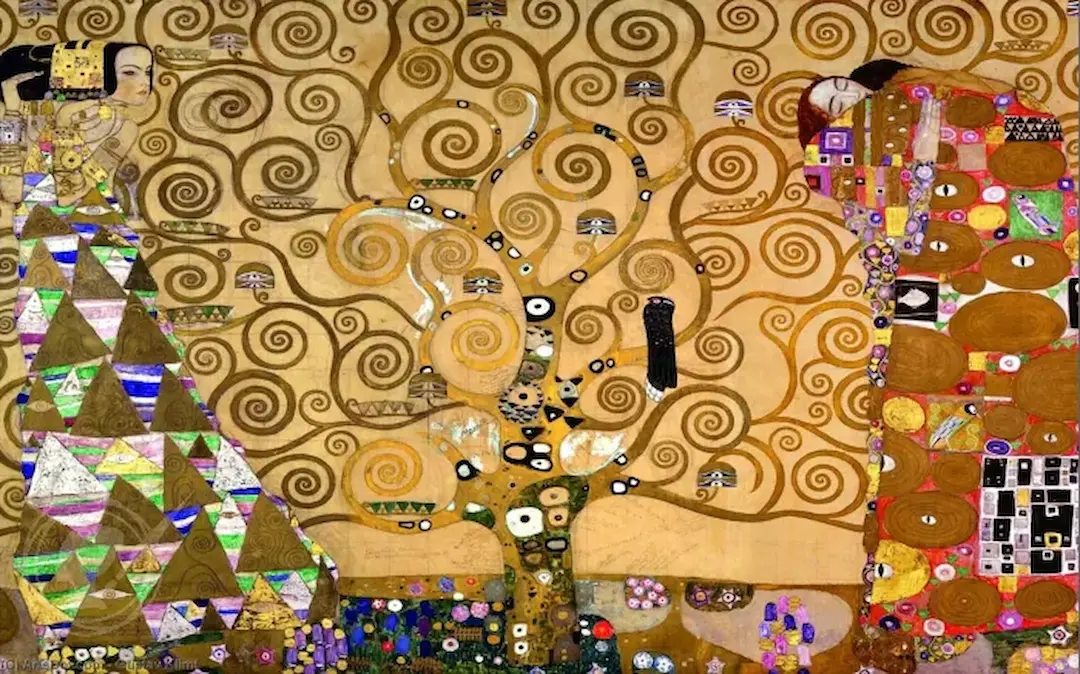
"Water Serpents I" is renowned for its exquisite use of oil on canvas, a medium that allowed Gustav Klimt to achieve intricate detail and vibrant color. As a leader of the Vienna Secession movement, Klimt’s technique in this fine art painting for sale demonstrates his ability to blend gold leaf, decorative patterns, and sensual forms. Art lovers frequently pair this painting with "The Kiss" or "The Tree of Life" to celebrate Klimt’s mastery in every stroke.
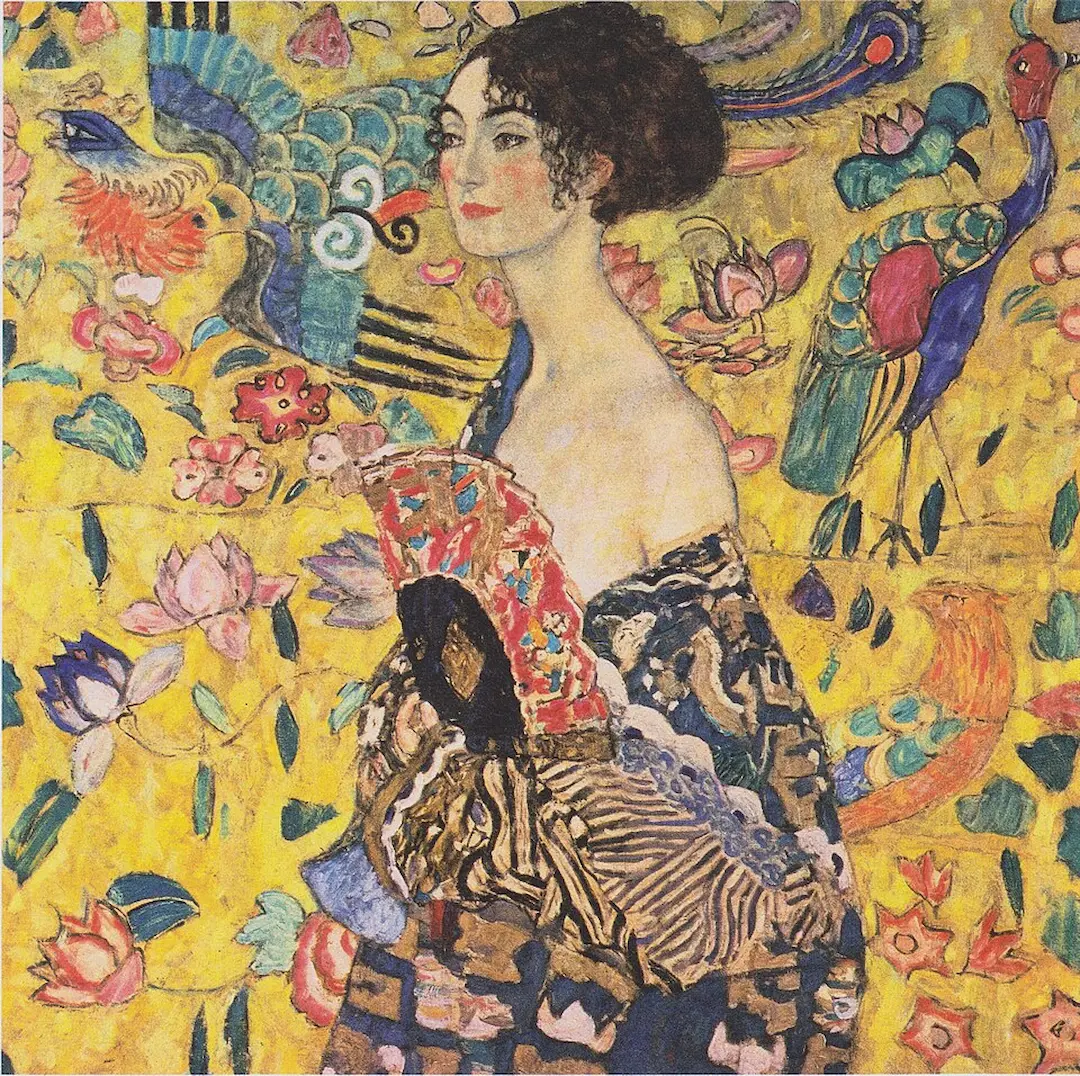
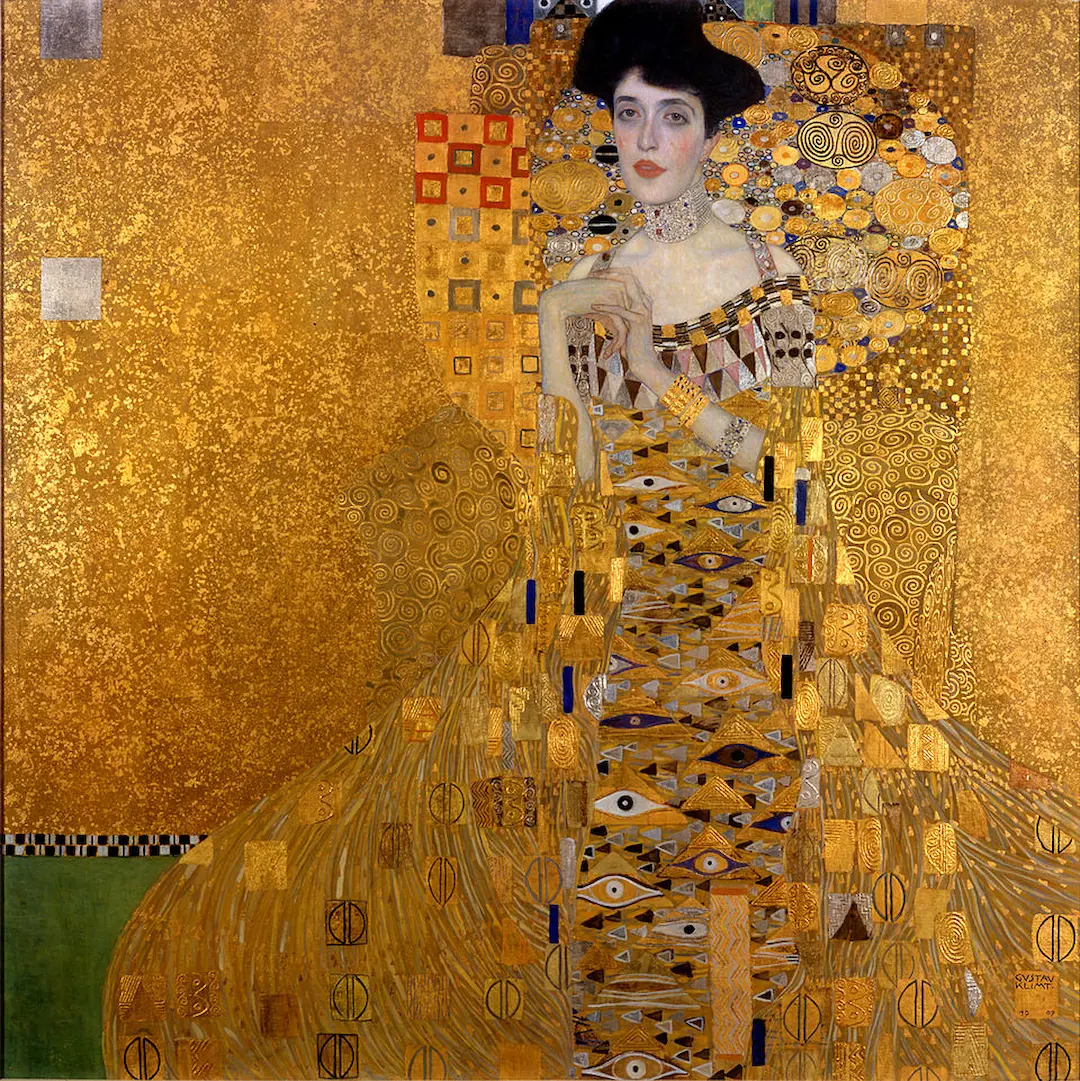
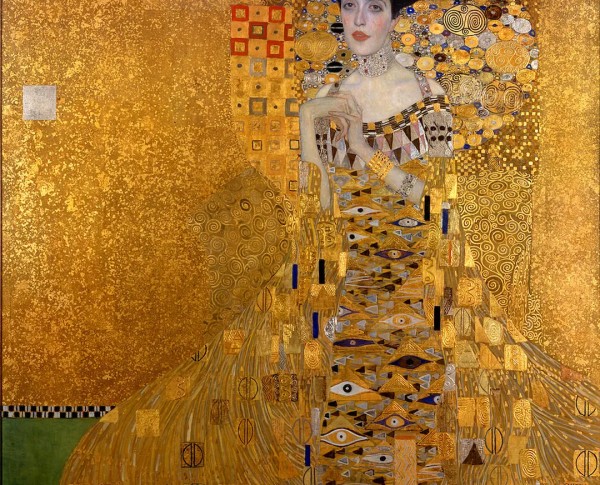
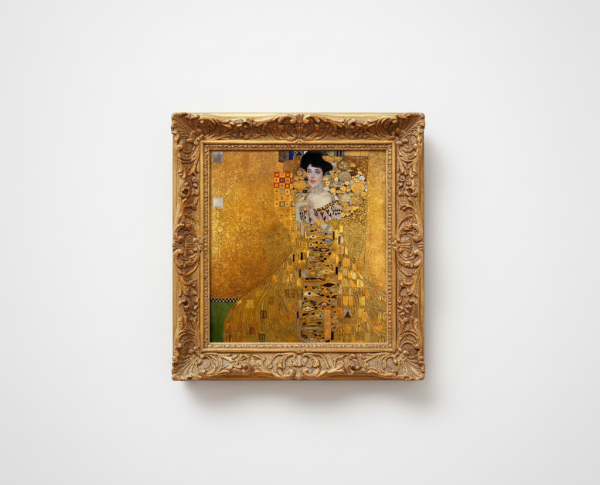
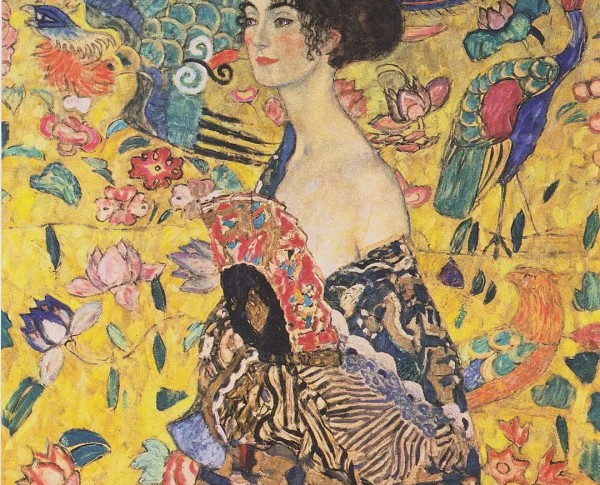
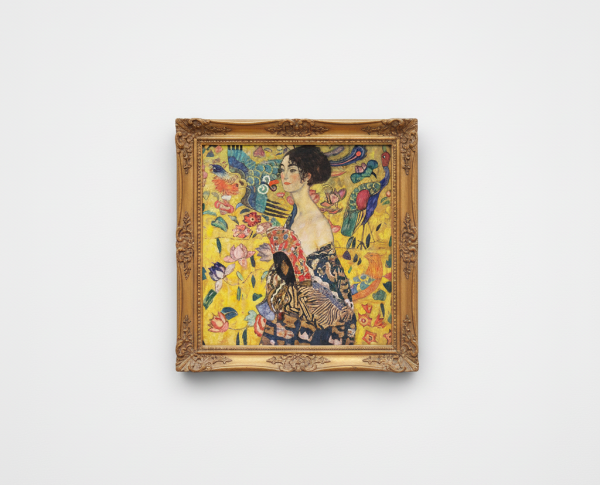
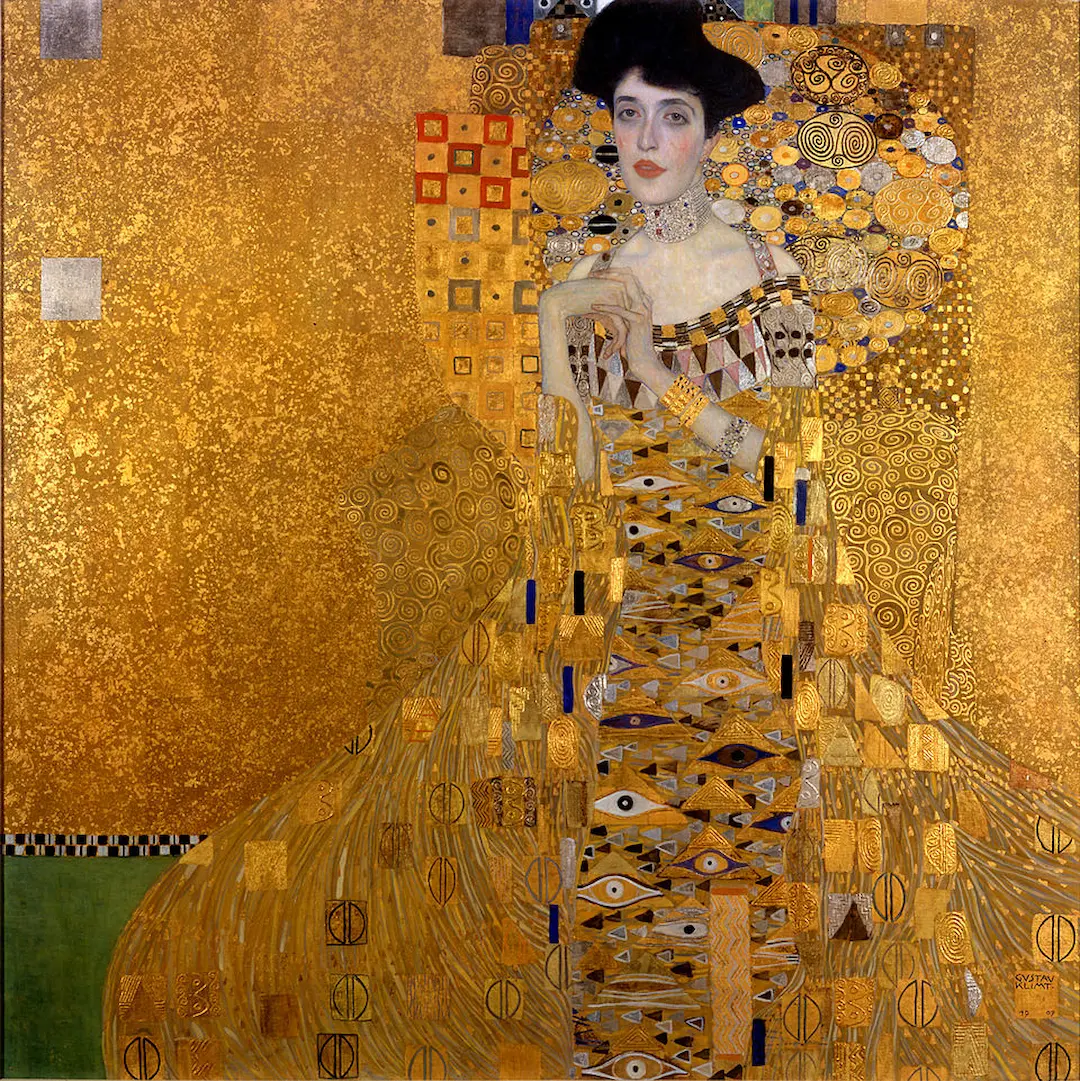
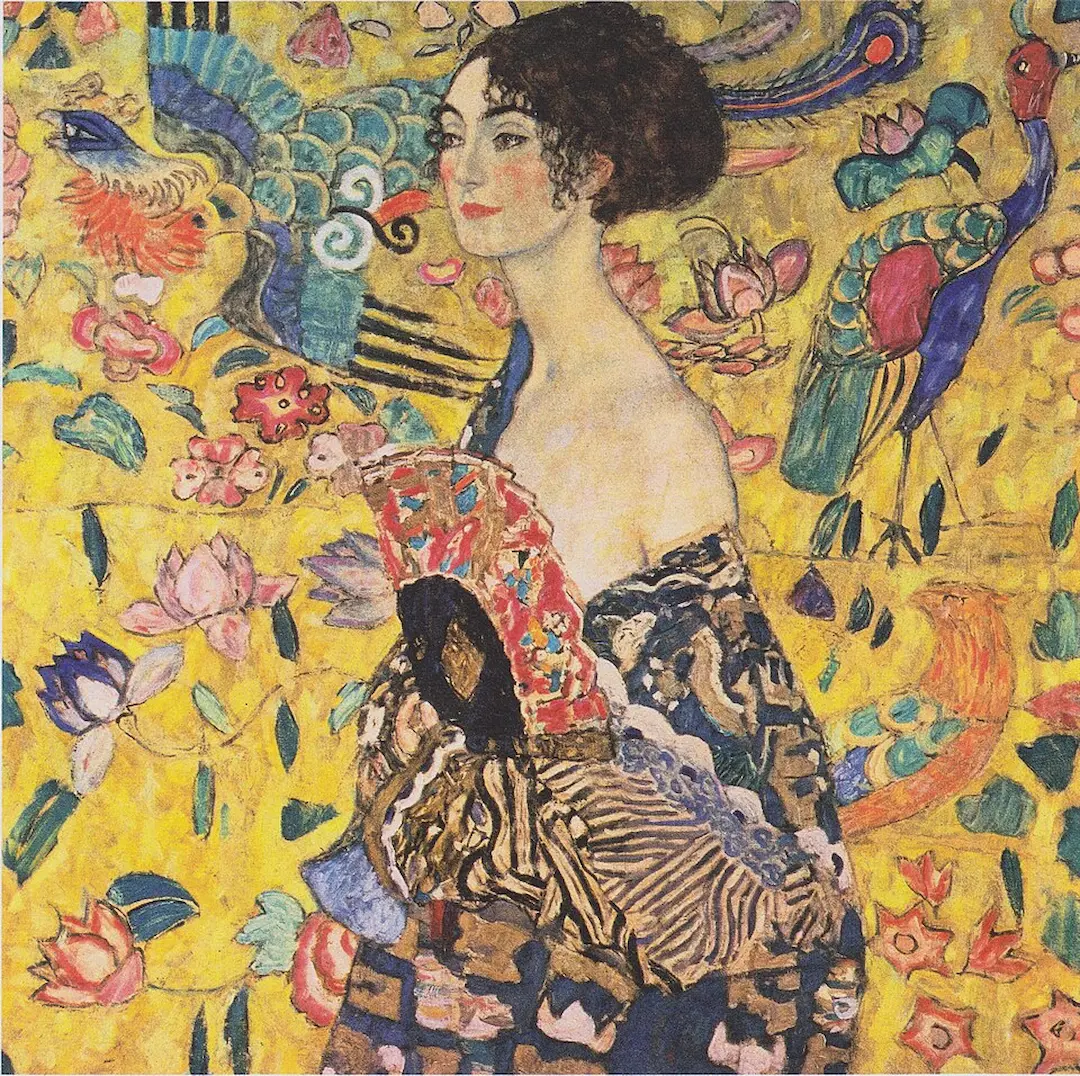
Within "Water Serpents I," Gustav Klimt weaves together mythological themes and personal symbolism, hallmarks of the Vienna Secession movement. This hand-painted oil painting is celebrated for its depiction of feminine beauty and aquatic motifs, inviting viewers to interpret its layers of meaning. Collectors looking for a fine art painting for sale often consider companion pieces like "Portrait Of Adele Bloch Bauer I" and "Lady With Fan" to explore Klimt’s symbolic storytelling.
Owning "Water Serpents I" by Gustav Klimt means acquiring a true treasure from the Vienna Secession movement. This oil on canvas masterpiece appeals to those seeking a fine art painting for sale that embodies both historical significance and aesthetic elegance. Collectors often enhance their galleries with Klimt’s other celebrated works, such as "The Kiss" or "The Tree of Life," ensuring a timeless investment in the world of art.
When Art Meets History
Created by Gustav Klimt during the height of the Vienna Secession movement, "Water Serpents I" stands as a testament to the evolution of early 20th-century art. This hand-painted oil painting elegantly bridges the gap between symbolism and sensuality, capturing the essence of Klimt’s innovative vision. Alongside other works like "Water Serpents II," the painting reflects the cultural and social shifts of its era, making it a must-see for admirers of the Vienna Secession.
Techniques That Speak
"Water Serpents I" showcases Klimt’s mastery of oil on canvas, blending gold leaf accents with flowing forms and intricate patterns. The artist’s use of vivid colors and delicate brushwork creates a dreamlike quality unique to the Vienna Secession movement. This painting, much like his other celebrated works, demonstrates Klimt’s commitment to pushing artistic boundaries, making "Water Serpents I" a remarkable example of technical innovation and visual storytelling.
Emotions on Display
Gustav Klimt’s "Water Serpents I" evokes a sense of mystery, intimacy, and beauty through its depiction of intertwined female figures. The emotional depth of this fine art painting for sale resonates with viewers, drawing them into an underwater world of enchantment. Klimt’s attention to detail and his signature use of symbolism convey both sensuality and serenity, qualities that define the Vienna Secession movement and continue to inspire art lovers worldwide.
Coveted by Collectors
As an iconic work by Gustav Klimt, "Water Serpents I" is highly sought after by collectors and institutions alike. Its status as a hand-painted oil painting from the Vienna Secession era elevates its value and desirability. Alongside Klimt’s related paintings, such as "Water Serpents II," this masterpiece is recognized for its historical significance and artistic allure, making it a prized addition to any fine art collection.
Frequently Asked Questions About Water Serpents I
What is the historical context of Water Serpents I?
Water Serpents I was created by Gustav Klimt in 1904-1907, a period marked by the rise of Symbolism and Art Nouveau movements in Europe. The painting reflects the cultural and artistic innovations of early 20th-century Vienna.
What artistic techniques did Klimt use in this painting?
Klimt employed a combination of oil paint and gold leaf in Water Serpents I, characteristic of his distinctive style. His use of decorative patterns and intricate detailing enhances the visual richness and complexity of the work.
What are the main themes represented in Water Serpents I?
The painting explores themes of femininity, sexuality, and the relationship between nature and the human experience. The serpents symbolize both danger and allure, reflecting the duality of desire.
How does Water Serpents I relate to Klimt's other works?
This painting is part of Klimt's exploration of the female form and eroticism, similar to his other notable works such as The Kiss and Portrait of Adele Bloch-Bauer I. It showcases his signature style of blending sensuality with ornamental beauty.
What symbolism is present in the depiction of the serpents?
The serpents in the painting are often interpreted as symbols of transformation and rebirth, as well as the complexities of love and desire. Their intertwining forms suggest a connection between the spiritual and the earthly realms.
What is the significance of the color palette used in Water Serpents I?
Klimt's use of vibrant colors, particularly greens and golds, creates a sense of harmony and vitality. The color choices enhance the ethereal quality of the painting, inviting viewers to immerse themselves in its dreamlike atmosphere.
How does Water Serpents I reflect the influence of Japanese art?
Klimt was influenced by Japanese woodblock prints, evident in the flat patterns and decorative elements of Water Serpents I. This influence is part of the broader trend of Japonisme that permeated European art during the late 19th and early 20th centuries.
What role does the female figure play in Water Serpents I?
The female figure is central to the composition, embodying themes of femininity and sensuality. Her pose and interaction with the serpents suggest a complex relationship with nature and the primal instincts that define human existence.
What is the current location of Water Serpents I?
Water Serpents I is housed in the collection of the Museum of Modern Art in New York City. It is considered one of Klimt's masterpieces and is frequently featured in exhibitions on early 20th-century art.
How has Water Serpents I been received by art critics and historians?
The painting has garnered significant acclaim for its innovative style and emotional depth. Art critics and historians often cite it as a pivotal work in Klimt's oeuvre, highlighting its exploration of themes that resonate with contemporary audiences.






















_GFM_Painting_(1).webp)


 100% Hand-Painted: Finished in 3-6 Weeks

.png)















_(1).webp)