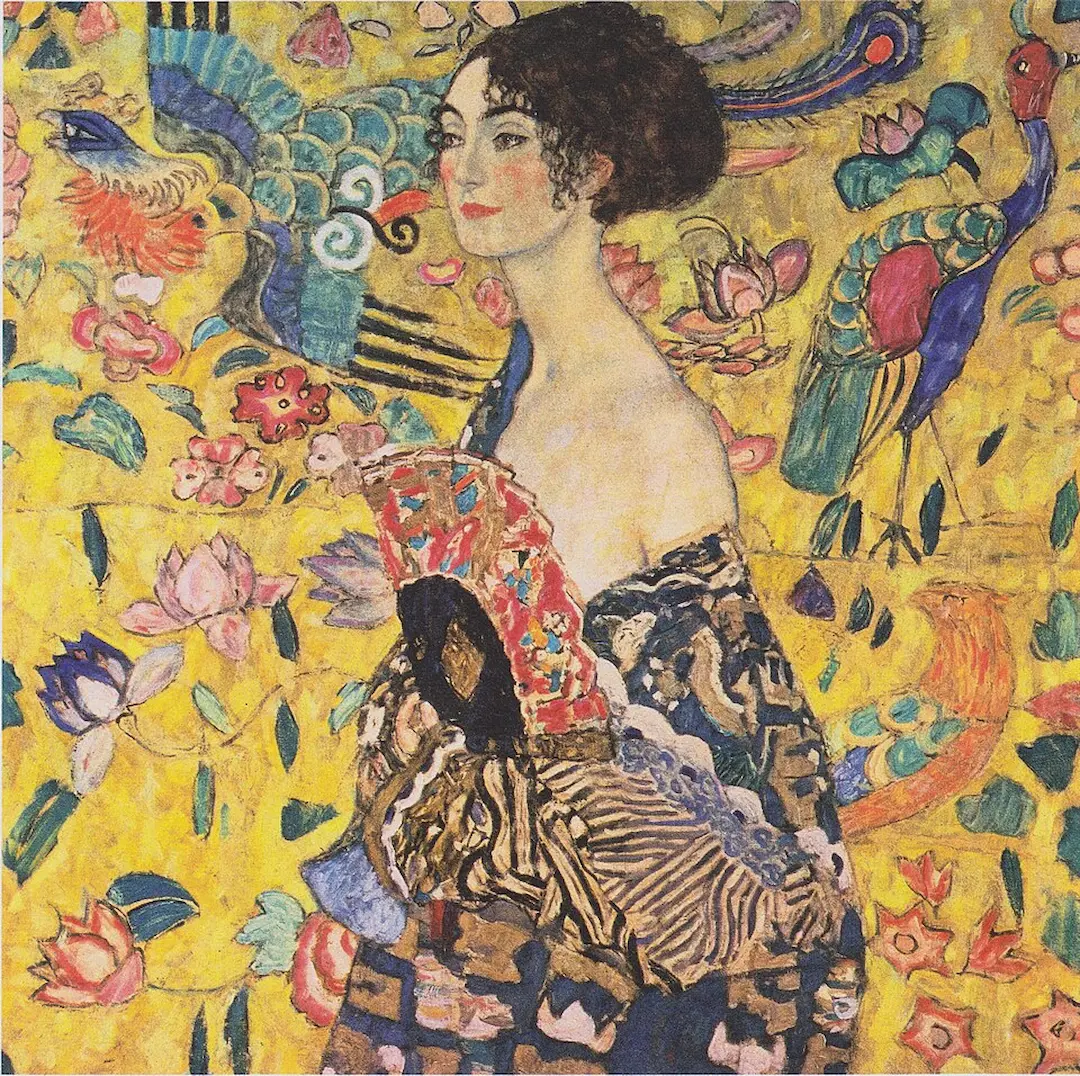
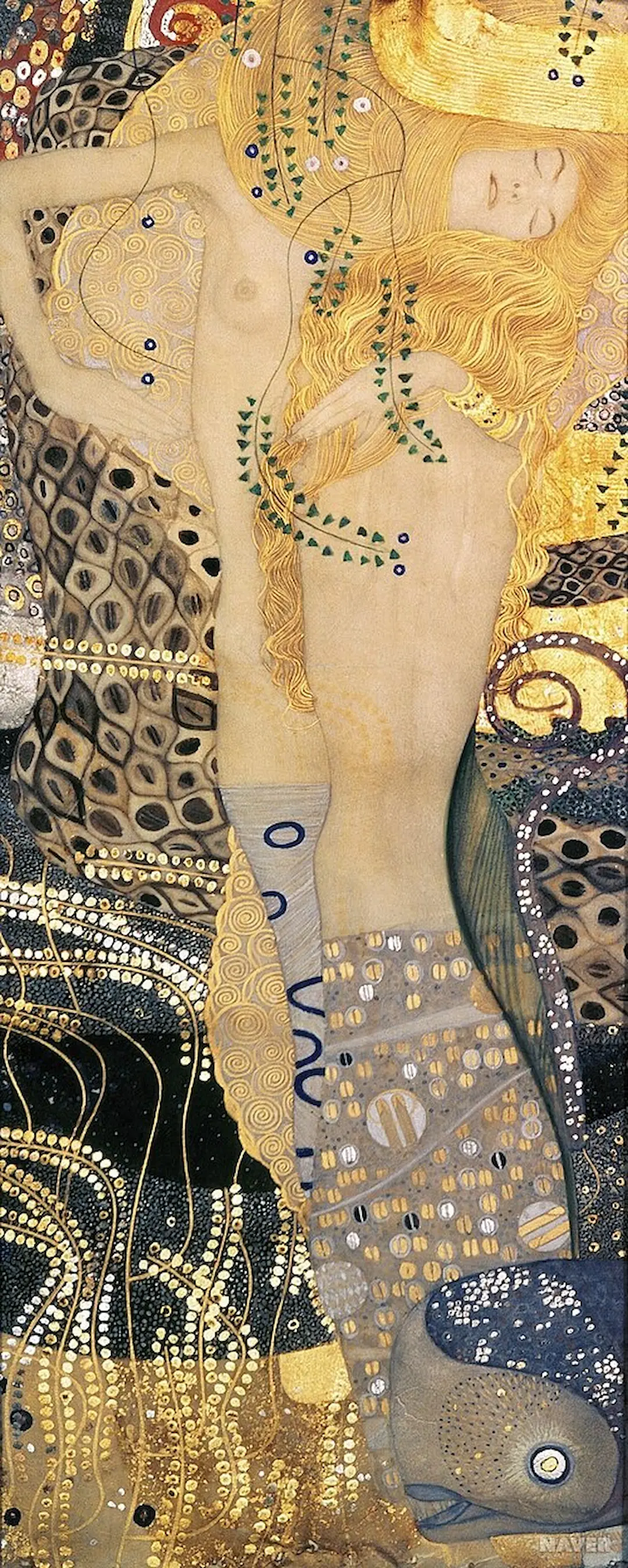
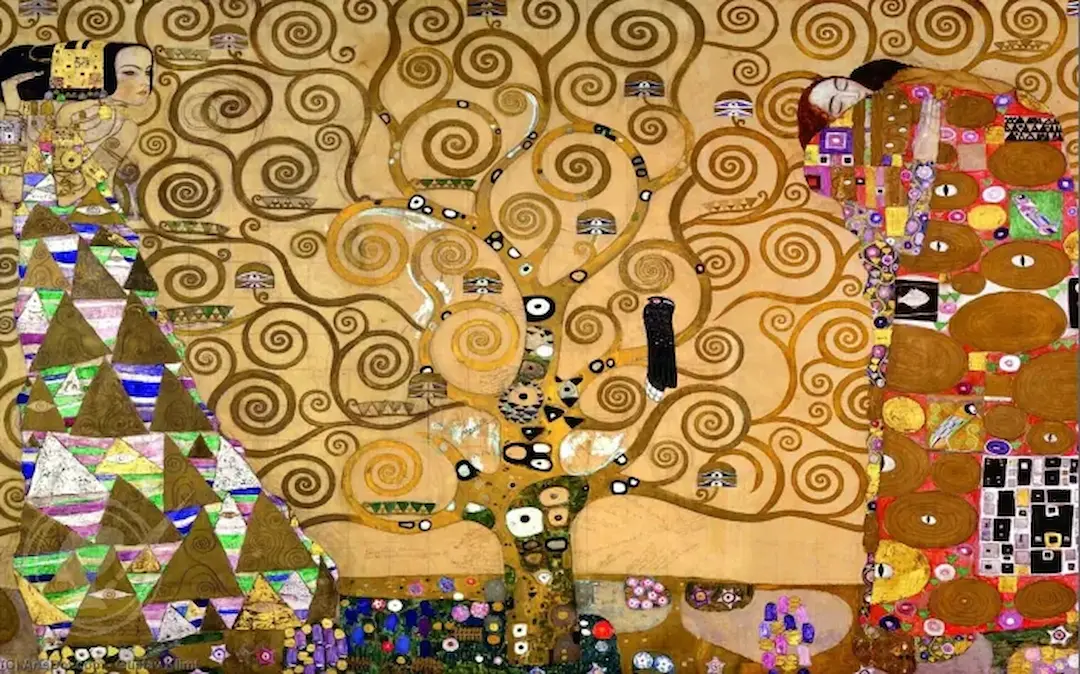
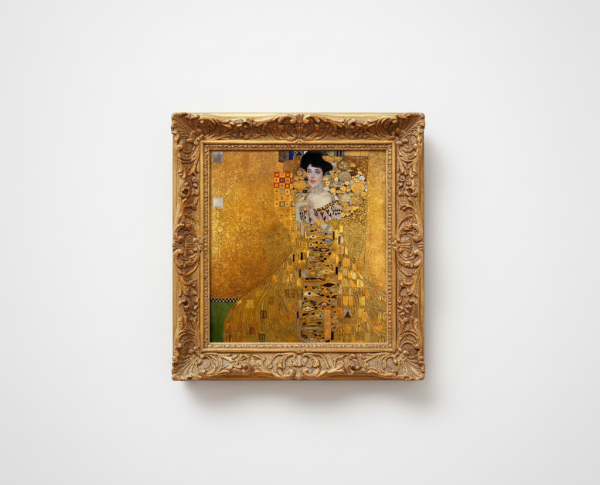
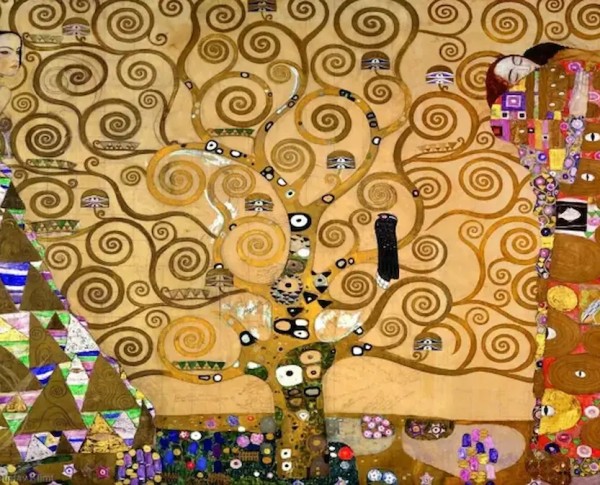
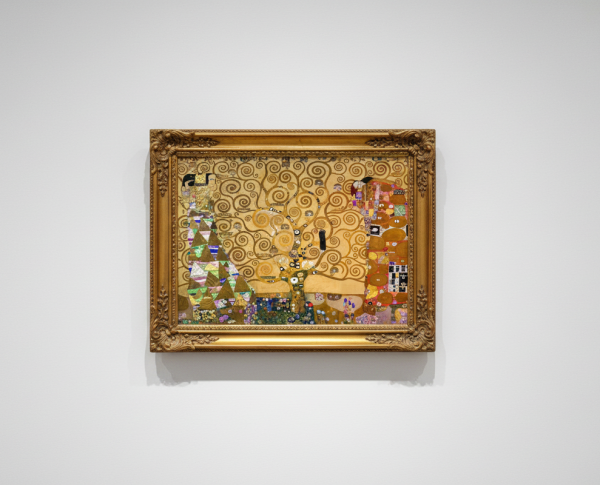
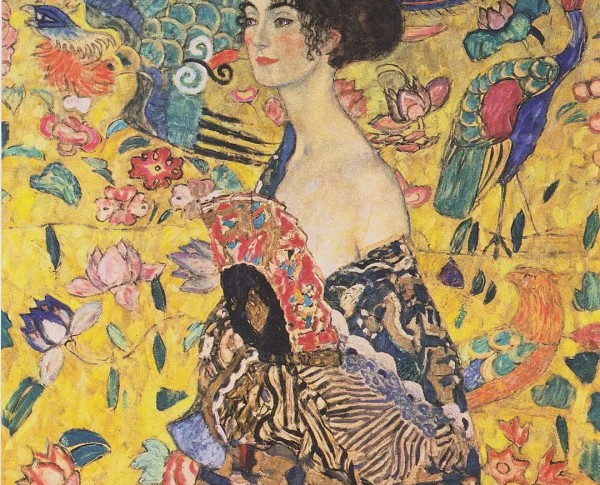
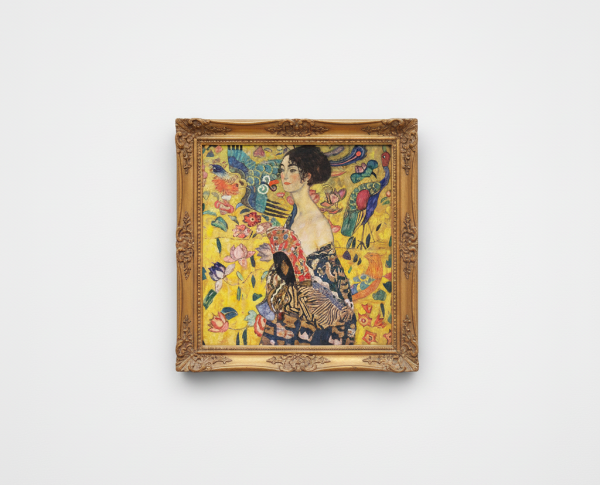
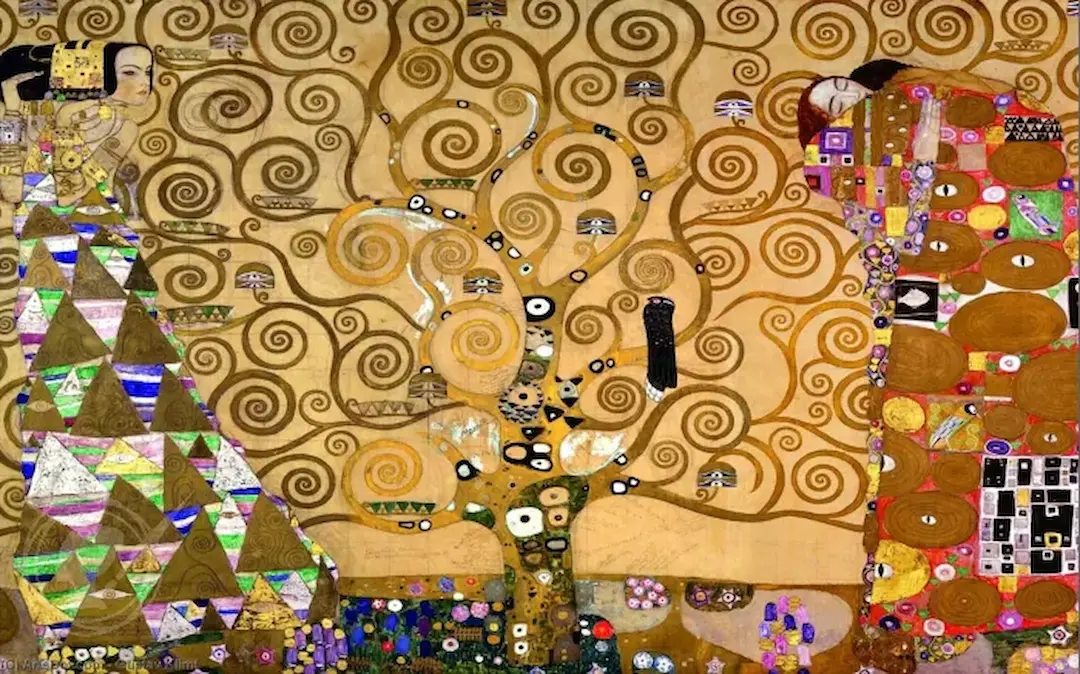
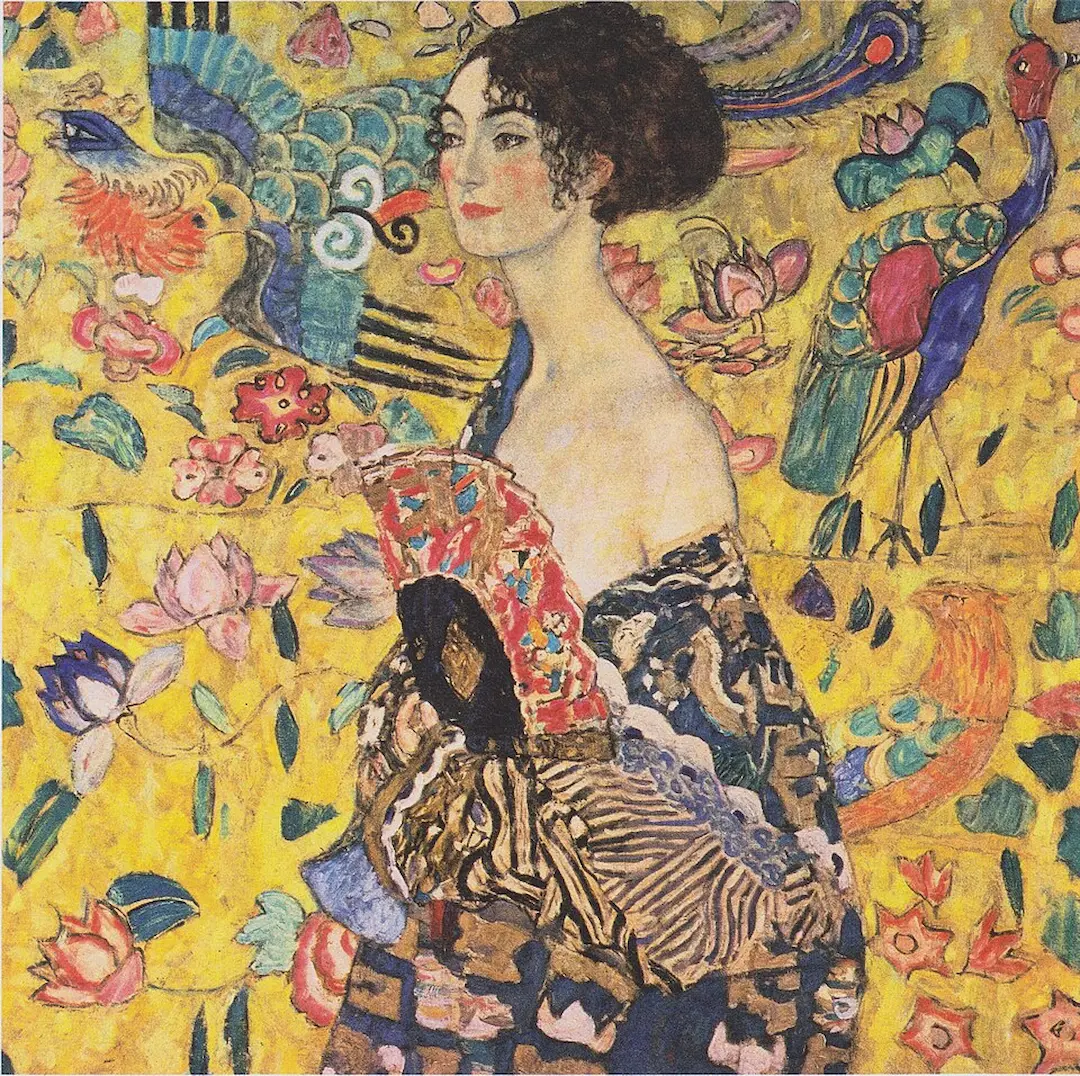
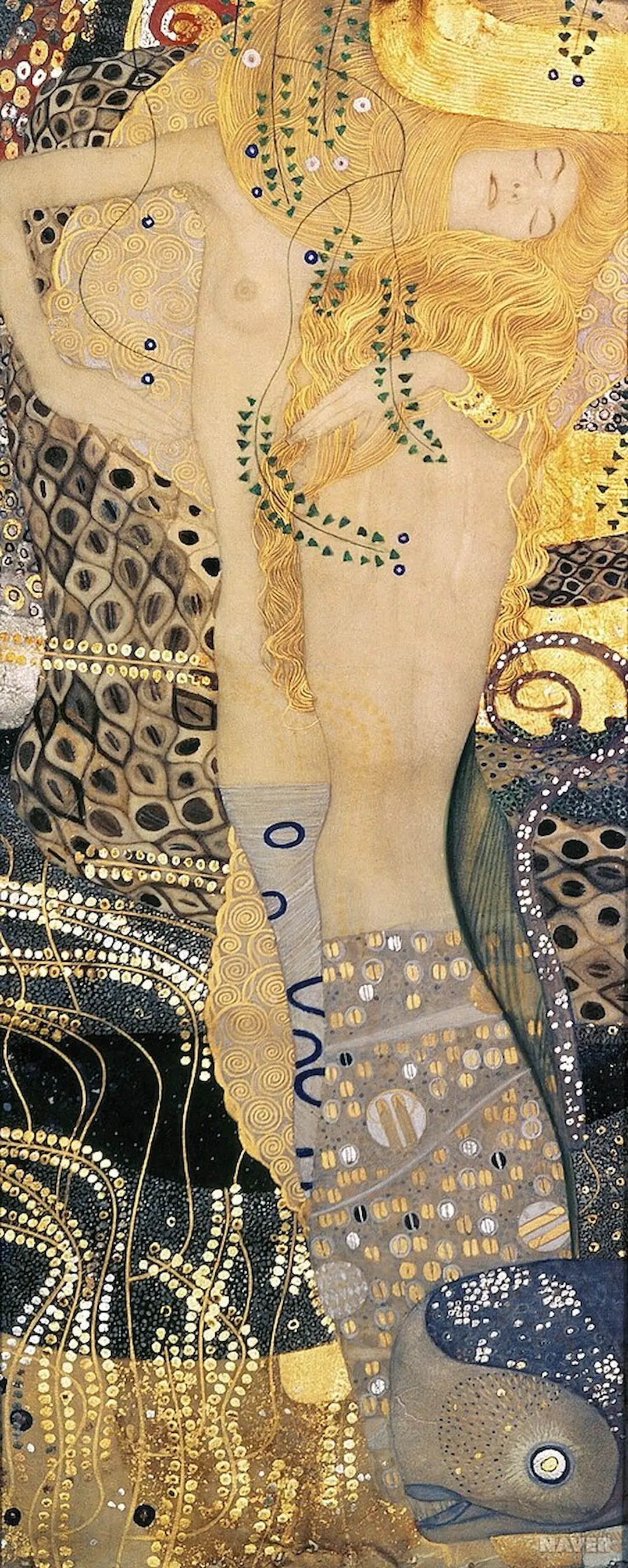
"The Tree of Life" by Gustav Klimt radiates with swirling branches and detailed motifs, each stroke a testament to his unique technique. Crafted as an exquisite oil on canvas, this painting exemplifies the meticulous attention to detail synonymous with the Vienna Secession movement. Klimt’s mastery is also evident in related products like "Lady With Fan" and "Water Serpents I," offering collectors a glimpse into the artist’s diverse and innovative approach to fine art.
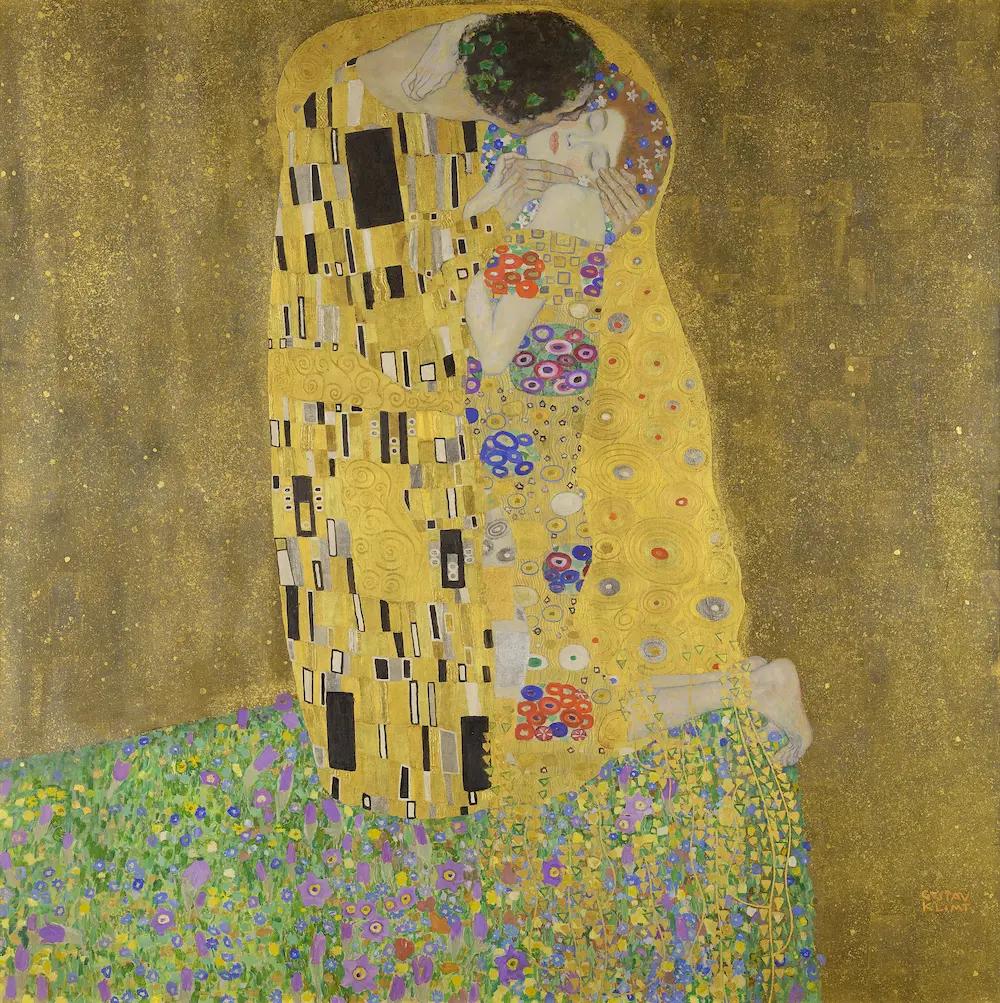
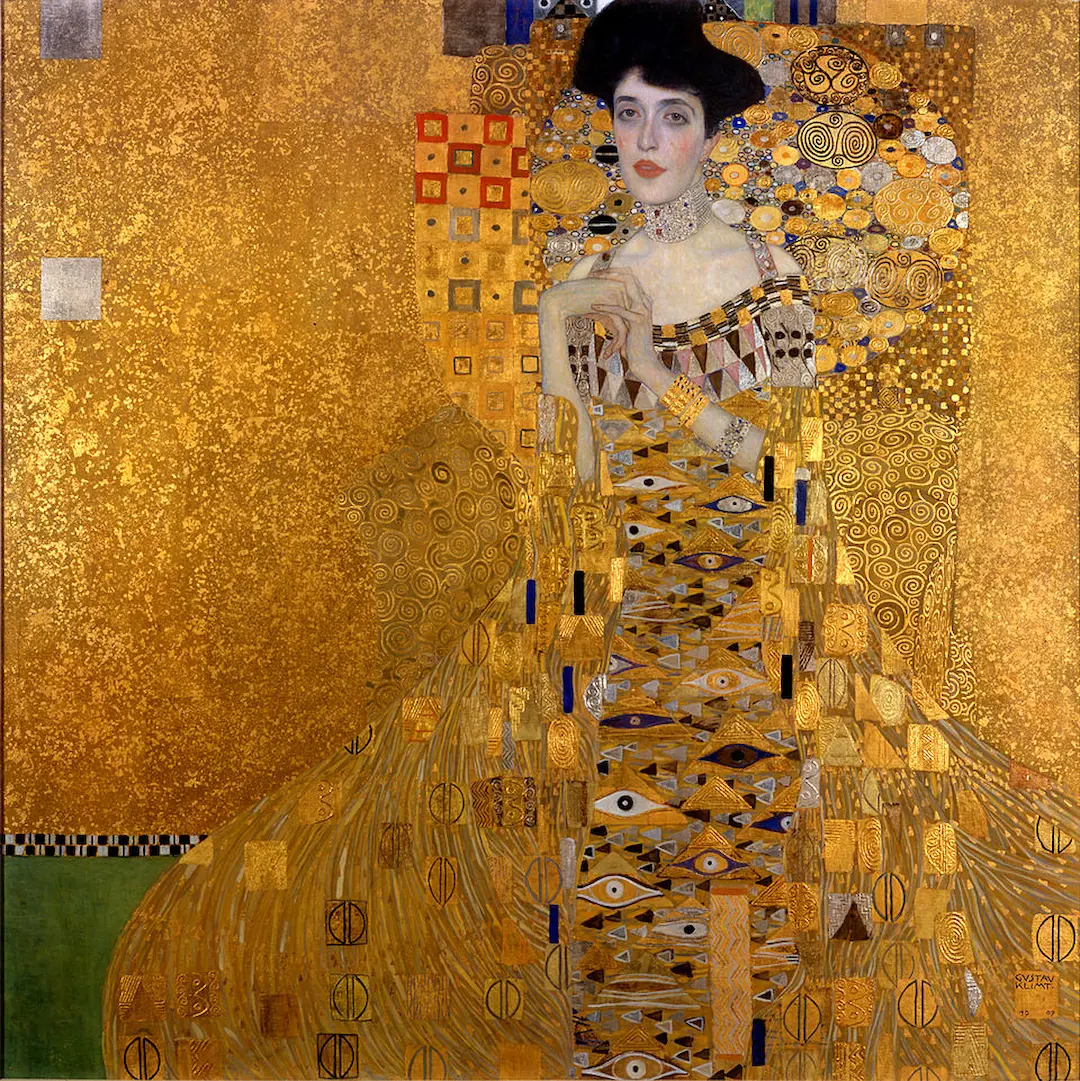
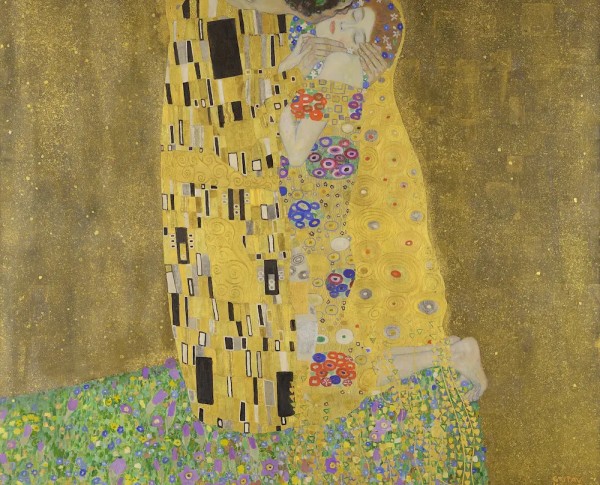
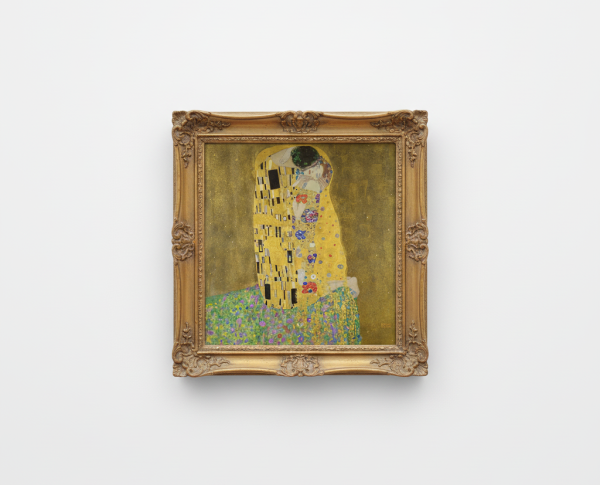
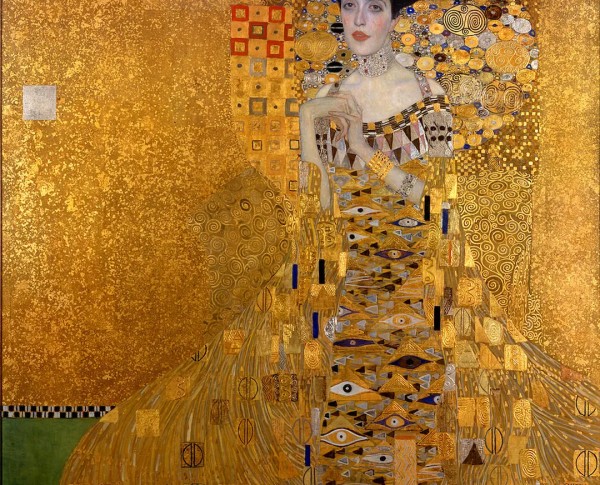
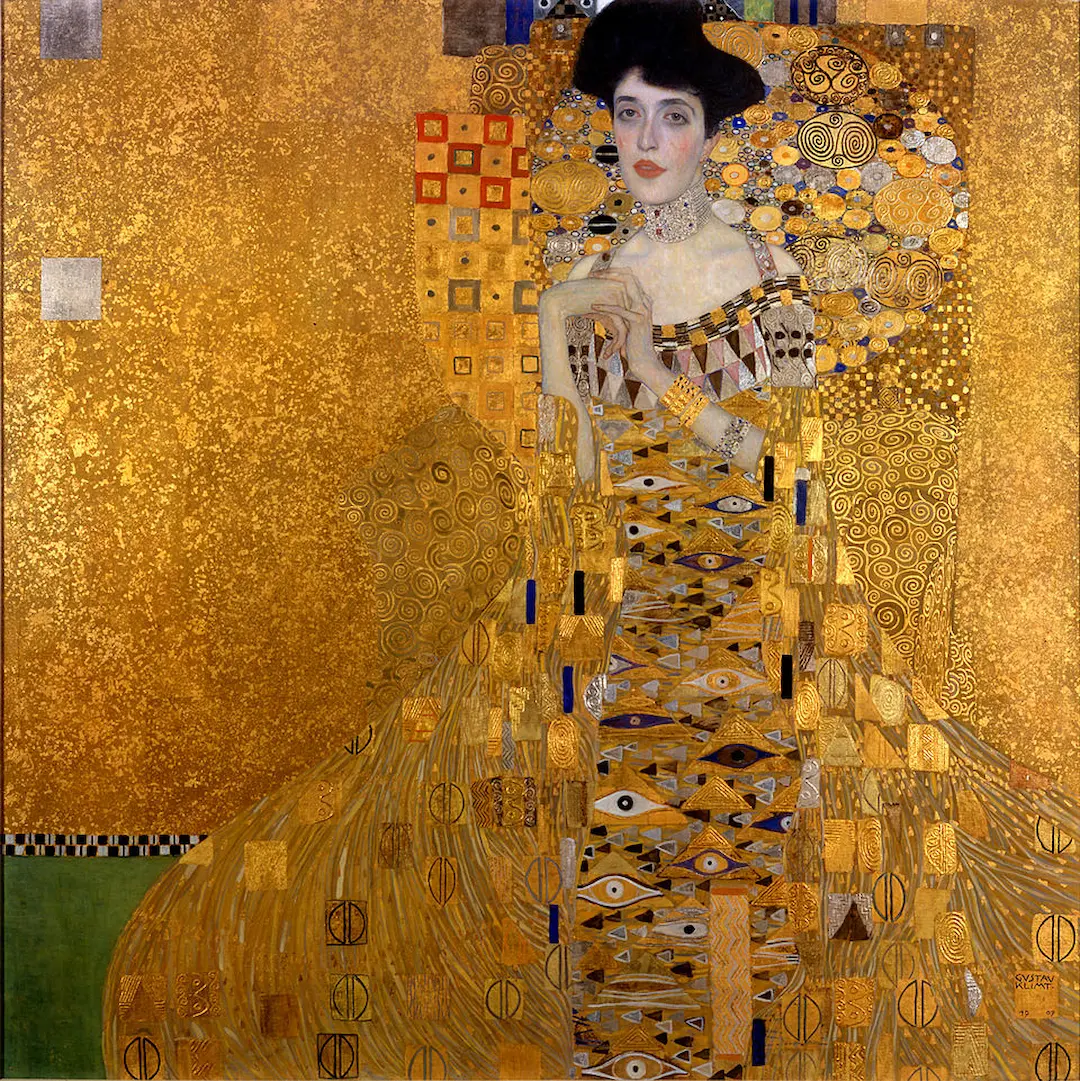
Gustav Klimt infused "The Tree of Life" with deep symbolism, weaving together themes of growth, connection, and eternity. This fine art painting for sale captures the essence of the Vienna Secession movement, blending mythological and natural elements. Collectors often seek out related works such as "The Kiss" and "Portrait Of Adele Bloch Bauer I" for their rich narratives and symbolic meaning, making Klimt’s pieces highly coveted in the art world.
Owning "The Tree of Life" by Gustav Klimt means possessing a piece of art history, celebrated within the Vienna Secession movement. This hand-painted oil painting is a collector’s dream, admired for its vibrant colors and intricate design. Art enthusiasts frequently pair it with related products like "Lady With Fan" or "Water Serpents I" to create a stunning display. Klimt’s legacy continues to inspire, making his works prized additions to any fine art collection.
When Art Meets History
"The Tree of Life" by Gustav Klimt stands as a stunning example of the Vienna Secession movement, blending symbolism with decorative elegance. Painted in 1909, this masterpiece reflects a pivotal era where artists broke away from traditional norms. Klimt’s hand-painted oil painting technique imbues the work with intricate detail and shimmering gold hues, reminiscent of his other iconic pieces. The painting’s historical context enriches its allure, making it a vital reference in early twentieth-century art evolution.
Techniques That Speak
Gustav Klimt’s "The Tree of Life" exemplifies his mastery with oil on canvas, utilizing swirling branches and golden accents to create a sense of movement and harmony. The Vienna Secession artist employed elaborate patterns and delicate brushwork, resulting in a richly textured surface. These techniques, also seen in his other works, invite viewers to explore every detail. Klimt’s innovative approach to oil on canvas remains influential, inspiring generations of artists and collectors worldwide.
Emotions on Display
"The Tree of Life" evokes a profound emotional response through its vibrant colors and symbolic motifs. Gustav Klimt, a leading figure in the Vienna Secession, infused this fine art painting for sale with themes of growth, connection, and eternity. The intertwining branches and decorative elements convey both complexity and harmony, inviting viewers to reflect on life’s journey. Like his related paintings, Klimt’s unique style transforms simple subjects into deeply moving visual experiences.
Coveted by Collectors
As one of Gustav Klimt’s most celebrated works in the Vienna Secession movement, "The Tree of Life" continues to captivate art enthusiasts. Its status as a hand-painted oil painting adds to its desirability, making it a sought-after piece among collectors of fine art. Klimt’s distinctive approach, seen in this and his other masterpieces, ensures enduring value. "The Tree of Life" remains a testament to the timeless appeal of expertly crafted, historically significant art.
Frequently Asked Questions About The Tree of Life
What is the historical significance of "The Tree of Life"?
"The Tree of Life" is a seminal work by Gustav Klimt, created in 1909. It reflects the artist's exploration of symbolism and the Art Nouveau movement, serving as a representation of growth, interconnectedness, and the cycle of life.
What artistic techniques did Klimt use in "The Tree of Life"?
Klimt employed a combination of oil paint and gold leaf, which is characteristic of his style. The intricate patterns and swirling forms showcase his mastery of decorative elements, enhancing the visual impact of the piece.
What symbols are present in "The Tree of Life"?
The painting is rich with symbolism, including the tree itself, which represents life, growth, and the connection between humanity and nature. The spiral motifs symbolize eternity and the cyclical nature of existence.
How does "The Tree of Life" reflect Klimt's artistic philosophy?
Klimt believed in the unity of art and life, and "The Tree of Life" embodies this philosophy through its integration of natural forms and decorative patterns, illustrating the harmony between the organic and the artistic.
What influences can be seen in "The Tree of Life"?
The painting draws influences from various sources, including Byzantine mosaics, Japanese art, and the Symbolist movement, all of which contribute to its unique aesthetic and thematic depth.
What is the significance of the colors used in "The Tree of Life"?
Klimt's use of gold and earthy tones in "The Tree of Life" evokes a sense of warmth and spirituality. The contrasting colors enhance the visual dynamics, drawing attention to the central themes of life and connection.
How does "The Tree of Life" relate to Klimt's other works?
What was the public reception of "The Tree of Life" when it was first exhibited?
Upon its exhibition, "The Tree of Life" received mixed reviews, with some critics praising its innovative style and others finding it controversial due to its bold symbolism and departure from traditional artistic norms.
In what ways does "The Tree of Life" address themes of spirituality?
The painting addresses themes of spirituality through its depiction of the tree as a sacred symbol, representing the connection between the earthly and the divine, as well as the interconnectedness of all living beings.
What impact has "The Tree of Life" had on modern art?
"The Tree of Life" has had a profound impact on modern art, influencing subsequent generations of artists to explore symbolism, decorative arts, and the integration of natural forms into their work, thereby shaping the trajectory of contemporary artistic expression.






















_GFM_Painting_(1).webp)


 100% Hand-Painted: Finished in 3-6 Weeks

.png)















_(1).webp)