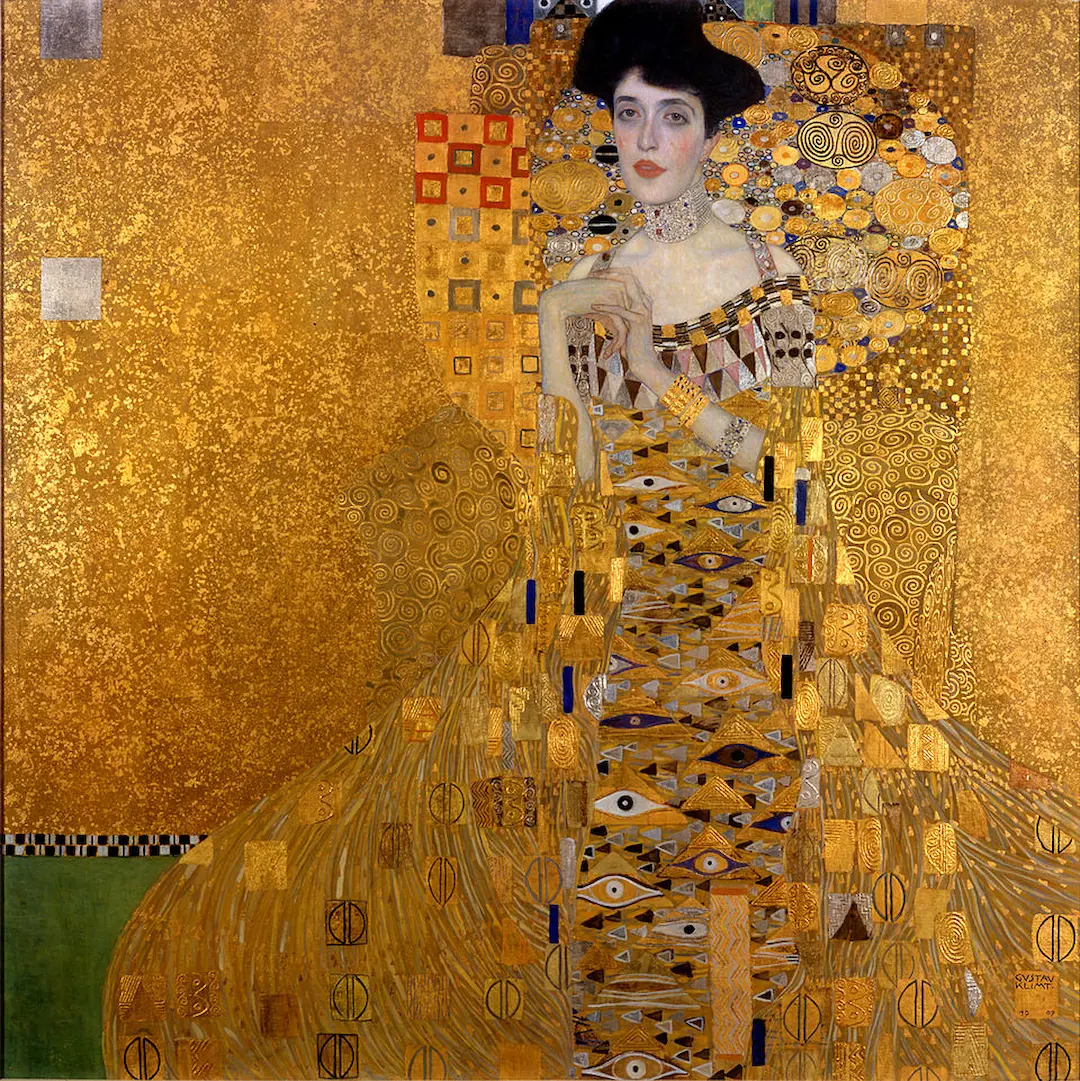
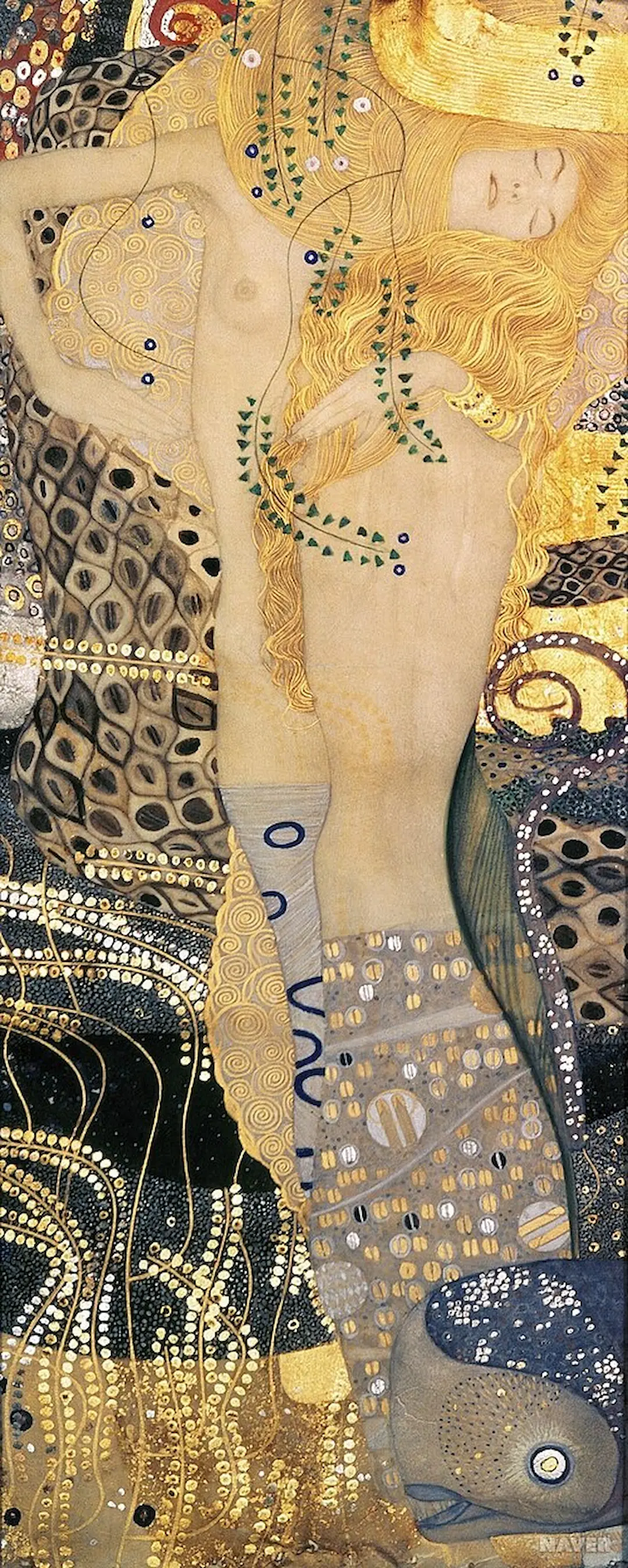
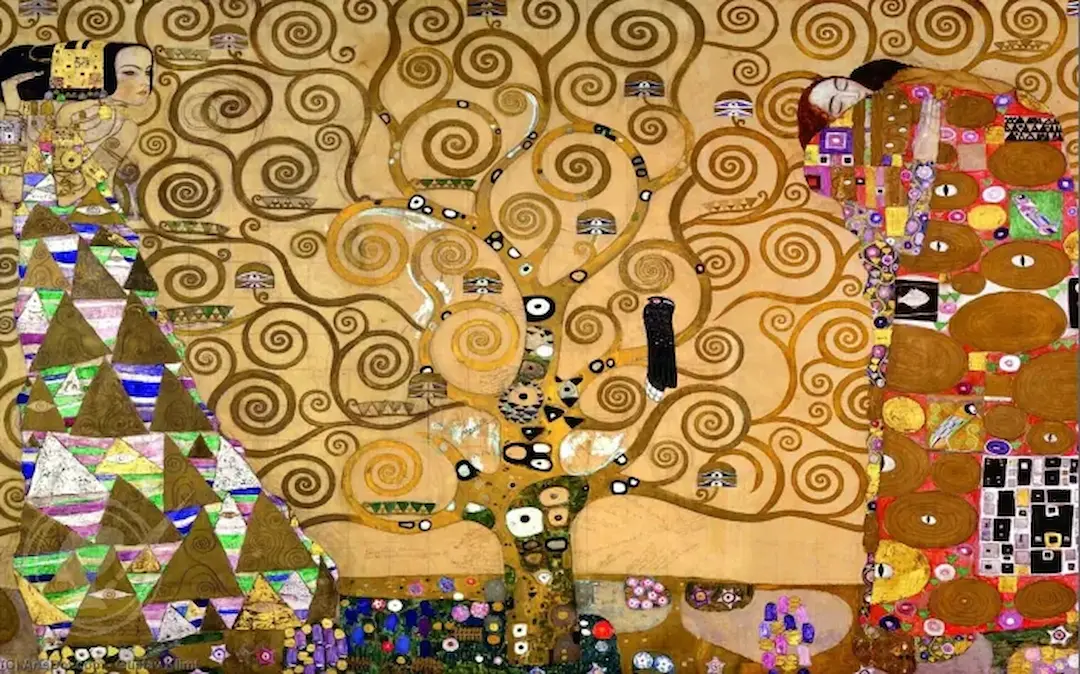
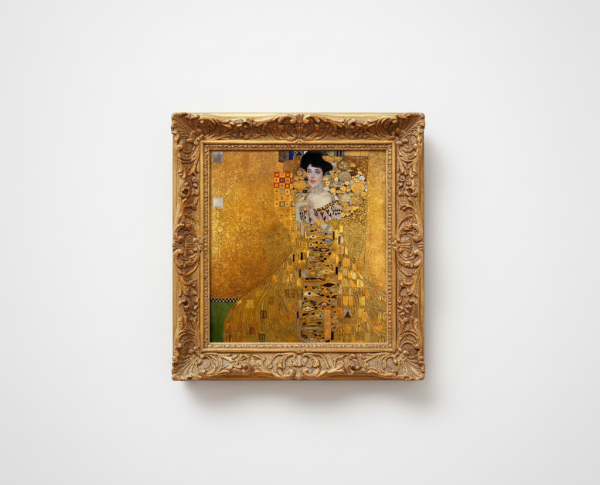
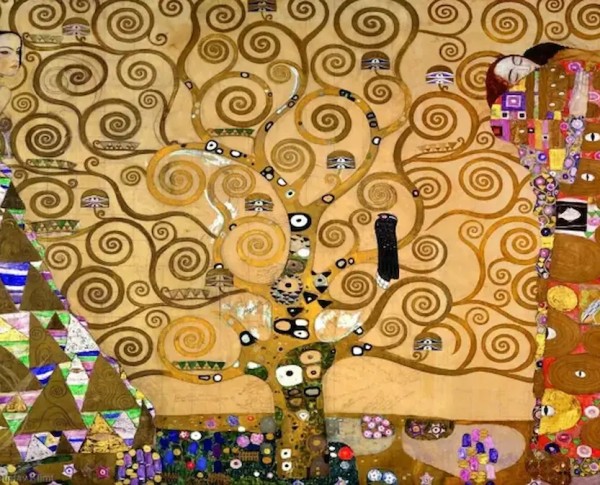
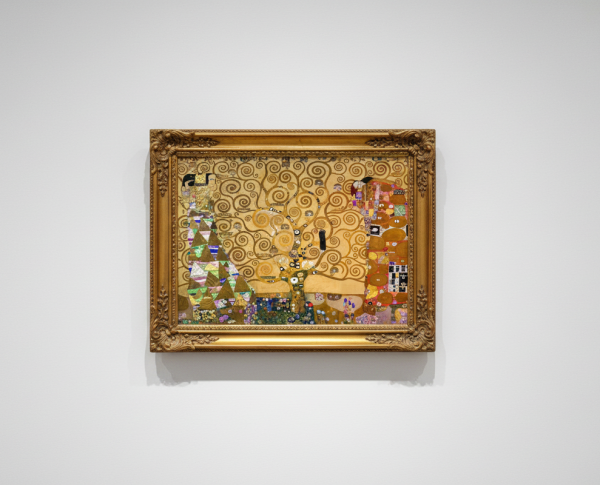
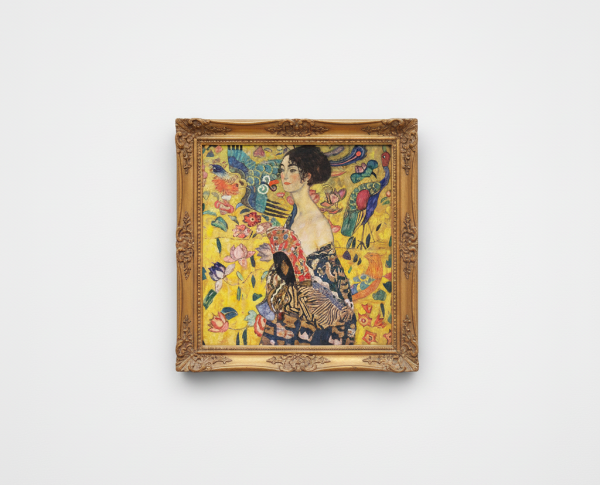
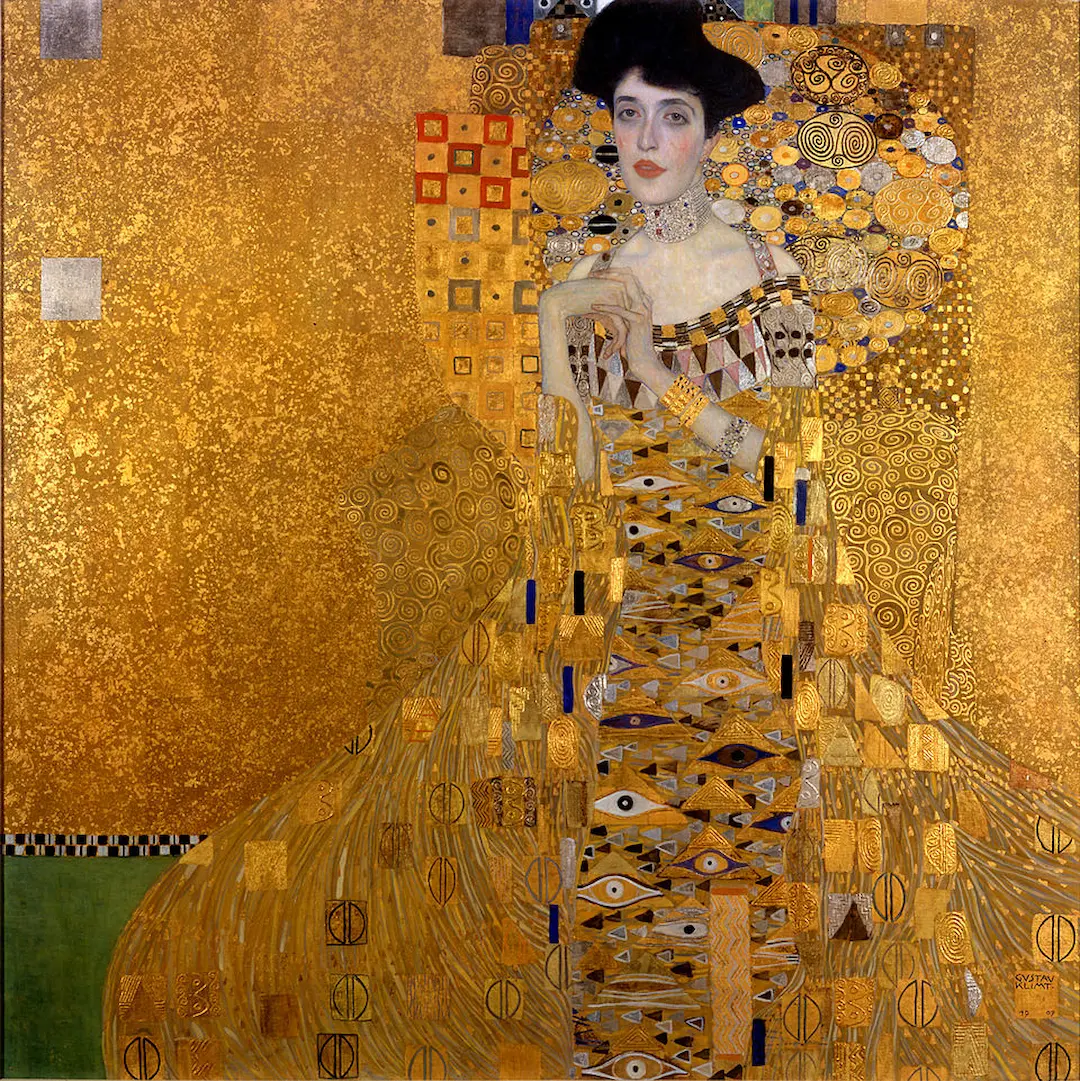
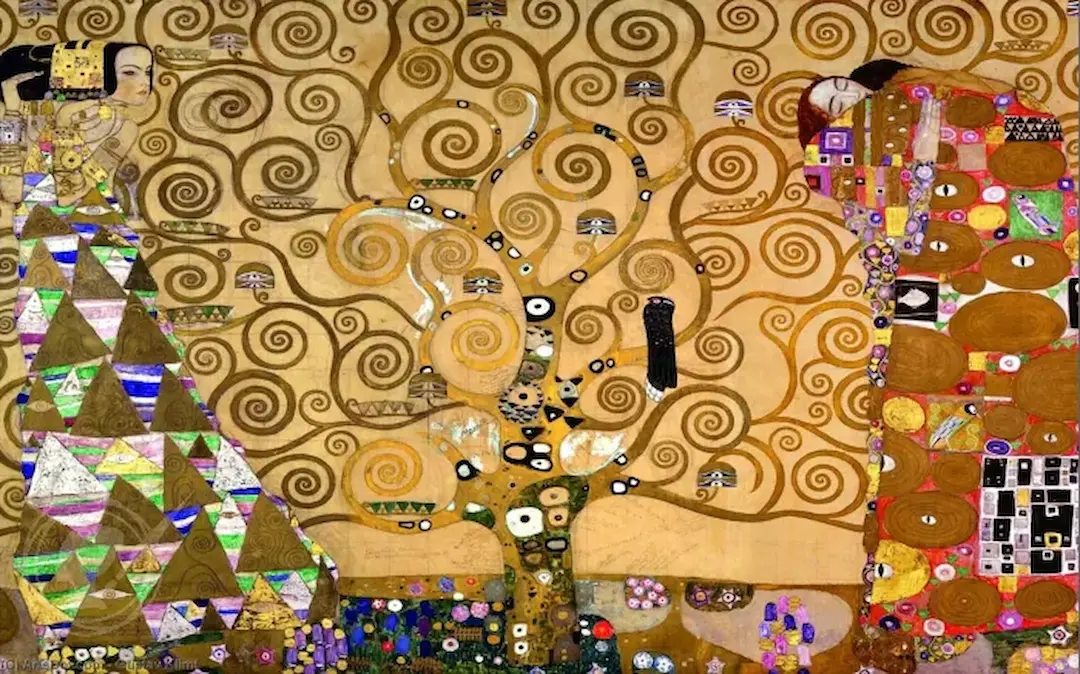
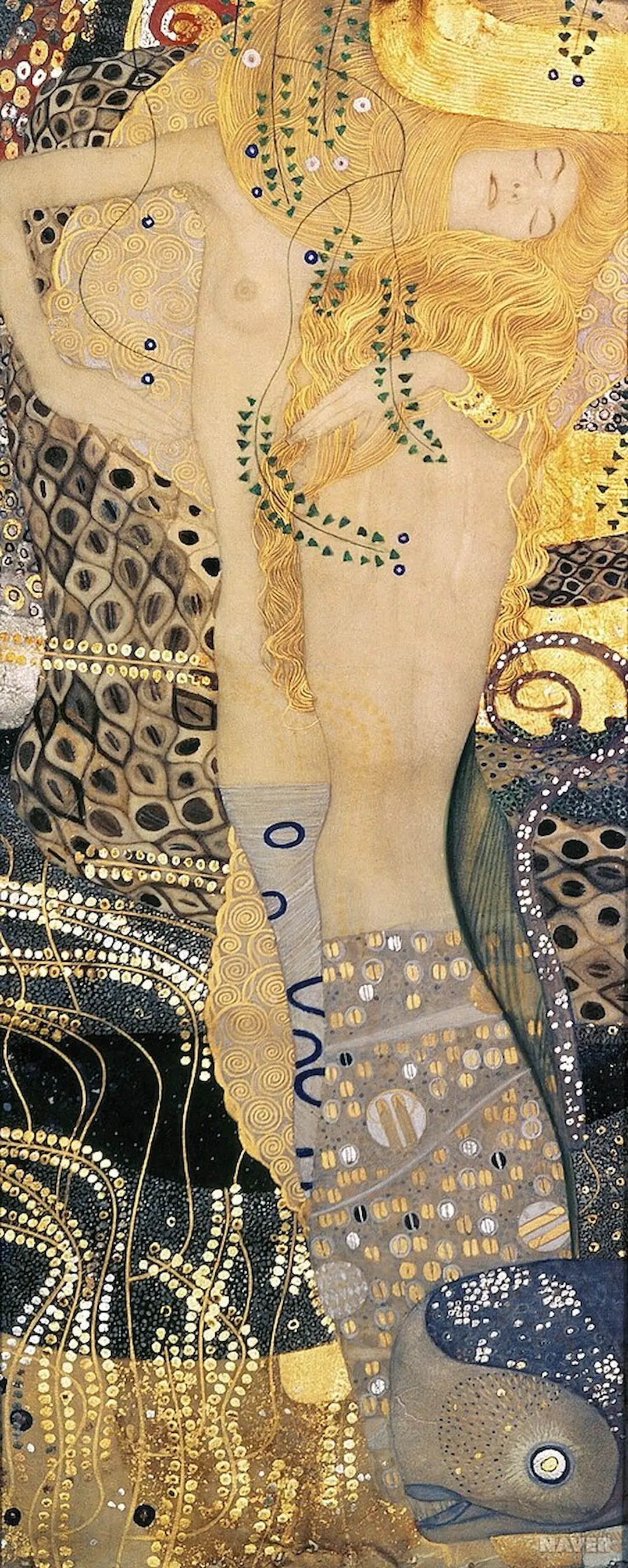
Gustav Klimt's "Portrait Of Adele Bloch Bauer I" exemplifies the meticulous technique associated with oil on canvas. Each brushstroke reveals Klimt’s dedication to detail, blending gold, silver, and vibrant colors in harmony. This painting, a hallmark of the Vienna Secession, captures the essence of early 20th-century modernism. Art lovers appreciate similar pieces such as "Water Serpents I" and "The Tree of Life," which also showcase Klimt's mastery in oil on canvas.
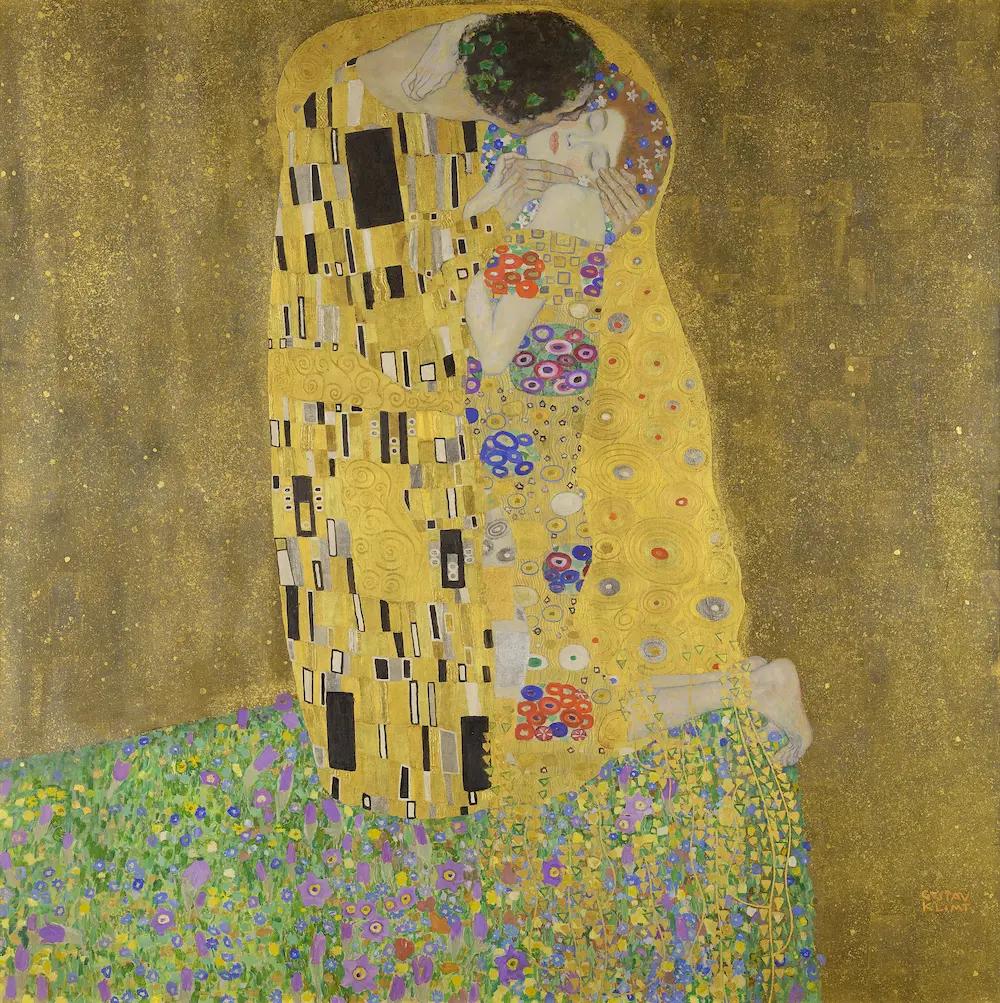
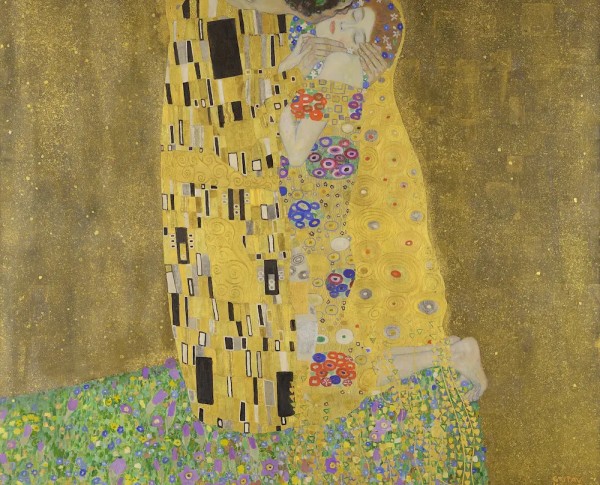
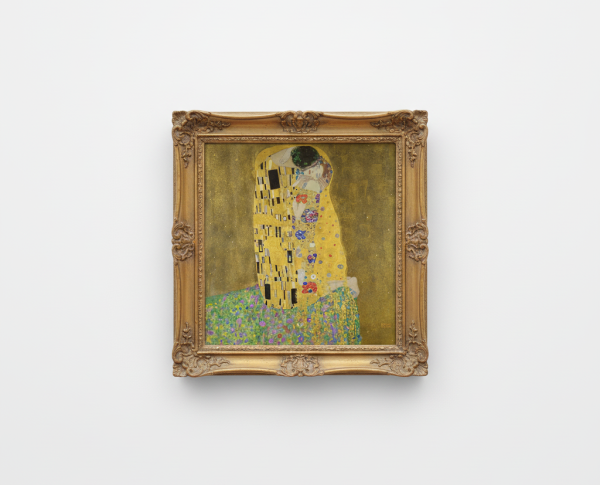
Within "Portrait Of Adele Bloch Bauer I," Gustav Klimt weaves a tapestry of stories and symbols, reflecting the ideals of the Vienna Secession. The hand-painted oil painting is filled with motifs of femininity, wealth, and mystery, inviting viewers to interpret its deeper meanings. Klimt’s symbolic language is echoed in related products like "The Kiss" and "Water Serpents I," making each fine art painting for sale a window into a world of allegory and beauty.
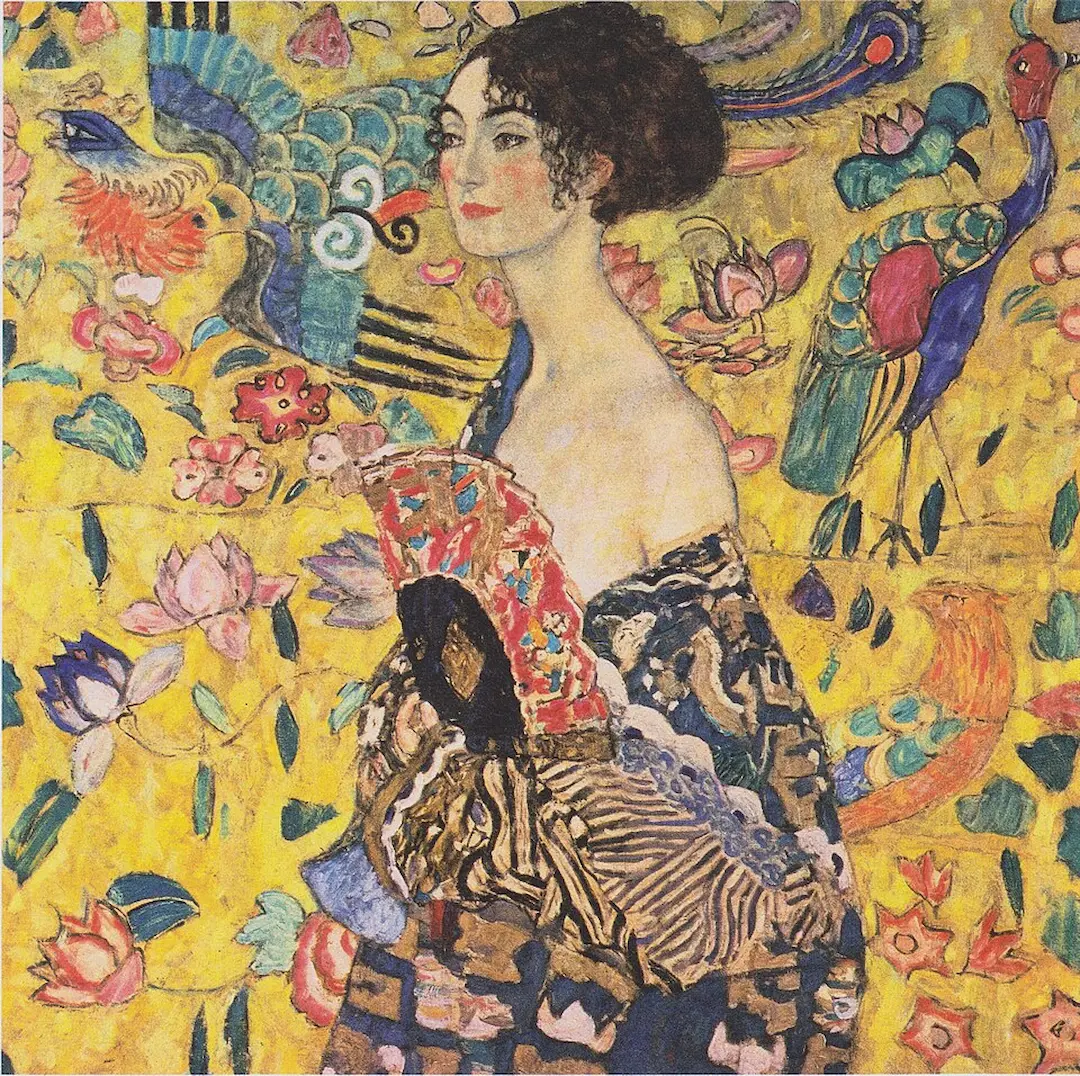
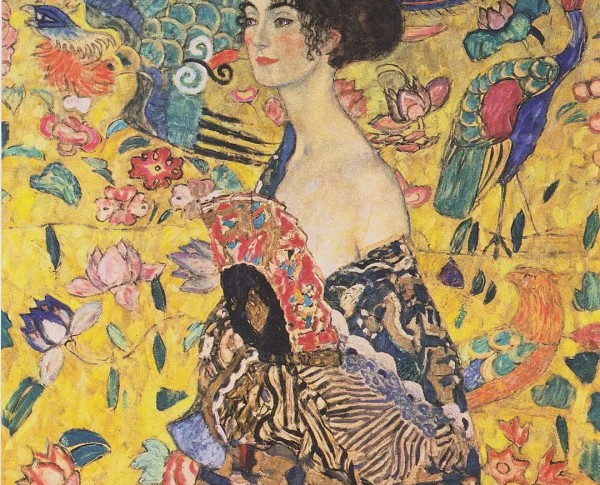
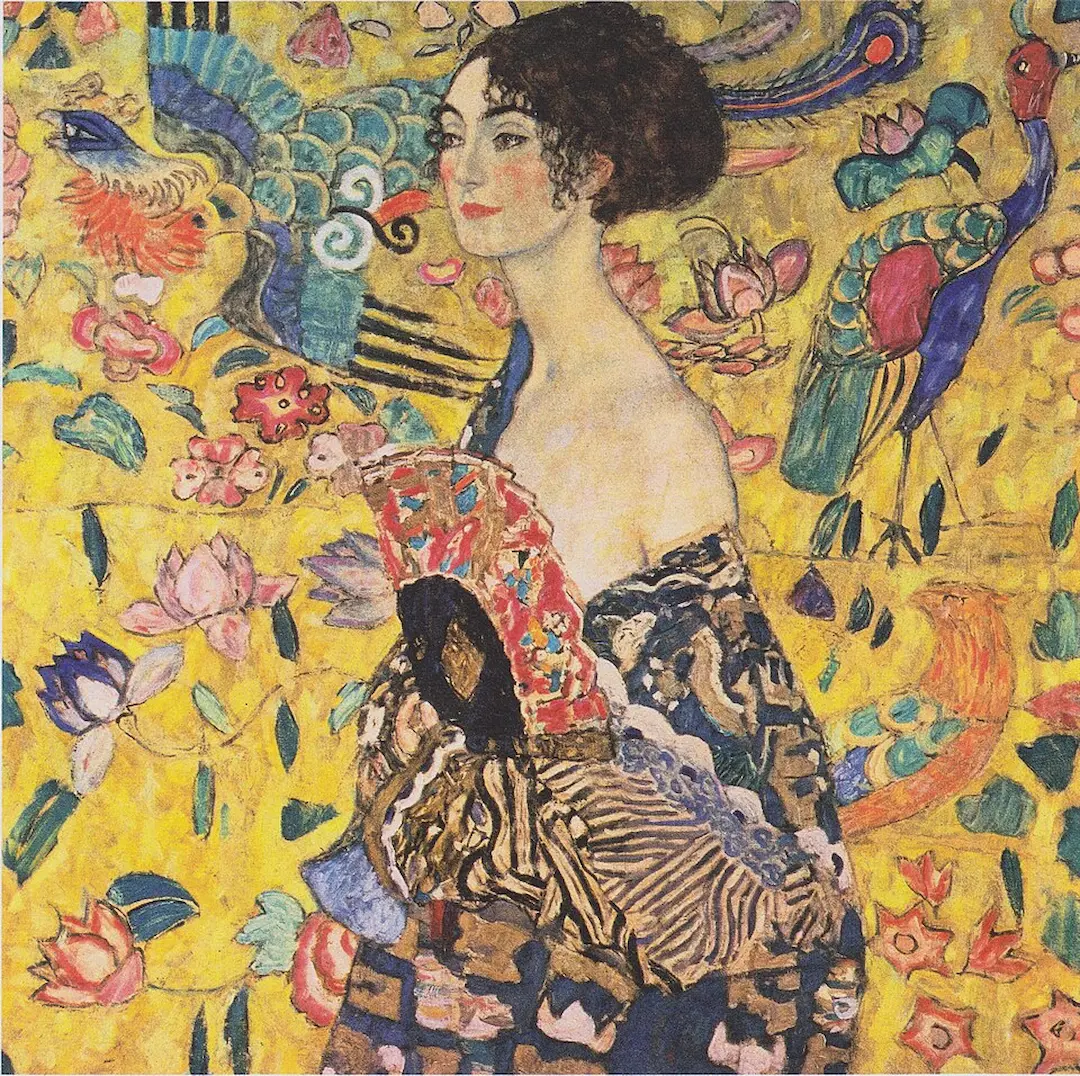
For collectors, owning "Portrait Of Adele Bloch Bauer I" by Gustav Klimt is a testament to the enduring appeal of the Vienna Secession movement. This oil on canvas masterpiece remains highly sought after in the world of fine art painting for sale. Its legacy is further enriched by related products, including "Lady With Fan" and "The Tree of Life," each offering a unique glimpse into Klimt’s visionary artistry and the opulence of early modernist painting.
When Art Meets History
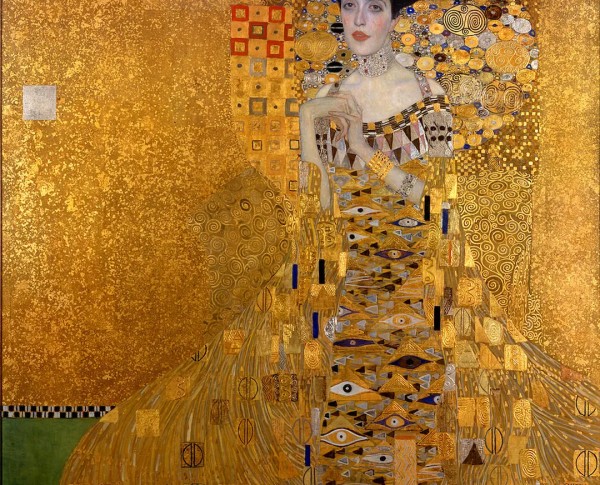
Gustav Klimt’s "Portrait Of Adele Bloch Bauer I" stands as a remarkable hand-painted oil painting from the Vienna Secession movement. Created in 1907, this masterpiece immortalizes Adele Bloch-Bauer, a prominent figure in Viennese society. Klimt’s opulent use of gold leaf and intricate patterns reflects both the wealth and cultural richness of early 20th-century Vienna. This painting, much like his other renowned works, bridges the gap between fine art and historical narrative, captivating viewers with its timeless elegance.
Techniques That Speak
Klimt’s innovative approach in "Portrait Of Adele Bloch Bauer I" is evident through his masterful application of oil on canvas combined with gold and silver leaf. The Vienna Secession movement encouraged experimentation, and Klimt’s unique style shines here, blending Byzantine-inspired motifs with sensual portraiture. His meticulous layering and attention to detail create a luminous effect, making the surface shimmer with life. This technique elevates the painting, distinguishing it among his other celebrated works in art history.
Emotions on Display
The expressive power of "Portrait Of Adele Bloch Bauer I" lies in its ability to convey both intimacy and grandeur. Klimt captures Adele’s enigmatic gaze, inviting viewers to ponder her inner world. The interplay of intricate patterns and rich colors evokes a sense of mystery and allure, hallmarks of the Vienna Secession movement. This fine art painting for sale continues to inspire collectors and admirers, standing alongside Klimt’s other emotionally charged portraits in the annals of art.
Coveted by Collectors
"Portrait Of Adele Bloch Bauer I" has long been a coveted treasure among art collectors, not only for its exquisite beauty but also for its tumultuous history. As a hand-painted oil painting by Gustav Klimt, it embodies the spirit of the Vienna Secession movement and has achieved legendary status in the art market. Its record-breaking auctions and prominent museum displays underscore the enduring allure of Klimt’s work, making it a centerpiece for any collection of fine art.
Frequently Asked Questions About Portrait Of Adele Bloch Bauer I
Who is the subject of the painting "Portrait Of Adele Bloch Bauer I"?
The subject of the painting is Adele Bloch Bauer, a prominent Viennese socialite and patron of the arts, who was married to wealthy industrialist Ferdinand Bloch Bauer.
What year was "Portrait Of Adele Bloch Bauer I" created?
The painting was completed in 1907, during a period when Gustav Klimt was at the height of his artistic career.
What artistic style is "Portrait Of Adele Bloch Bauer I" associated with?
The painting is associated with the Art Nouveau movement, characterized by its decorative style, intricate patterns, and emphasis on sensuality and beauty.
What materials were used in the creation of "Portrait Of Adele Bloch Bauer I"?
The artwork is created using oil on canvas, with the addition of gold leaf, which is a hallmark of Klimt's work and enhances the painting's opulence.
What are the prominent themes depicted in "Portrait Of Adele Bloch Bauer I"?
The painting explores themes of femininity, beauty, and wealth, as well as the interplay between the subject's identity and her social status.
How does Klimt use color and pattern in "Portrait Of Adele Bloch Bauer I"?
Klimt employs a rich palette of gold, black, and earth tones, along with intricate patterns, to create a sense of depth and texture, emphasizing the luxuriousness of the subject's attire and surroundings.
What is the significance of the gold leaf in "Portrait Of Adele Bloch Bauer I"?
The use of gold leaf not only enhances the visual impact of the painting but also symbolizes wealth, immortality, and the divine, reflecting the subject's elevated social status.
How does "Portrait Of Adele Bloch Bauer I" reflect the cultural context of early 20th-century Vienna?
The painting reflects the cultural and artistic flourishing of Vienna during this period, showcasing the intersection of modernity and tradition, as well as the prominence of women in the arts.
What impact did "Portrait Of Adele Bloch Bauer I" have on Gustav Klimt's career?
The painting solidified Klimt's reputation as one of the leading artists of his time and is considered one of his masterpieces, influencing the trajectory of modern portraiture.
Where is "Portrait Of Adele Bloch Bauer I" currently located?
The painting is housed in the Neue Galerie in New York City, where it is part of the permanent collection dedicated to early 20th-century German and Austrian art.






















_GFM_Painting_(1).webp)


 100% Hand-Painted: Finished in 3-6 Weeks

.png)















_(1).webp)