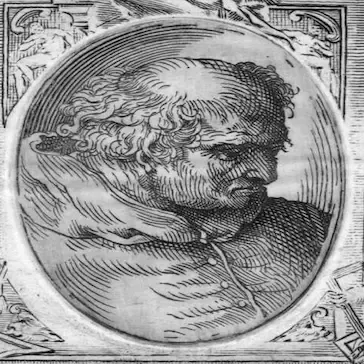










"Q21106507" is a stunning example of oil on canvas technique, showcasing Jules Grun’s remarkable ability to blend color and light. Each brushstroke demonstrates his command of texture and composition, hallmarks of the Belle Époque movement. This painting draws the viewer into a world of elegance and sophistication. Collectors searching for similar works may also appreciate the detailed artistry present in "Q17493149," "Q17492754," and Grun’s celebrated "The Dinner Party."
This fine art painting for sale is rich with stories and symbols reflecting the joie de vivre of the Belle Époque. Jules Grun integrated subtle details into "Q21106507" that invite viewers to interpret themes of celebration, culture, and society. The painting’s vibrant atmosphere connects it with related works like "Q17493149," "Q17492754," and "The Dinner Party," each offering a unique glimpse into the era’s social tapestry and artistic innovation.
"Q21106507" by Jules Grun stands as a prized hand-painted oil painting for collectors of Belle Époque art. Its timeless appeal and expert craftsmanship make it a centerpiece in any fine art collection. Those looking to enhance their galleries should consider related pieces such as "Q17493149," "Q17492754," and "The Dinner Party." Each artwork complements Grun’s masterpiece, celebrating the enduring beauty and cultural richness of the period.
When Art Meets History
Jules Grun’s renowned hand-painted oil painting, "Q21106507," is a vivid representation of the Belle Époque movement. This era, known for its cultural blossoming, is beautifully encapsulated in Grun’s work. The artist’s keen attention to social dynamics and elegance mirrors the lively spirit of Paris at the turn of the 20th century. Like other masterpieces from this period, the painting stands as a bridge between art and history, showcasing the unique charm of Belle Époque in every brushstroke.
Techniques That Speak
The exquisite oil on canvas technique used by Jules Grun in "Q21106507" sets this artwork apart. Grun masterfully layers color and light, creating depth and vibrancy that draw viewers into the scene. His brushwork, a hallmark of Belle Époque artistry, captures both movement and detail with remarkable finesse. This method, also seen in his other works, highlights the technical prowess that defines Grun’s legacy within the tradition of oil on canvas masterpieces.
Emotions on Display
"Q21106507" by Jules Grun is more than a fine art painting for sale; it is a window into the emotional landscape of the Belle Époque. The composition radiates joy and sophistication, reflecting the optimism and exuberance of the era. Grun’s ability to convey nuanced expressions and lively scenes invites viewers to experience the societal vibrancy firsthand. Like many of his celebrated works, this painting captures the human spirit at its most spirited and engaging.
Coveted by Collectors
Collectors around the world seek out Jules Grun’s hand-painted oil paintings, with "Q21106507" being a standout example of Belle Époque artistry. The painting’s historical significance and masterful technique make it a prized addition to any collection. As demand for authentic Belle Époque pieces grows, works like this become increasingly valuable. For those looking to invest in a fine art painting for sale, Grun’s creations remain timeless treasures cherished by art enthusiasts and collectors alike.
Frequently Asked Questions About Q21106507
What is the historical context of "Q21106507"?
"Q21106507" was created during the late 19th century, a period marked by significant social and political changes in Europe. This era saw the rise of Impressionism and the exploration of modern themes in art, reflecting the shifting dynamics of society.
Who is Jules Grun and what is his significance in art history?
Jules Grun was a French painter known for his vibrant depictions of Parisian life and culture. His work often captured the spirit of the Belle Époque, making him a notable figure in the transition between traditional and modern art.
What artistic techniques are employed in "Q21106507"?
The painting showcases Grun's mastery of color and light, utilizing techniques such as loose brushwork and vibrant palettes to evoke emotion and movement, characteristic of the Impressionist style.
What themes are explored in "Q21106507"?
The painting explores themes of leisure and social interaction, reflecting the cultural vibrancy of Paris during the late 19th century. It captures the essence of community and the joy of everyday life.
How does "Q21106507" reflect the social dynamics of its time?
The artwork illustrates the changing social landscape of Paris, where the bourgeoisie and working class began to intermingle in public spaces, highlighting the democratization of leisure activities.
What symbols can be found in "Q21106507"?
Symbolism in "Q21106507" can be seen through the depiction of figures engaged in leisure activities, representing the pursuit of happiness and the importance of community in the face of rapid industrialization.
In what ways does "Q21106507" embody the characteristics of Impressionism?
The painting embodies Impressionism through its emphasis on capturing a moment in time, the use of light to create atmosphere, and the focus on everyday subjects, all hallmarks of the movement.
What influence did "Q21106507" have on subsequent artists?
"Q21106507" influenced later artists by demonstrating the potential of capturing contemporary life and emotions, paving the way for future movements that embraced modernity and realism in art.
How does the composition of "Q21106507" contribute to its overall impact?
The composition of "Q21106507" is carefully balanced, drawing the viewer's eye to the interactions between figures, which enhances the narrative quality of the scene and invites engagement with the artwork.
What is the significance of color in "Q21106507"?
The use of color in "Q21106507" is significant as it conveys mood and emotion, with warm tones creating a sense of warmth and vibrancy, reflective of the lively atmosphere of Parisian social life.