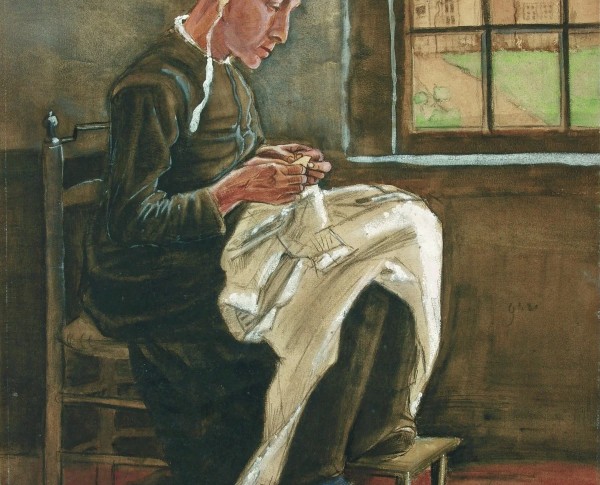
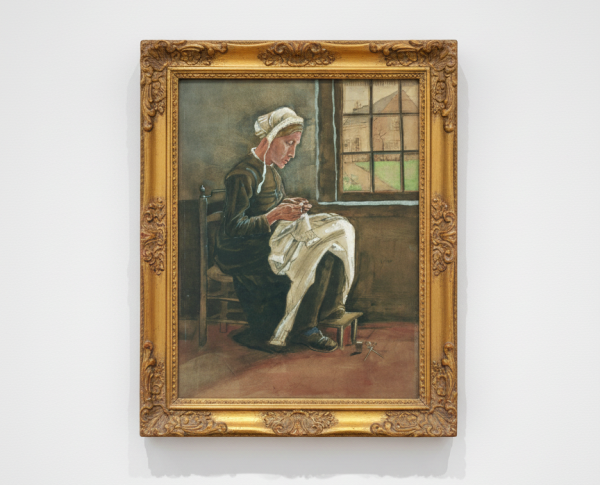
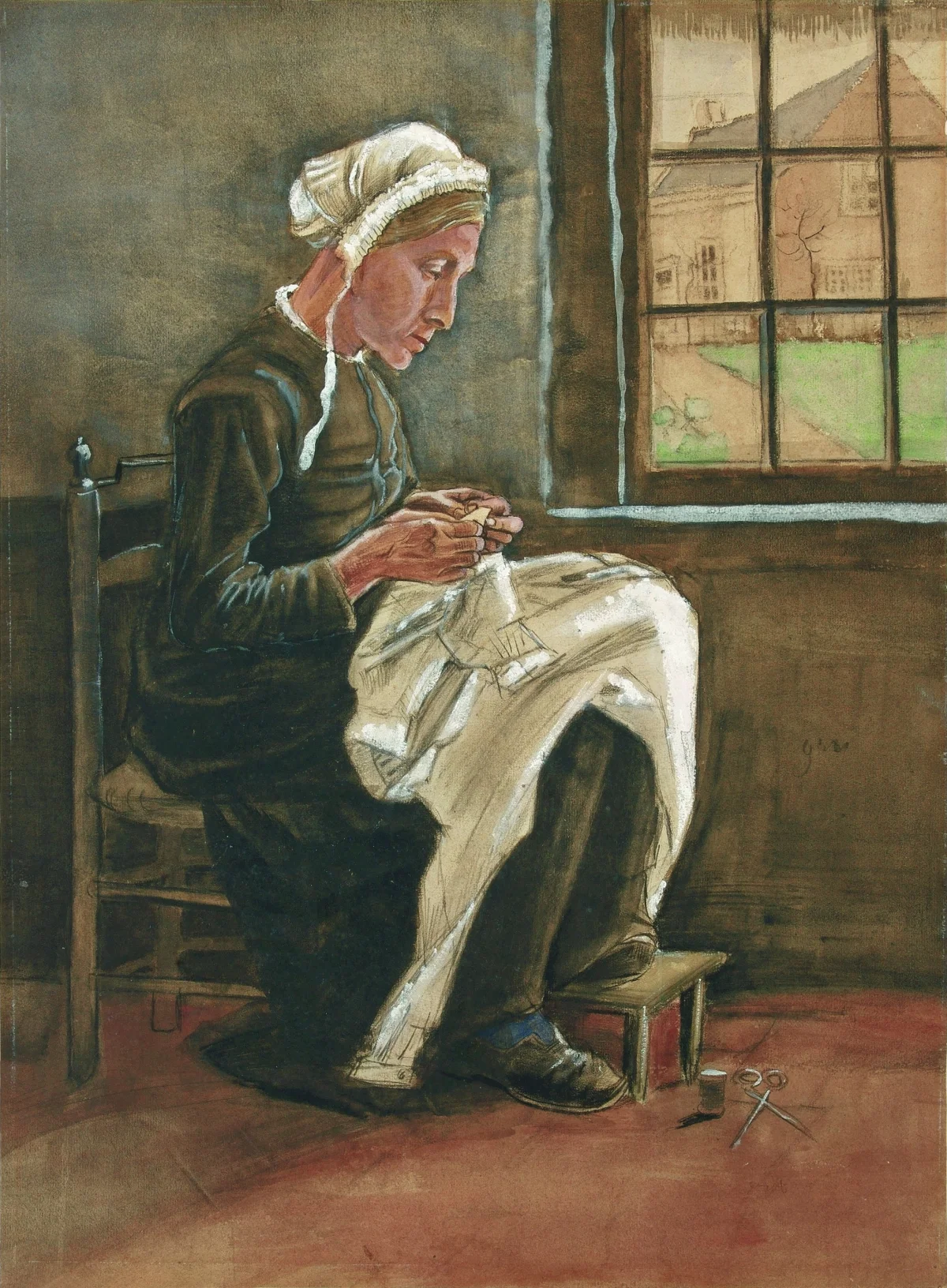
With "The Sewing Woman," Sloan’s mastery of oil on canvas is evident in his expressive brushwork and attention to detail. The textured layers and nuanced color palette bring the scene to life, showcasing the artist’s ability to portray both mood and narrative. As with his other paintings such as "A Road to Santa Fe" and "Three A.M.," Sloan’s technical skill places this artwork among the finest examples of the Ashcan School’s dedication to realism.
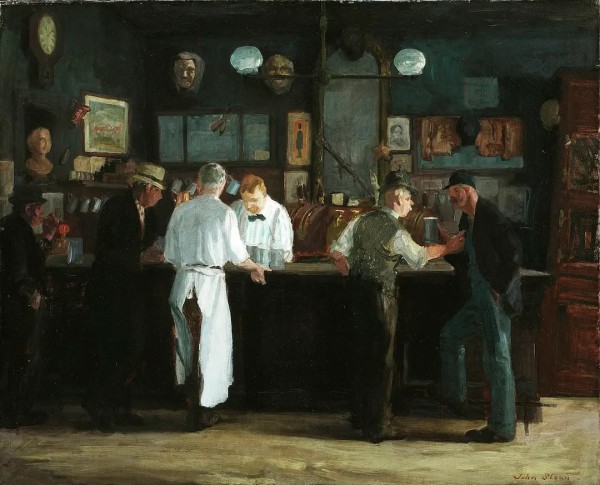
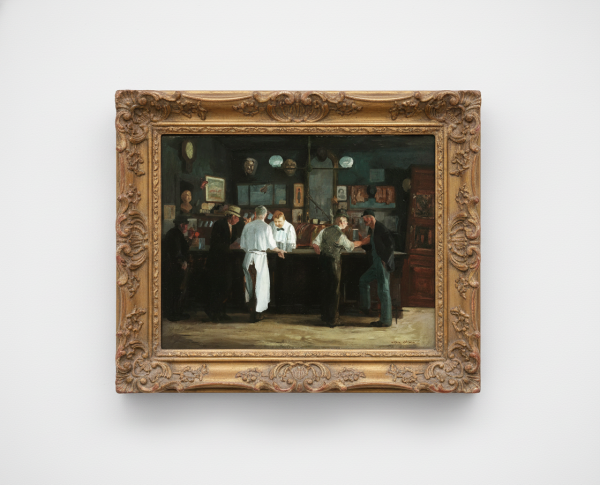
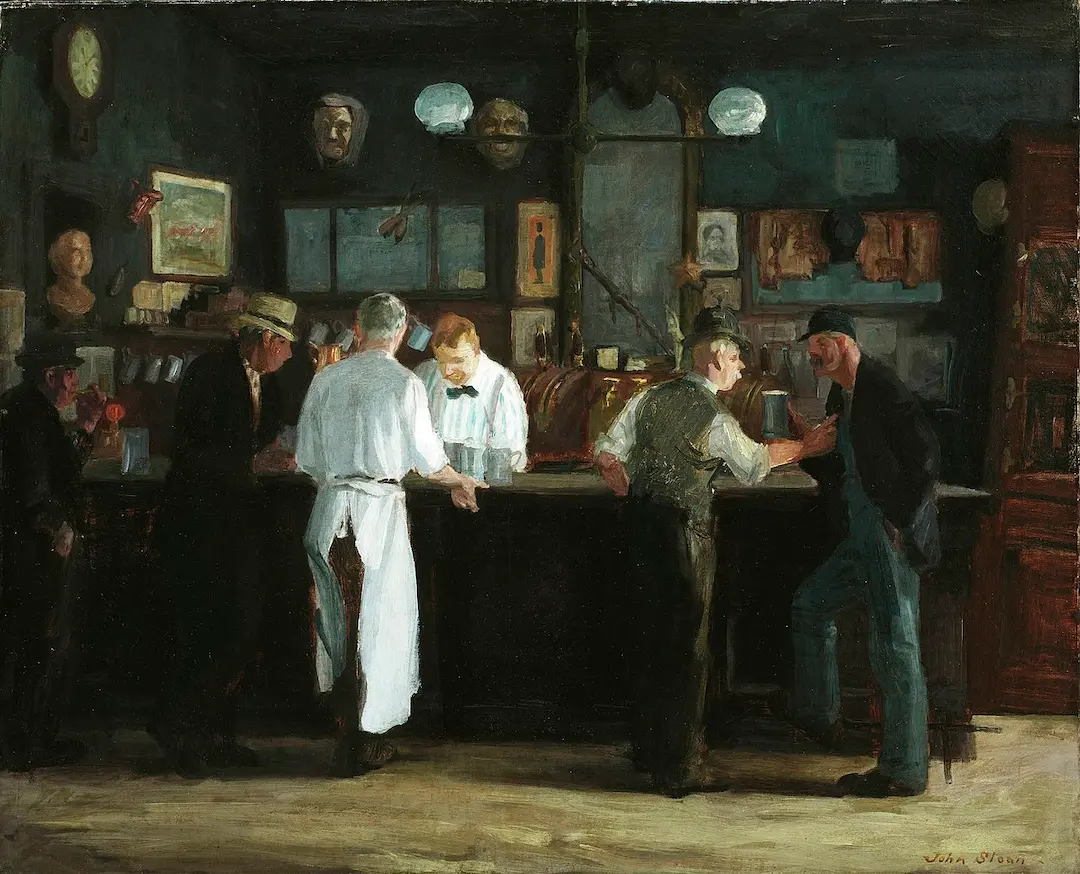
Sloan’s "The Sewing Woman" is more than a fine art painting for sale; it is a window into the lives of working-class women in early twentieth-century America. Through subtle symbolism and careful composition, the painting tells a story of resilience and quiet dignity. Collectors often pair this piece with Sloan’s evocative works like "McSorley’s Bar," appreciating the narrative depth and social commentary inherent in Ashcan School masterpieces.
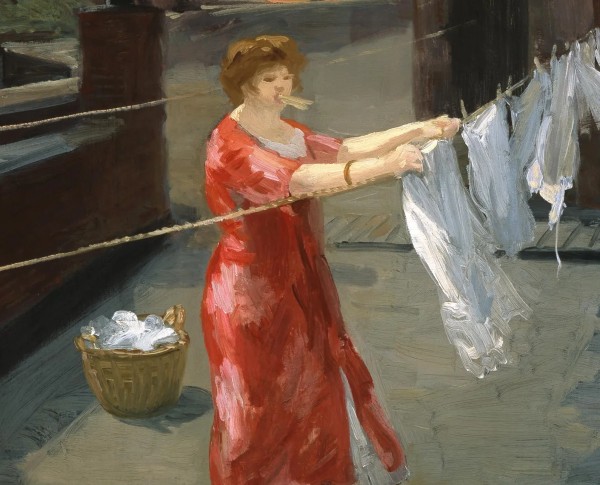
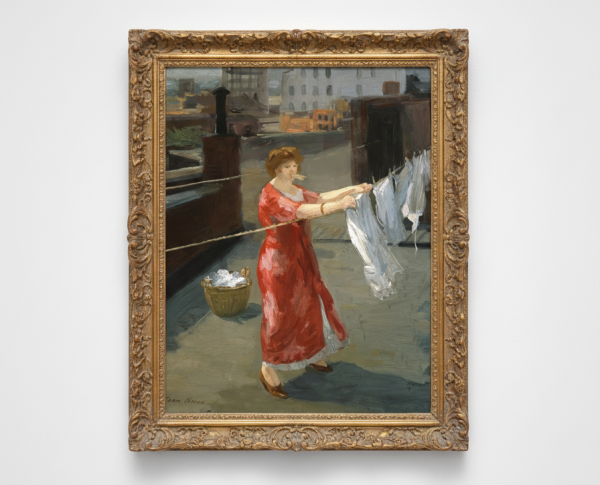
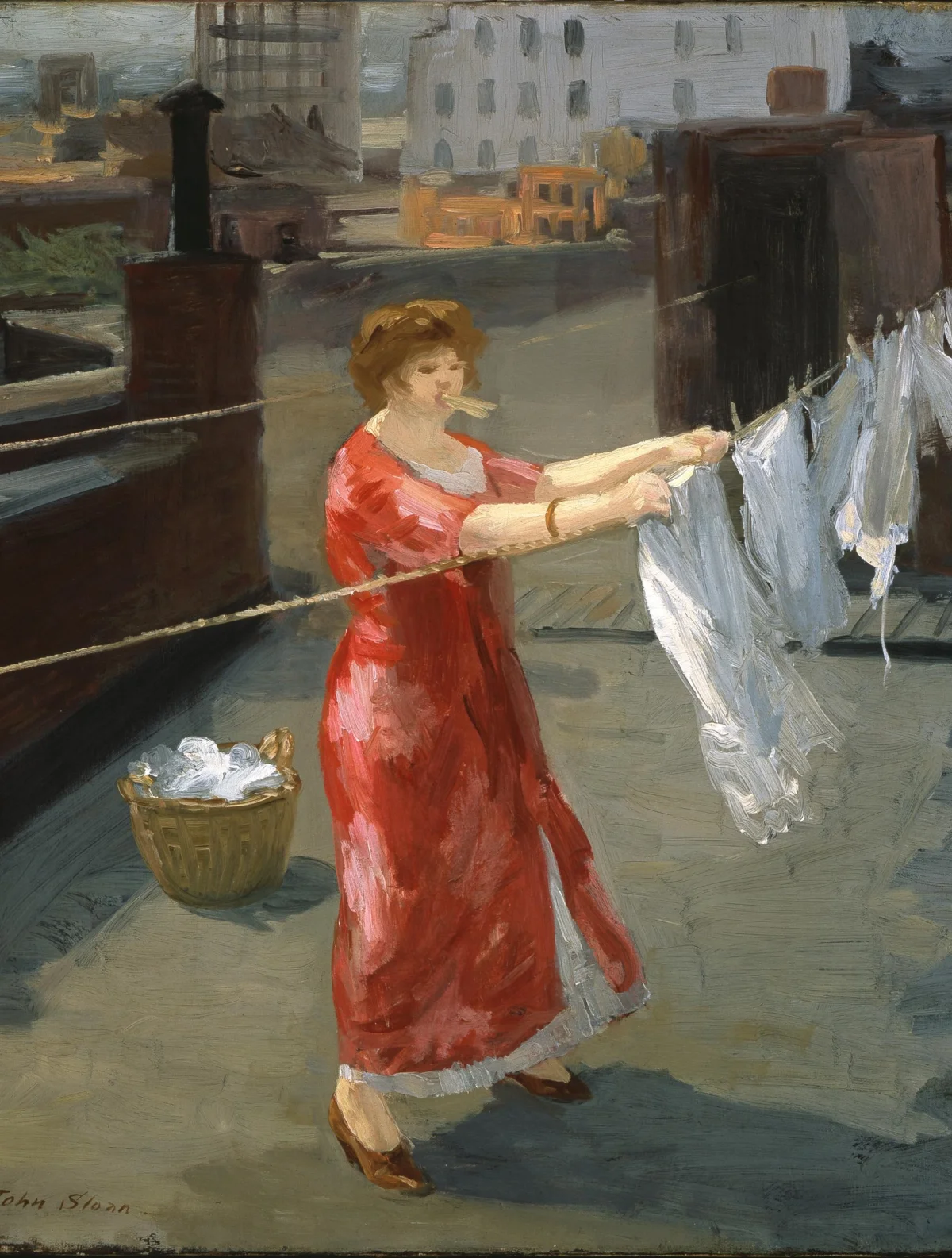
For art enthusiasts, acquiring "The Sewing Woman" by John Sloan is an opportunity to own a significant piece of Ashcan School history. This hand-painted oil painting not only enriches a collection but also connects collectors with related products, including "Red Kimono on the Roof" and "Seacoast, Gloucester." Sloan’s celebrated works continue to attract attention, making them sought-after treasures for those passionate about American fine art.
When Art Meets History
John Sloan’s "The Sewing Woman" is a prime example of the Ashcan School movement, capturing the everyday realities of early 20th-century urban life. This hand-painted oil painting offers a glimpse into the working-class experience, echoing the social changes of its era. Sloan, alongside his contemporaries, sought to depict life as it was, not as it should be. "The Sewing Woman" stands as a testament to this philosophy, much like his other celebrated works.
Techniques That Speak
Employing skilled brushwork and a nuanced palette, Sloan’s technique in "The Sewing Woman" highlights the expressive power of oil on canvas. The textured strokes and attention to detail evoke the tactile quality of fabric and the intimacy of the moment. As with other Ashcan School paintings, Sloan’s methods emphasize realism and immediacy, drawing viewers into the scene. The rich surface and layered hues make this oil on canvas piece a standout within his oeuvre.
Emotions on Display
"The Sewing Woman" by John Sloan radiates quiet determination and introspection, qualities typical of Ashcan School works. The subject’s focused demeanor invites empathy, making the viewer ponder her daily struggles and triumphs. This fine art painting for sale resonates with those who appreciate art that communicates genuine emotion. Sloan’s ability to capture mood and character in this painting is echoed in his other portraits, solidifying his reputation as a master observer of life.
Coveted by Collectors
Collectors prize "The Sewing Woman" not only for its historical significance but also for its exquisite artistry and connection to the Ashcan School. John Sloan’s hand-painted oil painting embodies the social realism that defines the movement, making it a sought-after piece in galleries and private collections. As with his related paintings, this work’s authenticity and narrative depth ensure its enduring appeal among those seeking a meaningful fine art painting for sale.
Frequently Asked Questions About The Sewing Woman
What is the historical context of The Sewing Woman?
The Sewing Woman was created during the early 20th century, a time when American art was shifting towards realism and everyday life was becoming a central theme. John Sloan, as part of the Ashcan School, focused on depicting the lives of ordinary people in urban settings.
What artistic techniques did John Sloan use in The Sewing Woman?
Sloan employed a loose brushwork style and a muted color palette, characteristic of his work. He used light and shadow to create depth and to highlight the figure of the woman, emphasizing her role in domestic life.
What symbolism is present in The Sewing Woman?
The Sewing Woman symbolizes the often-overlooked labor of women in society. The act of sewing represents both creativity and the traditional roles women held in the early 20th century, reflecting themes of domesticity and the intersection of art and labor.
How does The Sewing Woman reflect the values of the Ashcan School?
The painting embodies the Ashcan School's focus on realism and the depiction of everyday life. It highlights the beauty in mundane activities and the dignity of working-class individuals, challenging the elitism often found in earlier art movements.
What influence did John Sloan have on American art?
John Sloan was a pivotal figure in American art, influencing the development of modernism. His focus on urban life and social realism paved the way for later movements that explored similar themes, making him a key figure in the transition from traditional to modern art.
What is the significance of the color palette in The Sewing Woman?
The muted color palette used in The Sewing Woman serves to evoke a sense of warmth and intimacy, drawing the viewer into the domestic space. The colors also reflect the everyday reality of the time, moving away from the vibrant hues of earlier artistic styles.
How does the composition of The Sewing Woman contribute to its meaning?
The composition, with the woman centrally placed and engaged in her task, creates a focal point that emphasizes her importance. The surrounding elements are simplified, allowing the viewer to concentrate on her role and the act of sewing, reinforcing the theme of domestic labor.
In what ways does The Sewing Woman address gender roles?
The painting addresses gender roles by portraying a woman in a domestic setting, highlighting the societal expectations of women during the early 20th century. It invites viewers to reflect on the value of women's work, both in the home and in society at large.
What impact did The Sewing Woman have on contemporary views of women's labor?
The Sewing Woman contributed to a growing recognition of women's labor as valuable and worthy of artistic representation. It challenged contemporary viewers to reconsider the significance of domestic work and its place in the broader narrative of art and society.
How does The Sewing Woman compare to other works by John Sloan?
Compared to other works by Sloan, The Sewing Woman is notable for its intimate portrayal of domestic life. While many of his other pieces focus on urban scenes and social commentary, this painting emphasizes personal experience and the quiet dignity of everyday tasks.






















_GFM_Painting_(1).webp)


 100% Hand-Painted: Finished in 3-6 Weeks

.png)
















_(1).webp)