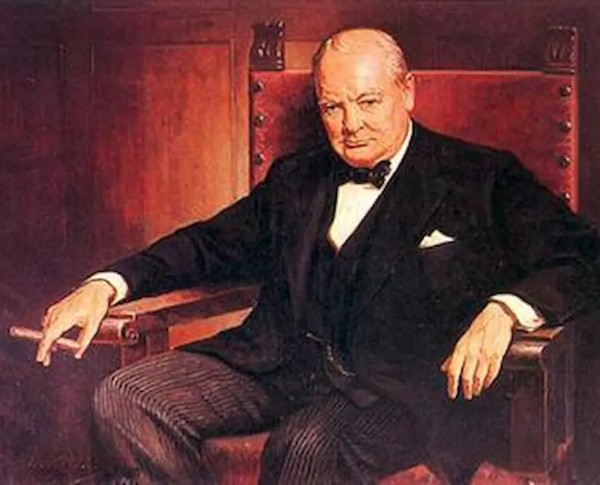
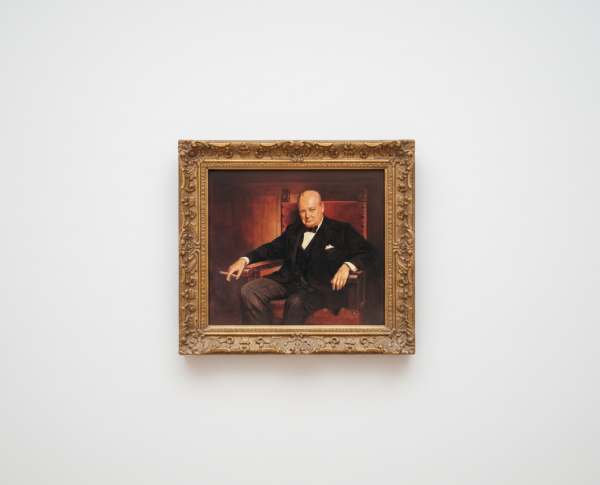
Arthur Pan’s meticulous approach to oil on canvas reveals his dedication to the classical realism movement. Every brushstroke in the Winston Churchill (1874–1965) portrait demonstrates his skill in rendering lifelike textures and profound character. This oil on canvas masterpiece is a fine example of Pan’s ability to encapsulate the gravitas of historical figures. Collectors looking for fine art painting for sale should consider works by Pan and explore related products that celebrate significant personalities.
The painting “Winston Churchill (1874–1965)” by Arthur Pan is steeped in symbolism, reflecting Churchill’s resilience and unwavering spirit. As a hand-painted oil painting, it goes beyond mere likeness, weaving stories from Churchill’s illustrious life into every detail. For enthusiasts of the classical realism movement, this portrait and related products like “Sir Winston Churchill (1874–1965), KG, OM, CH, TD, PC, Honorary Member (1946)” offer a profound connection to history through art.
Owning Arthur Pan’s “Winston Churchill (1874–1965)” is like possessing a piece of history. This fine art painting for sale is a prized addition to any collection focused on classical realism or significant world leaders. The painting’s historical context, paired with Pan’s artistry, makes it highly sought after. Collectors may also be interested in related products such as “Claude Grahame-White (1879–1959),” which further enrich the narrative of influential figures in art.
When Art Meets History
"Winston Churchill (1874–1965)" by Arthur Pan stands as a remarkable hand-painted oil painting, seamlessly blending historical significance with the timeless elegance of Classical Realism. Pan’s portrait of the legendary British Prime Minister not only immortalizes a pivotal figure but also reflects the artist’s mastery within the movement. This painting, much like other notable works by Pan, captures the essence of an era, making it a compelling piece for admirers of both history and art.
Techniques That Speak
Arthur Pan’s "Winston Churchill (1874–1965)" showcases his remarkable command of oil on canvas, a medium revered in Classical Realism. With meticulous brushwork and attention to detail, Pan brings Churchill’s character to life, demonstrating the movement’s dedication to lifelike representation. The subtle interplay of light and shadow, as seen in this and similar portraits, highlights Pan’s technical prowess and his ability to convey depth and realism through traditional techniques.
Emotions on Display
In "Winston Churchill (1874–1965)", Arthur Pan masterfully captures the statesman’s resilience and gravitas, hallmarks of a fine art painting for sale that transcends mere likeness. The painting’s nuanced expression and thoughtful composition evoke Churchill’s determination during turbulent times, inviting viewers to connect emotionally with the subject. Pan’s approach, consistent with the Classical Realism movement, infuses each brushstroke with meaning, as seen in his other celebrated portraits.
Coveted by Collectors
Arthur Pan’s "Winston Churchill (1874–1965)" remains highly sought after among collectors who appreciate a distinguished hand-painted oil painting. As a significant work within the Classical Realism movement, it holds enduring appeal for those interested in historical and artistic value. The demand for such paintings, especially portraits of influential figures by renowned artists like Pan, continues to grow, making this piece a prized addition to any fine art collection.
Frequently Asked Questions About Winston Churchill (1874–1965)
What is the historical significance of Winston Churchill in the context of this painting?
Winston Churchill was a pivotal figure during World War II, serving as the Prime Minister of the United Kingdom. His leadership and oratory skills inspired resilience among the British people during a time of great adversity. This painting captures his formidable presence and the weight of his responsibilities during a critical period in history.
Who is the artist Arthur Pan, and what is his artistic background?
Arthur Pan is a contemporary artist known for his ability to blend realism with expressive brushwork. His work often explores themes of leadership and historical figures, using a unique style that emphasizes both the physical and emotional aspects of his subjects.
What artistic techniques did Arthur Pan employ in this painting?
Arthur Pan utilized a combination of oil painting techniques, including layering and glazing, to create depth and texture. The use of chiaroscuro highlights the contrasts in light and shadow, enhancing the three-dimensionality of Churchill's features and conveying a sense of gravitas.
What symbols are present in the painting, and what do they represent?
The painting includes symbols such as Churchill's iconic bowler hat and cigar, which represent his persona and leadership style. The background elements may also reflect the tumultuous times of the 20th century, symbolizing the challenges faced by Britain during his tenure.
How does this painting reflect the character of Winston Churchill?
The painting captures Churchill's determined expression and confident posture, reflecting his tenacity and resolve. The artist's attention to detail in Churchill's facial features conveys a sense of wisdom and experience, embodying the qualities that defined his leadership.
In what ways does this artwork contribute to the understanding of Churchill's legacy?
This artwork serves as a visual representation of Churchill's complex legacy, illustrating both his strengths and the burdens of leadership. It invites viewers to reflect on his impact on history and the moral dilemmas he faced during his time in office.
What is the significance of the color palette used in this painting?
The color palette is predominantly muted, with earthy tones that evoke a sense of seriousness and gravitas. This choice reflects the somber realities of war and leadership, while also highlighting Churchill's steadfastness amidst chaos.
How does this painting compare to other portraits of Winston Churchill?
This painting stands out due to its emotional depth and the artist's unique interpretation. Unlike many traditional portraits that focus solely on likeness, Pan's work captures the essence of Churchill's character and the historical context in which he operated.
What emotions does the painting evoke in viewers?
The painting evokes a range of emotions, including admiration, respect, and contemplation. Viewers may feel a connection to the historical significance of Churchill's leadership, as well as an appreciation for the artistry that brings his character to life.
What role does this painting play in the broader narrative of 20th-century history?
This painting serves as a visual anchor for discussions about 20th-century history, particularly the events of World War II. It encapsulates the spirit of the era and invites viewers to engage with the complexities of leadership, conflict, and resilience during a transformative period in global history.
















_GFM_Painting_(1).webp)



 100% Hand-Painted: Finished in 3-6 Weeks

.png)















_(1).webp)