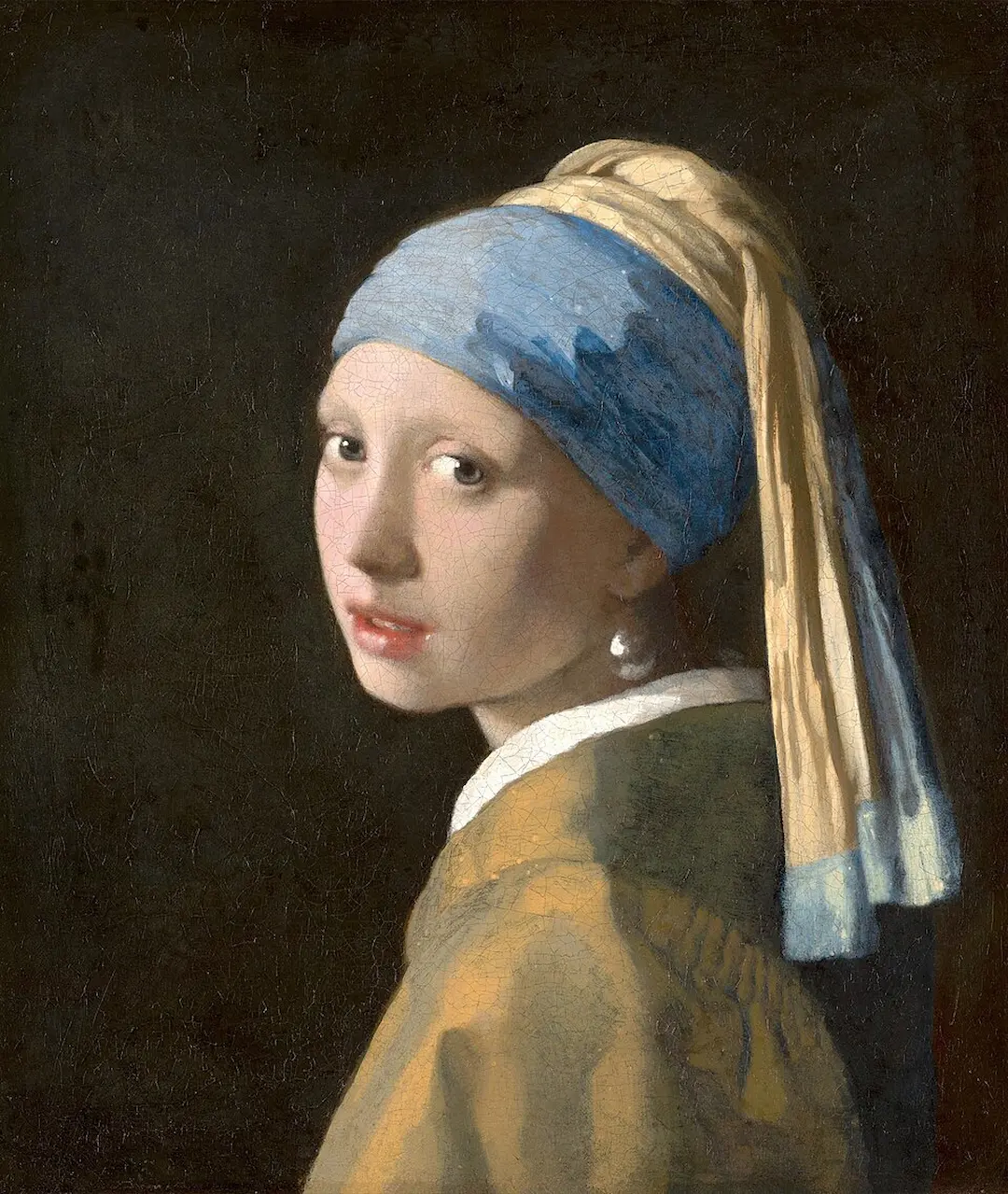
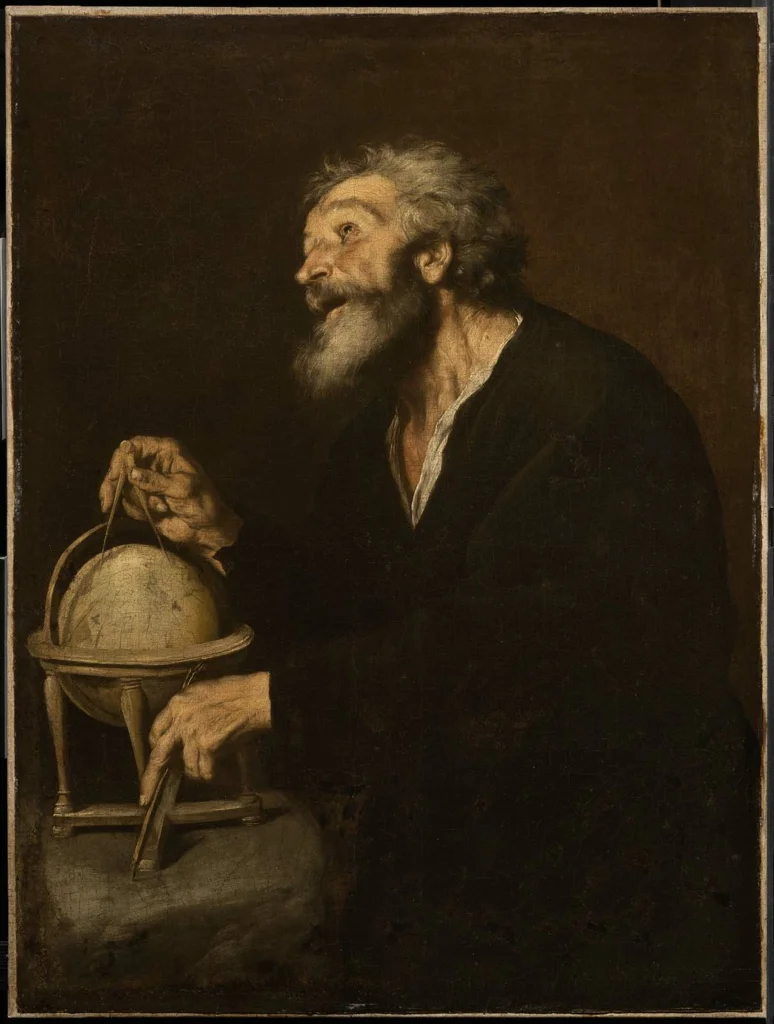
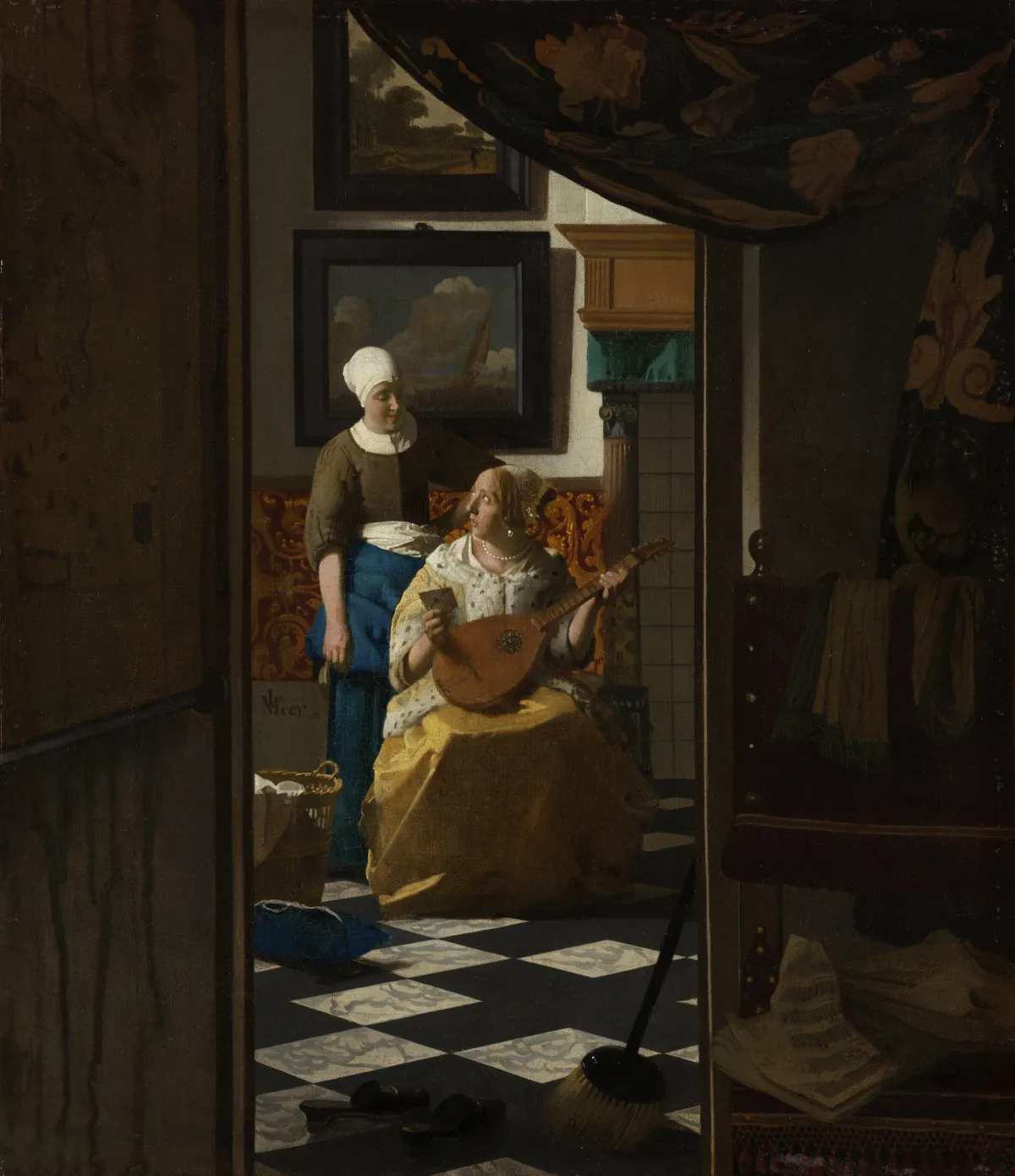
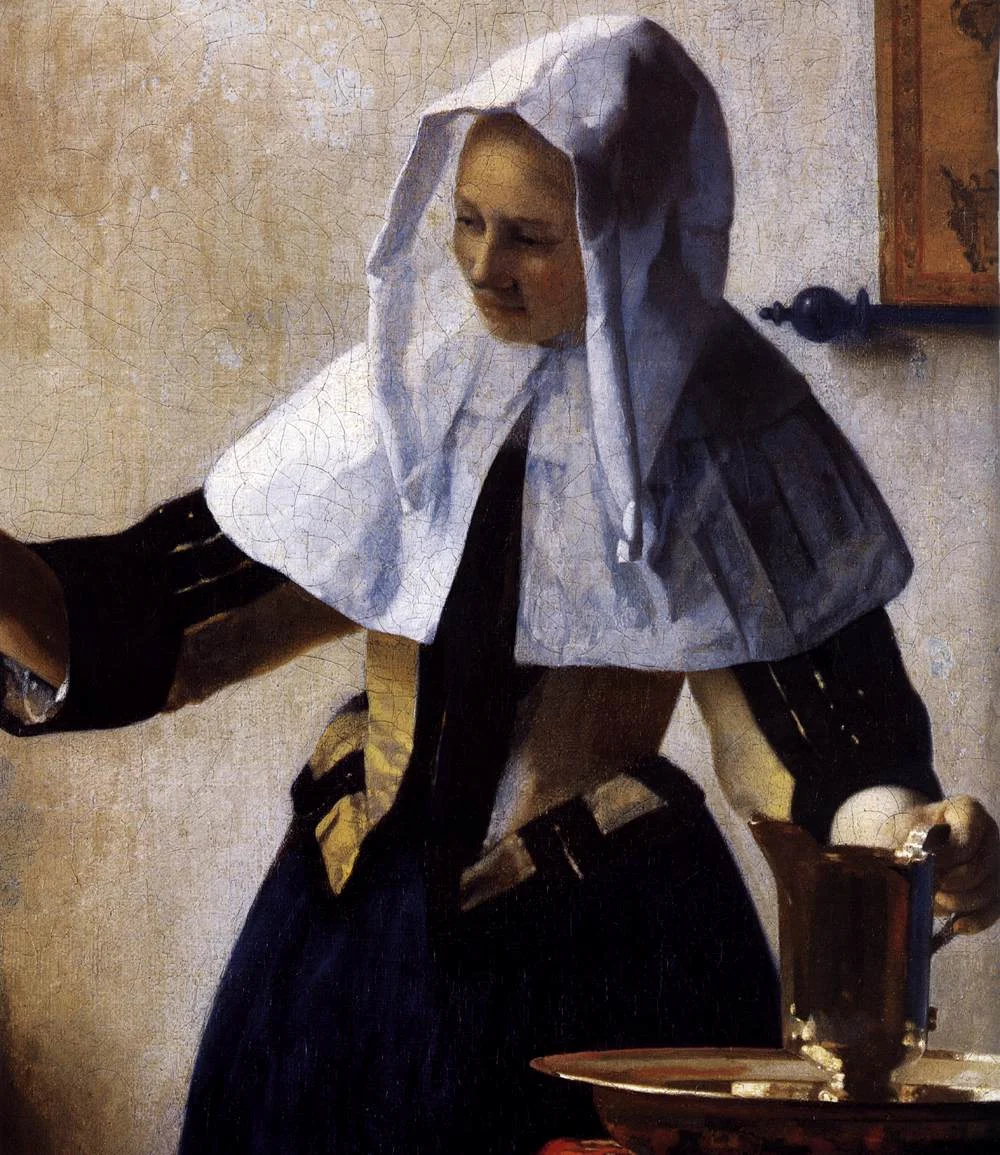
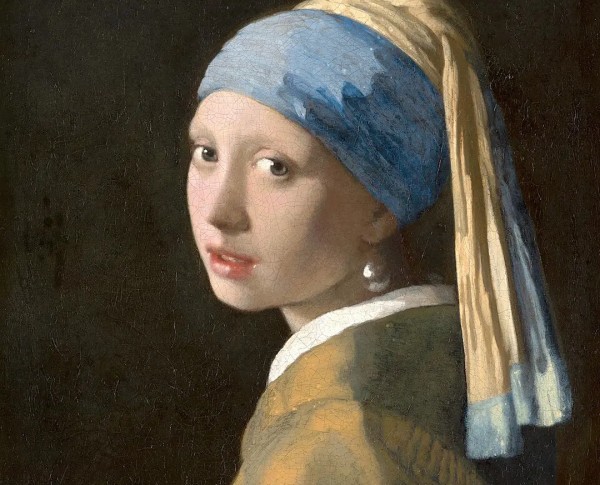
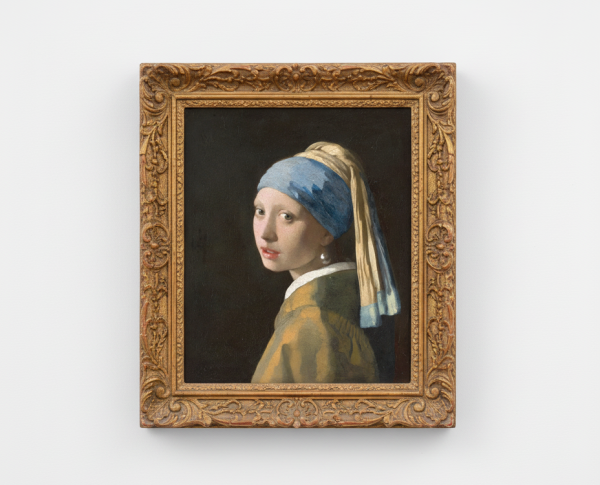
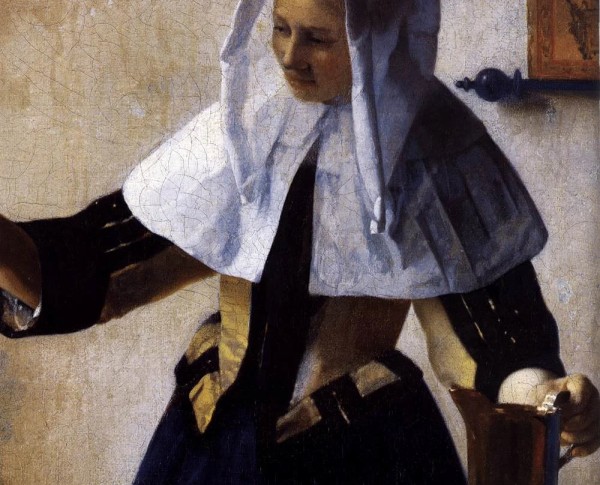
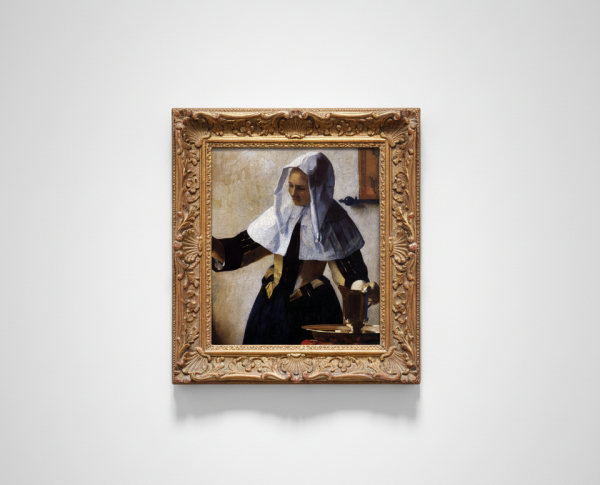
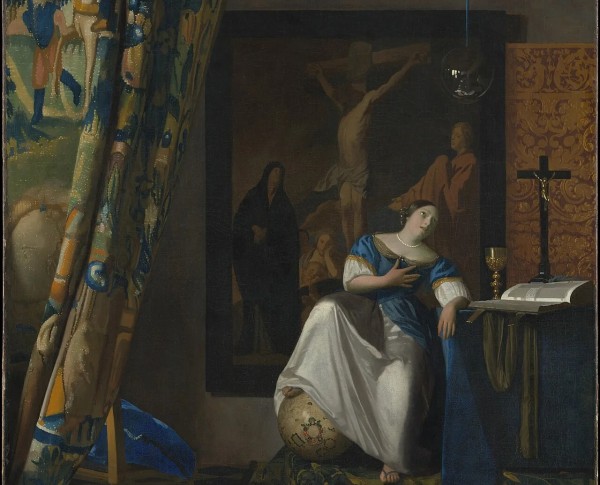
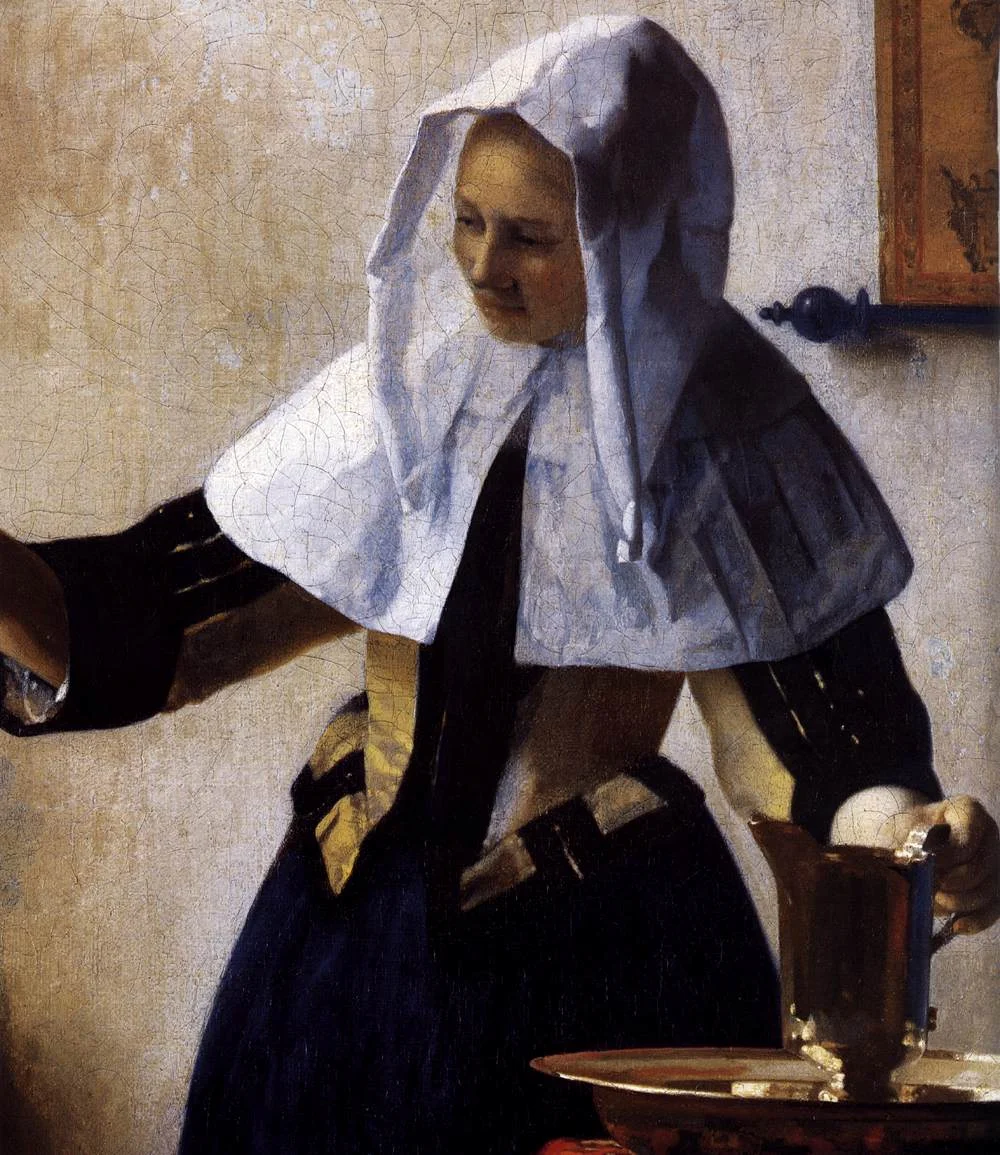
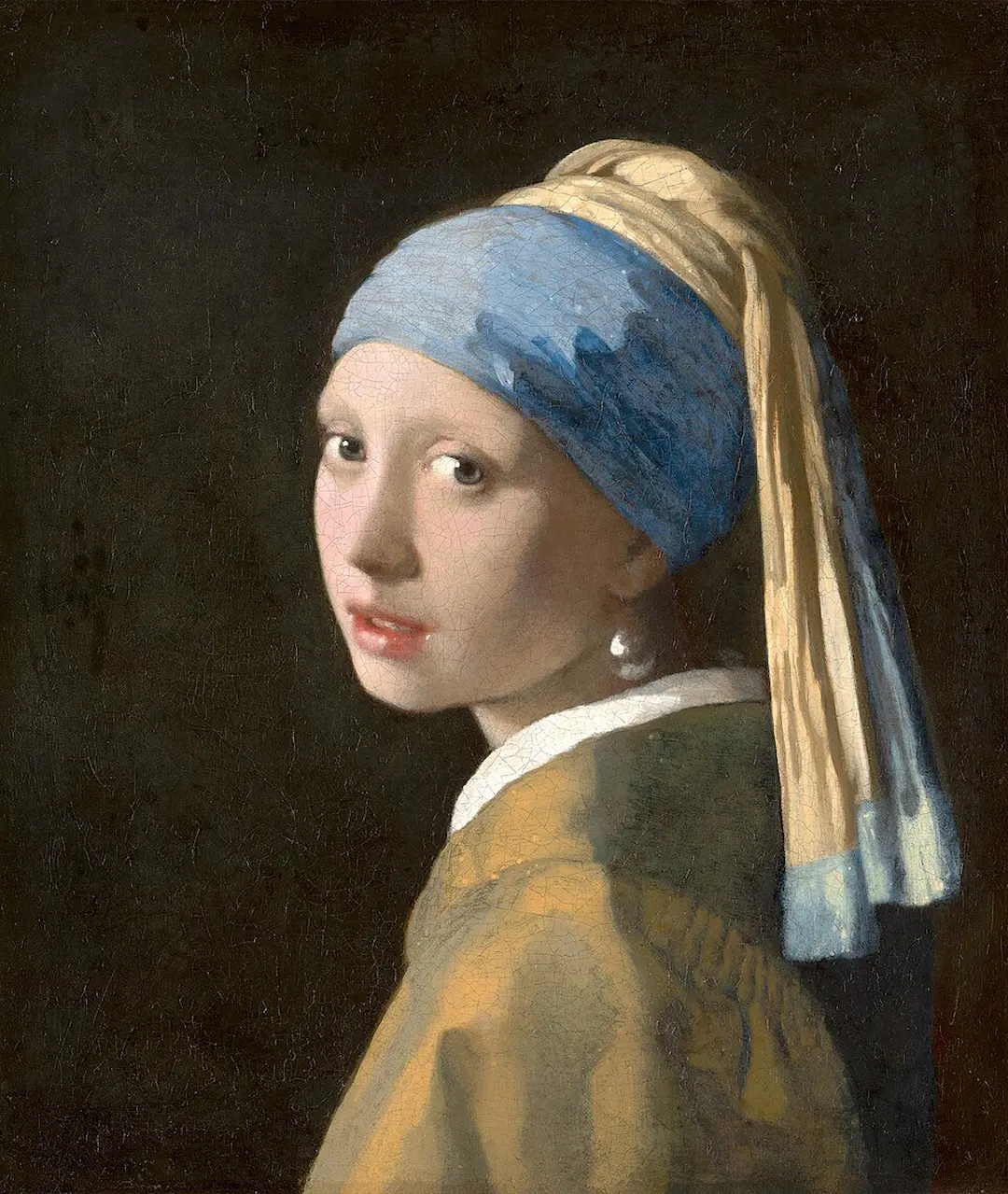
Rendered in exquisite oil on canvas, "Woman with a Water Jug" showcases Vermeer’s unparalleled skill with brushwork and composition. The delicate interplay of light and shadow highlights the subject’s serene expression and the luminous quality of her surroundings. This oil on canvas exemplifies the Dutch Golden Age’s dedication to realism and depth, making it a prime example of Vermeer’s artistic mastery alongside works like "Girl with a Pearl Earring c. 1665."
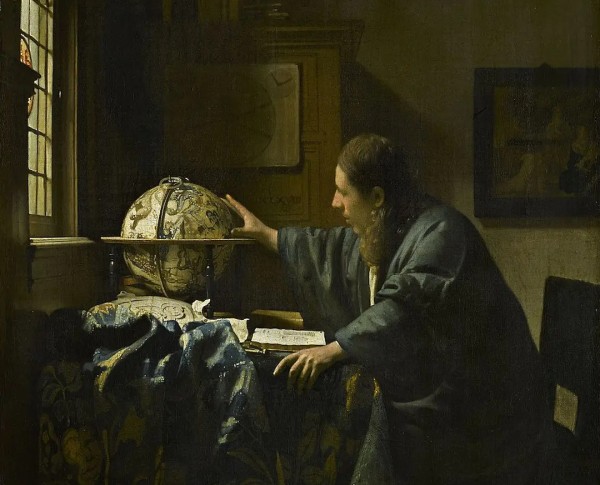
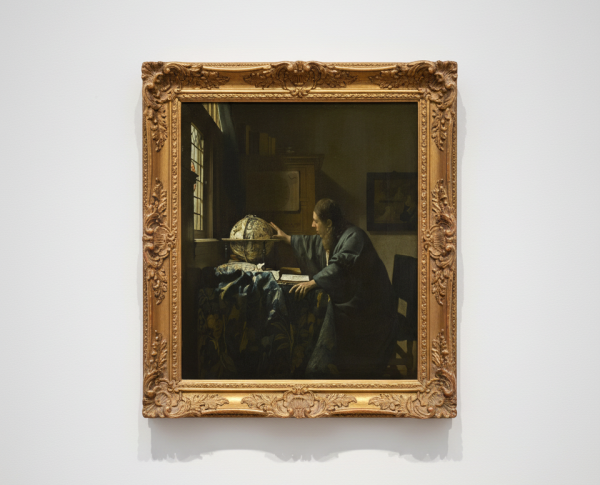
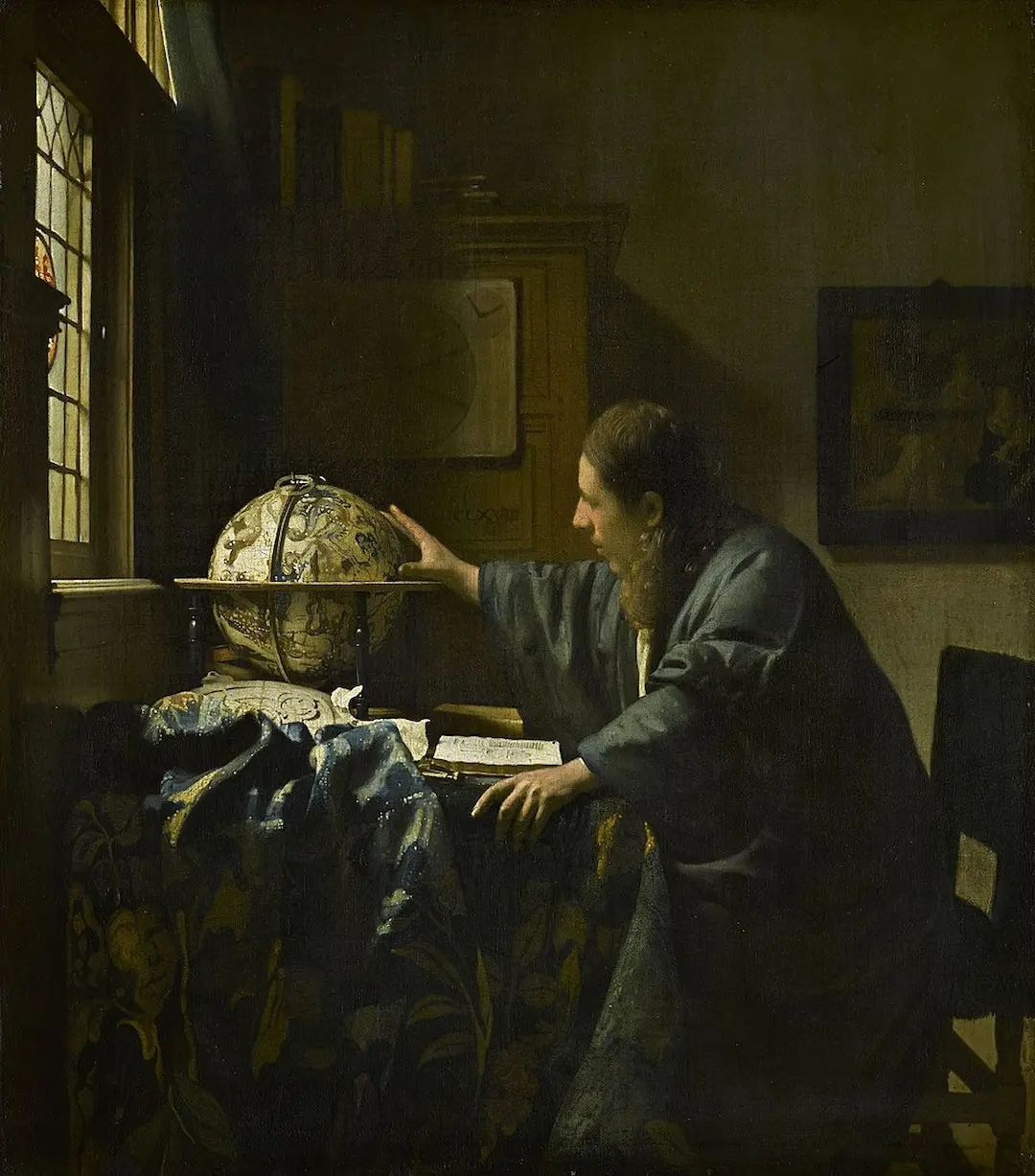
Every element in Vermeer’s "Woman with a Water Jug" is rich with meaning, from the shimmering jug to the softly lit window. The painting invites viewers to consider the daily rituals of Dutch women and the symbolic importance of water and purity. As a hand-painted oil painting, it illustrates Vermeer’s ability to infuse ordinary scenes with profound significance, much like his other celebrated pieces, including "The Astronomer c. 1668."
For those seeking a fine art painting for sale, "Woman with a Water Jug" stands out as a cornerstone of any collection. Jan Vermeer Van Delft’s works, particularly from the Dutch Golden Age, remain highly prized for their beauty and historical significance. Collectors often pair this masterpiece with related products such as "Girl with a Pearl Earring c. 1665" or "The Astronomer c. 1668" to celebrate Vermeer’s artistic legacy.
When Art Meets History
"Woman with a Water Jug" by Jan Vermeer Van Delft is a remarkable example of the Dutch Golden Age, a period renowned for its exquisite hand-painted oil painting masterpieces. Created circa 1660–1662, this artwork captures the essence of daily life in 17th-century Netherlands. Vermeer’s attention to detail and use of light align it with other iconic pieces of the era, such as "The Night Watch" and "Anatomy Lesson of Dr Tulp," highlighting the rich cultural tapestry of Dutch art.
Techniques That Speak
Jan Vermeer Van Delft’s "Woman with a Water Jug" demonstrates masterful use of oil on canvas, a technique that allowed Dutch Golden Age artists to achieve breathtaking realism. The soft interplay of light and shadow, coupled with Vermeer’s meticulous brushwork, brings the domestic scene to life. Similar technical prowess can be seen in "Man in a Golden Helmet c. 1650" and "Philosopher in Meditation 1632," showcasing the era’s dedication to lifelike representation and artistic innovation.
Emotions on Display
The serene expression of the woman in Vermeer’s "Woman with a Water Jug" evokes a quiet sense of contemplation, capturing the subtleties of human emotion. This fine art painting for sale stands out for how it immortalizes domestic tranquility, a theme common in the Dutch Golden Age. The emotional depth found here is reminiscent of other masterworks like "Christ In The Storm On The Sea Of Galilee," where the artist’s sensitivity to mood and atmosphere is equally profound.
Coveted by Collectors
"Woman with a Water Jug" remains a coveted treasure among collectors, celebrated for its timeless beauty and historical significance. As a premier example of Dutch Golden Age artistry, this painting by Jan Vermeer Van Delft continues to inspire admiration and high demand in the art world. Like its contemporaries, such as "The Night Watch" and "Anatomy Lesson of Dr Tulp," it is often sought after as a fine hand-painted oil painting, making it a prized addition to any collection.
Related Dutch Golden Age Hand-Painted Oil Paintings by Other Artists
Other Famous Dutch Golden Age Artists:
Frequently Asked Questions About Woman with a Water Jug
What is the historical context of "Woman with a Water Jug"?
"Woman with a Water Jug" was painted by Jan Vermeer in the mid-17th century, a time when Dutch painting flourished. This period, known as the Dutch Golden Age, saw an increase in domestic genre scenes that depicted everyday life.
What artistic techniques did Vermeer use in this painting?
Vermeer is renowned for his mastery of light and color. In "Woman with a Water Jug," he employs a soft, diffused light to create a serene atmosphere, while his use of rich, vibrant colors enhances the realism of the scene.
What is the significance of the water jug in the painting?
The water jug symbolizes domesticity and the role of women in 17th-century Dutch society. It also represents purity and the daily tasks associated with home life, reflecting the importance of domestic spaces during this era.
How does Vermeer portray the female figure in this artwork?
In "Woman with a Water Jug," Vermeer presents the female figure with grace and dignity. The woman's posture and expression convey a sense of tranquility and contemplation, highlighting her central role in the domestic sphere.
What are the notable compositional elements in "Woman with a Water Jug"?
The composition is characterized by a balanced arrangement of shapes and colors. The placement of the woman against the backdrop of a simple interior creates a focal point that draws the viewer's eye, emphasizing her importance in the scene.
What role does light play in this painting?
Light is a crucial element in "Woman with a Water Jug," as it enhances the three-dimensionality of the figure and the surrounding space. Vermeer’s use of natural light creates a sense of depth and realism, inviting viewers to engage with the scene.
What themes are explored in "Woman with a Water Jug"?
The painting explores themes of domesticity, femininity, and the passage of time. It reflects the quiet moments of daily life, celebrating the beauty found in ordinary tasks and the inner world of women during the 17th century.
How does "Woman with a Water Jug" compare to Vermeer’s other works?
What influence did "Woman with a Water Jug" have on later artists?
The painting has influenced numerous artists who admire Vermeer’s technique and approach to light and composition. Its emphasis on the beauty of everyday life has inspired modern interpretations of domestic scenes in contemporary art.
Where can I view "Woman with a Water Jug" today?
"Woman with a Water Jug" is part of the collection at the Metropolitan Museum of Art in New York City. It is displayed alongside other masterpieces from the Dutch Golden Age, allowing visitors to appreciate its historical significance.






















_GFM_Painting_(1).webp)


 100% Hand-Painted: Finished in 3-6 Weeks

.png)















_(1).webp)