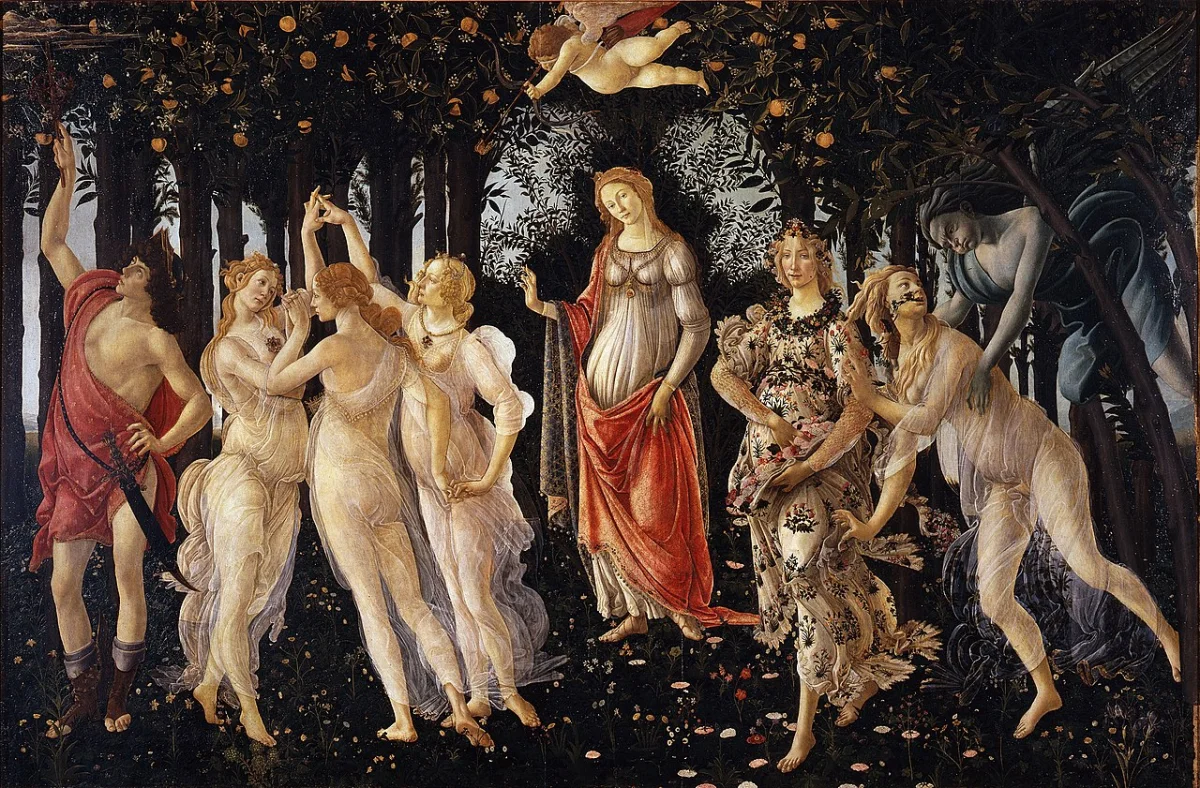
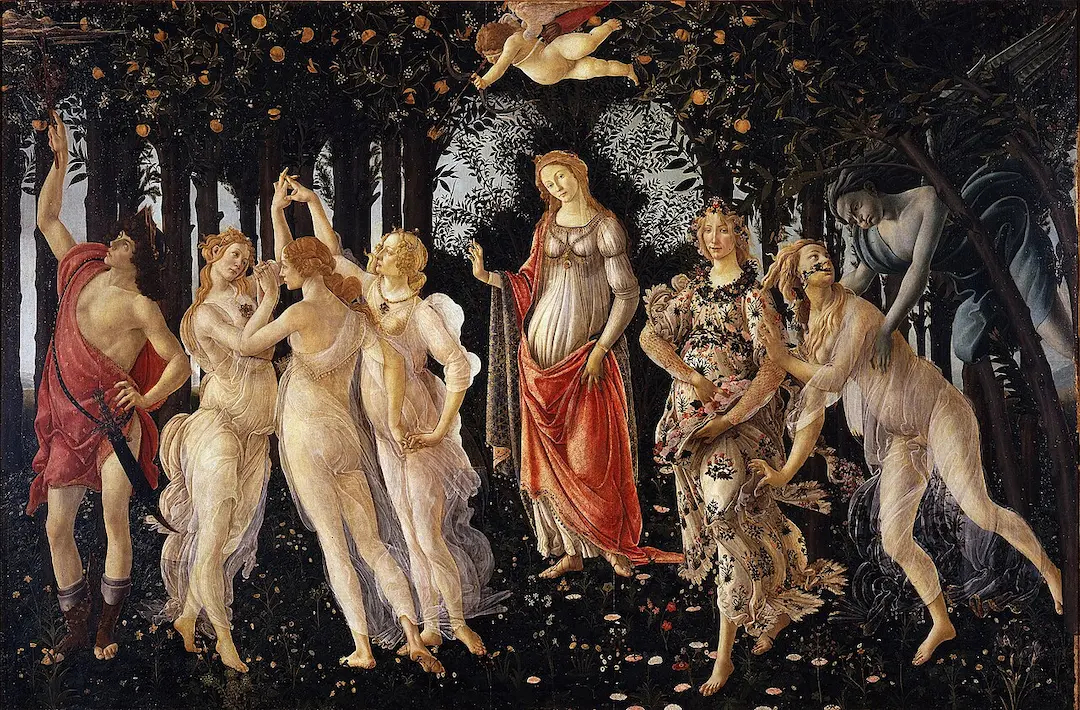
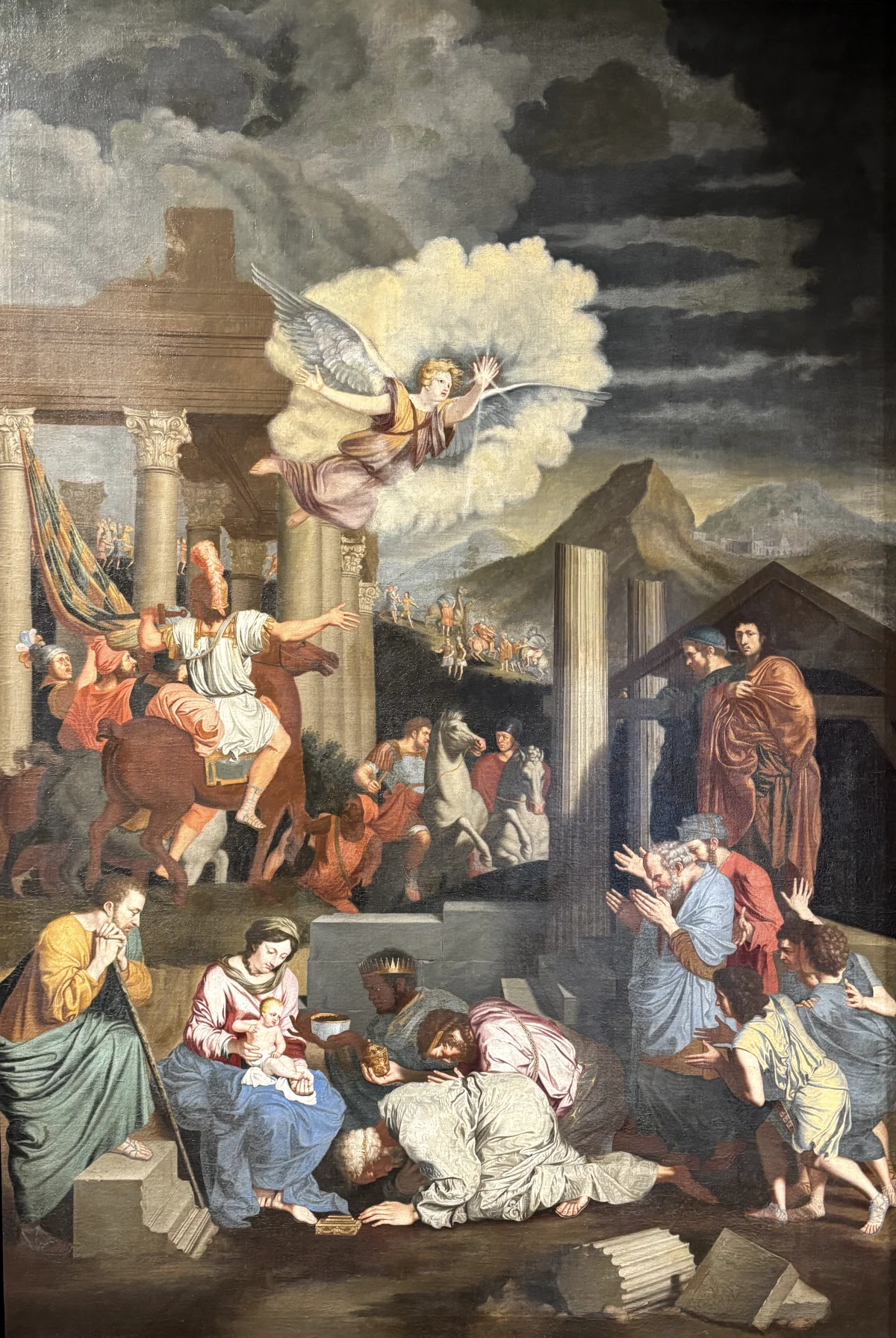
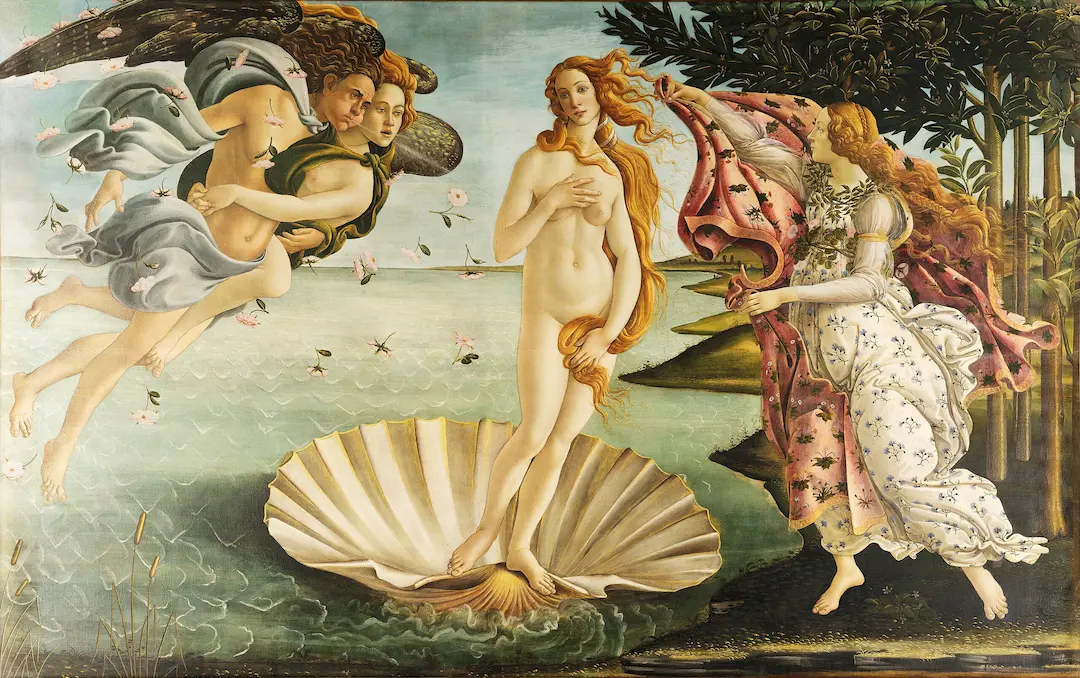
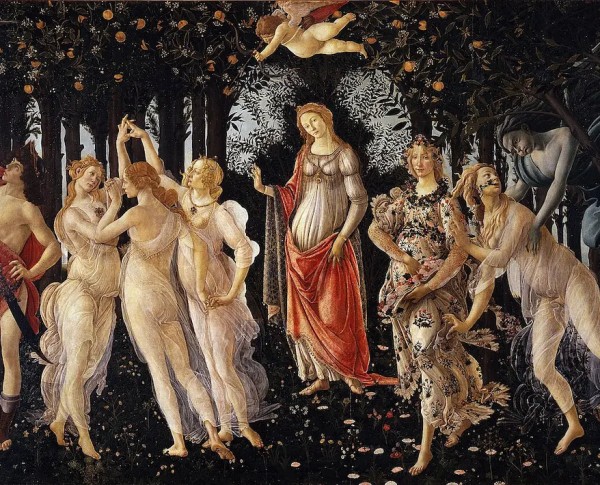
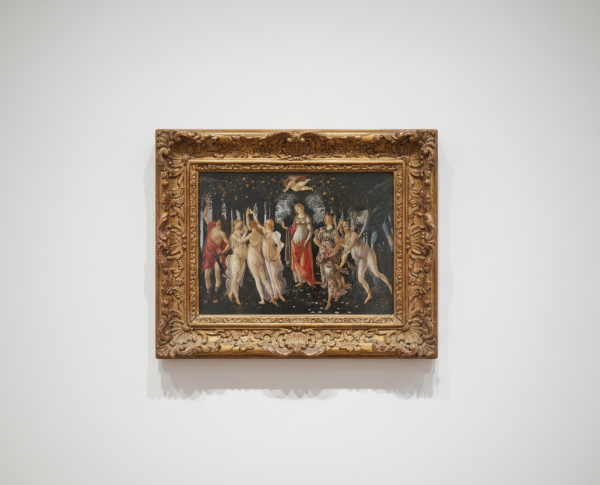
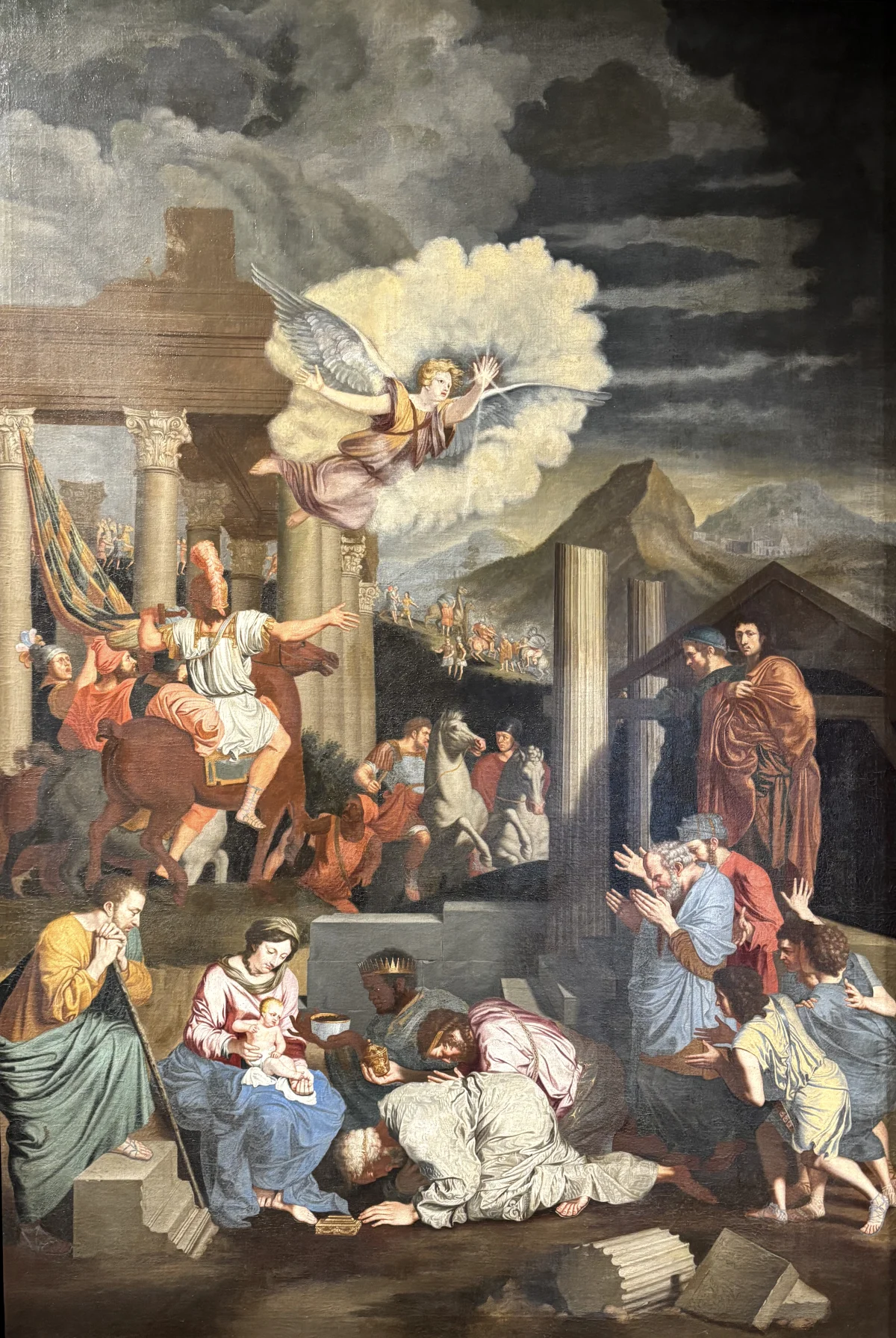
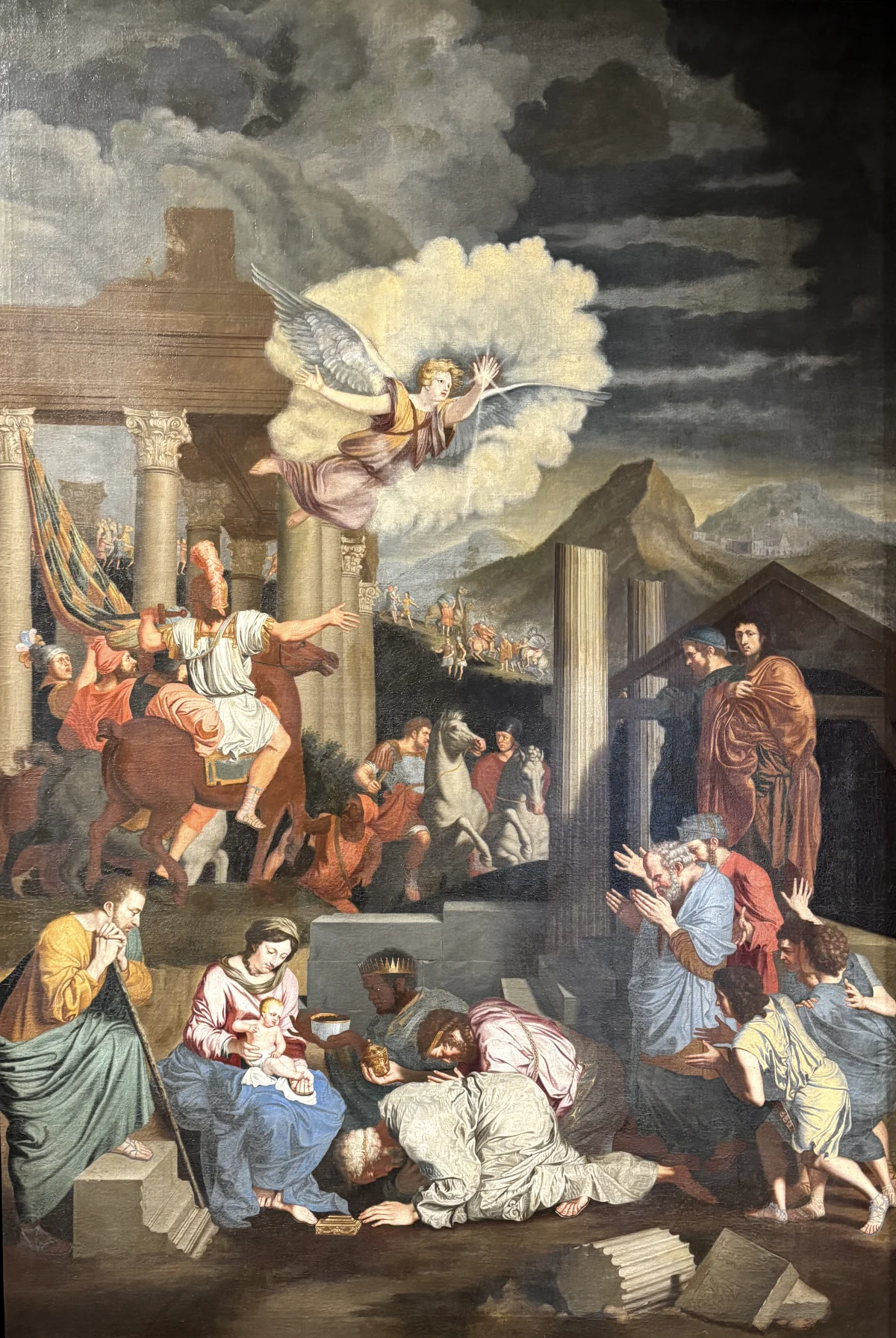
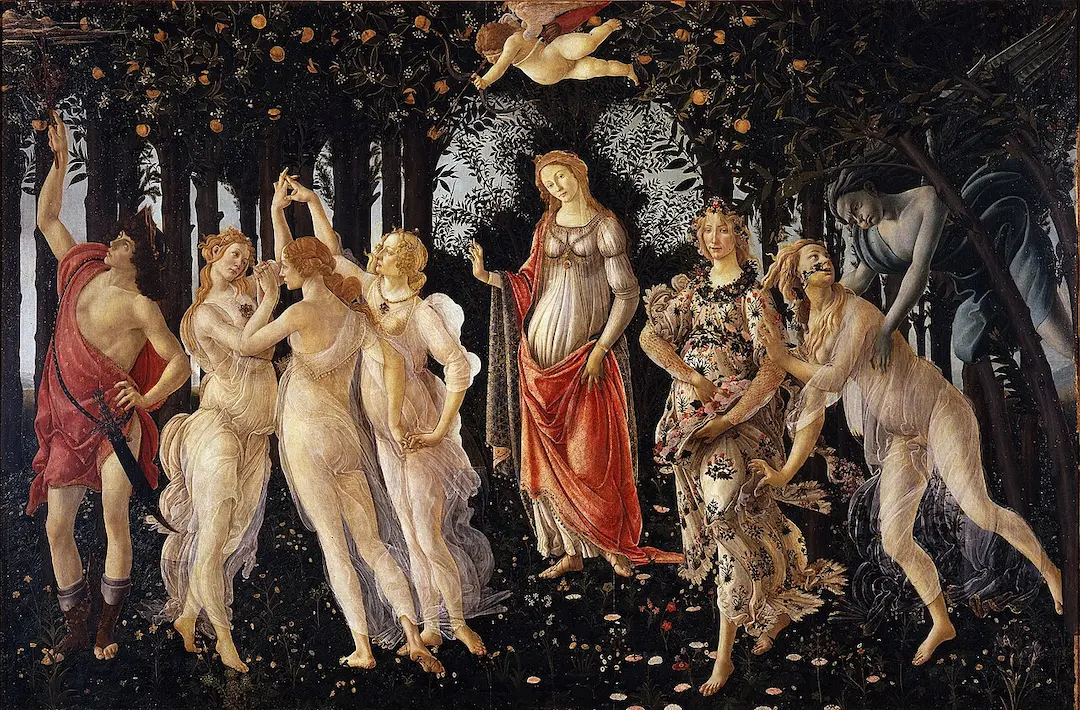
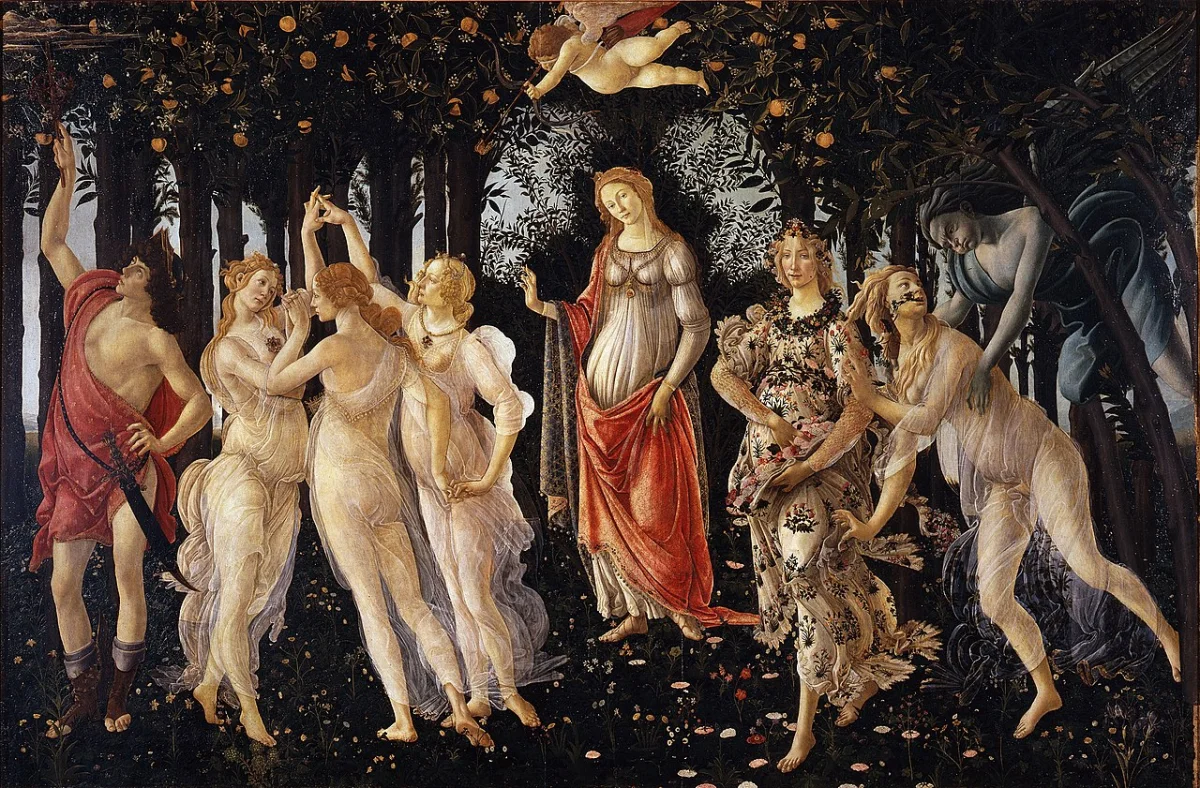
"Adoration of the Magi" by Alessandro Filipepi, known as Sandro Botticelli, stands as a testament to the Early Renaissance movement. This hand-painted oil painting captures the reverence and grandeur of the era, showcasing Botticelli's unique vision. Collectors and art lovers alike admire its enduring influence, much like other works such as "Allegory Of Spring La Primavera" and "Birth of Venus (La Nascita di Venere)," all exemplifying the mastery of Renaissance fine art.
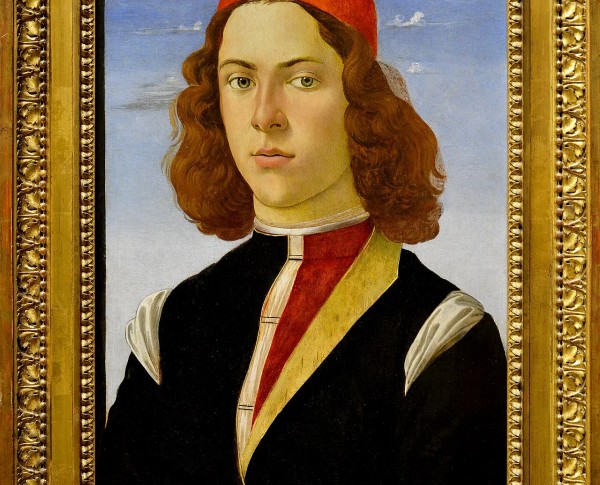
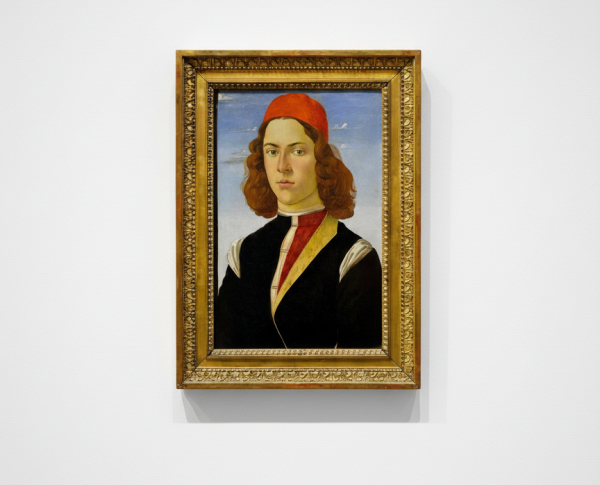
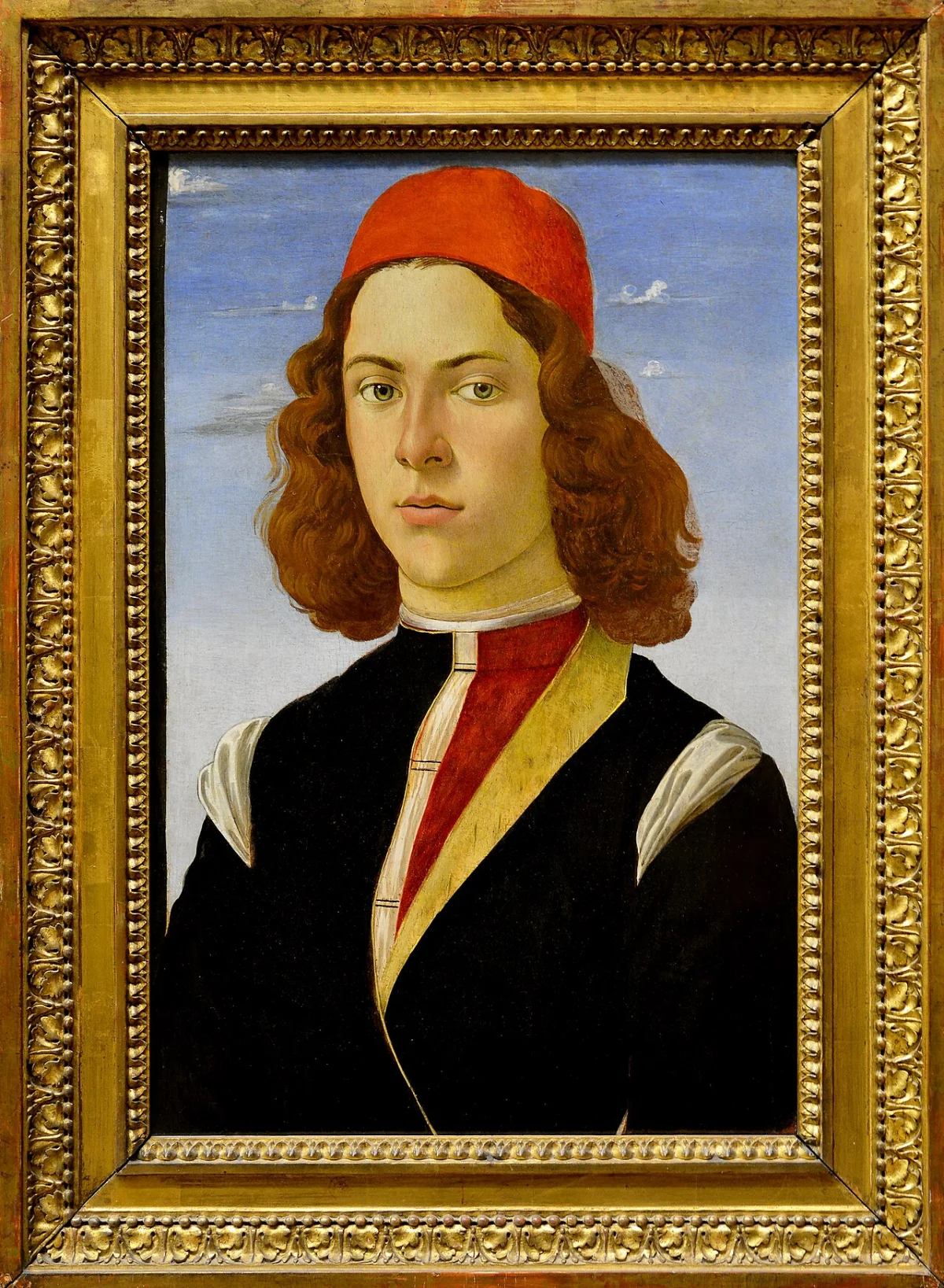
Botticelli’s remarkable technique in "Adoration of the Magi" is evident through the delicate use of oil on canvas, a medium that brings depth and luminosity to each figure. The artist's attention to detail and composition reflect the pinnacle of Early Renaissance artistry. Those seeking fine art painting for sale often look to Botticelli’s work, alongside masterpieces like "Portrait of a Young Man," for their historical significance and exceptional craftsmanship.
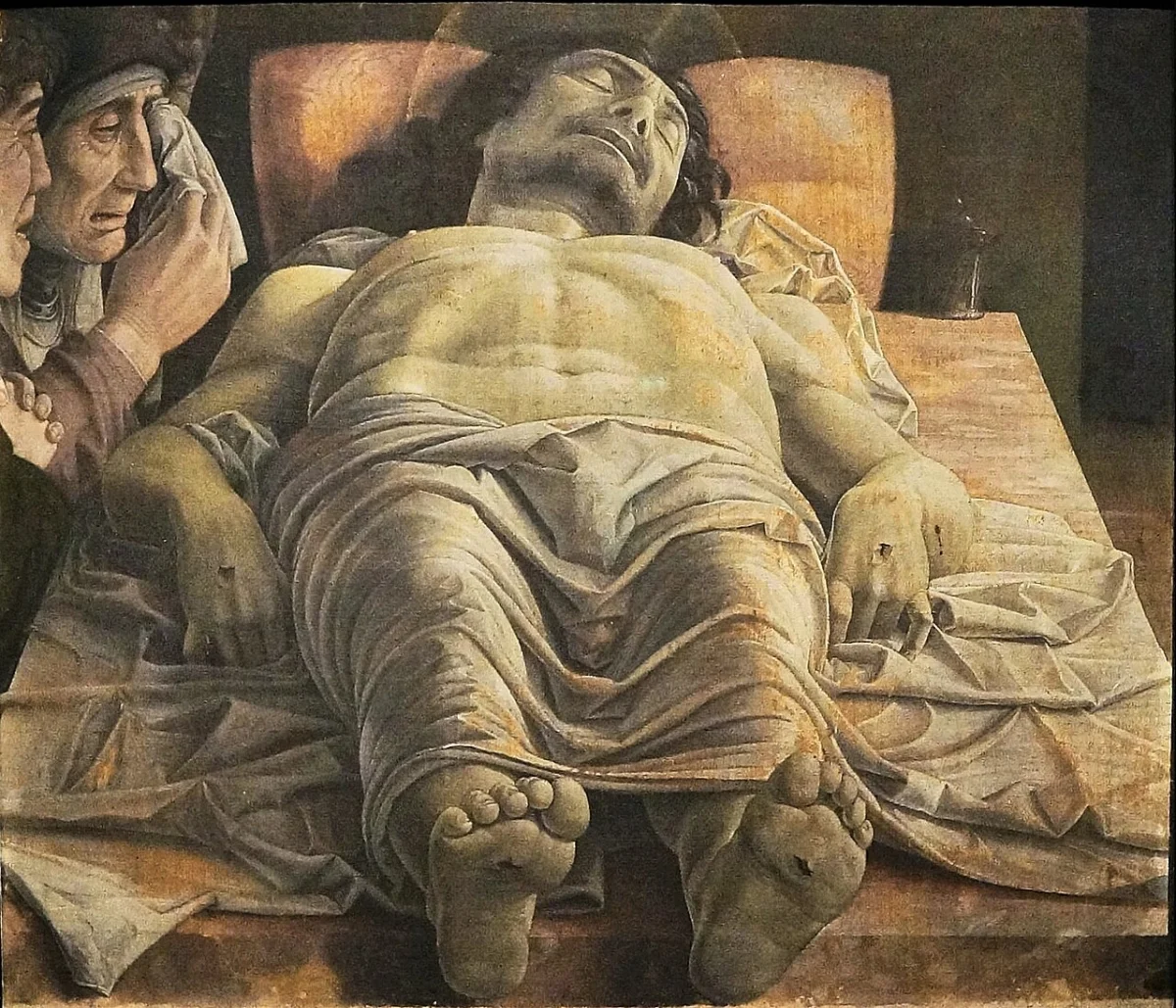
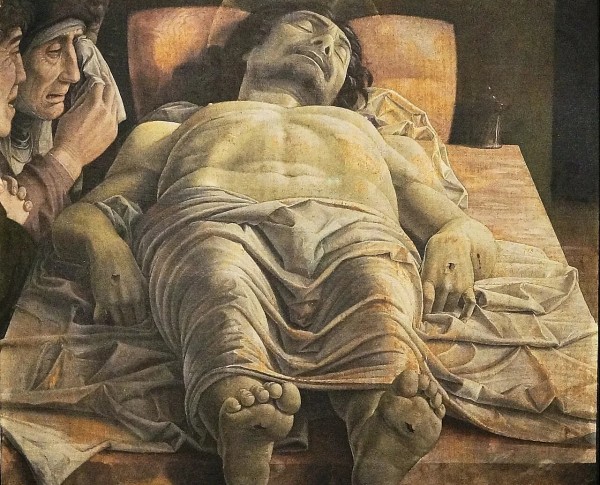
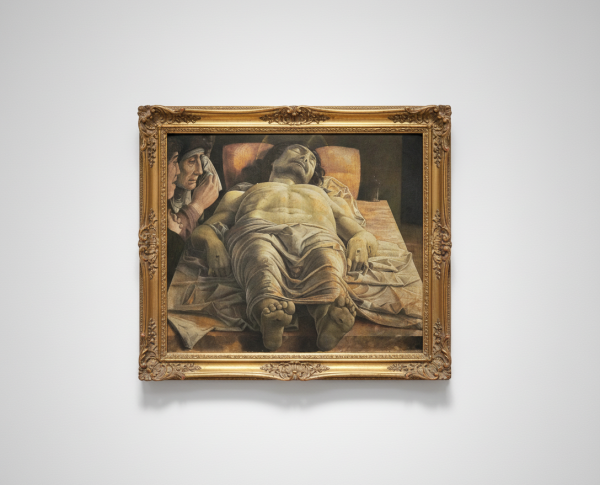
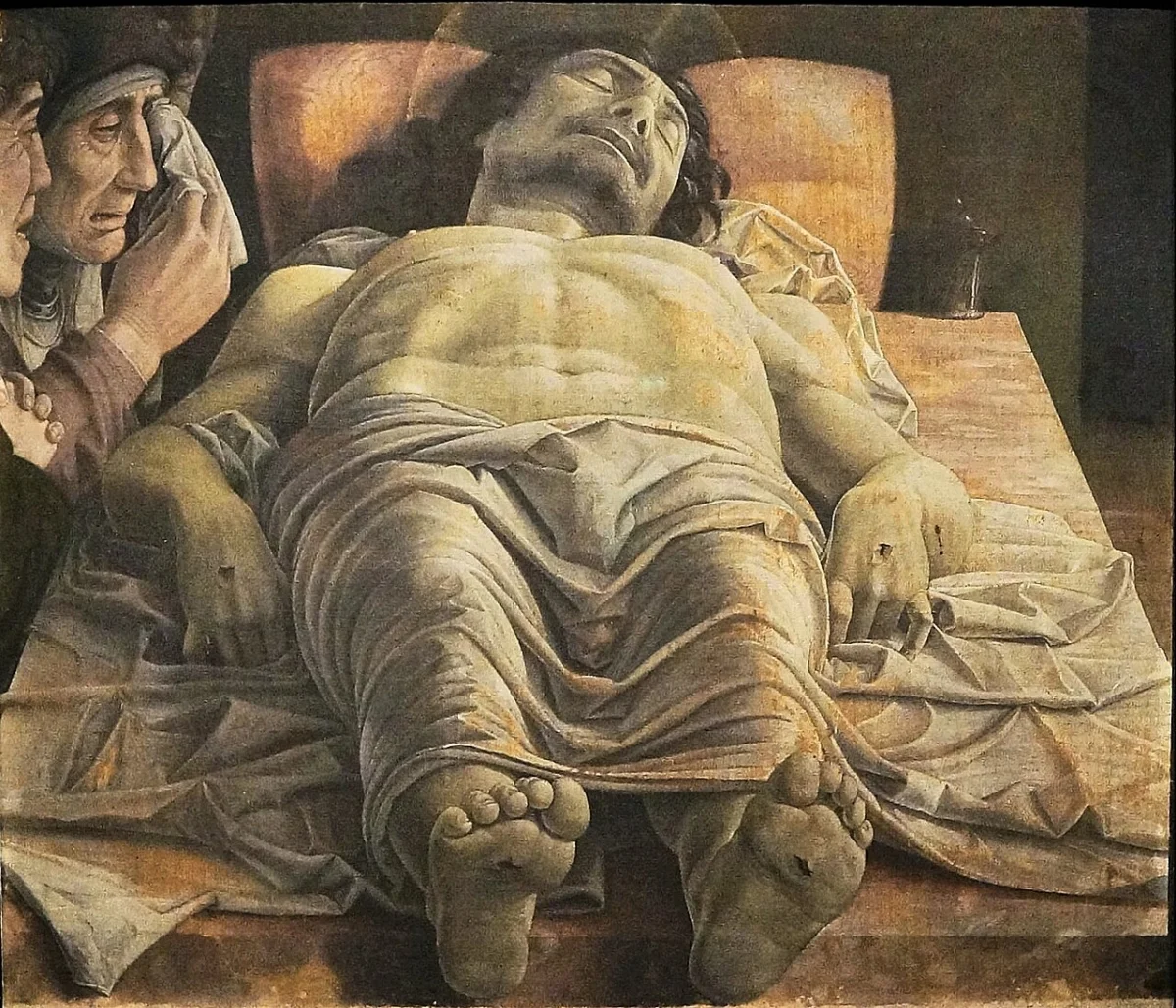
Within "Adoration of the Magi," Botticelli weaves intricate symbolism and narrative, representative of the Early Renaissance fascination with religious themes. Each character and gesture in this hand-painted oil painting carries deeper meaning, inviting viewers to unravel the story behind the scene. Similar symbolic richness can be found in Botticelli’s "Lamentation over the Dead Christ" and "Allegory Of Spring La Primavera," making these works enduring favorites among collectors.
For art enthusiasts, owning a Botticelli oil on canvas is akin to possessing a piece of history. "Adoration of the Magi" remains a prized fine art painting for sale, celebrated for its beauty and cultural significance. Collectors often seek related masterpieces, including "Birth of Venus (La Nascita di Venere)" and "Portrait of a Young Man," to build a collection that reflects the brilliance of the Early Renaissance and Botticelli's unparalleled artistry.
When Art Meets History
"Adoration of the Magi" by Alessandro Filipepi, more famously known as Sandro Botticelli, stands as a testament to the brilliance of the Early Renaissance. This hand-painted oil painting not only captures a biblical scene but also immortalizes the Medici family, blending sacred narrative with contemporary Florentine society. Botticelli's masterpiece shares its historical context with other renowned works of the period, reflecting the fusion of religious devotion and emerging humanist ideals in Renaissance art.
Techniques That Speak
Botticelli’s "Adoration of the Magi" showcases his mastery of oil on canvas, a medium that allowed for intricate detail and vibrant color. The artist’s delicate brushwork and refined use of perspective were revolutionary for the Early Renaissance. Botticelli’s techniques imbue the figures with a lifelike presence, echoing the styles seen in his related paintings. The careful layering of pigment and subtle gradations of light make this composition a standout among Renaissance oil paintings.
Emotions on Display
In "Adoration of the Magi," Botticelli captures a tapestry of emotions, from awe and reverence to humility. Each figure is rendered with expressive gestures and nuanced facial expressions, drawing viewers into the spiritual drama. This fine art painting for sale is celebrated for its ability to convey the sacred moment with both grandeur and intimacy, a trait Botticelli shares with other Early Renaissance masters who sought to humanize biblical tales through emotional realism.
Coveted by Collectors
"Adoration of the Magi" has long been coveted by collectors and art enthusiasts for its historical and artistic value. As a hand-painted oil painting by a master of the Early Renaissance, it represents a pinnacle of Botticelli’s career. Collectors prize this work not only for its beauty but also for its significance within the artist’s oeuvre and the broader context of Renaissance art, alongside other celebrated paintings from this transformative period in art history.
Frequently Asked Questions About Adoration of the Magi
What is the historical context of "Adoration of the Magi"?
"Adoration of the Magi" was painted during the early Renaissance, a period characterized by a renewed interest in classical antiquity and humanism. Created by Sandro Botticelli in the 1480s, the work reflects the cultural and artistic developments of Florence at that time, including the patronage of the Medici family.
Who are the figures depicted in the painting?
The painting features the three Magi, or Wise Men, who come to pay homage to the newborn Christ. Each Magus represents different ages and ethnicities, symbolizing the universality of Christ's message. Additionally, the Virgin Mary and the Christ child are central figures, surrounded by angels and other attendants.
What artistic techniques did Botticelli use in this painting?
Botticelli employed tempera on wood, allowing for vibrant colors and intricate details. His use of linear perspective creates depth, while the delicate rendering of figures showcases his mastery of form and composition, typical of the early Renaissance style.
What symbolism is present in "Adoration of the Magi"?
The painting is rich in symbolism, with the Magi representing the acknowledgment of Christ's divine kingship. The gifts they bear—gold, frankincense, and myrrh—symbolize Christ's royalty, divinity, and future suffering, respectively. The presence of various figures also emphasizes the theme of universal salvation.
How does Botticelli's style contribute to the overall impact of the painting?
Botticelli's style is characterized by graceful lines and a sense of movement, which enhances the emotional resonance of the scene. His attention to detail and use of color create a harmonious composition that draws the viewer's eye and invites contemplation of the spiritual significance of the moment.
What role does the Medici family play in the painting's history?
The Medici family, prominent patrons of the arts in Florence, commissioned this work. Their influence is evident in the painting's grandeur and the inclusion of contemporary figures, suggesting a connection between the divine and the political power of the time.
What is the significance of the setting in "Adoration of the Magi"?
The setting of the painting is a blend of the biblical and the contemporary, with architectural elements reflecting Renaissance Florence. This juxtaposition underscores the idea that the divine can be found within the familiar, bridging the gap between heaven and earth.
How does "Adoration of the Magi" compare to other works by Botticelli?
While Botticelli is known for his mythological and allegorical works, "Adoration of the Magi" stands out due to its religious subject matter. It shares his characteristic elegance and attention to detail but also reflects a deeper engagement with themes of faith and redemption, contrasting with his more secular pieces.
What influence did "Adoration of the Magi" have on later artists?
The painting has influenced numerous artists through its innovative composition and emotional depth. Its blend of realism and idealism set a precedent for later Renaissance works, inspiring artists to explore similar themes of spirituality and human experience in their own creations.
Where can I see "Adoration of the Magi" today?
"Adoration of the Magi" is housed in the Uffizi Gallery in Florence, Italy. It remains a significant work of art, attracting visitors from around the world who seek to appreciate Botticelli's masterful depiction of this pivotal biblical event.






















_GFM_Painting_(1).webp)


 100% Hand-Painted: Finished in 3-6 Weeks

.png)












.webp)



_(1).webp)